


1. Search Result
Search Result
Results for "

extracellular ATP

" in MedChemExpress (MCE) Product Catalog:

18

Inhibitors & Agonists

1

Screening Libraries

1

Peptides

3

Inhibitory Antibodies

1

Natural
Products

1

Isotope-Labeled Compounds

Cat. No. Product Name Target Research Areas Chemical Structure
  • HY-P2764
    Apyrase
    3 Publications Verification

    NTPDase Inflammation/Immunology
    Apyrase is an Nucleoside triphosphate diphosphohydrolase (NTPDase). Apyrase can hydrolyze extracellular adenosine triphosphate (ATP) and adenosine diphosphate (ADP). Apyrase can inhibit Stx2 toxin release of enterohemorrhagic Escherichia coli (EHEC) infection and protect the intestinal barrier function. Apyrase can be used for the research of infection and inflammation, such as hemorrhagic colitis .
    Apyrase
  • HY-12283
    Rostafuroxin
    2 Publications Verification

    PST 2238

    Na+/K+ ATPase RSV Cardiovascular Disease
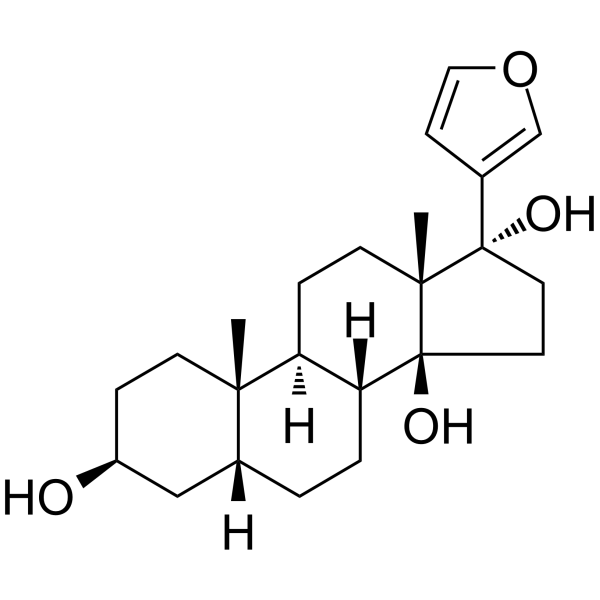
    Rostafuroxin (PST 2238), a digitoxigenin derivative, is an orally active and potent Na +,K +-ATPase (ATP1A1) antognist. Rostafuroxin binds specifically to the ATP1A1 extracellular domain and blocks respiratory syncytial virus (RSV)-triggered EGFR Tyr845 phosphorylation. Rostafuroxin has antihypertensive and anti-RSV activity .
    Rostafuroxin
  • HY-103322

    PKA Potassium Channel Metabolic Disease Cancer
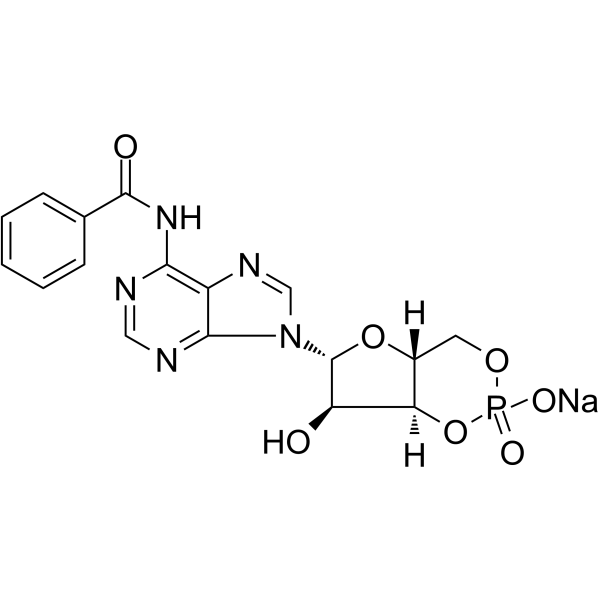
    6-Bnz-cAMP sodium, a derivative of cyclic adenosine monophosphate (cAMP), is a selective PKA activator with inhibitory activity against the bTREK-1 K + channel. 6-Bnz-cAMP sodium does not activate the Epac signaling pathway. It inhibits the bTREK-1 K + channel via a voltage-independent, ATP-dependent mechanism that is independent of the PKA/Epac/calmodulin kinase/MAP kinase pathway. 6-Bnz-cAMP sodium activates CREB phosphorylation to regulate osteoblast-specific gene expression, induces osteoblast differentiation, promotes extracellular matrix mineralization, supports osteoblast proliferation, and shows no cytotoxicity toward osteoblasts. It can be used in studies related to bone tissue repair and regeneration .
    6-Bnz-cAMP sodium salt
  • HY-124309

    Lactate Dehydrogenase Apoptosis Cancer
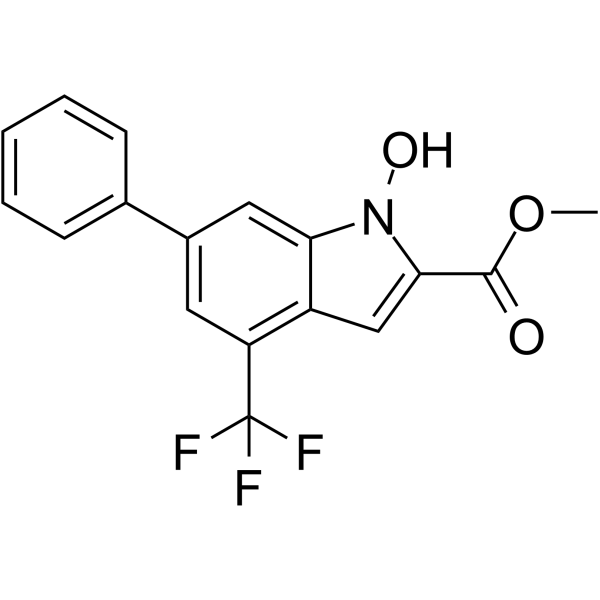
    NHI-2 is a lactate dehydrogenase A (LDHA) inhibitor with an IC50 of 14.7 µM. NHI-2 shows selective for LDHA over LDHB (IC50 = 55.8 µM). NHI-2 is an efficient anti-glycolytic agent. NHI-2 enhances apoptosis, induces cell cycle arrest at S and G2 phases. NHI-2 has a broad spectrum anti-proliferative activity in cancer cells. NHI-2 affects extracellular acidification rate and ATP production. NHI-2 suppresses tumor growth in murine B78 melanoma tumor model .
    NHI-2
  • HY-34154

    Lactate Dehydrogenase Others
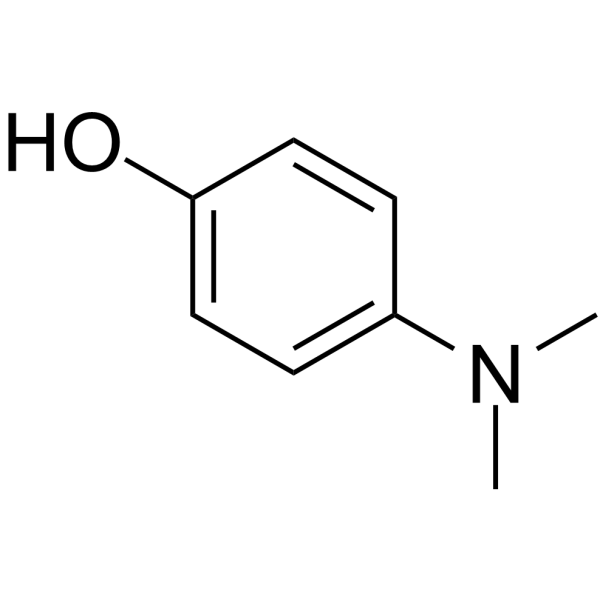
    4-(Dimethylamino)phenol is a potent cyanide antidote. 4-(Dimethylamino)phenol increases the extracellular lactate dehydrogenase (LDH) without markedly affecting gluconeogenesis. 4-(Dimethylamino)phenol cannot decreases the ATP content until the membrane becomes permeable to LDH. 4-(Dimethylamino)phenol’s toxicity is related to its reaction with glutathione and formation of covalent complexes, leading to impaired cellular function .
    4-(Dimethylamino)phenol
  • HY-P990068

    SRF617

    NTPDase Inflammation/Immunology Cancer
    Perenostobart (SRF617) is a human IgG4 antibody with inhibitory activity against CD39 ATPase. Perenostobart inhibits CD39-mediated hydrolysis of extracellular ATP to AMP, with IC50 values of 1.9 nM (HEK293 OE cells), 0.7 nM (MOLP-8 cells), and 1.2 nM (RBC-lysed whole blood). Perenostobart enhances CD4 + T-cell proliferation, promotes dendritic cell maturation, and boosts inflammasome activation in macrophages in the presence of ATP. Perenostobart demonstrates significant single-agent anti-tumor efficacy in MOLP-8 and H520 xenograft models. Perenostobart can be used for the study of cancer .
    Perenostobart
  • HY-N2452

    GLP Receptor Cardiovascular Disease Infection Metabolic Disease
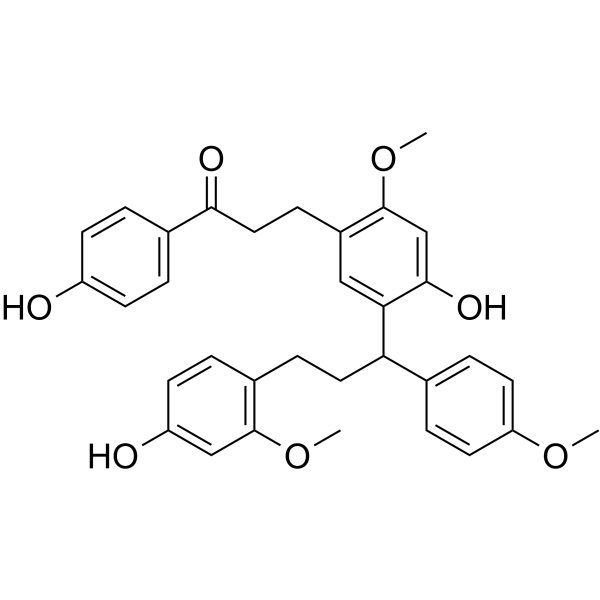
    Cochinchinenin C is a GLP-1R agonist that binds to the extracellular domain of the receptor via hydrophobic interactions and hydrogen bonds, and promotes glucose-dependent insulin secretion from pancreatic β-cells. Cochinchinenin C also increases intracellular cAMP and ATP levels. At low concentrations, Cochinchinenin C binds to human serum albumin, alters its microenvironment, and induces dominant static fluorescence quenching. Cochinchinenin C shows almost no cytotoxicity to pancreatic β-cells, and exerts a synergistic effect with Loureirin A (HY-N1505) when binding to human serum albumin. Cochinchinenin C has been widely used in studies of type 2 diabetes, Helicobacter pylori infection, thrombotic diseases, and other conditions .
    Cochinchinenin C
  • HY-108960

    P2X Receptor Interleukin Related Neurological Disease
    PPADS is a P2X receptor (P2X Receptor) antagonist and a reversible competitive antagonist of NAADP receptors, with IC50 values of 68 nM (P2X1) and 214 nM (P2X3), respectively. PPADS alleviates pain-related behaviors in the central and peripheral nervous systems of mice after peripheral neuropathy, inhibits the overproduction of IL-1β, IL-6, iNOS and nNOS, and suppresses the hydrolytic activity of extracellular ATPase. PPADS blocks ATP-mediated inward currents on recombinant rat P2X1 and P2X3 receptors, and inhibits purinergic nerve stimulation-induced contraction of rabbit bladder detrusor muscle. PPADS is applicable to research related to neuropathic pain .
    PPADS
  • HY-P5422

    Calcium Channel Others
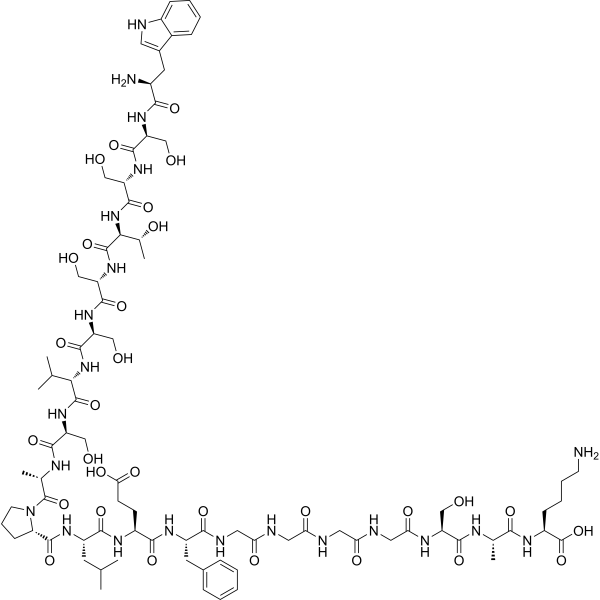
    Caloxin 3A1 is a biological active peptide. (This peptide belongs to caloxins, the extracellular plasma membrane (PM) Ca2+ pump inhibitors. Caloxin 3A1 inhibits plasma membrane calcium pumps (PMCAs) but not the sarcoplasmic reticulum Ca2+-pump. This peptide does not inhibit formation of the acylphosphate intermediate from ATP.)
    Caloxin 3A1
  • HY-143288

    NTPDase Infection Inflammation/Immunology Cancer
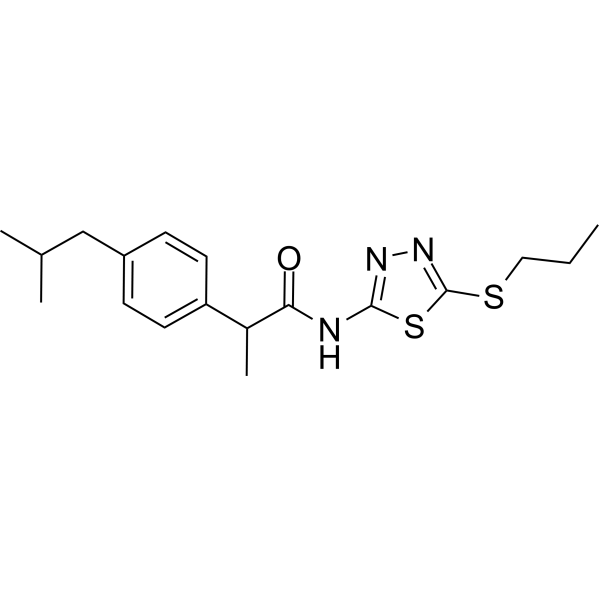
    NTPDase-IN-2 (compound 5g) is a selective NTPDase inhibitor with IC50s of 0.04 and 2.27 µM for h-NTPDase-2/-8, respectively. NTPDase-IN-2 non-competitively inhibits h-NTPDase-1/-2 with a Km of 74 µM for h-NTPDase-2. NTPDase-IN-2 can be used in studies of cancer, immunologic disorders as well as bacterial infections .
    NTPDase-IN-2
  • HY-B1588S

    Amyloid-β HIV 11β-HSD Infection Neurological Disease Inflammation/Immunology
    Carbenoxolone-d4 is deuterium labeled Carbenoxolone. Carbenoxolone, a semi-synthetic derivative of glycyrrhetinic acid, has previously been used for the management of dyspepsia and peptic ulcer because of its anti-inflammatory properties . Carbenoxolone, a general hemichannel and gap junction inhibitor, has the therapeutic potential of carbenoxolone in the research of chronic liver disease . Carbenoxolone is a suitable candidate for the inhibition of Aβ42 aggregation and the therapeutic potential of Cbx against AD . Carbenoxolone is small molecule Pannexin1 (Panx1,is an ATP release channel) inhibitor, attenuate Panx1 channel activity through modulation of the first extracellular loop .Carbenoxolone is an 11β-hydroxysteroid dehydrogenase type 1 (11β-HSD1) inhibitor that converts inactive glucocorticoid into an active form. Carbenoxolone has antiviral activity against DENV infection targeting the virus itself .
    Carbenoxolone-d4
  • HY-12283R

    PST 2238 (Standard)

    Na+/K+ ATPase RSV Reference Standards Cardiovascular Disease
    Rostafuroxin (Standard) is the analytical standard of Rostafuroxin. This product is intended for research and analytical applications. Rostafuroxin (PST 2238), a digitoxigenin derivative, is an orally active and potent Na+,K+-ATPase (ATP1A1) antognist. Rostafuroxin binds specifically to the ATP1A1 extracellular domain and blocks respiratory syncytial virus (RSV)-triggered EGFR Tyr845 phosphorylation. Rostafuroxin has antihypertensive and anti-RSV activity .
    Rostafuroxin (Standard)
  • HY-P990038

    ES002023

    NTPDase Neurological Disease
    Eurestobart (ES002023) is a recombinant human IgG1 antibody against CD39. Eurestobart restores antitumor immunity by stabilizing the pro-inflammatory extracellular ATP (eATP) and interfering with synthesis of the immunosuppressive adenosine within the tumor microenvironment (TME). Eurestobart is used in the research of locally advanced and metastatic solid tumors .
    Eurestobart
  • HY-143287

    NTPDase Infection Inflammation/Immunology Cancer
    NTPDase-IN-1 (compound 5a) is a selective NTPDase inhibitor with IC50s of 0.05, 0.23 and 0.54 µM for h-NTPDase-1/-2/-8, respectively. NTPDase-IN-1 non-competitively inhibits h-NTPDase-1/-2 with a Km of 21 µM for h-NTPDase-1. NTPDase-IN-1 can be used in studies of cancer, immunologic disorders as well as bacterial infections .
    NTPDase-IN-1
  • HY-137381

    N6-Benzoyl-cAMP

    PKA Potassium Channel Metabolic Disease
    6-Bnz-cAMP, a derivative of cyclic adenosine monophosphate (cAMP), is a selective PKA activator with inhibitory activity against the bTREK-1 K + channel. 6-Bnz-cAMP does not activate the Epac signaling pathway. 6-Bnz-cAMP inhibits the bTREK-1 K + channel via a voltage-independent, ATP-dependent mechanism that is independent of the PKA/Epac/calmodulin kinase/MAP kinase pathway. 6-Bnz-cAMP activates CREB phosphorylation to regulate osteoblast-specific gene expression, induces osteoblast differentiation, promotes extracellular matrix mineralization, supports osteoblast proliferation, and shows no cytotoxicity toward osteoblasts. 6-Bnz-cAMP can be used in studies related to bone tissue repair and regeneration .
    6-Bnz-cAMP
  • HY-34154R

    Reference Standards Others
    4-(Dimethylamino)phenol (Standard) is the analytical standard of 4-(Dimethylamino)phenol. This product is intended for research and analytical applications. 4-(Dimethylamino)phenol is a potent cyanide antidote. 4-(Dimethylamino)phenol increases the extracellular lactate dehydrogenase (LDH) without markedly affecting gluconeogenesis. 4-(Dimethylamino)phenol cannot decreases the ATP content until the membrane becomes permeable to LDH. 4-(Dimethylamino)phenol’s toxicity is related to its reaction with glutathione and formation of covalent complexes, leading to impaired cellular function .
    4-(Dimethylamino)phenol (Standard)
  • HY-P992446

    NTPDase Cancer
    PUR001 is a monoclonal antibody targeting NTPDase 1 (CD39). PUR001 blocks the hydrolysis of extracellular ATP and ADP into AMP by inhibiting CD39, reduces the production of immunosuppressive adenosine, and increases extracellular ATP concentration to activate anti-tumor immune responses. PUR001 can be used in studies related to solid tumors .
    PUR001
  • HY-W017180

    α-(Bromomethyl)acrylic acid; α-Methylated acrylamide; α-MAA

    Btk Cancer
    2-(Bromomethyl) acrylic acid is a Bruton's tyrosine kinase (BTK) inhibitor. 2-(Bromomethyl) acrylic acid forms a covalent bond with the cysteine 481 (Cys481) residue of BTK via a nucleophilic addition-elimination reaction, thereby inhibiting the downstream B-cell receptor signaling pathway. 2-(Bromomethyl) acrylic acid induces immunogenic cell death in BTK-expressing B-cell lymphoma cells by releasing damage-associated molecular patterns including extracellular ATP and HMGB1. 2-(Bromomethyl) acrylic acid exhibits cytotoxicity against BTK-expressing B-cell lymphoma cells, but shows low toxicity to BTK-negative cells. 2-(Bromomethyl) acrylic acid can be used in studies related to B-cell lymphoma .
    2-(Bromomethyl)acrylic acid

Inquiry Online

Your information is safe with us. * Required Fields.

Salutation


Country or Region *

Applicant Name *


Organization Name *

Department *


Email Address *


Product Name *

Cat. No.


Requested quantity *

Phone Number *


Remarks

Inquiry Online

Inquiry Information

Product Name:
Cat. No.:
Quantity:
MCE Japan Authorized Agent:

