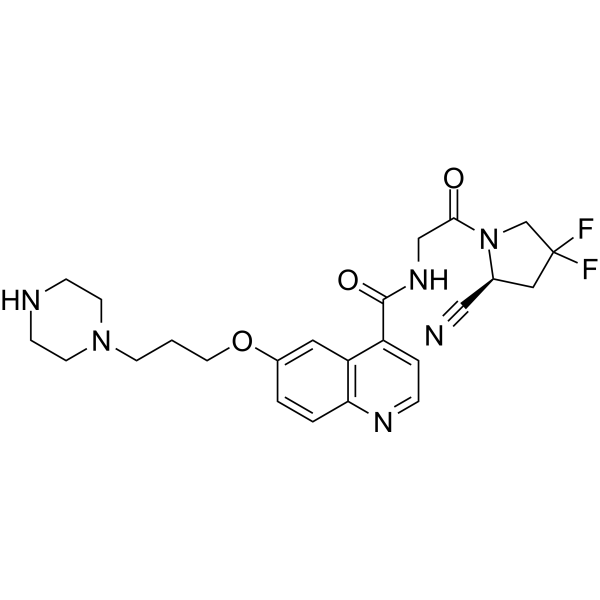
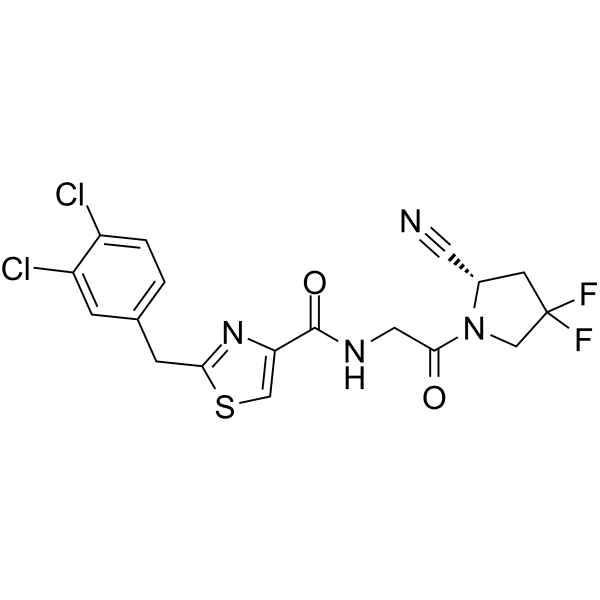
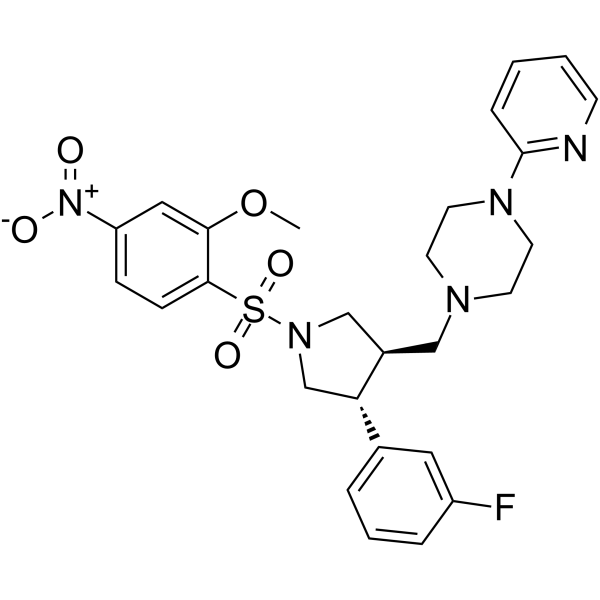
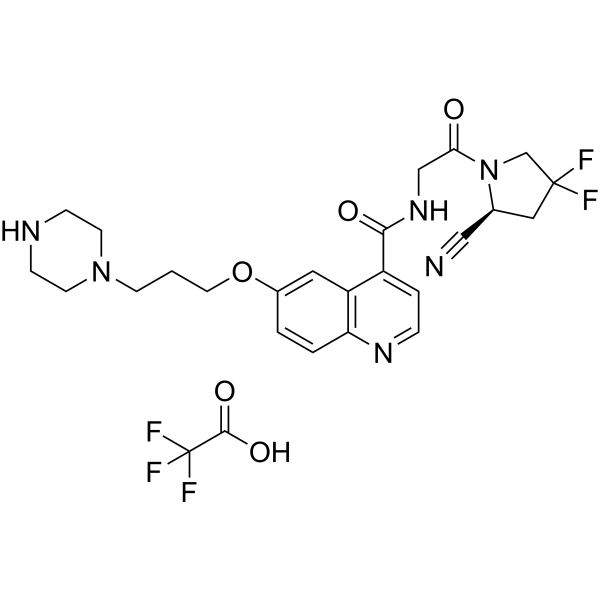
1. Search Result
Search Result
Results for "

fibroblast activation protein inhibitor

" in MedChemExpress (MCE) Product Catalog:

38

Inhibitors & Agonists

1

Biochemical Assay Reagents

3

Peptides

2

Natural
Products

Targets Recommended:
Cat. No. Product Name Target Research Areas Chemical Structure
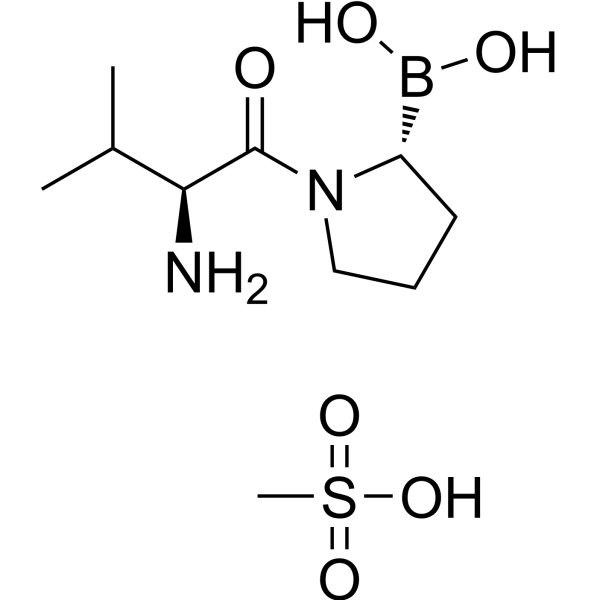
  • HY-13233A
    Talabostat mesylate
    Maximum Cited Publications
    42 Publications Verification

    Val-boroPro mesylate; PT100 mesylate

    Dipeptidyl Peptidase Inflammation/Immunology Cancer
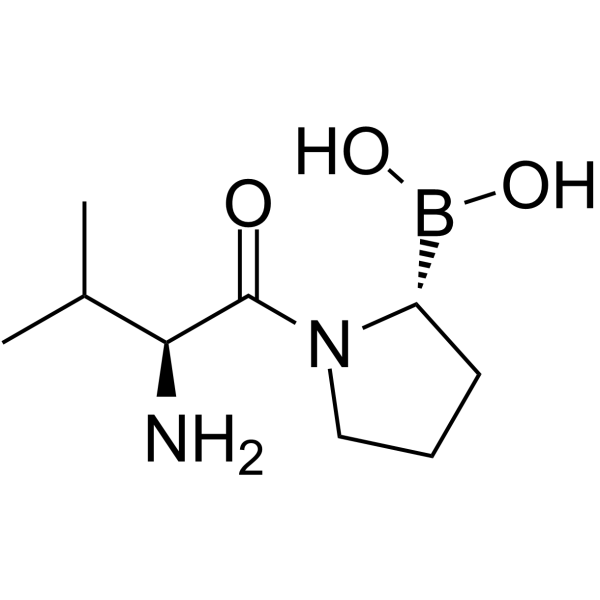
    Talabostat mesylate (Val-boroPro mesylate; PT100 mesylate) is an orally active and nonselective dipeptidyl peptidase IV (DPP-IV) inhibitor (IC50 < 4 nM; Ki = 0.18 nM) and the inhibitor of fibroblast activation protein (FAP) (IC50 = 560 nM), inhibits DPP8/9 (IC50 = 4/11 nM; Ki = 1.5/0.76 nM), quiescent cell proline dipeptidase (QPP) (IC50 = 310 nM), DPP2, and some other DASH family enzymes. Antineoplastic and hematopoiesis- stimulating activities .
    Talabostat mesylate
  • HY-128643
    FAPI-4
    30+ Cited Publications

    FAP Cancer
    FAPI-4 is a potent fibroblast activation protein (FAP) inhibitor for the targeting FAP. FAPI-4 can be used in cancer research. 68Ga-FAPI-4 PET/CT is a promising new diagnostic method for imaging various kinds of cancer, with good tumor-to-background contrast ratios .
    FAPI-4
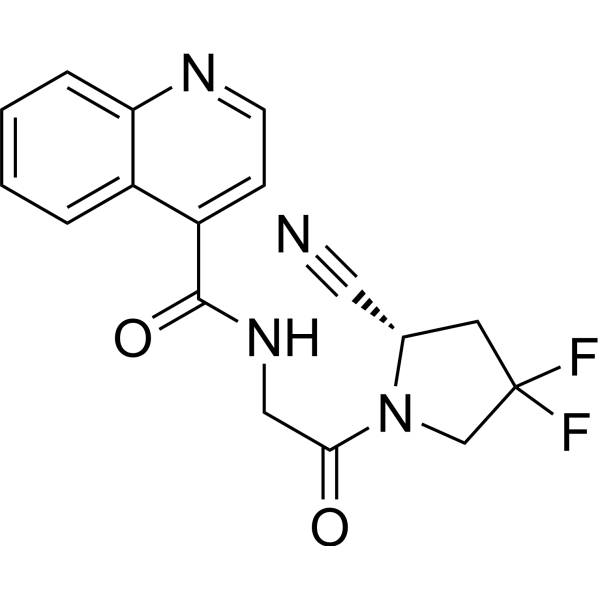
  • HY-100684
    UAMC-1110
    2 Publications Verification

    Prolyl Endopeptidase (PREP) FAP Cancer
    UAMC-1110 is a highly potent and selective inhibitor of fibroblast activation protein (FAP) with an IC50 of 3.2 nM. UAMC-1110 also inhibits prolyl oligopeptidase (PREP) with an IC50 of 1.8 μM .
    UAMC-1110
  • HY-47979
    FAP-IN-2
    1 Publications Verification

    FAP Cancer
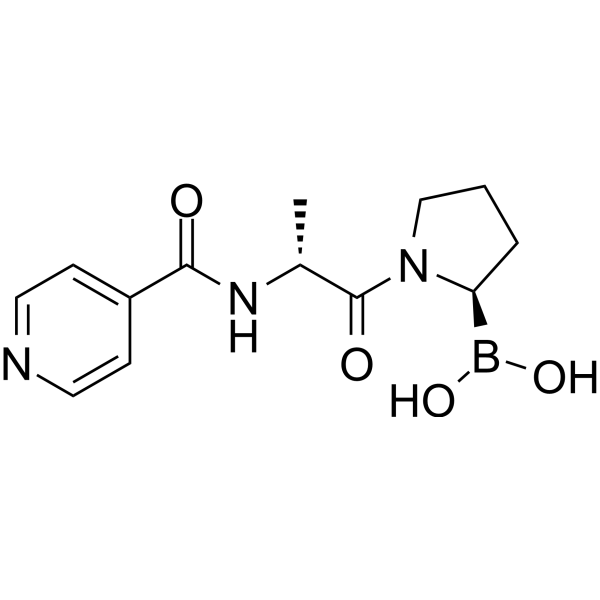
    FAP-IN-2 is an isonitrile-containing fibroblast activation protein (FAP) inhibitor. FAP-IN-2 can be labeled with technetium-99m ( 99mTc) for targeted tumor SPECT imaging .
    FAP-IN-2
  • HY-13233

    Val-boroPro; PT100

    Dipeptidyl Peptidase Inflammation/Immunology Cancer
    Talabostat (Val-boroPro; PT100) is an orally active and nonselective dipeptidyl peptidase IV (DPP-IV) inhibitor (IC50 < 4 nM; Ki = 0.18 nM) and the first clinical inhibitor of fibroblast activation protein (FAP) (IC50 = 560 nM), inhibits DPP8/9 (IC50 = 4/11 nM; Ki = 1.5/0.76 nM), quiescent cell proline dipeptidase (QPP) (IC50 = 310 nM), DPP2, and some other DASH family enzymes. Antineoplastic and hematopoiesis- stimulating activities .
    Talabostat
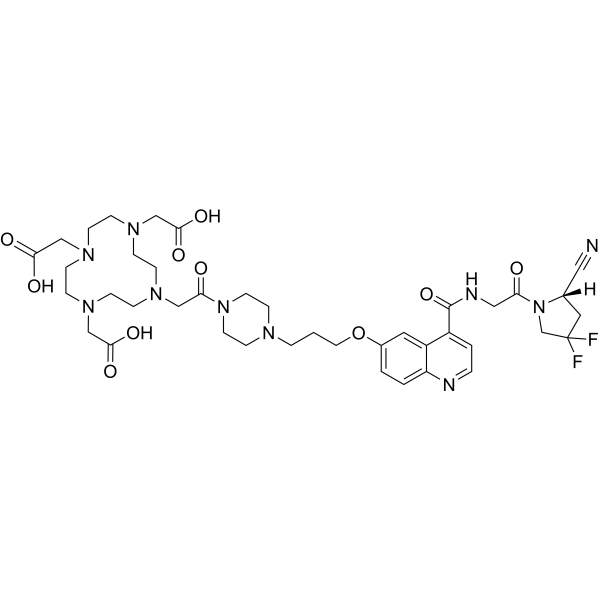
  • HY-136641

    Radionuclide-Drug Conjugates (RDCs) FAP Cancer
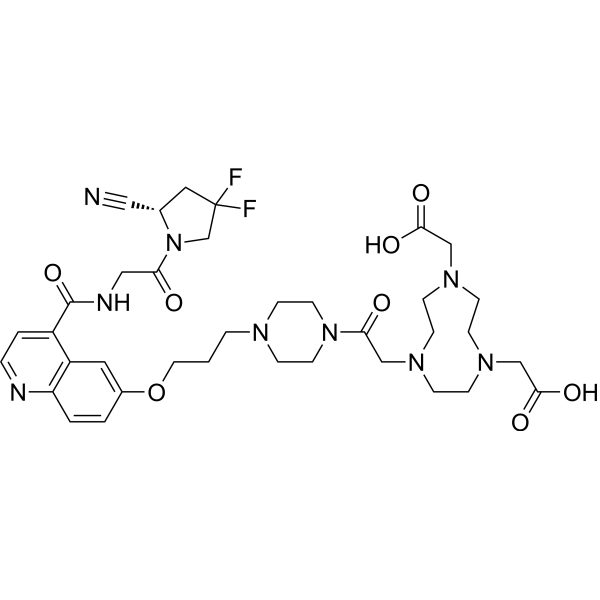
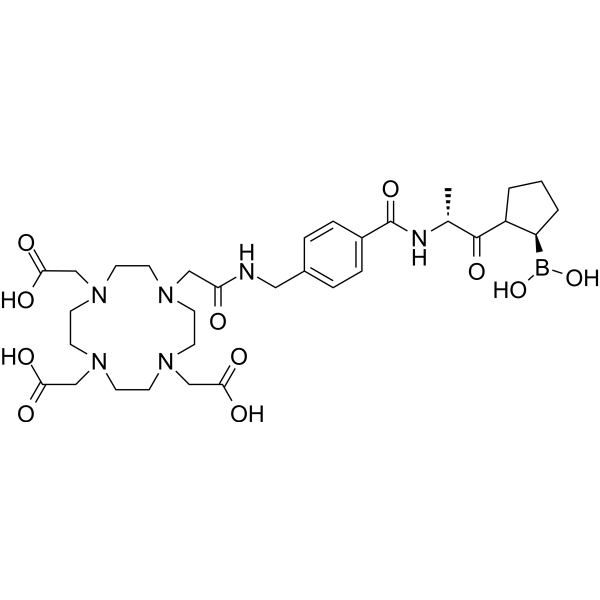
    NOTA-FAPI is a fibroblast activation protein (FAP) inhibitor. NOTA-FAPI can be used as a probe for FAP-targeted tumour imaging. NOTA-FAPI has good tumour detection efficacy and excellent imaging quality .
    NOTA-FAPI
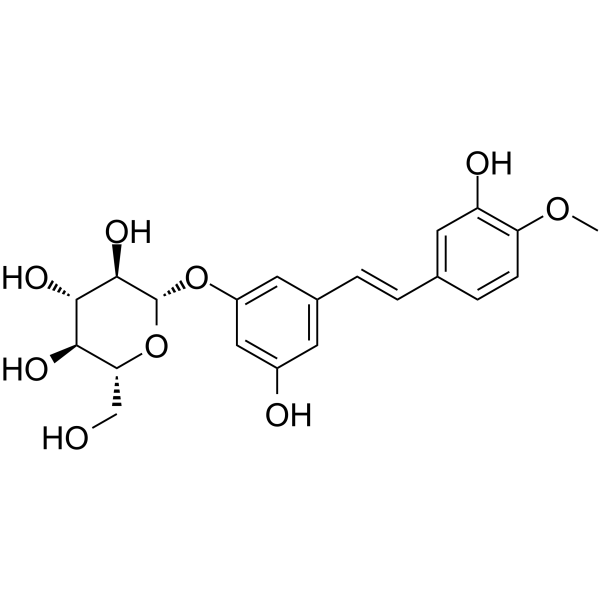
  • HY-N0671
    Rhapontin
    2 Publications Verification

    Rhaponiticin

    Apoptosis Cardiovascular Disease Metabolic Disease Inflammation/Immunology Cancer
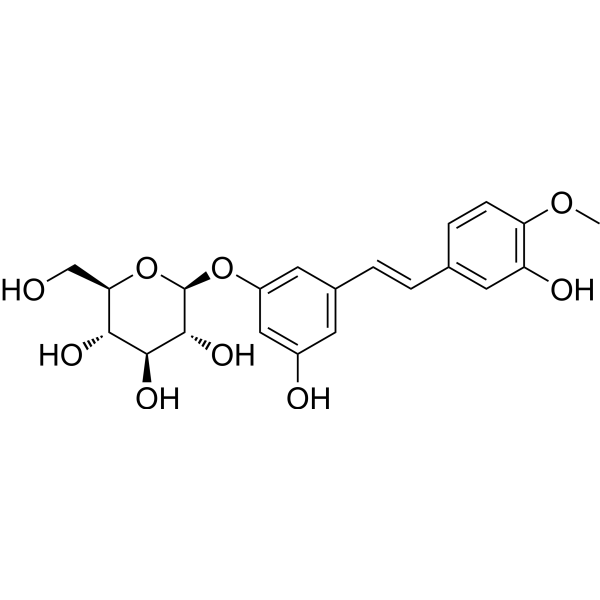
    Rhapontin (Rhaponiticin) is an orally aactive SIRT1 agonist and AMPK activator with anti-inflammatory and anti-fibrotic activities. Rhapontin inhibits NLRP3 inflammasome activation by activating SIRT1 and inhibits TGF-β/Smad signaling via the AMPK pathway. Rhapontin reduces intestinal and lung inflammation, inhibits fibroblast differentiation and extracellular matrix deposition, and enhances tight junction protein expression to repair epithelial barriers. Rhapontin can be used in the study of inflammatory bowel diseases (such as ulcerative colitis) and pulmonary fibrosis .
    Rhapontin
  • HY-153552A

    FAP Cancer
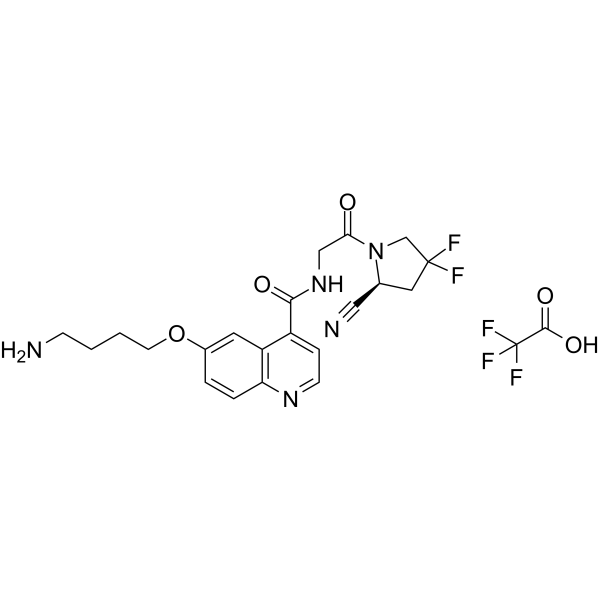
    NH2-UAMC1110 TFA is an aminobutoxy derivative of the fibroblast activation protein (FAP) inhibitor UAMC1110 (HY-100684), and is a precursor compound for the synthesis of FAP inhibitor probes, not directly used in bioactivity experiments. For example, NH2-UAMC1110 TFA is involved in the synthesis of the radiotracer FAPI-QS, which exhibits high tumor selectivity and high dose effect, and has been used in tumor diagnosis. NH2-UAMC1110 TFA structurally incorporates an active amino group, allowing it to form covalent bonds with various molecules (such as DOTA, DATA5m, radionuclide chelators, etc.) to synthesize molecular imaging probes or targeted compounds with the ability to target FAP. NH2-UAMC1110 TFA specifically binds to the FAP active site, inhibiting its proline-selective serine protease activity (including dipeptidyl peptidase and endopeptidase activity), blocking FAP-mediated tissue remodeling-related processes. Its key activity is high targeting and high affinity, and its core function is to act as a targeting module coupled with bifunctional chelators (such as DOTA, DATA5m). NH2-UAMC1110 TFA can be applied to diagnostic imaging studies of tumors expressing FAP (such as colorectal cancer, pancreatic cancer, etc.), and also provides molecular tools for targeted research of FAP-related diseases with high FAP expression, such as fibrosis and arthritis .
    NH2-UAMC1110 TFA
  • HY-159069

    Toll-like Receptor (TLR) TNF Receptor Connexin Infection Cancer
    Zymosan (ZM), 95% is a yeast cell wall-derived carbohydrate-rich preparation and immunomodulator. Zymosan (ZM), 95% binds to and activates TLR-2, TLR-4, and Dectin-1 receptor to trigger downstream signaling pathways. Zymosan (ZM), 95% upregulates TLR-2, TLR-4, and TNF-α mRNA expression, increases serum TNF-α levels, and stimulates splenocyte number and viability in mice. Zymosan (ZM), 95% attenuates melanoma growth progression, modulates macrophage marker gene expression, and mediates phagocytosis, ROS generation, and cytokine production. Zymosan (ZM), 95% reduces Connexin 43 protein and mRNA levels, inhibits gap junctional intercellular communication, and induces proinflammatory factor production in human corneal cells. Zymosan (ZM), 95% induces peritoneal inflammation in mice, functions as a drug carrier, and supports fibroblast cell attachment in hydrogel formulations. Zymosan (ZM), 95% can be used for the research of melanoma, tumors, fungal keratitis, ocular surface inflammatory disorders, and peritoneal inflammation .
    Zymosan (ZM), 95%
  • HY-153552

    FAP Cancer
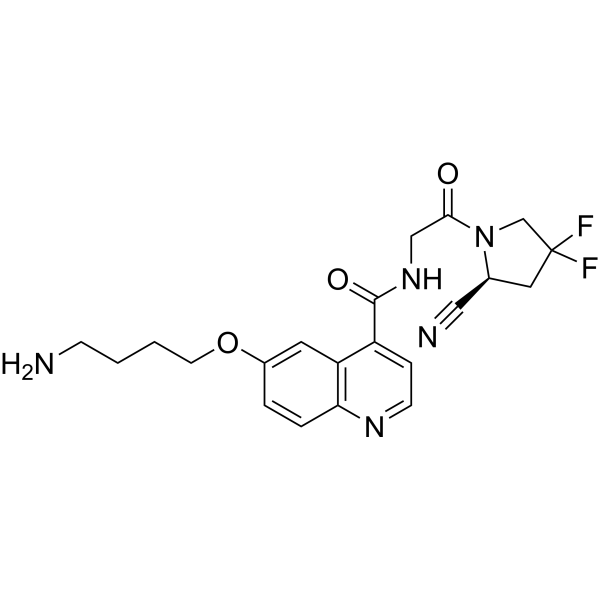
    NH2-UAMC1110 is an aminobutoxy derivative of the fibroblast activation protein (FAP) inhibitor UAMC1110 (HY-100684), and is a precursor compound for the synthesis of FAP inhibitor probes, not directly used in bioactivity experiments. For example, NH2-UAMC1110 is involved in the synthesis of the radiotracer FAPI-QS, which exhibits high tumor selectivity and high dose-response, and has been used for tumor diagnosis. NH2-UAMC1110 introduces an active amino group into its structure, enabling it to form covalent bonds with various molecules (such as DOTA, DATA5m, radionuclide chelators, etc.), thereby synthesizing molecular imaging probes or targeted compounds with the ability to target FAP. NH2-UAMC1110 specifically binds to the FAP active site, inhibiting its proline-selective serine protease activity (including dipeptidyl peptidase and endopeptidase activity), blocking FAP-mediated tissue remodeling processes. Its key activity is high targeting and high affinity, and its core function is to be coupled with bifunctional chelators (such as DOTA, DATA5m) as a targeting module. NH2-UAMC1110 can be applied to diagnostic imaging studies of tumors expressing FAP (such as colorectal cancer, pancreatic cancer, etc.), and also provides molecular tools for targeted research of FAP-related diseases with high FAP expression, such as fibrosis and arthritis .
    NH2-UAMC1110
  • HY-125366

    FAP Metabolic Disease
    ARI-3099 is an oral fibroblast activation protein (FAP) inhibitor. ARI-3099 specifically inhibits the proteolytic activity of FAP and blocks the cleavage of human FGF-21 between residues P171 and S172. ARI-3099 extends the half-life of circulating human FGF-21 in mice. ARI-3099 can be used in the research of type 2 diabetes and metabolic disorders .
    ARI-3099
  • HY-161074

    FAP Cancer
    PNT6555 is a fibroblast activation protein-α (FAP) inhibitor. PNT6555 has antitumor activity. PNT6555 can be used for imaging of FAP-positive tumors .
    PNT6555
  • HY-W404002

    Prolyl Endopeptidase (PREP) Metabolic Disease
    BR102910 is a selective fibroblast activation protein (FAP) inhibitor with the IC50 of 2 nM. BR102910 also inhibits prolyl oligopeptidase (PREP) with the IC50 of 49.00 μM. BR102910 can be used for the researchof type 2
    BR102910
  • HY-162334

    HSP Inflammation/Immunology Cancer
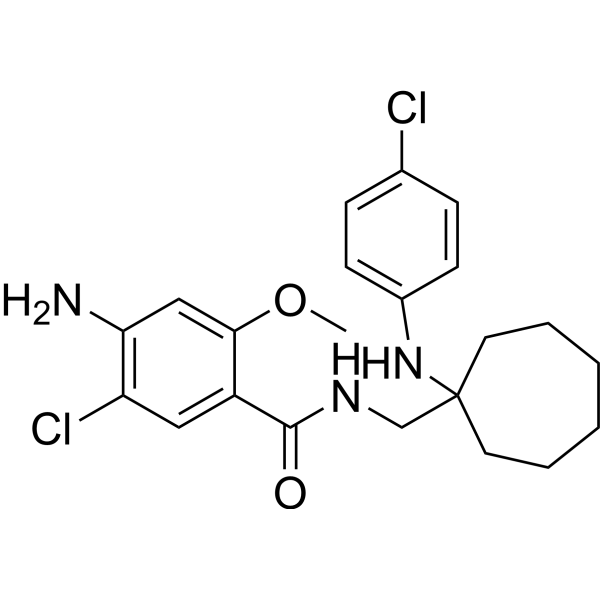
    HYOU1-IN-1 (Compound 33) is an inhibitor of hypoxia-upregulated protein 1 (HYOU1) with anti-inflammatory activity. HYOU1-IN-1 can be used in research on the regulation of fibroblast activation, chronic inflammation, and fibrotic diseases .
    HYOU1-IN-1
  • HY-173374

    FAP Drug Derivative Cancer
    DOTAGA-FAP-2286-ALB is a derivative of Rofapitide tetraxetan (HY-147057). DOTAGA-FAP-2286-ALB is a selective fibroblast activation protein (FAP) inhibitor with an IC50 value of 67.5 nM. DOTAGA-FAP-2286-ALB enhances tumor retention via albumin interaction, prolonging blood circulation and improving radiometal complex stability (e.g., with 111In and 225Ac). DOTAGA-FAP-2286-ALB is promising for research of radionuclide therapy (TRT) of FAP-positive solid tumors .
    DOTAGA-FAP-2286-ALB
  • HY-120006A
    (rel)-AR234960
    1 Publications Verification

    ERK Cardiovascular Disease
    (rel)-AR234960 is a selective and competitive agonist of the G protein-coupled receptor MAS. (rel)-AR234960 binds to the MAS receptor to activate the downstream ERK1/2 signaling pathway, inducing the expression of connective tissue growth factor (CTGF) and its downstream collagen subtype genes (such as COL1A1, COL3A1). (rel)-AR234960 promotes collagen synthesis in cardiac fibroblasts through the MAS-ERK1/2-CTGF pathway and aggravates extracellular matrix remodeling. (rel)-AR234960's in vitro effect can be blocked by the MAS inverse agonist AR244555 and MEK1 inhibitor. (rel)-AR234960 regulates the expression of cardiac fibrosis-related genes and can be used in the study of heart failure .
    (rel)-AR234960
  • HY-N0671R
    Rhapontin (Standard)
    2 Publications Verification

    Rhaponiticin (Standard)

    Reference Standards Apoptosis Cardiovascular Disease Metabolic Disease Inflammation/Immunology Cancer
    Rhapontin (Standard) is the analytical standard of Rhapontin (HY-N0671). This product is intended for research and analytical applications. Rhapontin (Rhaponiticin) is an orally aactive SIRT1 agonist and AMPK activator with anti-inflammatory and anti-fibrotic activities. Rhapontin inhibits NLRP3 inflammasome activation by activating SIRT1 and inhibits TGF-β/Smad signaling via the AMPK pathway. Rhapontin reduces intestinal and lung inflammation, inhibits fibroblast differentiation and extracellular matrix deposition, and enhances tight junction protein expression to repair epithelial barriers. Rhapontin can be used in the study of inflammatory bowel diseases (such as ulcerative colitis) and pulmonary fibrosis .
    Rhapontin (Standard)
  • HY-177435

    FAP Inflammation/Immunology
    FAPI-800CW is a near-infrared (NIR) fluorescent-labeled fibroblast activation protein (FAP) inhibitor. FAPI-800CW shows specific uptake in inflamed paws in collagen-induced arthritis (CIA) model mice. FAPI-800CW can be used for in vivo molecular imaging of FAP expression in inflammatory diseases such as rheumatoid arthritis (RA) to monitor joint inflammation and disease activity .
    FAPI-800CW
  • HY-163705

    PROTACs FGFR Cancer
    BR-cpd7 is a PROTAC degrader for fibroblast growth factor receptor FGFR1/2 with DC50 of 10 nM. BR-cpd7 arrests cell cycle, inhibits proliferations of FGFR1/2 aberrant activated tumor cells. (Pink: ligand for target protein FGFR-IN-12 (HY-160013); Black: linker; Blue: ligand for E3 ligase Thalidomide-NH-CH2-COOH (HY-131717))
    BR-cpd7
  • HY-164725

    Radionuclide-Drug Conjugates (RDCs) FAP Cancer
    FAPI-mFS is an irreversible fibroblast activation protein (FAP) inhibitor, that enhances the uptake and retention time in cancer cells through its covalent binding property for FAP. FAPI-mFS can be used for cancer imaging the therapy, when labeled with radioactive 68Ga or 177Lu . FAPI-mFS can be used for the synthesis/research of Radionuclide-Drug Conjugates (RDCs).
    FAPI-mFS
  • HY-W668749

    FAP Cancer
    3BP-3580 is a fibroblast activation protein (FAP) inhibitor (pIC50: 8.6), and can be used for cancer research .
    3BP-3580
  • HY-149860

    FAP Cancer
    FAP-IN-1 is a fibroblast activation protein (FAP) inhibitor with an IC50 value of 3.3 nM. FAP-IN-1 can be used for the research of cancer .
    FAP-IN-1
  • HY-47979A
    FAP-IN-2 TFA
    1 Publications Verification

    FAP Cancer
    FAP-IN-2 TFA is an isonitrile-containing fibroblast activation protein (FAP) inhibitor. FAP-IN-2 TFA can be labeled with technetium-99m ( 99mTc) for targeted tumor SPECT imaging .
    FAP-IN-2 TFA
  • HY-175322

    FAP Cancer
    FAPI-P8PN is a fibroblast activation protein (FAP) inhibitor (IC50=3.6 nM). FAPI-P8PN is promising for research of FAP-overexpressing solid tumors .
    FAPI-P8PN
  • HY-145358

    PI3K Cancer
    FAP-PI3KI1 is a fibroblast-activated protein (FAP)-targeted PI3K inhibitor that selectively targets FAP-expressing human idiopathic pulmonary fibrosis (IPF) cells and effectively inhibits collagen synthesis and reduces collagen deposition .
    FAP-PI3KI1
  • HY-174421

    FAP Cancer
    FAPI-JNU is a molecule targeting fibroblast activation protein (FAP). FAPI-JNU specifically binds to FAP highly expressed in the tumor microenvironment, and uses radionuclides [ 68Ga]Ga or [ 177Lu]Lu to achieve tumor imaging diagnosis. [177Lu]Lu−FAPI−JNU can effectively target and inhibit tumor growth in tumor-bearing mice. FAPI-JNU is promising for research of FAP-positive tumors (such as various solid tumors) .
    FAPI-JNU
  • HY-159934

    FAP Cancer
    QI-18 is a fibroblast activation protein (FAP) inhibitor with the IC50 of 0.50 nM, which is a 6.5-fold increase in potency over that of UAMC-1110 (HY-100684,IC50 of 3.25 nM). QI-18 can be used to synthesize high tumor selectivity and high dose radiotracers for the diagnosis and study of tumors .
    QI-18
  • HY-161262

    FAP Cancer
    SB03178 is a fibroblast activation protein-alpha (FAP) inhibitor. SB03178 can be conjugated with DOTA and can be used for cancer research .
    SB03178
  • HY-164364A

    FAP Cancer
    DOTAGA.(SA.FAPi)2 TFA is a potent dimeric fibroblast-activation protein inhibitor (FAPi). DOTAGA.(SA.FAPi)2 TFA has the potential for cancer diagnosis research .
    DOTAGA.(SA.FAPi)2 TFA
  • HY-158326

    FAP Cancer
    FAP-IN-4 (Comp 10) is a fibroblast activation protein (FAP) inhibitor and a 18F-labeled PET tracer targeting FAP. FAP-IN-4 can be used for cancer research .
    FAP-IN-4
  • HY-164364B

    FAP Cancer
    DOTAGA.(SA.FAPi)2 analogue TFA is a DOTAGA.(SA.FAPi)2 TFA (HY-164364A) analogue, in which the ligand and the chelator are identical to those of DOTAGA.(SA.FAPi)2 TFA. DOTAGA.(SA.FAPi)2 TFA is a potent dimeric fibroblast-activation protein inhibitor (FAPi) .
    DOTAGA.(SA.FAPi)2 analogue TFA
  • HY-P5452

    PKC Others
    PKCd (8-17) is a biological active peptide. (This peptide is derived from the V1 domain of protein kinase C (PKC)d. It inhibits phorbol 12-myristate 13-acetate (PMA)-induced PKCd translocation and activation. Inhibition of PKCd reduces ischemia damage in cardiac and cerebral cells, induces proliferation of fibroblasts, and inhibits graft coronary artery disease in mice.)
    PKCd (8-17)
  • HY-136727A

    Caspase Apoptosis Cancer
    Ac-LEVD-CHO (TFA) is an inhibitor of caspase-4. Ac-LEVD-CHO (TFA) can inhibit the expression and secretion of IL-1α expression as well as the activation of caspase-4 induced by the T. denticola periodontal pathogen surface protein Td92 in human gingival fibroblasts. Ac-LEVD-CHO (TFA) can also reduce the apoptosis due to the expression of the dominant negative adenoviral RNA-dependent protein kinase in A549 and PC3 cancer cell lines .
    Ac-LEVD-CHO TFA
  • HY-186190

    Drug Intermediate FAP Cancer
    I-FAPI-04 prodrug-1 is a prodrug of I-FAPI-04, which is an inhibitor targeting fibroblast activation protein (FAP). I-FAPI-04 prodrug-1 can be used as a radioactive tracer in cancer .
    I-FAPI-04 prodrug-1
  • HY-100684R

    Prolyl Endopeptidase (PREP) FAP Reference Standards Cancer
    UAMC-1110 (Standard) is the analytical standard of UAMC-1110 (HY-100684). This product is intended for research and analytical applications. UAMC-1110 is a highly potent and selective inhibitor of fibroblast activation protein (FAP) with an IC50 of 3.2 nM. UAMC-1110 also inhibits prolyl oligopeptidase (PREP) with an IC50 of 1.8 μM .
    UAMC-1110 (Standard)
  • HY-182272

    FAP Cancer
    FAP-IN-9 (compound P12) is a fibroblast activation protein (FAP) inhibitor with an IC50 of 0.38 nM against human FAP. FAP-IN-9 functionally inhibits FAP activity, and its specific binding is verified by in vitro and in vivo blocking assays. FAP-IN-9 forms stable complexes and acts as a tumor-targeting agent. When labeled with 99mTc, FAP-IN-9 serves as a SPECT probe and is applicable to research related to glioblastoma .
    FAP-IN-9
  • HY-182250

    FAP ERK GLUT Metabolic Disease Inflammation/Immunology
    BR103354 is an orally active, selective fibroblast activation protein (FAP) inhibitor with an IC50 value of 14 nM against hFAP. BR103354 restores the levels of phosphorylated ERK and Glut1 that are reduced by co-treatment with hFGF21 and FAP, decreases non-fasting blood glucose concentrations, improves glucose tolerance, and reduces hepatic triglyceride content. BR103354 ameliorates hepatic steatosis and hepatic fibrosis. BR103354 can be used in the research of type 2 diabetes and non-alcoholic steatohepatitis .
    BR103354
  • HY-181494

    FAP Cancer
    FAPI-X5 is a fibroblast activation protein (FAP) inhibitor. FAPI-X5 binds to the FAP catalytic domain, forming hydrogen bonds with key active residues and engaging in π-π stacking to drive functional inhibition. FAPI-X5 exhibits albumin binding activity to prolong systemic circulation half-life. FAPI-X5 induces cytostatic effects on glioblastoma tumors, slowing tumor growth without regression. FAPI-X5, when labeled with 68Ga, acts as a PET tracer with rapid tumor uptake and high-contrast imaging in glioblastoma tumor-bearing mice. FAPI-X5, when labeled with 177Lu or 47Sc, functions as a targeted radionuclide agent with prolonged tumor retention. FAPI-X5 can be used for the research of glioblastoma .
    FAPI-X5

Inquiry Online

Your information is safe with us. * Required Fields.

Salutation


Country or Region *

Applicant Name *


Organization Name *

Department *


Email Address *


Product Name *

Cat. No.


Requested quantity *

Phone Number *


Remarks

Inquiry Online

Inquiry Information

Product Name:
Cat. No.:
Quantity:
MCE Japan Authorized Agent:

