Infection
-
Infection Related Products (18788)
Related Products (18788)

-
Antibodies (22)
-
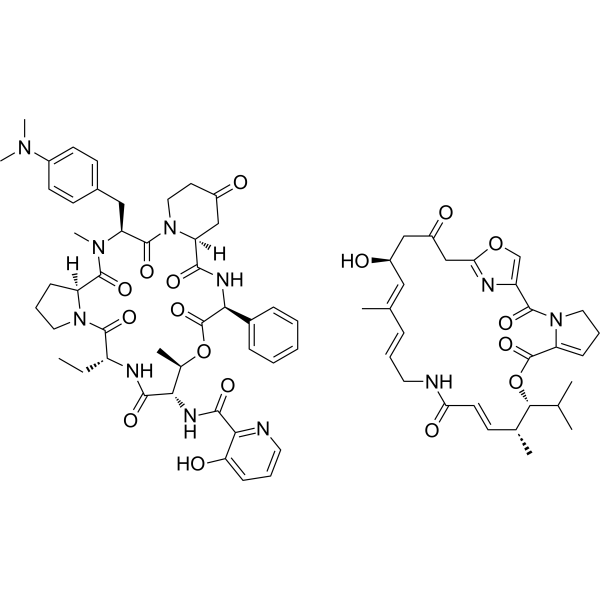
Pristinamycin
 0 ImagesSynonyms: Pristinamycine
Pristinamycin, produced by Streptomyces pristinaespiralis, is an orally active streptogramin-like antibiotic consisting of two chemically unrelated components: Pristinamycin I (PI) and Pristinamycin II (PII). Pristinamycin is highly active against many antibiotic-resistant pathogens, particularly Gram-positive bacteria, including Methicillin-resistant Staphylococcus aureus (MRSA), Vancomycin-resistant S. aureus (VRSA) and Enterococcus faecium (VREF).
-
Aucubin (Standard)
 0 Images
Aucubin (Standard) is the analytical standard of Aucubin. This product is intended for research and analytical applications. Aucubin, an iridoid glucoside, is isolated from Plantago asiatica, Eucommia ulmoides, the leaves of Aucuba japonica and more recently from butterfly larva. Aucubin has many biological activities, such as antioxidant, anti-aging, anti-inflammatory, antimicrobial, anti-fibrotic, anti-cancer, hepatoprotective, neuroprotective and osteoprotective effects.
-
Influenza HA (307-319)
 0 Images
Influenza HA (307-319) is 13 amino acids 307 to 319 fragment of Influenza HA. Influenza HA is a glycoprotein found on the surface of influenza viruses.
-
Claramine hydrochloride
 0 ImagesCat. No.: HY-160791BPurity: 99.58%
Claramine hydrochloride is a steroid polyamine with blood-brain barrier permeability. Claramine hydrochloride can regulate the properties of lipid membranes and protect cells from various biological toxins, including misfolded protein oligomers and biological protein-based toxins.
-
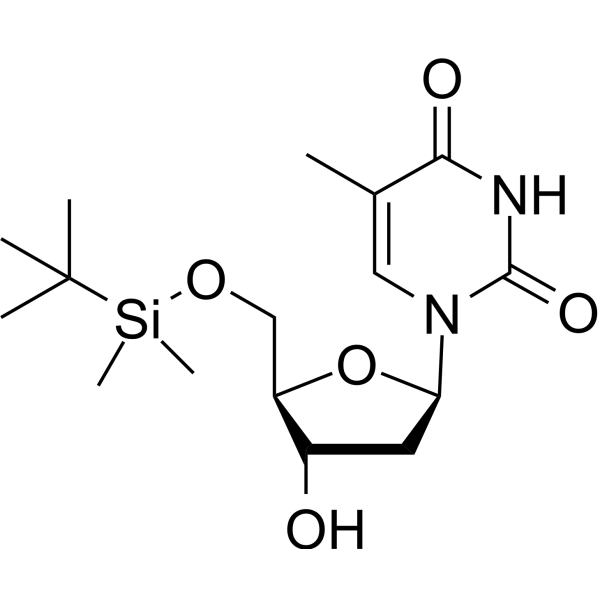
5'-O-TBDMS-dT
 0 Images
5'-O-TBDMS-dT is a nucleoside with protective and modification effects.
-
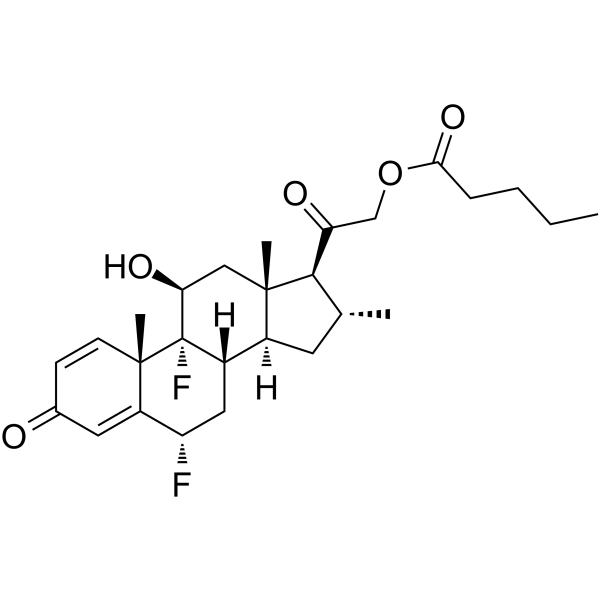
Diflucortolone valerate
 0 Images
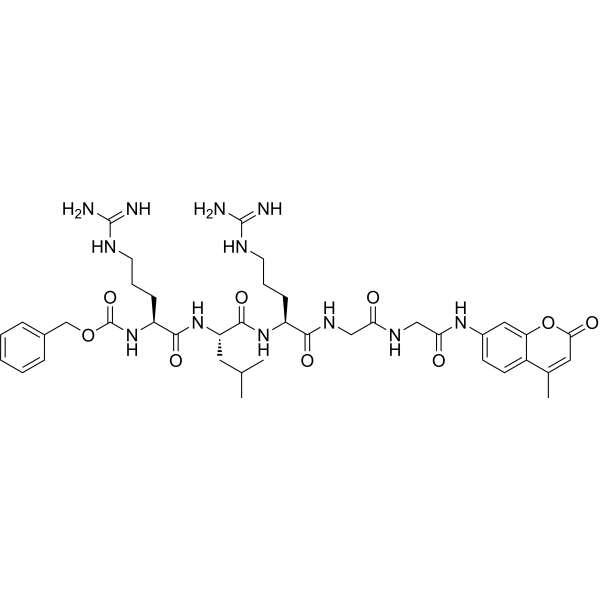
Diflucortolone valerate is a powerful corticosteroid used topically for the research of various skin diseases.
-
Epimedokoreanin B
 0 Images
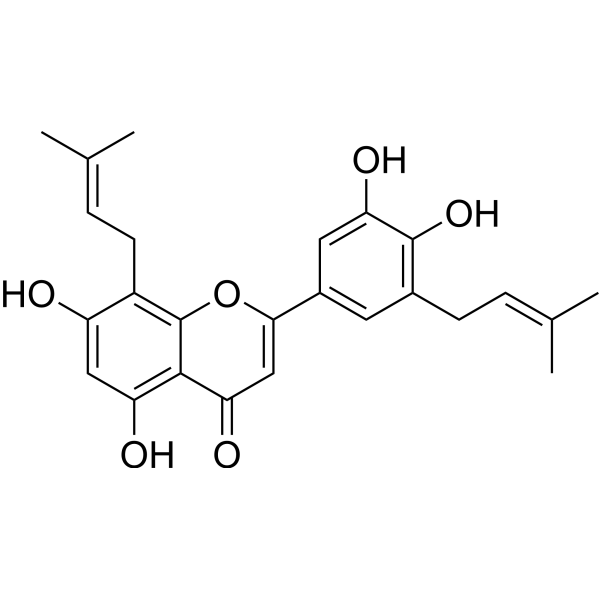
Epimedokoreanin B is a natural flavonoid with anticancer, anti-inflammatory and antibacterial effects. Epimedokoreanin B inhibits the growth of lung cancer cells through endoplasmic reticulum stress-mediated apoptosis accompanied by autophagosome accumulation. Epimedokoreanin B is an anti-periodontitis agent that inhibits gingipains and Porphyromonas gingivalis growth and biofilm formation.
-
Agathisflavone
 0 Images
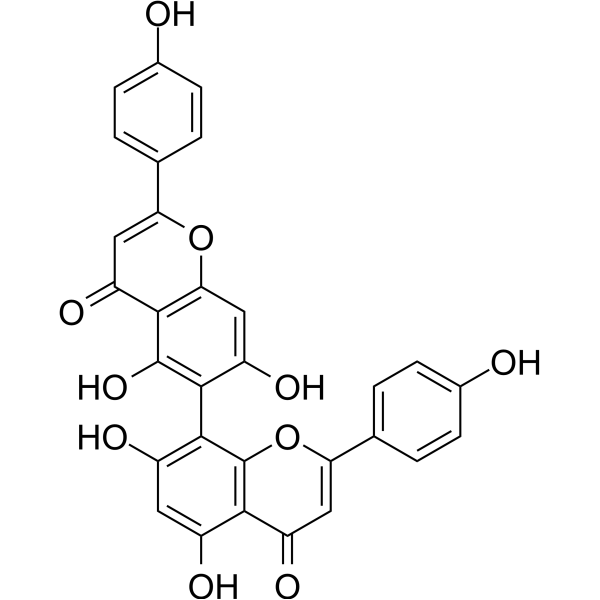
Agathisflavone is a flavonoid with antioxidant, anti-inflammatory, antiviral, antiparasitic, cytotoxic, neuroprotective, and hepatoprotective activities. Agathisflavone can improve tissue repair in a spinal cord injury model in rats.
-
TBT1
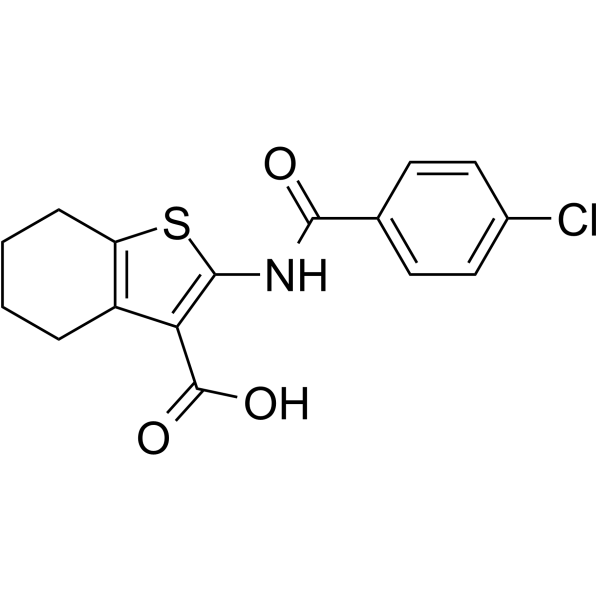 0 Images
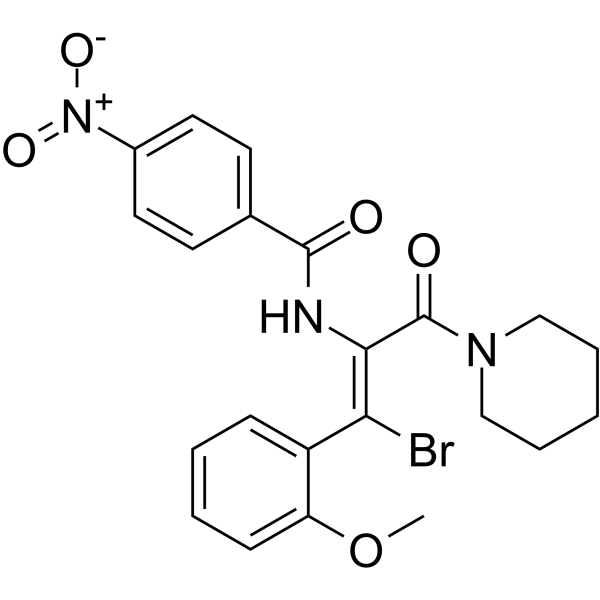
TBT1 is a first-generation inhibitor of the MsbA transporter. TBT1 is an LPS transport inhibitor and MsbA ATPase stimulator in strains from the Acinetobacter genus. TBT1 stimulated ATPase activity with an EC50 of 13 µM.
-
Rhodiolin
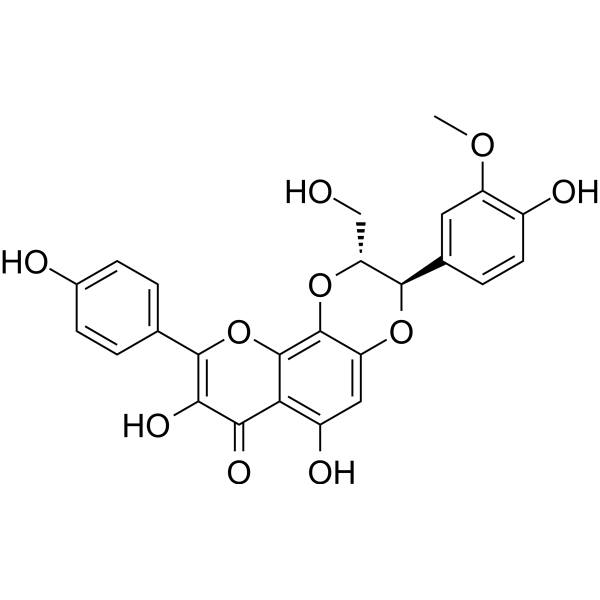 0 ImagesCat. No.: HY-N6841CAS No.: 86831-53-0
Rhodiolin, a flavonoid, is an orally active glucose 6-phosphate isomerase (GPI) inhibitor. Rhodiolin inhibits papillary thyroid cancer (PTC) by targeting glycolysis enzyme glucose 6-phosphate isomerase GPI and suppressing PI3K/AKT/mTOR phosphorylation and induce apoptosis. Rhodiolin as a NS2B-NS3 protease inhibitor can disrupt dengue viral replication. Rhodiolin is also a potential candidate for developing anticancer strategies inhibiting CK1ε kinase. Rhodiolin can be used for the study of anti-tumor and anti-viral .
-
2-Cyanothioacetamide
 0 Images
2-Cyanothioacetamide is an antimicrobial agent with activity against Gram-positive bacteria, Gram-negative bacteria, and fungi. 2-Cyanothioacetamide inhibits essential microbial enzymes and disrupts microbial cell membrane integrity.2-Cyanothioacetamide can be used for the research of bacterial infections and fungal infections.
-
Mellein
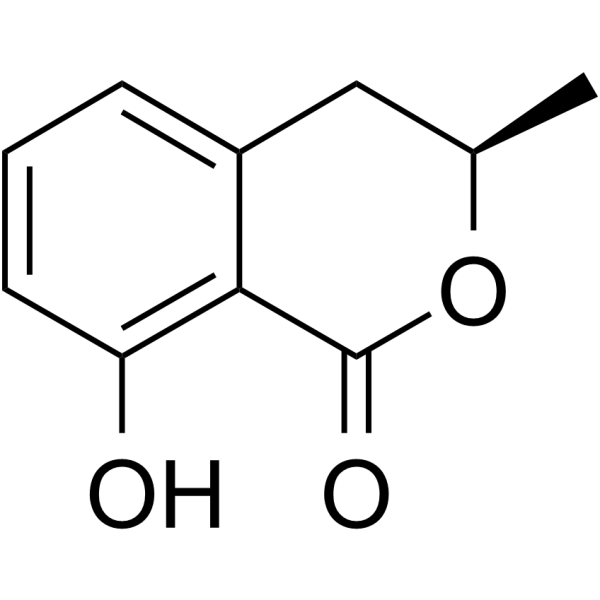 0 Images
Mellein ((R)-Mellein) is an isocoumarin compound with antibacterial activity. Mellein inhibits the activity of HCV Protease, disrupts the cell wall of Xanthomonas sp., and acts as an insect trail pheromone. Mellein is applicable to research related to fungal infections, bacterial infections, and hepatitis C virus infections.
-
4-Methylherniarin
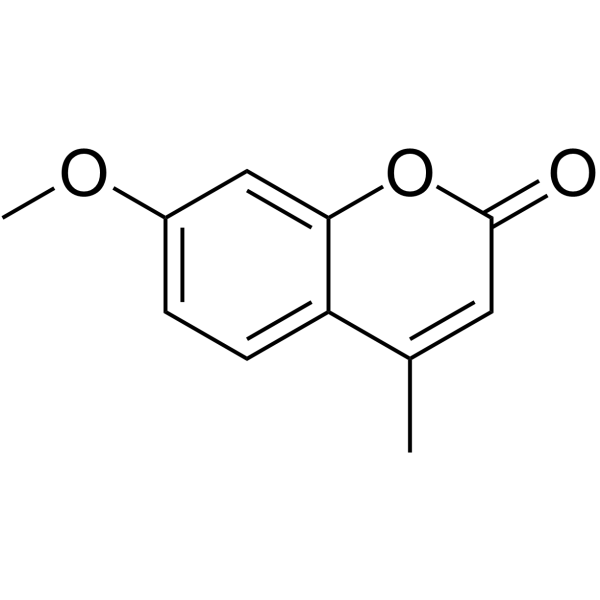 0 Images
4-Methylherniarin (7-Methoxy-4-methylcoumarin) is a coumarin derivative and fluorescent label, has an antimicrobial activitiy against both gram positive and gram negative bacterial stains. 4-Methylherniarin displays good activity against B. subtilis and S.sonnei with IC50 values of 11.76 μg/ml and 13.47 μg/ml.
-
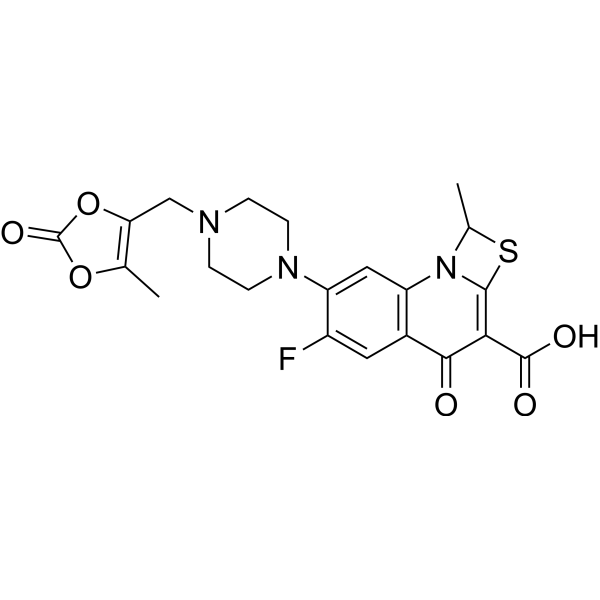
Prulifloxacin
 0 ImagesSynonyms: NM441
Prulifloxacin (NM441) is an orally active fluoroquinolone antibiotic with a broad spectrum of activity against Gram-positive and -negative bacteria. Prulifloxacin is a proagent of a thiazeto-quinoline carboxylic acid derivative Ulifloxacin (NM394). Prulifloxacin has the potential for lower urinary tract infections and exacerbations of chronic bronchitis.
-
L-Penicillamine
 0 Images
L-Penicillamine is an orally active serine palmitoyltransferase (SPT) inhibitor. L-Penicillamine inactivates the PLP cofactor by forming adducts, thereby inhibiting SPT activity and reducing sphingolipid biosynthesis. L-Penicillamine not only blocks tumor access to vitamin B6, but also stabilizes the human papillomavirus 16 E6 oncoprotein monomer and inhibits its polymerization, exhibiting a unique anticancer mechanism. L-Penicillamine effectively delays the growth of Sarcoma-180, induces tumor necrosis and prolongs survival (though long-term use may lead to Pyridoxine (HY-B1328) deficiency and weight loss).
-
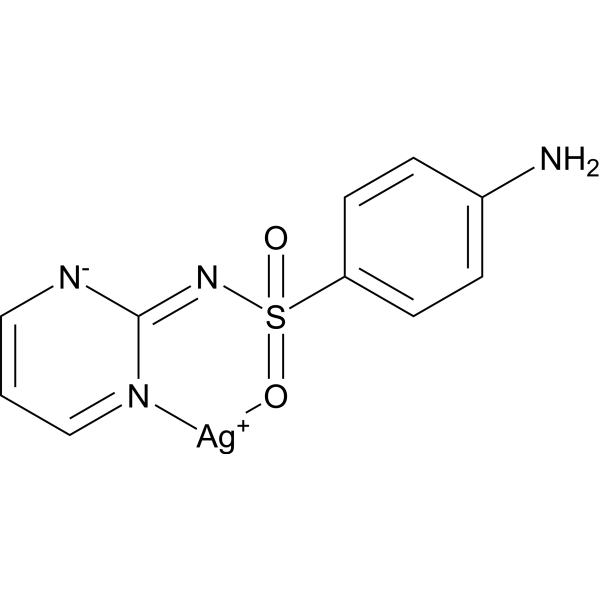
Silver sulfadiazine
 0 ImagesSynonyms: AgSD
Silver sulfadiazine (AgSD), a sulfonamide antibiotic, effects a dual inhibitory action on bacterial growth by its sulfa moiety (SD-SDZ) that prevents bacterial folate absorption and subsequent DNA synthesis. The silver that is released from Silver sulfadiazine binds and disrupts the DNA structure, precluding bacterial DNA replication.
-
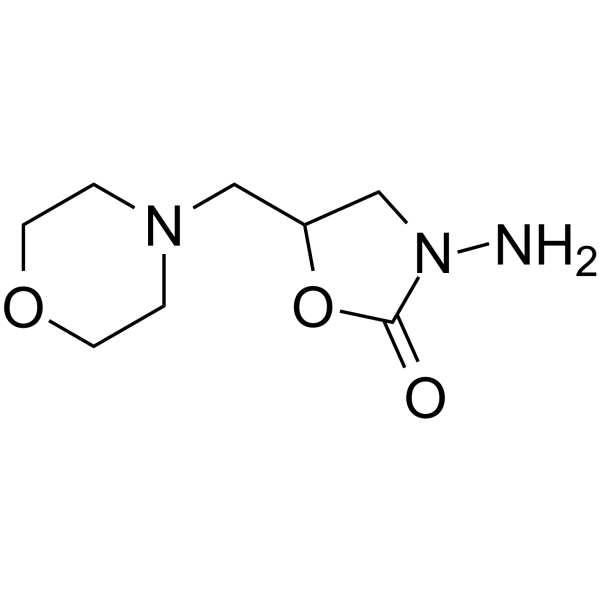
AMOZ
 0 ImagesSynonyms: 3-Amino-5-morpholinomethyl-2-oxazolidone
AMOZ is a carcinogenic metabolite of Furaltadone (HY-B1148A), which forms stable tissue residues by covalently binding to proteins as a hapten. AMOZ can be coupled with carrier proteins (such as BSA/OVA) to induce immune response and is released after acid hydrolysis. AMOZ residues can be detected by competitive ELISA method, and the detection limit in the monoclonal antibody 2E5.1 test is as low as 0.16 μg/kg (shrimp sample). AMOZ can be used as a typical marker to monitor drug residues in animal-derived foods in the field of food safety[1][2].
-
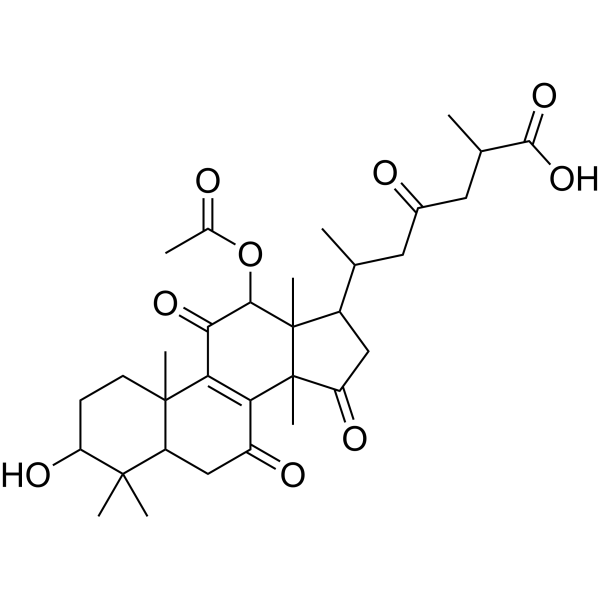
Ganoderic acid H
 0 Images
Ganoderic acid H is a hydroxylated lanostane-type triterpenoid derived from Ganoderma lucidum with anticancer activity. Ganoderic acid H inhibits the constitutive transactivation activity of AP-1 and NF-κB; it also downregulates the secretion of uPA and the expression of CDK4, and suppresses the growth, adhesion, migration and invasion of cancer cells. Ganoderic acid H inhibits HIV-1 protease in vitro. Ganoderic acid H can be used in studies related to breast cancer and HIV infection.