



Infection
-
Infection Related Products (18545)
Related Products (18545)

-
Antibodies (22)
-
Tetrahydroepiberberine
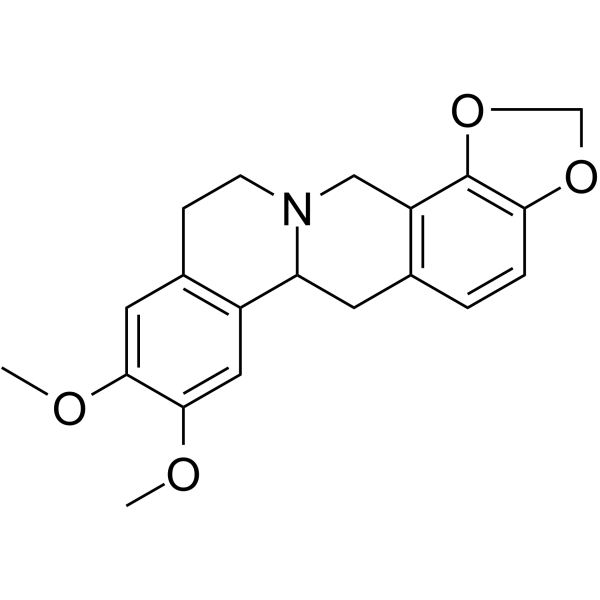 0 Images
Tetrahydroepiberberine is a isoquinoline alkaloid isolated from Corydalis impatiens (Pall). Tetrahydroepiberberine has antifungal and selective inhibition against the PI-3 virus activities.
-
HADA hydrochloride (solution)
 0 ImagesCat. No.: HY-DY1044CAS No.: 2253733-10-5
HADA hydrochloride (HCC-Amino-D-alanine hydrochloride) is a blue (λem~450 nm) fluorescent D-amino acid (FDAA). FDAAs are efficiently incorporated into the peptidoglycans (PGs) of diverse bacterial species at the sites of PG biosynthesis, allowing specific and covalent probing of bacterial growth with minimal perturbation.
Solvent and concentration: DMSO: 50 mM
-
Valacyclovir hydrochloride (Standard)
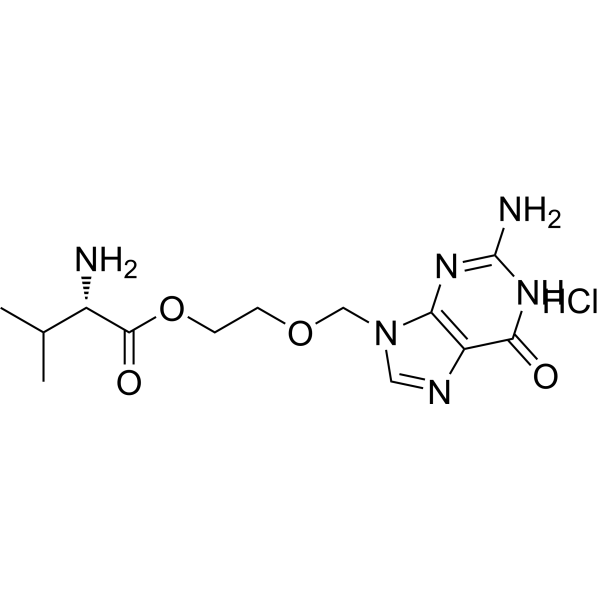 0 ImagesSynonyms: Valaciclovir hydrochloride (Standard)
Valacyclovir (hydrochloride) (Standard) is the analytical standard of Valacyclovir (hydrochloride). This product is intended for research and analytical applications. Valacyclovir hydrochloride (Valaciclovir hydrochloride) is an orally active antiviral agent for herpes simplex, herpes zoster, and herpes B. Valacyclovir hydrochloride inhibits HSV-1 W (50=2.9 μg/ml). Valacyclovir hydrochloride is a proagent of Aciclovir (HY-17422) .
-
Tenofovir Disoproxil fumarate (Standard)
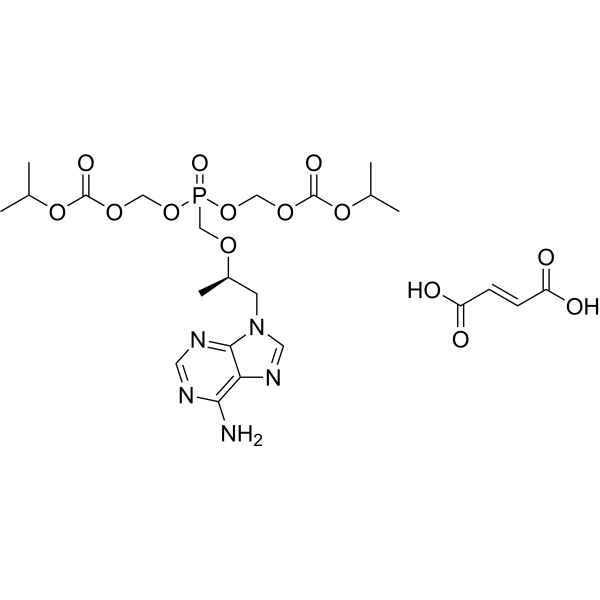 0 ImagesSynonyms: Tenofovir DF (Standard); Bis(POC)-PMPA fumarate (Standard); GS 4331 fumarate (Standard)
Tenofovir Disoproxil (fumarate) (Standard) is the analytical standard of Tenofovir Disoproxil (fumarate). This product is intended for research and analytical applications. Tenofovir Disoproxil fumarate is a nucleotide reverse transcriptase inhibitor used to treat HIV and chronic Hepatitis B.
-
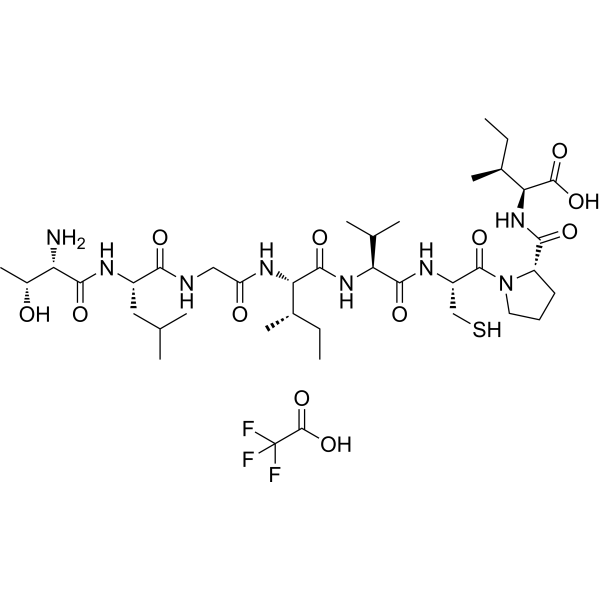
Temporin L
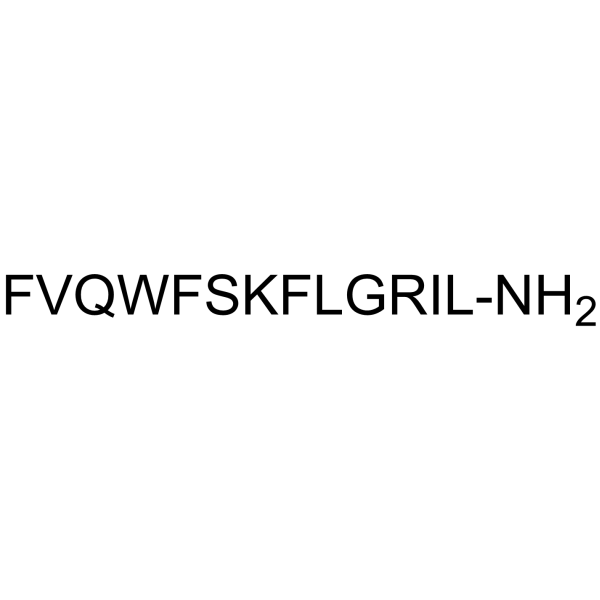 0 Images
Temporin L is a potent antimicrobial peptide and is active against Gram-negative bacteria and yeast strains. Temporin L also has antiendotoxin properties.
-
Santalene
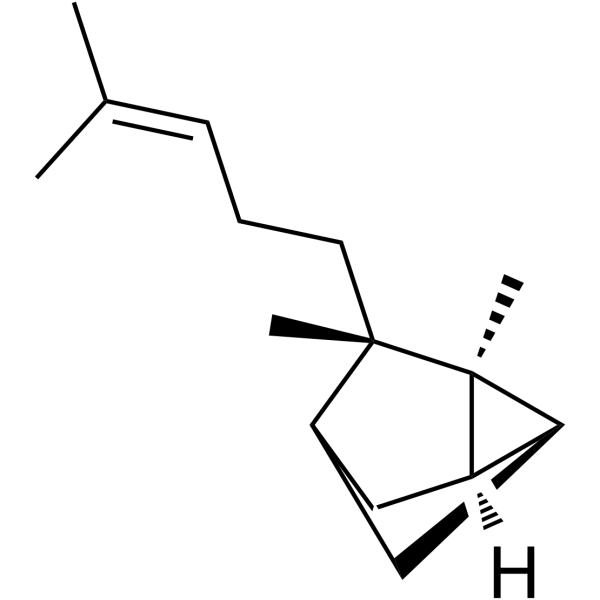 0 Images
Santalene is a bicyclic sesquiterpene and a major component of sandalwood oil found in the heartwood of Santalum album. Santalene exhibits antibacterial, antioxidant and antitumor pharmacological activities.
-
Psoralenoside
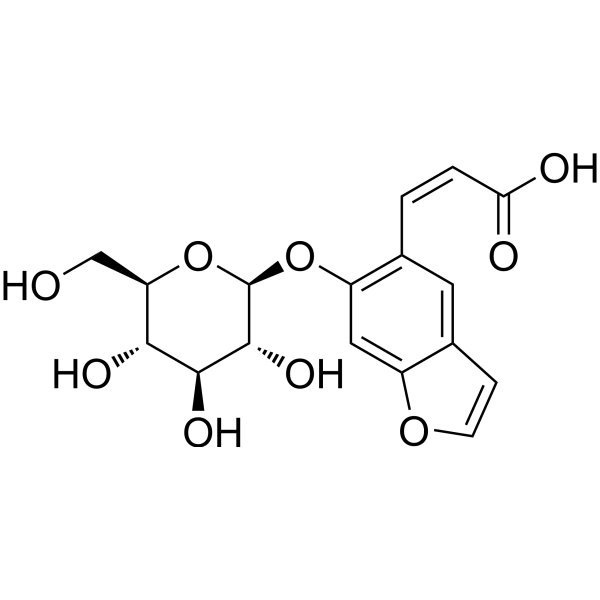 0 Images
Psoralenoside is an orally active benzofuran glycoside. Psoralenoside is isolated from the fruits of Psoralea corylifolia. As a metabolite precursor, Psoralenoside undergoes deglycosylation by intestinal flora to form Psoralen (HY-N0053). Psoralenoside is applicable to research related to cancer and bacterial infections.
-
M62812
 0 Images
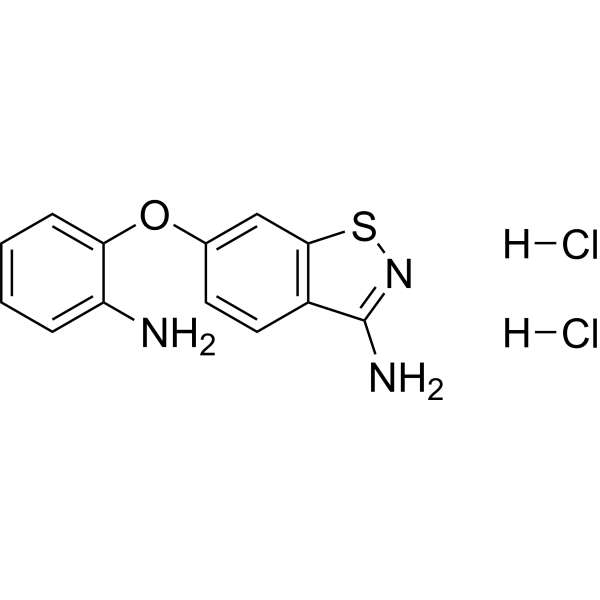
M62812 is a toll-like receptor 4 (TLR4) signaling inhibitor. M62812 inhibits endothelial and leukocyte activation and prevents lethal septic shock in mice. M62812 can reduces LPS-induced coagulation and inflammatory responses. M62812 can be used for the research of sepsis.
-
Antifungal agent 136
 0 Images
Antifungal agent 136 is a CYP51 inhibitor and antifungal agent. Antifungal agent 136 downregulates the expression of interleukin-6 to alleviate inflammatory responses. Antifungal agent 136 exhibits activity against both drug-sensitive and drug-resistant Candida albicans strains. Antifungal agent 136 can be used in the research of fungal infections and inflammatory diseases.
-
N4-Acetylsulfamethoxazole
 0 ImagesSynonyms: Acetylsulfamethoxazole
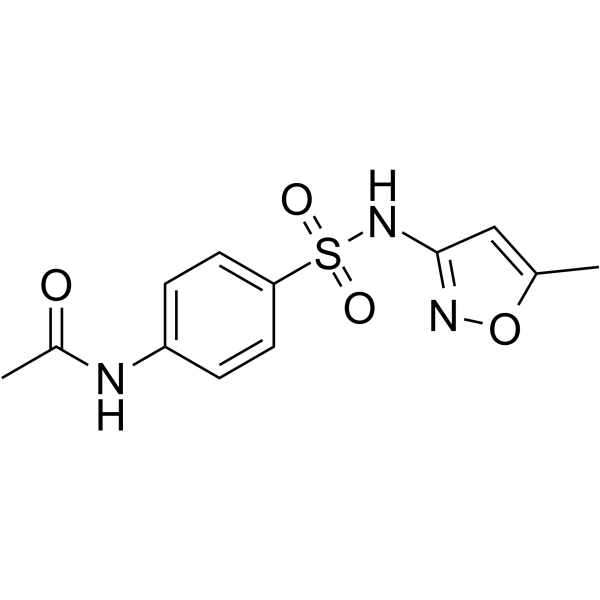
N4-Acetylsulfamethoxazole (Acetylsulfamethoxazole) is the N4-acetylated metabolite of Sulfamethoxazole (HY-B0322).
-
TAT acetate
 0 ImagesCat. No.: HY-P0281BPurity: 98.66%Synonyms: TAT(47-57) acetate; HIV-1 TAT protein (47-57) acetate
TAT (TAT(47-57)) acetate is derived from the transactivator of transcription (TAT) of human immunodeficiency virus-1 (HIV-1) and is a cell-penetrating peptide. TAT acetate can increase the yields and the solubility of heterologous proteins.
-
DNA31
 0 ImagesCat. No.: HY-128917CAS No.: 845626-57-5
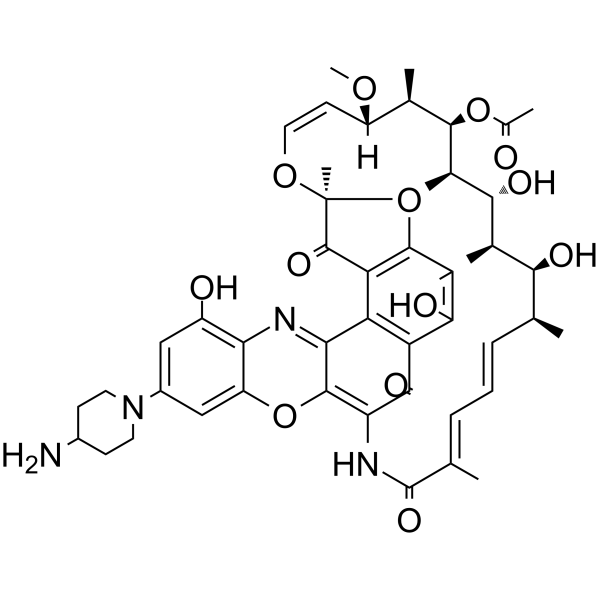
DNA31 is a potent RNA polymerase inhibitor.
-
RdRP-IN-2
 0 Images
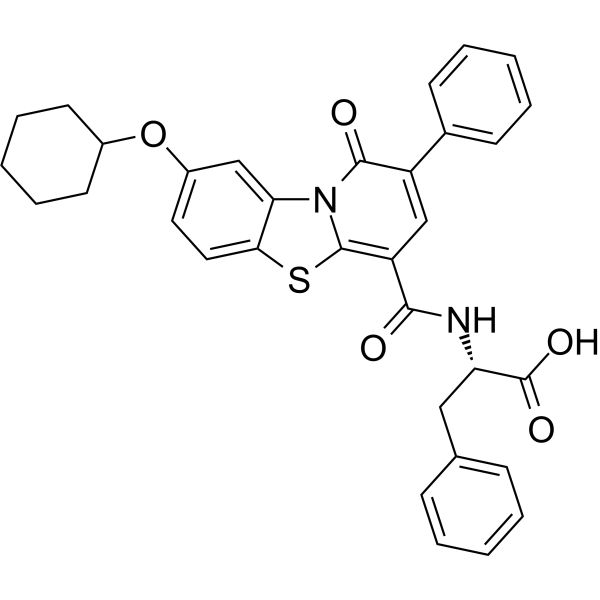
RdRP-IN-2 is a RNA dependent RNA polymerase (RdRp) inhibitor. RdRP-IN-2 significantly inhibits SARS-CoV-2 RdRp with an IC50 of 41.2 μM.RdRP-IN-2 also inhibits Feline coronavirus (FIPV) replication.
-
Stigmasta-4,22-dien-3-one
 0 Images
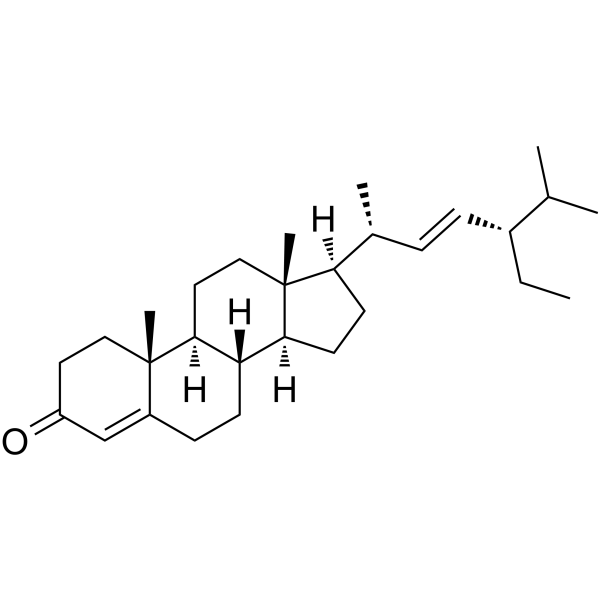
Stigmasta-4,22-dien-3-one is an antitubercular agent. Stigmasta-4,22-dien-3-one shows cytotoxicity against human HT1080 tumoral cell line with an IC50 of 0.3 mM.
-
HYNIC-UBI29-41
 0 Images
HYNIC-UBI29-41 is composed of a bifunctional chelator HYNIC and an antimicrobial peptide UBI 29-41 (HY-P10364) (HY-P10364). HYNIC-UBI29-41 retains the antibacterial properties of UBI 29-41, and exhibits good affinity to Gram-positive and Gram-negative bacteria. HYNIC-UBI29-41 can be used as an imaging agent for bacterial infection detection in mouse models, when labeled with the radioactive element technetium (99mTc).
-
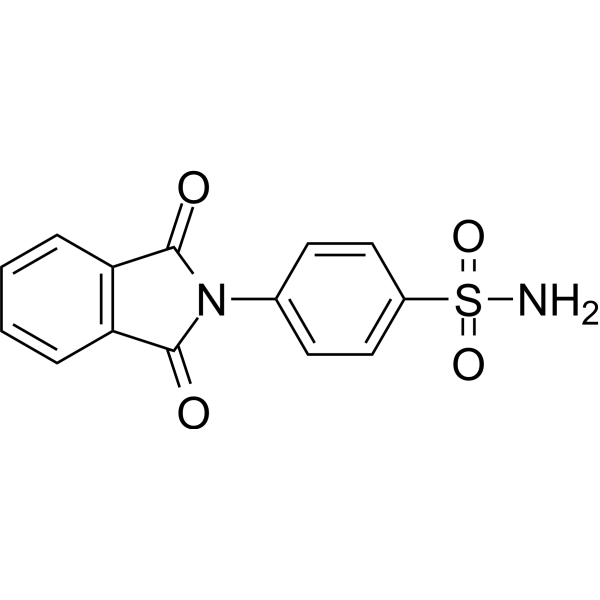
Carbonic anhydrase inhibitor 16
 0 Images
Carbonic anhydrase inhibitor 16 (compound 1) is a dengue protease inhibitor with inhibitory activity against carbonic anhydrase hCA I and hCA II (Ki: 28.5 nM, 2.2 nM).




