Infection
-
Infection Produits associés (18904)
Produits associés (18904)

-
Anticorps (22)
-
3'-O-Decarbamoylirumamycin
 0 ImagesCat. No.: HY-N14763CAS No.: 99486-52-9
3'-O-Decarbamoylirumamycin is a 20-membered macrolide antibiotic produced by Streptomyces subflavus subsp.Irumaensis . 3'-O-Decarbamoylirumamycin has certain inhibitory effect on plant pathogenic fungi such as Piricularia oryzae, and Sclerotinia cinerea.
-
mP6
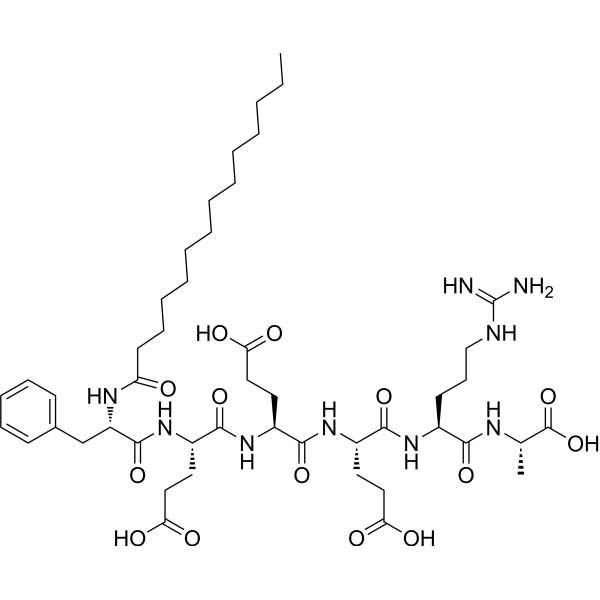 0 ImagesCat. No.: HY-P10038CAS No.: 2700321-79-3Synonyms: Myr-FEEERA-OH
-
Saikosaponin D (Standard)
 0 ImagesCat. No.: HY-N0250RCAS No.: 20874-52-6
Saikosaponin D (Standard) is the analytical standard of Saikosaponin D. This product is intended for research and analytical applications. Saikosaponin D is a triterpene saponin isolated from Bupleurum, with anti-inflammatory, anti-bacterial, anti-tumor, and anti-allergic activities; Saikosaponin D inhibits selectin, STAT3 and NF-kB and activates estrogen receptor-β.
-
Pseudoanguillosporin A
 0 ImagesCat. No.: HY-124384CAS No.: 1159392-22-9Synonyms: Soudanone A
Pseudoanguillosporin A (Soudanone A) (Compound 3) is an isochromanone that can be isolated from the fungus Cadophora sp.. Pseudoanguillosporin A has significant antifungal activity against Cryptococcus neoformans with a MIC50 of 40 μg/mL. Pseudoanguillosporin A can be used for fungal infection research.
-
Glycohyocholic acid (Standard)
 0 ImagesSynonyms: GHCA (Standard)
Glycohyocholic acid (Standard) is the analytical standard of Glycohyocholic acid (HY-122141). This product is intended for use in research and analytical applications. Glycohyocholic acid (GHCA) is a primary conjugated bile acid formed by the conjugation of Cholic acid (HY-N0324) and Glycine (HY-Y0966). Glycohyocholic acid can be used in the study of hepatitis C-related cirrhosis and diabetes mellitus.
-
Mip-IN-1
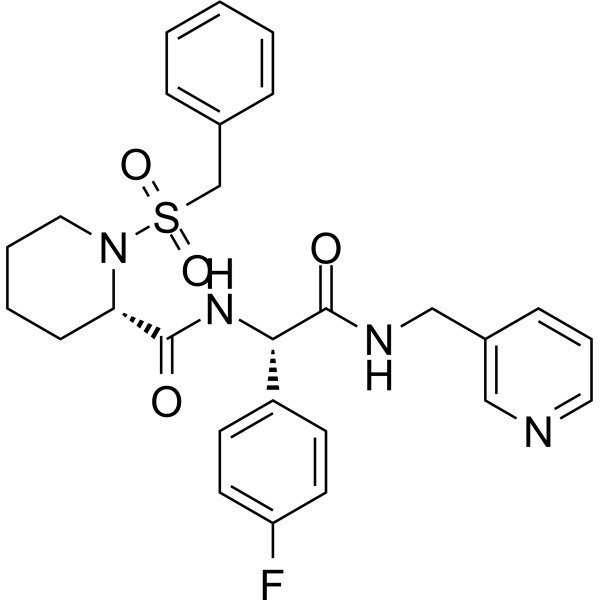 0 ImagesCat. No.: HY-149861CAS No.: 2984599-57-5
Mip-IN-1(S,S-28i)is a new rapamycin-derived macrophage infectivity potentiator (Mip) inhibitor. Mip-IN-1 displays strong anti-enzymatic activity against the Mip proteins of Neisseria meningitidis and Neisseria gonorrhoeae and substantially improved the ability of macrophages to kill the bacteria.
-
Phthalaldehyde-d4
 0 ImagesCat. No.: HY-W012669SCAS No.: 2897613-53-3Synonyms: Phthaldialdehyde-d4
Phthalaldehyde-d4 (Phthaldialdehyde-d4) is the deuterium labeled Phthalaldehyde (HY-W012669). Phthalaldehyde reacts with proteins containing primary amines and blocked amino-terminal peptides of amino acids. Phthalaldehyde stabilizes bacterial outer membranes and cell walls, increases the optical density of bacterial cell suspensions, and inhibits bacterial lysis induced by ethylenediaminetetraacetic acid and sodium dodecyl sulfate. Phthalaldehyde exhibits bactericidal activity against Gram-negative vegetative bacteria.
-
DprE1-IN-5
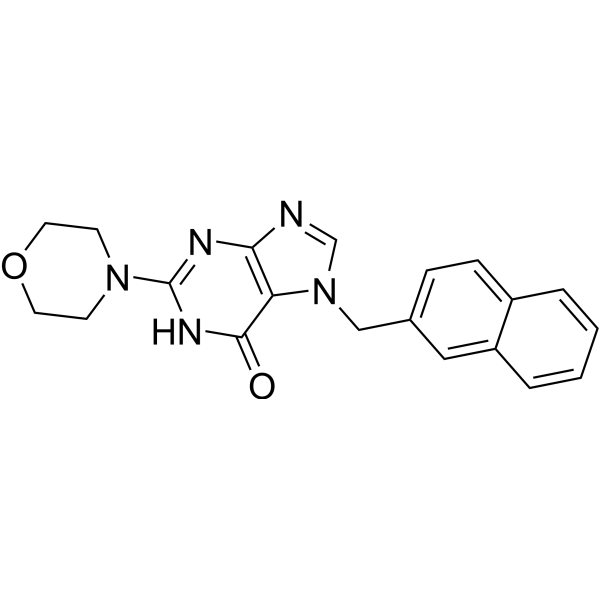 0 ImagesCat. No.: HY-155510CAS No.: 3052383-46-4
DprE1-IN-5 (Compound 10) is a DprE1 inhibitor. DprE1-IN-5 has anti-TB activity against Mtb H37Rv strain (MIC: 4 μM). DprE1-IN-5 also has antimycobacterial activity against drug-resistant strains. DprE1-IN-5 has high microsomal stability.
-
Antibacterial agent 212
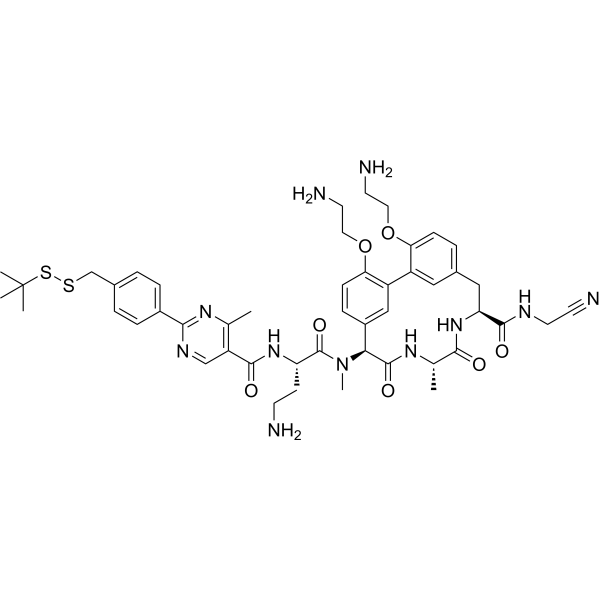 0 ImagesCat. No.: HY-158242
Antibacterial agent 212 (Compound 162) is an antibacterial agent with oral activity and good pharmacokinetic properties, having a MIC of 4 μg/mL against Pseudomonas aeruginosa T-2022-D2-048.
-
InteriotherinA
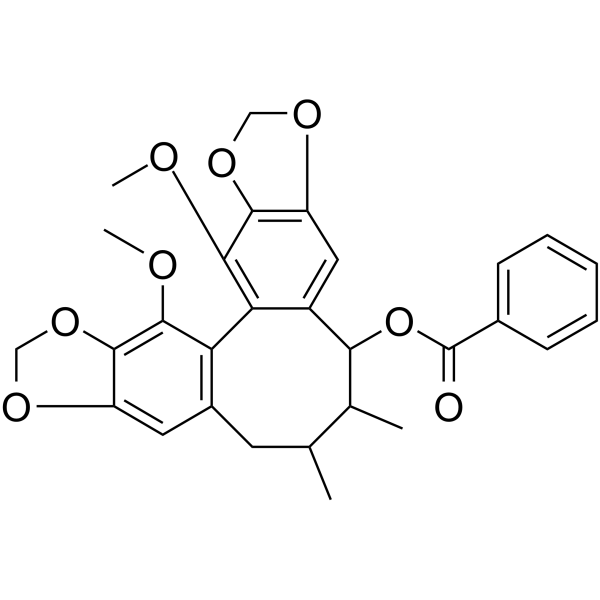 0 ImagesCat. No.: HY-N6849CAS No.: 181701-06-4
Interiotherin A is a lignan with a dibenzocyclooctadiene skeleton isolated from Kadsura interior. Interiotherin A inhibits HIV replication to exhibit anti-HIV activity, it has a role as a metabolite and an anti-HIV agent.
-
Echinosporin
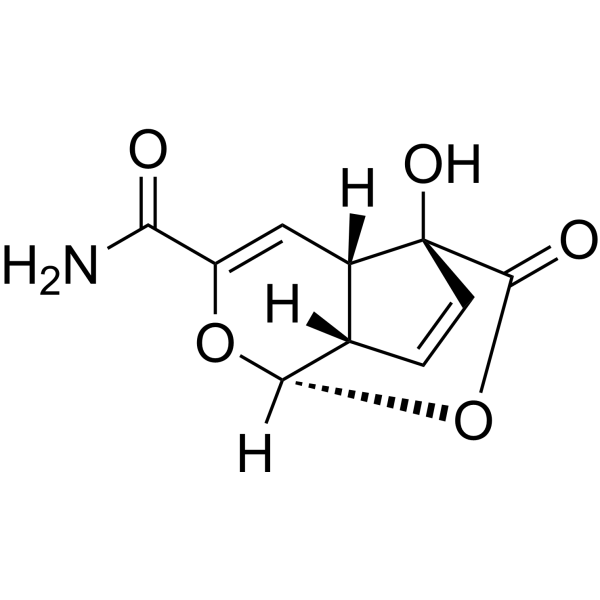 0 ImagesCat. No.: HY-113799CAS No.: 79127-35-8Synonyms: XK-213
Echinosporin (XK-213) is an antibiotic. Echinosporin can be isolated from Amycolatopsis strain. Echinosporin has antifungal activity and antitumor activity.
-
3-Nitropropanoic acid (Standard)
 0 ImagesSynonyms: β-Nitropropionic acid (Standard); Bovinocidin (Standard)
3-Nitropropanoic acid (Standard) is the analytical standard of 3-Nitropropanoic acid. This product is intended for research and analytical applications. 3-Nitropropanoic acid (β-Nitropropionic acid) is an irreversible and orally active inhibitor of succinate dehydrogenase. 3-Nitropropanoic acid exhibits potent antimycobacterial activity with a MIC value of 3.3 μM. 3-Nitropropanoic acid can induce cell apoptosis[1][2].
-
Ceftezole sodium (Standard)
 0 ImagesCat. No.: HY-N7096RCAS No.: 41136-22-5Synonyms: CTZ sodium (Standard)
Ceftezole (sodium) (Standard) is the analytical standard of Ceftezole (sodium). This product is intended for research and analytical applications. Ceftezole sodium (CTZ sodium) is a broad-spectrum cephem antibiotic against many species of gram-positive and gram-negative bacteria. Ceftezole sodium (CTZ sodium) is an alpha-glucosidase inhibitor with in vivo anti-diabetic activity.
-
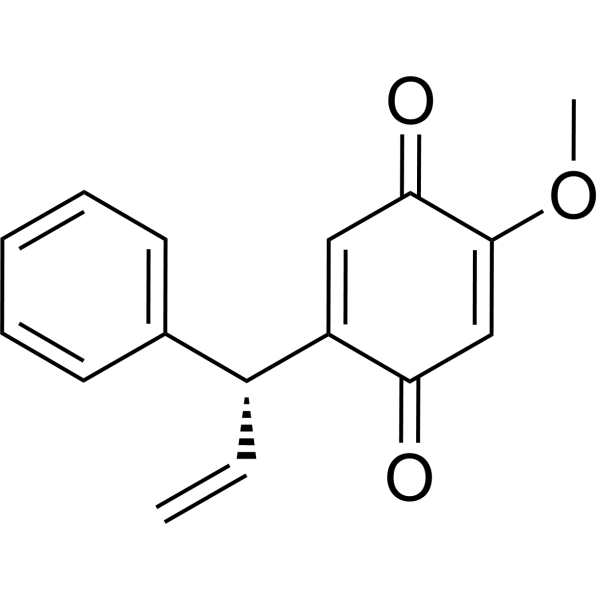
5,6-Dihydro-5-methyluracil (Standard)
 0 Images
5,6-Dihydro-5-methyluracil (Dihydrothymine) (Standard) is the analytical standard of 5,6-Dihydro-5-methyluracil (HY-N6787). This product is intended for research and analytical applications. 5,6-Dihydro-5-methyluracil is an intermediate breakdown product of Thymine (HY-W010450). 5,6-Dihydro-5-methyluracil can be used as a marker of DNA damage. 5,6-Dihydro-5-methyluracil can be used for the research of COVID-19.
-
Gatifloxacin-d3 hydrochloride
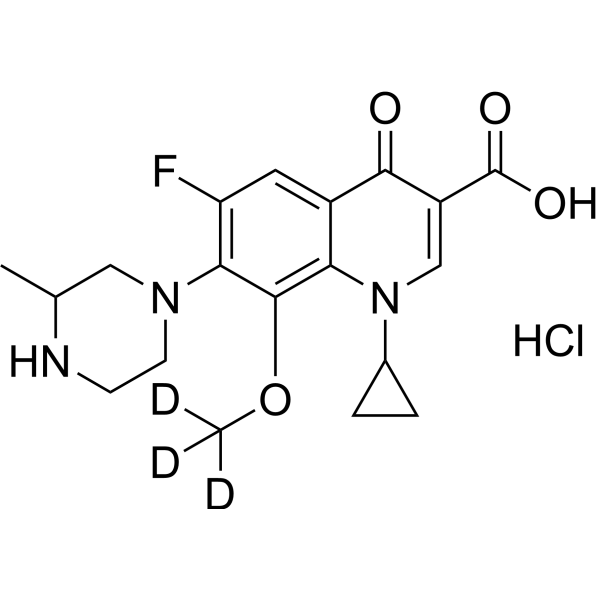 0 ImagesCat. No.: HY-10581ASSynonyms: AM-1155-d3 hydrochloride; BMS-206584-d3 hydrochloride; PD135432-d3 hydrochloride
Gatifloxacin-d3 (hydrochloride) is the deuterium labeled Gatifloxacin (hydrochloride). Gatifloxacin hydrochloride (AM-1155; BMS-206584; PD135432) is a potent fluoroquinolone antibiotic with broad-spectrum antibacterial activity. Gatifloxacin hydrochloride inhibits bacterial type II topoisomerases (IC50=13.8 μg/ml for S. aureus topoisomerase IV) and E. coli DNA gyrase (IC50 = 0.109 μg/ml). Gatifloxacin hydrochloride can be used to treat bacterial conjunctivitis in vivo.
-
HIV-1 protease-IN-7
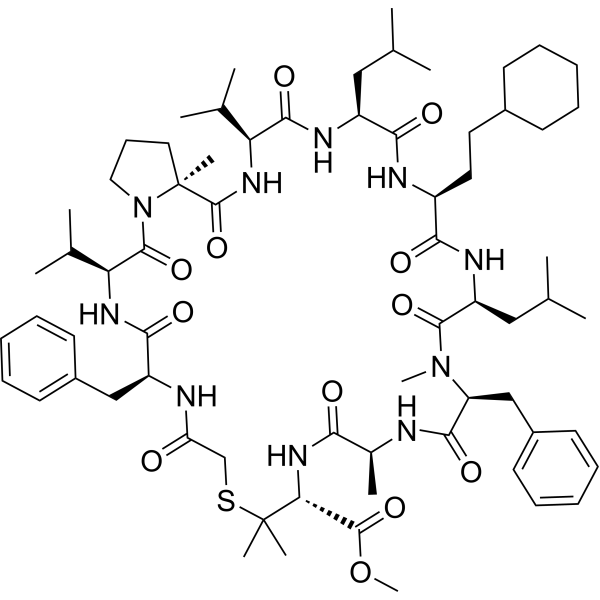 0 ImagesCat. No.: HY-151250CAS No.: 2916441-36-4
-
GPS491
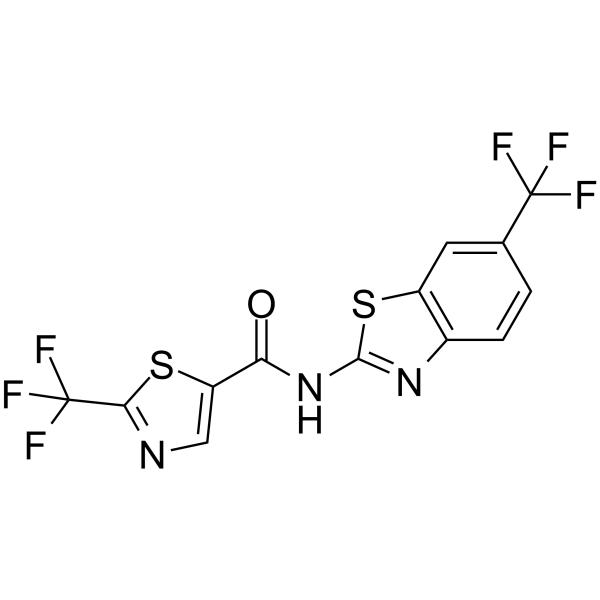 0 ImagesCat. No.: HY-139850CAS No.: 2655502-29-5
-
A-71497
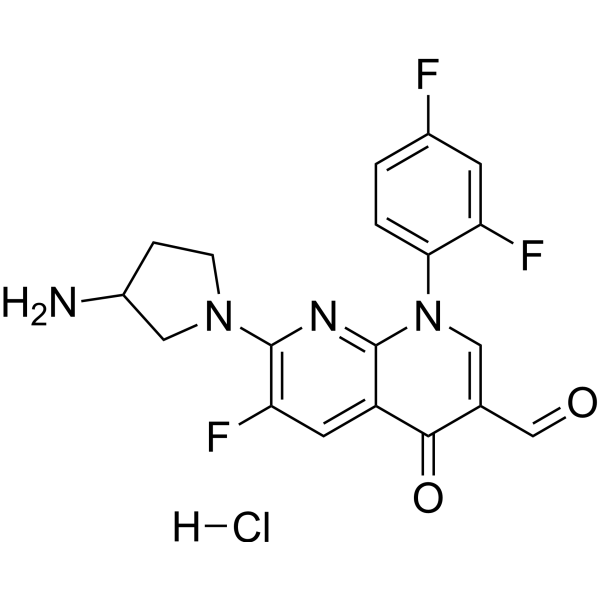 0 ImagesCat. No.: HY-122309CAS No.: 134762-03-1
A-71497 is the 3-formyl derivative of the antibiotic Tosufloxacin (HY-B1802). A-71497 can produce high plasma levels of tosufloxacin upon both oral and subcutaneous administration to mice.
-
Herbimycin C
 0 ImagesCat. No.: HY-126699CAS No.: 91700-92-4Synonyms: Antibiotic TAN 420D
Herbimycin C is a bacterial metabolite originally isolated from S. hygroscopicus. It is cytotoxic to HeLa and Ehrlich cells (IC50s=7.3 and 1.2 μg/mL, respectively).