



Adrenergic Receptor
Beta Receptor
Adrenergic receptors are a class of G protein-coupled receptors that are targets of the catecholamines, especially norepinephrine and epinephrine. Many cells possess these receptors, and the binding of a catecholamine to the receptor will generally stimulate the sympathetic nervous system. The sympathetic nervous system is responsible for the fight-or-flight response, which includes widening the pupils of the eye, mobilizing energy, and diverting blood flow from non-essential organs to skeletal muscle. There are two main groups of adrenergic receptors, α and β, with several subtypes. α receptors have the subtypes α1 and α2. β receptors have the subtypes β1, β2 and β3. All three are linked to Gs proteins, which in turn are linked to adenylate cyclase. Agonist binding thus causes a rise in the intracellular concentration of the second messenger cAMP. Downstream effectors of cAMP include cAMP-dependent protein kinase (PKA), which mediates some of the intracellular events following hormone binding.
Adrenergic Receptor Isoform Specific Products
All Product Categories
-
Adrenergic Receptor Inhibitors
(267)
View all products
-
Adrenergic Receptor Agonists
(503)
View all products
-
Adrenergic Receptor Antagonists
(552)
View all products
-
Adrenergic Receptor Activators
(45)
View all products
-
Adrenergic Receptor Modulators
(21)
View all products
-
Adrenergic Receptor Degraders
(2)
View all products
-
Adrenergic Receptor Controls
(8)
View all products
-
Adrenergic Receptor Substrates
(3)
View all products
-
Adrenergic Receptor Ligands
(17)
View all products
-
Adrenergic Receptor Related Products (1636)
Related Products (1636)

-
Antibodies (4)
-
Adrenergic Receptor Isoform Comparison
-
Salmeterol xinafoate
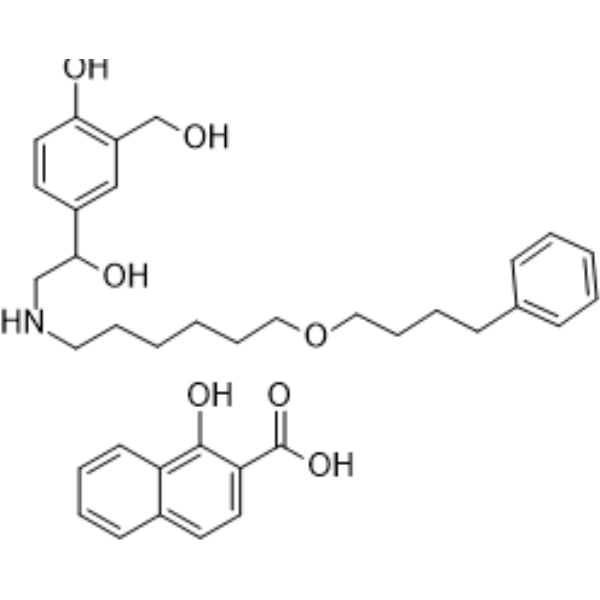 0 ImagesSynonyms: GR 33343X xinafoateSalmeterol (GR 33343X) xinafoate is a potent and selective human β2 adrenoceptor agonist. Salmeterol shows potent stimulation of cAMP accumulation in CHO cells expressing human β2, β1 and β3 adrenoceptors with pEC50s of 9.6, 6.1, and 5.9, respectively.
-
Guanabenz Acetate
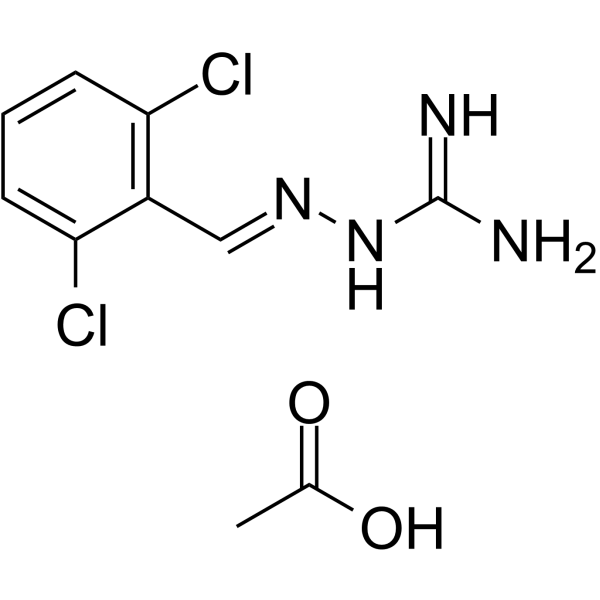 0 ImagesSynonyms: BR-750; Wy8678 acetateGuanabenz (Acetate) (BR-750) is an alpha-2 selective adrenergic agonist used as an antihypertensive agent.
-
Fenoterol
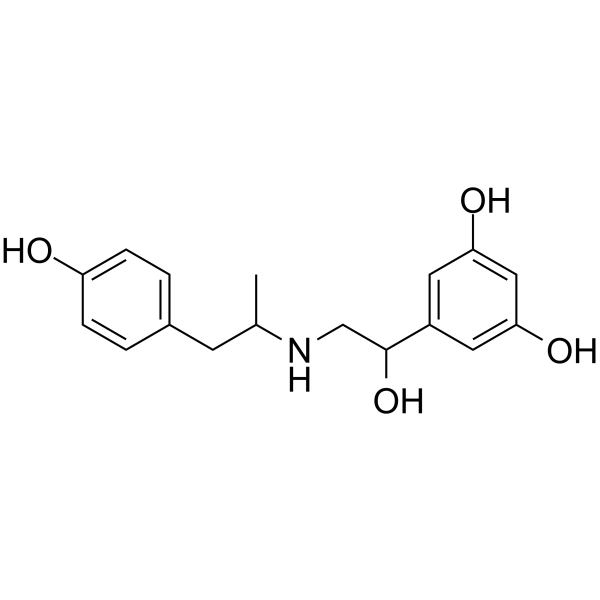 0 ImagesSynonyms: Th-1165; PhenoterolFenoterol (Th-1165), a sympathomimetic agent, is a selective and orally active β2-adrenoceptor agonist. Fenoterol is an effective bronchodilator and can be used for bronchospasm associated with asthma, bronchitis and other obstructive airway diseases research.
-
Guanfacine
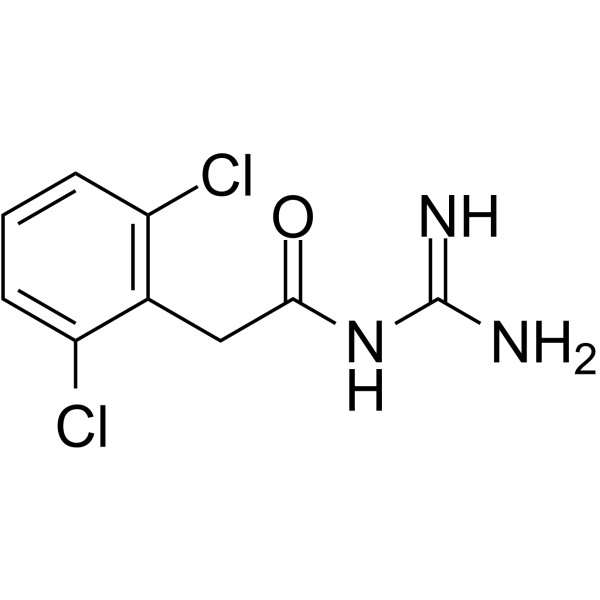 0 ImagesGuanfacine is an orally active noradrenergic α2A agonist and has high selective for the α2A receptor subtype. Guanfacine has effects in producing hypotension and sedation. Guanfacine can be used for the research of a variety of prefrontal cortex (PFC) cognitive disorders, including tourette's syndrome and attention deficit hyperactivity disorder (ADHD).
-
Dobutamine
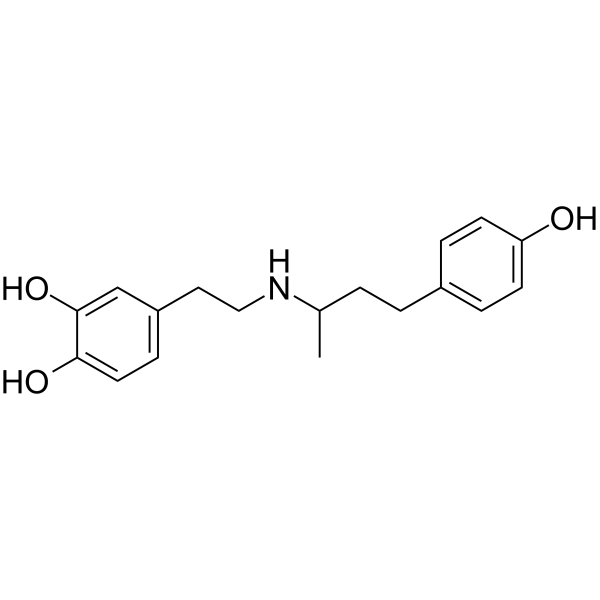 0 ImagesDobutamine is a synthetic catecholamine that acts on α1-AR, β1-AR, β2-AR (α-1, β-1 andβ-2 adrenoceptors). Dobutamine is a selective β1-AR agonist, relatively weak activity at α1-AR and β2-AR. Dobutamine can increase cardiac output and correct hypoperfusion.
-
Terbutaline sulfate
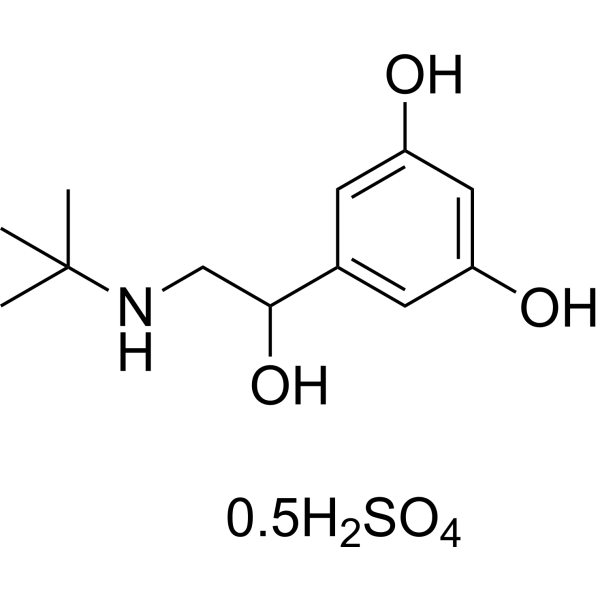 0 ImagesSynonyms: Terbutaline hemisulfateTerbutaline sulfate is an orally active β2-adrenergic receptor agonist and an active metabolite of bambuterol. Terbutaline sulfate can be used in asthma symptom research.
-
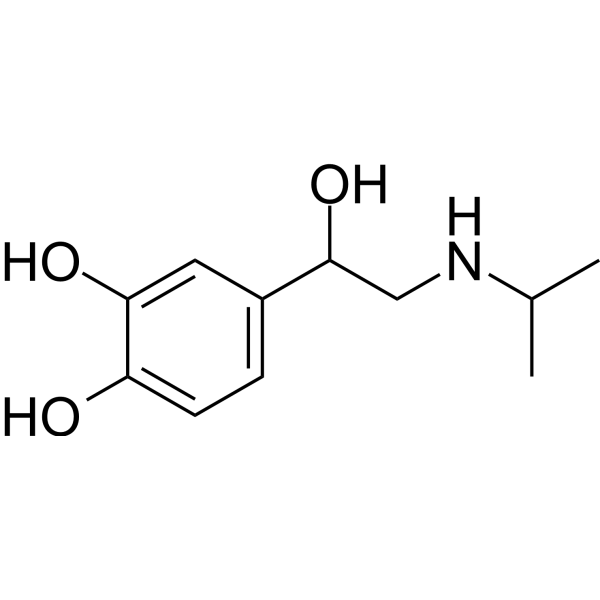
Guanabenz
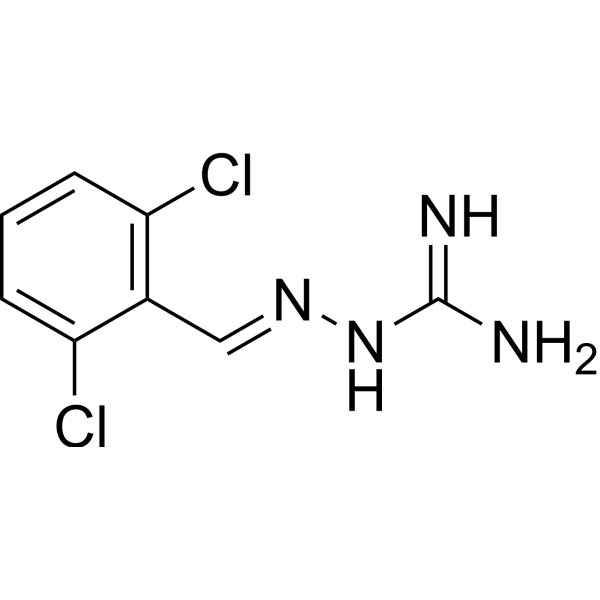 0 ImagesGuanabenz is an orally active α-2-adrenoceptor agonist. Guanabenz has antihypertensive effect and antiparasitic activity. Guanabenz interferes ER stress-signalling and has protective effects in cardiac myocytes. Guanabenz also is used for the research of high blood pressure.
-
Xamoterol hemifumarate
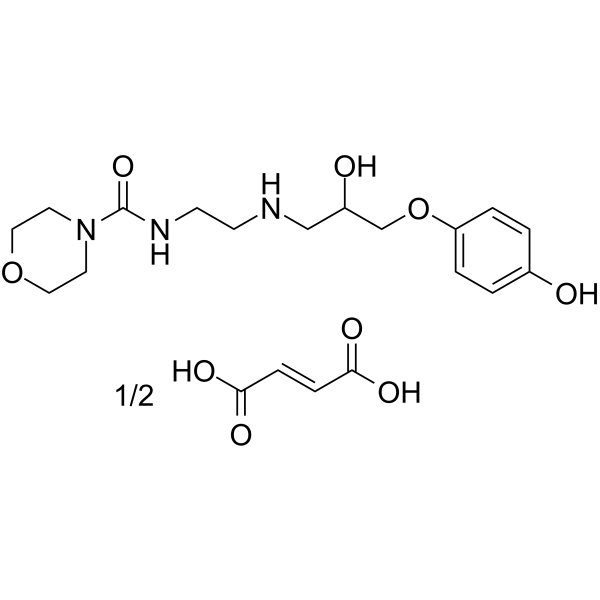 0 ImagesSynonyms: Corwin hemifumarate; ICI 118587 hemifumarateXamoterol (Corwin; ICI 118587) hemifumarate is an orally active and selective β1-adrenoceptor partial agonist. Xamoterol hemifumarate acts as agonist at low sympathetic tone, antagonist at high sympathetic tone, with context-dependent cardiovascular effects including modulated heart rate, blood pressure, and cardiac output. Xamoterol hemifumarate can be used for the research of heart failure, postural hypotension, and ischemic heart disease.
-
Vilanterol
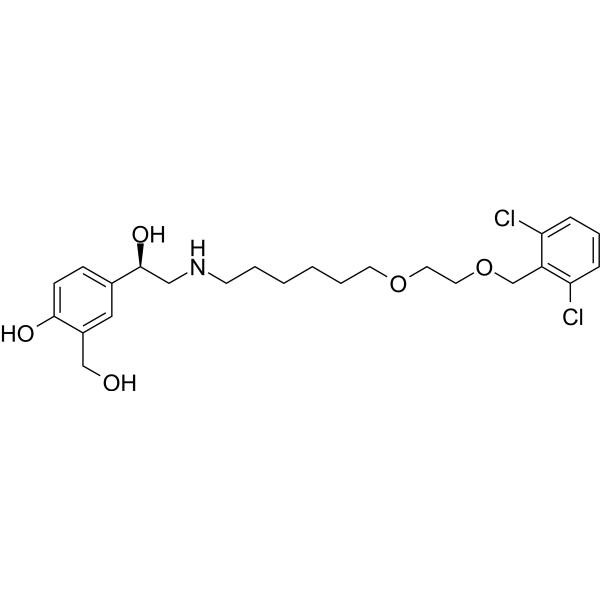 0 ImagesSynonyms: GW642444Vilanterol (GW642444) is a long-acting β2 adrenergic receptor agonist. Vilanterol has pEC50 values for β2-AR, β1-AR, and β3-AR of 9.4, 6.4, and 6.1, respectively. Vilanterol selectively activates airway β2 adrenergic receptors, increases cAMP and thus relaxes bronchial smooth muscle. Vilanterol can be used in asthma research[3][5].
-
A-61603
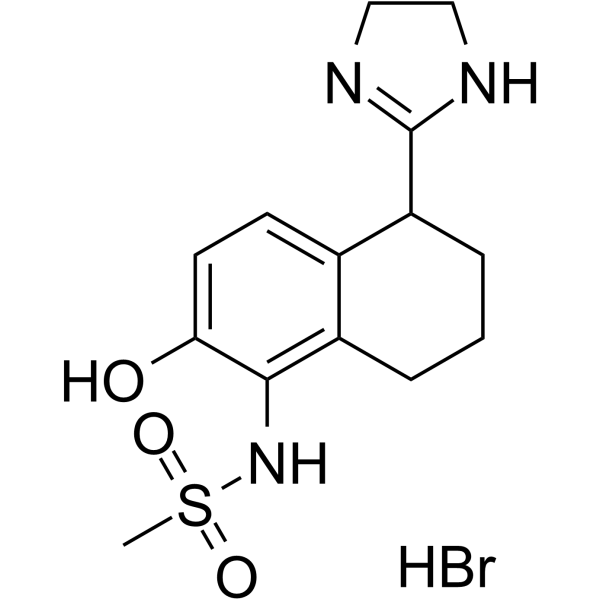 0 ImagesA-61603 is a selective α1A/α1a-adrenergic receptor agonist with Ki of 8.89 nM for rat submaxillary gland α1A, Ki of 30.5 nM for cloned bovine α1a. A-61603 potentiates Ca2+ transients with EC50 of 6.9 nM. A-61603 stimulates phosphoinositide hydrolysis, induces contractile responses in vas deferens, prostate strips, and spleen strips, and exhibits low activity in aortic rings. A-61603 can be used for research on adrenergic function.
-
Metaproterenol hemisulfate
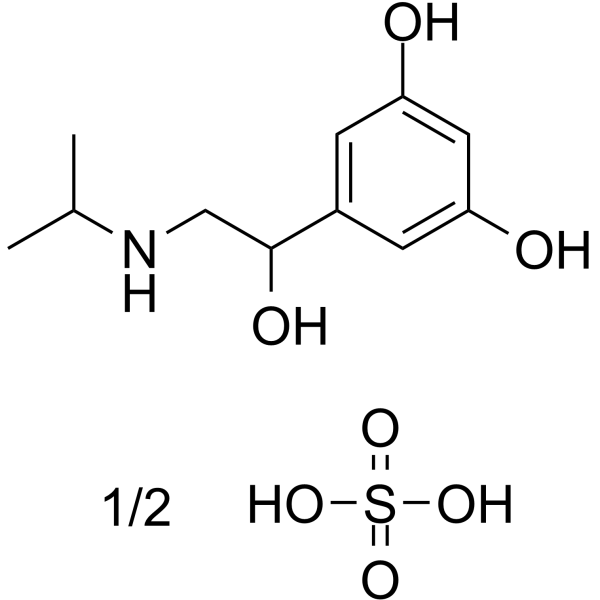 0 ImagesMetaproterenol hemisulfate (Orciprenaline hemisulfate) is a direct-acting sympathomimetic and a β2-adrenergic receptor (β2AR) agonist with an IC50 of 68 nM. Metaproterenol hemisulfate also has anti-inflammatory activity.
-
Adrafinil
 0 ImagesSynonyms: CRL 40028Adrafinil (CRL 40028) is an orally active vigilance promoting agent. Adrafinil enhances central noradrenergic transmission, improves spontaneous activity, exploratory behavior, discriminative learning ability and response motivation, but impairs visuospatial working memory. Adrafinil antagonizes Prazosin (HY-B0193)-induced hypoactivity and hypothermia, exerts anticonvulsant effects, and induces sustained enhancement of high-frequency electrocortical activity. Adrafinil can be used for research on decreased alertness and specific cognitive deficits.
-
Olodaterol hydrochloride
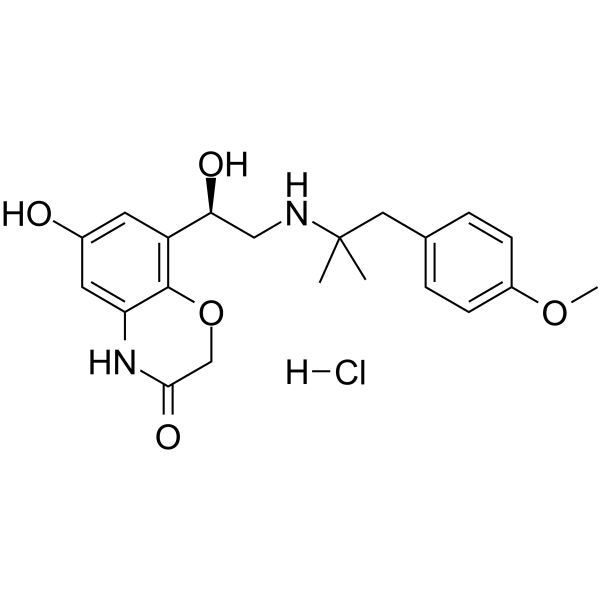 0 ImagesSynonyms: BI1744 hydrochlorideOlodaterol (BI1744) hydrochloride is a selective, long acting β2-adrenoceptor (β2-AR) agonist (EC50=0.1 nM and pKi= 9.14 for human β2-adrenoceptor, respectively). Olodaterol can be used for chronic obstructive pulmonary disease (COPD) and pulmonary fibrosis.
-
LY 344864
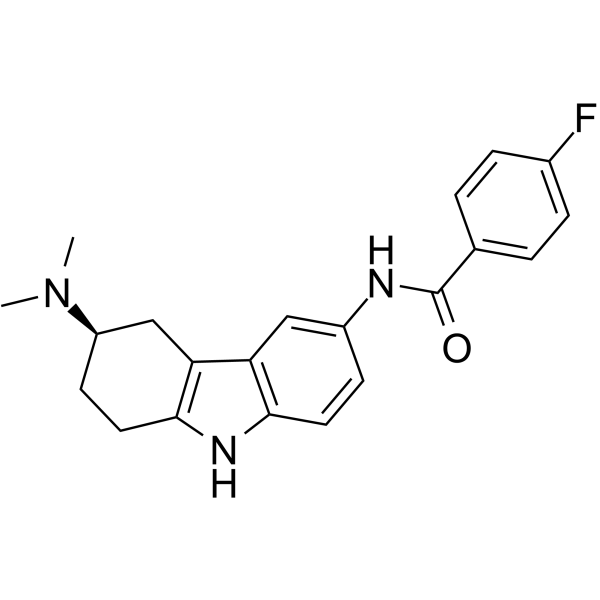 0 ImagesLY 344864 is a selective, orally active 5-HT1F receptor agonist with a Ki of 6 nM. LY 344864 is a full agonist producing an effect similar in magnitude to serotonin itself. LY 344864 can cross the blood brain barrier to some extent.
-
Indacaterol maleate
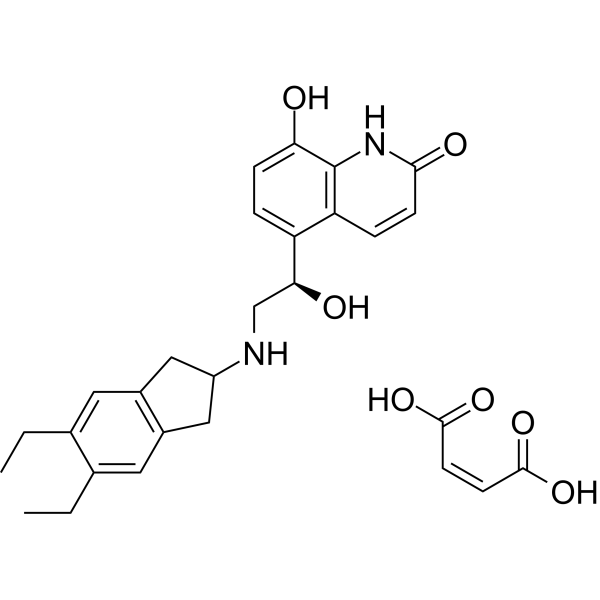 0 ImagesSynonyms: QAB149Indacaterol maleate (QAB149) is an orally active ultra-long-acting β2 adrenergic receptor (ADRB2) agonist. Indacaterol maleate inhibits NF-κB activity in a β-arrestin2-dependent manner, preventing further lung damage and improving lung function in COPD (chronic obstructive pulmonary disorder). Indacaterol maleate can also be used in cardiovascular disease research.
-
Medetomidine
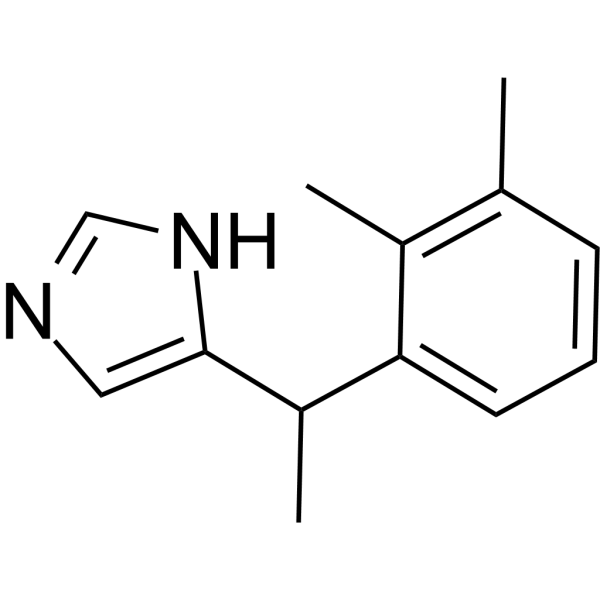 0 ImagesMedetomidine is an orally active α2-adrenoceptor agonist (Ki: 1.08 nM). Medetomidine has sedative and analgesic effects. Medetomidine can cause peripheral vasoconstriction through the activation of α2 adrenoceptors on blood vessels.
-
Levonordefrin
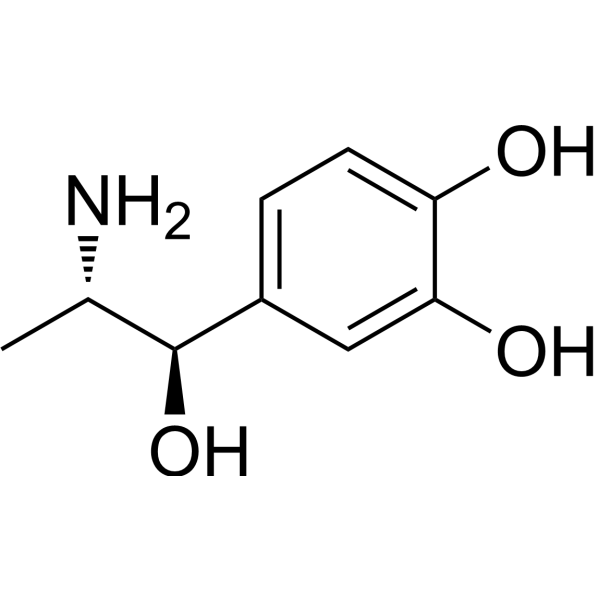 0 ImagesSynonyms: (-)-Cobefrin; (-)-α-Methylnoradrenaline; (-)-NordefrinLevonordefrin ((-)-Cobefrin; (-)-α-Methylnoradrenaline; (-)-Nordefrin) is an α-adrenergic receptor agonist with blood pressure regulatory properties. Levonordefrin is a key metabolite responsible for the hypotensive effect of α-methyldopa. By stimulating central α-adrenergic receptors in the nucleus tractus solitarius region of the medulla oblongata, Levonordefrin induces centrally mediated hypotension and bradycardia. When administered intravenously, Levonordefrin increases mean arterial blood pressure in a dose-dependent manner. Levonordefrin is applicable for research on the pathophysiology of hypertension and drug metabolism.
-
Isoetharine mesylate
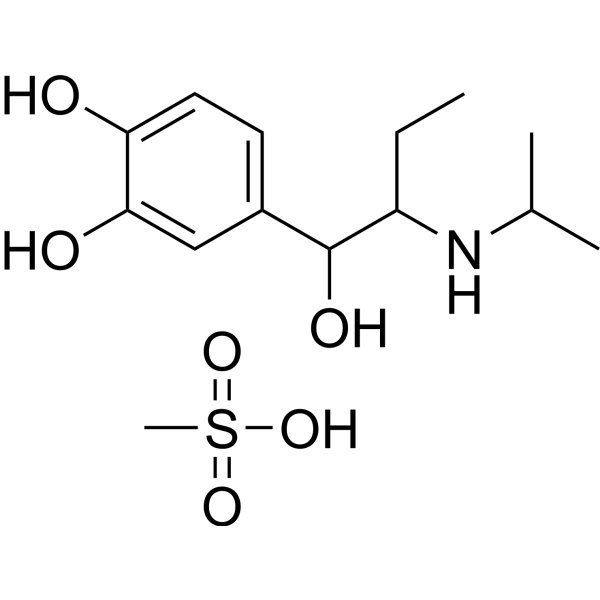 0 ImagesIsoetharine (Isoetarine) mesylate is an orally active selective agonist of β-adrenergic receptors. Isoetharine mesylate is a catechol-like agent and catechol O-methyltransferase (COMT) mediates its methylation. Isoetharine mesylate can promote the production of cAMP which stimulates the relaxation of smooth muscle cells and can be used as an emphysema, bronchitis and bronchodilator.




