Apoptosis
Apoptosis
Apoptosis is a distinctive form of cell death exhibiting specific morphological and biochemical characteristics, including cell membrane blebbing, chromatin condensation, genomic DNA fragmentation, and exposure of specific phagocytosis signaling molecules on the cell surface. Cells undergoing apoptosis differ from those dying through necrosis. Necrotic cells are usually recognized by the immune system as a danger signal and, thus, resulting in inflammation; in contrast, apoptotic death is quiet and orderly.
There are two major pathways of apoptotic cell death induction: The intrinsic pathway, also called the Bcl-2-regulated or mitochondrial pathway, is activated by various developmental cues or cytotoxic insults, such as viral infection, DNA damage and growth-factor deprivation, and is strictly controlled by the BCL-2 family of proteins. The extrinsic or death-receptor pathway is triggered by ligation of death receptors (members of the tumor necrosis factor (TNF) receptor family, such as Fas or TNF receptor-1 (TNFR1)) that contain an intracellular death domain, which can recruit and activate caspase-8 through the adaptor protein Fas-associated death domain (FADD; also known as MORT1) at the cell surface. This recruitment causes subsequent activation of downstream (effector) caspases, such as caspase-3, -6 or -7, without any involvement of the BCL-2 family.
Studies suggest that alterations in cell survival contribute to the pathogenesis of a number of human diseases, including cancer, viral infections, autoimmune diseases, neurodegenerative disorders, and AIDS (acquired immunodeficiency syndrome). Treatments designed to specifically alter the apoptotic threshold may have the potential to change the natural progression of some of these diseases.
All Product Categories
-
Apoptosis Inhibitors
(904)
View all products
-
Apoptosis Agonists
(7)
View all products
-
Apoptosis Antagonists
(9)
View all products
-
Apoptosis Activators
(363)
View all products
-
Apoptosis Modulators
(60)
View all products
-
Apoptosis Inducers
(7944)
View all products
-
Apoptosis Degrader
(1)
View all products
-
Apoptosis Controls
(33)
View all products
-
Apoptosis Related Products (9888)
Related Products (9888)

-
Antibodies (120)
-
Thalidomide-O-C8-COOH
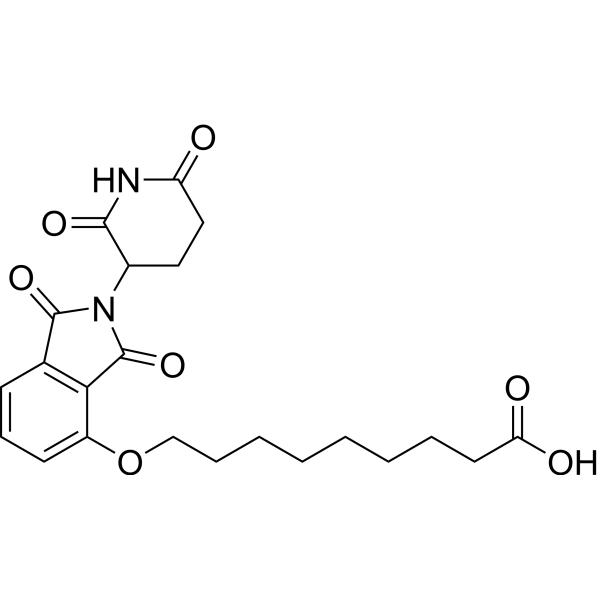 0 ImagesCat. No.: HY-130952CAS No.: 2225148-51-4Thalidomide-O-C8-COOH is the Thalidomide-based Cereblon ligand used in the recruitment of CRBN protein. Thalidomide-O-C8-COOH (Cereblon ligand 3) can be connected to the ligand for protein by a linker to form PROTACs.
-
Adenosine-1′-13C
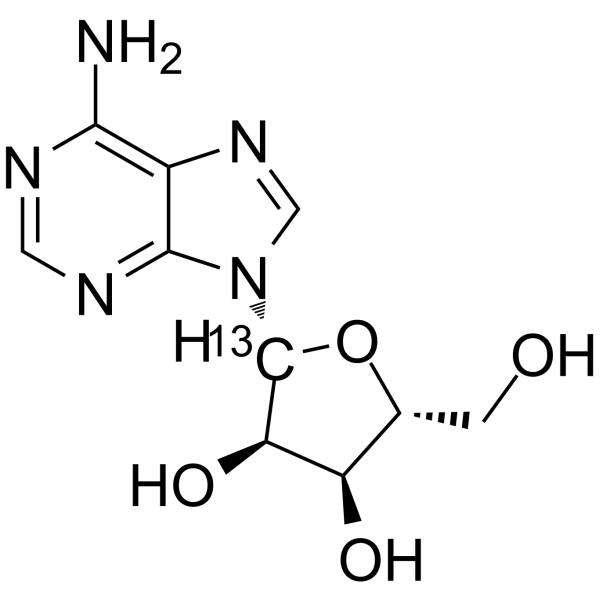 0 ImagesCat. No.: HY-B0228S4CAS No.: 201996-55-6Synonyms: Adenine riboside-1′-13C; D-Adenosine-1′-13C
-
Alteminostat
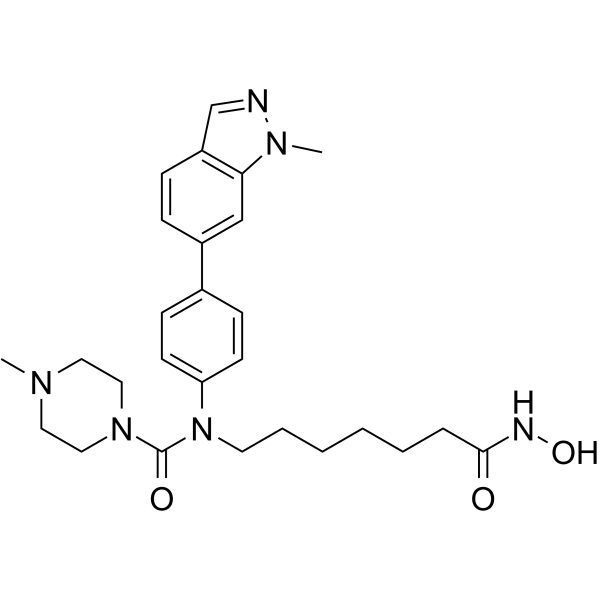 0 ImagesSynonyms: CKD-581Alteminostat (CKD-581) is a potent HDAC inhibitor. Alteminostat inhibits the class I-II HDAC family via histone H3 and tubulin acetylation. Alteminostat can be used for lymphoma and multiple myeloma research.
-
HPOB
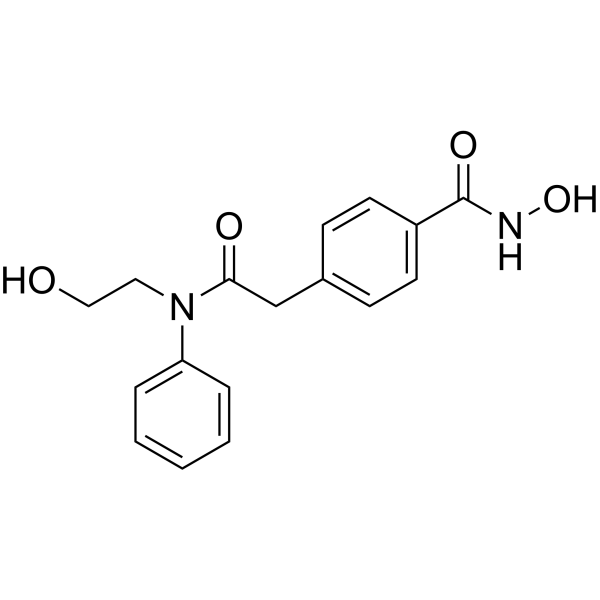 0 ImagesHPOB is a highly potent and selective inhibitor of HDAC6 with an IC50 of 56 nM. HPOB displays >30 fold less potent against other HDACs. HPOB enhances the effectiveness of DNA-damaging anticancer agents in transformed cells but not normal cells. HPOB does not block the ubiquitin-binding activity of HDAC6.
-
9-cis-Retinoic acid-d5
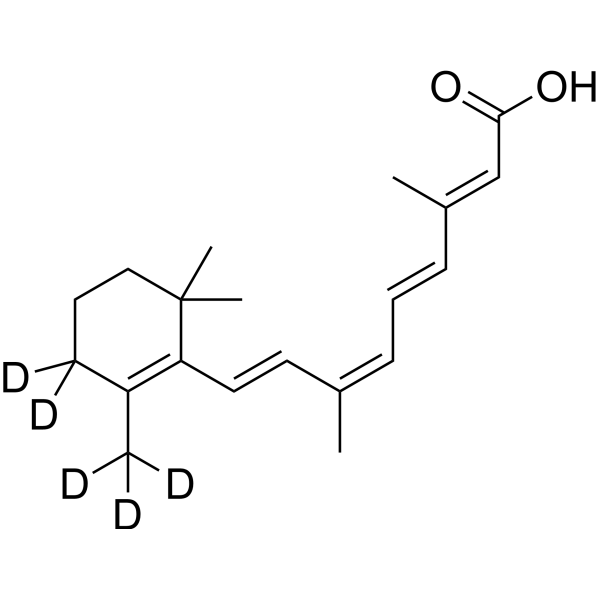 0 ImagesCat. No.: HY-132334SPurity: 99.24%9-cis-Retinoic acid-d5 is the deuterium labeled 9-cis-Retinoic acid. 9-cis-Retinoic acid (ALRT1057), a vitamin A derivative, is a potent RAR/RXR agonist. 9-cis-Retinoic acid induces apoptosis, regulates cell cycle and has anticancer, anti-inflammatory and neuroprotection activities.
-
Thalidomide-O-amido-PEG4-C2-NH2 hydrochloride
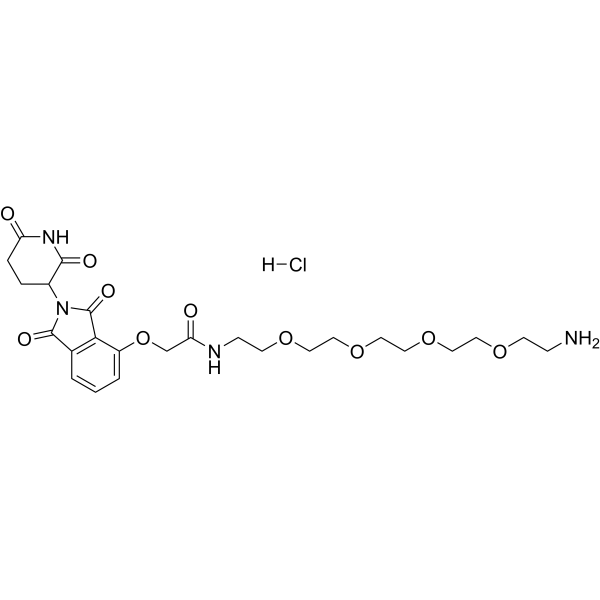 0 ImagesCat. No.: HY-122710ACAS No.: 2245697-85-0Thalidomide-O-amido-PEG4-C2-NH2 hydrochloride, a synthesized E3 ligase ligand-linker conjugate that incorporates the Thalidomide based cereblon ligand and a linker, can be used in the synthesis of PROTACs.
-
Thalidomide-Piperazine-PEG1-COOH
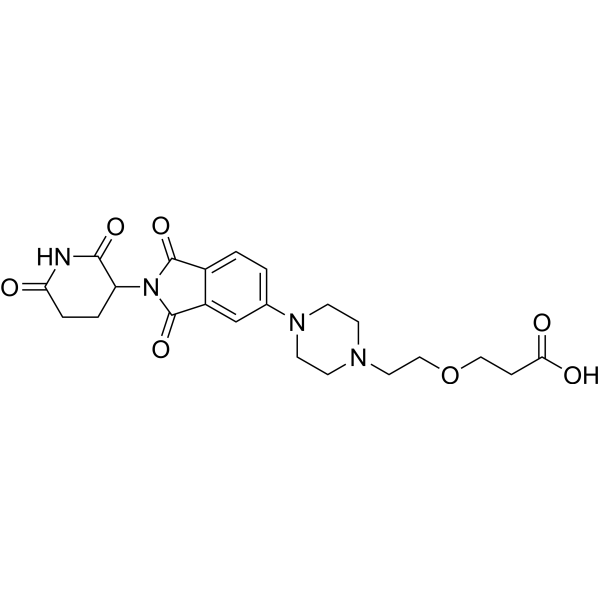 0 ImagesThalidomide-Piperazine-PEG1-COOH is a synthesized E3 ligase ligand-linker conjugate that incorporates the Thalidomide based cereblon ligand and a linker used in PROTAC technology.
-
AAPK-25
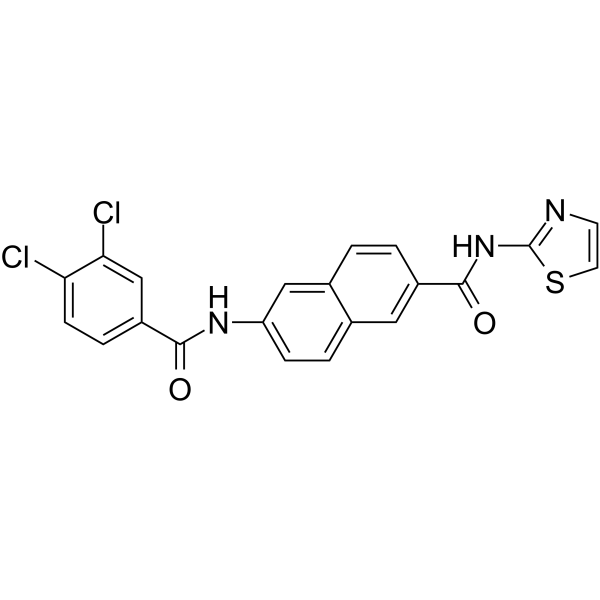 0 ImagesAAPK-25 is a potent and selective Aurora/PLK dual inhibitor with anti-tumor activity, which can cause mitotic delay and arrest cells in a prometaphase, reflecting by the biomarker histone H3Ser10 phosphorylation and followed by a surge in apoptosis. AAPK-25 targets Aurora-A, -B, and -C with Kd values ranging from 23-289 nM, as well as PLK-1, -2, and -3 with Kd values ranging from 55-456 nM.
-
ZZW-115
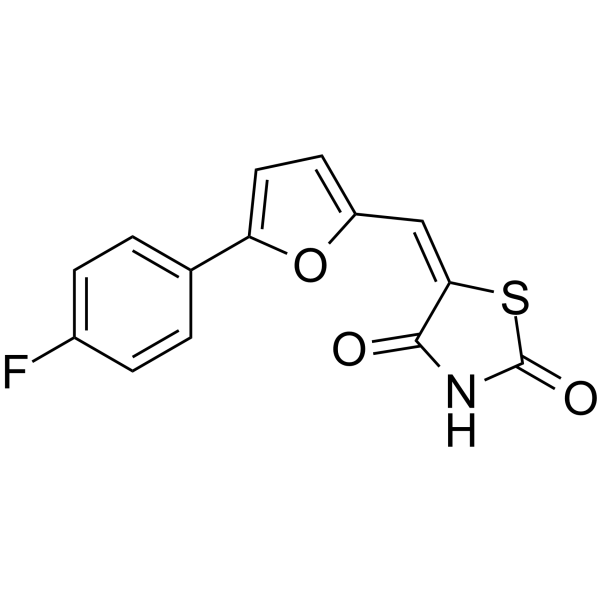
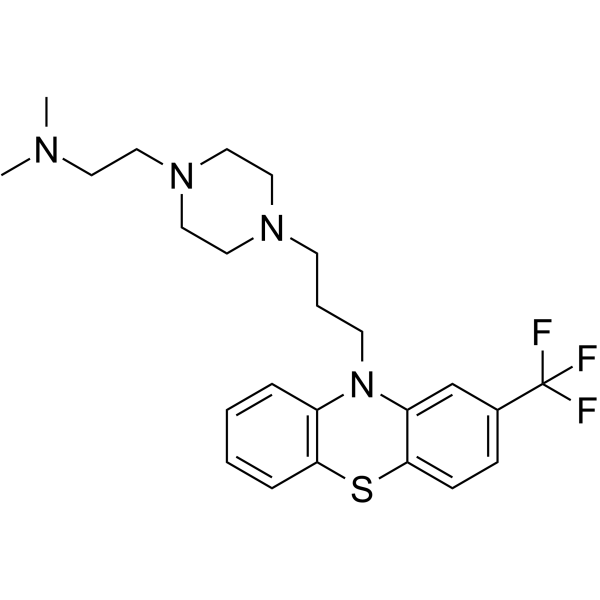 0 ImagesZZW-115 is a potent NUPR1 inhibitor, with a Kd of 2.1 μM. ZZW-115 induces tumor cell death by necroptosis and apoptosis. Anticancer activity.
-
AQX-435
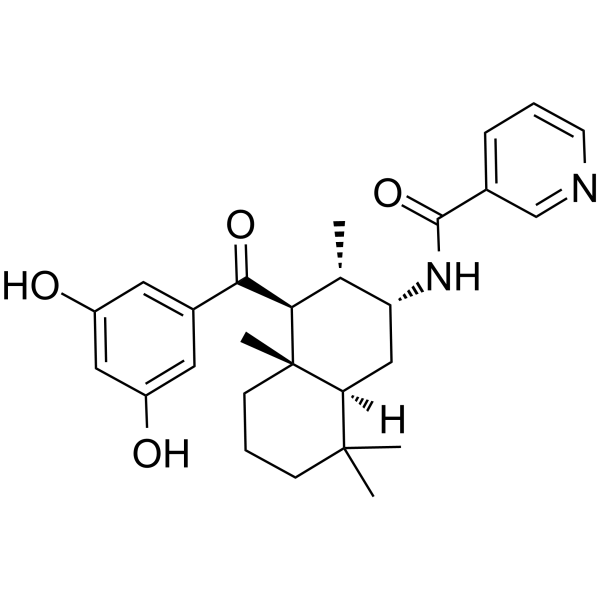 0 ImagesAQX-435 is a potent SHIP1 phosphatase activator. AQX-435 reduces PI3K activation downstream of the B-cell receptor (BCR) and induces apoptosis of malignant B cells, and reduces lymphoma growth.
-
Avotaciclib hydrochloride
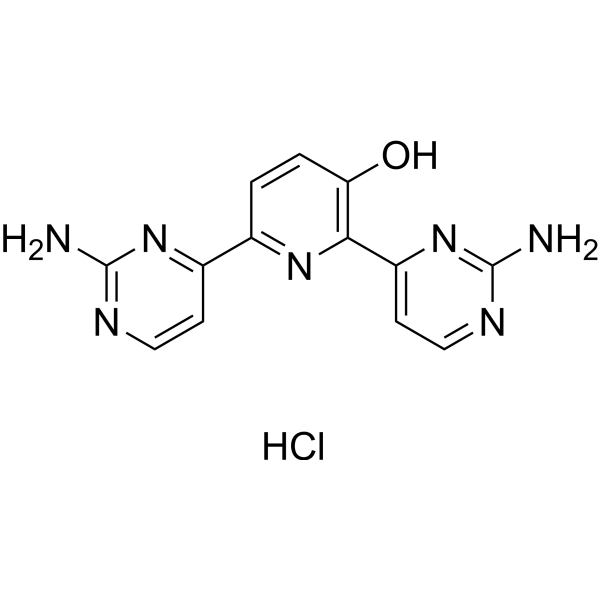 0 ImagesCat. No.: HY-137432BPurity: 99.75%Synonyms: BEY1107 hydrochlorideAvotaciclib (BEY1107) hydrochloride is an orally active cyclin-dependent kinase 1 (CDK1) inhibitor. Avotaciclib hydrochloride can inhibit the proliferation and induce apoptosis of tumor cells. Avotaciclib hydrochloride can be used in the research of cancer such as pancreatic cancer and lung cancer.
-
PRT062607 acetate
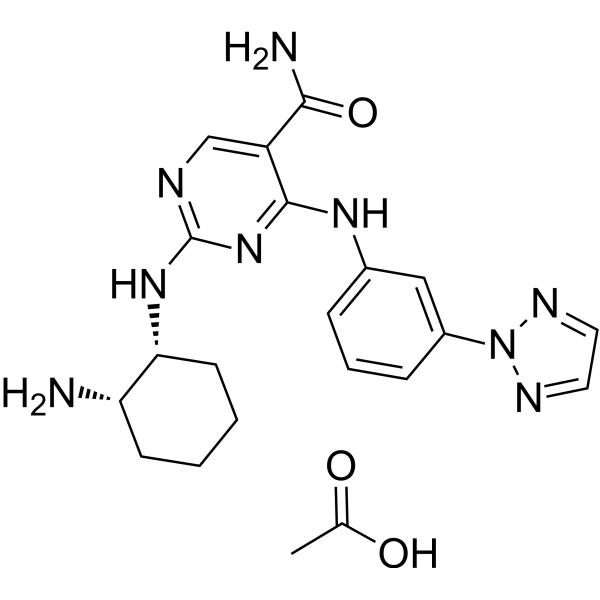 0 ImagesSynonyms: P505-15 acetate; PRT-2607 acetate; BIIB-057 acetate
-
PELP1-IN-1
 0 ImagesPELP1-IN-1 is a PELP1 inhibitor and an apoptosis inducer with no cytotoxic activity against non-cancer cell lines. PELP1-IN-1 targets wild-type, mutant and drug-resistant ER+ breast cancer, and promotes PELP1 degradation through the proteasome pathway. As an analog of SMIP34 (HY-169903), PELP1-IN-1 is applicable to the research of estrogen receptor α-positive breast cancer.
-
Thalidomide-O-C6-COOH
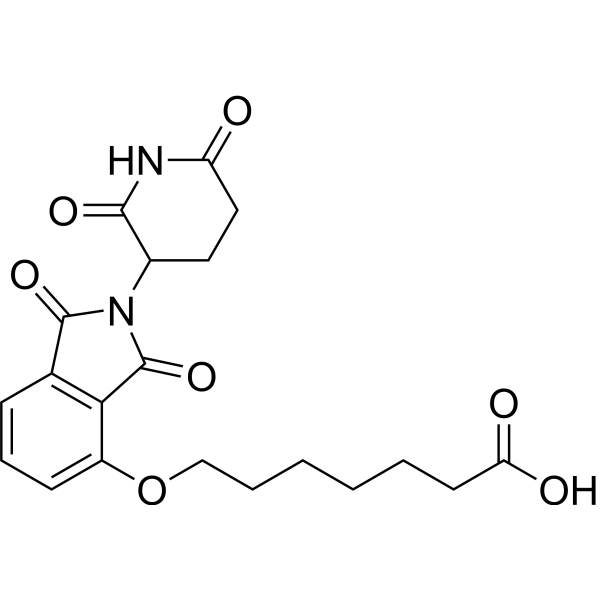 0 ImagesThalidomide-O-C6-COOH is a synthesized E3 ligase ligand-linker conjugate that incorporates the Thalidomide based cereblon ligand and a linker used in PROTAC technology.
-
Mcl-1 inhibitor 6
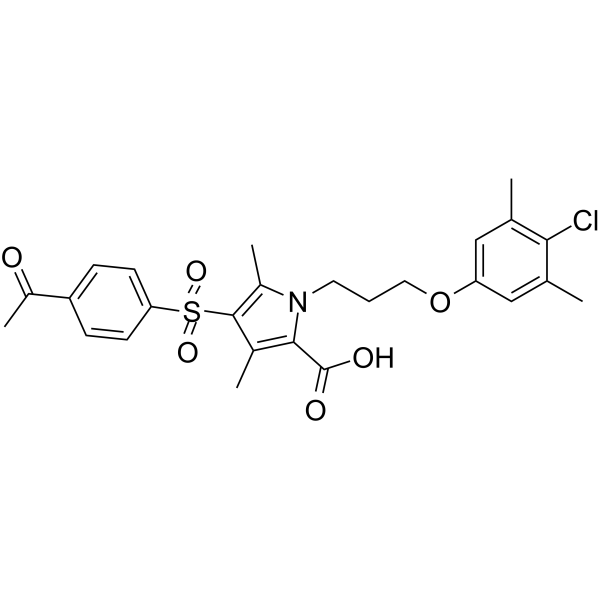 0 ImagesMcl-1 inhibitor 6 is an orally active, selective myeloid cell leukemia 1 (Mcl-1) protein inhibitor with a Kd of 0.23 nM and a Ki of 0.02 μM. Mcl-1 inhibitor 6 possesses superior selectivity over other Bcl-2 family members (Bcl-2, Bcl2A1, Bcl-xL, and Bcl-w, Kd>10 μM). Mcl-1 inhibitor 6 is a potent antitumor agent.
-
MTR-106
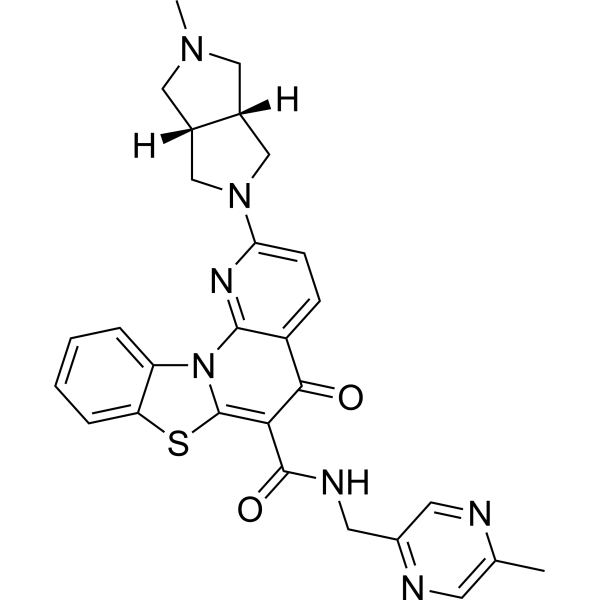 0 ImagesMTR-106 is a potent and orally active G-quadruplex stabilizer and RNA polymerase I inhibitor. MTR-106 induces apoptosis and inhibits cell growth. MTR-106 can be used in research of cancer.
-
Thiamine hydrochloride (Standard)
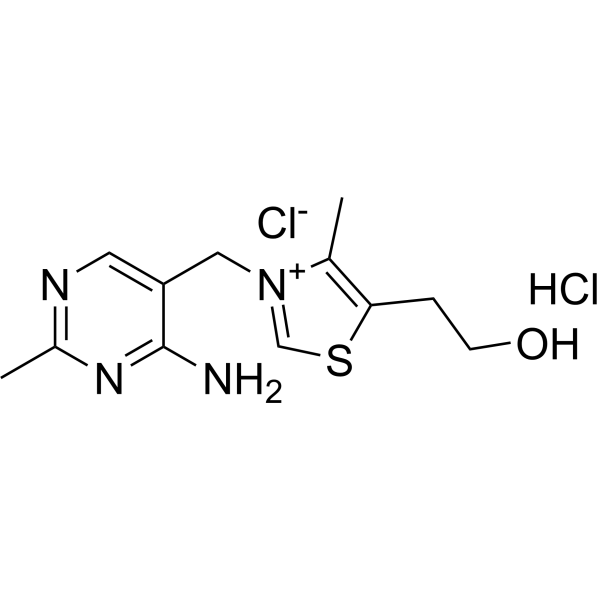 0 ImagesSynonyms: Thiamine chloride hydrochloride (Standard); Vitamin B1 hydrochloride (Standard)Thiamine (hydrochloride) (Standard) is the analytical standard of Thiamine (hydrochloride). This product is intended for research and analytical applications. Thiamine hydrochloride (Thiamine chloride hydrochloride) is an essential micronutrient needed as a cofactor for many central metabolic enzymes.