



Apoptosis Control
- 1
- 2
-
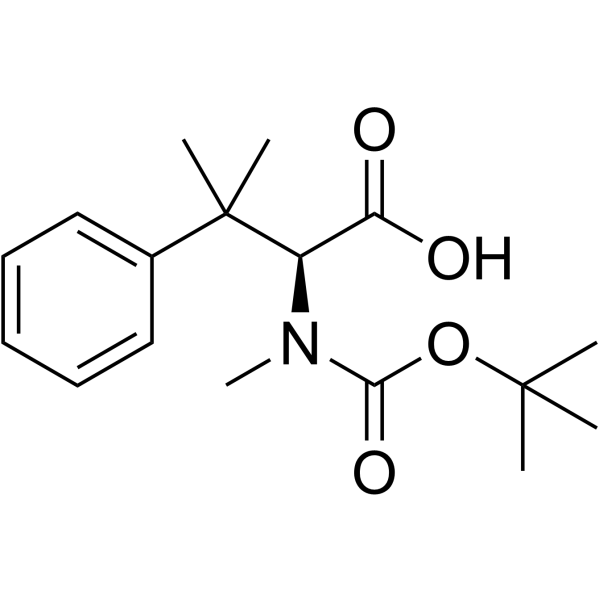
Taltobulin intermediate-1
 0 Images
Taltobulin intermediate-1 is an intermediate in the synthesis of Taltobulin (HY-15584). Taltobulin is a common toxin component in ADC preparation (ADC Cytotoxin), and it is also a powerful tubulin (Microtubule/Tubulin) inhibitor. Taltobulin disrupts tubulin polymerization, induces mitotic arrest, and induces apoptosis.
-
Idasanutlin (enantiomer)
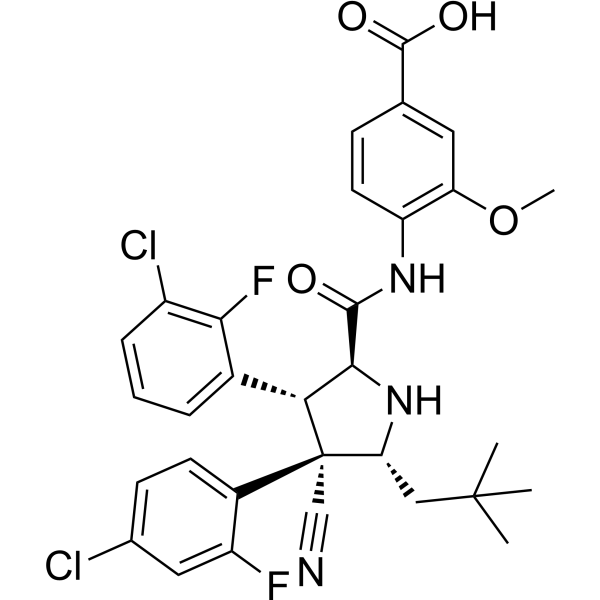 0 ImagesCat. No.: HY-15676APurity: 99.18%Synonyms: RG7388 (enantiomer)
Idasanutlin enantiomer is the isomer of Idasanutlin (HY-15676), and can be used as an experimental control. Idasanutlin (RG7388) is a potent and selective MDM2 antagonist, inhibiting p53-MDM2 binding, with an IC50 of 6 nM.
-
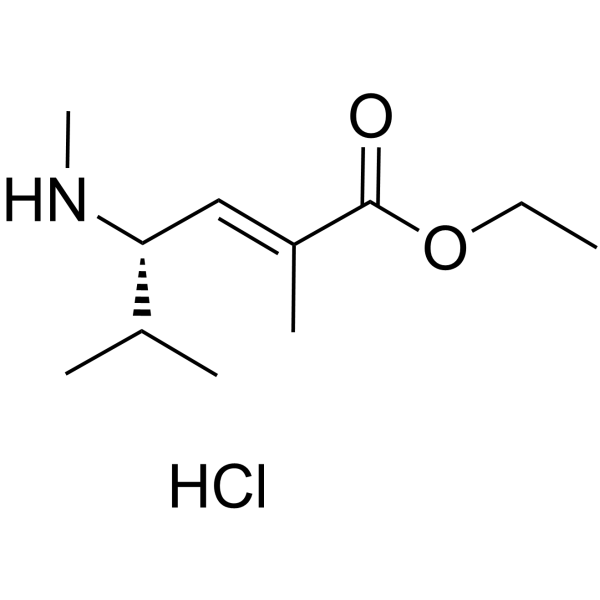
Taltobulin intermediate-3
 0 Images
Taltobulin intermediate-3 is an intermediate in the synthesis of Taltobulin (HY-15584). Taltobulin is a common toxin component in ADC preparation (ADC Cytotoxin), and it is also a powerful tubulin (Microtubule/Tubulin) inhibitor. Taltobulin disrupts tubulin polymerization, induces mitotic arrest, and induces apoptosis.
-
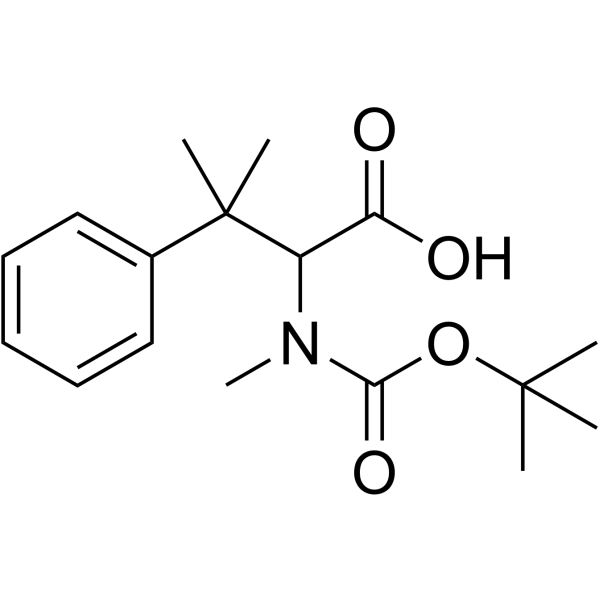
(Rac)-Taltobulin intermediate-1
 0 Images
(Rac)-Taltobulin intermediate-1 is an intermediate in the synthesis of Taltobulin (HY-15584). Taltobulin is a common toxin component in ADC preparation (ADC Cytotoxin), and it is also a powerful tubulin (Microtubule/Tubulin) inhibitor. Taltobulin disrupts tubulin polymerization, induces mitotic arrest, and induces apoptosis.
-
SP 600125, negative control
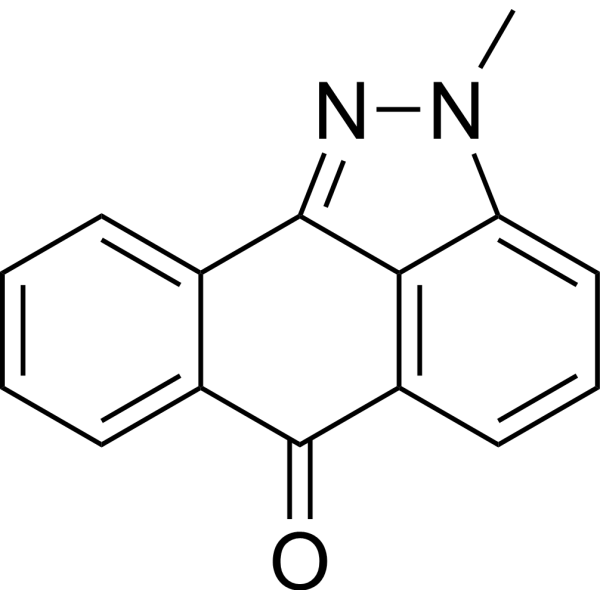 0 ImagesSynonyms: JNK Inhibitor II, negative control
-
(S)-Bleximenib oxalate
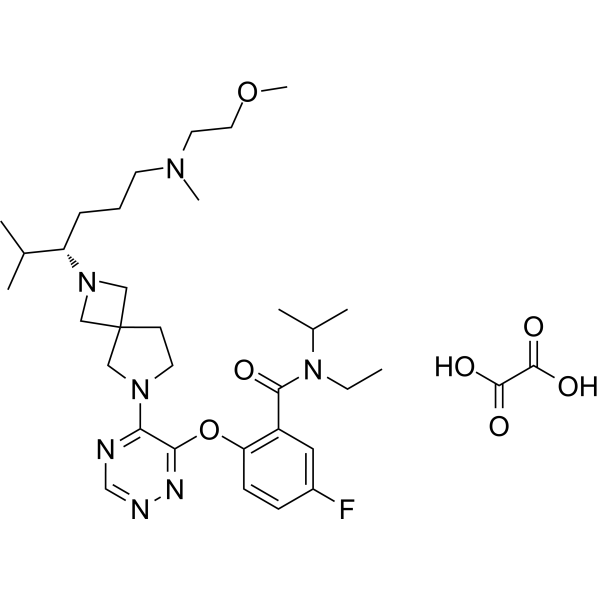 0 ImagesCat. No.: HY-148669BPurity: 98.37%Synonyms: (S)-JNJ-75276617 oxalate; (S)-Menin-MLL inhibitor 24 oxalate
(S)-Bleximenib (oxalate) is a S-Enantiomer of Bleximenib oxalate (HY-148669A). Bleximenib (JNJ-75276617) oxalate is an orally active and selective menin-KMT2A inhibitor, with IC50 values of 0.1 nM, 0.045 nM, and ≤0.066 nM for humans, mice, and dogs, respectively. Bleximenib oxalate can inhibit the proliferation and induce apoptosis and differentiation of tumor cells. Bleximenib oxalate can be used in the research of tumors such as leukemia.
-
(2S,3R,4S)-ASX-173
 0 Images
(2S,3R,4S)-ASX-173 is the (2S,3R,4S)-enantiomer of ASX-173 (HY-175282). ASX-173 is an orally active inhibitor of asparagine synthetase (ASNS) (IC50 = 0.113 μM, Ki = 0.4 nM). ASX-173 enhances the anticancer activity of L-asparaginase (ASNase) (HY-P1923). ASX-173 disrupts nucleotide synthesis and induces leukemia cell cycle arrest, apoptosis and autophagy in leukemia cells in combination with ASNase. ASX-173 slows the growth of OCI-AML2 xenografts in combination with ASNase. ASX-173 is indicated for the study of acute lymphoblastic leukemia, acute myeloid leukemia, colorectal cancer, and other cancers.
-
Desciclovir
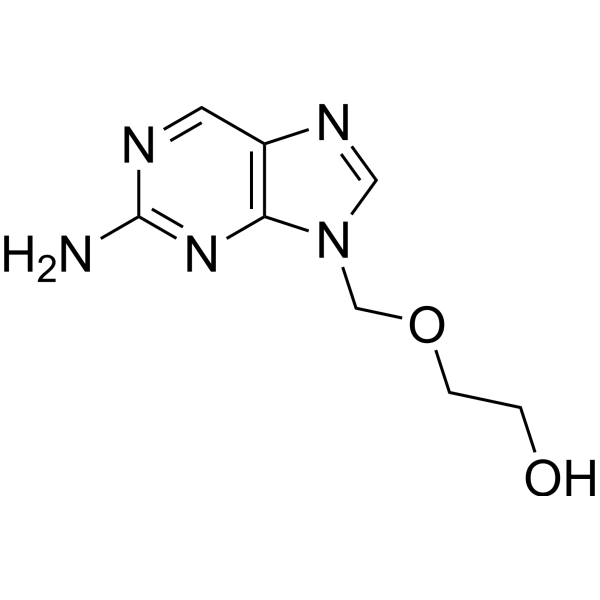 0 ImagesSynonyms: BW A515U
Desciclovir is a potent and orally active proagent of the antiherpetic agent Acyclovir (ACV). Desciclovir is converted to acyclovir in vivo by xanthine oxidase.

-
KTX-582 intermediate-1
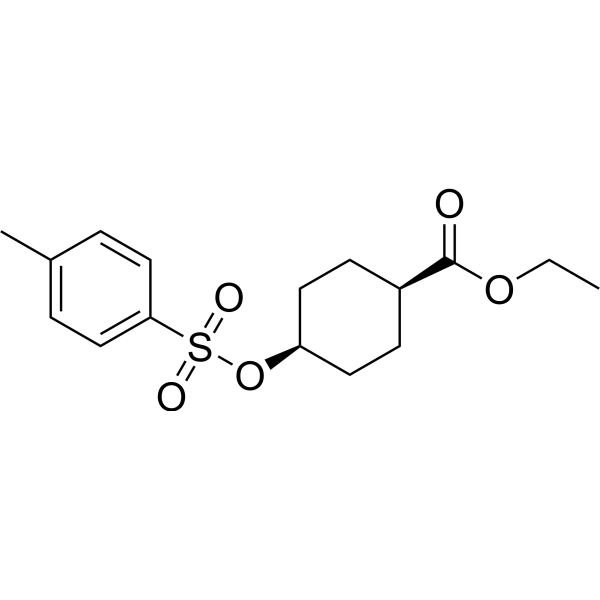 0 ImagesCat. No.: HY-49436CAS No.: 845508-29-4
-
Taltobulin intermediate-6
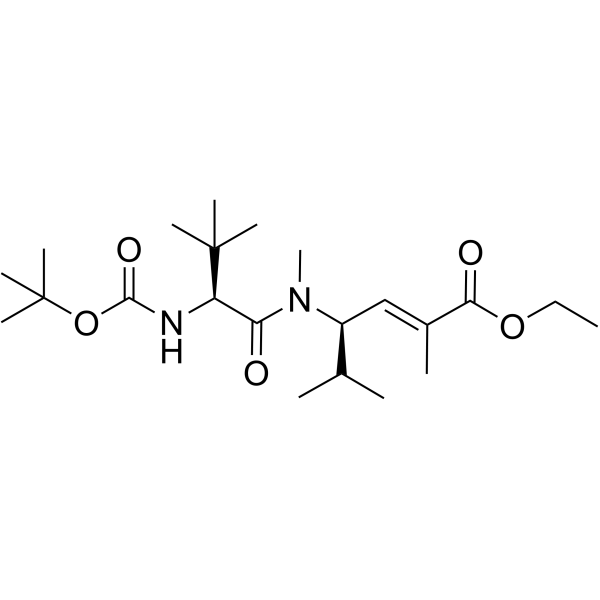 0 ImagesCat. No.: HY-41067
Taltobulin intermediate-6 is an intermediate in the synthesis of Taltobulin (HY-15584). Taltobulin is a common toxin component in ADC preparation (ADC Cytotoxin), and it is also a powerful tubulin (Microtubule/Tubulin) inhibitor. Taltobulin disrupts tubulin polymerization, induces mitotic arrest, and induces apoptosis.

-
Perforin-IN-3
 0 ImagesCat. No.: HY-W989139CAS No.: 178970-88-2
Perforin-IN-3 is a specific perforin inhibitor that blocks perforin-mediated lytic pore formation and subsequent cell lysis. Perforin-IN-3 potently inhibits the killing effect of NK cells on target cells such as leukemia cells, without interfering with FasL- or TRAIL-mediated cell death pathways. Perforin-IN-3 has no effect on pneumolysin and can be used to study autoimmune diseases, allograft rejection, graft-versus-host disease, and familial hemophagocytic lymphohistiocytosis.
-
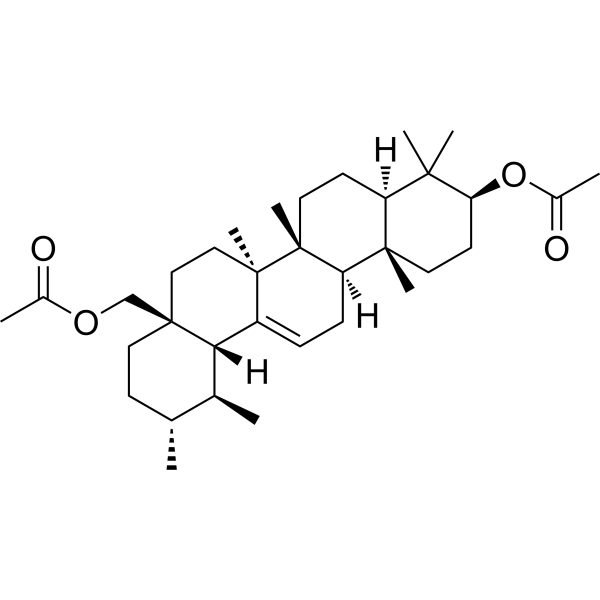
(Z)-Ganoderenic acid D
 0 ImagesCat. No.: HY-N1516ACAS No.: 1910062-63-3
(Z)-Ganoderenic acid D is the z-isomer of Ganoderenic acid D (HY-N1516). (Z)-Ganoderenic acid D is the triterpene that can be isolated from Ganoderma, and contributes to the bitter taste of the basidiocarps and extracts of Ganoderma species. Ganoderenic acid D inhibits the proliferation of cancer cells by inducing cell cycle arrest and apoptosis.

-
(R)-PR-924
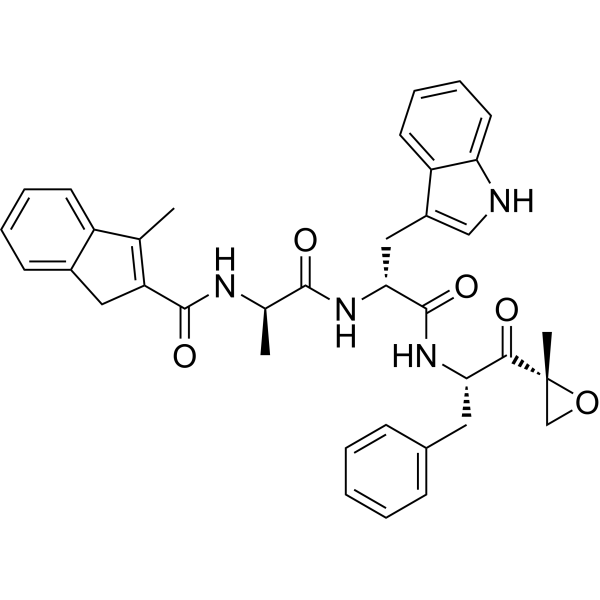 0 ImagesCat. No.: HY-123587APurity: 99.43%
(R)-PR-924 is the isomer of PR-924 (HY-123587), and can be used as an experimental control. PR-924 is a selective tripeptide epoxyketone immunoproteasome subunit LMP-7 inhibitor with an IC50 of 22 nM. PR-924 covalently modifies proteasomal N-terminal threonine active sites. PR-924 inhibits growth and triggers apoptosis in multiple myeloma (MM) cells. PR-924 has antitumor activities.
-
UNC8461
 0 ImagesCat. No.: HY-183100
UNC8461 is a PROTAC and is negative control CRBN-recruiting PROTAC analog of UNC8209 (HY-183098). UNC8461 features a methyl group substitution on its CRBN ligand to disrupt CRBN binding. UNC8461 fails to reduce TBK1, AAK1, GAK, and AURKA protein levels in renal cancer cells. UNC8461 does not suppress 3-D soft agar colony formation in renal cancer cells, and exerts modest, partial inhibition on colony formation in some renal cancer cells.
-
TH5427 hydrochloride
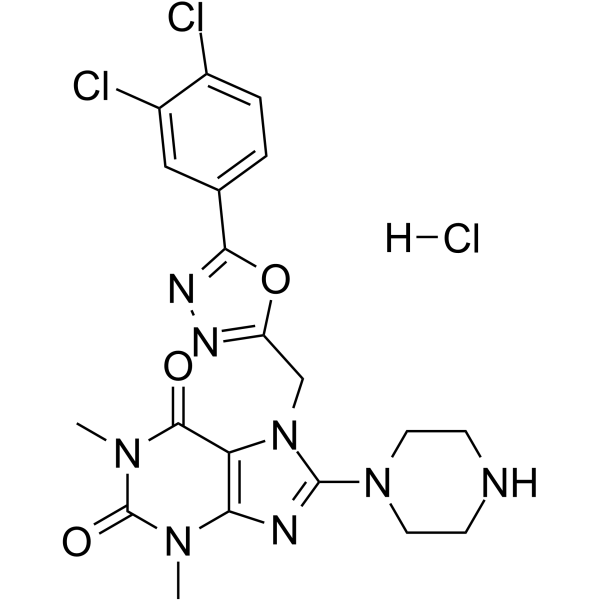 0 ImagesCat. No.: HY-125209ACAS No.: 2253744-57-7
TH5427 hydrochloride is a NUDT5 inhibitor with a human target IC50 of 29 nM, ~690-fold selectivity over MTH1 in vitro, and selective functional inhibition over other NUDIX hydrolases including NUDT9.TH5427 hydrochloride binds to the active site of NUDT5, blocking enzymatic activity related to ADP-ribose metabolism and PAR-derived ATP synthesis.TH5427 hydrochloride blocks progestin-dependent nuclear ATP synthesis, impairs progestin-induced chromatin remodeling, inhibits histone H1 displacement, disrupts progestin-dependent gene regulation, and abrogates progestin-dependent proliferation in breast cancer cells.TH5427 hydrochloride functions as a versatile probe to study nuclear ATP dynamics and ADP-ribose-related metabolism in cells.TH5427 hydrochloride engages NUDT5 at physiological temperatures, as demonstrated by Drug Affinity Responsive Target Stability (DARTS) assay.TH5427 hydrochloride stabilizes NUDT5 against thermal denaturation in cell lysates and intact cells, as shown by cellular thermal shift assay (CETSA).TH5427 hydrochloride functionally inhibits NUDT5 activity, leading to downstream effects on oxidative DNA damage and DNA replication in triple-negative breast cancer (TNBC) cells.TH5427 hydrochloride suppresses proliferation of TNBC cells without inducing cell death or apoptosis, slows DNA replication in TNBC cells, promotes accumulation of oxidative DNA lesions, and triggers DNA damage response in TNBC cells.TH5427 hydrochloride suppresses growth of TNBC cells in vitro, inhibits growth of TNBC xenograft tumors in nude mice in vivo, and shows greater potency against TNBC cell lines compared to ER-positive and normal-like breast cell lines.TH5427 hydrochloride can be used for the research of breast cancer and triple-negative breast cancer.
-
Antitumor agent-51
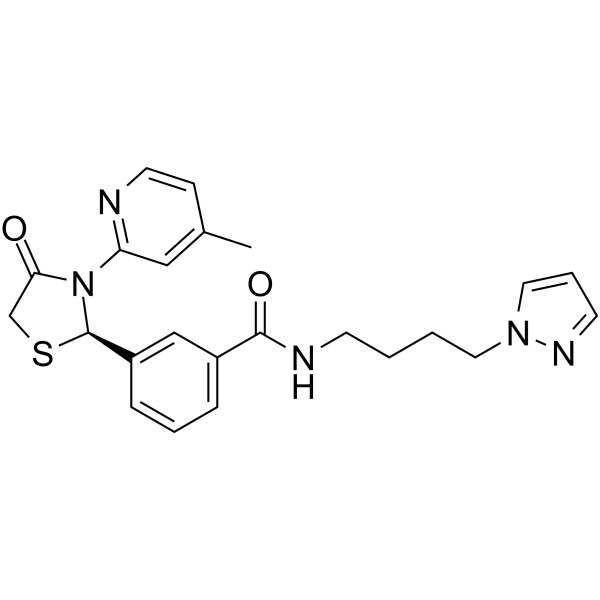 0 ImagesCat. No.: HY-115996CAS No.: 3035774-65-0
Antitumor agent-51 possesses potent and selective inhibitory for osteosarcoma cell growth and migration with IC50 of 21.9 nM in MNNG/HOS cells. Antitumor agent-51 has a considerable bioavailability and a low toxicity.
- 1
- 2



