



Aryl Hydrocarbon Receptor
AhR
Aryl Hydrocarbon Receptor (AhR or AHR) is a cytoplasmic receptor and transcription factor that belongs to the family of basic helix-loop-helix transcription factors. The AhR is activated or inhibited by various types of exogenous and endogenous ligands. AhR is an important factor in immunity and tissue homeostasis, and structurally diverse compounds from the environment, diet, microbiome, and host metabolism can induce AhR activity, such as 2,3,7,8-tetrachlorodibenzo-p-dioxin (TCDD).
Endogenous ligands include indigoids, heme metabolites, eicosanoids, tryptophan derivatives, and equilenin. Exogenous ligands include polycyclic aromatic hydrocarbons, polychlorinated biphenyls, natural compounds, and small molecule compounds. The different structures and properties of AhR ligands mean that when they combine with AhR they have distinct biological effects.
Unliganded AHR is sequestered in the cytoplasm by chaperone proteins including Hsp90, AHR-interacting protein (AIP), and p23. Upon ligand binding, AHR translocates to the nucleus and heterodimerizes with ARNT. The AHR-ARNT complex regulates transcription by binding with high affinity to specific DNA sequences termed aryl hydrocarbon response elements located in the regulatory regions of target genes including CYP1A1, CYP1B1, and TIPARP.
All Product Categories
-
Aryl Hydrocarbon Receptor Inhibitors
(18)
View all products
-
Aryl Hydrocarbon Receptor Agonists
(59)
View all products
-
Aryl Hydrocarbon Receptor Antagonists
(35)
View all products
-
Aryl Hydrocarbon Receptor Activators
(40)
View all products
-
Aryl Hydrocarbon Receptor Modulators
(12)
View all products
-
Aryl Hydrocarbon Receptor Inducers
(2)
View all products
-
Aryl Hydrocarbon Receptor Controls
(5)
View all products
-
Aryl Hydrocarbon Receptor Ligands
(9)
View all products
-
Aryl Hydrocarbon Receptor Related Products (200)
Related Products (200)

-
Antibodies (1)
-
L-Kynurenine-13C10 sulfate hydrate
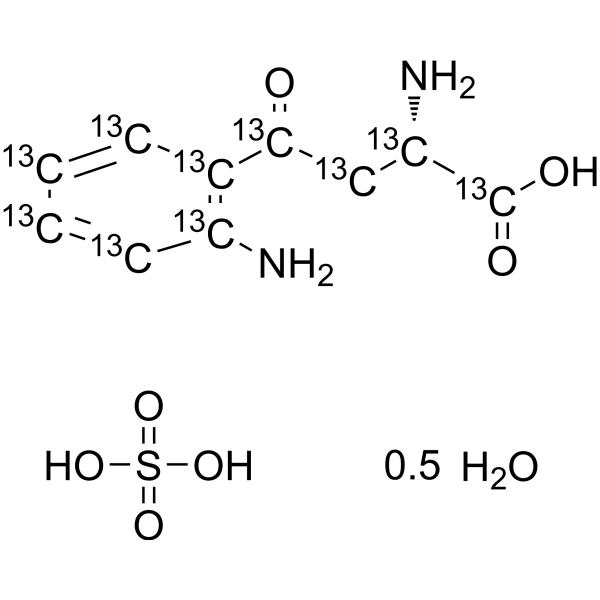 0 ImagesCat. No.: HY-104026S5Purity: 99.9%L-Kynurenine-13C10 sulfate hydrate is the C13 labeled L-Kynurenine sulfate hydrate. L-Kynurenine is an aryl hydrocarbon receptor agonist.
-
CAY 10465
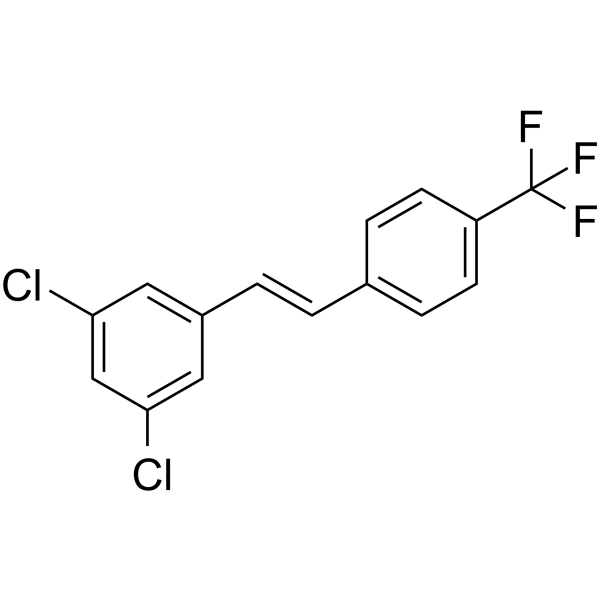 0 ImagesCAY 10465 is a selective and high-affinity AhR agonist, with a Ki of 0.2 nM, and shows no effect on estrogen receptor (Ki >100000 nM).
-
Brevifolincarboxylic acid
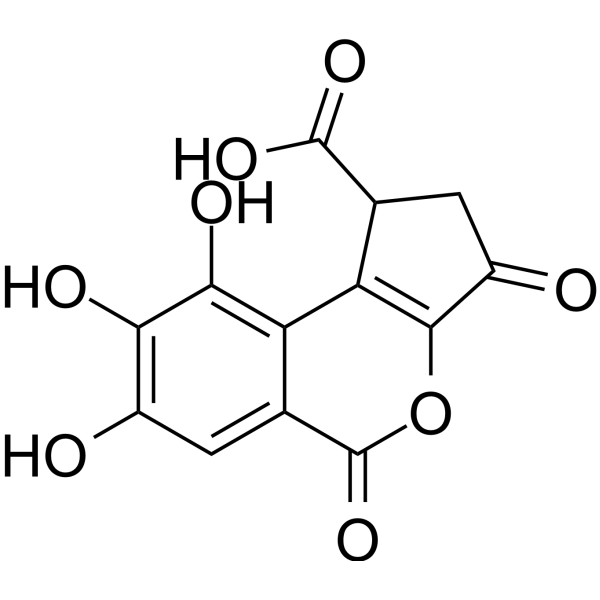 0 ImagesBrevifolincarboxylic acid is a phenolic compound. Brevifolincarboxylic acid can be isolated from Duchesnea chrysantha. Brevifolincarboxylic acid inhibits α-glucosidase with an IC50 value of 323.46 μM. Brevifolincarboxylic acid has an inhibitory effect on the aryl hydrocarbon receptor (AhR). Brevifolincarbacid scavenges ROS. Brevifolincarbacid restores the glucose uptake activity of myotubes. Brevifolincarboxylic acid has antitumor activity against lung and gastric cancer. Brevifolincarbacid can be used in the study of diabetes and inflammatory diseases.
-
β-NF-JQ1
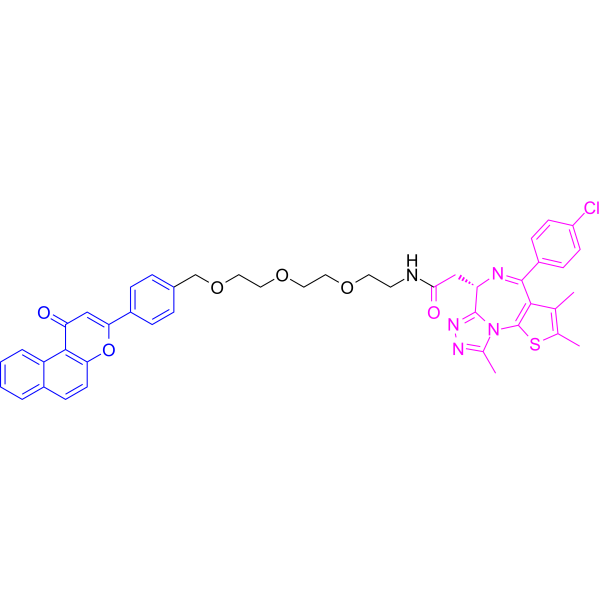 0 Imagesβ-NF-JQ1 is a BRD2/3/4 PROTAC degrader. β-NF-JQ1 recruits the AhR E3 ligase complex to BRD2, BRD3 and BRD4, induces AhR-BRD interaction, and mediates AhR-dependent degradation through the proximity effect between the target protein and AhR. β-NF-JQ1 acts as an antiproliferative and cytotoxic agent that induces anticancer activity associated with BRD protein knockdown. β-NF-JQ1 can be used for research on breast cancer and neuroblastoma.
-
PY109
 0 ImagesPY109 is an orally active and highly selective aryl hydrocarbon receptor (AHR) agonist. PY109's EC50 values in human-derived HepG2 and mouse Hepa-1c1c7 cells are 1.2 nM and 1.4 nM respectively. PY109 significantly upregulates the expression of CYP1A1 and IL-22, and inhibits the expression of IL-17A. PY109 significantly improves colitis in mice. PY109 can be used for research on colitis.
-
Skatole-d8
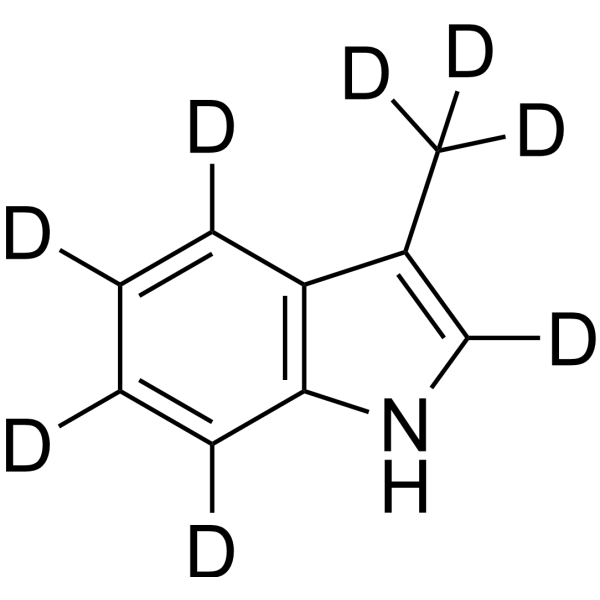 0 ImagesSynonyms: 3-Methylindole-d8; 3-Methyl-1H-indole-d8Skatole-d8 is the deuterium labeled Skatole. Skatole is produced by intestinal bacteria, regulates intestinal epithelial cellular functions through activating aryl hydrocarbon receptors and p38.
-
DL-Tryptophan-d3
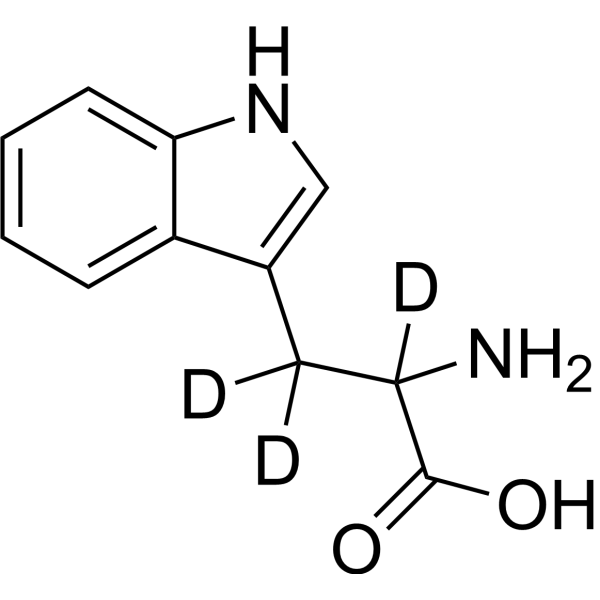 0 ImagesSynonyms: (±)-Tryptophan-d3DL-Tryptophan-d3 is the deuterium labeled DL-Tryptophan. DL-Tryptophan ((±)-Tryptophan) is an orally effective aryl hydrocarbon receptor (AhR) agonist. DL-Tryptophan reduces the expression of pro-inflammatory cytokines IL-6, TNF-α, IL-1β, as well as liver injury markers aspartate aminotransferase and alanine aminotransferase, and alleviates hepatocyte apoptosis (apoptosis) in sepsis induced by cecal ligation and puncture. DL-Tryptophan can be used in the research of sepsis-related acute liver injury.
-
Benz[a]anthracene
![Benz[a]anthracene](https://file.medchemexpress.com/product_pic/hy-w012278.gif "Click to View Benz[a]anthracene Product Detail") 0 ImagesSynonyms: TetrapheneBenz[a]anthracene (Tetraphene) is a polycyclic aromatic hydrocarbon pollutant and also a ligand of aryl hydrocarbon receptor 2 (AHR2), with a pIC50 of 7.319. Benz[a]anthracene can be detected in spruce needles near aluminum smelters. Exposure to Benz[a]anthracene during zebrafish embryonic stage activates the AHR-CYP1A signaling pathway and induces AHR2 expression, leading to social behavioral deficits that persist into adulthood, accompanied by impaired neuro-immune interaction, while anxiety levels remain unaffected. Benz[a]anthracene can be used in studies related to PAH environmental toxicology, developmental neurotoxicity and biodegradation.
0 ImagesSynonyms: TetrapheneBenz[a]anthracene (Tetraphene) is a polycyclic aromatic hydrocarbon pollutant and also a ligand of aryl hydrocarbon receptor 2 (AHR2), with a pIC50 of 7.319. Benz[a]anthracene can be detected in spruce needles near aluminum smelters. Exposure to Benz[a]anthracene during zebrafish embryonic stage activates the AHR-CYP1A signaling pathway and induces AHR2 expression, leading to social behavioral deficits that persist into adulthood, accompanied by impaired neuro-immune interaction, while anxiety levels remain unaffected. Benz[a]anthracene can be used in studies related to PAH environmental toxicology, developmental neurotoxicity and biodegradation.
-
12(R)-HETE
 0 Images12(R)-HETE is a CYP-dependent arachidonic acid metabolite that acts as a proinflammatory lipid mediator. 12 (R)-HETE widely exists in various tissues including the eye, skin and liver. In the cornea, 12(R)-HETE is metabolized via pathways such as β-oxidation into the precursor of 12(R)-HETrE. Without direct receptor binding, 12(R)-HETE indirectly activates AHR-mediated target gene transcription, while inhibiting the enzymatic activity of Na+,K+-ATPase and the intracellular calcium elevation induced by TP agonists. 12(R)-HETE also possesses multiple physiological effects such as chemotaxis, proangiogenesis, vasodilation, natriuresis, diuresis and intraocular pressure reduction, and can be widely used in studies related to psoriasis, inflammatory skin diseases and ocular inflammation.
-
1,4-Chrysenequinone
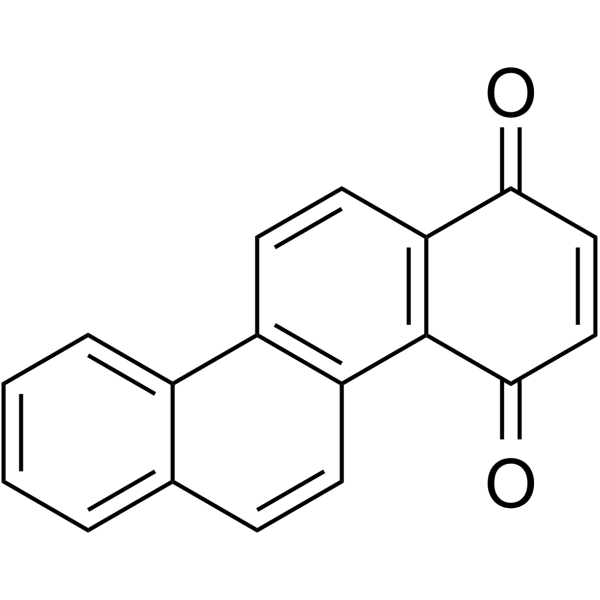 0 ImagesSynonyms: Chrysene-1,4-dione1,4-Chrysenequinone, a polycyclic aromatic quinone, acts as an activator of aryl hydrocarbon receptor (AhR).
-
3-OH-Kynurenamine dihydroiodide
 0 Images3-OH-Kynurenamine dihydroiodide is the dihydroiodide form of 3-OH-Kynurenamine (HY-156908). 3-OH-Kynurenamine dihydroiodide is an activator for aryl hydrocarbon receptor (AhR), and thus regulates the immune response. 3-OH-Kynurenamine dihydroiodide upregulates the expressions of Ido1 and Tgfb1, ameliorates the skin inflammation in psoriasis mouse model and kidney damage in nephrotoxic lupus mouse model.
-
1-Hydroxypyrene-d9
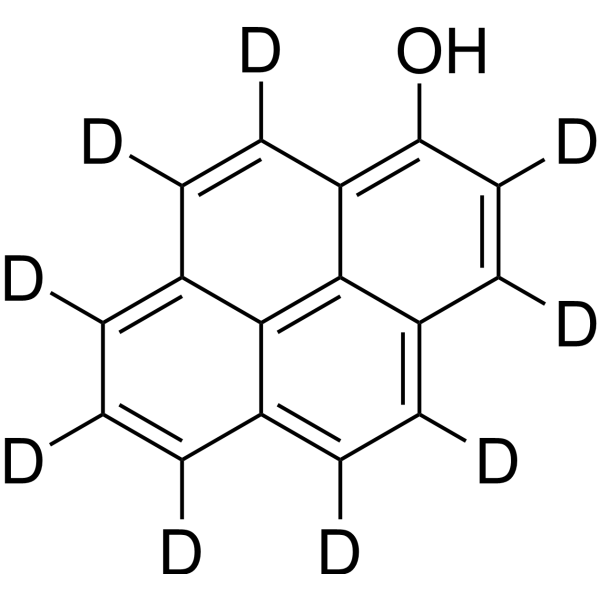 0 Images1-Hydroxypyrene-d9 is the deuterium labeled 1-Hydroxypyrene (HY-W014075). 1-Hydroxypyrene, a biomarker of exposure to polycyclic aromatic hydrocarbons (PAHs), is analyzed in urine samples. 1-Hydroxypyrene is the major biomarker of exposure to pyrenes. 1-Hydroxypyrene is the orally active agonist for aryl hydrocarbon receptor (AhR) and can lead to renal fibrosis.
-
AHR antagonist 2
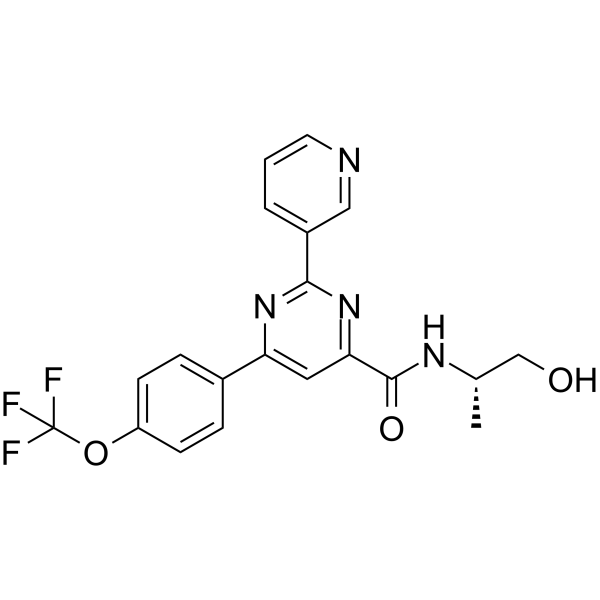 0 ImagesAHR antagonist 2 (Example 1) is a potent aryl hydrocarbon receptor (AHR) antagonist with IC50s of 885 pM and 2.03 nM for human and mouse AHR. AHR antagonist 2 can be used for the studies of cancers and imbalance of the immune response.
-
Carbidopa-d3 monohydrate
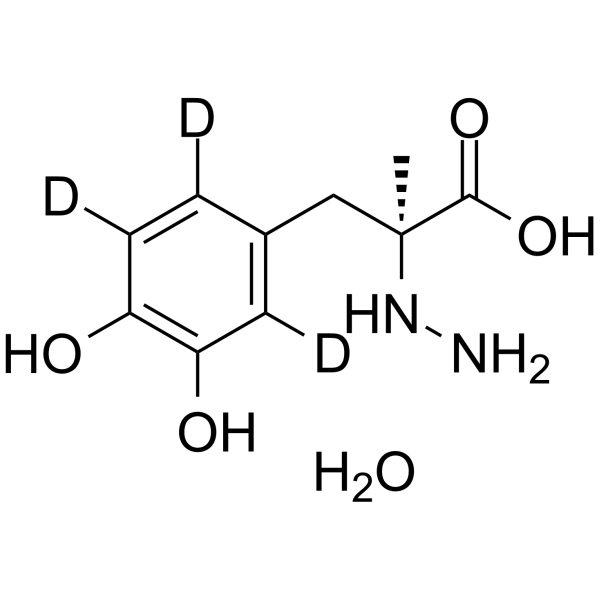 0 ImagesSynonyms: (S)-(-)-Carbidopa-d3 monohydrateCarbidopa-d3 (monohydrate) is the deuterium labeled Carbidopa monohydrate. Carbidopa ((S)-(-)-Carbidopa) monohydrate, a peripheral decarboxylase inhibitor, can be used for the research of Parkinson's disease. Carbidopa monohydrate is a selective aryl hydrocarbon receptor (AhR) modulator. Carbidopa monohydrate inhibits pancreatic cancer cell and tumor growth.
-
Skatole (Standard)
 0 ImagesSynonyms: 3-Methylindole (Standard); 3-Methyl-1H-indole (Standard)Skatole (Standard) is the analytical standard of Skatole. This product is intended for research and analytical applications. Skatole (3-methylindole) is a heterocyclic compound naturally found in the feces of vertebrates and can be found in certain plants. Skatole can be produced by intestinal bacteria, inducing apoptosis of intestinal epithelial cells through activating aryl hydrocarbon receptors (AhR) and p38. Skatole has been used in specific products of the perfume industry or as a flavor additive in ice cream.
-
PD98059 (Standard)
 0 ImagesPD98059 (Standard) is the analytical standard of PD98059. This product is intended for research and analytical applications. PD98059 is a potent and selective MEK inhibitor with an IC50 of 5 µM. PD98059 binds to the inactive form of MEK, thereby preventing the activation of MEK1 (IC50 of 2-7 µM) and MEK2 (IC50 of 50 µM) by upstream kinases. PD98059 is a ERK1/2 signaling inhibitor. PD98059 is a ligand for the aryl hydrocarbon receptor (AHR), and suppresses TCDD binding (IC50 of 4 μM) and AHR transformation (IC50 of 1 μM). PD98059 also inhibits Mycobacterium bovis Bacillus CalmetteGuerin (BCG)-induced autophagy.
-
Diosmin (Standard)
 0 ImagesDiosmin (Standard) is the analytical standard of Diosmin. This product is intended for research and analytical applications. Diosmin is a flavonoid found in a variety of citrus fruits and also an agonist of the aryl hydrocarbon receptor (AhR).
-
Foscarbidopa
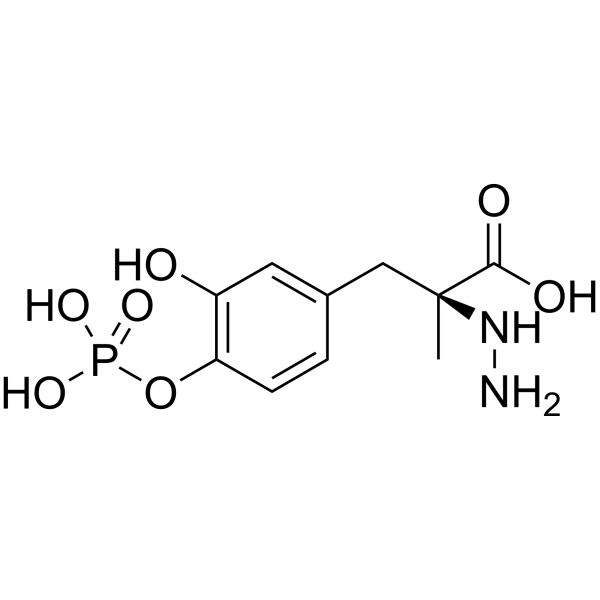 0 ImagesCat. No.: HY-109131CAS No.: 1907685-81-7Synonyms: ABBV-951; Carbidopa 4′-monophosphateFoscarbidopa (ABBV-951; Carbidopa 4′-monophosphate) is an inhibitory prodrug targeting peripheral aromatic L-amino acid decarboxylase. Foscarbidopa is hydrolyzed into Carbidopa (HY-B0311) by phosphatases in vivo to suppress peripheral metabolism of levodopa and elevate brain delivery of levodopa. Foscarbidopa can be used for the research of Parkinson’s disease and advanced Parkinson’s disease.
-
AFP464 dihydrochloride
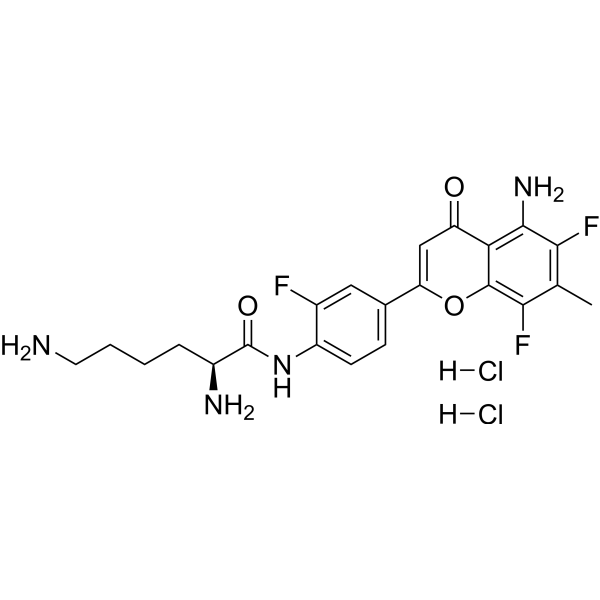 0 ImagesCat. No.: HY-16031BPurity: 99.45%Synonyms: NSC710464 dihydrochlorideAFP464 (NSC710464) dihydrochloride is a prodrug of Aminoflavone (HY-132974) and an agonist of the aryl hydrocarbon receptor (AhR). AFP464 dihydrochloride downregulates the expression of α6-integrin (α6-integrin), inhibits breast tumor growth, reduces the population of tumor-initiating cells, disrupts mammosphere structure, induces the formation of mucin lake clusters, triggers DNA damage, and exerts antiproliferative activity. AFP464 dihydrochloride is rapidly converted to Aminoflavone by nonspecific esterases in plasma and cell culture media. AFP464 dihydrochloride is applicable to research related to breast cancer.
-
DiMNF
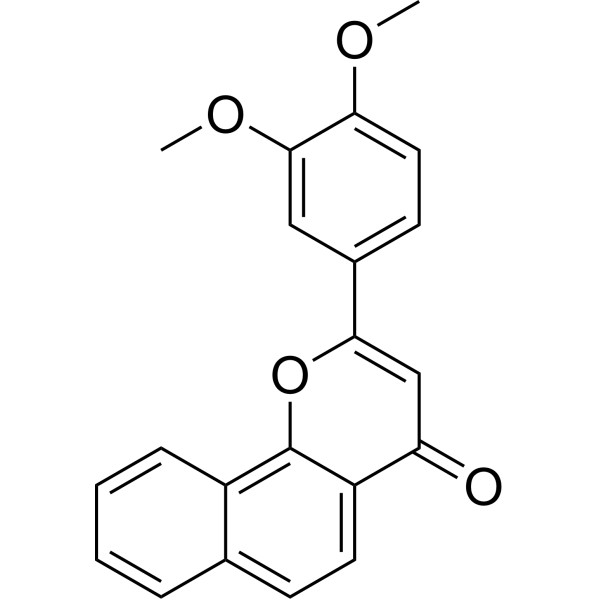 0 ImagesSynonyms: 3',4'-Dimethoxy-αNFDiMNF (3',4'-Dimethoxy-αNF) is a selective aryl hydrocarbon receptor (AHR) modulator. DiMNF is a competitive AHR ligand (IC50 = 21 nM) with apparent antagonistic activity. DiMNF can be used as an anti-inflammatory agent.




