



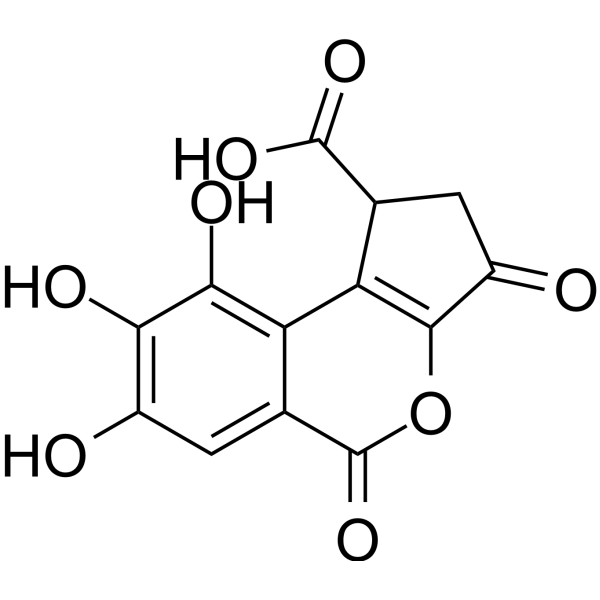
Brevifolincarboxylic acid

Based on 1 Customer Validation
Brevifolincarboxylic acid is a phenolic compound. Brevifolincarboxylic acid can be isolated from Duchesnea chrysantha. Brevifolincarboxylic acid inhibits α-glucosidase with an IC50 value of 323.46 μM. Brevifolincarboxylic acid has an inhibitory effect on the aryl hydrocarbon receptor (AhR). Brevifolincarbacid scavenges ROS. Brevifolincarbacid restores the glucose uptake activity of myotubes. Brevifolincarboxylic acid has antitumor activity against lung and gastric cancer. Brevifolincarbacid can be used in the study of diabetes and inflammatory diseases.
Nur für Forschungszwecke. Wir verkaufen nicht an Patienten.
- Reinheit : 99.90%
- CAS. Nr.: 18490-95-4
- Formel: C13H8O8
- Molecular Weight:292.20
-
Speicherung:
4°C, protect from light
* In solvent : -80°C, 6 months; -20°C, 1 month (protect from light)

To place orders, for customer services and technical support, please contact: MedChemExpress USA
Tel: 609-228-6898 E-mail: [email protected] [email protected]


-
 Biologische Aktivität
-
Chemical Information
-
Lösungsmittel & Löslichkeit
- Protokoll
- Reinheit & Dokumentation
- Verweise
-
 Help & FAQs


-
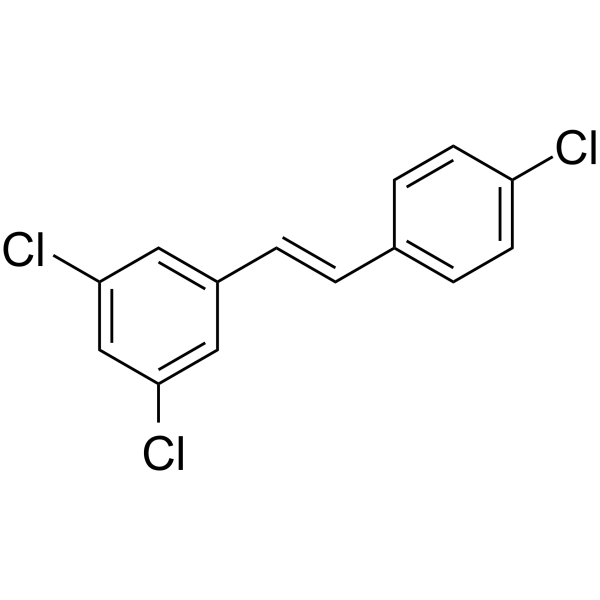
HY-112629
PDM2Aryl Hydrocarbon Receptor Antagonist -
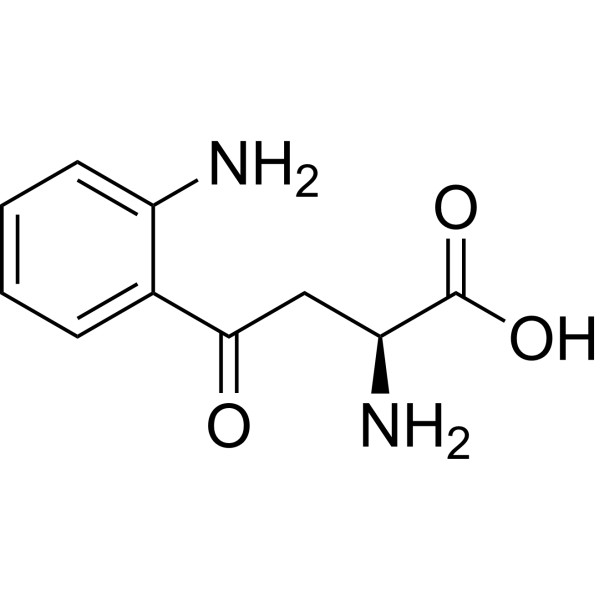
HY-104026
L-KynurenineAryl Hydrocarbon Receptor Agonist -
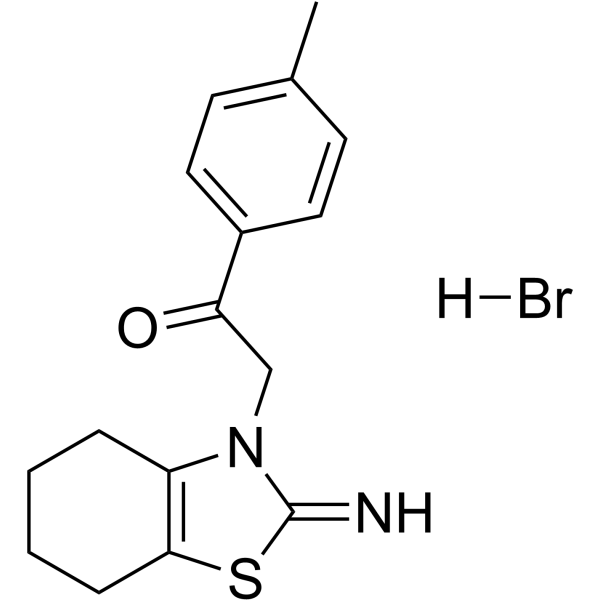
HY-15484
Pifithrin-α hydrobromidep53 Inhibitor -
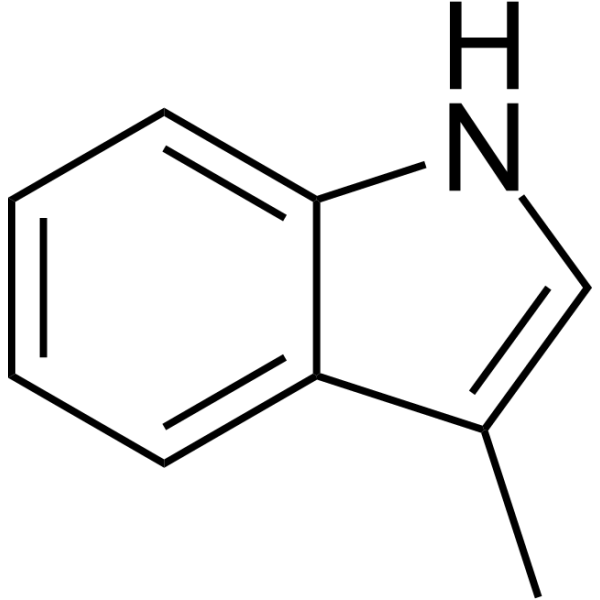
HY-W007355
SkatoleP38 Activator -
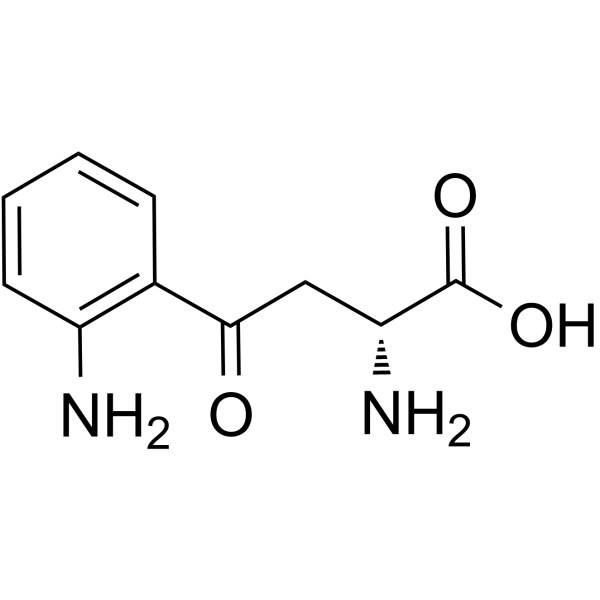
HY-W014502
D-KynurenineGPR109B Agonist -
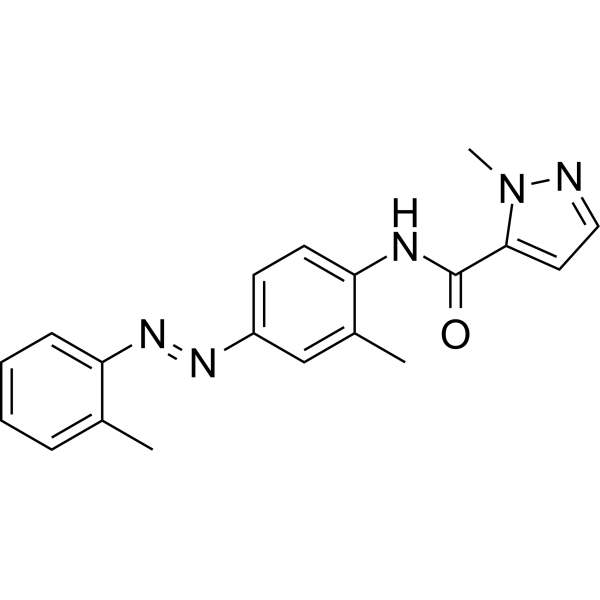
HY-12684
CH-223191AhR Antagonist -
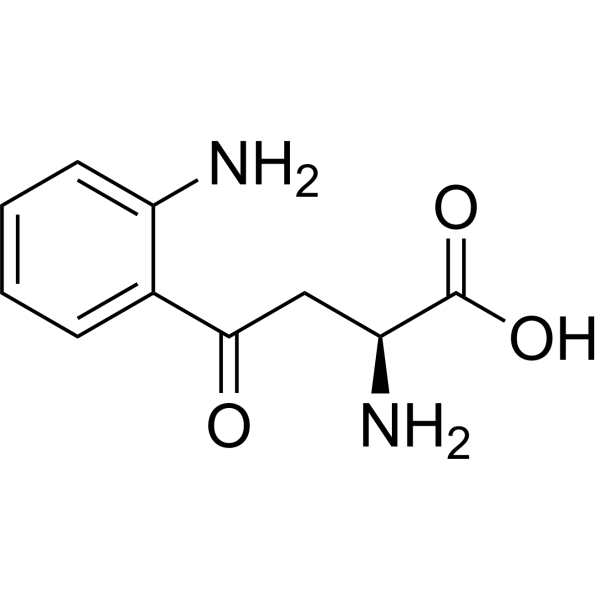
HY-104026R
L-Kynurenine (Standard)Aryl Hydrocarbon Receptor Agonist -
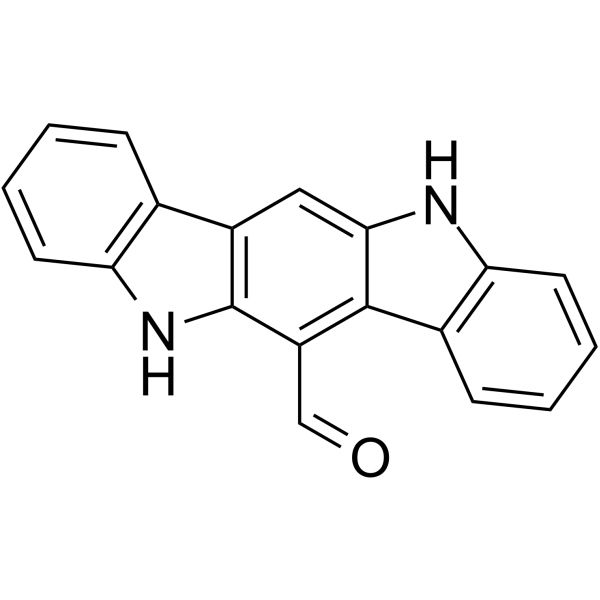
HY-12451
FICZAhR Agonist -
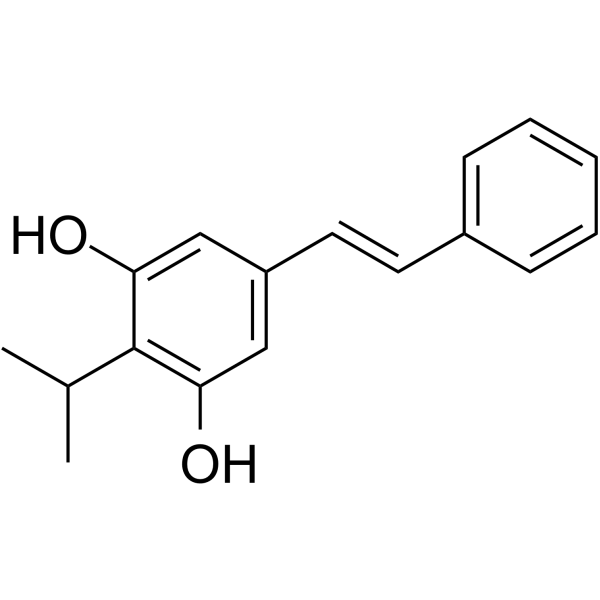
HY-109044
TapinarofAhR Agonist -
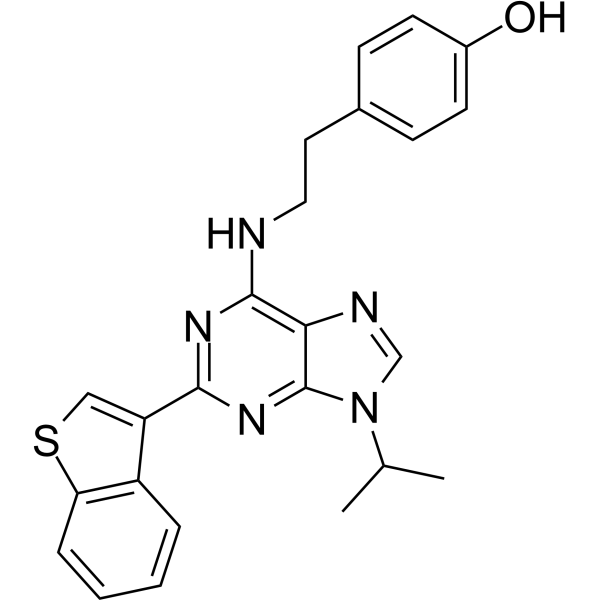
HY-15001
Stemregenin 1AhR Antagonist -

HY-N4095R
Brevifolincarboxylic acid (Standard)Phenolic Compound -
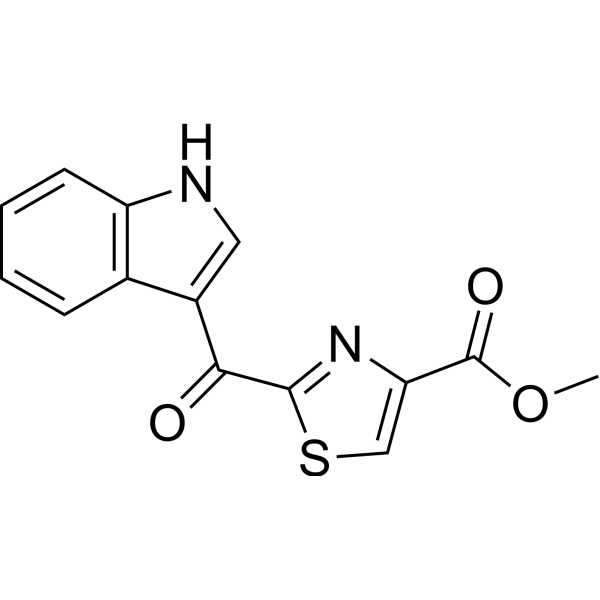
HY-19317
ITEAryl Hydrocarbon Receptor Agonist


Biologische Aktivität
Beschreibung
IC50 & Target
IC50: 323.46 μM (α-glucosidase) (Brevifolincarboxylic acid)[3]
In Vitro
Brevifolincarboxylic acid (0.5-10 μg/mL; 2 h for glucose uptake experiment) restores the reduced glucose uptake activity caused by free fatty acid (FFA) treatment and has significant ROS scavenging activity in C2C12 myotubes[4].
Brevifolincarboxylic acid (0.5-50 μg/mL, 4 days) inhibits the survival of human lung adenocarcinoma cell line PC14 and human gastric adenocarcinoma cell line MKN45 in a dose-dependent manner[5].
MedChemExpress (MCE) has not independently confirmed the accuracy of these methods. They are for reference only. Further protocols information, click here.


Chemical Information
-
CAS. Nr. 18490-95-4
-
Appearance Solid
-
Molecular Weight 292.20
-
Formel C13H8O8
-
Color Yellow to brown
-
SMILES
O=C(C1CC(C2=C1C3=C(O)C(O)=C(O)C=C3C(O2)=O)=O)O
-
Structure Classification
-
Versand
Room temperature in continental US; may vary elsewhere.
-
Speicherung
4°C, protect from light
* In solvent : -80°C, 6 months; -20°C, 1 month (protect from light)


Lösungsmittel & Löslichkeit
In Vitro:
DMSO : 33.33 mg/mL (114.07 mM; Need ultrasonic; Hygroscopic DMSO has a significant impact on the solubility of product, please use newly opened DMSO)
Please refer to the solubility information to select the appropriate solvent. Once prepared, please aliquot and store the solution to prevent product inactivation from repeated freeze-thaw cycles.
Storage method and period of stock solution: -80°C, 6 months; -20°C, 1 month (protect from light). When stored at -80°C, please use it within 6 months. When stored at -20°C, please use it within 1 month.
Please refer to the solubility information to select the appropriate solvent. Once prepared, please aliquot and store the solution to prevent product inactivation from repeated freeze-thaw cycles.
Storage method and period of stock solution: -80°C, 6 months; -20°C, 1 month (protect from light). When stored at -80°C, please use it within 6 months. When stored at -20°C, please use it within 1 month.
Konzentration (Stammlösung) × Volumen (Stammlösung) = Konzentration (Ziellösung) × Volumen (Ziellösung)
In Vivo:
Select the appropriate dissolution method based on your experimental animal and administration route.
- For the following dissolution methods, please ensure to first prepare a clear stock solution using an In Vitro approach and then sequentially add co-solvents:
- To ensure reliable experimental results, the clarified stock solution can be appropriately stored based on storage conditions. As for the working solution for In Vivo experiments, it is recommended to prepare freshly and use it on the same day.
- The percentages shown for the solvents indicate their volumetric ratio in the final prepared solution. If precipitation or phase separation occurs during preparation, heat and/or sonication can be used to aid dissolution.
Add each solvent one by one: 10% DMSO 40% PEG300 5% Tween-80 45% Saline
Solubility: ≥ 0.83 mg/mL (2.84 mM); Clear solution
This protocol yields a clear solution of ≥ 0.83 mg/mL (saturation unknown).
Taking 1 mL working solution as an example, add 100 μL DMSO stock solution (8.3 mg/mL) to 400 μL PEG300, and mix evenly; then add 50 μL Tween-80 and mix evenly; then add 450 μL Saline to adjust the volume to 1 mL.
Preparation of Saline: Dissolve 0.9 g sodium chloride in ddH₂O and dilute to 100 mL to obtain a clear Saline solution.
Add each solvent one by one: 10% DMSO 90% (20% SBE-β-CD in Saline)
Solubility: ≥ 0.83 mg/mL (2.84 mM); Clear solution
This protocol yields a clear solution of ≥ 0.83 mg/mL (saturation unknown).
Taking 1 mL working solution as an example, add 100 μL DMSO stock solution (8.3 mg/mL) to 900 μL 20% SBE-β-CD in Saline, and mix evenly.
Preparation of 20% SBE-β-CD in Saline (4°C, storage for one week): 2 g SBE-β-CD powder is dissolved in 10 mL Saline, completely dissolve until clear.
In Vivo Dissolution Calculator
Please enter the basic information of animal experiments:
-
-
-
-
Recommended: Prepare an additional quantity of animals to account for potential losses during experiments.
Please enter your animal formula composition:
-
%DMSO +
Recommended: Keep the proportion of DMSO in working solution below 2% if your animal is weak.
-
%+
-
+%Tween-80 + +
-
%Saline +
The co-solvents required include: DMSO, . All of co-solvents are available by MedChemExpress (MCE). , Tween 80. All of co-solvents are available by MedChemExpress (MCE).
Working solution concentration: 0.22 mg/mL
Method for preparing stock solution: mg drug dissolved in μL DMSO. Stock solution concentration: mg/mL. * In solvent : -80°C, 6 months; -20°C, 1 month (protect from light)
1. Take μL DMSO stock solution;
2. Add μL .
μL , mix evenly;
3. Then add μL Tween 80, mix evenly;
4. Then add μL
Please ensure that the stock solution in the first step is dissolved to a clear state, and add co-solvents in sequence. You can use ultrasonic heating (ultrasonic cleaner, recommended frequency 20-40 kHz), vortexing, etc. to assist dissolution.

Protokoll
-
Cell Cytotoxicity Assay
Cytotoxicity assays are usually based on the assessment of cell membrane damage, which can also be indirectly detected by measuring cell viability. Detection methods include MTT assay, CKK-8 assay, LDH assay and ATP assay, etc.
-
ROS/oxidative-stress fluorescent staining
ROS/oxidative-stress fluorescent staining uses cell-permeant fluorogenic probes that become fluorescent after oxidation inside cells or tissues; commonly used examples include DCFH-DA/DCFDA for broad cellular oxidant detection, DHE for superoxide-related signal detection, MitoSOX for mitochondrial superoxide-related signal detection, and CellROX probes for oxidative-stress-associated fluorescence readouts. The assay detects probe oxidation rather than a single ROS species unless the probe and analysis method have been chemically validated for that species. DCFH-DA enters cells, is deacetylated by intracellular esterases to DCFH, and produces fluorescent DCF after oxidation, so the readout is used as an operational measure of total cellular oxidative stress rather than a species-specific ROS measurement. DHE and MitoSOX can report superoxide-related oxidation, but red fluorescence alone can include non-specific ethidium-like oxidation products; HPLC or optimized spectral approaches are
-
Subcutaneous Cell-Line-Derived Xenograft
Subcutaneous cell-line-derived xenograft (CDX) models are established by implanting cultured human cancer cell lines into immunodeficient mice, where the injected cells form localized tumors that can be monitored in vivo as a measure of tumorigenic potential, growth kinetics, and treatment response. These models are widely used in oncology research because they allow reproducible tumor formation and enable comparative assessment of tumor growth between different cell lines or genetic manipulations in a controlled in vivo microenvironment. Subcutaneous implantation of cancer cells in immunodeficient mice is a standard approach for evaluating tumor growth behavior and therapeutic response across multiple cancer types, including prostate, esophageal, pancreatic, and colon cancer models.
-
Research Protocol for Metabolic Diseases
AMP-activated protein kinase, AMPK, is a conserved cellular energy sensor that responds to reduced cellular energy status and coordinates metabolism by increasing ATP-generating catabolic pathways while suppressing ATP-consuming anabolic processes. In metabolic disease research, the AMPK pathway is experimentally relevant because it regulates hepatic lipid synthesis, fatty acid oxidation, glucose production, skeletal-muscle glucose disposal, mTORC1-linked biosynthesis, autophagy, mitochondrial homeostasis, and whole-body energy balance. The central pathway logic is that energy stress, metformin, exercise-like stimulation, or direct AMPK activators increase AMPKα Thr172 phosphorylation and downstream substrate phosphorylation, including ACC and RAPTOR. Phosphorylation of ACC suppresses lipogenesis and supports fatty acid oxidation, whereas phosphorylation of RAPTOR suppresses mTORC1 signaling and links cellular energy status to growth and protein synthesis control. The pathway is linked


Reinheit & Dokumentation
-
Data Sheet (282 KB)
-
SDS (252 KB)
- English - EN (252 KB)
- Français - FR (252 KB)
- Deutsch - DE (252 KB)
- Norwegian - NO (252 KB)
- Español - ES (252 KB)
- Swedish - SV (252 KB)
- Italian - IT (252 KB)
- Korean - KR (252 KB)
- Portuguese - PT (252 KB)
-
Handling Instructions (2659 KB)
Verweise
[1]. Chen X, et al. Simultaneous isolation and purification of gallic acid and brevifolincarboxylic acid from Polygonum capitatum by high-speed counter-current chromatography. Zhongguo Zhong Yao Za Zhi. 2010 Aug;35(15):1957-60. [Content Brief]
[2]. Amakura Y, et al. Screening of the inhibitory effect of vegetable constituents on the aryl hydrocarbon receptor-mediated activity induced by 2,3,7,8-tetrachlorodibenzo-p-dioxin. Biol Pharm Bull. 2003 Dec; 26(12):1754-60. [Content Brief]
[3]. Liu M, et al. Separation of α-glucosidase inhibitors from Potentilla kleiniana Wight et Arn using solvent and flow-rate gradient high-speed counter-current chromatography target-guided by ultrafiltration HPLC-MS screening. Phytochem Anal. 2019 May 6. [Content Brief]
[4]. Swargiary D, et al. Free radical scavenging polyphenols isolated from Phyllanthus niruri L. ameliorates hyperglycemia via SIRT1 induction and GLUT4 translocation in in vitro and in vivo models. Fitoterapia. 2024 Mar;173:105803. [Content Brief]
[5]. Lee IR, et al. Phenolic compounds from Duchesnea chrysantha and their cytotoxic activities in human cancer cell. Arch Pharm Res. 1994 Dec;17(6):476-9. [Content Brief]
[6]. Lee BZ, et al. Anti-inflammatory isocoumarins from the bark of Fraxinus chinensis subsp. rhynchophylla. Nat Prod Res. 2021 Nov;35(22):4380-4387. [Content Brief]


Complete Stock Solution Preparation Table
Please refer to the solubility information to select the appropriate solvent. Once prepared, please aliquot and store the solution to prevent product inactivation from repeated freeze-thaw cycles.
Storage method and period of stock solution: -80°C, 6 months; -20°C, 1 month (protect from light). When stored at -80°C, please use it within 6 months. When stored at -20°C, please use it within 1 month.
| Optional Solvent | Concentration Solvent Mass | 1 mg | 5 mg | 10 mg | 25 mg |
|---|---|---|---|---|---|
| DMSO | 1 mM | 3.4223 mL | 17.1116 mL | 34.2231 mL | 85.5578 mL |
| 5 mM | 0.6845 mL | 3.4223 mL | 6.8446 mL | 17.1116 mL | |
| 10 mM | 0.3422 mL | 1.7112 mL | 3.4223 mL | 8.5558 mL | |
| 15 mM | 0.2282 mL | 1.1408 mL | 2.2815 mL | 5.7039 mL | |
| 20 mM | 0.1711 mL | 0.8556 mL | 1.7112 mL | 4.2779 mL | |
| 25 mM | 0.1369 mL | 0.6845 mL | 1.3689 mL | 3.4223 mL | |
| 30 mM | 0.1141 mL | 0.5704 mL | 1.1408 mL | 2.8519 mL | |
| 40 mM | 0.0856 mL | 0.4278 mL | 0.8556 mL | 2.1389 mL | |
| 50 mM | 0.0684 mL | 0.3422 mL | 0.6845 mL | 1.7112 mL | |
| 60 mM | 0.0570 mL | 0.2852 mL | 0.5704 mL | 1.4260 mL | |
| 80 mM | 0.0428 mL | 0.2139 mL | 0.4278 mL | 1.0695 mL | |
| 100 mM | 0.0342 mL | 0.1711 mL | 0.3422 mL | 0.8556 mL |


Brevifolincarboxylic acid Related Classifications
HY-N4095 Related Classifications
 Powered by Bioz