



Autophagy
Autophagy is a conserved cellular degradation and recycling process in the lysosome. In mammalian cells, there are three primary types of autophagy: microautophagy, macroautophagy, and chaperone-mediated autophagy (CMA). Microphagy captures cargoes by means of invaginations or protrusions of the lysosomal membrane directly, CMA uses chaperones to identify cargo proteins and then unfolds and transfers them into the lysosomal, while macroautophagy sequesters cargo by autophagosomes-de novo synthesized of double-membrane vesicles-and subsequently transport it to the lysosome.
Macroautophagy is the best studied and it occurs at a low level constitutively and can also be further induced under stress conditions, such as nutrient or energy starvation with a salient feature of autophagy protein degradation. Stress-induced macrophagy plays an important role in protein catabolism with another key protein degradation pathway, the ubiquitin–proteasome system (UPS).
As the study progressed, autophagy gains its importance under basal, nutrient-rich conditions, and is now recognized as a critical housekeeping pathway in catabolism of diverse cellular constituents, such as protein aggregates (aggrephagy), lipid droplets (lipophagy), iron complex (Ferritinophagy) and carbohydrate. Except for macromolecules, autophagy can also target several organelles and structures, such as mitochondria (mitophagy), peroxisome (pexophagy), endoplasmic reticulum (reticulophagy or ER-phagy), ribosome (ribophagy), spermatozoon-inherited organelles following fertilization (allophagy), secretory granules within pancreatic cells (zymophagy) and intracellular pathogens (xenophagy).
Autophagy and its dysfunction are associated with a variety of human pathologies, including ageing, cancer, neurodegenerative disease, heart disease and metabolic diseases, such as diabetes. Plenty of drugs and natural products are involved in autophagy modulation through multiple signaling pathways. Small molecules that can regulate autophagy seem to have great potential to intervene such diseases in animal models or clinical courses.
All Product Categories
-
Autophagy Inhibitors
(468)
View all products
-
Autophagy Agonists
(6)
View all products
-
Autophagy Activators
(125)
View all products
-
Autophagy Modulators
(59)
View all products
-
Autophagy Chemicals
(2)
View all products
-
Autophagy Inducers
(2173)
View all products
-
Autophagy Controls
(5)
View all products
-
Autophagy Ligand
(1)
View all products
-
Autophagy Related Products (3368)
Related Products (3368)

-
Antibodies (31)
-
Autophagy Signaling Pathway
-
Thalidomide-NH-amido-C4-NH2 (hydrochloride)
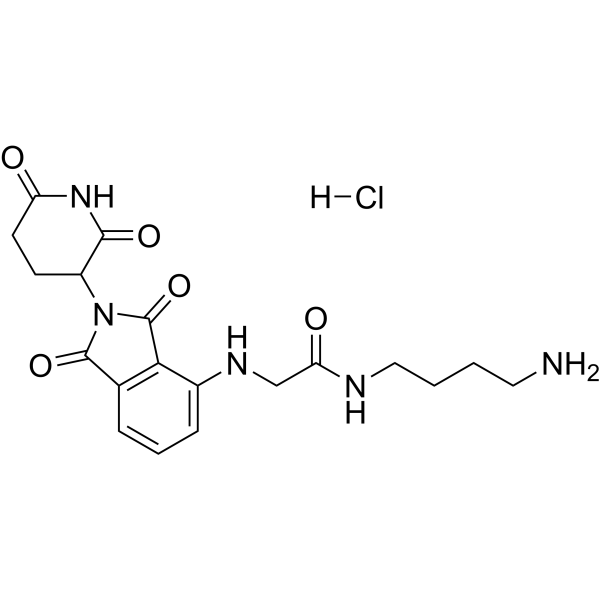 0 ImagesCat. No.: HY-134984ACAS No.: 2983057-91-4Thalidomide-NH-amido-C4-NH2 hydrochloride is a synthesized E3 ligase ligand-linker conjugate that incorporates the Thalidomide based cereblon ligand and a linker used in PROTAC technology.
-
Chloroquine-d5 diphosphate
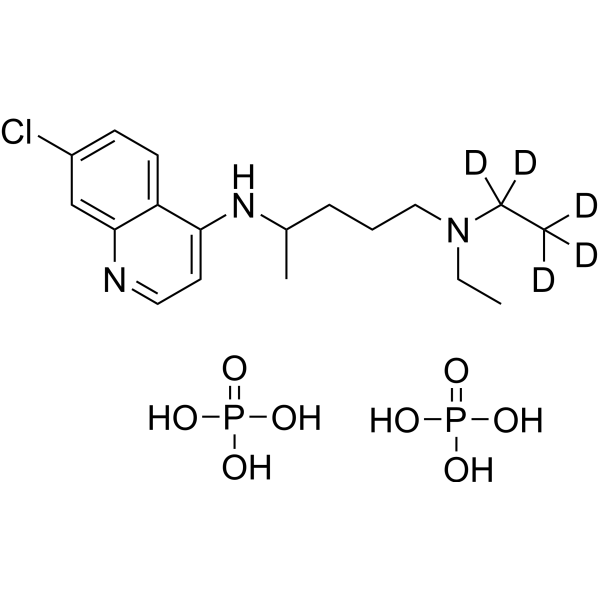 0 ImagesCat. No.: HY-17589SCAS No.: 1854126-42-3Chloroquine-d5 (diphosphate) is the deuterium labeled Chloroquine (phosphate). Chloroquine phosphate is an antimalarial and anti-inflammatory agent widely used to treat malaria and rheumatoid arthritis. Chloroquine phosphate is an autophagy and toll-like receptors (TLRs) inhibitor. Chloroquine phosphate is highly effective in the control of SARS-CoV-2 (COVID-19) infection in vitro (EC50=1.13 μM).
-
Sertaconazole
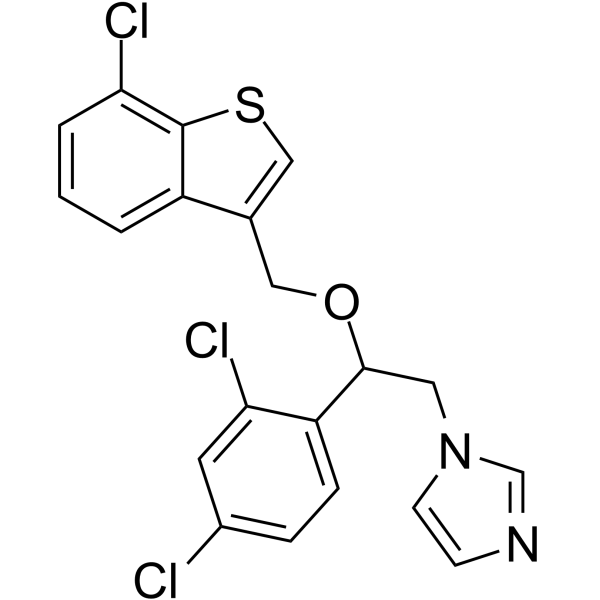 0 ImagesSynonyms: FI7056 free baseSertaconazole (FI7056 free base) is a broad-spectrum topical antifungal agent, exhibits anti-inflammatory activity via activation of a p38-COX-2-PGE2 pathway. Sertaconazole is also a microtubule inhibitor, shows antiproliferative effect, induces apoptosis and autophagy, and can also inhibit the migration of cells.
-
Polyphyllin I (Standard)
 0 ImagesCat. No.: HY-N0047RCAS No.: 50773-41-6Polyphyllin I (Standard) is the analytical standard of Polyphyllin I. This product is intended for research and analytical applications. Polyphyllin I is a bioactive constituent extracted from Paris polyphylla, has strong anti-tumor activity. Polyphyllin I is an activator of the JNK signaling pathway and is an inhibitor of PDK1/Akt/mTOR signaling. Polyphyllin I induces autophagy, G2/M phase arrest and apoptosis.
-
Antitumor agent-192
 0 ImagesCat. No.: HY-170594CAS No.: 3105301-97-8Antitumor agent-192 (Compound 2f) is a β-carboline antitumor agent. Antitumor agent-192 induces autophagy in HCT116 cells via the ATG5/ATG7 pathway. Antitumor agent-192 has an IC50 of less than 5 μM for human tumor cell lines and significantly inhibits tumor development and reduces tumor weight in a mouse colorectal cancer model transplanted with allografts[1].
-
Autophagy-IN-2
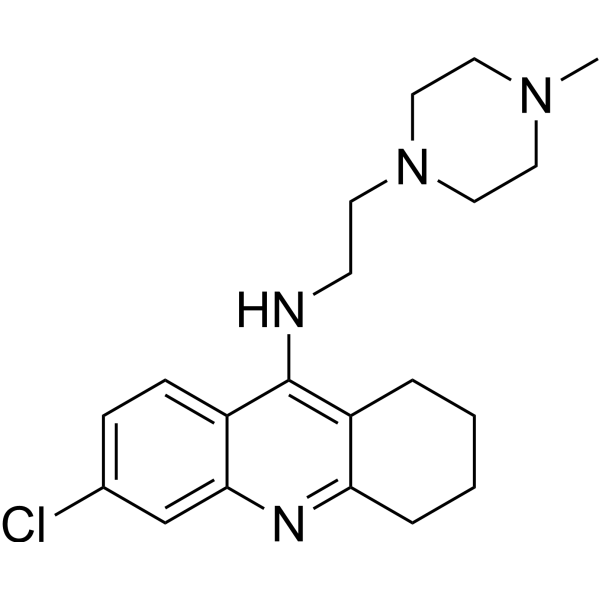
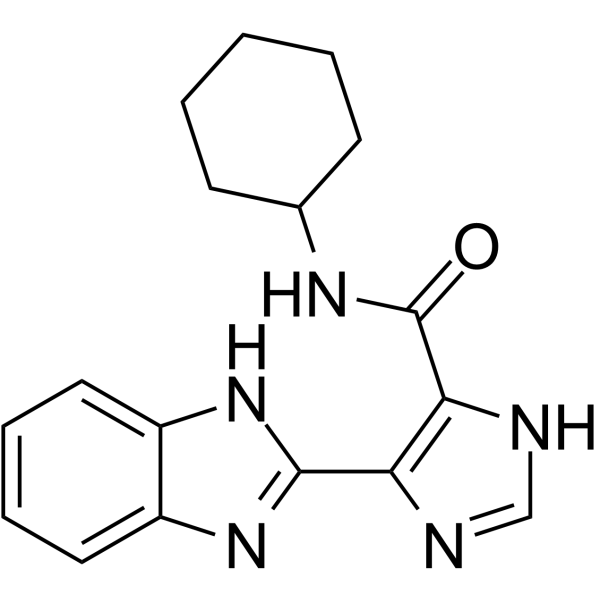 0 ImagesCat. No.: HY-150757CAS No.: 2755454-90-9Autophagy-IN-2 (Compound 7h) is an autophagic flux inhibitor. Autophagy-IN-2 induces cancer cell apoptosis and can be used for triple-negative breast cancer research.
-
Levomepromazine hydrochloride
 0 ImagesLevomepromazine (Methotrimeprazine) hydrochloride is an orally active antipsychotic compound and Ca2+ release inducer. Levomepromazine inhibits SERCA pump and induces an increase in cytoplasmic Ca2+ levels. Levomepromazine hydrochloride has antagonistic effects on a variety of neurotransmitter receptors, including dopamine, cholinergic, serotonin, and histamine receptors. Levomepromazine hydrochloride can induce adaptive ER stress and autophagy. In addition, Levomepromazine hydrochloride has antiviral, anti-inflammatory, neuroprotective and analgesic, sedative and anti-injurious activities. Levomepromazine hydrochloride can be used in the study psychiatric disorders and relieving nausea and vomiting.
-
Lapatinib-d7 dihydrochloride
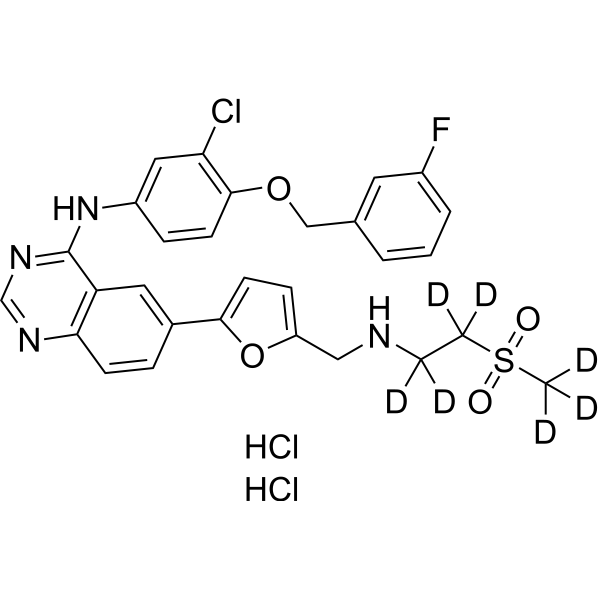 0 ImagesCat. No.: HY-50898S1Synonyms: GW572016-d7 dihydrochloride; GW2016-d7 dihydrochloride
-
Thalidomide-piperidine-C-2,6-diazaspiro[3.3]heptane-C2-OH
![Thalidomide-piperidine-C-2,6-diazaspiro[3.3]heptane-C2-OH](https://file.medchemexpress.com/product_pic/hy-161190.gif "Click to View Thalidomide-piperidine-C-2,6-diazaspiro[3.3]heptane-C2-OH Product Detail") 0 ImagesCat. No.: HY-161190Thalidomide-piperidine-C-2,6-diazaspiro[3.3]heptane-C2-OH is a conjugate of E3 ligase ligand and linker, consisting of Thalidomide (HY-14658) and the corresponding Linker. Thalidomide-piperidine-C-2,6-diazaspiro[3.3]heptane-C2-OH can serve as a Cereblon ligand to recruit CRBN protein and serve as a key intermediate for the synthesis of complete PROTAC molecules.
0 ImagesCat. No.: HY-161190Thalidomide-piperidine-C-2,6-diazaspiro[3.3]heptane-C2-OH is a conjugate of E3 ligase ligand and linker, consisting of Thalidomide (HY-14658) and the corresponding Linker. Thalidomide-piperidine-C-2,6-diazaspiro[3.3]heptane-C2-OH can serve as a Cereblon ligand to recruit CRBN protein and serve as a key intermediate for the synthesis of complete PROTAC molecules.
-
UNBS3157
 0 ImagesCat. No.: HY-111261CAS No.: 868962-26-9UNBS3157 is a naphthalimide derivative that shows potent anticancer effect. UNBS3157 induces autophagy and senescence in cancer cells. UNBS3157 displays significant antitumor effects in vivo. UNBS3157 can be used for leukemia, mammary adenocarcinoma, non-small cell lung cancer (NSCLC) and pancreatic cancer research.
-
Anticancer agent 358
 0 ImagesCat. No.: HY-187679CAS No.: 3087062-38-9Anticancer agent 358 is a PARP inhibitor with antiproliferative activity against lung cancer cells and low toxicity to normal hepatocytes. Anticancer agent 358 binds to the active site of PARP via hydrogen bonds and π-π interactions with key residues, thereby promoting the accumulation of DNA damage. Anticancer agent 358 induces DNA damage, apoptosis, and autophagy in lung cancer cells. Anticancer agent 358 can be used for the research of non-small cell lung cancer.
-
Antitumor agent-97
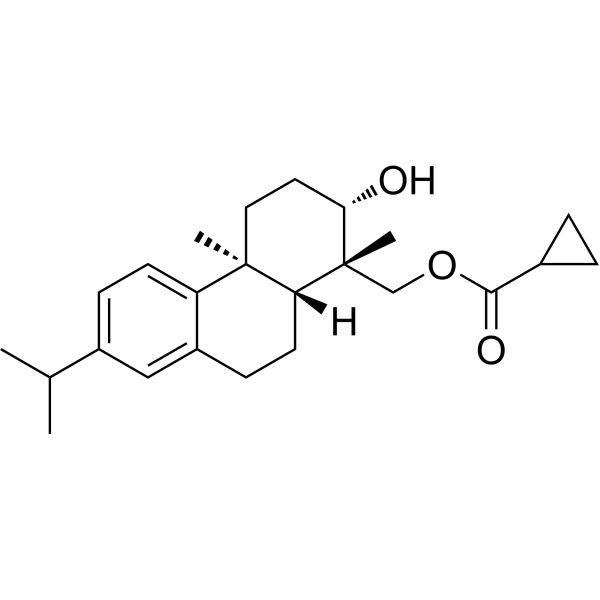 0 ImagesCat. No.: HY-149829CAS No.: 2654024-16-3Antitumor agent-97 (compound 42) is an anticancer agent. Antitumor agent-97 can effectively inhibit the proliferation and autophagy of MGC 803 cells, and induce apoptosis. Antitumor agent-97 also enhances ROS accumulation in MGC 803 cells. Antitumor agent-97 can be used in cancer research.
-
TTNPB (Standard)
 0 ImagesSynonyms: Ro 13-7410 (Standard); Arotinoid acid (Standard); AGN191183 (Standard)TTNPB (Standard) is the analytical standard of TTNPB. This product is intended for research and analytical applications. TTNPB is a highly potent RAR agonist. Competitive binding assays using human RARs yield IC50s of α=5.1 nM, β= 4.5 nM, and γ=9.3 nM, respectively.
-
ABT-751 hydrochloride
 0 ImagesCat. No.: HY-13270ACAS No.: 141450-48-8Synonyms: E7010 hydrochlorideABT-751 (E7010) hydrochloride is a novel, highly orally bioavailable sulfonamides antimitotic compound and tubulin binder. It prevents tubulin aggregation by binding to the colchicine site on β-tubulin, leading to cell cycle arrest in G2/M phase and inducing apoptosis, thus effectively preventing cell division. ABT-751 (E7010) hydrochloride induces autophagy by inhibiting the AKT/MTOR signaling pathway. ABT-751 (E7010) hydrochloride showed significant inhibition against various types of cancer cells, including lung, gastric, colon, and breast cancer.
-
PSP205
 0 ImagesCat. No.: HY-168843CAS No.: 837408-39-6PSP205 is a potent anticancer agent. PSP205 shows cytotoxicity. PSP205 induces apoptosis. PSP205 induces ER-stress-mediated autophagy. PSP205 increases the protein expression of LC3BII and increases the CHOP and spliced XBP1 at the mRNA and protein levels.
-
Cytarabine-13C,15N2
 0 ImagesCat. No.: HY-13605S1Synonyms: Cytosine β-D-arabinofuranoside-13C,15N2; Cytosine arabinoside-13C,15N2; Ara-C-13C,15N2Cytarabine-13C,15N2 (Cytosine β-D-arabinofuranoside-13C,15N2) is the 13C- and 15N-labeled Cytarabine (HY-13605). Cytarabine, a nucleoside analog, causes S phase cell cycle arrest and inhibits DNA polymerase. Cytarabine inhibits DNA synthesis with an IC50 of 16 nM. Cytarabine has antiviral effects against HSV. Cytarabine shows anti-orthopoxvirus activity.
-
Valproic acid magnesium
 0 ImagesCat. No.: HY-W794759CAS No.: 62959-43-7Synonyms: Magnesium valproate; VPA magnesium; 2-Propylpentanoic acid magnesiumValproic acid magnesium (Magnesium valproate) is an orally active HDAC inhibitor, with IC50 in the range of 0.5 and 2 mM. Valproic acid magnesium inhibits HDAC1 (IC50, 400 μM), and induces proteasomal degradation of HDAC2. Valproic acid magnesium activates Notch1 signaling and inhibits proliferation in small cell lung cancer (SCLC) cells. Valproic acid magnesium is used in the epilepsy, bipolar disorder, metabolic disease, HIV infection and prevention of migraine headaches.
-
Bergapten-d3
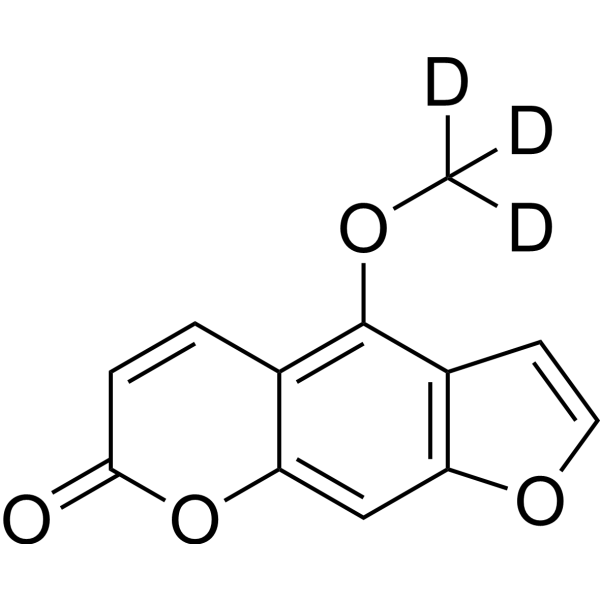 0 ImagesCat. No.: HY-N0370SCAS No.: 2749409-59-2Synonyms: 5-Methoxypsoralen-d3Bergapten-d3 is deuterium labeled Bergapten. Bergapten is a natural anti-inflammatory and anti-tumor agent. Bergapten is inhibitory towards mouse and human CYP isoforms.
-
Phellodendrine chloride (Standard)
 0 ImagesCat. No.: HY-N0735RCAS No.: 104112-82-5Phellodendrine chloride (Standard) is the analytical standard of Phellodendrine chloride (HY-N0735). Phellodendrine chloride is an orally active plant alkaloid. Phellodendrine chloride inhibits the proliferation of KRAS-mutated pancreatic cancer cells by suppressing macropinocytosis and glutamine metabolism, inducing ROS accumulation and mitochondrial apoptosis. Phellodendrine chloride promotes autophagy by activating the AMPK/mTOR pathway, alleviating intestinal damage in ulcerative colitis. Phellodendrine chloride can alleviate gouty arthritis by inhibiting the IL-6/STAT3 signaling pathway. Phellodendrine chloride suppresses allergic reactions by altering the conformation of MRGPRB3/MRGPRX2 protein, thereby inhibiting the activation of PKC and subsequent downstream MAPK and NF-κB signaling. Phellodendrine chloride inhibits the AKT/NF-κB pathway and down-regulates the expression of COX-2, thereby protecting zebrafish embryos from oxidative stress. Phellodendrine chloride has an anti-major depressive disorder (MDD) effect by down-regulating CHRM1, HTR1A, and the PI3K/Akt signaling pathway.




