



Autophagy
Autophagy is a conserved cellular degradation and recycling process in the lysosome. In mammalian cells, there are three primary types of autophagy: microautophagy, macroautophagy, and chaperone-mediated autophagy (CMA). Microphagy captures cargoes by means of invaginations or protrusions of the lysosomal membrane directly, CMA uses chaperones to identify cargo proteins and then unfolds and transfers them into the lysosomal, while macroautophagy sequesters cargo by autophagosomes-de novo synthesized of double-membrane vesicles-and subsequently transport it to the lysosome.
Macroautophagy is the best studied and it occurs at a low level constitutively and can also be further induced under stress conditions, such as nutrient or energy starvation with a salient feature of autophagy protein degradation. Stress-induced macrophagy plays an important role in protein catabolism with another key protein degradation pathway, the ubiquitin–proteasome system (UPS).
As the study progressed, autophagy gains its importance under basal, nutrient-rich conditions, and is now recognized as a critical housekeeping pathway in catabolism of diverse cellular constituents, such as protein aggregates (aggrephagy), lipid droplets (lipophagy), iron complex (Ferritinophagy) and carbohydrate. Except for macromolecules, autophagy can also target several organelles and structures, such as mitochondria (mitophagy), peroxisome (pexophagy), endoplasmic reticulum (reticulophagy or ER-phagy), ribosome (ribophagy), spermatozoon-inherited organelles following fertilization (allophagy), secretory granules within pancreatic cells (zymophagy) and intracellular pathogens (xenophagy).
Autophagy and its dysfunction are associated with a variety of human pathologies, including ageing, cancer, neurodegenerative disease, heart disease and metabolic diseases, such as diabetes. Plenty of drugs and natural products are involved in autophagy modulation through multiple signaling pathways. Small molecules that can regulate autophagy seem to have great potential to intervene such diseases in animal models or clinical courses.
All Product Categories
-
Autophagy Inhibitors
(485)
View all products
-
Autophagy Agonists
(6)
View all products
-
Autophagy Activators
(124)
View all products
-
Autophagy Modulators
(59)
View all products
-
Autophagy Chemicals
(2)
View all products
-
Autophagy Inducers
(2200)
View all products
-
Autophagy Controls
(5)
View all products
-
Autophagy Ligand
(1)
View all products
-
Autophagy Related Products (3416)
Related Products (3416)

-
Antibodies (31)
-
Autophagy Signaling Pathway
-
Skatole-d8
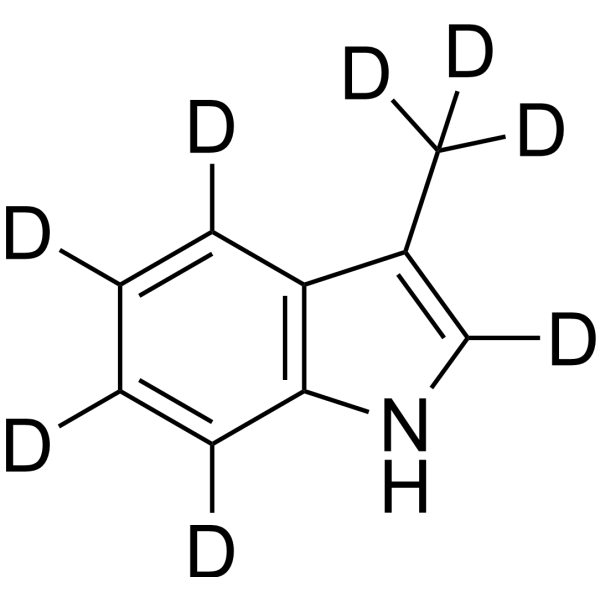 0 ImagesSynonyms: 3-Methylindole-d8; 3-Methyl-1H-indole-d8Skatole-d8 is the deuterium labeled Skatole. Skatole is produced by intestinal bacteria, regulates intestinal epithelial cellular functions through activating aryl hydrocarbon receptors and p38.
-
Crizotinib-d5
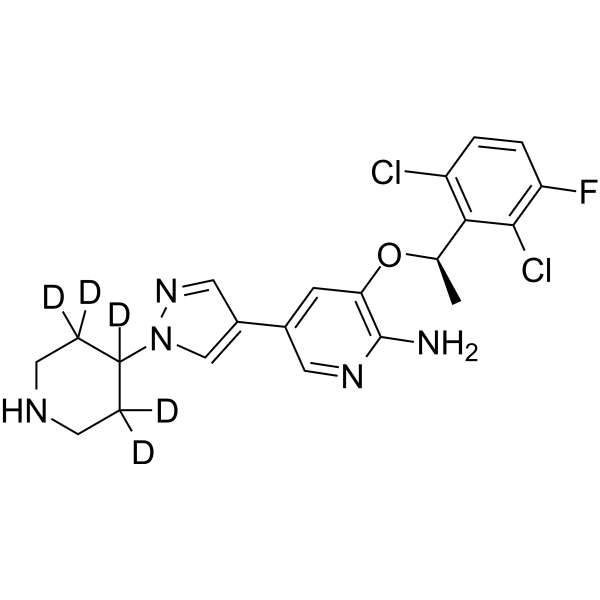 0 ImagesSynonyms: PF-02341066-d5Crizotinib-d5 is the deuterium labeled Crizotinib. Crizotinib (PF-02341066) is an orally bioavailable, ATP-competitive ALK and c-Met inhibitor with IC50s of 20 and 8 nM, respectively. Crizotinib inhibits tyrosine phosphorylation of NPM-ALK and tyrosine phosphorylation of c-Met with IC50s of 24 and 11 nM in cell-based assays, respectively. Crizotinib is also a ROS1 inhibitor. Crizotinib has effective tumor growth inhibition.
-
ASCT2-IN-2
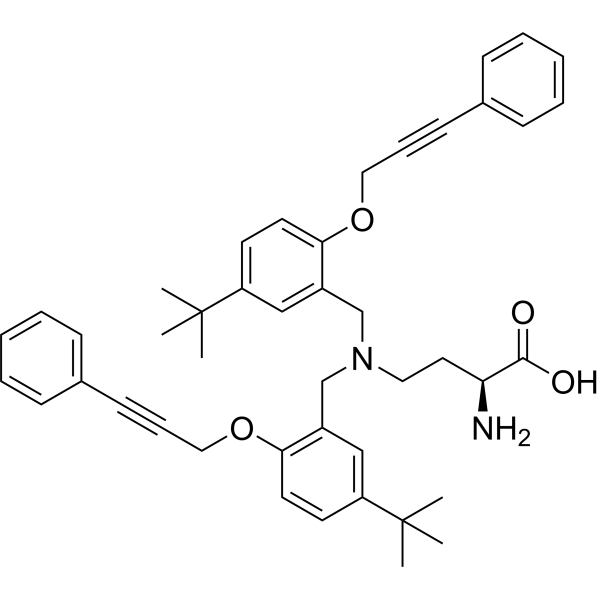 0 ImagesASCT2-IN-2 (compound 25e) is an ASCT2 inhibitor with IC50 of 5.14 μM. ASCT2-IN-2 regulates amino acid metabolism as well as mTOR signaling and thereby induces cell apoptosis. ASCT2-IN-2 inhibits tumor growth.
-
Semaglutide-d8 tetraTFA
 0 ImagesCat. No.: HY-114118S1Purity: 99.84%Semaglutide-d8 tetraTFA is the deuterium labeled Semaglutide (HY-114118). Semaglutide is a long-acting, selective, competitive GLP-1R agonist that can penetrate the blood-brain barrier. After activating GLP-1R, Semaglutide promotes insulin secretion, inhibits gastric emptying and appetite, and at the same time enhances autophagy, inhibits oxidative stress and apoptosis. Semaglutide also regulates mitochondrial function and lipid metabolism (such as reducing de novo lipogenesis in the liver). Semaglutide has activities such as lowering blood sugar, reducing weight, neuroprotection (such as improving motor function in Parkinson's disease models, reducing α-synuclein aggregation) and improving hepatic steatosis. Semaglutide can be used for the study of neurodegenerative diseases and liver diseases such as type 2 diabetes, obesity, Parkinson's disease, metabolic associated fatty liver disease (MASLD), and cancer.
-
Androsin
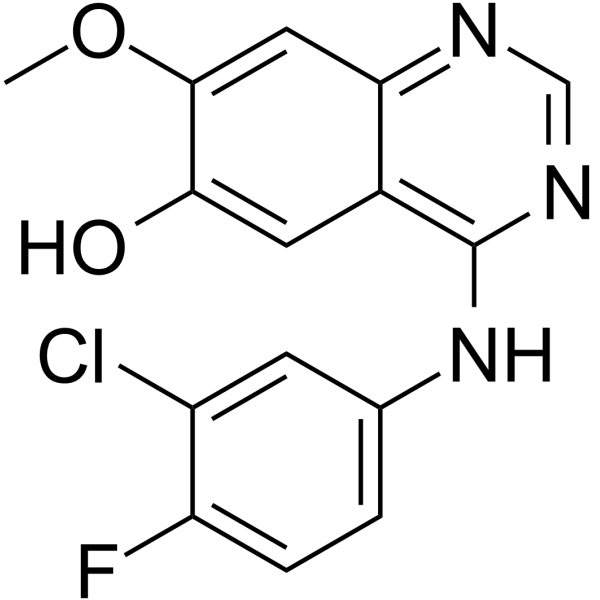
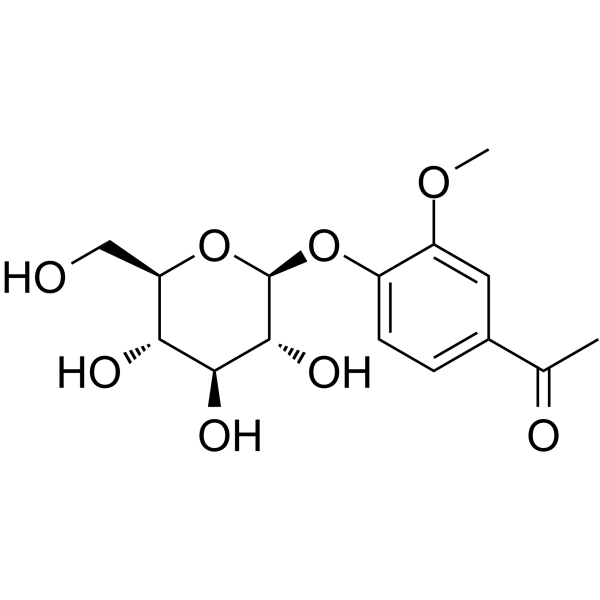 0 ImagesAndrosin is an active compound isolated from Picrorhiza Kurroa Royle ex Benth. Androsin activates AMPKα/PI3K/Beclin1/LC3 signaling pathway, inhibits SREBP1c/FASN signaling pathway. Androsin can be used in research of asthma and non-alcoholic fatty liver disease (NAFLD). Androsin is orally active.
-
PHTPP-1304
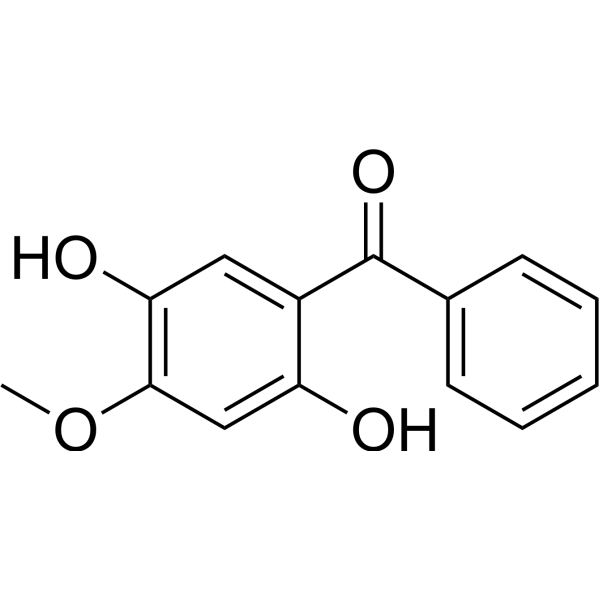
 0 ImagesPHTPP-1304 is a PHTPP-based autophagy targeting chimera (AUTOTAC). PHTPP-1304 induces the degradation of estrogen receptor ERβ through the autophagy pathway, rather than ubiquitination (DC50 ≈ 2 nM, in HEK293T cells; < 100 nM in ACHN renal carcinoma and MCF-7 breast cancer cells). PHTPP-1304 can induce the self-oligomerization of p62. PHTPP-1304 can be used to study various cancers mediated by ERβ.
-
Ezetimibe-d4
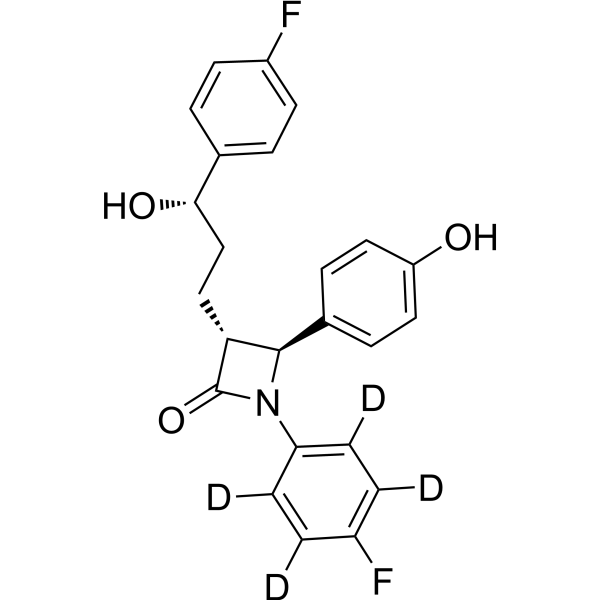 0 ImagesSynonyms: SCH 58235-d4
-
Thalidomide-NH-C6-NH2 hydrochloride
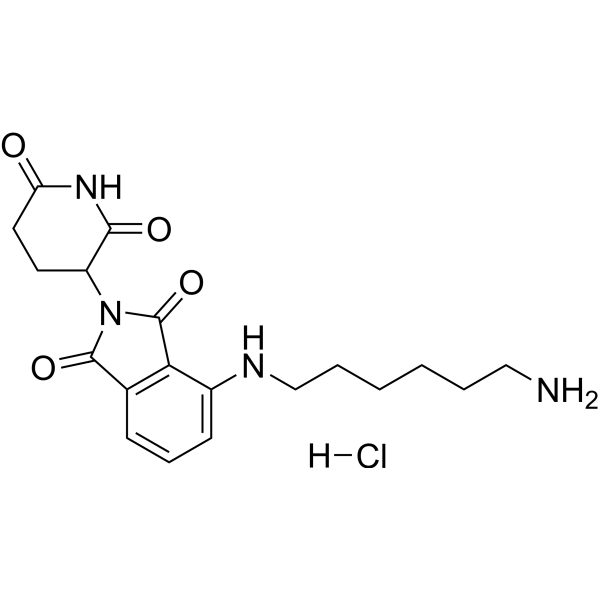 0 ImagesThalidomide-NH-C6-NH2 hydrochloride is a synthesized E3 ligase ligand-linker conjugate that incorporates the Thalidomide based cereblon ligand and a linker used in PROTAC technology.
-
Gemcitabine elaidate hydrochloride
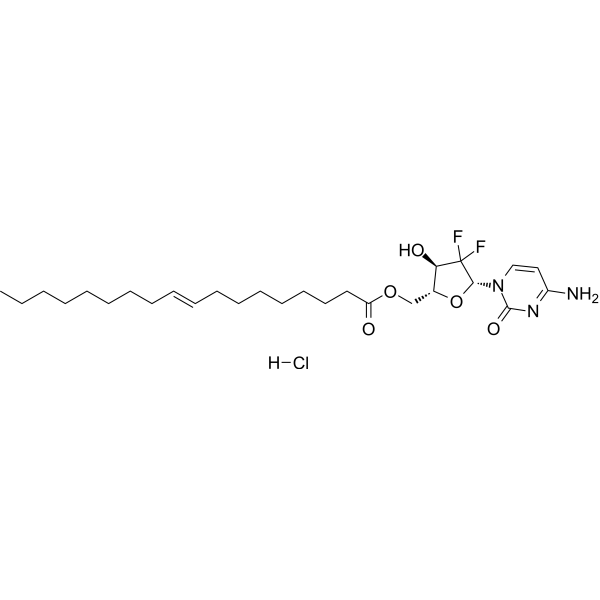 0 ImagesCat. No.: HY-13538ACAS No.: 2918768-08-6Synonyms: CP-4126 hydrochloride; CO-101 hydrochloride; Gemcitabine 5'-elaidate hydrochlorideGemcitabine elaidate (CP-4126) hydrochloride is lipophilic pro-agent of Gemcitabine. Gemcitabine elaidate hydrochloride is converted to Gemcitabine by esterases in order to be phosphorylated. Gemcitabine elaidate hydrochloride exhibits anti-tumor activity.
-
Corilagin (Standard)
 0 ImagesSynonyms: NP-004255 (Standard)Corilagin (Standard) is the analytical standard of Corilagin. This product is intended for research and analytical applications. Corilagin, a gallotannin, has anti-tumor, anti-inflammatory and hepatoprotective activities. Corilagin inhibits activity of reverse transcriptase of RNA tumor viruses. Corilagin also inhibits the growth of Staphylococcus aureus with a MIC of 25 μg/mL. Corilagin shows anti-tumor activity on hepatocellular carcinoma and ovarian cancer model. Corilagin shows low toxicity to normal cells and tissues.
-
Levomepromazine maleate
 0 ImagesSynonyms: Methotrimeprazine maleateLevomepromazine maleate (Methotrimeprazine maleate) is an orally active antipsychotic compound and Ca2+ release inducer. Levomepromazine maleate inhibits SERCA pump and induces an increase in cytoplasmic Ca2+ levels. Levomepromazine maleate has antagonistic effects on a variety of neurotransmitter receptors, including dopamine, cholinergic, serotonin, and histamine receptors. Levomepromazine maleate can induce adaptive ER stress and autophagy. In addition, Levomepromazine maleate has antiviral, anti-inflammatory, neuroprotective and analgesic, sedative and anti-injurious activities. Levomepromazine maleate can be used in the study psychiatric disorders and relieving nausea and vomiting.
-
Fenofibrate (Standard)
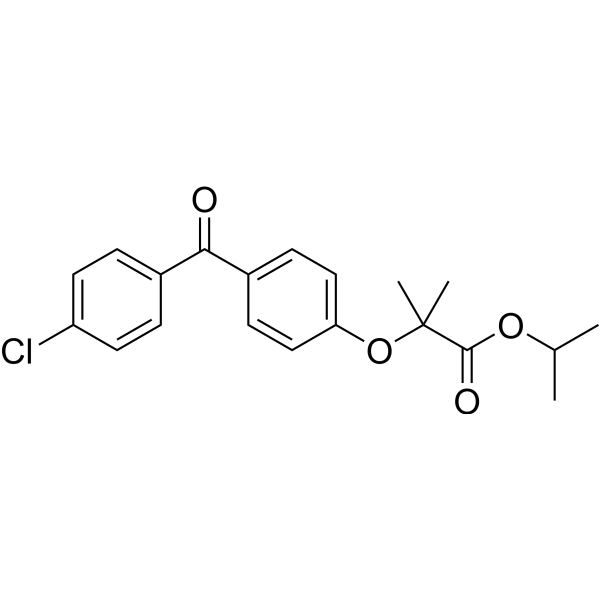 0 ImagesFenofibrate (Standard) is the analytical standard of Fenofibrate. This product is intended for research and analytical applications. Fenofibrate is a selective PPARα agonist with an EC50 of 30 μM. Fenofibrate also inhibits human cytochrome P450 isoforms, with IC50s of 0.2, 0.7, 9.7, 4.8 and 142.1 μM for CYP2C19, CYP2B6, CYP2C9, CYP2C8, and CYP3A4, respectively.
-
Tezacaftor-d4
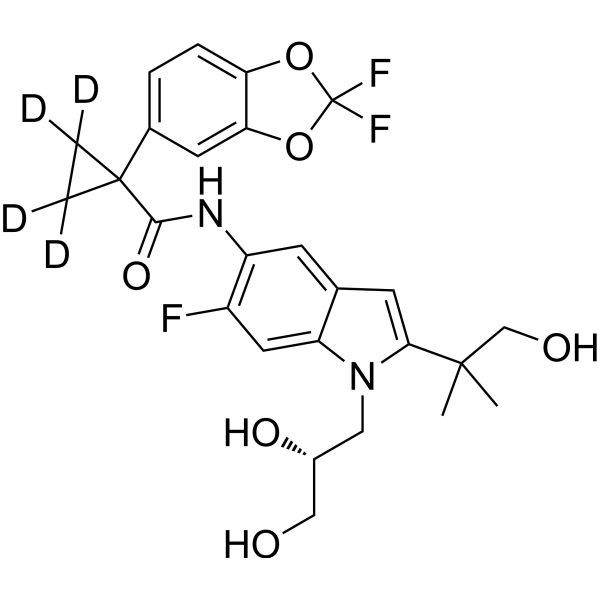 0 ImagesSynonyms: VX-661-d4Tezacaftor-d4 (VX-661-d4) is the deuterium-labeled Tezacaftor (HY-15448), a F508del CFTR corrector. Tezacaftor helps CFTR protein reach the cell surface.
-
Eriocalyxin B
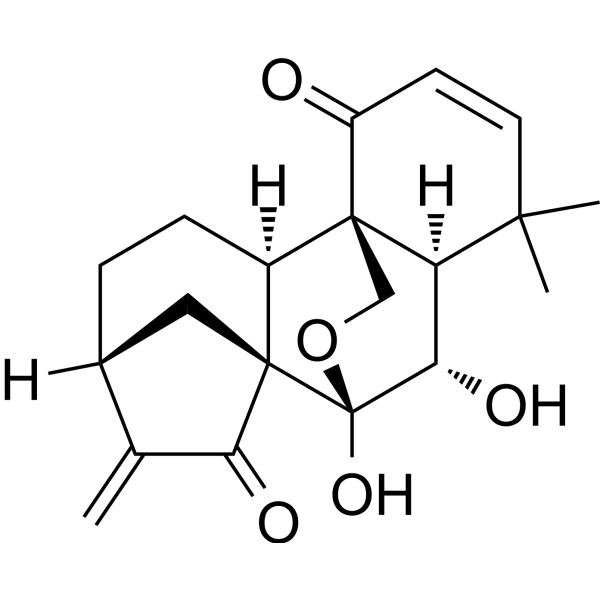 0 ImagesEriocalyxin B is a diterpenoid compound that can be isolated from Chinese herb Isodon eriocalyx. Eriocalyxin B exhibits multiple activities, such as anti-cancer, anti-inflammatory, and inhibition of adipogenesis. Eriocalyxin B is capable of inducing apoptosis and autophagy in tumor cells. Eriocalyxin B can be used in the research of cancers, autoimmune diseases, and other conditions.
-
Autophagy inducer 4
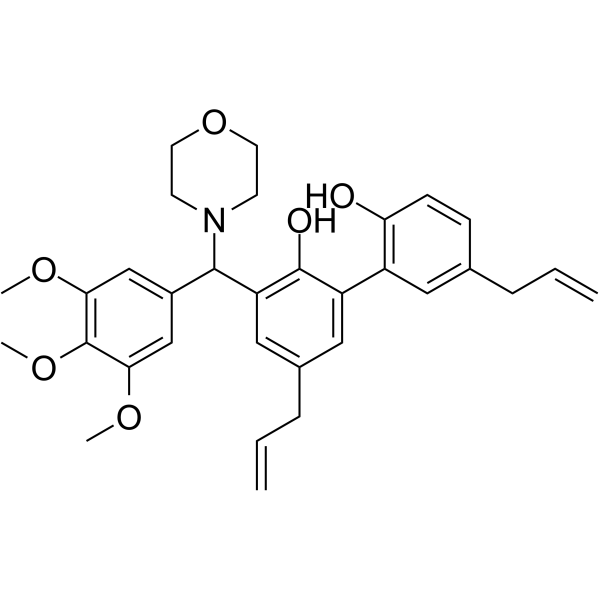 0 ImagesAutophagy inducer 4 is a Magnolol-based Mannich base derivatives, which can be used as an anticancer agent. Autophagy inducer 4 suppresses cancer cells via inducing autophagy. Autophagy inducer 4 has 76-fold improvement in cytotoxicity against T47D cells compared with Magnolol. Autophagy inducer 4 also possesses suppressive effects on migration of T47D and Hela cancer cells.
-
Taxifolin (Standard)
 0 ImagesSynonyms: (+)-Dihydroquercetin (Standard); (+)-Taxifolin (Standard)Taxifolin (Standard) is the analytical standard of Taxifolin. This product is intended for research and analytical applications. Taxifolin ((+)-Dihydroquercetin) exhibits important anti-tyrosinase activity. Taxifolin exhibits significant inhibitory activity against collagenase with an IC50 value of 193.3 μM. Taxifolin is an important natural compound with antifibrotic activity. Taxifolin is a free radical scavenger with antioxidant capacity.




