



Fungal
An antifungal agent is a drug that selectively eliminates fungal pathogens from a host with minimal toxicity to the host.
Classes: 1. Polyene Antifungal Drugs: Amphotericin, nystatin, and pimaricin interact with sterols in the cell membrane (ergosterol in fungi, cholesterol in humans) to form channels through which small molecules leak from the inside of the fungal cell to the outside. 2. Azole Antifungal Drugs: Fluconazole, itraconazole, and ketoconazole inhibit cytochrome P450-dependent enzymes (particularly C14-demethylase) involved in the biosynthesis of ergosterol, which is required for fungal cell membrane structure and function. 3. Allylamine and Morpholine Antifungal Drugs: lylamines (naftifine, terbinafine) inhibit ergosterol biosynthesis at the level of squalene epoxidase. The morpholine drug, amorolfine, inhibits the same pathway at a later step. 4. Antimetabolite Antifungal Drugs: 5-Fluorocytosine acts as an inhibitor of both DNA and RNA synthesis via the intracytoplasmic conversion of 5-fluorocytosine to 5-fluorouracil.
All Product Categories
-
Fungal Related Products (2769)
Related Products (2769)

-
Antibodies (1)
-
Related Compound Screening Libraries (1)
-
Flucytosine (Standard)
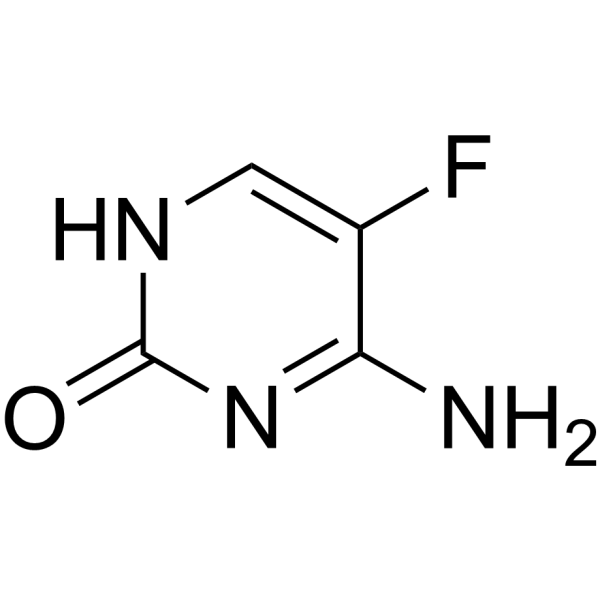 0 ImagesSynonyms: 5-Fluorocytosine (Standard); NSC 103805 (Standard); Ro 2-9915 (Standard)Flucytosine (Standard) is the analytical standard of Flucytosine. This product is intended for research and analytical applications. Flucytosine (5-Fluorocytosine) is an antifungal compound with oral activity. Flucytosine is a widely used cytotoxic drug that, after further metabolism, produces fluorinated ribonucleotides and deoxyribonucleotides, inhibits DNA and protein synthesis, and has multiple effects such as inhibiting candida and candida neoplasm infection and producies cytotoxicity to cancer cells.
-
Dermcidin-1L (human)
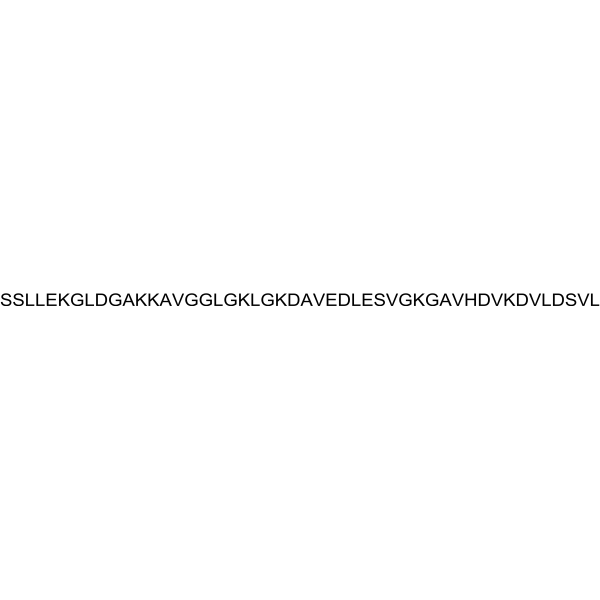 0 ImagesDermcidin-1L (human) is an Antibacterial and Antifungal peptide. Dermcidin-1L (human) is derived from the carboxy-terminal region of full-length Dermcidin. Dermcidin-1L (human) exerts potent bactericidal activity against E. coli, E. faecalis and S. aureus, as well as fungicidal activity against C. albicans. Dermcidin-1L (human) is used in studies related to bacterial and fungal skin infections.
-
Pseudolaric Acid C
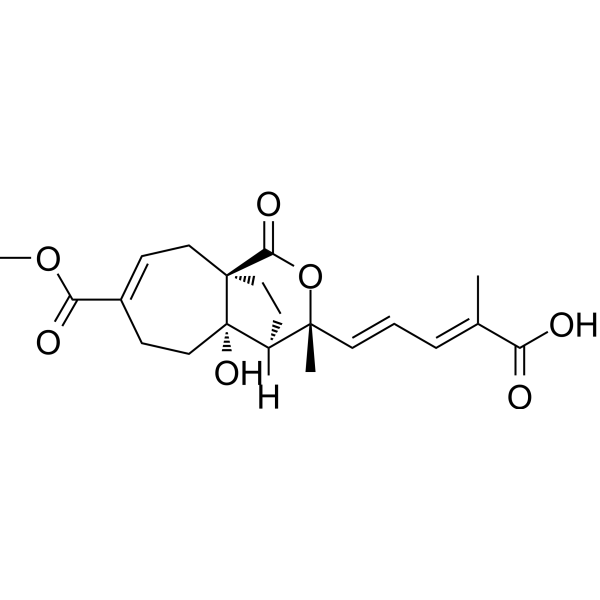 0 ImagesPseudolaric C is a diterpenoid isolated from the root bark of Pseudolarix amabilis, has antifungal activity.
-
alpha-Mangostin (Standard)
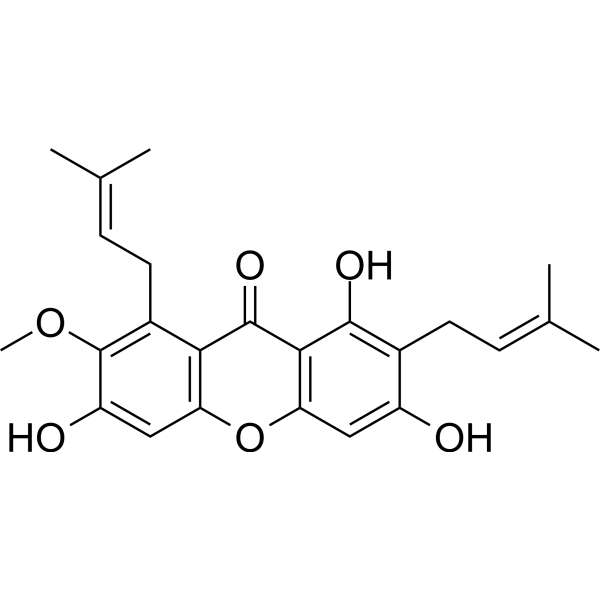 0 Imagesalpha-Mangostin (Standard) is the analytical standard of alpha-Mangostin. This product is intended for research and analytical applications. alpha-Mangostin (α-Mangostin) is a dietary xanthone with broad biological activities, such as antioxidant, anti-allergic, antiviral, antibacterial, anti-inflammatory and anticancer effects. It is an inhibitor of mutant IDH1 (IDH1-R132H) with a Ki of 2.85 μM.
-
Chitosan (≥80% deacetylated, High viscosity,>400mPa.s)
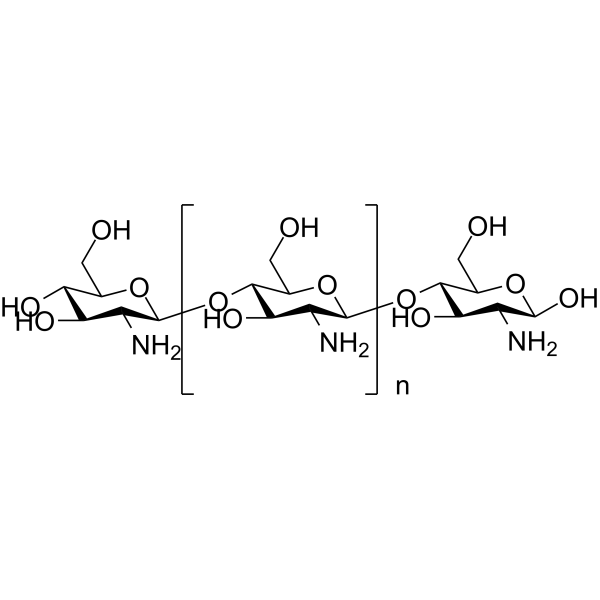 0 ImagesSynonyms: Deacetylated chitin (≥80% deacetylated, High viscosity,>400mPa.s); Poly(D-glucosamine) (≥80% deacetylated, High viscosity,>400mPa.s)Chitosan (Deacetylated chitin; Poly(D-glucosamine)) (≥80% deacetylated, High viscosity,>400mPa.s) is a polysaccharide obtained by deacetylating chitin, and exhibits antimicrobial activity against various bacteria and fungi.
-
2-Methylheptanoic acid
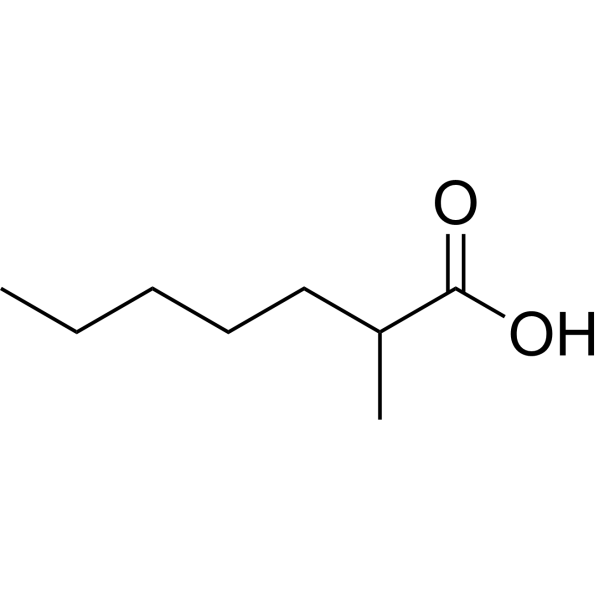 0 Images2-Methylheptanoic acid is a naturally occurring branched-chain medium-chain fatty acid with fumigant activity against Aspergillus flavus. 2-Methylheptanoic acid inhibits the growth of Aspergillus flavus and kills its spores via two modes of action, namely fumigation and direct contact, with its fumigant activity being stronger than its direct contact activity. 2-Methylheptanoic acid can be used in studies related to Aspergillus flavus infection.
-
Chlorothalonil (Standard)
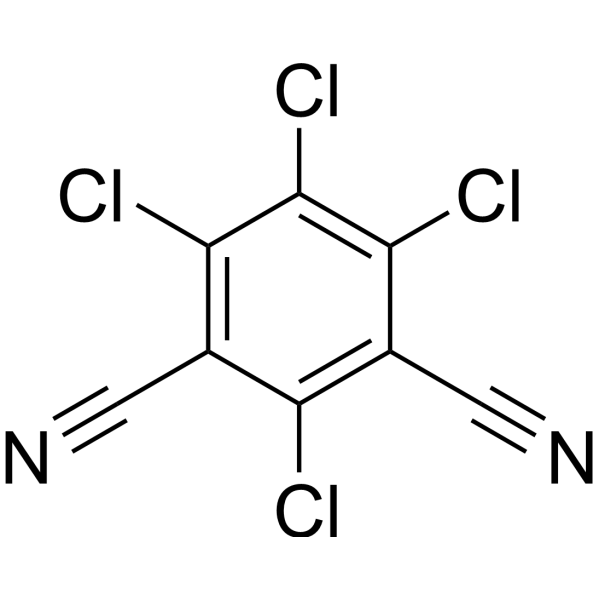 0 ImagesChlorothalonil (Standard) is the analytical standard of Chlorothalonil. This product is intended for research and analytical applications. Chlorothalonil is a broad-spectrum foliar fungicide with oral activity. Chlorothalonil can be used to combat fungal diseases in vegetable and crop leaves. Chlorothalonil can alter the microbial community in the soil. Chlorothalonil inhibits spermatogenesis. Chlorothalonil can cause intestinal epithelial barrier dysfunction and fetal toxicity.
-
2-Butylbenzo[d]isothiazol-3(2H)-one
![2-Butylbenzo[d]isothiazol-3(2H)-one](https://file.medchemexpress.com/product_pic/hy-w109523.gif "Click to View 2-Butylbenzo[d]isothiazol-3(2H)-one Product Detail") 0 Images2-Butylbenzo[d]isothiazol-3(2H)-one is a bioactive compound with potent antibacterial and antifungal activity. 2-Butylbenzo[d]isothiazol-3(2H)-one is often used as a pesticide ingredient in agriculture to protect crops from diseases. 2-Butylbenzo[d]isothiazol-3(2H)-one is also used in coatings to prevent the growth of mold and algae. 2-Butylbenzo[d]isothiazol-3(2H)-one is also used as a preservative in personal care products to extend the shelf life of the product.
0 Images2-Butylbenzo[d]isothiazol-3(2H)-one is a bioactive compound with potent antibacterial and antifungal activity. 2-Butylbenzo[d]isothiazol-3(2H)-one is often used as a pesticide ingredient in agriculture to protect crops from diseases. 2-Butylbenzo[d]isothiazol-3(2H)-one is also used in coatings to prevent the growth of mold and algae. 2-Butylbenzo[d]isothiazol-3(2H)-one is also used as a preservative in personal care products to extend the shelf life of the product.
-
Deacylketoconazole
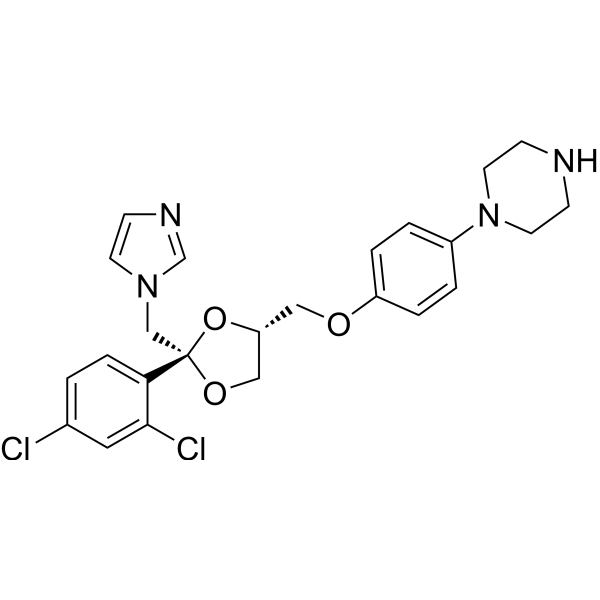 0 ImagesSynonyms: N-Deacetylketoconazole; R-39519Deacylketoconazole (N-Deacetylketoconazole; R-39519) is an orally active metabolite of Ketoconazole (HY-B0105). Deacylketoconazole exhibits antifungal and antibacterial activity. Deacylketoconazole is cytotoxic in rats hepatocyte.
-
Antifungal agent 136
 0 ImagesAntifungal agent 136 is a CYP51 inhibitor and antifungal agent. Antifungal agent 136 downregulates the expression of interleukin-6 to alleviate inflammatory responses. Antifungal agent 136 exhibits activity against both drug-sensitive and drug-resistant Candida albicans strains. Antifungal agent 136 can be used in the research of fungal infections and inflammatory diseases.
-
Ajoene
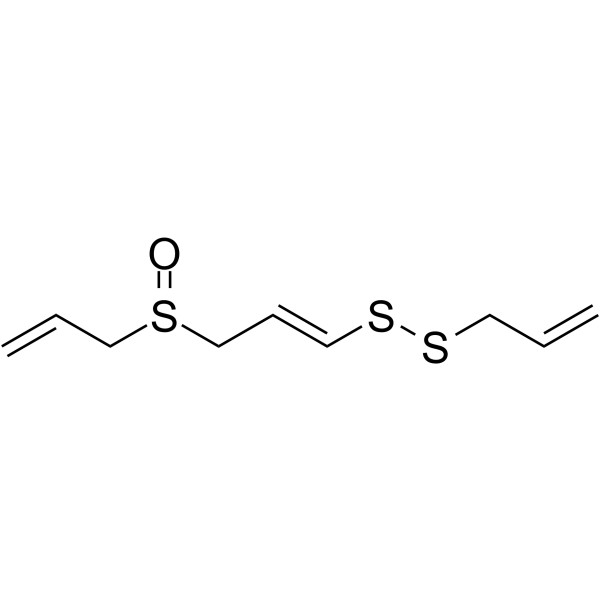 0 ImagesAjoene, a garlic-derived compound, is an antithrombotic and antifungal agent. Ajoene inhibits proliferation and induces apoptosis of human leukaemia CD34-negative cells including HL-60, U937, HEL and OCIM-I. Anticancer activities.
-
Azoxystrobin (Standard)
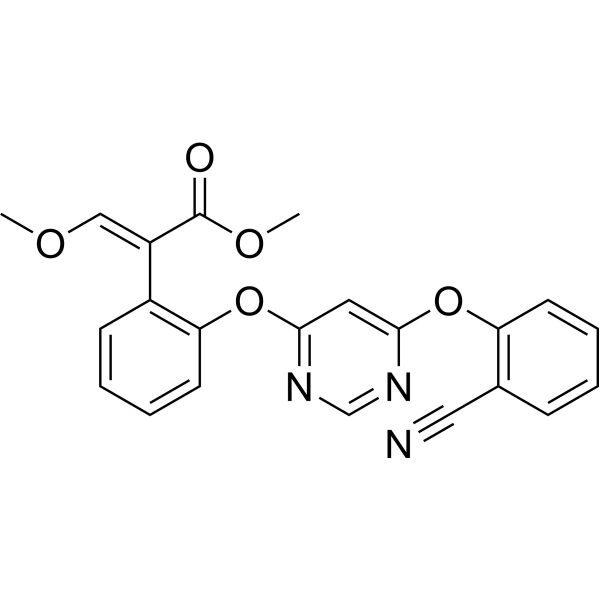 0 ImagesAzoxystrobin (Standard) is the analytical standard of Azoxystrobin. This product is intended for research and analytical applications. Azoxystrobin is a broad-spectrum β-methoxyacrylate fungicide. Azoxystrobin inhibits mitochondrial respiration by binding to the Qo site of the cytochrome bc1 complex and inhibiting electron transfer. Azoxystrobin induces the production of reactive oxygen species (ROS) and induces cell apoptosis.
-
Isoxazole
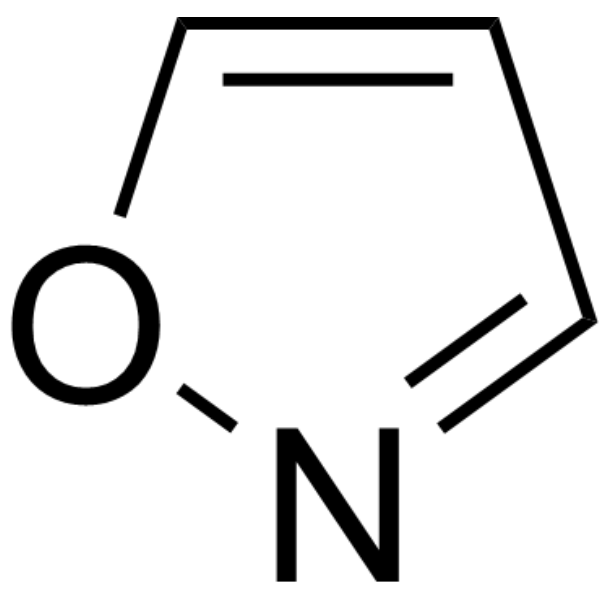 0 ImagesIsoxazole is a member of the five-membered heterocycle drug scaffold. Isoxazole has been used as a BET bromodomain inhibitor and can improve β-cell function in a diabetic mouse model. Isoxazole and its derivatives exhibit broad biological activities (such as antimicrobial, antibacterial, antifungal, antiviral, anticancer, anti-inflammatory, immunomodulatory, analgesic, anti-tuberculosis, and anti-diabetic effects). For example, the bicyclic Isoxazole can act as an HSP90 inhibitor, and the tricyclic Isoxazole is promising as a selective multidrug resistance protein (MRP1) inhibitor.
-
Mefentrifluconazole
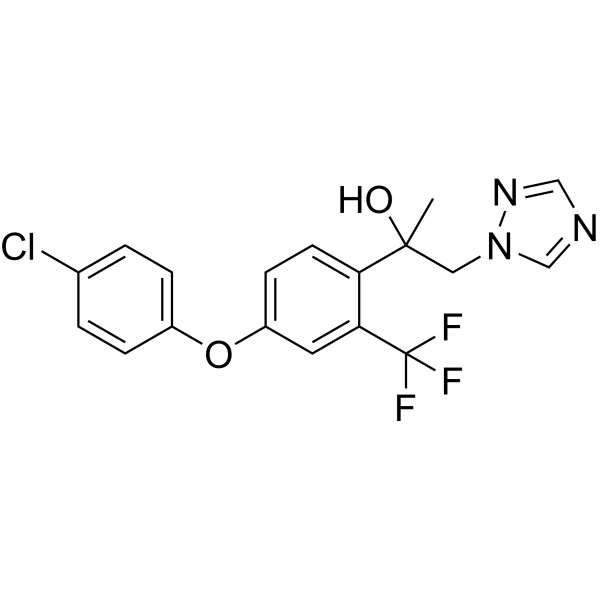 0 ImagesMefentrifluconazole is a novel azole derivative and used as an agrochemical broad-spectrum antifungal agent. Mefentrifluconazole is a potent, selective and orally active fungal CYP51 (Kd= 0.5 nM) inhibitor, but shows less inhibitory activity on human aromatase (IC50=0.92 μM).
-
Tetrahydroepiberberine
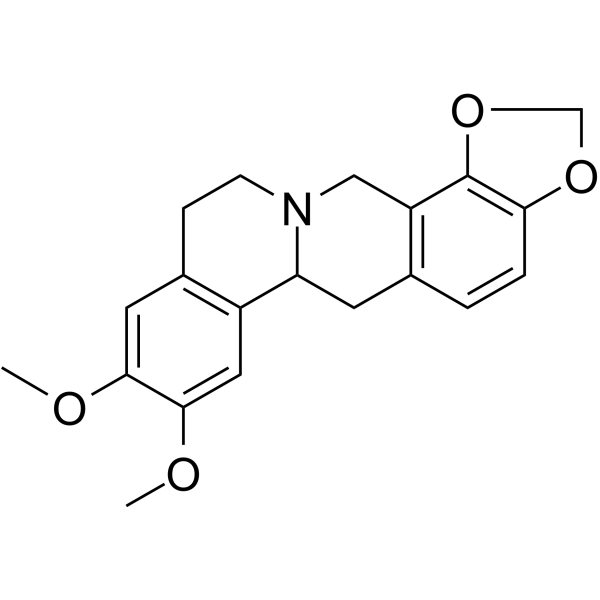 0 ImagesTetrahydroepiberberine is a isoquinoline alkaloid isolated from Corydalis impatiens (Pall). Tetrahydroepiberberine has antifungal and selective inhibition against the PI-3 virus activities.
-
Ticlatone
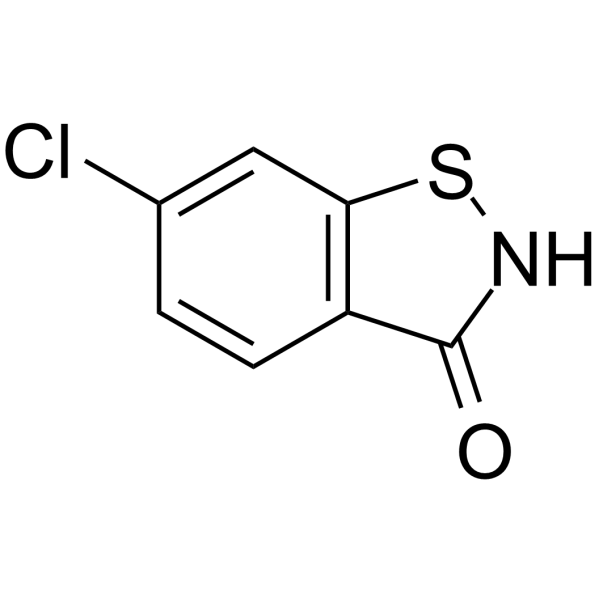 0 ImagesTiclatone is an antifungal that can be used for the research of mycoses.
-
2-Ethylbenzimidazole
 0 ImagesCat. No.: HY-W019617CAS No.: 1848-84-6
-
Zoxamide
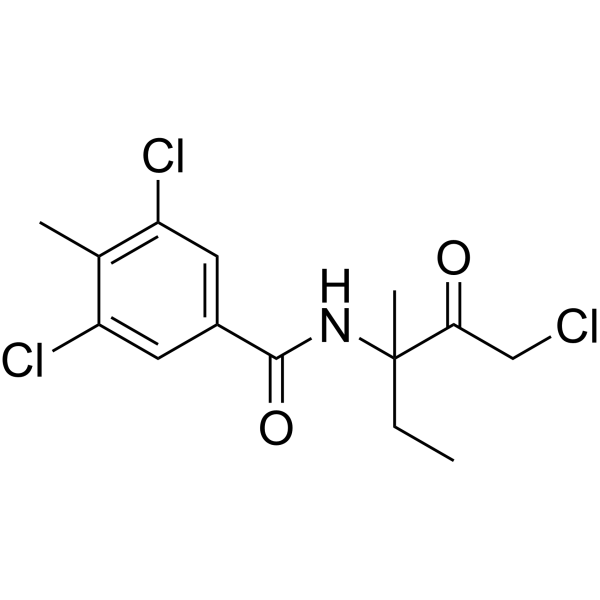 0 ImagesSynonyms: RH-7281Zoxamide (RH-7281) is an oomycete Fungicide and covalent β-tubulin inhibitor. RH-7281 inhibits the assembly of tubulin into microtubules in vitro. Zoxamide binds covalently to β-tubulin, disrupting microtubule assembly and the cytoskeleton. Zoxamide blocks nuclear division in germinated hyphae of Phytophthora capsici and inhibits hyphal growth of Phytophthora capsici.
-
Metalaxyl-M (Standard)
 0 ImagesCat. No.: HY-B0843ARCAS No.: 70630-17-0Synonyms: (R)-Metalaxyl (Standard)Metalaxyl-M ((R)-Metalaxyl) (Standard) is the analytical standard of Metalaxyl-M (HY-B0843A). This product is intended for research and analytical applications. Metalaxyl-M ((R)-Metalaxyl) is an orally active and selective inhibitor of fungal RNA polymerase, which exerts fungicidal activity by selectively interfering with the synthesis of fungal ribosomal RNA. Metalaxyl-M can also be used to induce inflammation in hepatocytes and regulate tryptophan metabolism. Metalaxyl-M can be used in ecotoxicology studies.
-
Tolprocarb
 0 ImagesTolprocarb is an oomyces fungicide, which has a strong inhibitory effect on rice blast fungus Magnaporthe grisea by inhibiting polyketide synthase in melanin synthesis pathway .




