



HBV
Hepatitis B virus
HBV (Hepatitis B virus), abbreviated HBV, is a species of the genus Orthohepadnavirus, which is likewise a part of the Hepadnaviridae family of viruses. HBV causes the disease hepatitis B. The hepatitis B virus is classified as the type species of the Orthohepadnavirus, which contains three other species: the Ground squirrel hepatitis virus, Woodchuck hepatitis virus, and theWoolly monkey hepatitis B virus. The genus is classified as part of the Hepadnaviridae family. HBV is divided into four major serotypes (adr, adw, ayr, ayw) based on antigenic epitopes present on its envelope proteins, and into eight genotypes (A–H) according to overall nucleotide sequence variation of the genome. The genotypes have a distinct geographical distribution and are used in tracing the evolution and transmission of the virus. Differences between genotypes affect the disease severity, course and likelihood of complications, and response to treatment and possibly vaccination.
All Product Categories
-
HBV Related Products (383)
Related Products (383)

-
Antibodies (2)
-
Dimethyl biphenyl-4,4'-dicarboxylate
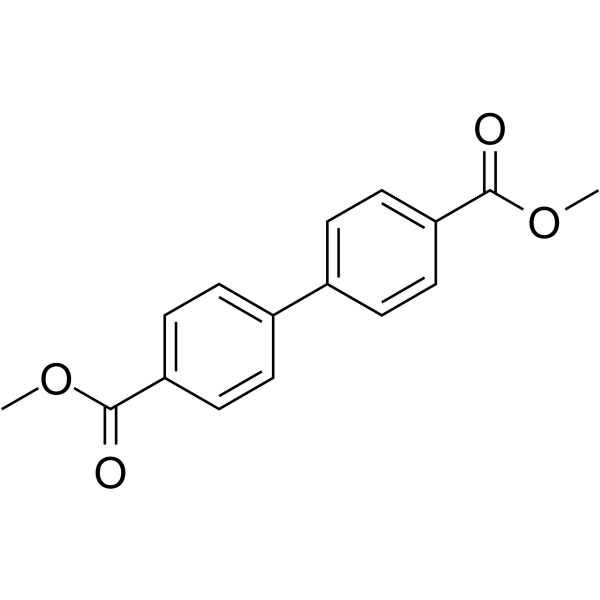 0 ImagesDimethyl biphenyl-4,4'-dicarboxylate (Biphenyl dimethyl dicarboxylate) is a hepatoprotective agent. Dimethyl biphenyl-4,4'-dicarboxylate stimulates the Jak/Stat signaling pathway and induces the expression of IFN-α-stimulated genes, particularly 6-16 and ISG12. Dimethyl biphenyl-4,4'-dicarboxylate inhibits the replication of pregenomic RNA and HBeAg. Polymer micelles loaded with Dimethyl biphenyl-4,4'-dicarboxylate can serve as carriers for the compound. Dimethyl biphenyl-4,4'-dicarboxylate can be used as an auxiliary improving agent for chronic hepatitis. Dimethyl biphenyl-4,4'-dicarboxylate is applicable to research related to chronic hepatitis B.
-
Ruzotolimod
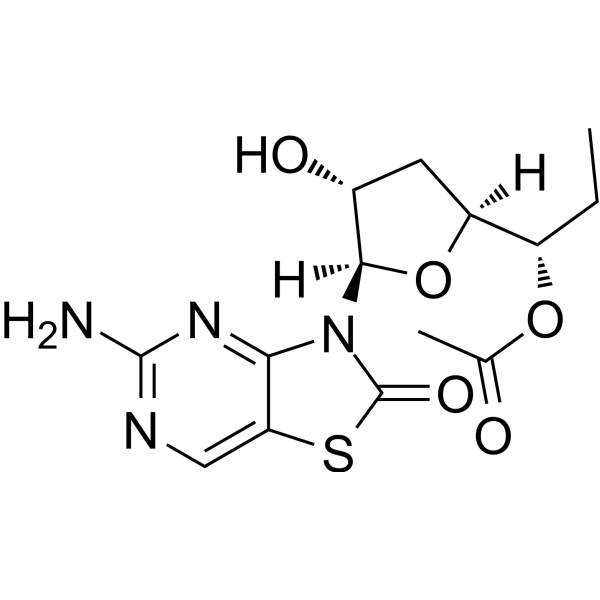 0 ImagesSynonyms: RO7020531; RG7854
-
Tenofovir Disoproxil fumarate (Standard)
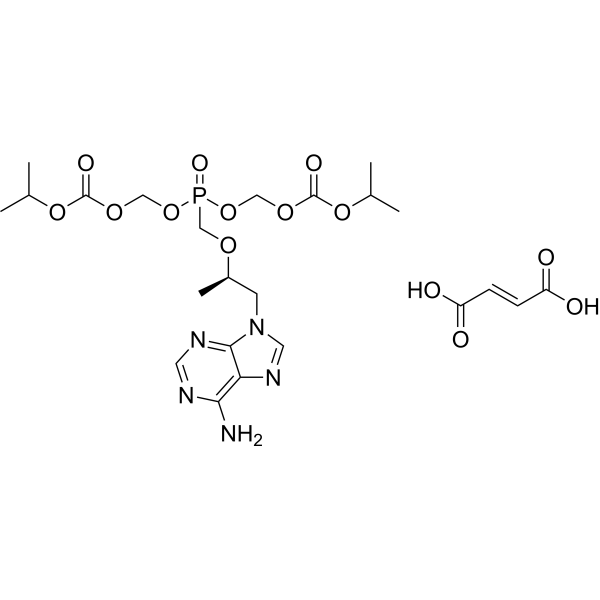 0 ImagesSynonyms: Tenofovir DF (Standard); Bis(POC)-PMPA fumarate (Standard); GS 4331 fumarate (Standard)Tenofovir Disoproxil (fumarate) (Standard) is the analytical standard of Tenofovir Disoproxil (fumarate). This product is intended for research and analytical applications. Tenofovir Disoproxil fumarate is a nucleotide reverse transcriptase inhibitor used to treat HIV and chronic Hepatitis B.
-
Exbivirumab
 0 ImagesCat. No.: HY-P99608CAS No.: 569658-80-6Exbivirumab is a monoclonal antibody directed against highly conserved HBsAg epitopes. Exbivirumab enhances the antiviral activity of hepatitis B immunoglobulin (HBIG). Exbivirumab combined with Libivirumab (HY-P99703) decreases circulating HBsAg and hepatitis B virus (HBV) DNA levels in a chronically infected chimpanzee. Exbivirumab can be used for HBV re-infection in liver transplant.
-
Brain Derived Basic Fibroblast Growth Factor (1-24)
 0 ImagesSynonyms: FGF basic (1-24)Brain Derived Basic Fibroblast Growth Factor (1-24) (FGF basic 1-24) is a synthetic peptide, shows anti-bacterial and anti-HBV activities. Brain Derived Basic Fibroblast Growth Factor (1-24) can be used in infection disease and immune disease research.
-
CYP1A1 inhibitor 8a
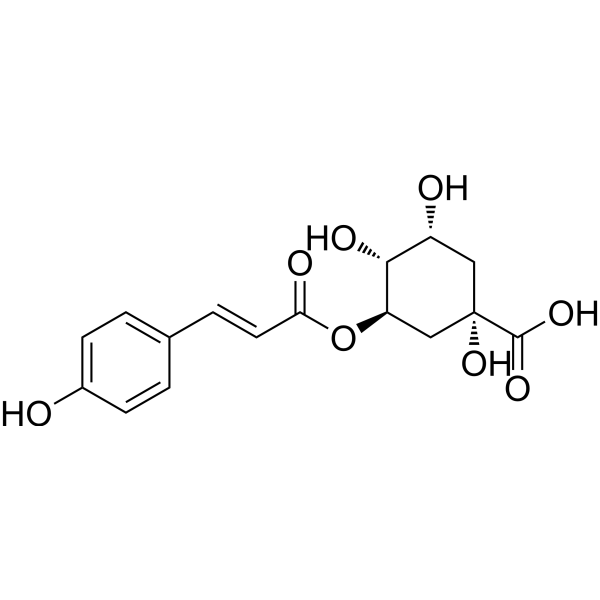
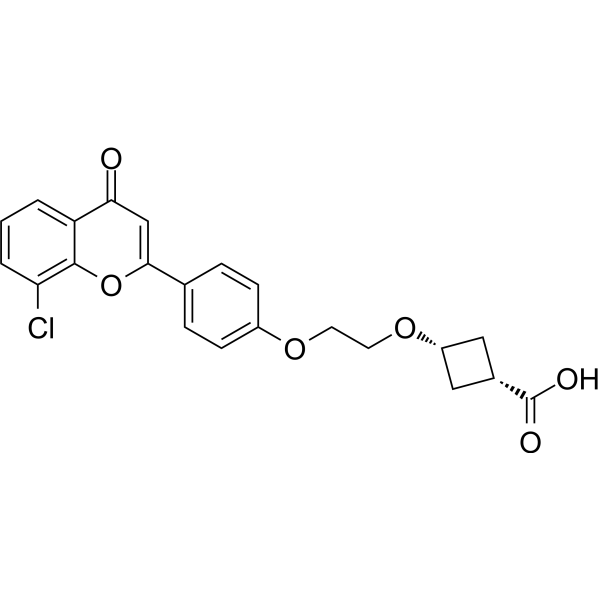
 0 ImagesCYP1A1 inhibitor 8a is a compound that potently and selectively inhibits the CYP1A1 enzyme and has the potential to prevent cancer. CYP1A1 inhibitor 8a exhibits more than 10-fold selectivity for CYP1A1 and more than 100-fold selectivity over other enzymes in the CYP1 subfamily. CYP1A1 inhibitor 8a can effectively antagonize B[a]P-mediated activation of the aryl hydrocarbon receptor (AhR) in yeast cells and protect human cells from CYP1A1-mediated B[a]P toxicity. CYP1A1 inhibitor 8a has the potential to be developed as a cancer chemopreventive agent.
-
CCC-0975
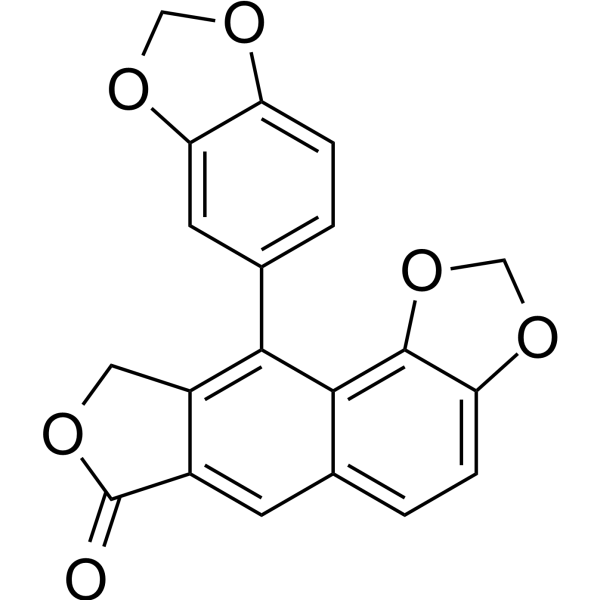
 0 ImagesCCC-0975 is a hepatitis B virus (HBV) inhibitor (EC50=10 μM). CCC-0975 interferes with the conversion of relaxed circular DNA (rcDNA) to cccDNA, synchronously reducing cccDNA and its precursor deproteinized rcDNA (DP-rcDNA) without promoting their intracellular degradation. CCC-0975 is promising for research of chronic hepatitis B.
-
Dox-btn2
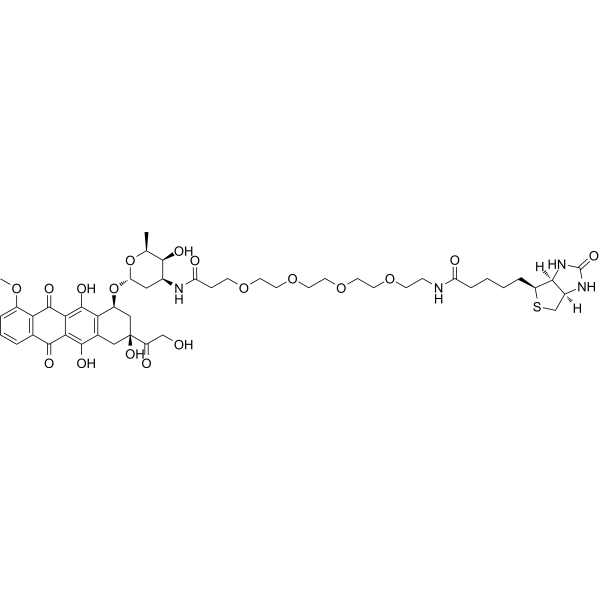 0 ImagesSynonyms: Biotin Labeled DoxorubicinDox-btn2 is a biotin labeled Doxorubicin (HY-15142A), with a biotin label at the point of conjugation to doxorubicin at 3'-NH2. Dox-btn2 can be used for cell imaging. While Doxorubicin is mainly accumulated in the nucleus, while Dox-btn2 is mainly located in the cytoplasm.
-
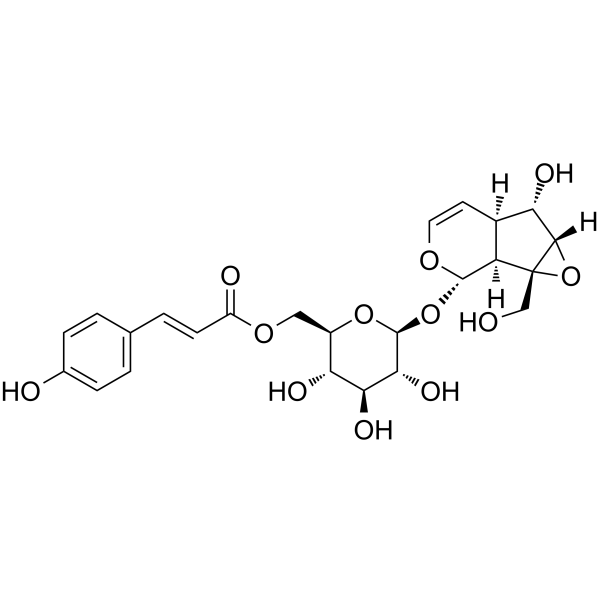
Torcitabine
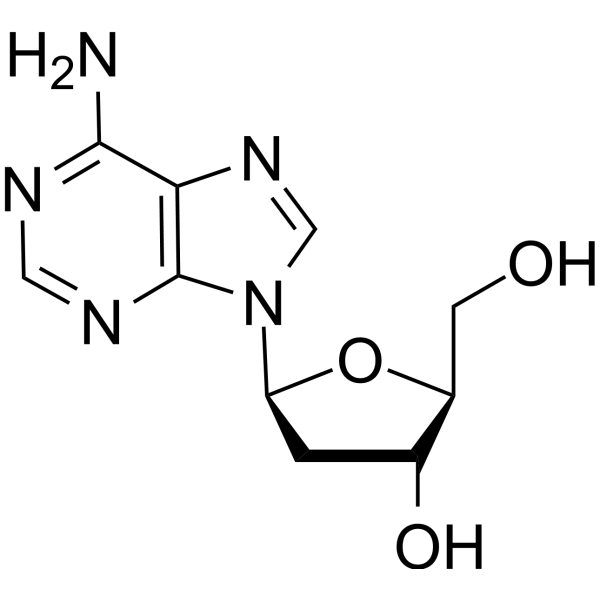
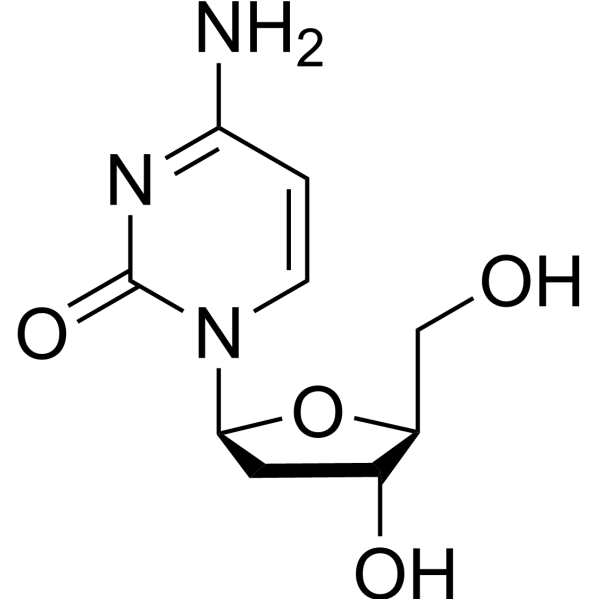 0 ImagesSynonyms: 2'-Deoxy-L-cytidine; L-dC
-
Thiamine-d3 hydrochloride
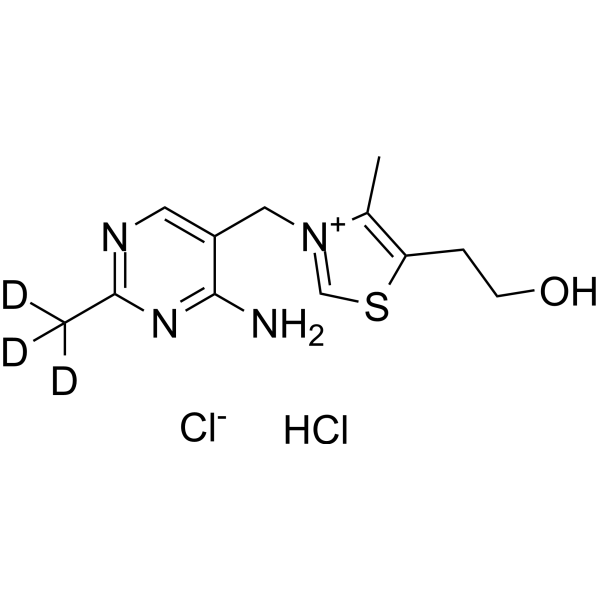 0 ImagesSynonyms: Thiamine chloride-d3 hydrochloride; Vitamin B1-d3 hydrochlorideThiamine-d3 (hydrochloride) is the deuterium labeled Thiamine hydrochloride. Thiamine hydrochloride (Thiamine chloride hydrochloride) is an essential micronutrient needed as a cofactor for many central metabolic enzymes.
-
FNC-TP
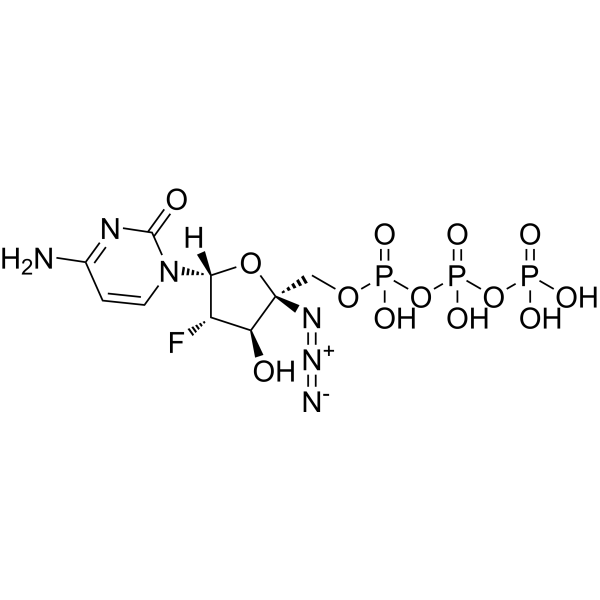 0 ImagesCat. No.: HY-139262CAS No.: 2457357-99-0FNC-TP is the intracellular active form of FNC. FNC is a potent nucleoside reverse transcriptase inhibitor (NRTI), with antiviral activity on HIV, HBV and HCV. FNC-TP is a click chemistry reagent, it contains an Azide group and can undergo copper-catalyzed azide-alkyne cycloaddition reaction (CuAAc) with molecules containing Alkyne groups. It can also undergo strain-promoted alkyne-azide cycloaddition (SPAAC) reactions with molecules containing DBCO or BCN groups.
-
Thiamine-d4 hydrochloride
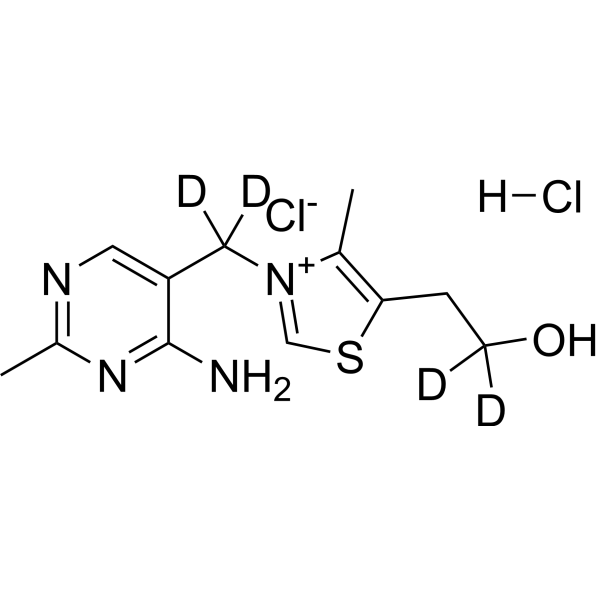 0 ImagesCat. No.: HY-N0680S2Synonyms: Thiamine chloride-d4 hydrochloride; Vitamin B1-d4 hydrochlorideThiamine-d4 (hydrochloride) is deuterium labeled Thiamine (hydrochloride). Thiamine hydrochloride (Thiamine chloride hydrochloride) is an essential micronutrient needed as a cofactor for many central metabolic enzymes.
-
Brelovitug
 0 ImagesSynonyms: BJT-778Brelovitug (BJT-778) is a humanized IgG1 neutralizing monoclonal antibody targeting hepatitis B surface antigen (HBsAg). Brelovitug binds with high affinity to HBsAg purified from HBV serotypes ad and ay, with Kd values of 0.22 nM and 0.39 nM, respectively. Brelovitug binds with high affinity to HBsAg of HBV genotypes A, B, C and D, with IC50 values of 0.07, 0.02, 0.02 and 0.07 nM, respectively. Brelovitug can be used in research related to chronic hepatitis B and chronic hepatitis D.




