



HSP90
Heat shock protein 90 (HSP90) functions as an ATP-dependent molecular chaperone that regulates the folding, stability, and activity of numerous signaling proteins[1][2]. HSP90 participates in essential cellular processes, including signal transduction, cell cycle control, stress management, and protein quality control, and operates in coordination with HSP70, HSP40, and co-chaperones such as Hop and p23 to ensure proper client maturation[3][4][5][6]. The cytosolic isoforms, HSP90α and HSP90β, exhibit distinct biological roles: HSP90β is constitutively expressed and critical for cellular survival, whereas HSP90α is stress-inducible and supports extracellular functions under pathological conditions[3][2][7]. Mechanistically, HSP90 interacts with clients by recognizing hydrophobic residues across multiple domains, and its chaperone activity is fine-tuned by tetratricopeptide repeat (TPR) domain-containing co-chaperones and post-translational modifications[3][2][8]. In disease models, HSP90 supports oncogenic signaling, promotes metastasis via extracellular HSP90α-mediated MMP-2 activation, and regulates protein homeostasis in neurodegenerative and renal stress conditions[9][10][11][7]. Compared with HSP90α, HSP90β shows higher structural stability, distinct thermal unfolding properties, and isoform-specific interactions with selective clients, which are exploited in experimental pharmacological interventions[2][7][12]. Selective inhibitors targeting HSP90β demonstrate therapeutic potential by modulating protein folding and proteostasis while minimizing compensatory HSP90α upregulation and extracellular secretion[7][13]. Overall, understanding isoform-specific mechanisms and co-chaperone interactions facilitates the rational design of HSP90-targeted research and therapeutic strategies[14][3].
References:
- [1]. Young JC, et al. Hsp90: a specialized but essential protein-folding tool. J Cell Biol. 2001 Jul 23;154(2):267-73. [Content Brief]
- [2]. Karagöz GE, et al. Hsp90 interaction with clients. Trends Biochem Sci. 2015 Feb;40(2):117-25. [Content Brief]
- [3]. Ausili A. Despite their structural similarities, et al. Despite their structural similarities, the cytosolic isoforms of human Hsp90 show different behaviour in thermal unfolding due to their conformation: An FTIR study. Arch Biochem Biophys. 2023 May 15;740:109599. [Content Brief]
- [4]. Assimon VA, et al. Specific Binding of Tetratricopeptide Repeat Proteins to Heat Shock Protein 70 (Hsp70) and Heat Shock Protein 90 (Hsp90) Is Regulated by Affinity and Phosphorylation. Biochemistry. 2015 Dec 8;54(48):7120-31. [Content Brief]
- [5]. Albakova Z. HSP90 multi-functionality in cancer. Front Immunol. 2024 Aug 1;15:1436973. doi: 10.3389/fimmu.2024.1436973. PMID: 39148727; PMCID: PMC11324539. et al. HSP90 multi-functionality in cancer. Front Immunol. 2024 Aug 1;15:1436973. [Content Brief]
- [6]. Rabezanahary H, et al. Live virus neutralizing antibodies against pre and post Omicron strains in food and retail workers in Québec, Canada. Heliyon. 2024 May 21;10(10):e31026. [Content Brief]
- [7]. Chang C, et al. The Distinct Assignments for Hsp90α and Hsp90β: More Than Skin Deep. Cells. 2023 Jan 11;12(2):277. [Content Brief]
- [8]. Sims JD, et al. Extracellular heat shock protein (Hsp)70 and Hsp90α assist in matrix metalloproteinase-2 activation and breast cancer cell migration and invasion. PLoS One. 2011 Apr 14;6(4):e18848. [Content Brief]
- [9]. Donnelly BF, et al. Hsp70 and Hsp90 multichaperone complexes sequentially regulate thiazide-sensitive cotransporter endoplasmic reticulum-associated degradation and biogenesis. J Biol Chem. 2013 May 3;288(18):13124-35. [Content Brief]
- [10]. Chen B, et al. Comparative genomics and evolution of the HSP90 family of genes across all kingdoms of organisms. BMC Genomics. 2006 Jun 17;7:156. [Content Brief]
- [11]. Chaudhury S, et al. The Hsp90β Isoform: An Attractive Target for Drug Development. Med Res Rev. 2025 Sep;45(5):1452-1465. [Content Brief]
- [12]. El-Kasaby A, et al. A cytosolic relay of heat shock proteins HSP70-1A and HSP90β monitors the folding trajectory of the serotonin transporter. J Biol Chem. 2014 Oct 17;289(42):28987-9000. [Content Brief]
- [13]. Morishima Y, et al. The hsp90 cochaperone p23 is the limiting component of the multiprotein hsp90/hsp70-based chaperone system in vivo where it acts to stabilize the client protein: hsp90 complex. J Biol Chem. 2003 Dec 5;278(49):48754-63. [Content Brief]
- [14]. Vogt M, et al. Co-targeting HSP90 alpha and CDK7 overcomes resistance against HSP90 inhibitors in BCR-ABL1+ leukemia cells. Cell Death Dis. 2023 Dec 6;14(12):799. [Content Brief]
-
HSP90 Related Products (150)
Related Products (150)

-
Antibodies (2)
-
HS-27
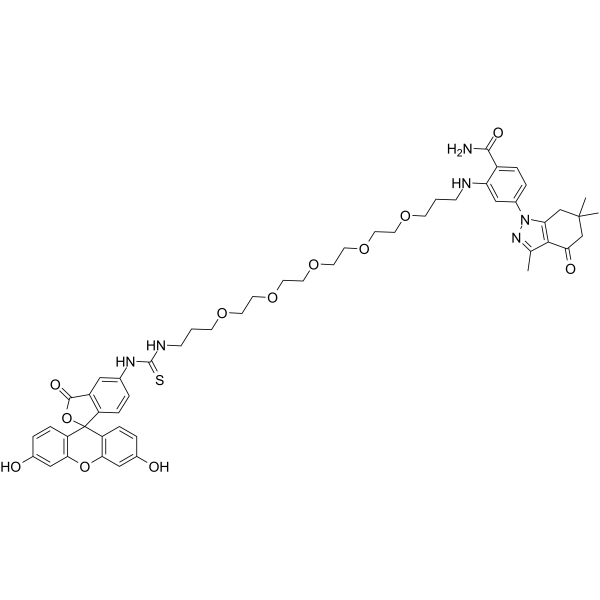 0 ImagesHS-27, a fluorescently-tethered Hsp90 inhibitor, assays surface Hsp90 expression on intact tissue specimens. HS-27 is made up of the core elements of SNX-5422, an Hsp90 inhibitor, tethered via a PEG linker to a fluorescein derivative (fluorescein isothiocyanate or FITC), that binds to ectopically expressed Hsp90. HS-27 has potential use in a see-and-treat paradigm in breast cancer.
-
YZ129
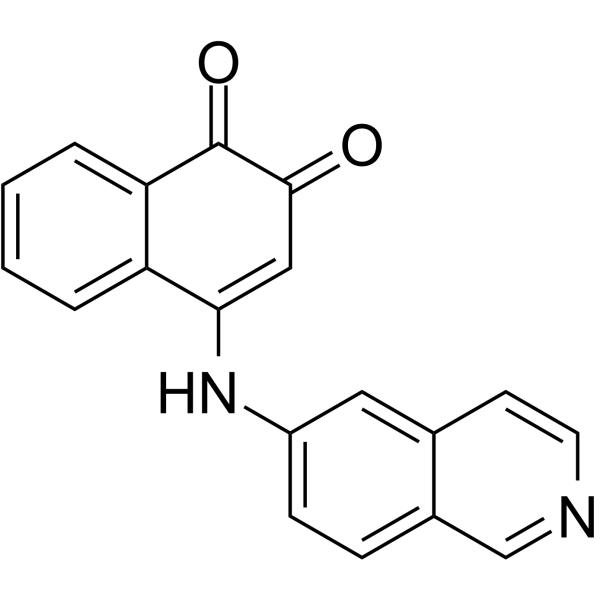 0 ImagesYZ129 is an inhibitor of the HSP90-calcineurin-NFAT pathway against glioblastoma, directly binding to heat shock protein 90 (HSP90) with an IC50 of 820 nM on NFAT nuclear translocation. YZ129-induced GBM cell-cycle arrest at the G2/M phase promotes apoptosis and inhibited tumor cell proliferation and migration.
-
XYD049
 0 ImagesXYD049 is a CRBN-based molecular glue degrader targeting GSPT1, with a DC50 of 19 nM. XYD049 mediates the formation of a ternary complex between CRBN and GSPT1, thereby triggering CRBN- and proteasome-dependent degradation of GSPT1. By degrading GSPT1, XYD049 downregulates castration-resistant prostate cancer (CRPC)-related oncogenes, including BCL2, CDK2, E2F3, EGFR, HSP90B1, TMPRSS2, AR, AR-V7, PSA and c-Myc. XYD049 inhibits cancer cell growth and suppresses tumor growth in mice. XYD049 can be used for research on castration-resistant prostate cancer. XYD049 consists of a linker (black part) NH2-C5-NH-Boc (HY-W004710), a CRBN-based E3 ligase ligand (blue part) Thalidomide 4-fluoride (HY-41547), and a target protein ligand (red part) GSPT1 ligand-1 (HY-170821), among which the E3 ligase ligand plus linker forms the conjugate E3 Ligase Ligand-linker Conjugate 158 (HY-170822).

-
Gamitrinib TPP
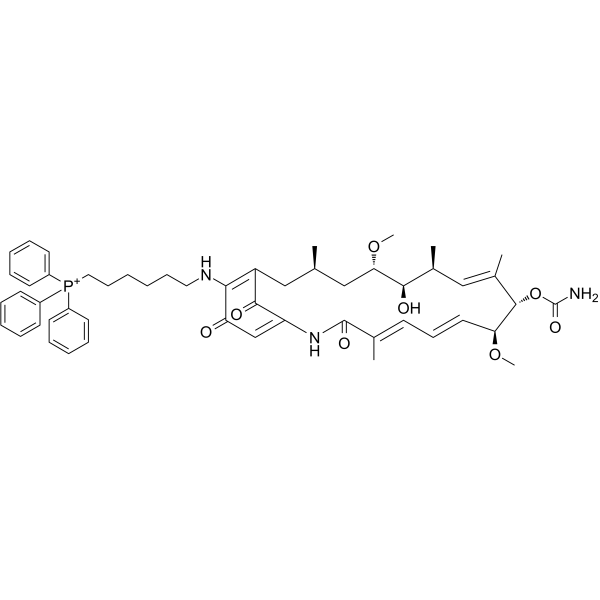 0 ImagesCat. No.: HY-102007CAS No.: 1131626-46-4Gamitrinib TPP is a Gamitrinib (GA) mitochondrial matrix inhibitor. Gamitrinib TPP is a mitochondrial targeted HSP90 inhibitor with anti-cancer activity.
-
DDO-6600
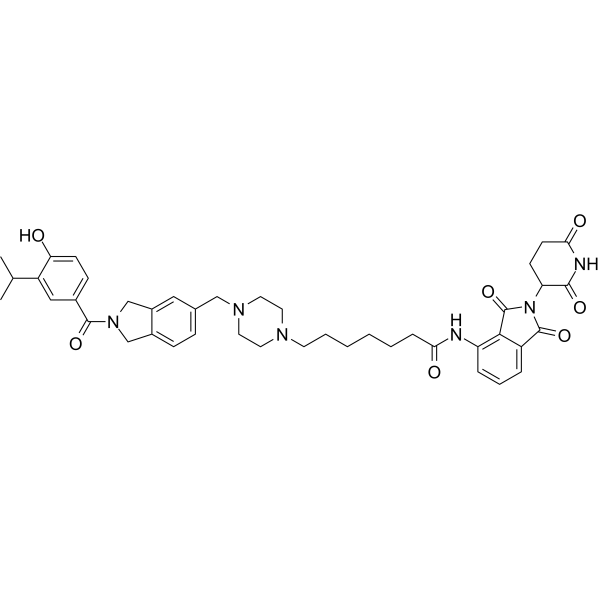
 0 ImagesDDO-6600 is a covalent Hsp90 inhibitor. DDO-6600 disrupts the interaction between Hsp90 and its co-chaperone protein Cdc37, thereby inducing the degradation of kinase client proteins (such as AKT, CDK4, c-Raf). DDO-6600 has inhibitory activity against various cancer cells. DDO-6600 inhibits the migration and invasion of HCT-116 cells, and induces cell cycle arrest and apoptosis. DDO-6600 significantly inhibits tumor growth in the HCT-116 xenograft tumor model. DDO-6600 can be used for research on colorectal cancer.
-
KU-177
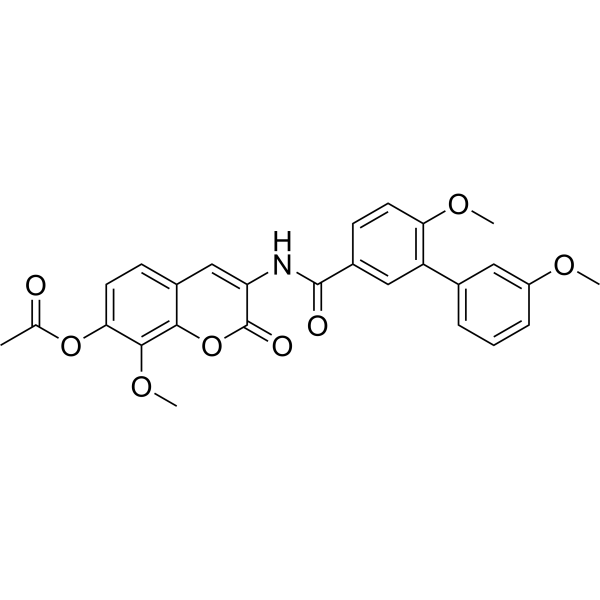 0 ImagesCat. No.: HY-151335CAS No.: 1160952-43-1
-
SNX-5422 mesylate
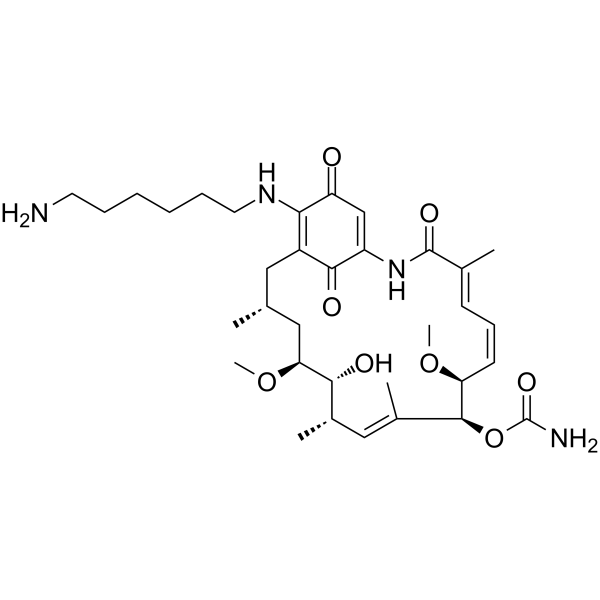
 0 ImagesCat. No.: HY-10213ACAS No.: 1173111-67-5Synonyms: PF-04929113 mesylateSNX-5422 Mesylate (PF-04929113 Mesylate), a prodrug of SNX-2112, is an orally active Hsp90 inhibitor, with a Kd of 41 nM, and also induces Her-2 degradation, with an IC50 of 37 nM.
-
CH5015765
 0 ImagesCH5015765 is an orally available Hsp90 inhibitor bound to the N-terminal ATP binding site, with a dissociation constant of 3.4 nM, CH5015765 exerts antiproliferative activity against human cancer cell lines, with IC50 values of 0.46 μM for HCT116 colorectal cancer cells and 0.57 μM for NCI-N87 gastric cancer cells. CH5015765 can be used for the study of cancer.
-
HSP90/mTOR-IN-1
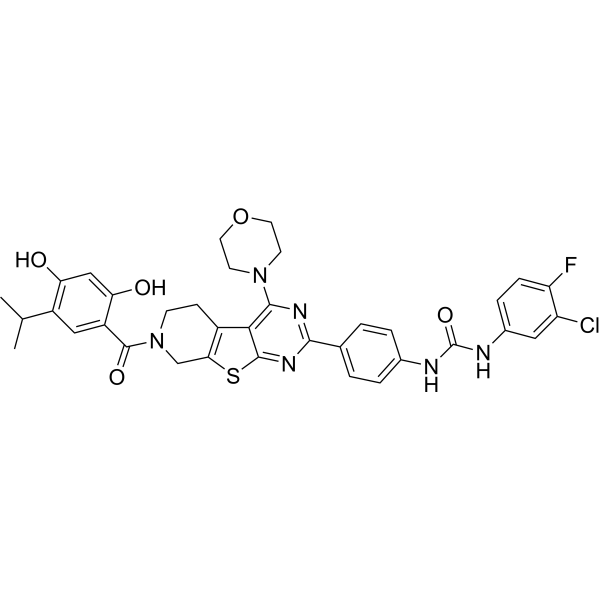 0 ImagesCat. No.: HY-151137CAS No.: 3033543-67-5HSP90/mTOR-IN-1 is a potent and orally active Hsp90 and mTOR inhibitor with IC50 values of 69 nM and 29 nM, respectively. HSP90/mTOR-IN-1 suppresses the proliferation of SW780 cells through the over-activation of the PI3K/AKT/mTOR pathway. HSP90/mTOR-IN-1 induces apoptosis and autophagy via selective Hsp90 and mTOR inhibition. HSP90/mTOR-IN-1 also has considerable in vivo anti-tumor activity. HSP90/mTOR-IN-1 can be used for researching bladder cancer.
-
Onalespib lactate
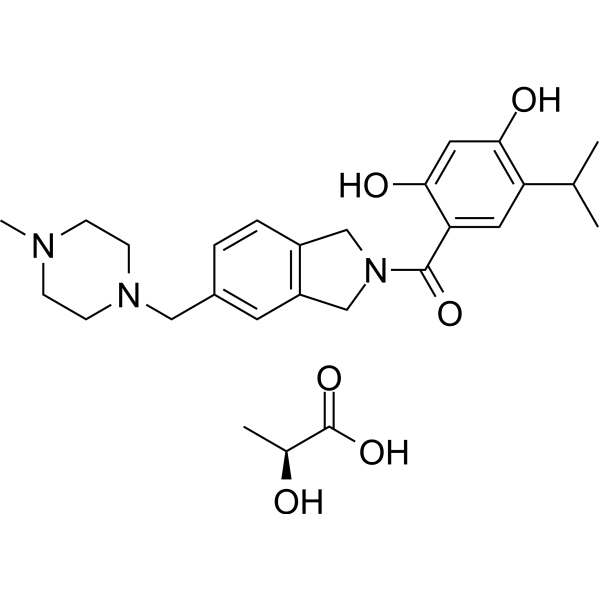 0 ImagesCat. No.: HY-113916CAS No.: 1019889-35-0Synonyms: AT13387 lactateOnalespib lactate is a potent and cross the blood-brain barrier heat-shock-protein-90 (Hsp90) inhibitor with an Kd value of 0.71 nM. Onalespib lactate inhibits the proliferation, survival and migration. Onalespib lactate decreases the expression of EGFR, p-EGFR, AKT, P-AKT, ERK1/2, P-ERK1/2, S6, P-S6 protein. Onalespib lactate shows antitumor activity. Onalespib lactate has the potential for the research of non-small cell lung cancer (NSCLC).
-
Cemdomespib
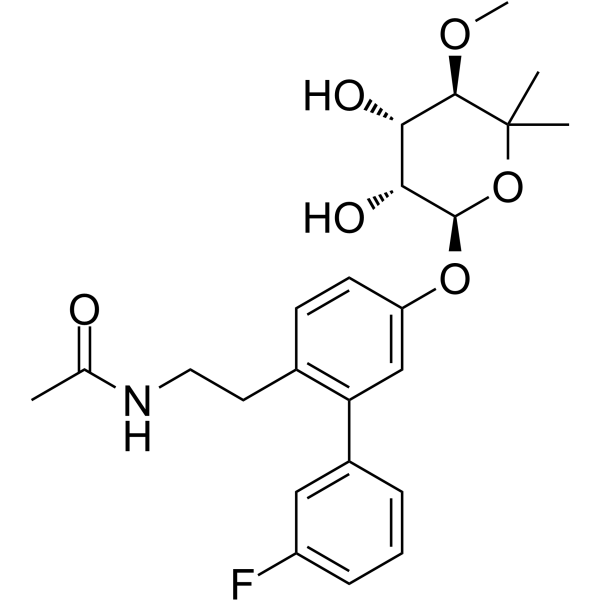 0 ImagesCat. No.: HY-145559CAS No.: 1450642-92-8Synonyms: KU-596Cemdomespib (KU-596) is a highly bioavailable second-generation Hsp90 modulator. Cemdomespib has shown efficacy in improving sensory deficits in models of diabetic peripheral neuropathy. Cemdomespib induces Hsp70 levels and manifest neuroprotective activity through induction of the heat shock response.
-
Shepherdin (79-87)
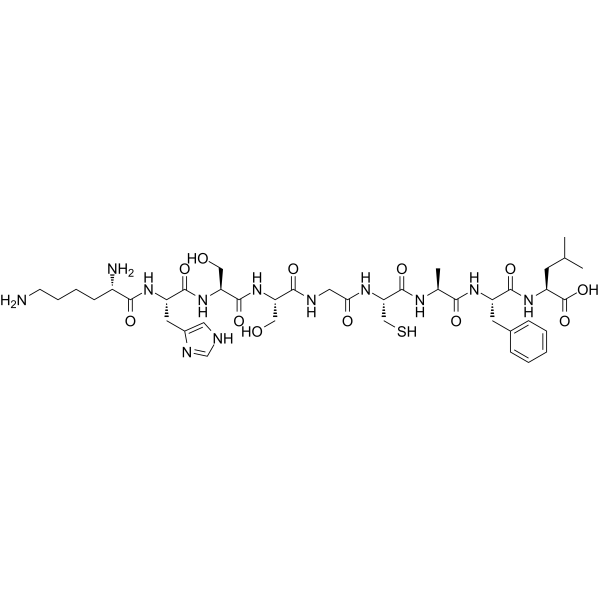 0 ImagesCat. No.: HY-P1750CAS No.: 861224-28-4Shepherdin (79-87) is amino acids 79 to 87 fragment of Shepherdin. Shepherdin is a peptidomimetic antagonist of the complex between Hsp90 and Survivin. Anticancer activity.
-
HSP90-IN-11
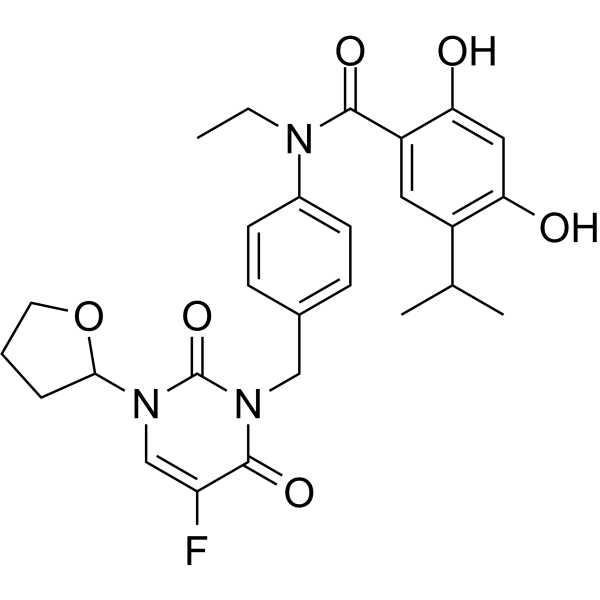 0 ImagesCat. No.: HY-146325CAS No.: 2986564-20-7HSP90-IN-11 is a HSP90 inhibitor with an IC50 of 27.8 nM. HSP90-IN-11 inhibits the activity of HSP90, which in turn induces rapid degradation of EGFR and Akt proteins in non-small cell lung cancer (NSCLC) cells. HSP90-IN-11 induces accumulation of the G1 subphase cell population in NSCLC cells, activates caspase-3, caspase-8, caspase-9 and PARP, thereby triggering apoptosis. HSP90-IN-11 exhibits antiproliferative activity in colorectal cancer and NSCLC cells. HSP90-IN-11 can be used for the research of colorectal cancer and non-small cell lung cancer.
-
PROTAC BRD4 Degrader-21
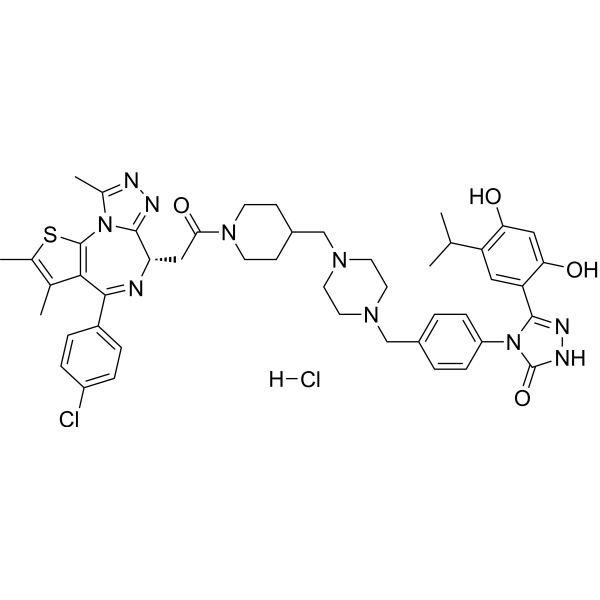 0 ImagesCat. No.: HY-156566CAS No.: 2503036-46-0PROTAC BRD4 Degrader-21 is a BRD4-targeting PROTAC degrader with an IC50 value of 59 nM. PROTAC BRD4 Degrader-21 induces ubiquitination of BRD4, leading to its degradation via the proteasome. PROTAC BRD4 Degrader-21 binds to recombinant HSP90α protein with moderate affinity, having an IC50 of 100-1000 nM. PROTAC BRD4 Degrader-21 induces cancer cell death. PROTAC BRD4 Degrader-21 inhibits tumor growth in xenograft mouse models. PROTAC BRD4 Degrader-21 can be used for the research of acute myeloid leukemia, diffuse large B-cell lymphoma.
-
HSP90-IN-35
 0 ImagesCat. No.: HY-170326CAS No.: 1207597-54-3Hsp90-in-35 is an inhibitor of Hsp90, with an IC50 between 0.05 and 0.5 μM. HSP90-IN-35 has antitumor activity. HSP90-IN-35 can be used to synthesize KRAS G12C degrader-1 (PROTAC) (HY-153881).
-
BX-2819
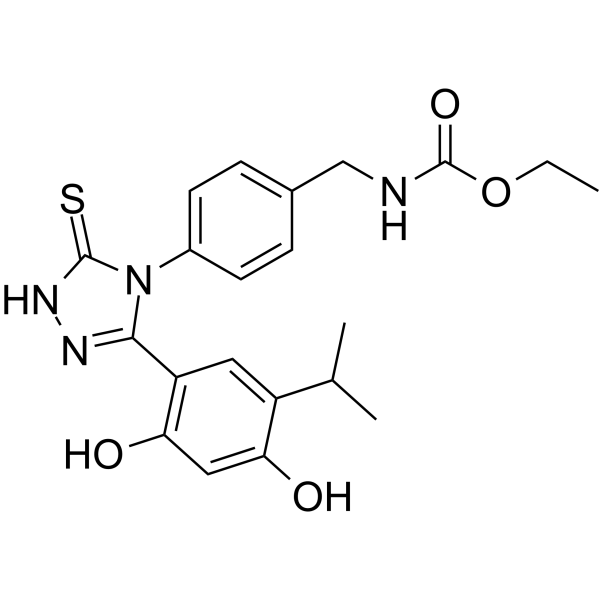 0 ImagesCat. No.: HY-157085CAS No.: 1184181-50-7
-
EZH2/HSP90-IN-29
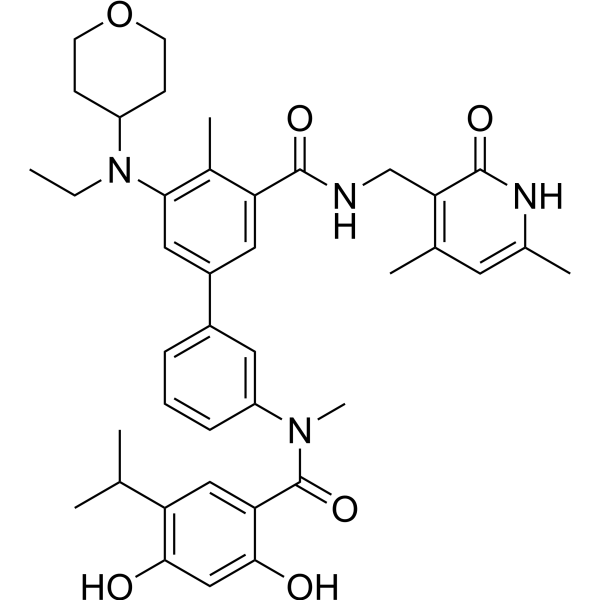 0 ImagesCat. No.: HY-163288CAS No.: 3033571-35-3EZH2/HSP90-IN-29 is a dual inhibitor for EZH2 and HSP90, with IC50s of 6.29 nM and 60.1 nM, for EZH2 and HSP90, respectively. EZH2/HSP90-IN-29 increases apoptosis/necrosis-related gene expression, induces cell cycle arrest at M phase and inhibits reactive oxygen species (ROS) catabolism pathway. EZH2/HSP90-IN-29 is able to cross the blood-brain-barrier (BBB).




