



VD/VDR
Vitamin D; Vitamin D receptor
Vitamin D is a secosteroidalprohormone, it can be synthesized at sufficient levels in skin, given adequate skin exposure to UV B radiation from sunlight. Vitamin D modulates its biological effects by directly regulating target gene expression through the Vitamin D receptor (VDR), a ligand-regulated transcription factor and a member of the nuclear receptor superfamily. Whether synthesized in the skin or ingested, vitamin D requires two hydroxylation steps to become the biologically active hormone, 1,25-dyhydroxyvitamin D3 [1,25(OH)2D3], a form that signals through the VDR. The hormone-bound VDR modulates target gene transcription in response to vitamin D. VDR acts as a master transcriptional regulator of autophagy. Activation of the VDR by vitamin D induces autophagy and an autophagic transcriptional signature in breast cancer (BC) cells.
There are 2 forms of vitamin D. Vitamin D2 (ergocalciferol) comes from irradiation of the yeast and plant sterol ergosterol, and vitamin D3 (cholecalciferol) is found in oily fish and cod liver oil and is made in the skin. Vitamin D represents vitamin D2 and vitamin D3.
Topical agents containing active vitamin D3 (calcitriol, 1α, 25- dihydroxyvitaminD3, VD3) analogues such as Tacalcitol, Calcipotriol and Maxacalcitol are widely used for psoriasis therapy.
All Product Categories
-
VD/VDR Inhibitors
(5)
View all products
-
VD/VDR Agonists
(22)
View all products
-
VD/VDR Antagonists
(15)
View all products
-
VD/VDR Activators
(59)
View all products
-
VD/VDR Modulators
(8)
View all products
-
VD/VDR Chemicals
(3)
View all products
-
VD/VDR Controls
(2)
View all products
-
VD/VDR Ligands
(7)
View all products
-
VD/VDR Related Products (164)
Related Products (164)

-
Antibodies (3)
-
Maxacalcitol-d6
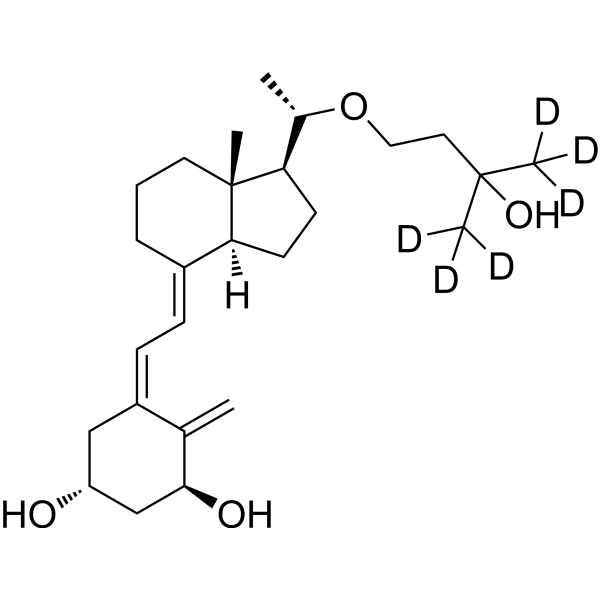 0 ImagesCat. No.: HY-15329CAS No.: 2070009-38-8Maxacalcitol-d66 is the deuterated form of Maxacalcitol (22-Oxacalcitriol), which is a non-calcemic vitamin D3 analog and VDR ligand of VDR-like receptors.
-
Dihydrotachysterol
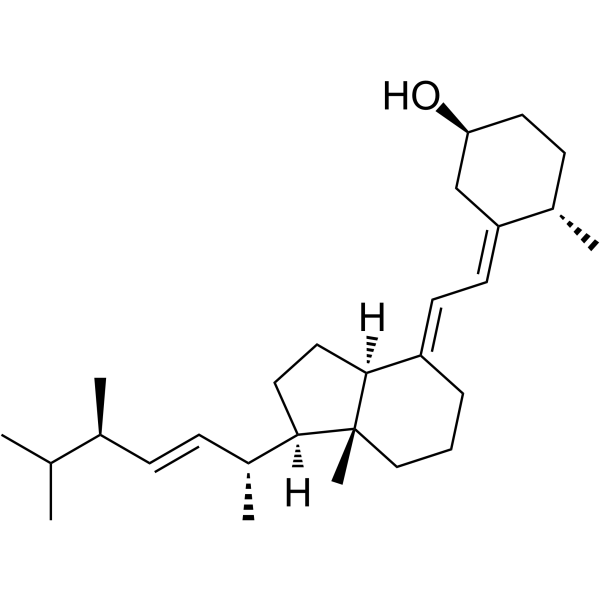 0 ImagesDihydrotachysterol is a synthetic analog of vitamin D. Dihydrotachysterol can be used to for the research of hypocalcemia (lack of calcium in the blood) and hypoparathyroidism (lack of parathyroid hormone in the body) .
-
24R-Calcipotriol
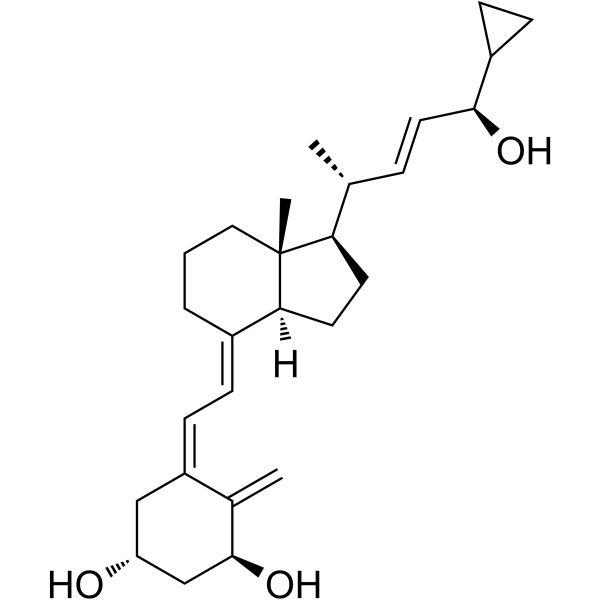 0 ImagesCat. No.: HY-15266CAS No.: 112827-99-3Synonyms: PRI 2202; Impurity D of Calcipotriol24R-Calcipotriol (PRI 2202; Impurity D of Calcipotriol), an isomer of Calcipotriol (HY-10001), is a synthetic vitamin D analog. 24R-Calcipotriol exhibits synergistic antiproliferative effects with low-dose cytostatics in in vitro. 24R-Calcipotriol produces tumor growth inhibition when combined with Cyclophosphamide (HY-17420) and Cisplatin (HY-17394) in mice models. 24R-Calcipotriol can increase serum calcium levels and reduce blood leukocyte counts. 24R-Calcipotriol can be used for the research of mammary cancer and Lewis lung cancer.
-
Falecalcitriol
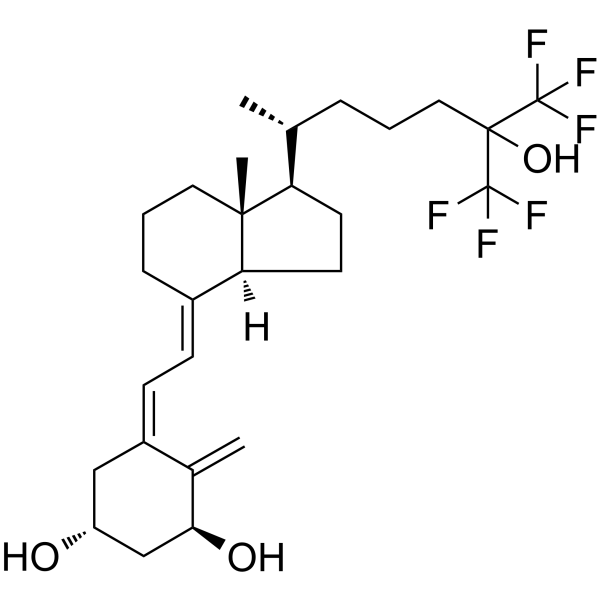 0 ImagesFalecalcitriol(Fulstan; Hornel) is an analog of calcitriol; has a higher potency both in vivo and in vitro systems, and longer duration of action in vivo.
-
Paricalcitol-d6
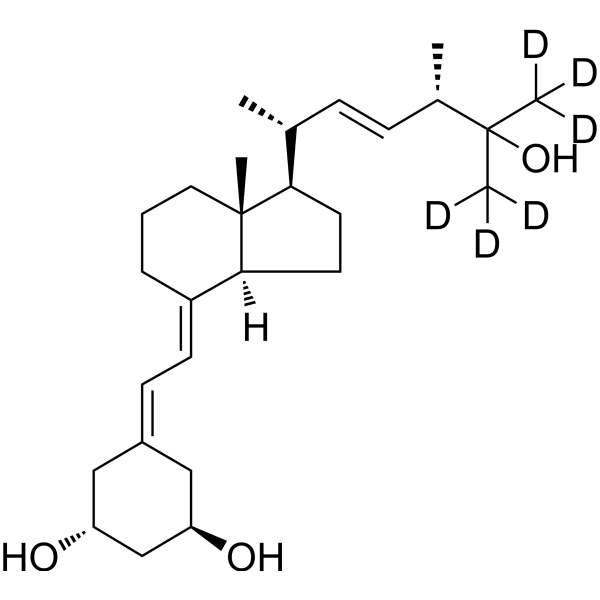 0 ImagesParicalcitol-d6 is the deuterium labeled Paricalcitol. Paricalcitol is a agent used for the prevention and treatment of secondary hyperparathyroidism (excessive secretion of parathyroid hormone) associated with chronic renal failure.
-
Calcifediol-d3
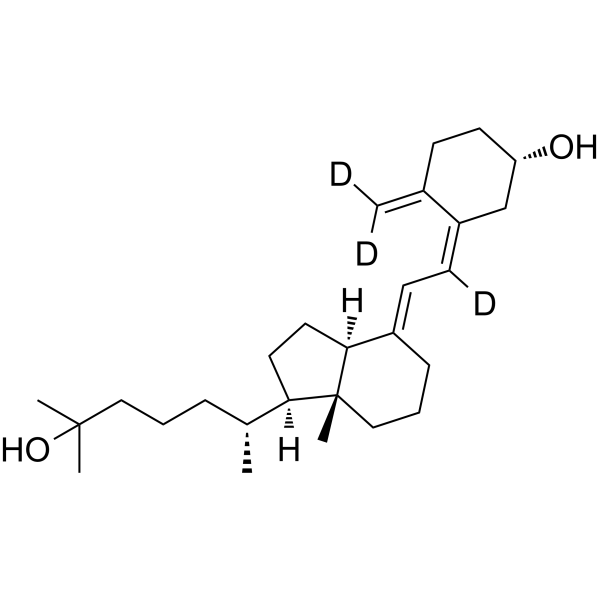 0 ImagesSynonyms: 25-Hydroxy Vitamin D3-d3Calcifediol-d3 is a deuterium labeled Calcifediol. Calcifediol, is an effective VDR ligand and VD supplement. Calcifediol is a prohormone of the vitamin D endocrine system (VDES) and is hydroxylated in the liver to produce the active form, calcitriol. Calcifediol can rapidly increase serum VD levels.
-
Lexacalcitol
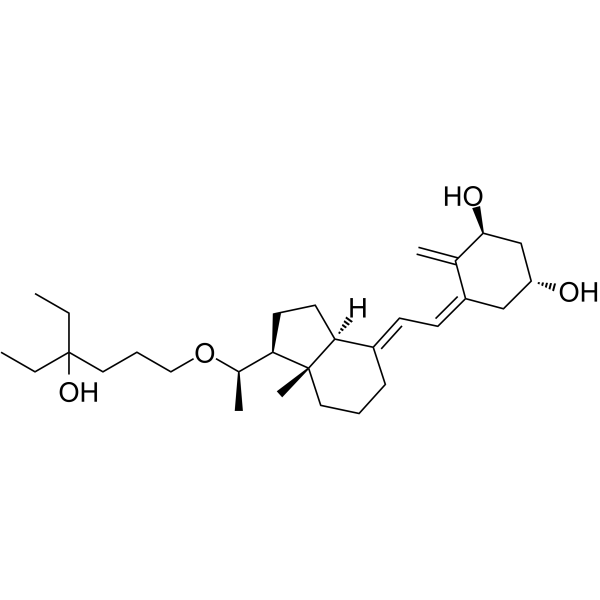 0 ImagesCat. No.: HY-32340CAS No.: 131875-08-6Synonyms: KH1060
-
L-Galactose
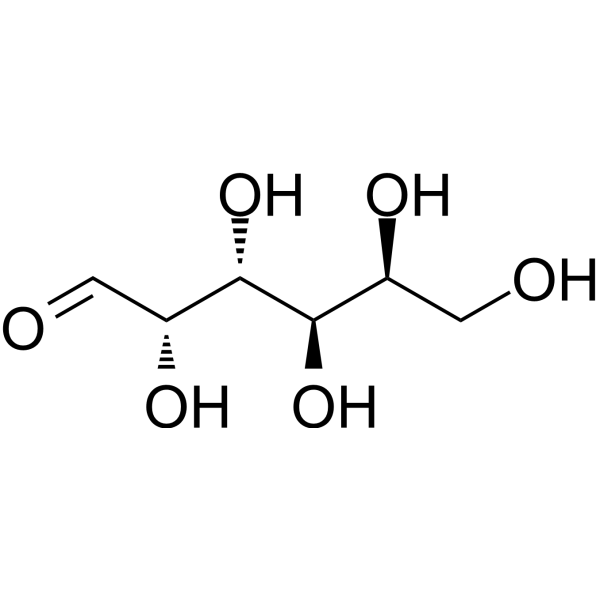 0 ImagesL-Galactose is a key intermediate in the de novo synthesis of vitamin C (L-ascorbic acid) in plants. It is converted into L-ascorbic acid by participating in the VTC2 cycle and enzymatic steps, exerting antioxidant activities, maintaining cell structure, and participating in the carbon flow distribution of photosynthesis. L-Galactose can be used to study the analysis of the synthesis pathway of vitamin C in plant physiology.
-
Eldecalcitol-d6
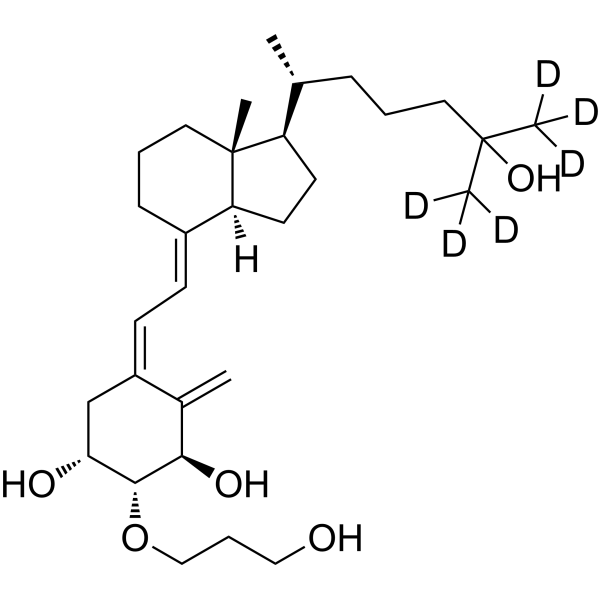 0 ImagesEldecalcitol-d6 is the deuterium labeled Eldecalcitol. Eldecalcitol is an orally active analogue of active vitamin D used in the treatment of osteoporosis.
-
Vitamin D2-d3
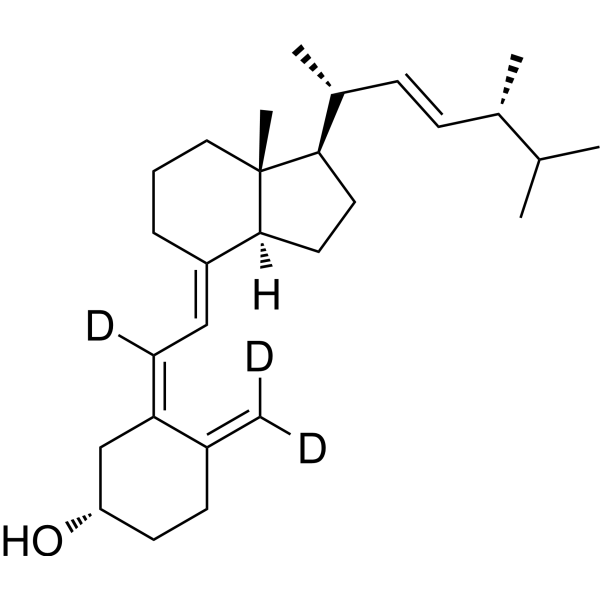 0 ImagesSynonyms: Ergocalciferol-d3; Calciferol-d3; VD2-d3Vitamin D2-d3 (Ergocalciferol-d3) is the deuterium labeled vitamin D2 (HY-76542), where the C-6 and C-19 protons are replaced by deuterium. Vitamin D2 (Ergocalciferol), drived from plant sources or dietary supplements, could be used as supplement of Vitamin D.
-
25,26-Dihydroxyvitamin D3
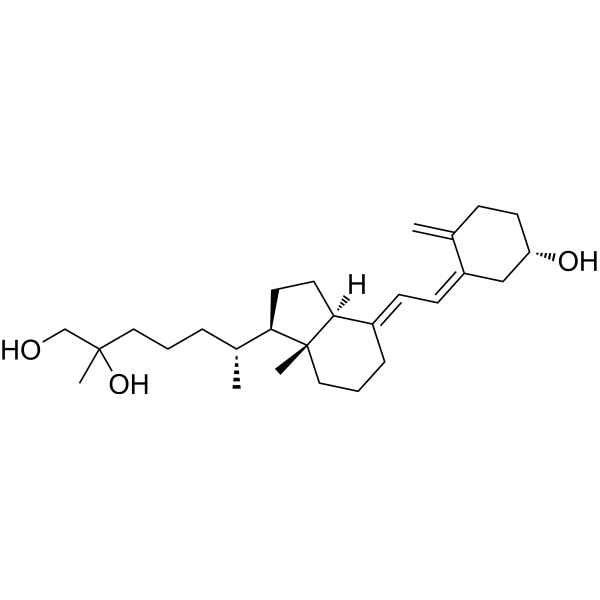 0 ImagesCat. No.: HY-15830CAS No.: 29261-12-9Synonyms: 25,26-Dihydroxycholecalciferol25,26-Dihydroxyvitamin D3 (25,26-Dihydroxycholecalciferol) is a dihydroxylated derivative and metabolite of Vitamin D3 (HY-15398). 25,26-Dihydroxyvitamin D3 moderately increases serum calcium levels when the initial serum calcium level is low. 25,26-Dihydroxyvitamin D3 promotes intestinal calcium absorption in vitamin D-deficient rats fed a low-calcium diet. 25,26-Dihydroxyvitamin D3 is applicable to research related to osteomalacia.
-
Δ4-Dafachronic acid
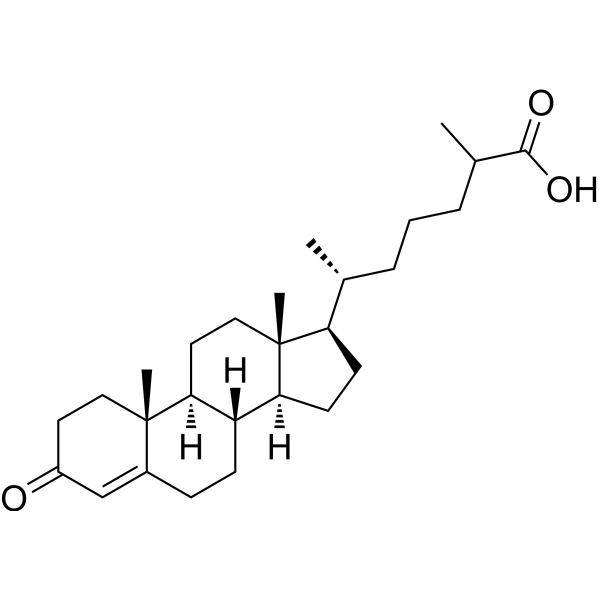 0 ImagesCat. No.: HY-131492CAS No.: 23017-97-2Δ4‑Dafachronic acid is an endogenous steroid hormone, an agonist of the DAF‑12 nuclear receptor, and a key ligand for the vitamin D receptor (VDR). Δ4‑Dafachronic acid promotes the active escape developmental trajectory in Austrofundulus limnaeus embryos even under diapause‑inducing conditions. Δ4‑Dafachronic acid is suitable for research on the developmental biology.
-
24, 25-Dihydroxy VD3
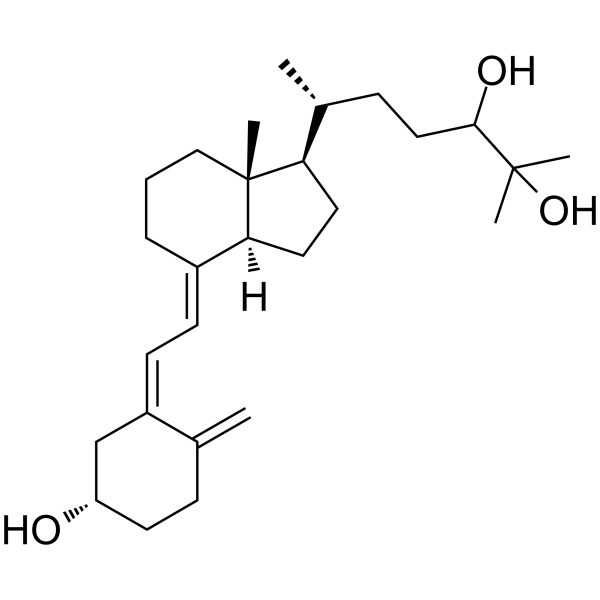 0 Images24, 25-Dihydroxy VD3 is a compound closely related to 1,25-dihydroxyvitamin D3 and is the active form of vitamin D3.
-
25-Hydroxy VD2-d6
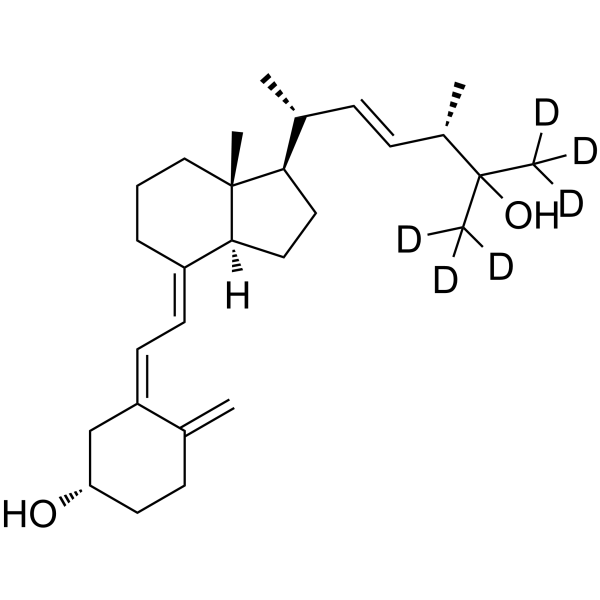 0 Images25-Hydroxy VD2-d6 is the deuterium labeled 25-Hydroxy VD2.
-
Calcitroic acid
 0 ImagesCat. No.: HY-N10508CAS No.: 71204-89-2Calcitroic acid is a water-soluble terminal vitamin D metabolite and also a ligand for vitamin D receptor (VDR). Calcitroic acid binds to the ligand-binding domain of VDR, forms a retinoic X receptor complex, recruits the coactivator peptide MED1, mediates partial VDR-dependent transcription, inhibits Calcitriol (HY-10002)-induced VDR activation, and reduces the transcription level of CYP24A1 in the presence of 1α,25-dihydroxyvitamin D3. Calcitroic acid exerts selective activating effects on VDR, upregulates the expression of CYP24A1 and CYP3A4, decreases the transcription levels of iNOS and IL-1β, reduces the secretion of nitric oxide and IL-1β, and possesses metabolic stability due to its resistance to phase I oxidation and hepatic glucuronidation. Calcitroic acid can be used in research related to colon cancer, inflammatory bowel disease and rickets.
-
1alpha-Hydroxy VD4
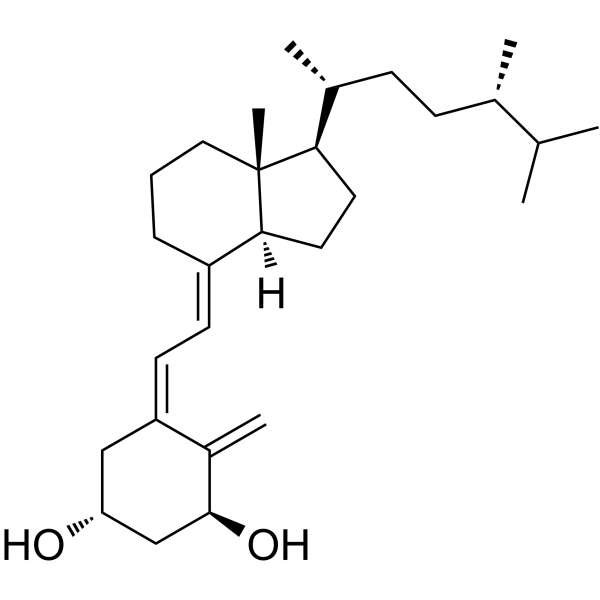 0 ImagesSynonyms: 1α-Hydroxy vitamin D41alpha-Hydroxy VD4, a 1alpha(OH)D derivative, can effectively induce the differentiation of monoblastic leukaemia U937, P39/TSU and P31/FUJ cells.
-
Triciferol
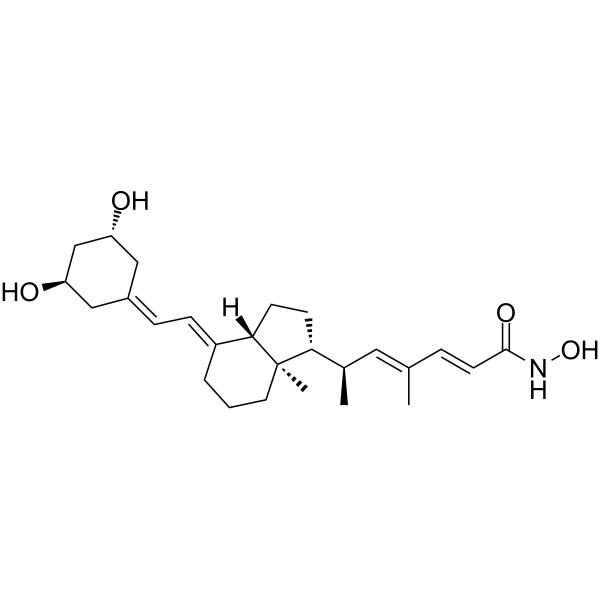 0 ImagesTriciferol functions as a multiple ligand with combined VDR agonist and HDAC antagonist activities. Triciferol binds directly to the VDR (IC50=87 nM), and functions as an agonist with 1,25D-like potency on several 1,25D target genes. Triciferol induces marked tubulin hyperacetylation, and augments histone acetylation. Antiproliferative and cytotoxic activities.
-
Impurity F of Calcipotriol
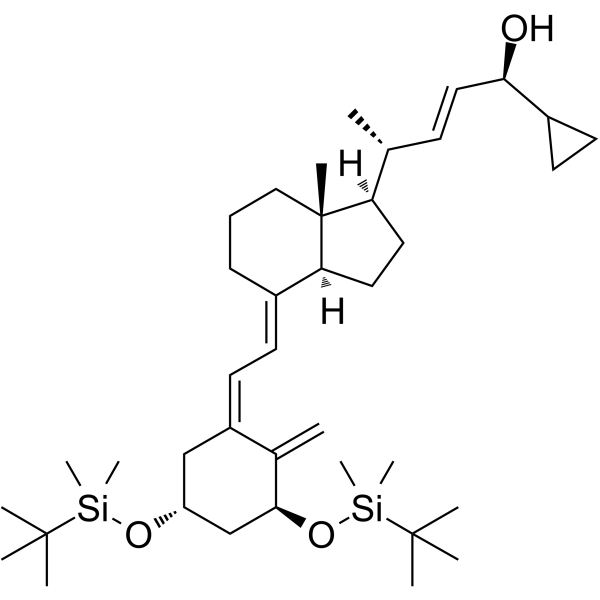 0 ImagesCat. No.: HY-15265CAS No.: 112875-61-3Impurity F of Calcipotriol is a Vitamin D analog and an impurity of Calcipotriene (HY-10001).




