



Wnt
The Wnt signaling pathways are a group of signal transduction pathways made of proteins that pass signals from outside of a cell through cell surface receptors to the inside of the cell. Three Wnt signaling pathways have been characterized: the canonical Wnt pathway, the noncanonical planar cell polarity pathway, and the noncanonical Wnt/calcium pathway. All three Wnt signaling pathways are activated by the binding of a Wnt-protein ligand to a Frizzled family receptor, which passes the biological signal to the protein Dishevelled inside the cell. The canonical Wnt pathway leads to regulation of gene transcription, the noncanonical planar cell polarity pathway regulates the cytoskeleton that is responsible for the shape of the cell, and the noncanonical Wnt/calcium pathway regulates calcium inside the cell. The clinical importance of Wnt signaling pathway has been demonstrated by mutations that lead to a variety of diseases, including breast and prostate cancer, glioblastoma, type II diabetes.
Wnt Isoform Specific Products
All Product Categories
-
Wnt Related Products (460)
Related Products (460)

-
Antibodies (26)
-
Wnt Isoform Comparison
-
Salinomycin sodium salt
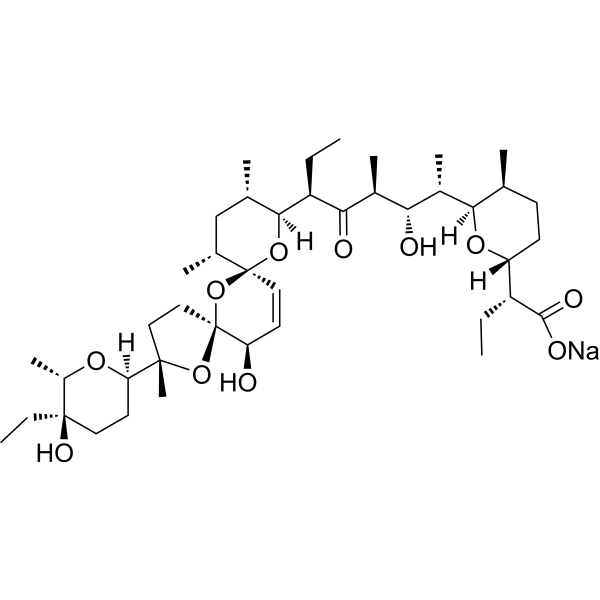 0 ImagesSynonyms: Salinomycin sodium; Sodium salinomycinSalinomycin sodium salt (Salinomycin sodium), an antibiotic potassium ionophore, is a potent inhibitor of Wnt/β-catenin signaling. Salinomycin sodium salt acts on the Wnt/Fzd/LRP complex, blocks Wnt-induced LRP6 phosphorylation, and causes degradation of the LRP6 protein. Salinomycin sodium salt shows selective activity against human cancer stem cells.
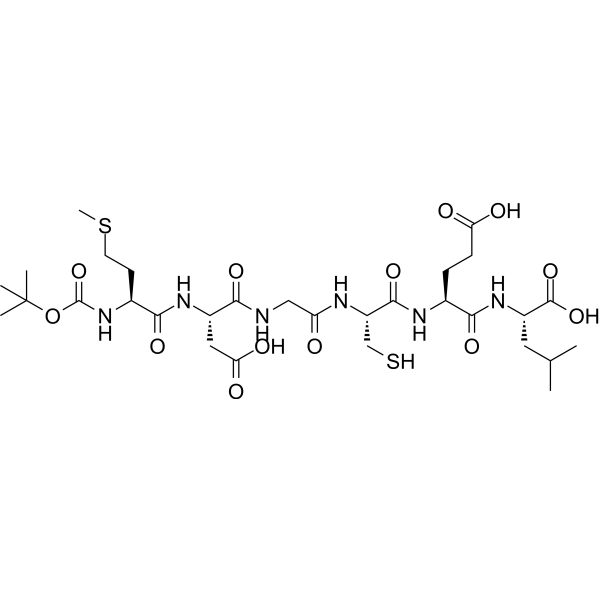
-
Salinomycin
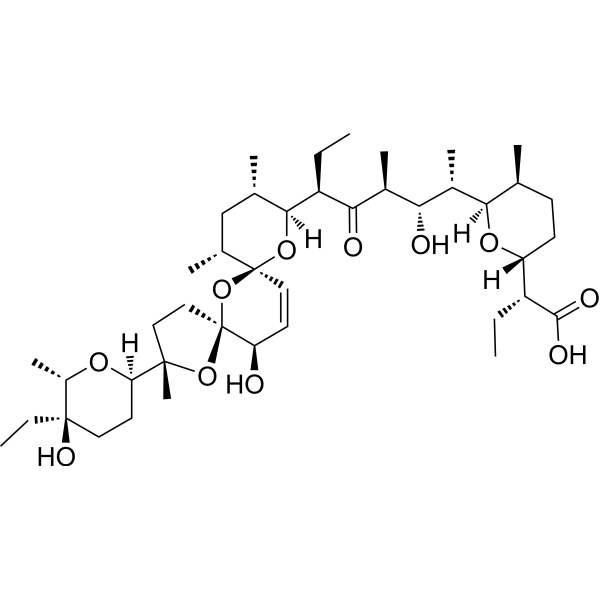 0 ImagesSynonyms: ProcoxacinSalinomycin (Procoxacin), a polyether potassium ionophore antibiotic, selectively inhibits the growth of gram-positive bacteria. Salinomycin is a potent inhibitor of Wnt/β-catenin signaling, blocks Wnt-induced LRP6 phosphorylation. Salinomycin shows selective activity against human cancer stem cells.
-
Laduviglusib (GMP)
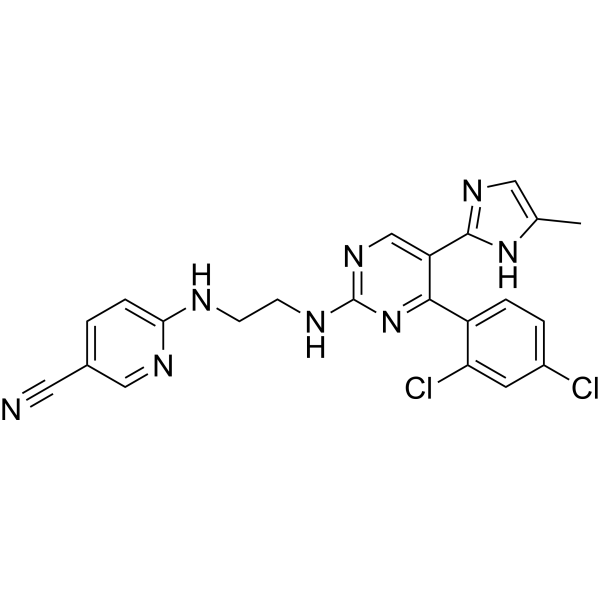 0 ImagesCat. No.: HY-10182GCAS No.: 252917-06-9Synonyms: CHIR-99021 (GMP); CT99021 (GMP)Laduviglusib (CHIR-99021) (GMP) is Laduviglusib (HY-10182) produced by using GMP guidelines. GMP small molecules works appropriately as an auxiliary reagent for cell therapy manufacture. Laduviglusib is a potent, orally active and selective GSK-3α/β inhibitor.
-
Foscenvivint
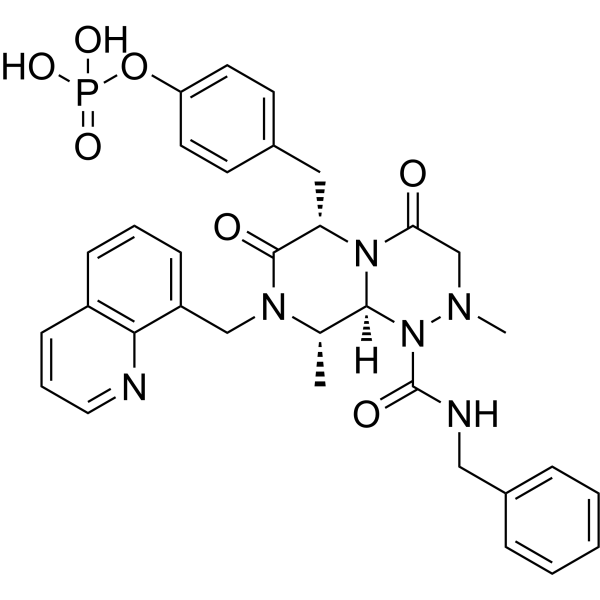 0 ImagesSynonyms: PRI-724PRI-724 is a selective inhibitor of the CBP/β-catenin interaction.
-
Zilovertamab
 0 ImagesSynonyms: UC-961; Cirmtuzumab
-
Foxy-5
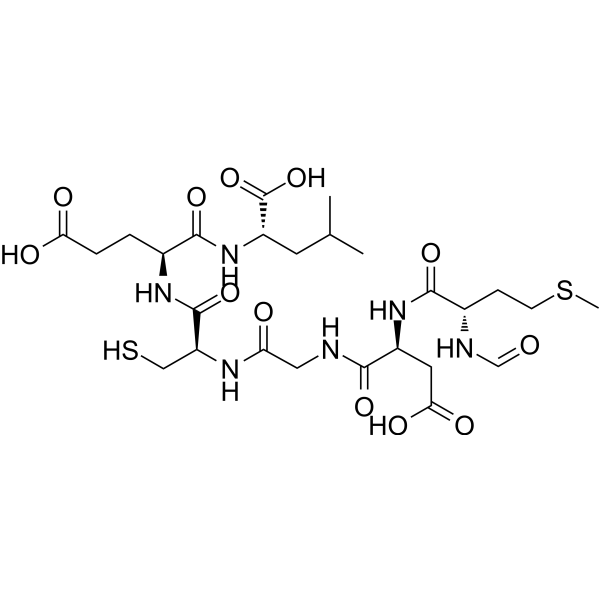 0 ImagesFoxy-5, a WNT5A agonist, is a mimicking peptide of WNT5A which is a non-canonical member of the Wnt family. Foxy-5 triggers cytosolic free calcium signaling without affecting β-catenin activation and it impairs the migration and invasion of epithelial cancer cells. Foxy-5 effectively reduces the metastatic spread of WNT5A-low prostate cancer cells in an orthotopic mouse model.
-
Neohesperidin
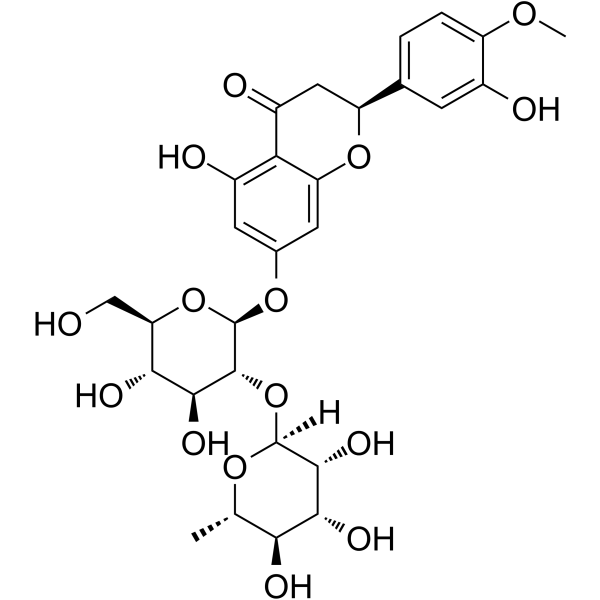 0 ImagesSynonyms: Hesperetin 7-O-neohesperidoside
-
Triptonide
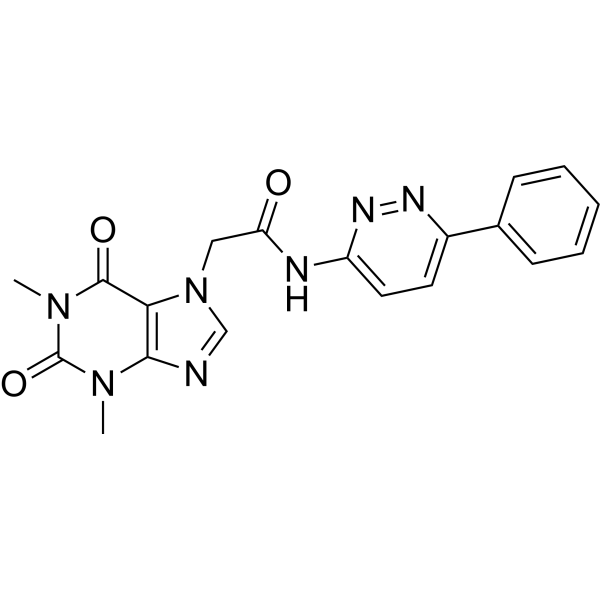
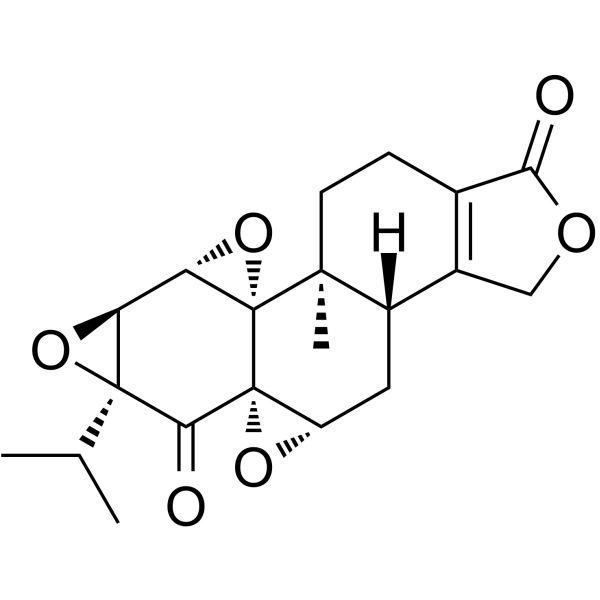 0 ImagesSynonyms: NSC 165677; PG 492Triptonide (NSC 165677) is a natural product identified in Tripterygium wilfordii Hook F.. Triptonide is a Wnt signaling inhibitor with an IC50 of appropriately 0.3 nM. Triptonide has immunosuppression, anti-inflammatory, anti-fertility, neuroprotective and anti-lymphoma effects.
-
xStAx-VHLL
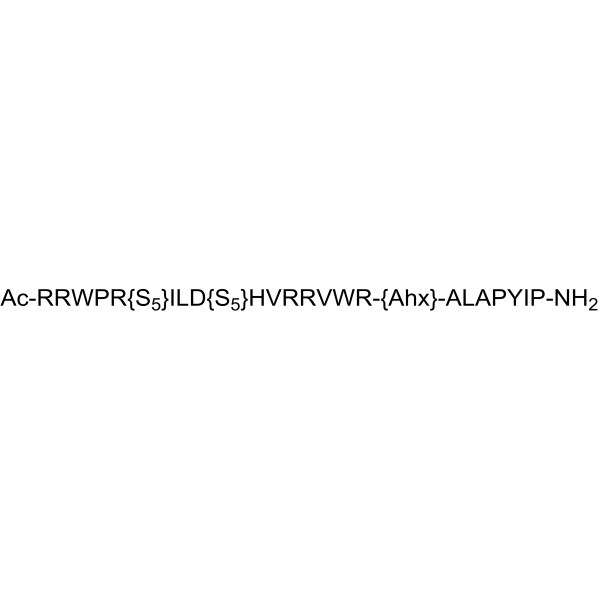 0 ImagesCat. No.: HY-P5819Purity: 99.95%xStAx-VHLL is a β-catenin PROTAC degrader that promotes ubiquitination and proteasome degradation of β-catenin. xStAx-VHLL inhibits the Wnt/β-catenin signaling pathway. xStAx-VHLL can inhibit the proliferation of colon cancer cells and has anti-tumor activity.
-
Vantictumab
 0 ImagesSynonyms: OMP-18R5Vantictumab (OMP-18R5) is a fully human IgG2 monoclonal antibody. Vantictumab inhibits Wnt pathway signaling by binding to FZD1/2/5/7/8 receptors. Vantictumab can be studied against cancers through direct actions on tumor cells, including CSCs, and effects on the stroma, such as metastatic HER2-negative breast cancer and metastatic pancreatic adenocarcinoma.




