



Mitosis
Cellular mitosis is a highly regulated and complex process involving the synergistic action of multiple proteins and molecular mechanisms. The process of mitosis is usually related to tubulin, and mitotic inhibitors can disrupt the polymerization and depolymerization of tubulin, so that chromosomes cannot be properly separated, leading to apoptosis.
All Product Categories
-
Mitosis Related Products (126)
Related Products (126)

-
GF 15
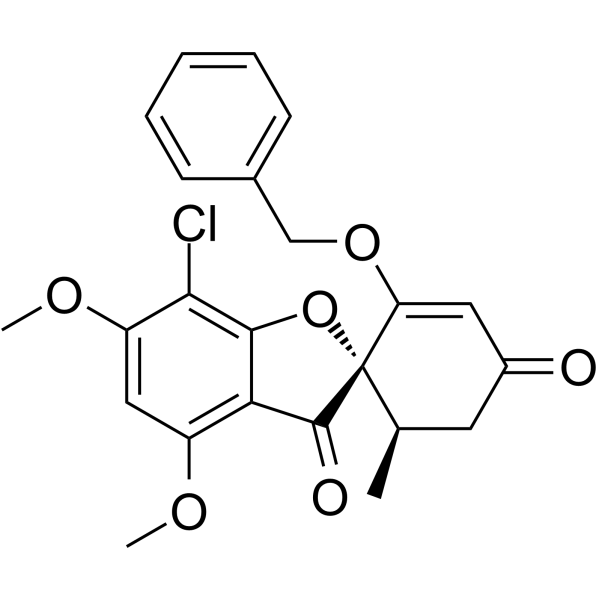 0 ImagesCat. No.: HY-12797CAS No.: 888042-13-5GF 15 is an inhibitor of centrosomal clustering during cell mitosis, with an EC50 value of 900 nM for inducing multipolar spindles. GF 15 is a derivative of griseofulvin that inhibits tubulin polymerization at concentrations above 25 μM. GF 15 inhibits tumor growth and significantly prolongs survival in mouse xenograft models of human colon cancer and multiple myeloma.
-
Phytolacca americana Lectin
 0 ImagesCat. No.: HY-NP187Synonyms: PWMPhytolacca americana Lectin (PWM) is an acidic monomeric glycoprotein specific to N-acetylglucosamine and a B cell-specific stimulator. Phytolacca americana Lectin acts as a mitogen to induce cell mitosis. Phytolacca americana Lectin sensitizes B cells to Toll-like receptor stimulation, enabling their activation by immunostimulatory DNA. When used in combination with copurified microbial Toll-like receptor ligands, Phytolacca americana Lectin triggers B cell proliferation and immunoglobulin secretion.
-
KSP-IA
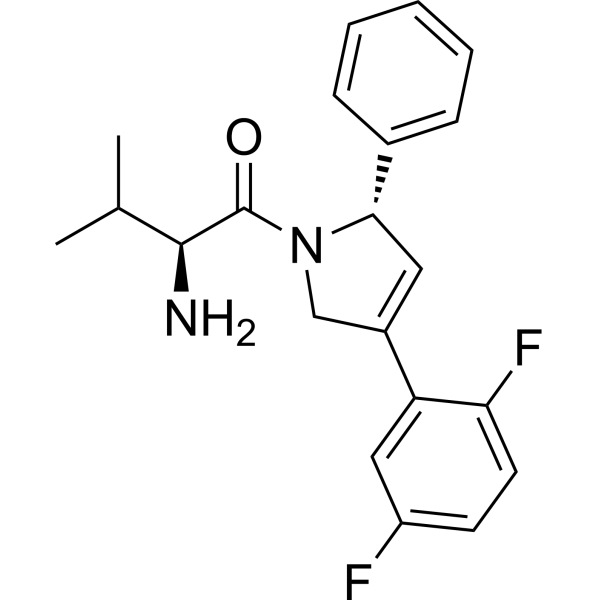 0 ImagesCat. No.: HY-124790CAS No.: 639074-49-0
-
NMK-TD-100
 0 ImagesCat. No.: HY-120490CAS No.: 1252802-38-2NMK-TD-100 is a modulator for microtubule. NMK-TD-100 binds to tubulin, inhibits the tubulin polymerization with an IC50 of 17.5 µM, inhibits mitosis, and decreases mitochondrial membrane potential (MMP). NMK-TD-100 inhibits the proliferation of HeLa with an IC50 of 1.42 µM, arrests cell cycle at G2/M phase, induces apoptosis in HeLa.
-
Chlorpropham (Standard)
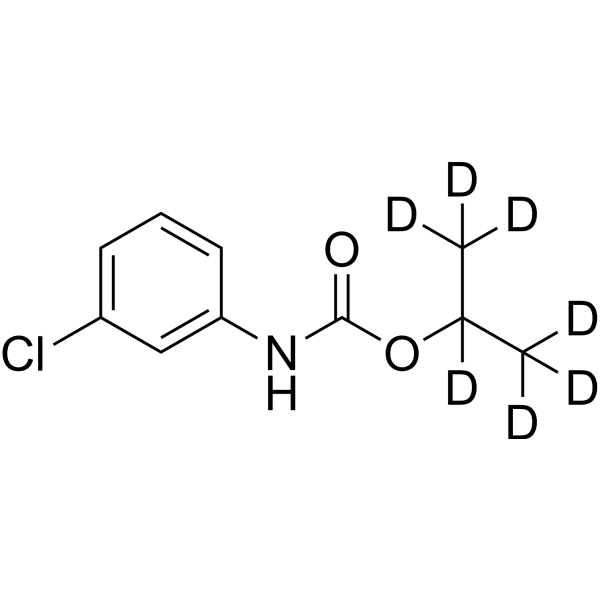
 0 ImagesCat. No.: HY-W014240RCAS No.: 101-21-3Chlorpropham (Standard) is the analytical standard of Chlorpropham. This product is intended for research and analytical applications. Chlorpropham is a carbamate herbicide and plant growth regulator. Chlorpropham inhibits mitosis and cell division by interfering with the organisation of the spindle microtubules.
-
SKLB-C05
 0 ImagesCat. No.: HY-122860CAS No.: 2300981-68-2SKLB-C05 is a novel selective, orally active TOPK inhibitor, with an IC50 of 0.5 nM. SKLB-C05 selectively inhibit TOPK kinase. SKLB-C05 induces Apoptosis, downregulates c-Myc, γ-H2AX, activates p53, blocks FAK/Src medicated migration-related signaling. SKLB-C05 disturbs cell mitosis. SKLB-C05 shows anticancer activity only against TOPK-positive colorectal cancer.
-
CENP-E-IN-1
 0 ImagesCat. No.: HY-125106CAS No.: 1446399-26-3CENP-E-IN-1 is a CENP-E inhibitor. CENP-E-IN-1 acts as a Mitotic arrest inducer and Apoptosis inducer, which causes abnormal alignment of chromosomes on the metaphase plate, activates the spindle assembly checkpoint and triggers apoptosis. CENP-E-IN-1 exhibits anti-tumor activity in colorectal adenocarcinoma xenograft models. CENP-E-IN-1 can be used in cancer-related research.
-
Tubulin polymerization-IN-46
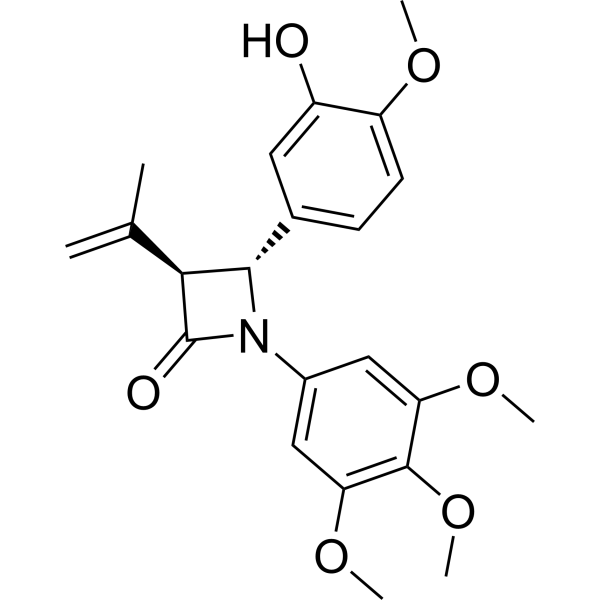 0 ImagesCat. No.: HY-155841Tubulin polymerization-IN-46 (compound 9q) is a microtubule/Tubulin inhibitor that inhibits tubulin polymerization and induces apoptosis. Tubulin polymerization-IN-46 inhibits mitosis and arrests MCF-7 cells in the G2/M phase. Tubulin polymerization-IN-46 has anti-proliferative activity against MCF-7 breast cancer cells with an IC50 of 10 nM.
-
P34cdc2 Kinase Fragment
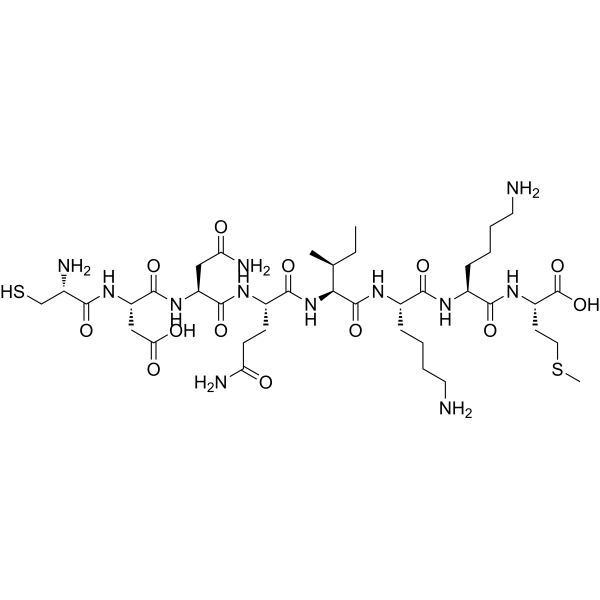 0 ImagesCat. No.: HY-P3894CAS No.: 309247-52-7P34cdc2 Kinase Fragment is associated with the completion of DNA replication in yeast mitosis. P34cdc2 Kinase can phosphorylate mitogen-activated protein 2 (MAP2) to regulate microtubules polymerization in Xenopus oocytes meiosis.
-
14,15-EET-SI
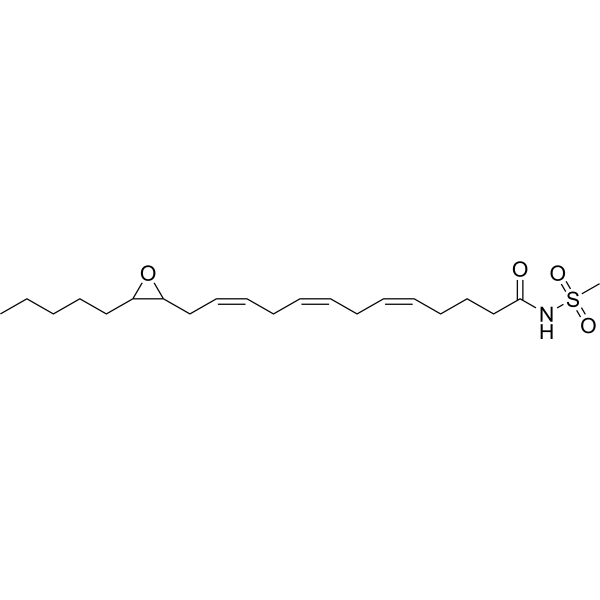 0 ImagesCat. No.: HY-131721CAS No.: 218461-97-314,15-EET-SI is a sulfonimide (SI) analog metabolized from 14,15-EET, which is also an effective mitogen. 14,15-EET-SI can stimulate the incorporation of [3H] thymidine, activate pp60c-src and initiate the tyrosine kinase cascade, mediating their mitotic effects. Additionally, 14,15-EET-SI can increase cell proliferation as well as the expression of c-fos and egr-1 mRNA.
-
Synstab A
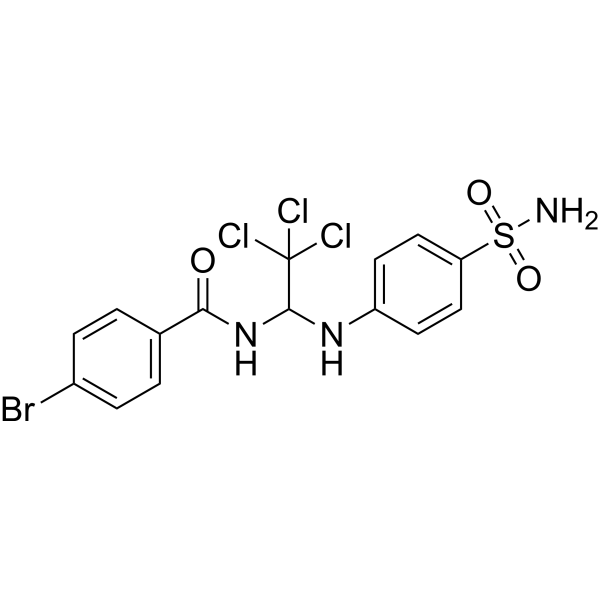 0 ImagesCat. No.: HY-116915CAS No.: 257612-36-5Synstab A is a mitosis modulator to promote interactions between α- and β-tubulin. Synstab A can polymerizes microtubules from purified tubulin, and produces microtubule bundles in interphase cells.
-
AurkA allosteric-IN-1
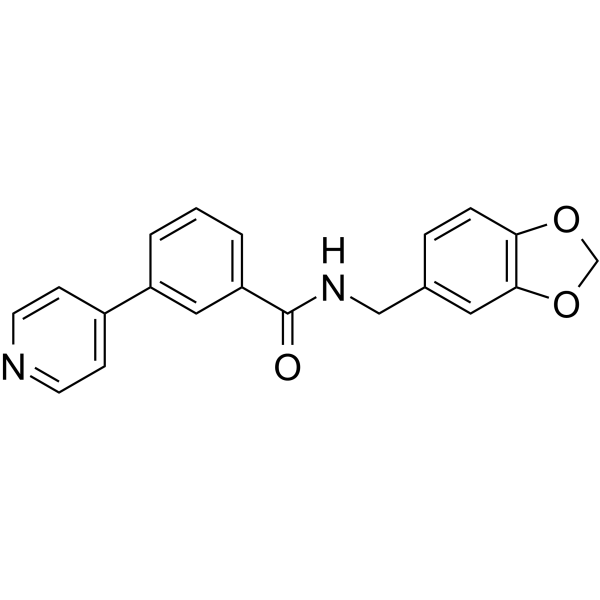 0 ImagesCat. No.: HY-158038CAS No.: 3035323-39-5AurkA allosteric-IN-1 (compound 6h) is an Aurora A (AurkA) inhibitor (IC50: 6.50 μM) that inhibits the catalytic activity and non-catalytic functions of Aurora A. Aurora A regulates the assembly of the bipolar mitotic spindle and the fidelity of chromosome segregation during mitosis and has non-catalytic functions. AurkA allosteric-IN-1 blocks the interaction of AurkA with the activator TPX2 by binding to the Y pocket of AurkA.
-
PDGFR Y1021 peptide (phosphorylation)
 0 ImagesCat. No.: HY-P10270CAS No.: 147428-10-2PDGFR Y1021 peptide (phosphorylation) is the phosphorylated fragment of platelet-derived growth factor receptor (PDGFR). PDGFR Y1021 peptide (phosphorylation) supports association of PLCγ to PDGFR through PLCγSH2 domains, and thus promotes the production of inositol phosphates and mitogenic response.
-
C-1311
 0 ImagesCat. No.: HY-10919CAS No.: 138154-39-9C-1311 shows to inhibit the catalytic activity of DNA topoisomerase II in vitro and in tumour cells. C-1311 prolongs G2 arrest followed by G2 to M transit and cell death during mitosis in the process of mitotic catastrophe.
-
Calythropsin
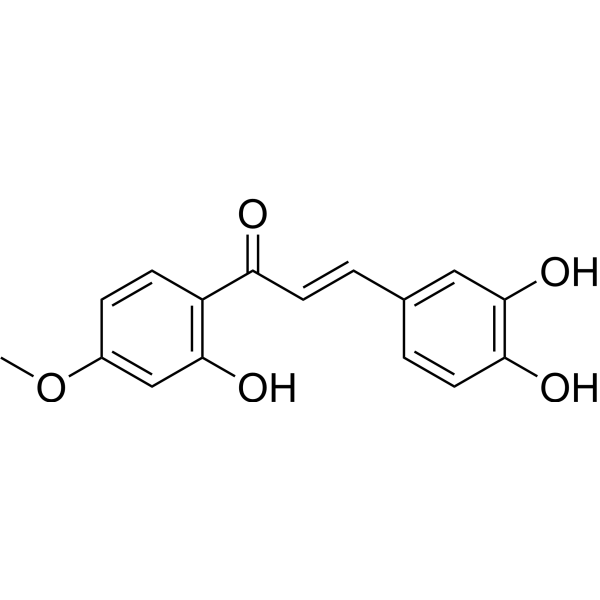 0 ImagesCat. No.: HY-N11766CAS No.: 152340-67-5Calythropsin is a cytotoxic chalcone, with weak effect on mitosis, and presumably also on tubulin polymerization.
-
Disorazol A
 0 ImagesCat. No.: HY-N14734CAS No.: 158181-47-6Disorazol A1 is an tubulin inhibitor with antifungal activity. Disorazol A1 functions by inhibiting tubulin polymerization, interfering with microtubule formation, blocking mitosis, thus arresting the cell cycle at the G2/M phase and inducing apoptosis. Disorazol A1 also exhibits an inhibitory effect against L929 mouse fibroblasts with an IC50 value of 3 pM. Disorazol A1 causes the accumulation of p53 protein in the cell nucleus. Disorazol A1 is promising for research of cancers.
-
SSE1806
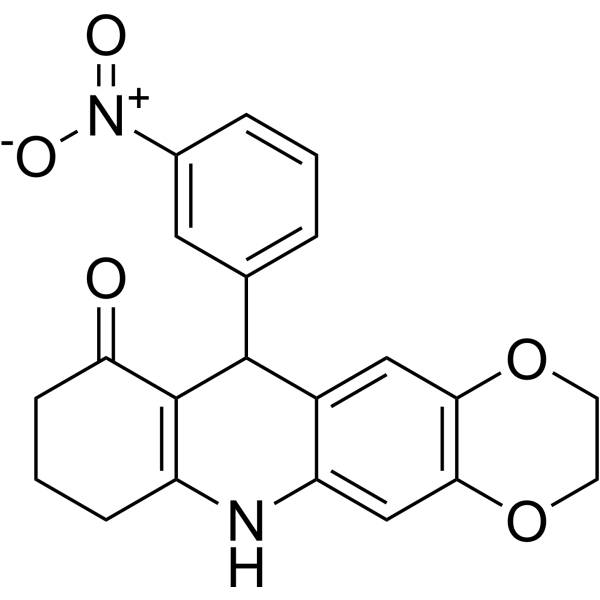 0 ImagesCat. No.: HY-156088CAS No.: 3053861-26-7SSE1806 is a derivative of podophyllotoxin (a natural antimitotic agent) and a microtubule/tubulin inhibitor with significant anticancer and antiproliferative activities. The GI50 of SSE1806 on cancer cell growth ranges from 1.29-21.15 μM. SSE1806 causes mitotic abnormalities and G2/M phase arrest, increases p53 expression, and inhibits colon cancer organoid growth. SSE1806 is able to overcome multidrug resistance in cell lines overexpressing MDR-1.
-
Tubulin polymerization-IN-76
 0 ImagesCat. No.: HY-170924Tubulin polymerization-IN-76 (compound 20b) is a potent and orally active Tubulin polymerization inhibitor. Tubulin polymerization-IN-76 inhibits Tubulin polymerization with an IC50 of 2.505 μM by acting on the colchicine binding site, thereby disrupting intracellular Microtubule networks and interfering with cell mitosis. Tubulin polymerization-IN-76 demonstrates exceptional efficacy against MGC-803 and HGC-27 cells with IC50s of 1.61 and 1.82 nM, respectively. Tubulin polymerization-IN-76 effectively inhibits the colony formation and cell migration activities, and induces G2/M phase cycle arrest and Apoptosis in MGC-803 and HGC-27 cells.Tubulin polymerization-IN-76 shows a broad-spectrum antiproliferative activity.
-
Zarilamid
 0 ImagesCat. No.: HY-121801CAS No.: 84527-51-5Zarilamid is a fungicide which is active against a broad spectrum of Oomycete fungi. Zarilamid inhibits nuclear division in germinating zoospore cysts of Phytophthora capsici. Zarilamide inhibits growth of tobacco roots and causes swelling of the root tips, destructs microtubule cytoskeleton and inhibits mitosis.



