1. 同位体標識化合物
  2. Nitrogen-15 (15N)

Nitrogen-15 (15N)

Nitrogen-15 (15N) is a stable isotope atom of nitrogen-14 (14N), it contains seven protons and eight neutrons, and its atomic mass is 15. Many compounds containing nitrogen-15 and can be used in life science, agriculture, environment, etc.. These containing nitrogen-15 compounds can be used as tracers and internal standards, etc.

Nitrogen-15 (15N) (914):

製品番号 製品名 CAS 番号 純度 構造式
  • HY-N0455AS8
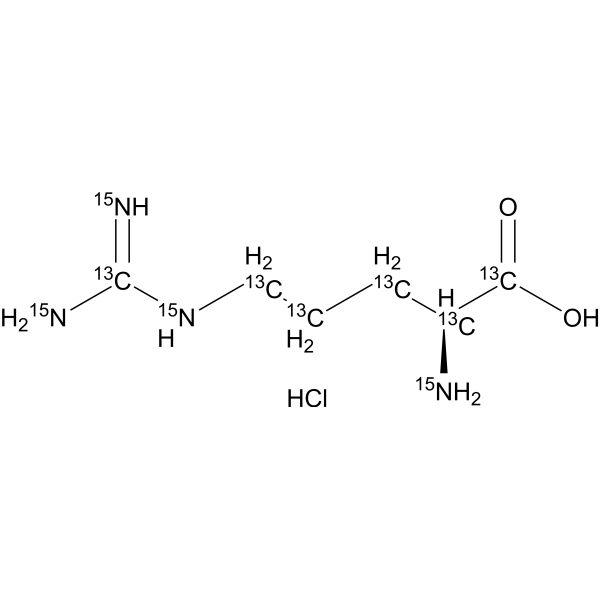
    L-Arginine-13C6,15N4 hydrochloride

    L-Arginine-13C6,15N4 (hydrochloride)

    202468-25-5 99.85%
    L-Arginine-13C6,15N4 (hydrochloride) is the 13C- and 15N-labeled L-Arginine hydrochloride. L-Arginine hydrochloride ((S)-(+)-Arginine hydrochloride) is the nitrogen donor for synthesis of nitric oxide, a potent vasodilator that is deficient during times of sickle cell crisis.
    L-Arginine-<sup>13</sup>C<sub>6</sub>,<sup>15</sup>N<sub>4</sub> hydrochloride
  • HY-N0390S8
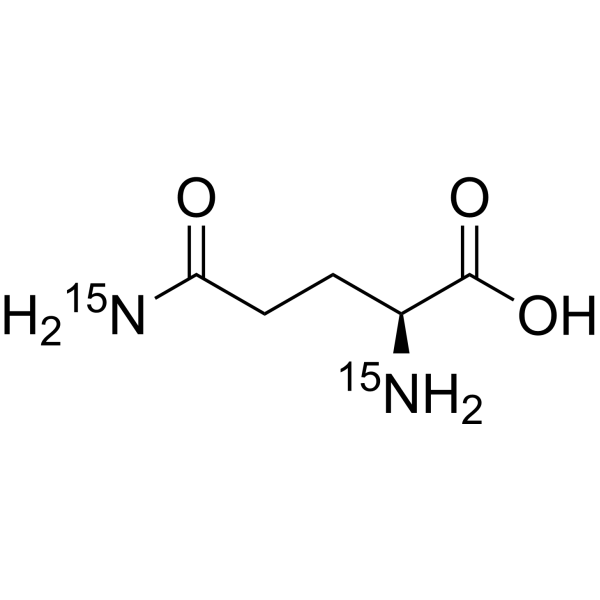
    L-Glutamine-15N2

    L-Glutamine-15N2

    204451-48-9 99.95%
    L-Glutamine-15N2 is the 15N-labeled L-Glutamine (HY-N0390). L-Glutamine is an orally active nutritional agent and cellular metabolism regulator. L-Glutamine is taken up in a Na+-dependent manner and targets multiple key molecules including glutaminase, mTORC1, NF-κB, STAT-3 and HIF-1α. L-Glutamine enhances glutaminolytic catabolism, drives the conversion of glutamate to α-ketoglutarate, thereby regulating gene expression, integrating metabolic signals, mediating glutamine flux and maintaining redox homeostasis. L-Glutamine also promotes cell proliferation, osteogenic differentiation and fracture healing, exerts neuroprotective and cardioprotective effects, and inhibits osteoarthritis. L-Glutamine can be applied to research related to osteoporosis, osteoarthritis, ischemic stroke and acute cantharidin-induced cardiotoxicity.
    L-Glutamine-<sup>15</sup>N<sub>2</sub>
  • HY-Y1269S
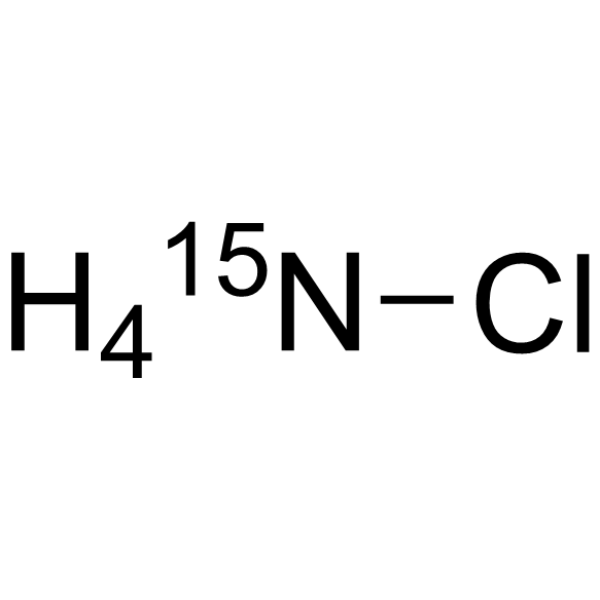
    Ammonium chloride-15N

    Ammonium chloride-15N

    39466-62-1 99.6%
    Ammonium chloride-15N is the 15N labeled Ammonium chloride (HY-Y1269). Ammonium chloride, as a heteropolar compound with pH value regulation, can cause intracellular alkalization and metabolic acidosis thus effecting enzymatic activity and influencing the process of biological system. Ammonium chloride is an autophagy inhibitor. Ammonium chloride is also a lysosome inhibitor.
    Ammonium chloride-<sup>15</sup>N
  • HY-N0390S
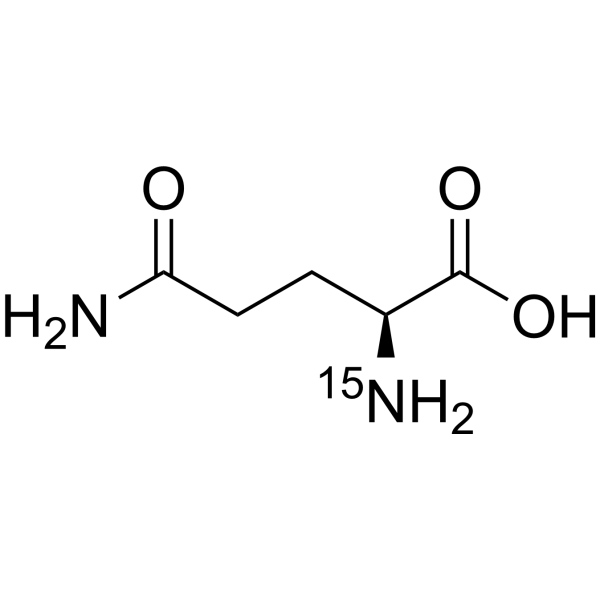
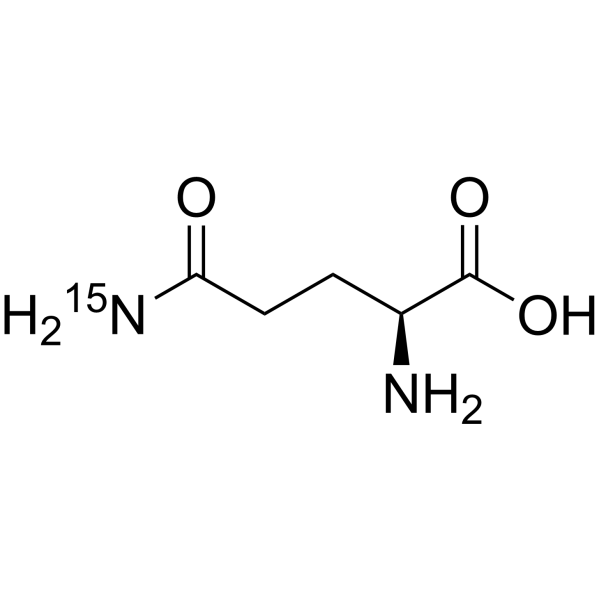
    L-Glutamine-15N

    L-Glutamine-15N

    80143-57-3 99.6%
    L-Glutamine-15N is the 15N-labeled L-Glutamine (HY-N0390). L-Glutamine is an orally active nutritional agent and cellular metabolism regulator. L-Glutamine is taken up in a Na+-dependent manner and targets multiple key molecules including glutaminase, mTORC1, NF-κB, STAT-3 and HIF-1α. L-Glutamine enhances glutaminolytic catabolism, drives the conversion of glutamate to α-ketoglutarate, thereby regulating gene expression, integrating metabolic signals, mediating glutamine flux and maintaining redox homeostasis. L-Glutamine also promotes cell proliferation, osteogenic differentiation and fracture healing, exerts neuroprotective and cardioprotective effects, and inhibits osteoarthritis. L-Glutamine can be applied to research related to osteoporosis, osteoarthritis, ischemic stroke and acute cantharidin-induced cardiotoxicity.
    L-Glutamine-<sup>15</sup>N
  • HY-N0470S3
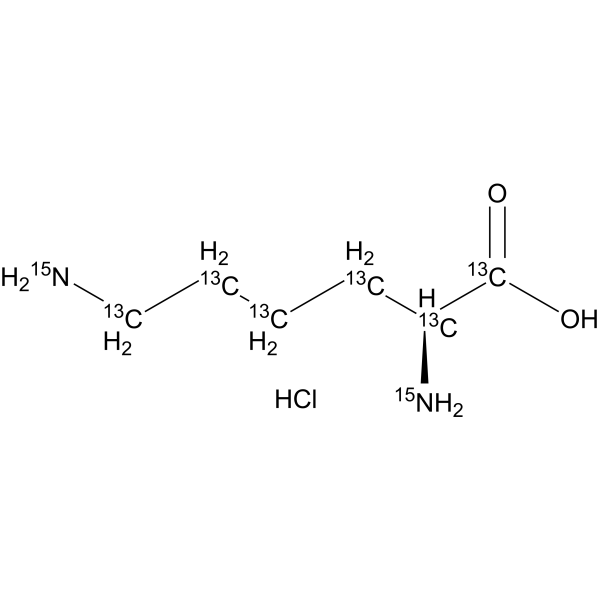
    L-Lysine-13C6,15N2 hydrochloride

    L-Lysine-13C6,15N2 (hydrochloride)

    1200447-00-2 99.87%
    L-Lysine-13C6,15N2 (hydrochloride) is the 13C- and 15N-labeled L-Lysine hydrochloride. L-lysine hydrochloride is an essential amino acid for humans with various benefits including treating herpes, increasing calcium absorption, reducing diabetes-related illnesses and improving gut health.
    L-Lysine-<sup>13</sup>C<sub>6</sub>,<sup>15</sup>N<sub>2</sub> hydrochloride
  • HY-106224AS1
    Orexin A-13C18,15N3 (human, rat, mouse) TFA 98.60%
    Orexin A-13C18,15N3 (human, rat, mouse) ((Hypocretin-1-13C18,15N3 (human, rat, mouse)) TFA is the 13C- and 15N-labeled Orexin A (human, rat, mouse) (HY-106224). Orexin A (human, rat, mouse) (Hypocretin-1 (human, rat, mouse)), a 33 amino acid excitatory neuropeptide, orchestrates diverse central and peripheral processes. Orexin A (human, rat, mouse) binds and activates two types of G protein-coupled receptors, the orexin-1 receptor (OX1R) and the orexin-2 receptor (OX2R). Orexin A (human, rat, mouse) has a role in the regulation of feeding behavior. Orexin A (human, rat, mouse) is an effective anti-nociceptive and anti-hyperalgesic agent in mice and rats.
    Orexin A-<sup>13</sup>C<sub>18</sub>,<sup>15</sup>N<sub>3</sub> (human, rat, mouse) TFA
  • HY-N0733S5
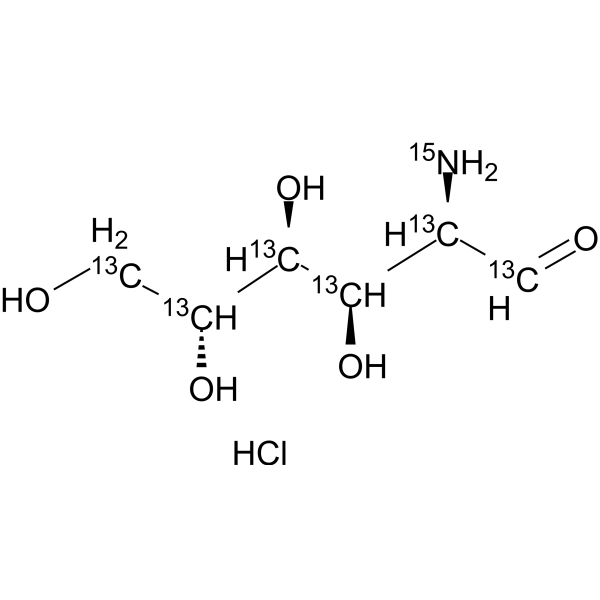
    Glucosamine-13C6,15N hydrochloride
    Glucosamine-13C6,15N hydrochloride is the 13C and 15N labeled Glucosamine hydrochloride. Glucosamine hydrochloride (D-Glucosamine hydrochloride) is an amino sugar and a prominent precursor in the biochemical synthesis of glycosylated proteins and lipids.
    Glucosamine-<sup>13</sup>C<sub>6</sub>,<sup>15</sup>N hydrochloride
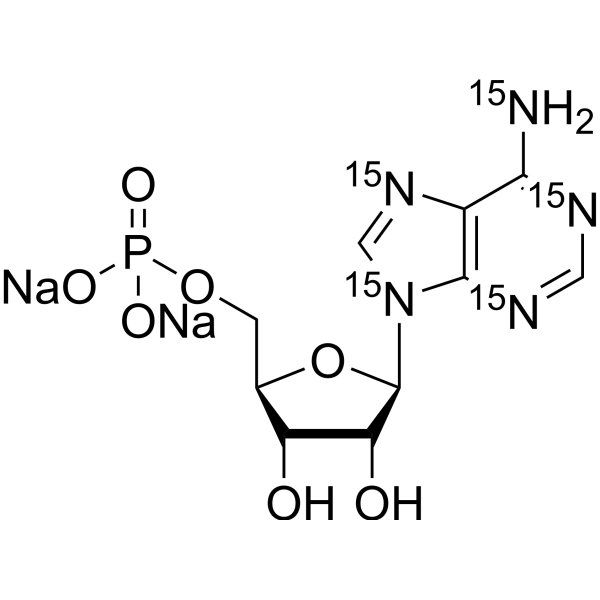
  • HY-W011012S2
    Adenosine-5'-monophosphate-15N5 disodium 1257642-75-3
    Adenosine-5'-monophosphate-15N5 (disodium) is the deuterium labeled Adenosine 5'-monophosphate disodium salt.
    Adenosine-5'-monophosphate-<sup>15</sup>N<sub>5</sub>  disodium
  • HY-N0390S9
    L-Glutamine-15N-1

    L-Glutamine-15N-1

    59681-32-2 98.0%
    L-Glutamine-15N-1 is the 15N-labeled L-Glutamine (HY-N0390). L-Glutamine is an orally active nutritional agent and cellular metabolism regulator. L-Glutamine is taken up in a Na+-dependent manner and targets multiple key molecules including glutaminase, mTORC1, NF-κB, STAT-3 and HIF-1α. L-Glutamine enhances glutaminolytic catabolism, drives the conversion of glutamate to α-ketoglutarate, thereby regulating gene expression, integrating metabolic signals, mediating glutamine flux and maintaining redox homeostasis. L-Glutamine also promotes cell proliferation, osteogenic differentiation and fracture healing, exerts neuroprotective and cardioprotective effects, and inhibits osteoarthritis. L-Glutamine can be applied to research related to osteoporosis, osteoarthritis, ischemic stroke and acute cantharidin-induced cardiotoxicity.
    L-Glutamine-<sup>15</sup>N-1
  • HY-D0187S
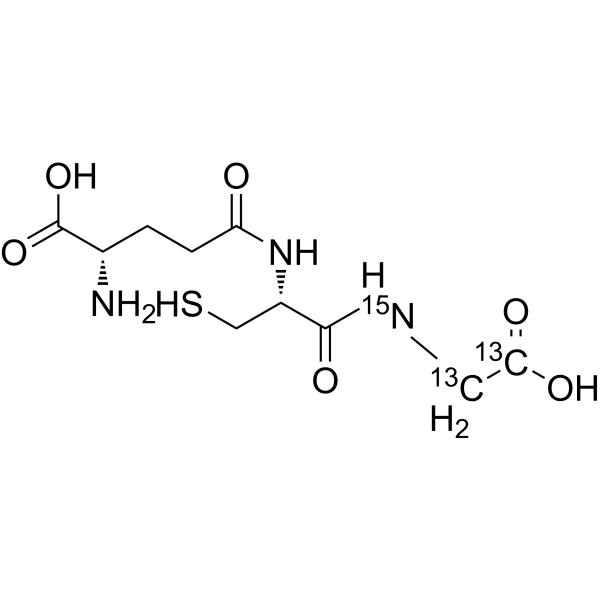
    L-Glutathione reduced-13C2,15N 815610-65-2 ≥99.99%
    L-Glutathione reduced-13C2,15N is the 13C- and 15N-labeled L-Glutathione reduced. L-Glutathione reduced (GSH) is an endogenous antioxidant and is capable of scavenging oxygen-derived free radicals.
    L-Glutathione reduced-<sup>13</sup>C<sub>2</sub>,<sup>15</sup>N
  • HY-14608S3
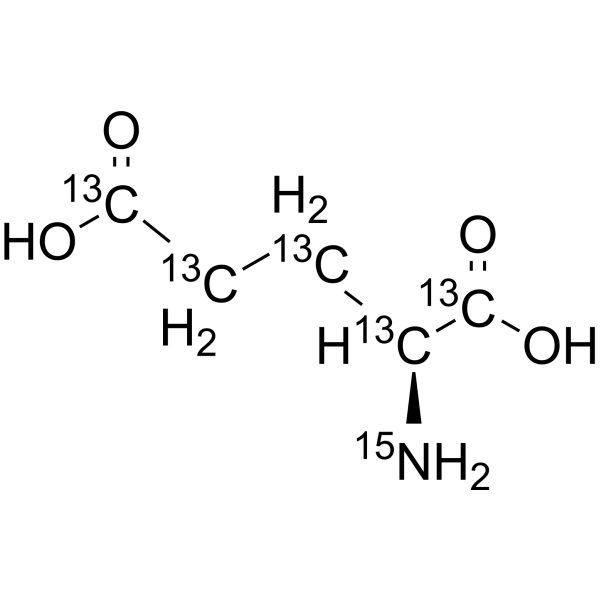
    L-Glutamic acid-13C5,15N

    L-Glutamic acid-13C5,15N

    202468-31-3 99.9%
    L-Glutamic acid-13C5,15N is the 13C- and 15N-labeled L-Glutamic acid. L-Glutamic acid acts as an excitatory transmitter and an agonist at all subtypes of glutamate receptors (metabotropic, kainate, NMDA, and AMPA). L-Glutamic acid shows a direct activating effect on the release of DA from dopaminergic terminals.
    L-Glutamic acid-<sup>13</sup>C<sub>5</sub>,<sup>15</sup>N
  • HY-B2130S1
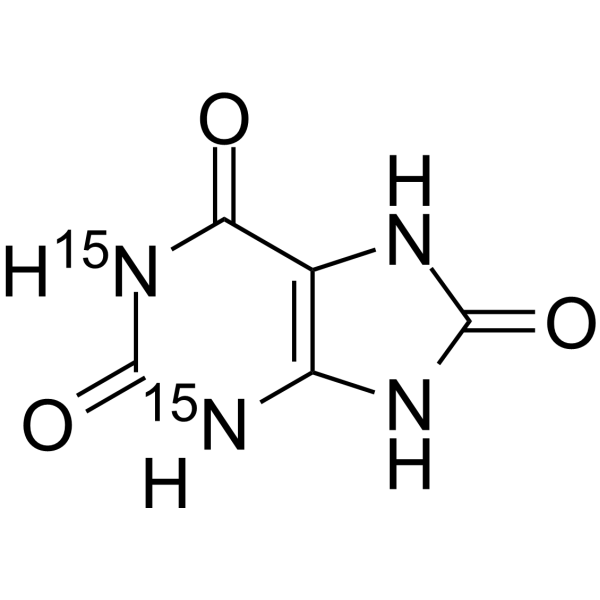
    Uric acid-15N2

    Uric acid-15N2

    62948-75-8 99.95%
    Uric acid-15N2 is the 15N labeled Uric acid. Uric acid, scavenger of oxygen radical, is a very important antioxidant that help maintains the stability of blood pressure and antioxidant stress. Uric acid can remove reactive oxygen species (ROS) such as singlet oxygen and peroxynitrite, inhibiting lipid peroxidation.
    Uric acid-<sup>15</sup>N<sub>2</sub>
  • HY-Y0337S
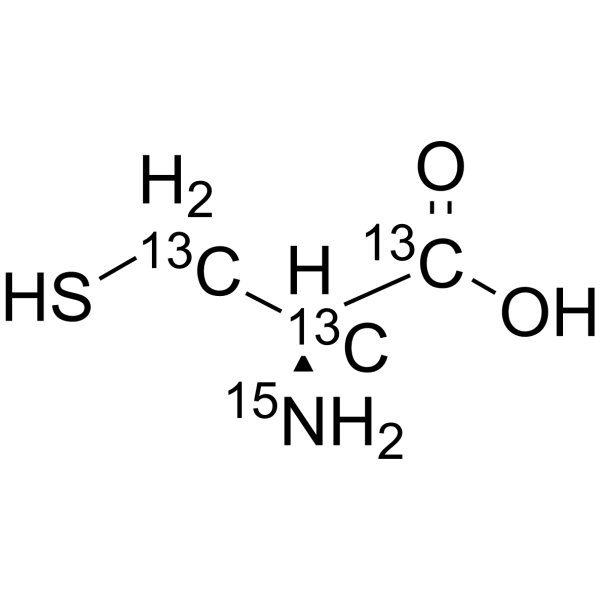
    L-Cysteine-13C3,15N

    L-Cysteine-13C3,15N

    202406-97-1 99.9%
    L-Cysteine-13C3,15N is the 13C- and 15N-labeled L-Cysteine. L-Cysteine is a conditionally essential amino acid, which acts as a precursor for biologically active molecules such as hydrogen sulphide (H2S), glutathione and taurine. L-Cysteine suppresses ghrelin and reduces appetite in rodents and humans.
    L-Cysteine-<sup>13</sup>C<sub>3</sub>,<sup>15</sup>N
  • HY-N0667S2
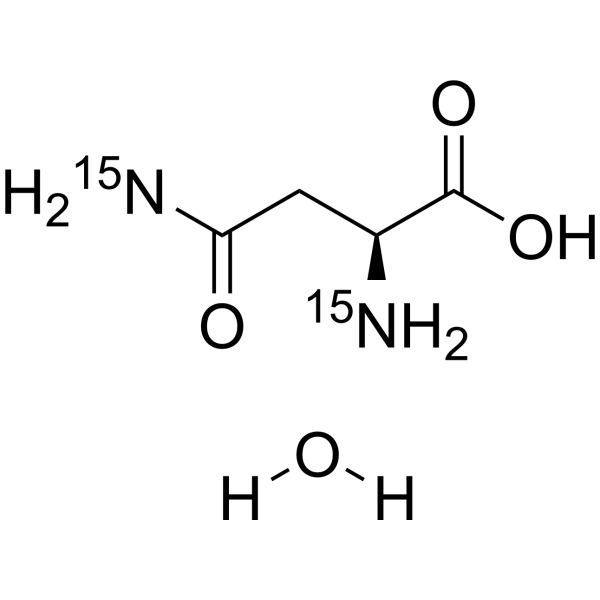
    L-Asparagine-15N2 monohydrate 287484-32-6 99.95%
    L-Asparagine-15N2 monohydrate is the 15N-labeled L-Asparagine monohydrate (HY-W017443). L-Asparagine monohydrate is an essential amino acid for leukemic cells and a substrate for L-Asparaginase. L-Asparaginase is a potent anti-leukemic enzyme that promotes asparagine (Asn) and glutamine (Gln) depletion and inhibits protein biosynthesis in lymphoblasts. Removal of L-asparagine from plasma by L-Asparaginase results in inhibition of RNA and DNA synthesis and subsequent apoptosis. L-Asparaginase has cell-killing ability in vitro and in vivo, and selectively inhibits the growth of cancer cells with low asparagine synthetase (AASNS) expression. L-Asparagine monohydrate can be used as a biomarker and sensor for the study of childhood acute lymphoblastic leukemia.
    L-Asparagine-<sup>15</sup>N<sub>2</sub> monohydrate
  • HY-Y0271S2
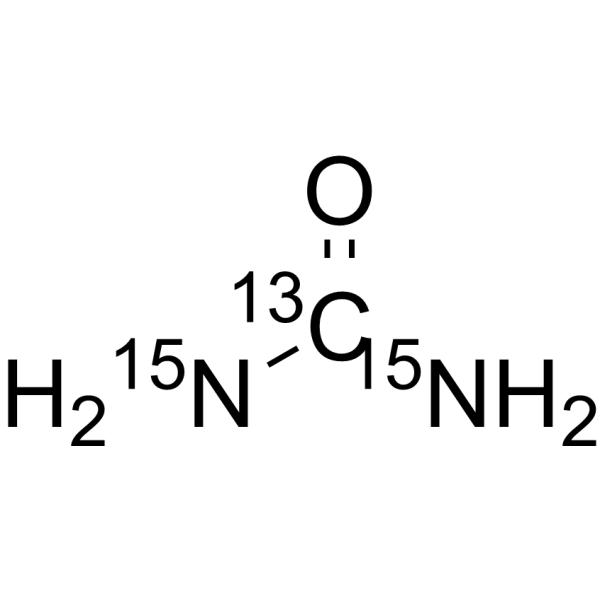
    Urea-13C,15N2

    Urea-13C,15N2

    58069-83-3 99.95%
    Urea-13C,15N2 is the 13C and 15N labeled Urea. Urea is a powerful protein denaturant via both direct and indirect mechanisms. A potent emollient and keratolytic agent. Used as a diuretic agent. Blood urea nitrogen (BUN) has been utilized to evaluate renal function. Widely used in fertilizers as a source of nitrogen and is an important raw material for the chemical industry.
    Urea-<sup>13</sup>C,<sup>15</sup>N<sub>2</sub>
  • HY-N0486S8
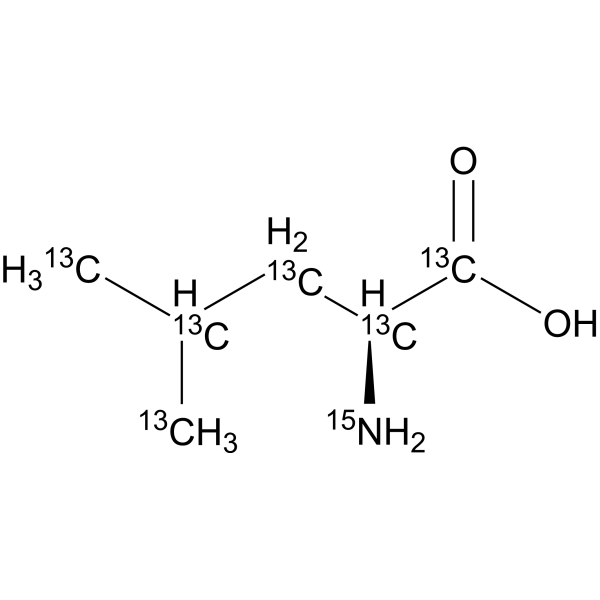
    L-Leucine-13C6,15N 202406-52-8 99.90%
    L-Leucine-13C6,15N is the 13C- and 15N-labeled L-Leucine. L-Leucine is an essential branched-chain amino acid (BCAA), which activates the mTOR signaling pathway.
    L-Leucine-<sup>13</sup>C<sub>6</sub>,<sup>15</sup>N
  • HY-Y0966S8
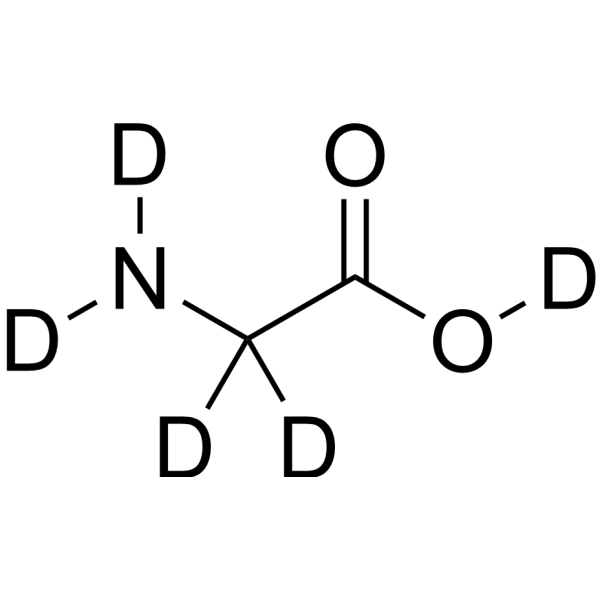
    Glycine-d5

    Glycine-d5

    4896-77-9 98.0%
    Glycine-d5 is the deuterium labeled Glycine. Glycine is an inhibitory neurotransmitter in the CNS and also acts as a co-agonist along with glutamate, facilitating an excitatory potential at the glutaminergic N-methyl-D-aspartic acid (NMDA) receptors.
    Glycine-d<sub>5</sub>
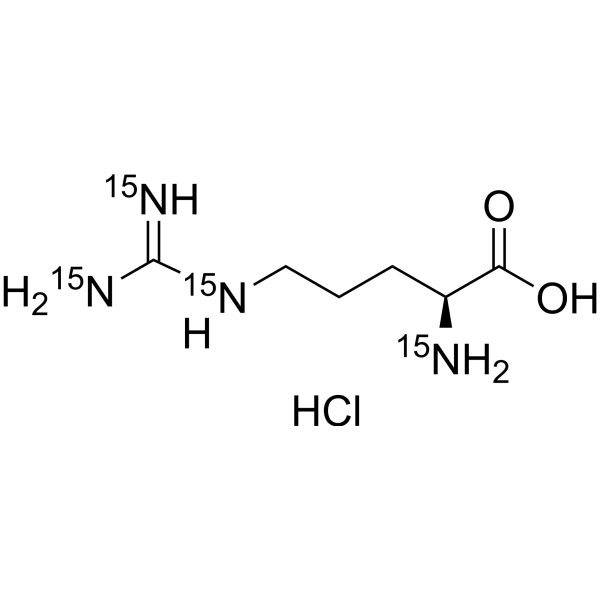
  • HY-N0455AS1
    L-Arginine-15N4 hydrochloride

    L-Arginine-15N4 hydrochloride

    204633-95-4 99.94%
    L-Arginine-15N4 (hydrochloride) is the 15N-labeled L-Arginine hydrochloride. L-Arginine hydrochloride ((S)-(+)-Arginine hydrochloride) is the nitrogen donor for synthesis of nitric oxide, a potent vasodilator that is deficient during times of sickle cell crisis.
    L-Arginine-<sup>15</sup>N<sub>4</sub> hydrochloride
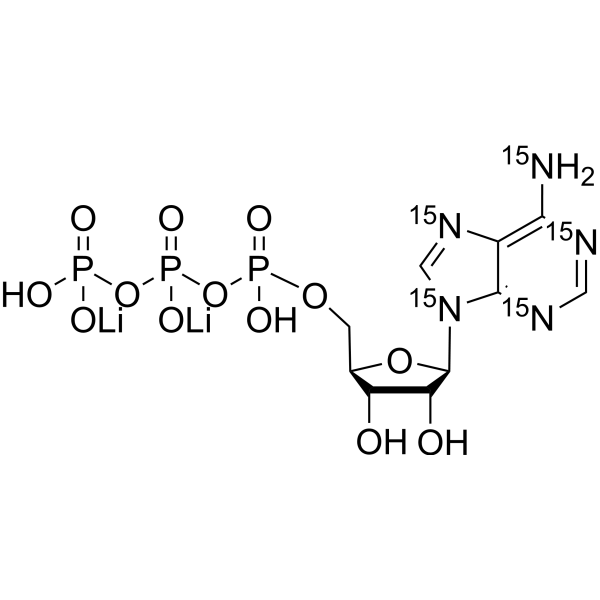
  • HY-B2176S5
    ATP-15N5 dilithium 99.99%
    ATP-15N5 (Adenosine 5'-triphosphate-15N5) dilithium is 15N labeled ATP (HY-B2176). ATP (Adenosine 5'-triphosphate) is a central component of energy storage and metabolism in vivo. ATP provides the metabolic energy to drive metabolic pumps and serves as a coenzyme in cells. ATP is an important endogenous signaling molecule in immunity and inflammation.
    ATP-<sup>15</sup>N<sub>5</sub> dilithium
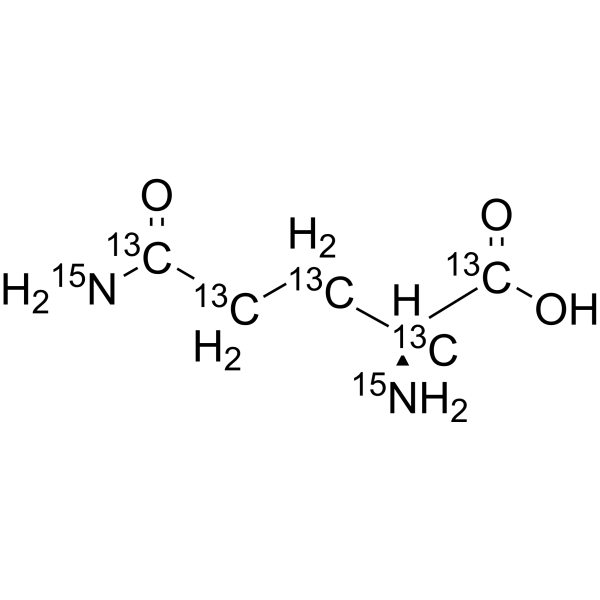
  • HY-N0390S6
    L-Glutamine-13C5,15N2 285978-14-5 98.0%
    L-Glutamine-13C5,15N2 is the 13C- and 15N-labeled L-Glutamine (HY-N0390). L-Glutamine is an orally active nutritional agent and cellular metabolism regulator. L-Glutamine is taken up in a Na+-dependent manner and targets multiple key molecules including glutaminase, mTORC1, NF-κB, STAT-3 and HIF-1α. L-Glutamine enhances glutaminolytic catabolism, drives the conversion of glutamate to α-ketoglutarate, thereby regulating gene expression, integrating metabolic signals, mediating glutamine flux and maintaining redox homeostasis. L-Glutamine also promotes cell proliferation, osteogenic differentiation and fracture healing, exerts neuroprotective and cardioprotective effects, and inhibits osteoarthritis. L-Glutamine can be applied to research related to osteoporosis, osteoarthritis, ischemic stroke and acute cantharidin-induced cardiotoxicity.
    L-Glutamine-<sup>13</sup>C<sub>5</sub>,<sup>15</sup>N<sub>2</sub>