Lysosomes, traditionally regarded as cellular degradative compartments, are increasingly recognized as dynamic hubs for metabolic regulation. Beyond their role in macromolecule turnover, lysosomes serve as critical sensors of nutrient availability, orchestrating signaling pathways that govern cellular growth, energy homeostasis, and stress responses. These multifaceted functions position lysosomes not only as central regulators of cellular quality control but also as promising therapeutic intervention in a variety of metabolic and degenerative diseases.
In this article, we focus on three major parts: lysosomal nutrient sensing and metabolic signaling, lysosomal quality control and cellular adaptation, lysosomal-associated diseases together with emerging therapeutic modalities.
- Lysosomal Nutrient Sensing and Metabolic Signaling
- Lysosomal Quality Control and Cellular Adaptation
- Lysosome-Associated Diseases and Emerging Therapeutic Opportunities
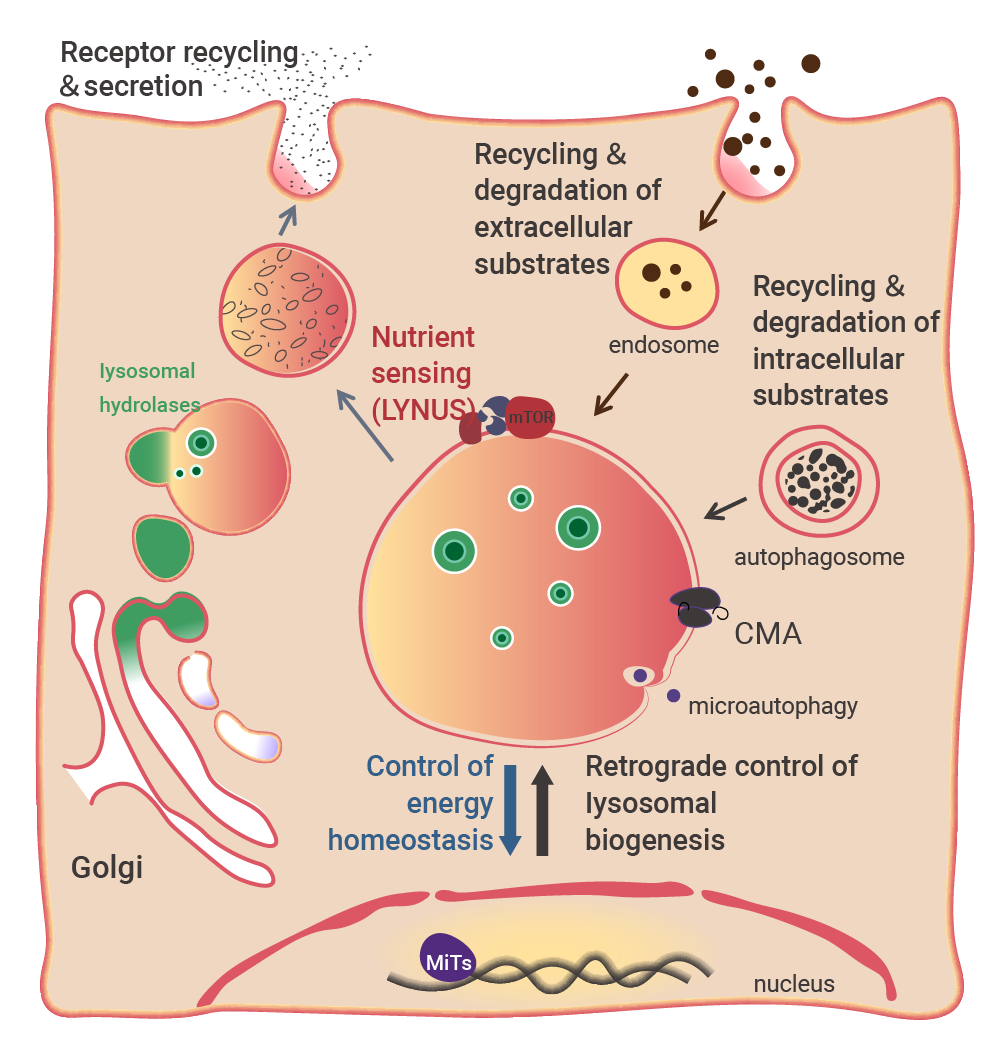
Figure 1. The lysosome is a nutrient sensing, processing and signaling center[1].
Lysosomes function not only as degradative organelles but also as central hubs that integrate nutrient availability with global metabolic signaling. They receive inputs from both extracellular and intracellular sources, including endocytosed macromolecules and autophagic cargoes, which are degraded into amino acids, lipids, sugars, and other catabolites within the acidic lysosomal lumen. These degradation products are exported into the cytoplasm, where they serve as metabolic cues sensed at the lysosomal surface.
The lysosomal membrane contains an integrated nutrient-sensing machinery composed of protein complexes, transporters, and ion pumps. These components detect fluctuations in metabolite availability and transmit signals to downstream signaling pathways. The resulting signaling outputs coordinate anabolic and catabolic processes, modulate cellular energy homeostasis, and enable dynamic adaptation to nutrient stress.
In this section, we discuss two key mechanisms by which lysosomes transduce nutrient signals into coordinated cellular responses: (1) the mTORC1-Rag GTPase axis, (2) V-ATPase and pH sensing.
.png)
Figure 2. A nutrient-sensitive catch-and-release mechanism regulates mTORC1 localization to the lysosome[2].
One of the best-characterized mechanisms linking lysosomal nutrient sensing to metabolic signaling is activation of mechanistic target of rapamycin complex 1 (mTORC1) through the Rag GTPase axis. Rag GTPases are membrane-anchored heterodimers composed of RagA or RagB bound to RagC or RagD. Their nucleotide-loading states function as molecular switches that reflect intracellular nutrient availability.
Under nutrient-rich conditions, particularly in the presence of abundant amino acids, RagA/B are loaded with GTP while RagC/D are loaded with GDP, forming the active heterodimer. This active complex interacts directly with the mTORC1 component Raptor to recruit mTORC1 to the lysosomal surface. Once localized to lysosomes, mTORC1 is activated by Rheb and subsequently promotes downstream anabolic signaling pathways involved in protein synthesis, lipid biosynthesis, and cell growth.
In contrast, nutrient deprivation promotes GTP hydrolysis on RagA/B and GDP loading on RagC/D, generating the inactive Rag configuration. This prevents recruitment of mTORC1, suppresses anabolic signaling, and activates catabolic pathways such as autophagy.
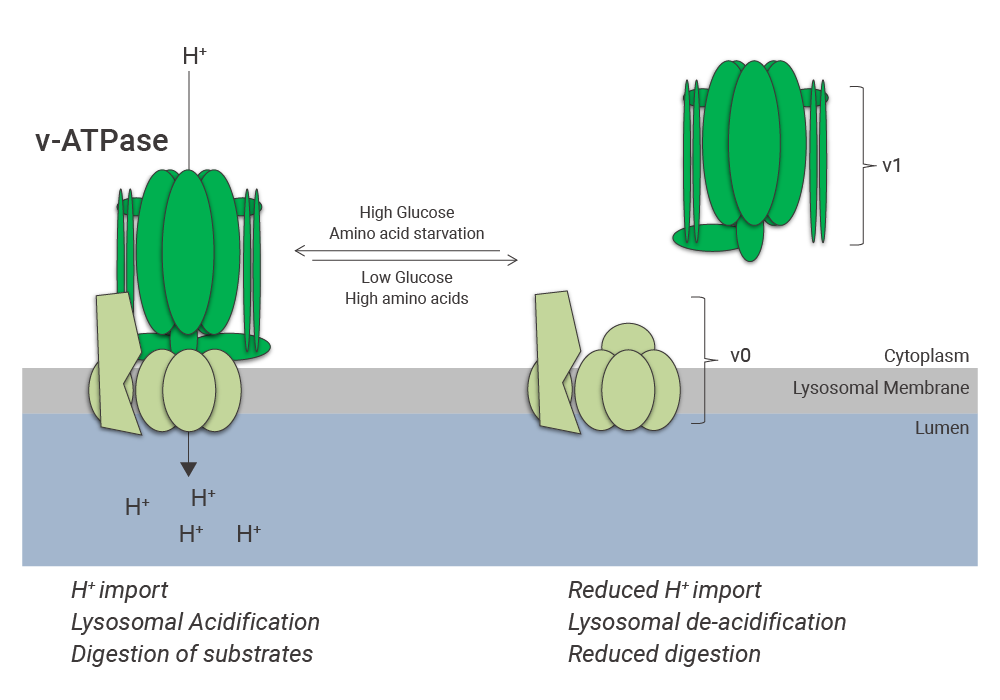
Figure 3. v-ATPase structure and regulation by dissociation[3].
Vacuolar-type H+ -ATPase (V-ATPase) is a multisubunit proton pump responsible for establishing and maintaining the highly acidic lumenal pH characteristic of late endosomes and lysosomes. It achieves this by actively translocating protons (H+) from the cytosol into the lysosomal lumen.
Lysosomal pH gradients established by V-ATPase serve as indirect sensors of cellular metabolic status, as alterations in lumenal acidification influence the activity and conformational dynamics of nutrient sensors and transporters embedded within the membrane.
Importantly, V-ATPase assembly and activity are themselves dynamically regulated by cellular energy and nutrient states. Under conditions such as glucose limitation or amino acid starvation, V1 and V0 domains can dissociate, leading to reduced proton pumping activity and partial lysosomal deacidification. These changes feeds back into metabolic signaling pathways, coordinating catabolic activation (e.g., autophagy) while suppressing anabolic processes during nutrient scarcity.
Lysosomes are essential not only for nutrient sensing and metabolic signaling, but also for maintaining cellular integrity through a network of quality control mechanisms. As the principal degradative compartment in eukaryotic cells, lysosomes coordinate multiple pathways that ensure efficient breakdown and recycling of intracellular material, thereby preventing the accumulation of damaged proteins and dysfunctional organelles.
Under conditions of stress or cellular damage, lysosomal quality control mechanisms activate degradation pathways, identify and eliminate impaired organelles, and redistribute metabolic resources to support survival and adaptation.
In this section, we first outline the major lysosomal degradation pathways that maintain cellular homeostasis, followed by discussing mechanisms responsible for organelle surveillance and clearance.
.png)
Figure 4. Biogenesis of lysosomes[4].
The lysosome functions as the central degradative hub for diverse intracellular and extracellular cargoes, ensuring the efficient turnover of biological macromolecules. As illustrated in Figure 4, extracellular substrates enter the degradative network through endocytosis or phagocytosis and subsequently mature through early and late endosomal stages into endolysosomes or phagolysosomes. This pathway enables the cell to internalize nutrients, receptor-ligand complexes, and pathogens for systematic processing and elimination.
Simultaneously, lysosomes maintain intracellular homeostasis through autophagy. Intracellular cargoes, such as damaged organelles or protein aggregates, are sequestered within double-membrane autophagosomes, which subsequently fuse with the lysosome to form autolysosomes. Additional degradative pathways, such as microautophagy and selective membrane repair processes, further contribute to lysosomal homeostasis and proton balance.
Regardless of the origin, the terminal stage involves degradation and recycling, during which macromolecules are broken down into reusable building blocks and exported back into the cytoplasm. This continuous cargo turnover is essential for preventing accumulation of cytotoxic debris and sustaining cellular bioenergetics.
.png)
Figure 5. A scheme illustrating all currently known modes of clearance of plant organelles or their components by selective-autophagy[5].
Cells maintain organelle integrity through dynamic quality control systems that detect, isolate, and eliminate damaged or dysfunctional organelles. These mechanisms prevent accumulation of toxic byproducts while preserving metabolic efficiency. A central component for this surveillance is selective autophagy of organelles, collectively referred to as organellophagy, in which specific organelles are targeted for lysosomal degradation.
Mitophagy selectively removes dysfunctional mitochondria through regulators such as PINK1 and Parkin, which accumulate on depolarized mitochondria and facilitate their encapsulation within autophagosomes prior to lysosomal degradation. This process eliminates mitochondria that generate excessive reactive oxygen species, thereby preserving cellular energy homeostasis and limiting apoptotic signaling.
Similarly, the endoplasmic reticulum undergoes ER-phagy, where fragments of ER are selectively delivered to lysosomes through macroautophagic or microautophagic pathways to maintain ER function and prevent proteotoxic stress. Comparable mechanisms also exist for peroxisomes (pexophagy), lipid droplets (lipophagy) and additional organelles, each employing specialized receptors or adaptors to recognize damaged subdomains and recruit autophagic machinery.
Lysosomal dysfunction contributes to the pathogenesis of a wide spectrum of human diseases, including neurodegenerative disorders, cancer, and metabolic diseases. In many cases, lysosomal impairment precedes overt clinical pathology and represents an early indicator of neuronal dysfunction.
In neurodegenerative diseases, impaired lysosomal degradation contributes to progressive accumulation of toxic proteins and damaged organelles. In cancer, altered lysosomal signaling and trafficking reprogram metabolic and growth pathways that support tumor progression and therapeutic resistance.
These insights have accelerated development of lysosome-targeted therapeutic strategies. Beyond conventional enzyme replacement therapies and small-molecule modulators, emerging approaches increasingly exploit the lysosomal degradative machinery itself to selectively eliminate disease-associated proteins.
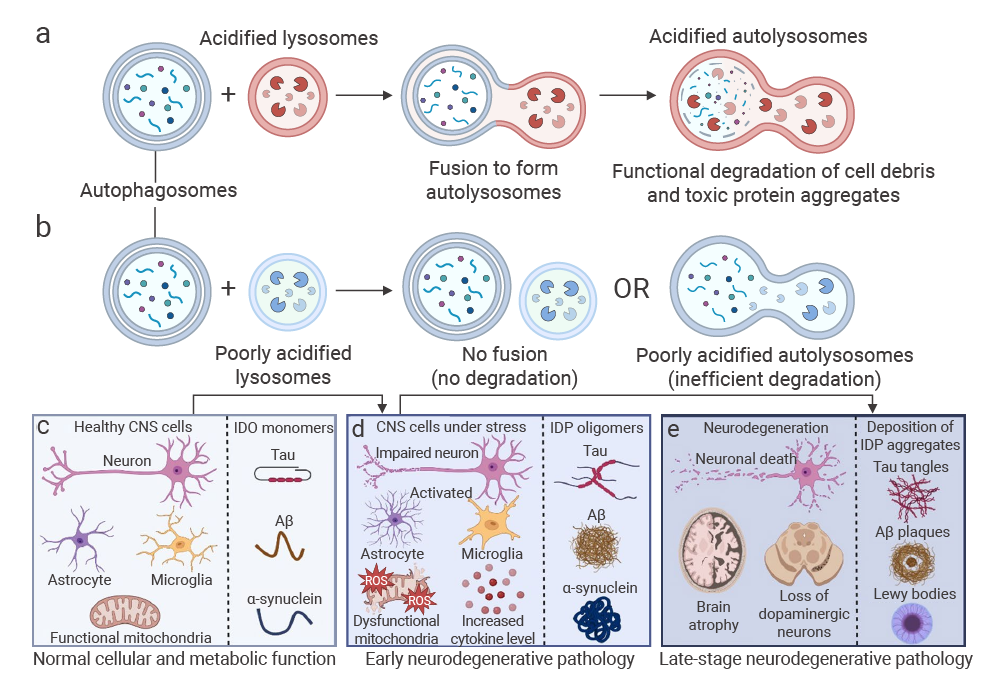
Figure 6. Role of lysosomal acidification dysfunction in early neurodegenerative pathology[6].
In neurodegeneration disorders, impaired lysosomal acidification, defective autophagic flux, and disrupted proteolytic clearance lead to the progressive accumulation of toxic protein aggregates and dysfunctional organelles. These pathological features are central to diseases such as Alzheimer disease (AD) and Parkinson's disease (PD).
Under physiological conditions, acidified lysosomes efficiently fuse with autophagosomes to form functional autolysosomes, thereby enabling degradation of cellular debris and toxic protein aggregates while maintaining neuronal homeostasis. However, when lysosomal acidification becomes compromised, lysosomal degradative capacity progressively declines. Inefficient degradation leads to accumulation of undegraded intracellular cargo, triggering a cascade of neurodegenerative pathologies.
During early disease stages, stressed neurons exhibit altered neuronal structures, mitochondrial dysfunction, and elevated inflammatory cytokine production, and formation of protein oligomers such as Tau, Aβ, and α-synuclein. As disease progresses, these oligomeric species evolve into insoluble aggregates such as Tau tangles, Aβ plaques, and Lewy bodies, ultimately resulting in neuronal loss, brain atrophy, and cognitive or motor dysfunction.
Consequently, restoration of lysosomal acidification and degradative capacity has emerged as a critical therapeutic strategy for slowing progression of neurodegenerative disease.
.png)
Figure 7. Cancer-associated changes affecting lysosomal positioning[7].
Emerging evidence indicates that lysosomes are intricately involved in multiple aspects of cancer cell biology, with significant implications for tumor progression and therapeutic response.
Compared with normal cells, tumor cells frequently exhibit increased lysosomal number, enlarged lysosomal volume, elevated expression of lysosomal enzymes, and altered spatial distribution. A hallmark of aggressive cancers is redistribution of lysosomes from the perinuclear region toward the cell periphery. Whereas lysosomes in normal cells are typically clustered near the cell center for routine degradation, cancer cells hijack molecular motor systems such as the BORC-Arl8b-KIF5B complex to drive lysosomal trafficking toward the plasma membrane.
This peripheral redistribution correlates strongly with the increased invasive potential, enabling focal secretion of lysosomal enzymes into the extracellular matrix (ECM). In parallel, alterations in the lysosomal membrane composition enhance tumor cell survival. Peripheral lysosomes often exhibit increased lysosomal membrane permeabilization (LMP), which cancer cells counteract through modulation of membrane-stabilizing factors.
In addition, peripheral lysosomes promote exocytosis of cathepsins and other proteases that degrade the ECM and facilitate metastatic dissemination. This dependence on lysosomal activity enables cancer cells to survive in nutrient-poor microenvironments while actively remodeling surrounding tissues to support tumor invasion and metastasis.
Recognition of the lysosome's powerful degradative capacity has driven development of a new generation of therapeutic modalities. Unlike traditional inhibitors that merely suppress protein function, these emerging technologies aim to eliminate the disease-associated proteins by redirecting them to the lysosomal degradation pathways.
.png)
Figure 8. A schematic illustration of LYTAC, AUTAC, ATTEC, AUTOTAC and LYECs[8].
As depicted in Figure 8, several innovative platforms have been developed to achieve selective cargo recognition and subsequent degradation.
One of the most promising breakthroughs is the LYTAC (Lysosome-Targeting Chimera) technology. LYTACs utilize bifunctional molecules that simultaneously bind a cell-surface receptor (such as M6PR) and a target extracellular or membrane-associated protein. This interaction promotes endocytosis and directs the target protein toward lysosome-mediated degradation. Importantly, LYTACs enable degradation of secreted and membrane proteins that are inaccessible to proteasome-based degradation systems.
Complementary autophagy-centered strategies exploit the cell's endogenous bulk degradation machinery. AUTACs (autophagy-targeting chimeras) employ bifunctional molecules with a target-binding warhead linked to an autophagy-inducing tag, such as a guanine derivative. These molecules promote polyubiquitination and recruitment of autophagic receptors, thereby directing proteins of interest into autophagosomes for lysosomal degradation.
ATTECs (autophagosome-tethering compounds) function differently by simultaneously binding a target protein and LC3 on autophagic membranes, effectively tethering the target to developing autophagosomes for subsequent lysosomal hydrolysis.
AUTOTAC (AUTOphagy-Targeting Chimera) further expands this strategy by engaging both target proteins and the autophagy receptor SQSTM1/p62, thereby activating macroautophagic sequestration into lysosomes independently of ubiquitination while enhancing autophagic flux.
Beyond these targeted protein degradation technologies, Lysosome-Enhancing Compounds (LYECs) represent small molecules that upregulate lysosomal biogenesis and function, often through modulation of TFEB and related transcriptional programs. LYECs have demonstrated the capacity to enhance lysosomal degradative activity in neurodegenerative disease models, promoting clearance of pathogenic aggregates and improving cellular homeostasis.
The transition of the lysosome from a passive degradative organelle to a central metabolic command hub represents a landmark shift in cellular biology. Its ability to integrate complex nutrient signals with cellular quality control is essential for maintaining homeostasis under diverse physiological stresses. Disruption of this delicate balance is increasingly recognized as a key driver of neurodegeneration and cancer. Continued advances in our understanding of lysosomal networks, together with the emergence of lysosome-targeted technologies such as LYTACs, are opening new opportunities for precision therapeutics through the selective elimination of disease-associated targets at the molecular level.
Product Name | Cat. No. | Application |
|---|---|---|
| Lyso Tracker Red | HY-D1300 | Red fluorescent lysosome probe. |
| Lyso Tracker Red (solution) | HY-DY1040 | Red fluorescent lysosome probe (1 mM stock solution). |
| Lyso Tracker Yellow HCK 123 | HY-D1694 | Red fluorescent lysosome probe (1 mM stock solution). |
| DQ-BSA-RED | HY-D2449 | Red fluorescent lysosomal activity probe. |
| Bafilomycin A1 | Specific and reversible inhibitor of vacuolar V-ATPase, blocks autophagosome-lysosome fusion and inhibits acidification. | |
| MHY1485 | Potent mTOR activator, inhibits autophagy by suppression of fusion between autophagosomes and lysosomes. | |
| Omeprazole | HY-B0113 | Orally active H+, K+-ATPase inhibitor and proton pump inhibitor. |
| Tri-GalNAc-DBCO | HY-148476 | Synthetic ligand composed of three GalNAc units connected to DBCO, ligand for ASGPR. |
| β-Amyloid (1-42), human | HY-P1363A | Brain-penetrant amyloid protein fragment, frequently used in research on Alzheimer's disease and Down's syndrome. |
Note: MCE can provide products for research use only. We do not sell to patients.
 LinkedIn
 Researchgate
 Instagram
 X
X Facebook
 WhatsApp
 Reddit
 Mail
Mail- [1]. Mony, Vinod K et al.Autophagy. 2016 Apr 6;12(4):619-631.
- [2]. Hosios AM et al.Nat Cell Biol. 2018 Sep;20(9):996-997. [Content Brief]
- [3]. Nixon RA et al.Ageing Res Rev. 2016 Dec:32:75-88. [Content Brief]
- [4]. He, Yuchen et al. Med Res Rev. 2024 Nov;44(6):2472-2509. [Content Brief]
- [5]. Galili G et al. Int J Mol Sci. 2014 May 5;15(5):7624-38. [Content Brief]
- [6]. Zeng J et al. Transl Neurodegener. 2023 Jun 8;12(1):29. [Content Brief]
- [7]. Öllinger K et al. Cells. 2024 Mar 5;13(5):459. [Content Brief]
- [8]. Li Y et al. Autophagy. 2023 Jun;19(6):1863-1864. [Content Brief]