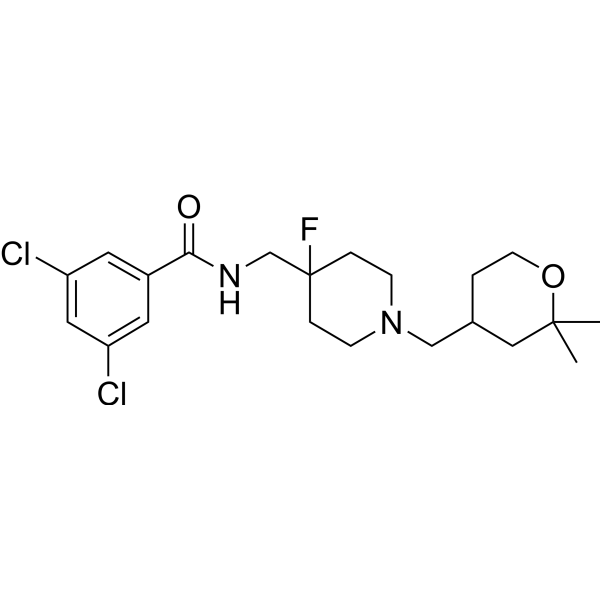
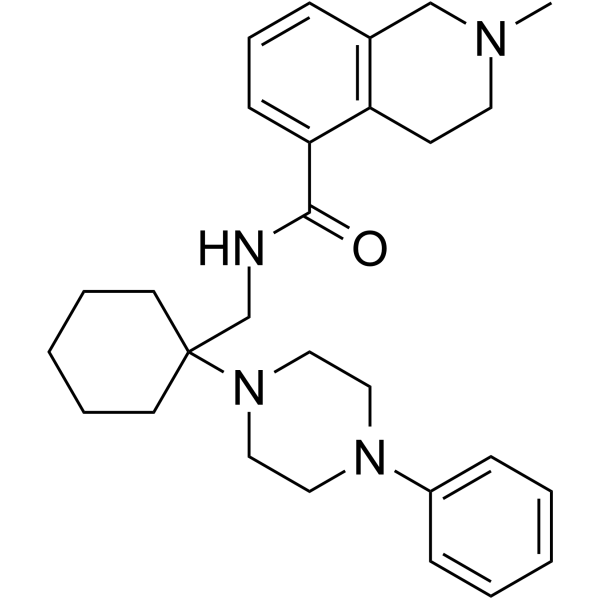
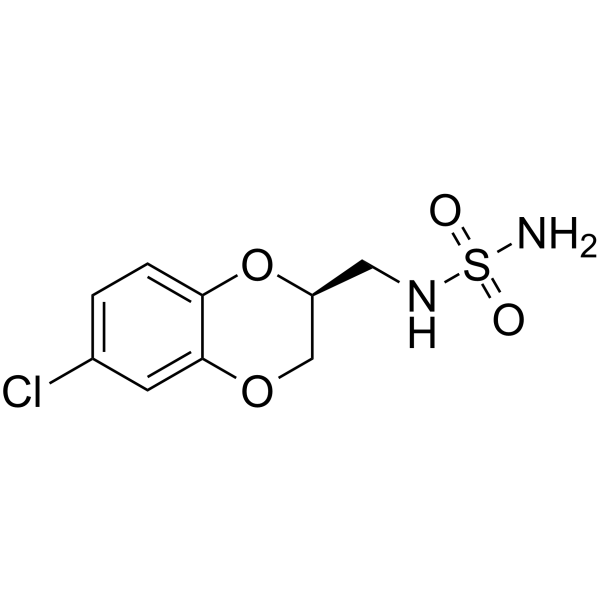
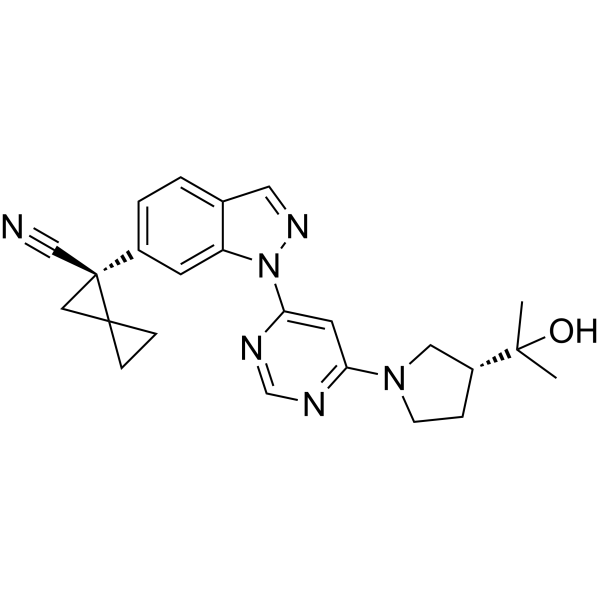
1. Search Result
Search Result
Pathways Recommended: Membrane Transporter/Ion Channel
Results for "

CNS channels

" in MedChemExpress (MCE) Product Catalog:

34

Inhibitors & Agonists

2

Screening Libraries

2

Isotope-Labeled Compounds

Cat. No. Product Name Target Research Areas Chemical Structure
  • HY-12650
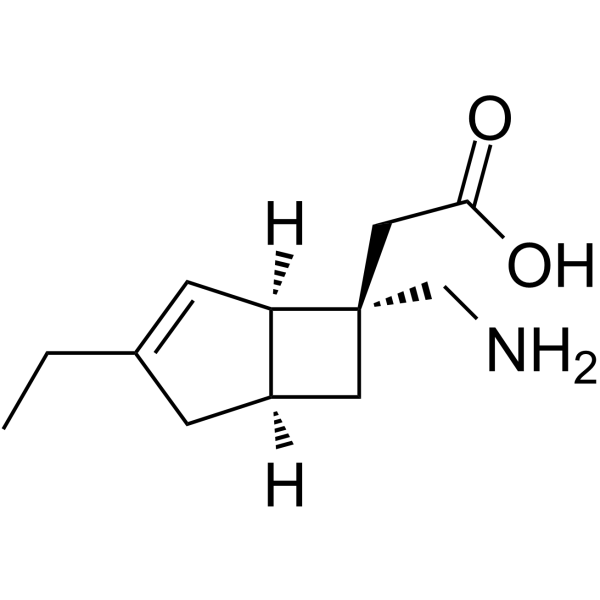
    Mirogabalin
    5 Publications Verification

    DS5565

    Calcium Channel Neurological Disease
    Mirogabalin (DS-5565) is a novel, preferentially selective α2δ-1 ligand characterized by high potency and selectivity to the α2δ-1 subunit of voltage-sensitive calcium channel complexes in the CNS.
    Mirogabalin
  • HY-12501A
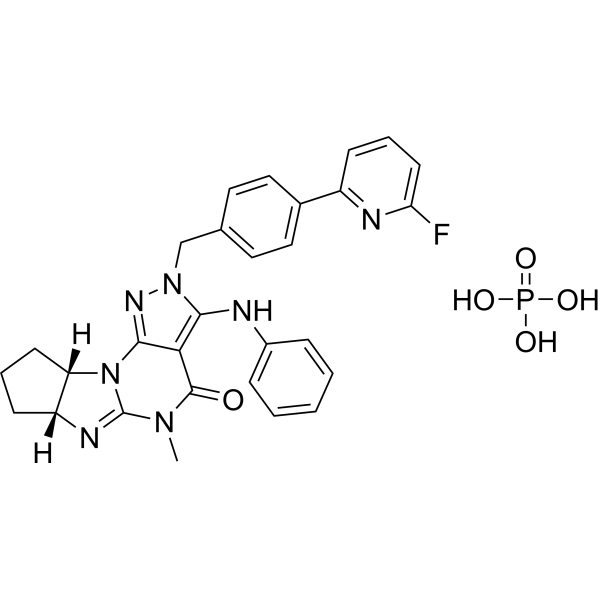
    ITI-214
    3 Publications Verification

    Phosphodiesterase (PDE) Neurological Disease
    ITI-214 is a potent, CNS-active, orally bioavailable PDE1 inhibitor (Ki of 58 pM) with excellent selectivity against other PDE family members and against a panel of enzymes, receptors, transporters and ion channels. ITI-214 inhibits recombinant full-length human PDE1A, PDE1B and PDE1C with Kis of 33 pM, 380 pM and 35 pM, respectively. ITI-214 shows efficacy in various animal models of motor and cognitive functions .
    ITI-214
  • HY-12345
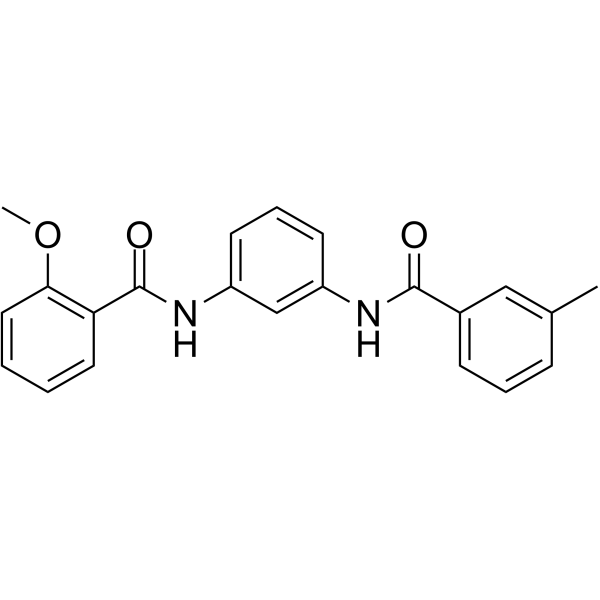
    ML365
    Maximum Cited Publications
    6 Publications Verification

    Potassium Channel Cardiovascular Disease
    ML365 is a selective two-pore domain potassium channel KCNK3/TASK1 inhibitor, with an IC50 of 4 nM. ML365 acts as a pharmacological tool that can be used to examine the specific roles of TASK1 channels .
    ML365
  • HY-10035
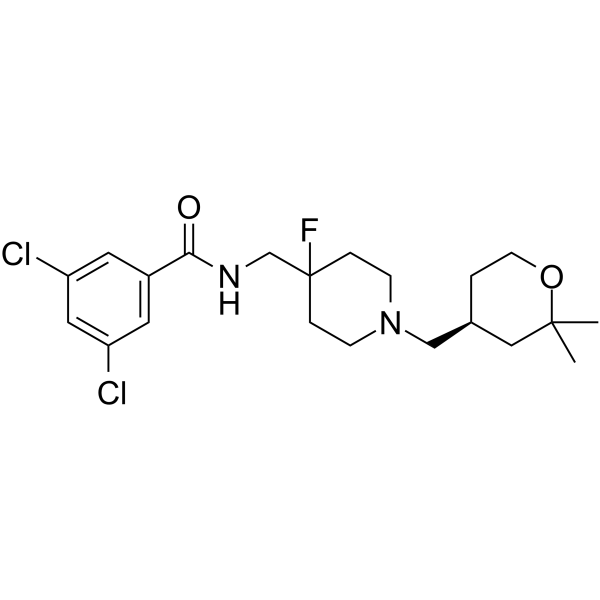
    TTA-P2
    2 Publications Verification

    T-Type calcium channel inhibitor

    Calcium Channel Neurological Disease
    TTA-P2 (T-Type calcium channel inhibitor) is a selective, orally active, and BBB-penetrant T-type calcium channel blocker (IC50 = 22 nM). TTA-P2 reduces mechanical hypersensitivity and alleviates acute as well as chronic pain. TTA-P2 significantly reduces firing rates in temporal lobe epilepsy (TLE) neurons to control levels and suppresses synaptically evoked burst firing. TTA-P2 can be studied in research for neurological diseases such as tremor and absence epilepsy < sup>[4] .
    TTA-P2
  • HY-122697

    Potassium Channel Cardiovascular Disease Neurological Disease Endocrinology
    ML418 is a potent, selective and CNS penetrating Kir7.1 potassium channel blocker. ML418 inhibits Kir7.1 with an IC50 value of 0.31 μM. ML418 can be used for the research of neurological, cardiovascular, endocrine and muscle disorders.
    ML418
  • HY-B0653A
    Levobupivacaine hydrochloride
    2 Publications Verification

    (S)-(-)-Bupivacaine monohydrochloride

    Sodium Channel Ferroptosis Cardiovascular Disease Neurological Disease Cancer
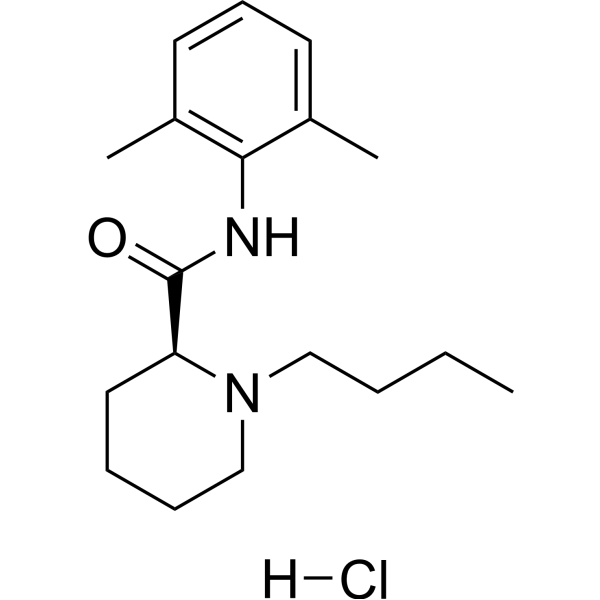
    Levobupivacaine hydrochloride ((S)-(-)-Bupivacaine monohydrochloride) is a long-acting amide local agent that can suppress or relieve pain. Levobupivacaine hydrochloride exerts agent that can suppress or relieve pain. and analgesic effects through reversible blockade of neuronal sodium channel. Levobupivacaine hydrochloride can inhibit impulse transmission and conduction in cardiovascular and other tissues, possessing certain cardiac and CNS toxicity. Levobupivacaine hydrochloride is metabolized by hepatic cytochrome P450 (CYP450) enzymes in vivo. Levobupivacaine hydrochloride can also induce ferroptosis by miR-489-3p/SLC7A11 signaling in gastric cancer .
    Levobupivacaine hydrochloride
  • HY-152107

    LRRK2 Neurological Disease
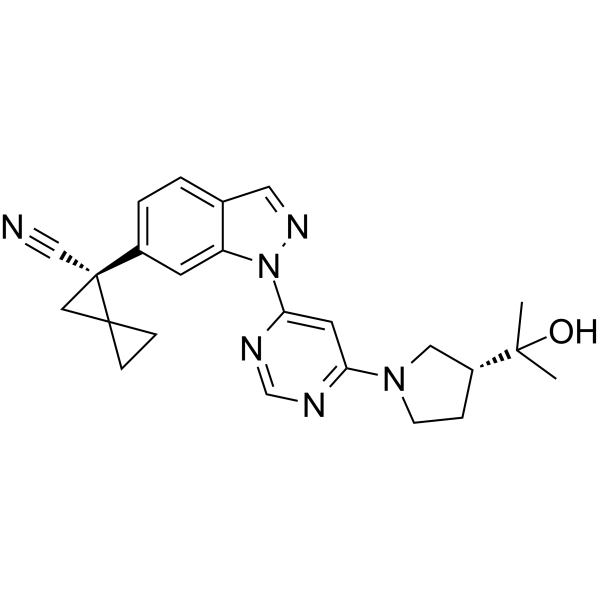
    LRRK2-IN-7 is a potent, selective, and CNS-penetrant LRRK2 kinase inhibitor with an IC50 of 0.9 nM. LRRK2-IN-7 shows >1000-fold selectivity over other kinases, ion channels, and CYP enzymes .
    LRRK2-IN-7
  • HY-101789

    Sodium Channel Neurological Disease
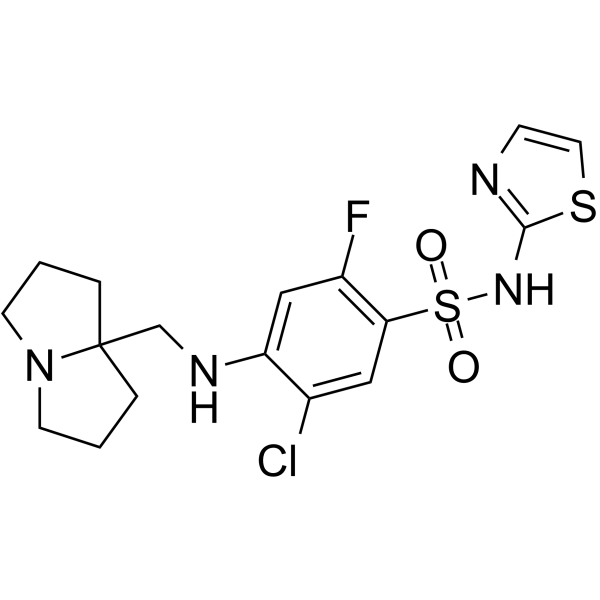
    Nav1.7-IN-3 is a selective, orally bioavailable voltage-gated sodium channel Nav1.7 inhibitor with an IC50 of 8 nM. Pain relief. Limited CNS penetration .
    Nav1.7-IN-3
  • HY-137952

    Potassium Channel TRP Channel Neurological Disease
    NS8593 is an SK channel (small conductance Ca 2+-activated K+ channels) inhibitor. NS8593 reversibly inhibited recombinant SK3-mediated currents (human SK3 and rat SK3). NS8593 inhibits all the SK1-3 subtypes Ca 2+-dependently (Kd = 0.42, 0.60, and 0.73 μM, respectively, at 0.5 μM Ca 2+). NS8593 does not affect the Ca 2+-activated K channels of intermediate and large conductance (hlk and hBK channels, respectively). NS8593 can also inhibit TRPM7 (melastatin-related TRP cation channel 7) (IC50 = 1.6 mM). NS8593 can be used for the study of central nervous system (CNS) related diseases .
    NS8593
  • HY-108460

    TRP Channel Neurological Disease
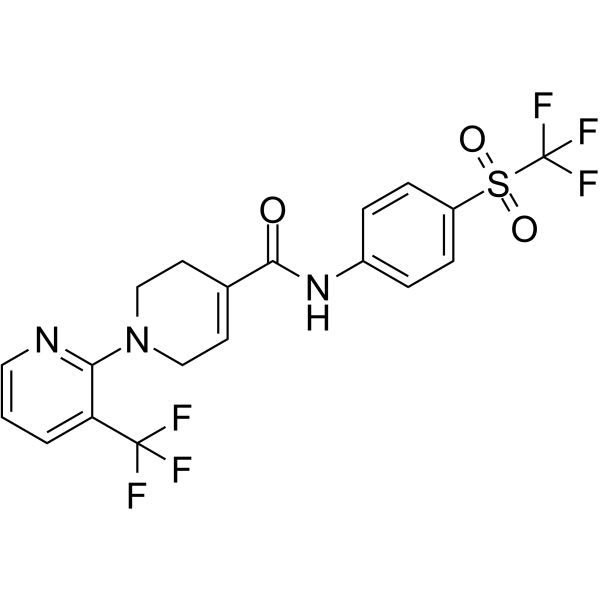
    A-784168 is a potent and orally active inhibitor of vanilloid receptor type 1 (TRPV1). Vanilloid receptor type 1 (TRPV1) is a ligand-gated nonselective cation channel that is considered to be an important integrator of various pain stimuli such as endogenous lipids, capsaicin, heat, and low pH. A-784168 has good CNS penetration .
    A-784168
  • HY-172182

    VU6011887

    Potassium Channel Neurological Disease
    ONO-2920632 is an orally active and central nervous system (CNS)-penetrant TREK activator, with EC50 values of 0.3 µM and 2.8 μM for TREK-1 and TREK-2, respectively. ONO-2920632 exhibits selectivity for other K2P channels (>91-fold selective versus TASK1, TASK2, TASK3, TRAAK, and TWIK2; 31-fold selective versus TRESK). ONO-2920632 possesses analgesic effects and can be used in research on pain, migraine, and neurological disorders.
    ONO-2920632
  • HY-B0653
    Levobupivacaine
    2 Publications Verification

    (S)-(-)-Bupivacaine

    Sodium Channel Ferroptosis Neurological Disease Cancer
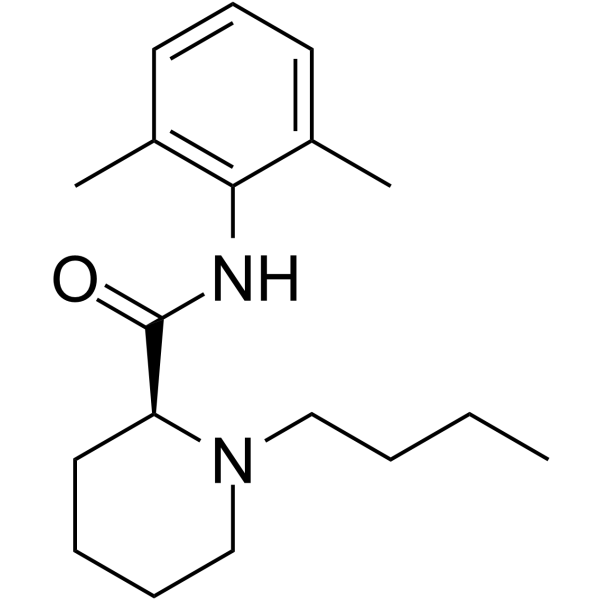
    Levobupivacaine ((S)-(-)-Bupivacaine) is a long-acting amide local agent that can suppress or relieve pain. Levobupivacaine exerts agent that can suppress or relieve pain. and analgesic effects through reversible blockade of neuronal sodium channel. Levobupivacaine can inhibit impulse transmission and conduction in cardiovascular and other tissues, possessing certain cardiac and CNS toxicity. Levobupivacaine is metabolized by hepatic cytochrome P450 (CYP450) enzymes in vivo. Levobupivacaine can also induce ferroptosis by miR-489-3p/SLC7A11 signaling in gastric cancer .
    Levobupivacaine
  • HY-101809A

    iGluR Cardiovascular Disease
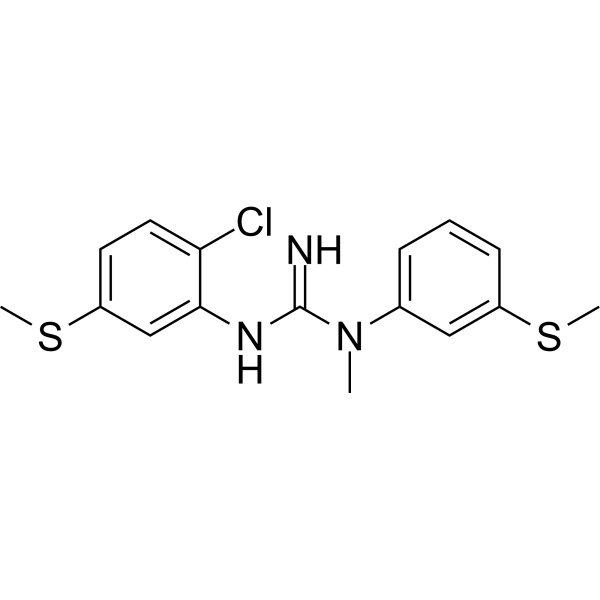
    CNS-5161 is a novel NMDA ion-channel antagonist that interacts with the NMDA receptor/ion channel site to produce a noncompetitive blockade of the actions of glutamate.
    CNS 5161
  • HY-12501

    Phosphodiesterase (PDE) Neurological Disease
    ITI-214 free base is a potent, CNS-active, orally bioavailable PDE1 inhibitor (Ki of 58 pM) with excellent selectivity against other PDE family members and against a panel of enzymes, receptors, transporters and ion channels. ITI-214 free base inhibits recombinant full-length human PDE1A, PDE1B and PDE1C with Kis of 33 pM, 380 pM and 35 pM, respectively. ITI-214 free base shows efficacy in various animal models of motor and cognitive functions .
    ITI-214 free base
  • HY-179004

    VU6022856

    Potassium Channel Neurological Disease
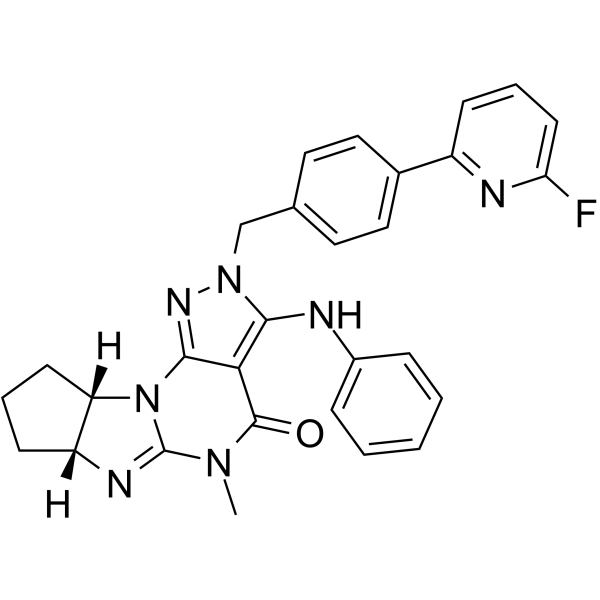
    ONO-9517601 is a potent, orally active, selective and CNS penetrant dual TREK-1/TREK-2 inhibitor (TREK-1 IC50= 0.067 μM, TREK-2 IC50= 0.23 μM). ONO-9517601 displays robust efficacy in an MK-801 (HY-15084B) challenge rat novel object recognition (NOR) paradigm. ONO-9517601 can be used for research on neurological and cognitive disorders .
    ONO-9517601
  • HY-50707

    (Rac)-T-Type calcium channel inhibitor

    Calcium Channel Drug Isomer Neurological Disease
    (Rac)-TTA-P2 is the isomer of TTA-P2 (HY-10035), and can be used as an experimental control. TTA-P2 (T-Type calcium channel inhibitor) is a potent inhibitor of T-Type calcium channel. TTA-P2 penetrates well the CNS and blocks the native T-type currents in deep cerebellar nuclear neurons, the window current is completely abolished both for wild-type and mutant Cav3.1 channels. TTA-P2 has the potential for the research of neurology disease .
    (Rac)-TTA-P2
  • HY-123481

    P2X Receptor Metabolic Disease
    JNJ-42253432 is a CNS-penetrant, high-affinity and orally active P2X7 antagonist, with pKi values of 9.1 and 7.9 for rat and human P2X7 channels, respectively .
    JNJ-42253432
  • HY-12596

    Calcium Channel Sodium Channel Potassium Channel Neurological Disease
    JNJ-26489112, a CNS-active agent, exhibits broad-spectrum anticonvulsant activity in rodents against audiogenic, electrically-induced, and chemically-induced seizures. JNJ-26489112 inhibits voltage-gated Na + channels and N-type Ca 2+ channels, and is effective as a K + channel opener. JNJ-26489112 has very weak inhibition of CA-II (IC50=35 μM) and CA-I (18 μM) .
    JNJ-26489112
  • HY-152107A

    LRRK2 Neurological Disease
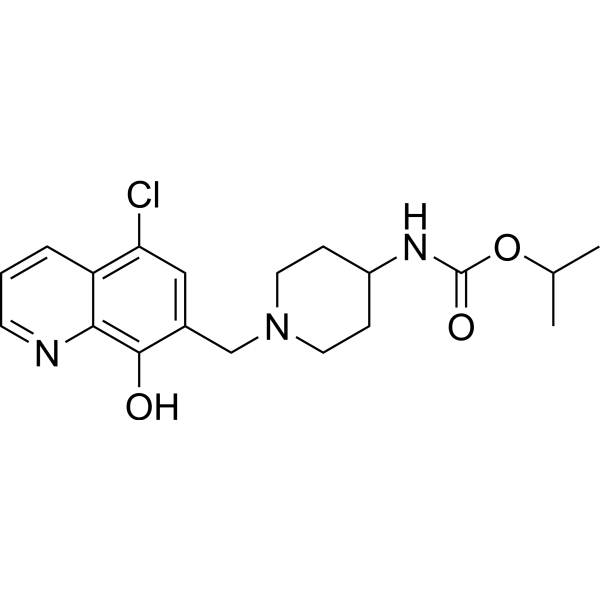
    (R,R)-LRRK2-IN-7 is the isomer of LRRK2-IN-7 (HY-152107). LRRK2-IN-7 is a potent, selective, and CNS-penetrant LRRK2 kinase inhibitor with an IC50 of 0.9 nM. LRRK2-IN-7 shows >1000-fold selectivity over other kinases, ion channels, and CYP enzymes.
    (R,R)-LRRK2-IN-7
  • HY-12650S

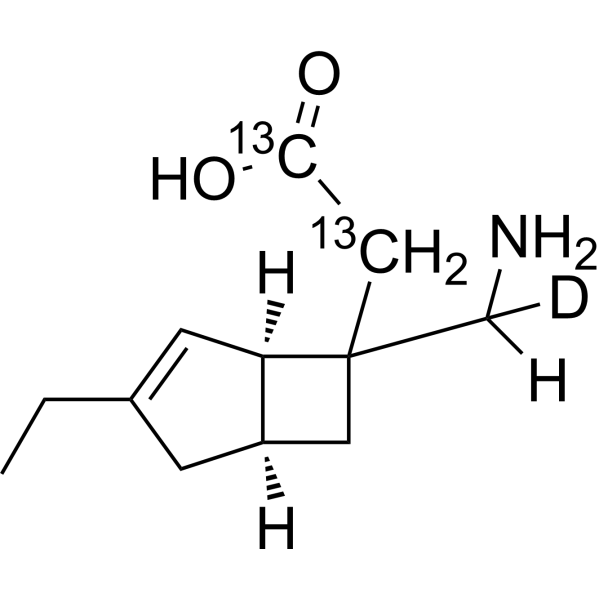
    DS5565-13C2,d1 (Mixture of Diastereomers)

    Isotope-Labeled Compounds Others
    Mirogabalin- 13C2,d1 (Mixture of Diastereomers) is a 13C and deuterium labeled Mirogabalin. Mirogabalin (DS-5565) is a preferentially selective α2δ-1 ligand characterized by high potency and selectivity to the α2δ-1 subunit of voltage-sensitive calcium channel complexes in the CNS .
    Mirogabalin-13C2,d1 (Mixture of Diastereomers)
  • HY-179005

    VU6024391

    Potassium Channel Neurological Disease
    ONO-7927846 is a potent, orally active, selective and CNS penetrant dual TREK-1/TREK-2 inhibitor (TREK-1 IC50= 0.11 μM, TREK-2 IC50= 0.29 μM). ONO-7927846 displays robust efficacy in an MK-801 (HY-15084B) challenge rat novel object recognition (NOR) paradigm. ONO-7927846 can be used for research on neurological and cognitive disorders .
    ONO-7927846
  • HY-147639

    Calcium Channel Neurological Disease
    Cav 2.2/3.2 blocker 1 (Compound 9e) is a neuronal calcium channel blocker with IC50 values of 78 μM and 80 μM against Cav2.2 and Cav3.2, respectively. Cav 2.2/3.2 blocker 1 can penetrate the CNS .
    Cav 2.2/3.2 blocker 1
  • HY-10035A

    Calcium Channel Neurological Disease
    (R)-TTA-P2 is the isomer of TTA-P2 (HY-10035), and can be used as an experimental control. TTA-P2 (T-Type calcium channel inhibitor) is a potent inhibitor of T-Type calcium channel. TTA-P2 penetrates well the CNS and blocks the native T-type currents in deep cerebellar nuclear neurons, the window current is completely abolished both for wild-type and mutant Cav3.1 channels. TTA-P2 has the potential for the research of neurology disease .
    (R)-TTA-P2
  • HY-101809

    CNS 5161A

    iGluR Cardiovascular Disease
    CNS-5161 hydrochloride is a novel NMDA ion-channel antagonist that interacts with the NMDA receptor/ion channel site to produce a noncompetitive blockade of the actions of glutamate.
    CNS-5161 hydrochloride
  • HY-163855

    Sodium Channel GABA Receptor Neurological Disease
    KGP-25 is an inhibitor of voltage-gated sodium channel 1.8 (Nav1.8), which can be used for analgesia by targeting Nav1.8 in the peripheral nervous system (PNS). KGP-25 can also target γ-aminobutyric acid subtype A receptor (GABAA) in the central nervous system (CNS) for general anesthesia .
    KGP-25
  • HY-12650R

    DS5565 (Standard)

    Reference Standards Calcium Channel Neurological Disease
    Mirogabalin (Standard) is the analytical standard of Mirogabalin. This product is intended for research and analytical applications. Mirogabalin (DS-5565) is a novel, preferentially selective α2δ-1 ligand characterized by high potency and selectivity to the α2δ-1 subunit of voltage-sensitive calcium channel complexes in the CNS.
    Mirogabalin (Standard)
  • HY-B0653AS

    (S)-(–)-Bupivacaie-d9hydrochloride

    Isotope-Labeled Compounds Ferroptosis Sodium Channel Cardiovascular Disease Neurological Disease Cancer
    Levobupivacaine-d9 ((S)-(–)-Bupivacaie-d9) hydrochloride is deuterium labeled Levobupivacaine hydrochloride (HY-B0653A). Levobupivacaine hydrochloride ((S)-(-)-Bupivacaine monohydrochloride) is a long-acting amide local agent that can suppress or relieve pain. Levobupivacaine hydrochloride exerts agent that can suppress or relieve pain. and analgesic effects through reversible blockade of neuronal sodium channel. Levobupivacaine hydrochloride can inhibit impulse transmission and conduction in cardiovascular and other tissues, possessing certain cardiac and CNS toxicity. Levobupivacaine hydrochloride is metabolized by hepatic cytochrome P450 (CYP450) enzymes in vivo. Levobupivacaine hydrochloride can also induce ferroptosis by miR-489-3p/SLC7A11 signaling in gastric cancer .
    Levobupivacaine-d9 hydrochloride
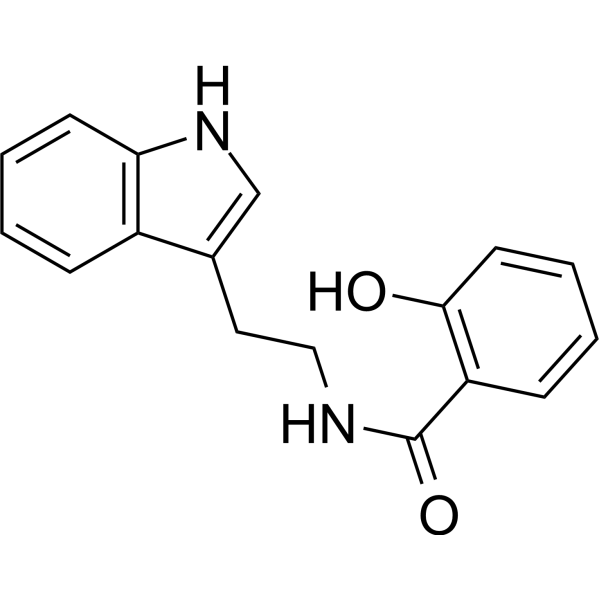
  • HY-147377

    Calcium Channel ERK Potassium Channel Guanylate Cyclase NF-κB Cardiovascular Disease Neurological Disease Inflammation/Immunology
    N-Salicyloyltryptamine acts on voltage-dependent Na +, Ca 2+, and K + ion channels inhibitor. N-Salicyloyltryptamine inhibits K + currents with an IC50 value of 34.6 μM (Ito). N-Salicyloyltryptamine also exhibits anticonvulsant, anti-inflammatory, analgesic, and vasorelaxation effect - .
    N-Salicyloyltryptamine
  • HY-122561

    Opioid Receptor Neurological Disease
    MK-1925 is an orally active, CNS-penetrant ORL1 receptor antagonist with an IC50 of 8.2 nM. MK-1925 selectively inhibits the ORL1 receptor and shows no significant activity against other opioid receptors or the hERG potassium channel .
    MK-1925
  • HY-182571

    Chloride Channel Neurological Disease
    AK-42 is a selective CLC-2 chloride channel inhibitor with human IC50 of 17 nM and rat IC50 of 14 nM. AK-42 binds to an extracellular vestibule above the channel pore, inhibits CLC-2 currents acutely and reversibly, including with auxiliary subunit GlialCAM coexpression. AK-42 acts as a selective tool compound for acute CLC-2 function modulation to probe CLC-2 neurophysiology. AK-42 can be used for the research of leukodystrophy and idiopathic generalized epilepsies .
    AK-42
  • HY-101789R

    Reference Standards Sodium Channel Neurological Disease
    Nav1.7-IN-3 (Standard) is the analytical standard of Nav1.7-IN-3 (HY-101789). This product is intended for research and analytical applications. Nav1.7-IN-3 is a selective, orally bioavailable voltage-gated sodium channel Nav1.7 inhibitor with an IC50 of 8 nM. Pain relief. Limited CNS penetration .
    Nav1.7-IN-3 (Standard)
  • HY-108460R

    Reference Standards TRP Channel Neurological Disease
    A-784168 (Standard) is the analytical standard of A-784168 (HY-108460). This product is intended for research and analytical applications. A-784168 is a potent and orally active inhibitor of vanilloid receptor type 1 (TRPV1). Vanilloid receptor type 1 (TRPV1) is a ligand-gated nonselective cation channel that is considered to be an important integrator of various pain stimuli such as endogenous lipids, capsaicin, heat, and low pH. A-784168 has good CNS penetration .
    A-784168 (Standard)
  • HY-10035R

    T-Type calcium channel inhibitor (Standard)

    Calcium Channel Reference Standards Neurological Disease
    TTA-P2 (Standard) is the analytical standard of TTA-P2 (HY-10035). This product is intended for research and analytical applications. TTA-P2 (T-Type calcium channel inhibitor) is a selective, orally active, and BBB-penetrant T-type calcium channel blocker (IC50 = 22 nM). TTA-P2 reduces mechanical hypersensitivity and alleviates acute as well as chronic pain. TTA-P2 significantly reduces firing rates in temporal lobe epilepsy (TLE) neurons to control levels and suppresses synaptically evoked burst firing. TTA-P2 can be studied in research for neurological diseases such as tremor and absence epilepsy < sup> .
    TTA-P2 (Standard)
  • HY-180400

    nAChR Calcium Channel Neurological Disease
    PAM-2 is a potent, orally active, CNS-penetrant selective α7 nAChR positive allosteric modulator (human α7 nAChR EC50: 39 μM, rat α7 nAChR EC50: 12 μM) with anti-nociceptive and anti-inflammatory activity. PAM-2 exhibits selectivity over α9α10 nAChR (IC50 = 174 μM) and CaV2.2 channel (IC50 = 89 μM). PAM-2 decreases Streptozotocin (STZ) (HY-13753)- and Oxaliplatin (HY-17371)-inducned nuroparhic pain in mice by α7 nAChR potentiation. PAM-2 can be used for the research of neuropathic pain .
    PAM-2

Inquiry Online

Your information is safe with us. * Required Fields.

Salutation


Country or Region *

Applicant Name *


Organization Name *

Department *


Email Address *


Product Name *

Cat. No.


Requested quantity *

Phone Number *


Remarks

Inquiry Online

Inquiry Information

Product Name:
Cat. No.:
Quantity:
MCE Japan Authorized Agent: