Delivery of temperature sensitive items including proteins and kits will be paused on 6/19 for the Juneteenth holiday. For urgent orders please contact customer service.
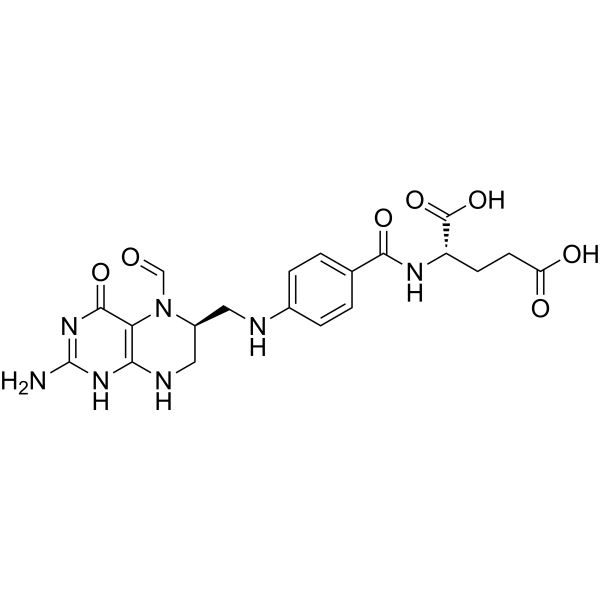
Levoleucovorin (Levofolinic acid; Levofolene) is the pharmacologically and orally active levoisomer of Folinic acid (HY-17556), a synthetic folate analogue. Levoleucovorin can inhibit LOXL2 with an IC50 of 68.81 μM. Levoleucovorin can inhibit cancer cells proliferation, migration and induce apoptosis. Levoleucovorin can be used as a rescue agent for high-dose Methotrexate (HY-14519). Levoleucovorin can reduce the frequency of embryonic malformations. Levoleucovorin can be used for the research of can and endocrinology, such as breast cancer and osteosarcoma [2] .
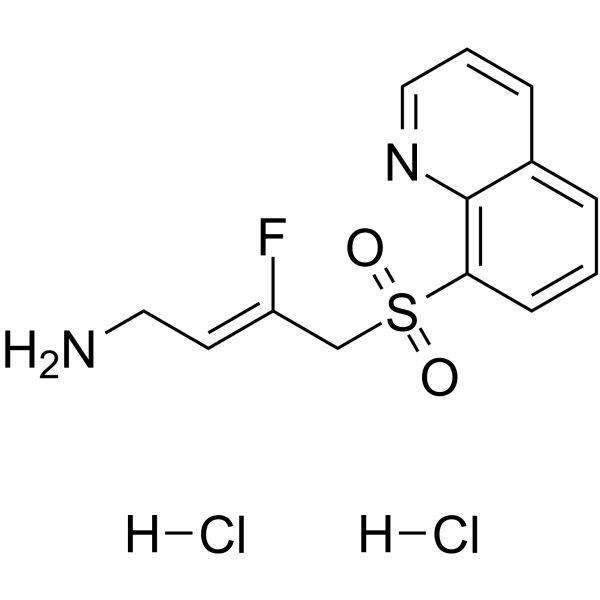
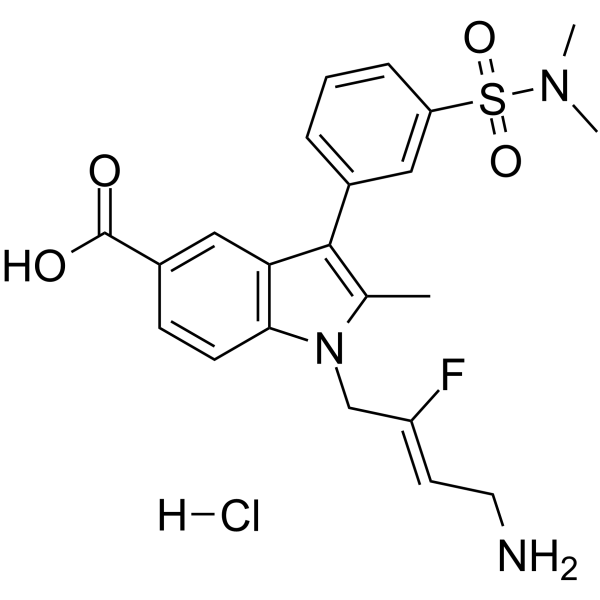
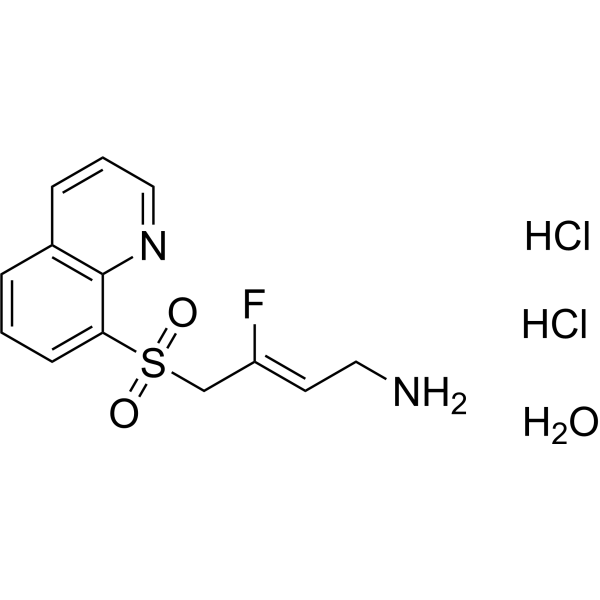
PXS-5505 anhydrous (LOX-IN-3 dihydrochloride) is an orally active lysyl oxidase (LOX) inhibitor. PXS-5505 anhydrous can be used for fibrosis, cancer and angiogenesis research .
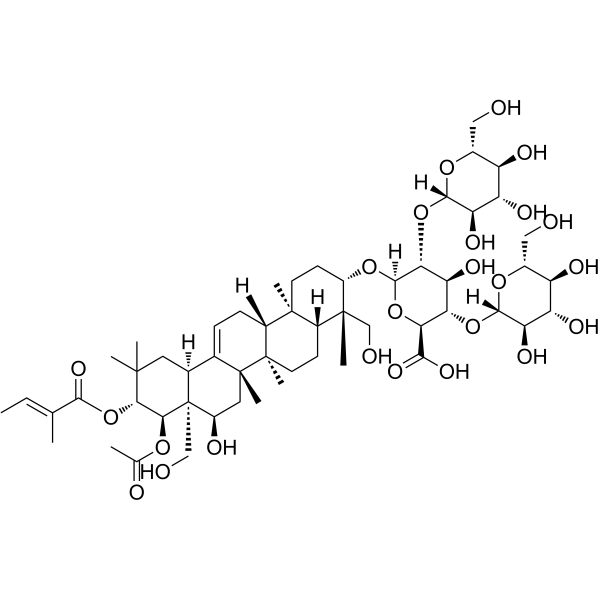
Escin IA is an oral LOXL2 inhibitor and EMT inhibitor, with selectivity for LOXL2-expressing cells. Escin IA suppresses invasion, migration, and metastasis of breast cancer cells, and acts as the primary anti-TNBC metastasis constituent of Aesculus chinensis Bunge fruit saponin fraction. Escin IA can be used for the research of triple-negative breast cancer, acute inflammation, and ethanol-induced gastric mucosal lesions [2] .
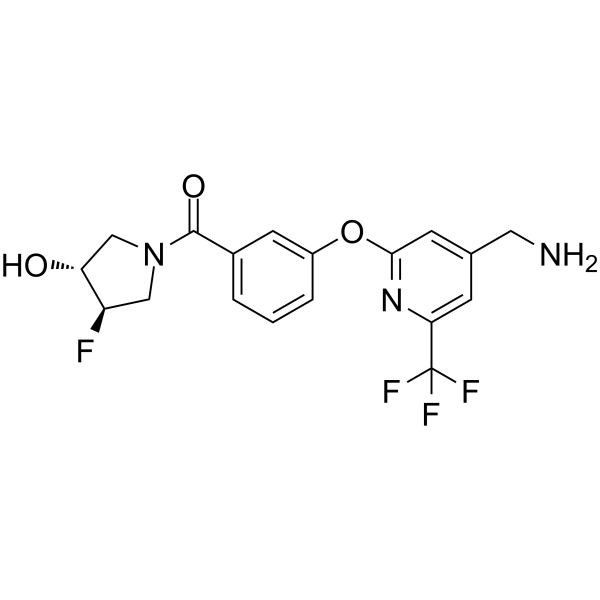
PAT-1251 is a potent, selective and oral lysyl oxidase-like 2(LOXL2) inhibitor, with IC50s of 0.71 and 1.17 μM for hLOXL2 and hLOXL3, respectively, and also potently inhibits mouse, rat, and dog LOXL2 (IC50s, 0.10, 0.12, and 0.16 μM, respectively); PAT-1251 is used in the research of fibrotic diseases .
PXS-5505 free base (LOX-IN-3) is an orally active lysyl oxidase (LOX) inhibitor. PXS-5505 free base can be used for fibrosis, cancer and angiogenesis research .
Simtuzumab (AB 0024; GS 6624) is a monoclonal antibody directed against Lysyl oxidase like-2(LOXL2). Simtuzumab non-competitively blocks collagen cross-linking, reduces LOXL2 protein expression and attenuates extracellular matrix changes. Simtuzumab reduces myocardial fibrosis and prevents cardiac dysfunction. Simtuzumab lowers Myh7 and Nppa gene expression, reduces contraction heterogeneity, and cuts COL1A1 deposition. Simtuzumab can be used for the research of LMNA mutation-induced dilated cardiomyopathy, idiopathic pulmonary fibrosis, and primary sclerosing cholangitis [2] .
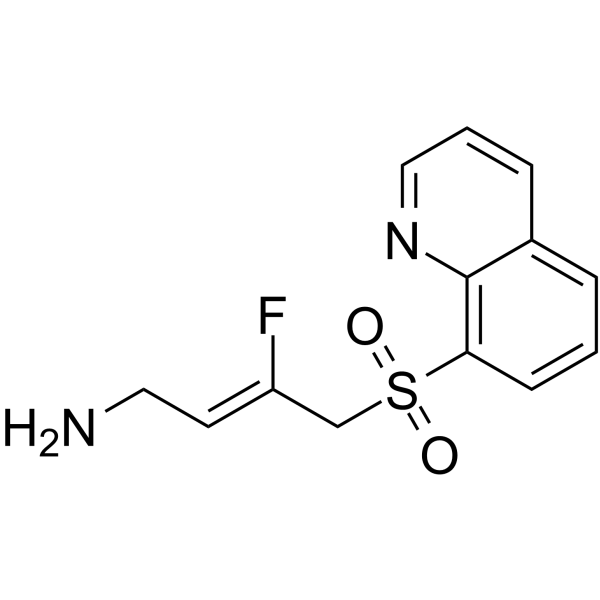
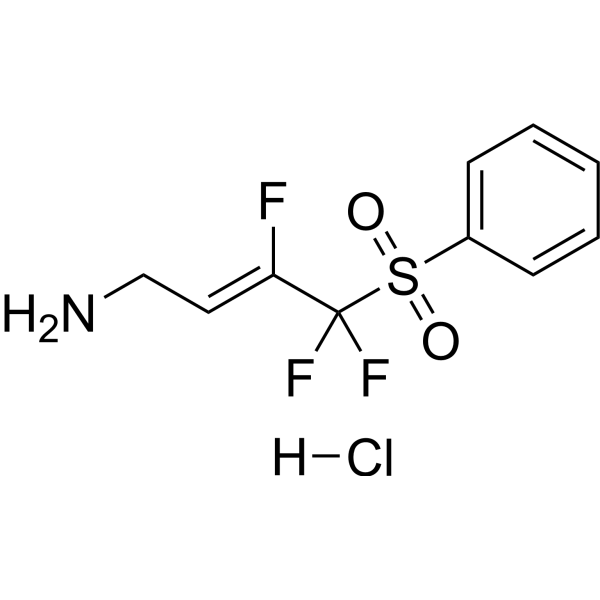
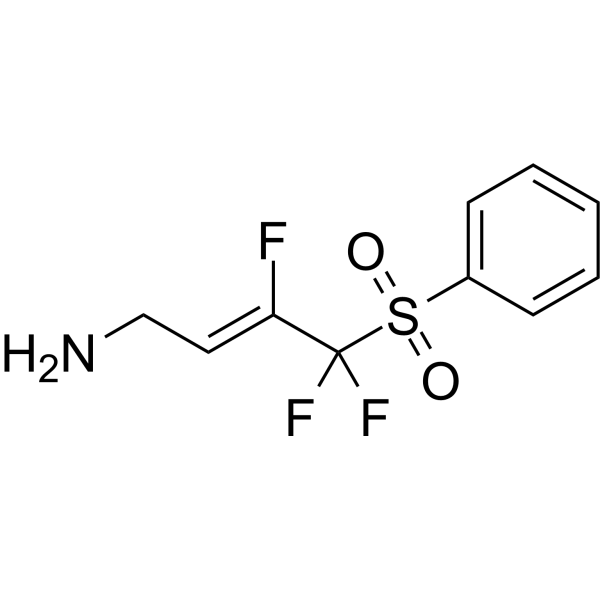
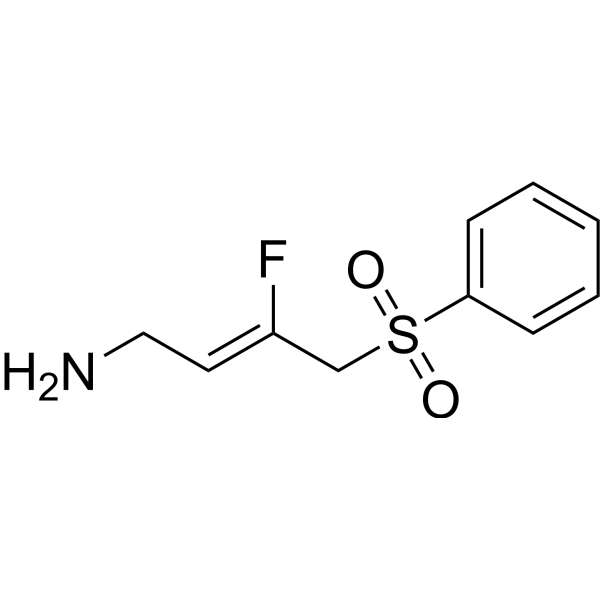
PXS-5120A is a potent, irreversible fluoroallylamine inhibitor of Lysyl Oxidase-like 2/3 (LOXL2/3) with anti-fibrotic activity. PXS-5120A is >300-fold selective for LOXL2 (Ki of 83 nM; pIC50 of 8.4) over LOXL (pIC50 of 5.8) .
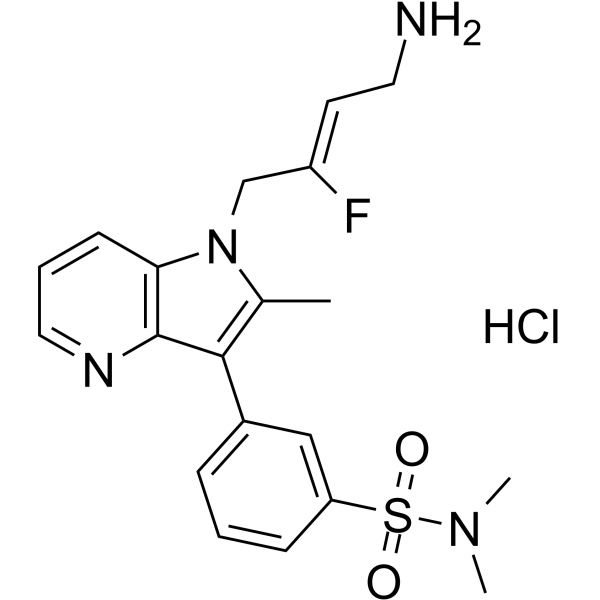
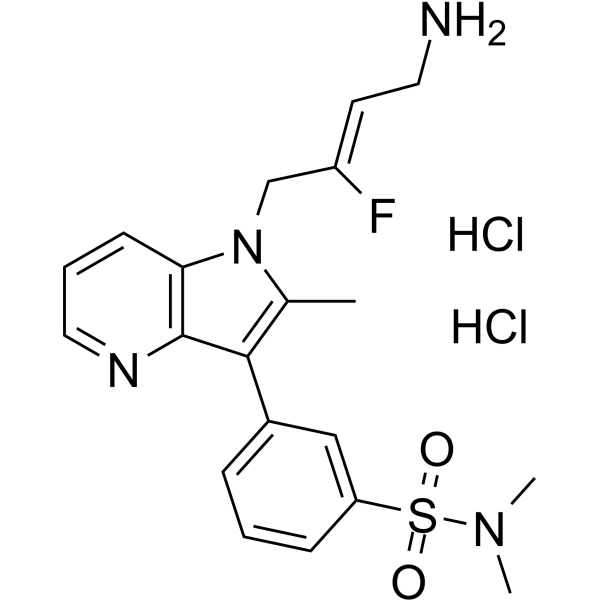
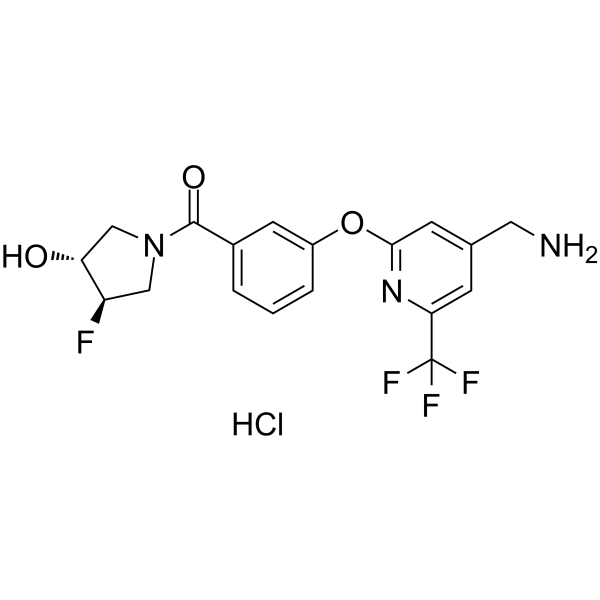
PXS-5153A monohydrochloride is a potent, selective, orally active and fast-acting lysyl oxidase like 2/3 enzymatic (LOXL2/LOXL3) inhibitor, with an IC50 of <40 nM for LOXL2 across all mammalian species and an IC50 of 63 nM for human LOXL3. PXS-5153A monohydrochloride could reduce crosslinks and ameliorates fibrosis.
LXG6403 is an orally active and irreversible LOX inhibitor (IC50 = 1.3 μM). LXG6403 is ~3.5-fold more specific for LOX than LOXL2 and does not inhibit LOXL1. LXG6403 inhibits FAK signaling and induces ROS generation and DNA damage, leading to G1 arrest and apoptosis in chemoresistant triple-negative breast cancer (TNBC) cell lines. LXG6403 alters the extracellular matrix (ECM) and collagen structure, reducing collagen cross-linking and deposition, thereby increasing drug penetration and reducing tumor stiffness. LXG6403 overcomes Doxorubicin (HY-15142) resistance in chemoresistant TNBC PDX in vivo and can be used to study high-stiffness resistant tumors .
SNT-5382 is a lysyl oxidase family (LOX) inhibitor and anti-fibrotic agent. SNT-5382 binds to the LTQ cofactor of LOXL2 and inhibits the enzymatic activities of LOXL3, LOXL4, LOXL1, CYP2C9, and CYP2C19. SNT-5382 reduces cardiac and liver fibrosis as well as collagen crosslinks, and improves cardiac function. SNT-5382 can be used for the research of heart failure, myocardial infarction, and nonalcoholic steatohepatitis-related liver fibrosis [2].
LOX-IN-5 tosylate (compound 22) is a selective and orally active lysyl oxidase-like 2(LOXL2) inhibitor with an IC50 of <300 nM. LOX-IN-5 tosylate possess anti-fibrosis properties .
PXS-5153A is a potent, selective, orally active and fast-acting lysyl oxidase like 2/3 enzymatic (LOXL2/LOXL3) inhibitor, with an IC50 of <40 nM for LOXL2 across all mammalian species and an IC50 of 63 nM for human LOXL3. PXS-5153A could reduce crosslinks and ameliorates fibrosis.
PXS-4787 hydrochloride is a specific and effective pan-LOX (lysyl oxidase) inhibitor for abolishing lysyl oxidase activity. PXS-4787 hydrochloride inhibits LOX with IC50s of 2 μM (Bovine LOX), 3.2 μM (rh LOXL1), 0.6 μM (rh LOXL2), 1.4 μM (rh LOXL3), 0.2 μM (rh LOXL4), respectively. PXS-4787 hydrochloride reduces deposition and crosslinking of collagen I secreted by human fibroblasts .
Loxl2 Mouse Pre-designed siRNA Set A contains three designed siRNAs for Loxl2 gene (Mouse), as well as a negative control, a positive control, and a FAM-labeled negative control.
Loxl2 Rat Pre-designed siRNA Set A contains three designed siRNAs for Loxl2 gene (Rat), as well as a negative control, a positive control, and a FAM-labeled negative control.
LOXL2 Human Pre-designed siRNA Set A contains three designed siRNAs for LOXL2 gene (Human), as well as a negative control, a positive control, and a FAM-labeled negative control.
LOX-IN-5 (compound 22) is a selective and orally active lysyl oxidase-like 2(LOXL2) inhibitor with an IC50 of <300 nM. LOX-IN-5 possess anti-fibrosis properties .
PXS-5505 (LOX-IN-3 dihydrochloride monohydrate) (Compound 33) is an orally active lysyl oxidase (LOX) inhibitor. PXS-5505 can be used for fibrosis, cancer and angiogenesis research .
Escin IA (Standard) is the analytical standard of Escin IA. This product is intended for research and analytical applications. Escin IA is a triterpene saponin isolated from Aesculus hippocastanum, which inhibits HIV-1 protease with IC50 values of 35 μM. Escin IA has anti-TNBC metastasis activity, and its action mechanisms involved inhibition of epithelial-mesenchymal transition process by down-regulating LOXL2 expression [2].
LOXL2/sGCmodulator-2 (Compound 9k) is a selective and orally active lysyl oxidase-like 2(LOXL2) and soluble guanylate cyclase (sGC) dual-target regulator. LOXL2/sGCmodulator-2 shows inhibitory activity for LOXL2 with an IC50 of 0.1 μM and can activate sGC. LOXL2/sGCmodulator-2 can ameliorate vascular remodeling and reduce pulmonary artery pressure. LOXL2/sGCmodulator-2 can downregulate PKG1, PCNA, α-SMA, collagen I and fibronectin levels. LOXL2/sGCmodulator-2 can be used for the research of pulmonary arterial hypertension .
LOXL2/sGC modulator-1 (Compound 11k) is a LOXL2 inhibitor (IC₅₀ = 0.13 μM) and an sGC activator. LOXL2/sGC modulator-1 shows good selectivity for LOX (IC₅₀ > 45.9 μM) and LOXL3 (IC₅₀ = 1.30 μM). LOXL2/sGC modulator-1 significantly increases intracellular cGMP levels in the presence of the gGC inhibitor ODQ (HY-101255). LOXL2/sGC modulator-1 significantly inhibits hypoxia-induced collagen deposition and cross-linking, while promoting vasodilation. LOXL2/sGC modulator-1 can be used for the study of pulmonary arterial hypertension .
PAT-1251 Hydrochloride is a potent, selective and oral lysyl oxidase-like 2(LOXL2) inhibitor, with IC50s of 0.71 and 1.17 μM for hLOXL2 and hLOXL3, respectively, and also potently inhibits mouse, rat, and dog LOXL2 (IC50s, 0.10, 0.12, and 0.16 μM, respectively). PAT-1251 Hydrochloride is used in the research of fibrotic diseases.
LNO 9 is an orally active LOXL2 inhibitor and NO donor, with an IC50 of 0.17 μM against human LOXL2. LNO 9 competitively binds to the LTQ cofactor of LOXL2 to form an irreversible complex, thereby inhibiting collagen oxidation and abnormal cross-linking. LNO 9 releases nitric oxide (NO) to increase cGMP levels in pulmonary artery smooth muscle cells. LNO 9 inhibits hypoxia-induced collagen modification and possesses vasodilatory activity. LNO 9 ameliorates right ventricular hypertrophy and pulmonary artery medial thickness in rat models induced by hypoxia and Monocrotaline (HY-N0750), and can be used for research on pulmonary hypertension .
Lenumlostat (Standard) is the analytical standard of Lenumlostat (HY-107422). This product is intended for research and analytical applications. PAT-1251 is a potent, selective and oral lysyl oxidase-like 2 (LOXL2) inhibitor, with IC50s of 0.71 and 1.17 μM for hLOXL2 and hLOXL3, respectively, and also potently inhibits mouse, rat, and dog LOXL2 (IC50s, 0.10, 0.12, and 0.16 μM, respectively); PAT-1251 is used in the research of fibrotic diseases .
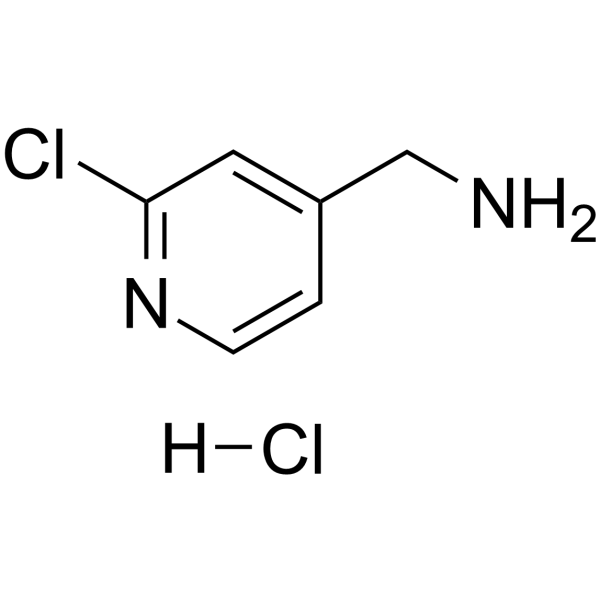
(2-Chloropyridin-4-yl)methanamine hydrochloride (Standard) is the analytical standard of (2-Chloropyridin-4-yl)methanamine hydrochloride (HY-101771A). This product is intended for research and analytical applications. (2-Chloropyridin-4-yl)methanamine hydrochloride is a selective LOXL2 inhibitor with an IC50 of 126 nM.
Loxl3 Mouse Pre-designed siRNA Set A contains three designed siRNAs for Loxl3 gene (Mouse), as well as a negative control, a positive control, and a FAM-labeled negative control.
Simtuzumab (AB 0024; GS 6624) is a monoclonal antibody directed against Lysyl oxidase like-2(LOXL2). Simtuzumab non-competitively blocks collagen cross-linking, reduces LOXL2 protein expression and attenuates extracellular matrix changes. Simtuzumab reduces myocardial fibrosis and prevents cardiac dysfunction. Simtuzumab lowers Myh7 and Nppa gene expression, reduces contraction heterogeneity, and cuts COL1A1 deposition. Simtuzumab can be used for the research of LMNA mutation-induced dilated cardiomyopathy, idiopathic pulmonary fibrosis, and primary sclerosing cholangitis [2] .
Levoleucovorin (Levofolinic acid; Levofolene) is the pharmacologically and orally active levoisomer of Folinic acid (HY-17556), a synthetic folate analogue. Levoleucovorin can inhibit LOXL2 with an IC50 of 68.81 μM. Levoleucovorin can inhibit cancer cells proliferation, migration and induce apoptosis. Levoleucovorin can be used as a rescue agent for high-dose Methotrexate (HY-14519). Levoleucovorin can reduce the frequency of embryonic malformations. Levoleucovorin can be used for the research of can and endocrinology, such as breast cancer and osteosarcoma [2] .
Escin IA is an oral LOXL2 inhibitor and EMT inhibitor, with selectivity for LOXL2-expressing cells. Escin IA suppresses invasion, migration, and metastasis of breast cancer cells, and acts as the primary anti-TNBC metastasis constituent of Aesculus chinensis Bunge fruit saponin fraction. Escin IA can be used for the research of triple-negative breast cancer, acute inflammation, and ethanol-induced gastric mucosal lesions [2] .
Escin IA (Standard) is the analytical standard of Escin IA. This product is intended for research and analytical applications. Escin IA is a triterpene saponin isolated from Aesculus hippocastanum, which inhibits HIV-1 protease with IC50 values of 35 μM. Escin IA has anti-TNBC metastasis activity, and its action mechanisms involved inhibition of epithelial-mesenchymal transition process by down-regulating LOXL2 expression [2].
LOXL2 protein mediates post-translational oxidative deamination of lysine residues, leading to the formation of allysine. It specifically deaminates H3K4me3, inhibits TFIID-dependent transcription, represses E-cadherin, activates the IRE1-XBP1 pathway, and promotes cross-linking of extracellular matrix proteins. LOXL2 is involved in EMT, tumor progression, angiogenesis regulation, and chondrocyte differentiation. LOXL2 Protein, Human (CHO, His) is the recombinant human-derived LOXL2 protein, expressed by CHO , with C-His labeled tag.
LOXL2 proteins play multifaceted roles in cellular processes by mediating post-translational oxidative deamination of lysine residues, leading to lysine formation. As a transcriptional corepressor, it specifically deaminates histone H3 trimethylated at "Lys-4" (H3K4me3), which is associated with transcriptional activation. LOXL2 Protein, Mouse (HEK293, His) is the recombinant mouse-derived LOXL2 protein, expressed by HEK293 , with C-His labeled tag.
LOXL2 protein mediates post-translational oxidative deamination of lysine residues, leading to the formation of allysine. It specifically deaminates H3K4me3, inhibits TFIID-dependent transcription, represses E-cadherin, activates the IRE1-XBP1 pathway, and promotes cross-linking of extracellular matrix proteins. LOXL2 is involved in EMT, tumor progression, angiogenesis regulation, and chondrocyte differentiation. LOXL2 Protein, Human (HEK293, His) is the recombinant human-derived LOXL2 protein, expressed by HEK293 , with C-His labeled tag.
The LOXL2 protein functions as a mediator in the post-translational oxidative deamination of lysine residues on target proteins, leading to the formation of deaminated lysine (allysine). Acting as a transcription corepressor, LOXL2 specifically mediates deamination of trimethylated 'Lys-4' of histone H3 (H3K4me3), a specific tag for epigenetic transcriptional activation. Notably, LOXL2 does not exhibit activity against histone H3 when it is trimethylated on 'Lys-9' (H3K9me3) or 'Lys-27' (H3K27me3) or when 'Lys-4' is monomethylated (H3K4me1) or dimethylated (H3K4me2). Additionally, LOXL2 mediates deamination of methylated TAF10, a member of the transcription factor IID (TFIID) complex, inducing the release of TAF10 from promoters and leading to the inhibition of TFIID-dependent transcription. This repression results in the downregulation of genes essential for embryonic stem cell pluripotency, including POU5F1/OCT4, NANOG, KLF4, and SOX2. LOXL2 is involved in epithelial to mesenchymal transition (EMT), participating in the repression of E-cadherin (CDH1) through the deamination of histone H3. It interacts with the endoplasmic reticulum protein HSPA5, activating the IRE1-XBP1 pathway of the unfolded protein response, and is implicated in E-cadherin repression following hypoxia, potentially contributing to tumor progression. Furthermore, when secreted into the extracellular matrix, LOXL2 promotes the cross-linking of extracellular matrix proteins by mediating oxidative deamination of peptidyl lysine residues in precursors to fibrous collagen and elastin. It also acts as a regulator of sprouting angiogenesis and chondrocyte differentiation.
Loxl2 Mouse Pre-designed siRNA Set A contains three designed siRNAs for Loxl2 gene (Mouse), as well as a negative control, a positive control, and a FAM-labeled negative control.
Loxl2 Rat Pre-designed siRNA Set A contains three designed siRNAs for Loxl2 gene (Rat), as well as a negative control, a positive control, and a FAM-labeled negative control.
LOXL2 Human Pre-designed siRNA Set A contains three designed siRNAs for LOXL2 gene (Human), as well as a negative control, a positive control, and a FAM-labeled negative control.
Loxl3 Mouse Pre-designed siRNA Set A contains three designed siRNAs for Loxl3 gene (Mouse), as well as a negative control, a positive control, and a FAM-labeled negative control.
Western blot analysis of extracts from THP-1(lane 2(20μg), Jurkat (lane 3(20μg) and NIH3T3(lane 4(20μg) using FOXO1A (HY-P80132) Rabbit mAb. Proteins were transferred
to a PVDF membrane and blocked with 5% non-fat milk in TBST for 2 hour at room temperature. The primary antibody (1/1000) and Loading control antibody (Beta Actin, HY-P80438, 1/10000) was
used in 5% non-fat milk in TBST at 4°C overnight. Goat Anti-Mouse/Rabbit IgG-HRP Secondary Antibody (1/10000) was used for 1 hour at room temperature.
Western blot analysis of extracts from THP-1(lane 2(20μg), Jurkat (lane 3(20μg) and NIH3T3(lane 4(20μg) using FOXO1A (HY-P80132) Rabbit mAb. Proteins were transferred
to a PVDF membrane and blocked with 5% non-fat milk in TBST for 2 hour at room temperature. The primary antibody (1/1000) and Loading control antibody (Beta Actin, HY-P80438, 1/10000) was
used in 5% non-fat milk in TBST at 4°C overnight. Goat Anti-Mouse/Rabbit IgG-HRP Secondary Antibody (1/10000) was used for 1 hour at room temperature.
Western blot analysis of extracts from THP-1(lane 2(20μg), Jurkat (lane 3(20μg) and NIH3T3(lane 4(20μg) using FOXO1A (HY-P80132) Rabbit mAb. Proteins were transferred
to a PVDF membrane and blocked with 5% non-fat milk in TBST for 2 hour at room temperature. The primary antibody (1/1000) and Loading control antibody (Beta Actin, HY-P80438, 1/10000) was
used in 5% non-fat milk in TBST at 4°C overnight. Goat Anti-Mouse/Rabbit IgG-HRP Secondary Antibody (1/10000) was used for 1 hour at room temperature.
Western blot analysis of extracts from THP-1(lane 2(20μg), Jurkat (lane 3(20μg) and NIH3T3(lane 4(20μg) using FOXO1A (HY-P80132) Rabbit mAb. Proteins were transferred
to a PVDF membrane and blocked with 5% non-fat milk in TBST for 2 hour at room temperature. The primary antibody (1/1000) and Loading control antibody (Beta Actin, HY-P80438, 1/10000) was
MedchemExpress Validation 03
Western blot analysis of extracts from THP-1(lane 2(20μg), Jurkat (lane 3(20μg) and NIH3T3(lane 4(20μg) using FOXO1A (HY-P80132) Rabbit mAb. Proteins were transferred
MedchemExpress Validation 04
Western blot analysis of extracts from THP-1(lane 2(20μg), Jurkat (lane 3(20μg) and NIH3T3(lane 4(20μg) using FOXO1A (HY-P80132) Rabbit mAb. Proteins were transferred
to a PVDF membrane and blocked with 5% non-fat milk in TBST for 2 hour at room temperature. The primary antibody (1/1000) and Loading control antibody (Beta Actin, HY-P80438, 1/10000) was
used in 5% non-fat milk in TBST at 4°C overnight. Goat Anti-Mouse/Rabbit IgG-HRP Secondary Antibody (1/10000) was used for 1 hour at room temperature.
MedchemExpress Validation
Western blot analysis of extracts from THP-1(lane 2(20μg), Jurkat (lane 3(20μg) and NIH3T3(lane 4(20μg) using FOXO1A (HY-P80132) Rabbit mAb. Proteins were transferred
to a PVDF membrane and blocked with 5% non-fat milk in TBST for 2 hour at room temperature. The primary antibody (1/1000) and Loading control antibody (Beta Actin, HY-P80438, 1/10000) was
used in 5% non-fat milk in TBST at 4°C overnight. Goat Anti-Mouse/Rabbit IgG-HRP Secondary Antibody (1/10000) was used for 1 hour at room temperature.
Western blot analysis of extracts from THP-1(lane 2(20μg), Jurkat (lane 3(20μg) and NIH3T3(lane 4(20μg) using FOXO1A (HY-P80132) Rabbit mAb. Proteins were transferred
to a PVDF membrane and blocked with 5% non-fat milk in TBST for 2 hour at room temperature. The primary antibody (1/1000) and Loading control antibody (Beta Actin, HY-P80438, 1/10000) was
used in 5% non-fat milk in TBST at 4°C overnight. Goat Anti-Mouse/Rabbit IgG-HRP Secondary Antibody (1/10000) was used for 1 hour at room temperature.
MedchemExpress Validation
Western blot analysis of extracts from THP-1(lane 2(20μg), Jurkat (lane 3(20μg) and NIH3T3(lane 4(20μg) using FOXO1A (HY-P80132) Rabbit mAb. Proteins were transferred
to a PVDF membrane and blocked with 5% non-fat milk in TBST for 2 hour at room temperature. The primary antibody (1/1000) and Loading control antibody (Beta Actin, HY-P80438, 1/10000) was
used in 5% non-fat milk in TBST at 4°C overnight. Goat Anti-Mouse/Rabbit IgG-HRP Secondary Antibody (1/10000) was used for 1 hour at room temperature.
MedchemExpress Validation
Western blot analysis of extracts from THP-1(lane 2(20μg), Jurkat (lane 3(20μg) and NIH3T3(lane 4(20μg) using FOXO1A (HY-P80132) Rabbit mAb. Proteins were transferred
to a PVDF membrane and blocked with 5% non-fat milk in TBST for 2 hour at room temperature. The primary antibody (1/1000) and Loading control antibody (Beta Actin, HY-P80438, 1/10000) was
used in 5% non-fat milk in TBST at 4°C overnight. Goat Anti-Mouse/Rabbit IgG-HRP Secondary Antibody (1/10000) was used for 1 hour at room temperature.
MedchemExpress Validation
Western blot analysis of extracts from THP-1(lane 2(20μg), Jurkat (lane 3(20μg) and NIH3T3(lane 4(20μg) using FOXO1A (HY-P80132) Rabbit mAb. Proteins were transferred
to a PVDF membrane and blocked with 5% non-fat milk in TBST for 2 hour at room temperature. The primary antibody (1/1000) and Loading control antibody (Beta Actin, HY-P80438, 1/10000) was
used in 5% non-fat milk in TBST at 4°C overnight. Goat Anti-Mouse/Rabbit IgG-HRP Secondary Antibody (1/10000) was used for 1 hour at room temperature.
MedchemExpress Validation
Western blot analysis of extracts from THP-1(lane 2(20μg), Jurkat (lane 3(20μg) and NIH3T3(lane 4(20μg) using FOXO1A (HY-P80132) Rabbit mAb. Proteins were transferred
to a PVDF membrane and blocked with 5% non-fat milk in TBST for 2 hour at room temperature. The primary antibody (1/1000) and Loading control antibody (Beta Actin, HY-P80438, 1/10000) was
used in 5% non-fat milk in TBST at 4°C overnight. Goat Anti-Mouse/Rabbit IgG-HRP Secondary Antibody (1/10000) was used for 1 hour at room temperature.
MedchemExpress Validation
Western blot analysis of extracts from THP-1(lane 2(20μg), Jurkat (lane 3(20μg) and NIH3T3(lane 4(20μg) using FOXO1A (HY-P80132) Rabbit mAb. Proteins were transferred
to a PVDF membrane and blocked with 5% non-fat milk in TBST for 2 hour at room temperature. The primary antibody (1/1000) and Loading control antibody (Beta Actin, HY-P80438, 1/10000) was
used in 5% non-fat milk in TBST at 4°C overnight. Goat Anti-Mouse/Rabbit IgG-HRP Secondary Antibody (1/10000) was used for 1 hour at room temperature.
MedchemExpress Validation
Western blot analysis of extracts from THP-1(lane 2(20μg), Jurkat (lane 3(20μg) and NIH3T3(lane 4(20μg) using FOXO1A (HY-P80132) Rabbit mAb. Proteins were transferred
to a PVDF membrane and blocked with 5% non-fat milk in TBST for 2 hour at room temperature. The primary antibody (1/1000) and Loading control antibody (Beta Actin, HY-P80438, 1/10000) was
used in 5% non-fat milk in TBST at 4°C overnight. Goat Anti-Mouse/Rabbit IgG-HRP Secondary Antibody (1/10000) was used for 1 hour at room temperature.
MedChemExpress values your privacy and your trust is important to us. We use cookies to enhance your website experience. Some cookies are necessary to run the website.
Privacy and Cookie Policy