



Lipoxygenase
LOX
Lipoxygenases (LOXs) are a family of enzymes that are responsible for the metabolism of arachidonic and docosahexaenoic acid and for the formation of several eicosanoids and docosanoids, including leukotrienes, lipoxins and neuroprotectins. Depending on cells' redox state and other milieu conditions, these enzymes are engaged in oxidative stress and cell death mechanisms or in cell protection. Lipoxygenases are lipid peroxidizing enzymes, implicated in the pathogenesis of inflammatory and hyperproliferative diseases, which represent potential targets for pharmacological intervention.
Lipoxygenases are classified on the basis of site of arachidonate oxygenation into 5-, 8-, 9-, 11-, 12- and 15-LOX. The prominent animal LOXs are 5-LOX, 8-LOX, 12-LOX and 15-LOX, while the plant LOXs are mostly 5-LOX and 15-LOX. Among these, 5-LOX is the most predominant isoform associated with the formation of 5-hydroperoxyeicosatetraenoic acid (5-HpETE) and other bioactive lipid mediators.
Lipoxygenase Isoform Specific Products
All Product Categories
-
Lipoxygenase Inhibitors
(279)
View all products
-
Lipoxygenase Antagonists
(2)
View all products
-
Lipoxygenase Activators
(2)
View all products
-
Lipoxygenase Modulators
(3)
View all products
-
Lipoxygenase Control
(1)
View all products
-
Lipoxygenase Substrates
(2)
View all products
-
Lipoxygenase Ligand
(1)
View all products
-
Lipoxygenase Related Products (313)
Related Products (313)

-
Antibodies (5)
-
Lipoxygenase Isoform Comparison
-
Cisplatin
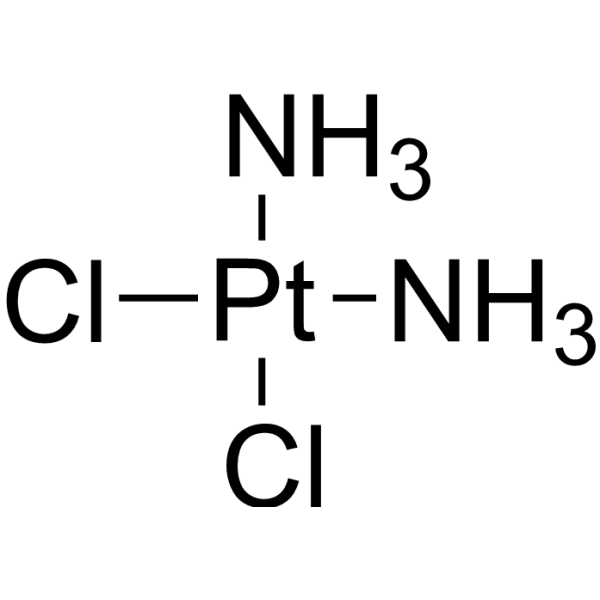 0 ImagesSynonyms: cis-Platinum; CDDP; cis-DiaminodichloroplatinumCisplatin (CDDP) is an antineoplastic chemotherapy agent by cross-linking with DNA and causing DNA damage in cancer cells. Cisplatin activates ferroptosis and induces autophagy.
-
U-73122
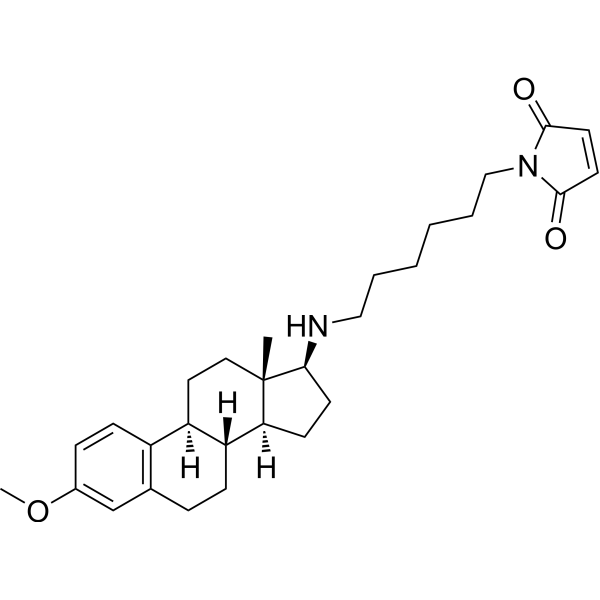 0 ImagesU-73122 is a phospholipase C (PLC) and 5-LO (5-lipoxygenase) inhibitor with an IC50of 1-2.1 µM for PLC.
-
Zileuton
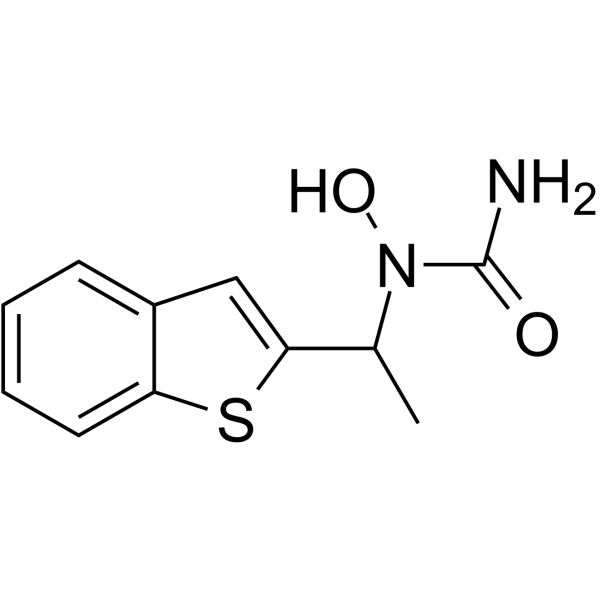 0 ImagesSynonyms: A 64077; Abbott 64077Zileuton is a potent and selective inhibitor of 5-lipoxygenase with antiasthmatic properties.
-
Onvoloxastat
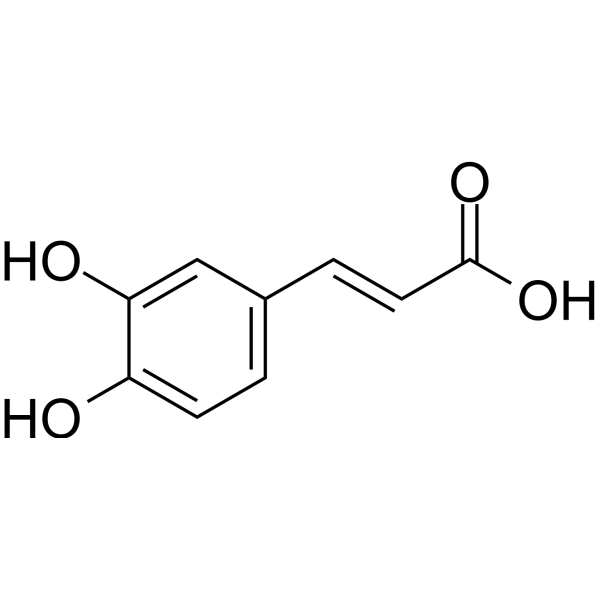
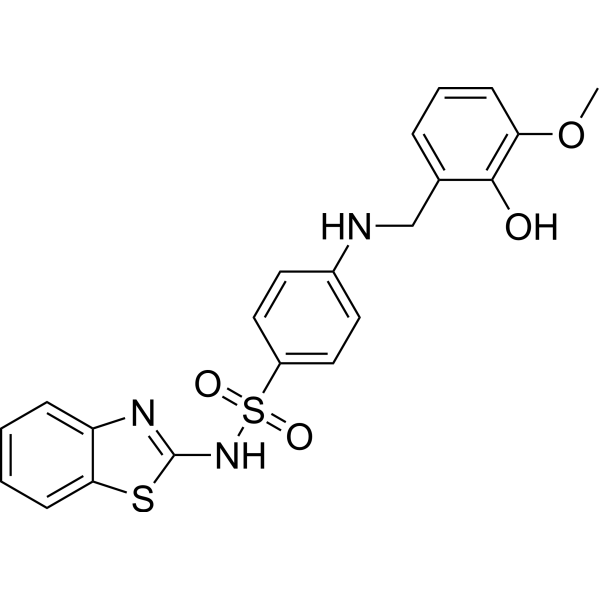 0 ImagesSynonyms: ML355Onvoloxastat (ML355) is an orally active selective 12-LOX inhibitor with an IC50 of 0.34 μM. Onvoloxastat inhibits platelet activation by blocking thrombin- or thromboxane A2-induced phosphorylation of Akt, PI3K and Erk1/2. At low doses (1-20 μM), it mainly acts by reducing ROS levels, while at high doses (50 μM), it functions via activating the cAMP pathway. Onvoloxastat can be used in research related to thrombosis and diabetes.
-
Et-29
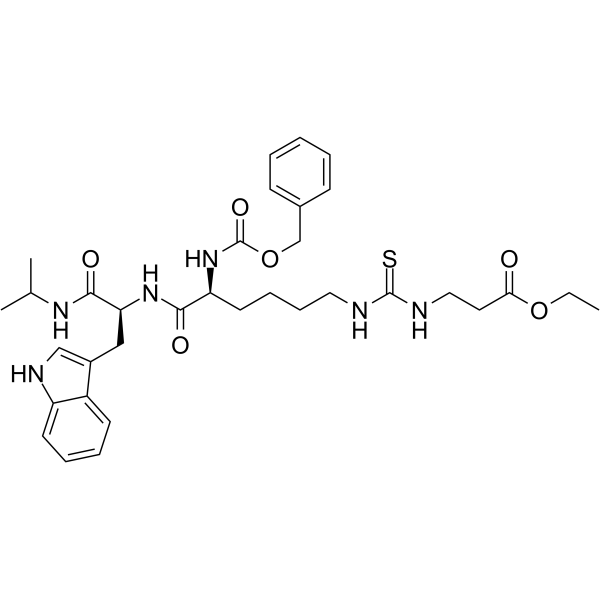 0 ImagesSynonyms: NRD167Et-29 (NRD167) is a selective SIRT5 inhibitor. Et-29 increases the levels of total protein succinylation and citrate synthase succinylation in cells. Et-29 reduces serum CTX-I levels and blocks Ferroptosis by downregulating the SIRT5/ACSL4/LPCAT3/ALOX15 axis and restoring antioxidant defense. Et-29 decreases bone resorption and improves trabecular bone mass and microarchitecture. Et-29 is applicable for research related to osteoporosis and hepatocellular carcinoma.
-
4-Nitrocatechol
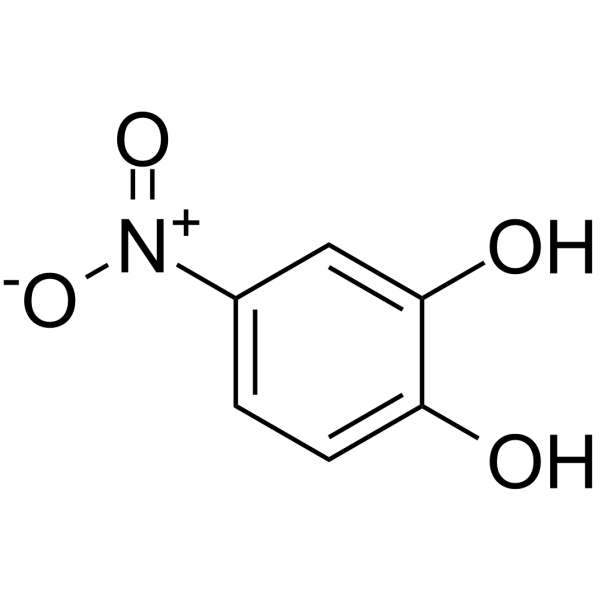 0 Images4-Nitrocatechol is a Lipoxygenase inhibitor. 4-Nitrocatechol can serve as a ligand to stabilize the formation of metal complexes. As a (+) MALDI matrix, 4-Nitrocatechol significantly enhances the MALDI-MS detection and imaging of low-molecular-weight compounds in animal and plant tissue sections.
-
Wedelolactone
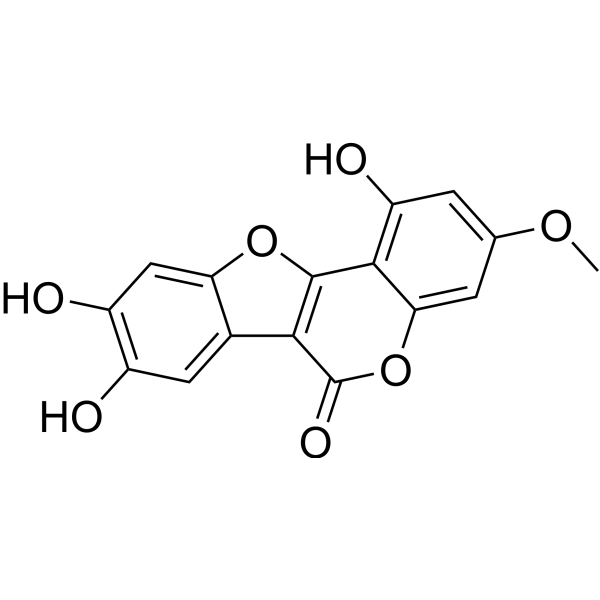 0 ImagesWedelolactone suppresses LPS-induced caspase-11 expression by directly inhibits the IKK Complex. Wedelolactone also inhibits 5-lipoxygenase (5-Lox) with an IC50 of 2.5 μM. Wedelolactone induces caspase-dependent apoptosis in prostate cancer cells via downregulation of PKCε without inhibiting Akt. Wedelolactone can extract from Eclipta alba, and it can be used for the research of cancer.
-
ML351
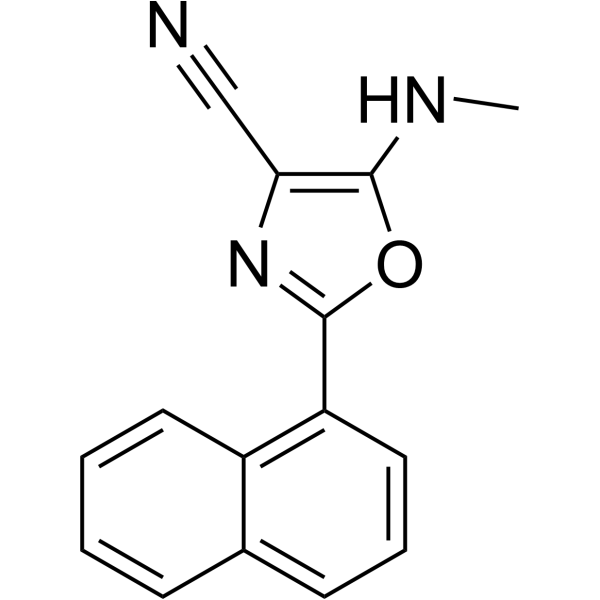 0 ImagesML351 is a potent and highly specific 15-LOX-1 inhibitor with an IC50 of 200 nM. ML351 shows excellent selectivity (>250-fold) versus the related isozymes, 5-LOX, platelet 12-LOX, 15-LOX-2, ovine COX-1, and human COX-2. ML351 prevents dysglycemia and reduces β-cell oxidative stress in nonobese diabetic mouse model of T1D.
-
Osavampator
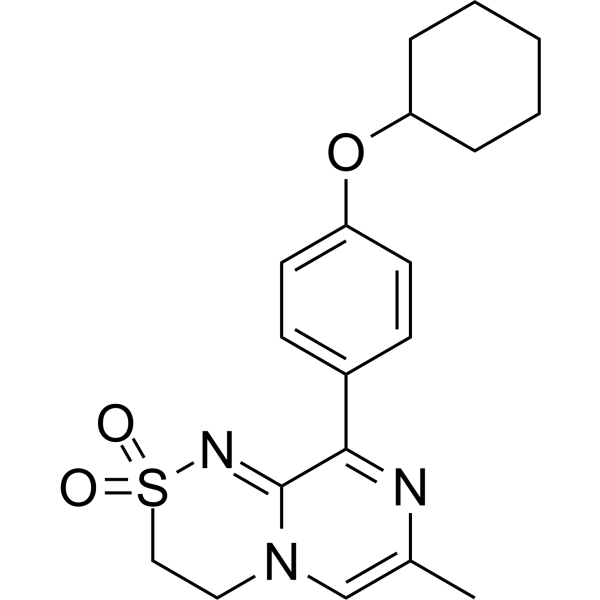 0 ImagesSynonyms: TAK-653; NBI-1065845Osavampator (TAK-653) is a AMPA receptor positive allosteric modulator. Osavampator selectively binds to AMPA-R in a glutamate-dependent manner and induces Ca2+ influx in hGluA1i CHO cells (EC50 = 3.3 μM). Osavampator improves learning and memory in many models. Osavampator is can be used for the research of depressive disorders.
-
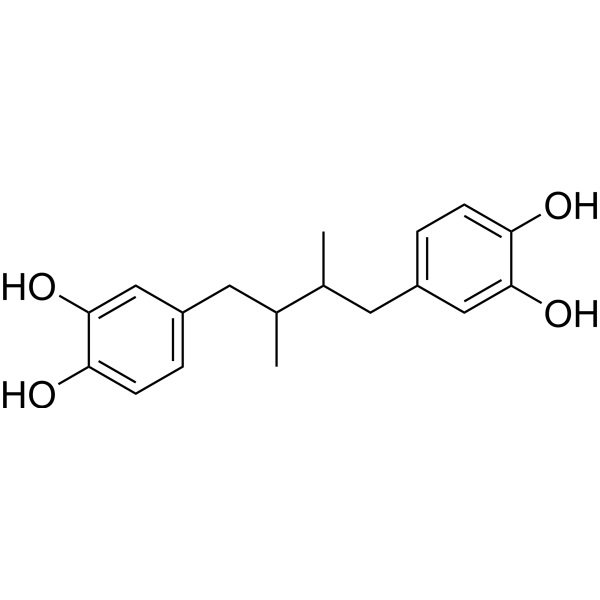
Masoprocol
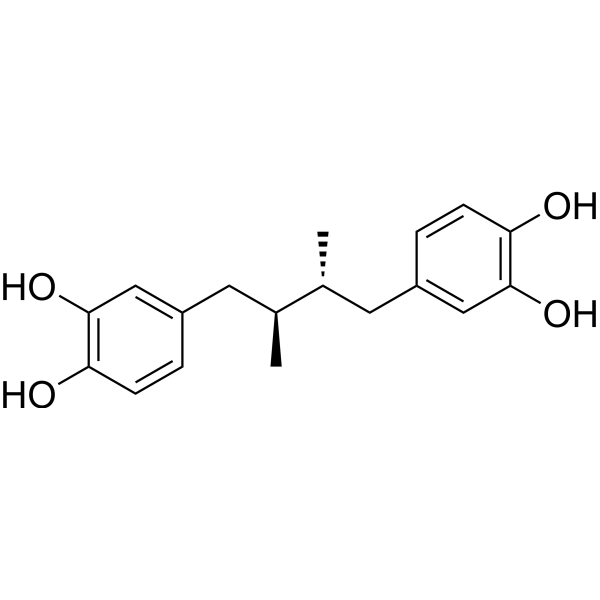 0 ImagesSynonyms: meso-Nordihydroguaiaretic acid; meso-NDGAMasoprocol (meso-Nordihydroguaiaretic acid) is a potent and orally active lipoxygenase inhibitor. Masoprocol shows antihyperglycemic activity. Masoprocol decreases the glucose concentration and hepatic triglyceride in vivo. Masoprocol has the potential for the research of type II diabetes.
-
S-(+)-Marmesin
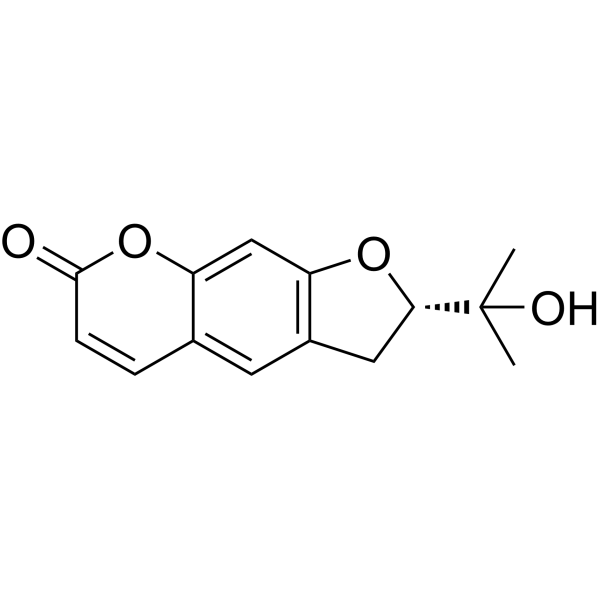 0 ImagesSynonyms: (+)-Marmesin; (S)-MarmesinS-(+)-Marmesin is a natural coumarin, exhibiting COX-2/5-LOX dual inhibitory activity.
-
N-Oleoyldopamine
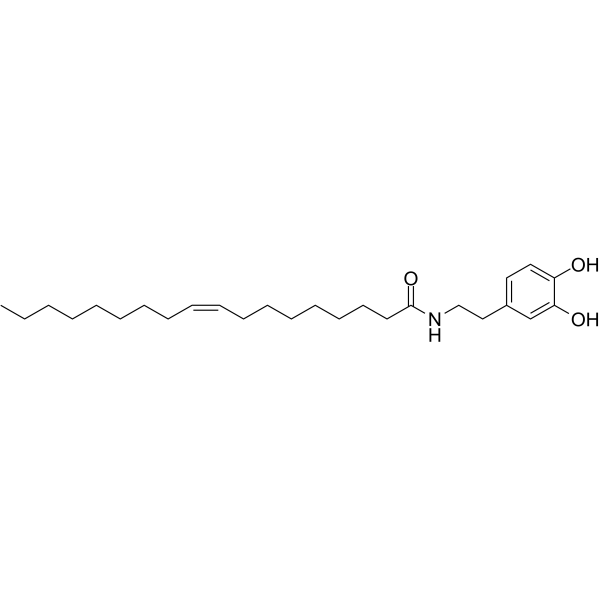 0 ImagesSynonyms: OLDAN-Oleoyldopamine (OLDA) is an orally active TRPV1 activator and 5-LOX inhibitor with blood-brain barrier permeability. N-Oleoyldopamine excites histaminergic neurons in the tuberomammillary nucleus via a dopamine receptor mechanism, a process independent of TRPV1 and cannabinoid receptors. On one hand, N-Oleoyldopamine promotes the release of insulin and glucose-dependent insulinotropic polypeptide through a GPR119-dependent pathway to improve glucose tolerance; on the other hand, N-Oleoyldopamine improves left ventricular function and reduces myocardial infarction size by triggering the release of substance P and calcitonin gene-related peptide. N-Oleoyldopamine is used in studies related to glycemic abnormalities and myocardial ischemia-reperfusion injury.
-
Chebulagic acid
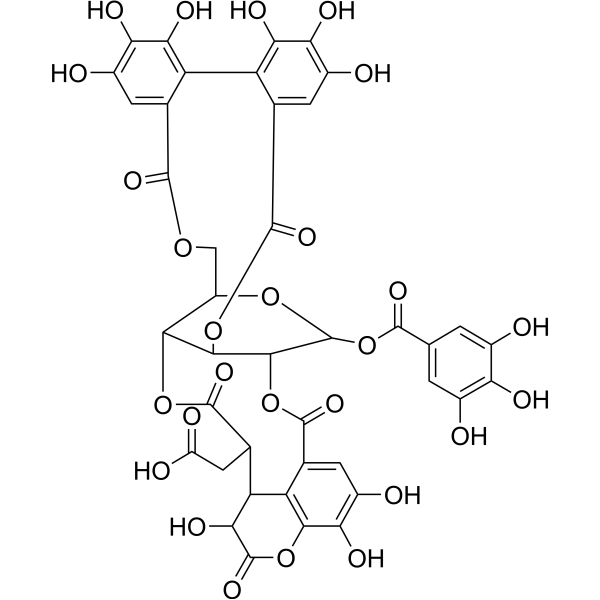 0 ImagesChebulagic acid is a COX-LOX dual inhibitor isolated from the fruits of Terminalia chebula Retz, on angiogenesis. Chebulagic acid is a M2 serine to asparagine 31 mutation (S31N) inhibitor and influenza antiviral. Chebulagic acid also against SARS-CoV-2 viral replication with an EC50 of 9.76 μM.
-
Pectolinarigenin
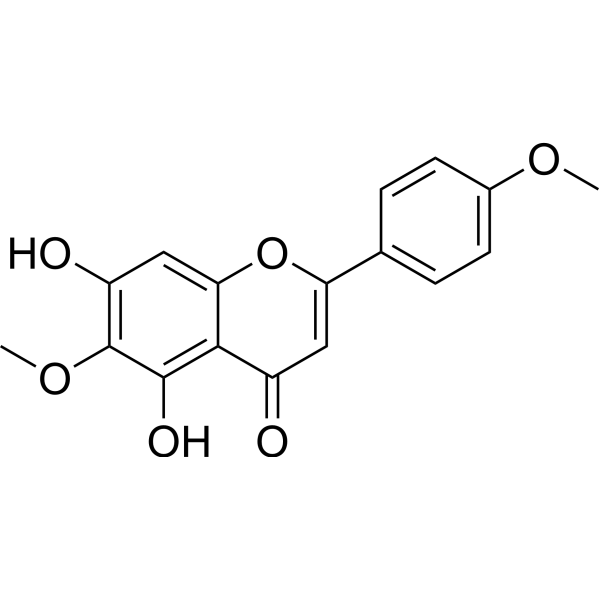 0 ImagesPectolinarigenin is an orally active dual inhibitor of COX-2/5-LOX with anti-inflammatory, antioxidant, antitumor and neuroprotective activities. Pectolinarigenin exerts neuroprotective and anti-inflammatory effects on astrocyte inflammation via the NFκB and MAPK pathways. Pectolinarigenin inhibits LPS-induced phosphorylation of ERK1/2, N-FκB and p38MAPK, directly inhibits the enzymatic activity or binding of COX-2, 5-LOX and HIF-1α, and reduces the level of XIAP. Pectolinarigenin modifies Keap1 to promote nuclear accumulation of Nrf2, induces ARE-mediated antioxidant enzyme expression, and possesses direct free radical scavenging activity. Pectolinarigenin reduces the release of NO, proinflammatory mediators and leukotrienes, and increases the level of IL-10. Pectolinarigenin induces G2/M cell cycle arrest, apoptosis (Apoptosis) and autophagy (Autophagy) via the PI3K/AKT/mTOR signaling pathway. Pectolinarigenin reduces renal crystal deposition and inhibits melanin synthesis. Pectolinarigenin inhibits inflammation and alleviates allergy in mouse models of inflammation. Pectolinarigenin alleviates renal injury, inflammation and oxidative stress in mice by inhibiting HIF-1α activity. Pectolinarigenin can be used for the research of neurodegenerative diseases, inflammatory/allergic diseases, calcium oxalate nephrocalcinosis, gastric cancer, melasma, post-inflammatory diseases and chloasma.
-
Malotilate
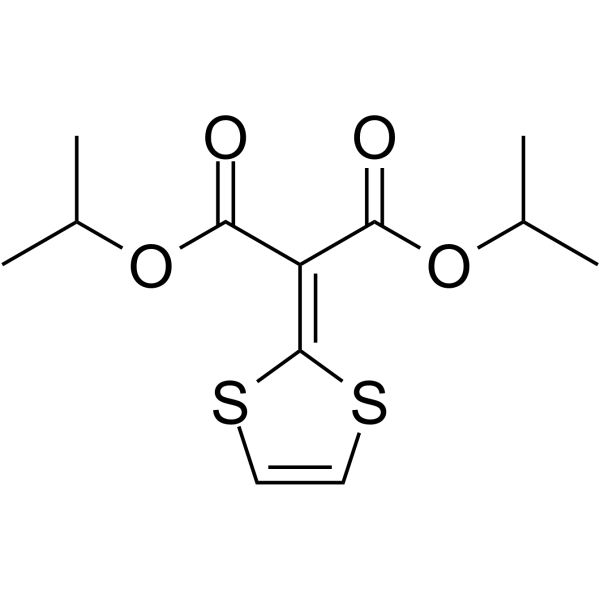 0 ImagesSynonyms: NKK 105Malotilate (NKK 105), an orally active hepatotropic agent and an anti-fibrotic substance, selectively inhibits the 5-lipoxygenase (5-LOX) (IC50=4.7 μM). Malotilate prevents the development of hepatocytic injury in alcohol-pyrazole hepatitis by decreasing hepatic acetaldehyde levels and preventing the retention of transferrin in the hepatocytes.
-
Licofelone
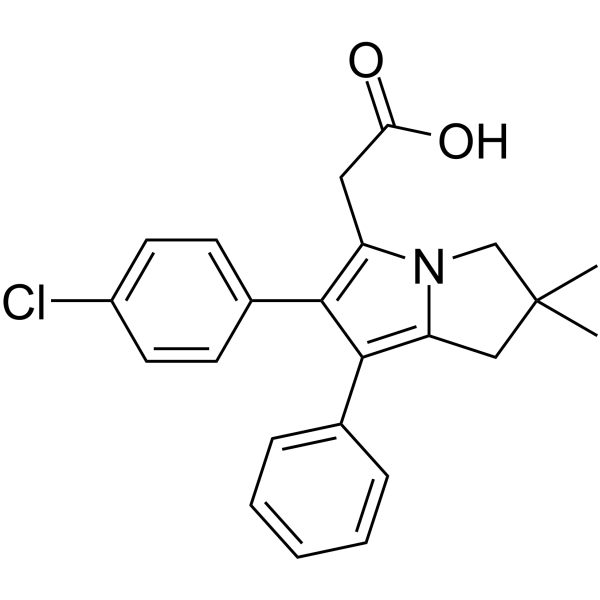 0 ImagesSynonyms: ML-3000Licofelone (ML-3000) is a dual COX/5-lipoxygenase (5-LOX) inhibitor (IC50=0.21/0.18 μM, respectively) for the treatment of osteoarthritis. Licofelone exerts anti-inflammatory and anti-proliferative effects. Licofelone induces apoptosis, and decreases the production of proinflammatory leukotrienes and prostaglandins.




