-
Lipoxygenase Related Products (171)
Related Products (171)

-
Cisplatin
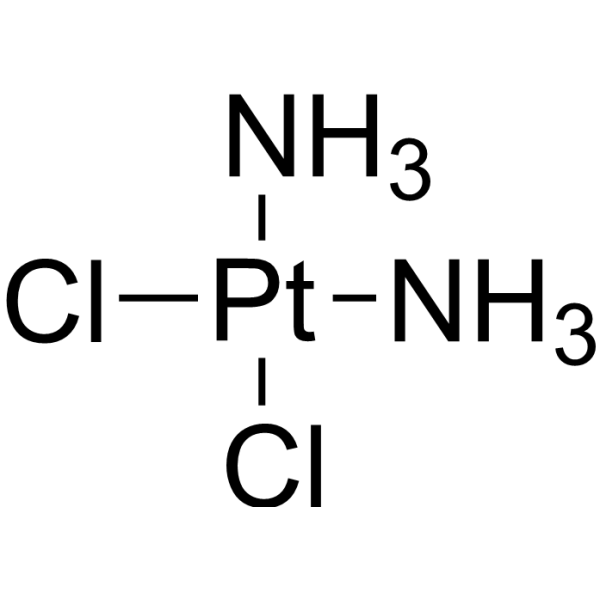 0 ImagesSynonyms: cis-Platinum; CDDP; cis-DiaminodichloroplatinumCisplatin (CDDP) is an antineoplastic chemotherapy agent by cross-linking with DNA and causing DNA damage in cancer cells. Cisplatin activates ferroptosis and induces autophagy.
-
ML351
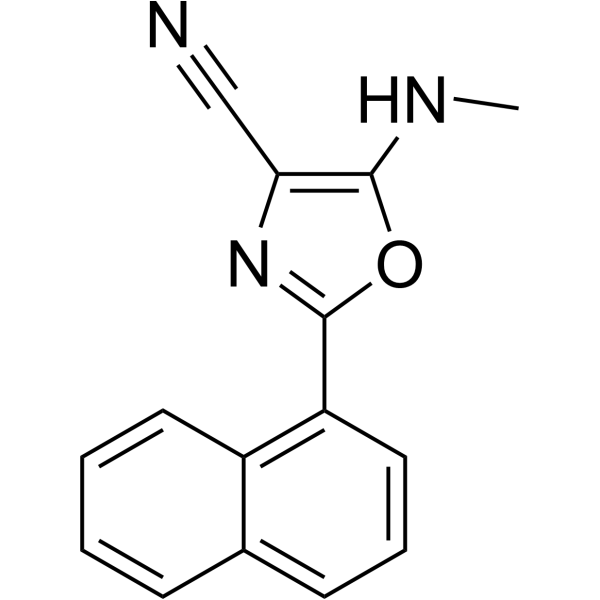 0 ImagesML351 is a potent and highly specific 15-LOX-1 inhibitor with an IC50 of 200 nM. ML351 shows excellent selectivity (>250-fold) versus the related isozymes, 5-LOX, platelet 12-LOX, 15-LOX-2, ovine COX-1, and human COX-2. ML351 prevents dysglycemia and reduces β-cell oxidative stress in nonobese diabetic mouse model of T1D.
-
Masoprocol
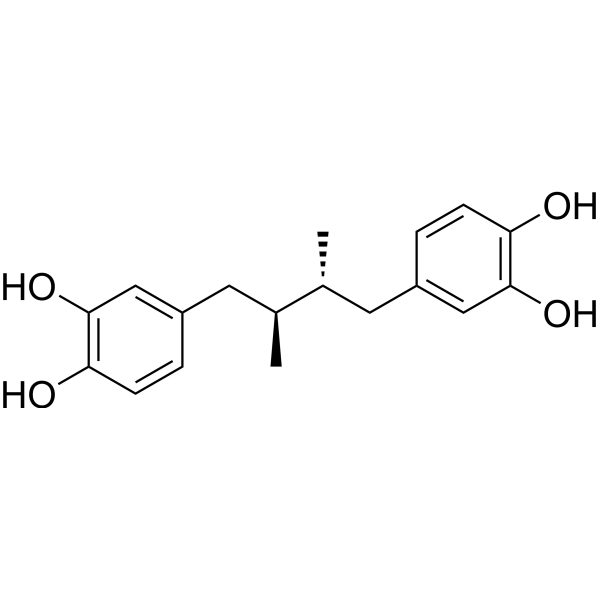 0 ImagesSynonyms: meso-Nordihydroguaiaretic acid; meso-NDGAMasoprocol (meso-Nordihydroguaiaretic acid) is a potent and orally active lipoxygenase inhibitor. Masoprocol shows antihyperglycemic activity. Masoprocol decreases the glucose concentration and hepatic triglyceride in vivo. Masoprocol has the potential for the research of type II diabetes.
-
Chebulagic acid
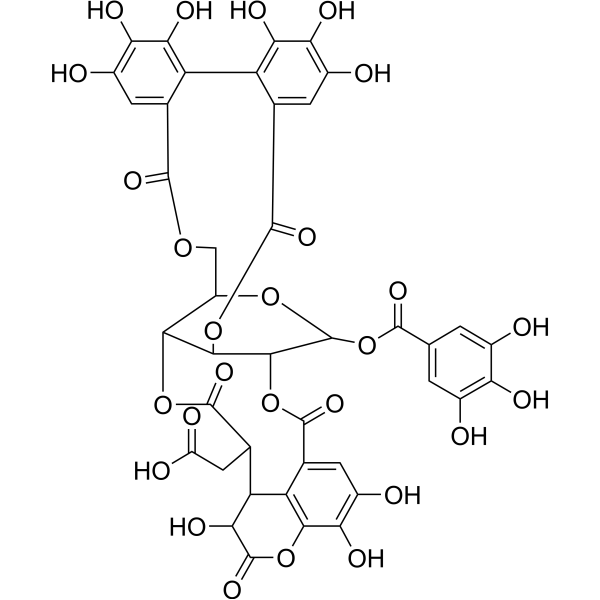 0 ImagesChebulagic acid is a COX-LOX dual inhibitor isolated from the fruits of Terminalia chebula Retz, on angiogenesis. Chebulagic acid is a M2 serine to asparagine 31 mutation (S31N) inhibitor and influenza antiviral. Chebulagic acid also against SARS-CoV-2 viral replication with an EC50 of 9.76 μM.
-
7-Hydroxyflavone
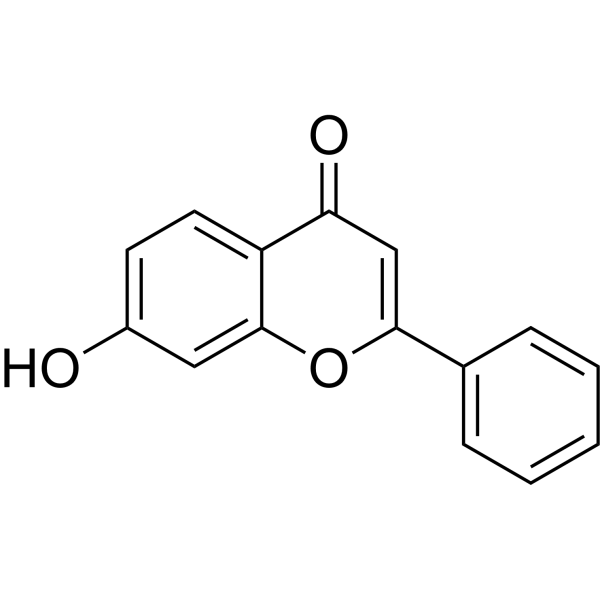 0 Images7-Hydroxyflavone is a flavonoid isolated from Clerodendrum phlomidis, with anti-inflammatory activity. 7-Hydroxyflavone protects renal cells from nicotine (NIC)-associated cytotoxicity via the ERK/Nrf2/HO-1 pathway. 7-Hydroxyflavone inhibits PKM2 with an IC50 of 2.12 μM. 7-Hydroxyflavone inhibits COX-2 and 5-LOX with IC50 of 27 µg/mL and 33 µg/mL. 7-Hydroxyflavone is orally active.
-
ALOX5 stabilizer-1 TFA
 0 ImagesCat. No.: HY-175634AALOX5 stabilizer-1 TFA is an arachidonate 5-lipoxygenase (ALOX5) stabilizer with a Kd of 7.26 μM. ALOX5 stabilizer-1 TFA inhibits β-catenin protein levels and then suppresses STAT3 signal pathway. ALOX5 stabilizer-1 TFA induces lung cancer cells apoptosis, inhibited cell migration and proliferation. ALOX5 stabilizer-1 TFA can used for the study of non-small cell lung cancer (NSCLC).
-
5-Lipoxygenase, Human
 0 ImagesCat. No.: HY-E710285-Lipoxygenase, Human (EC 1.13.11.34) is an enzyme that in humans is encoded by the ALOX5 gene. 5-Lipoxygenase, Human(EC 1.13.11.34) is a member of the lipoxygenase family of enzymes. 5-Lipoxygenase, Human (EC 1.13.11.34) transforms EFAs into leukotrienes and is a current target for pharmaceutical intervention in a number of diseases.
-
ICI 198615
 0 ImagesCat. No.: HY-113589CAS No.: 104448-53-5ICI 198615 is a lipoxygenase inhibitor. ICI 198615 inhibits the activity of lipoxygenases involved in eicosanoid metabolism. ICI 198615 attenuates the early phase of bronchoconstriction induced by ET-1.
-
Triphenylphosphinechlorogold
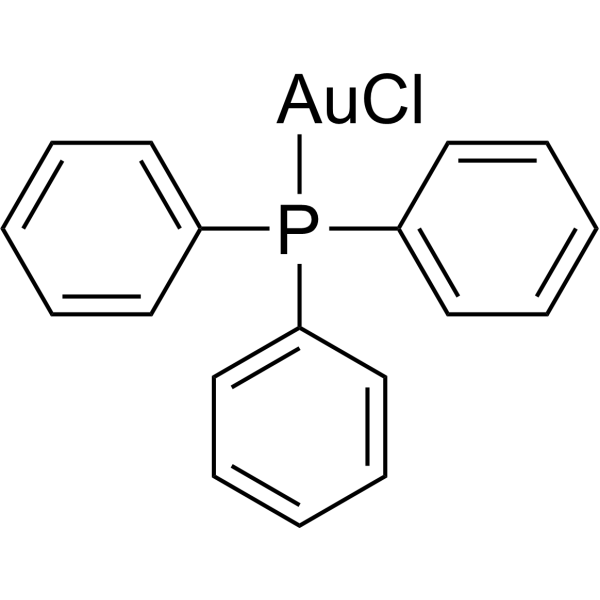 0 ImagesSynonyms: Chloro(triphenylphosphine)gold(I)Triphenylphosphinechlorogold (Chloro(triphenylphosphine)gold(I)) is a gold complex, Apoptosis inducer, and catalyst. Triphenylphosphinechlorogold exhibits high LOX inhibitory activity. Triphenylphosphinechlorogold induces cell cycle arrest and apoptosis. Triphenylphosphinechlorogold catalyzes the peroxidation of linoleic acid. A weak interaction exists between Triphenylphosphinechlorogold and DNA. Triphenylphosphinechlorogold displays antiproliferative activity against breast cancer cells.

-
4',5-Dihydroxyflavone
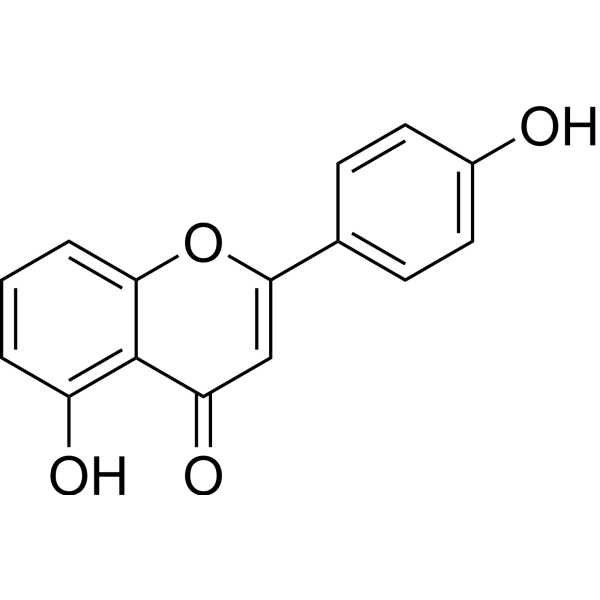 0 Images4',5-Dihydroxyflavone (Compound 2c; Compound B3) is a type of flavonoid compound. 4',5-Dihydroxyflavone can inhibit various oxidases and its IC50 values for collagenase A (ColA) and α-glucosidase are less than 1 μM and 66 μM respectively; for soybean lipoxygenase-1 (LOX-1), its Ki value is 102.6 μM. 4',5-Dihydroxyflavone can be used in studies on anti-toxicity and anti-diabetes.
-
ALOX15-IN-1
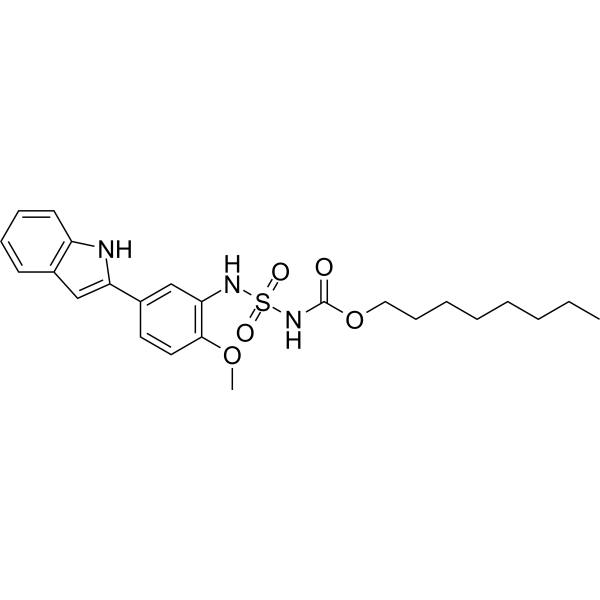 0 ImagesALOX15-IN-1 (compound 8b) is a potent inhibitor of the linoleate oxygenase activity of rabbit and human ALOX15 with IC50s of 0.04 and 2.06 μM for ALOX15 0rthologs linoleic acid (LA) and arachidonic acid (AA), respectively.
-
Tepoxalin
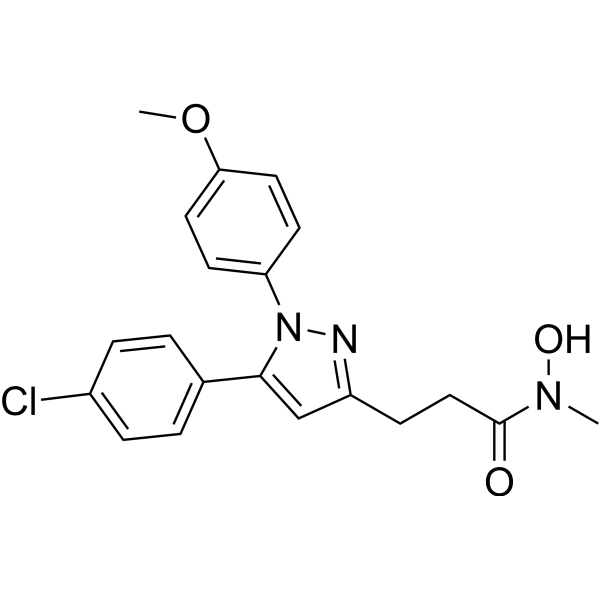 0 ImagesTepoxalin is an orally active dual inhibitor of Cyclooxygenase/Lipoxygenase, with IC50 values of 4.6 μM (sheep cyclooxygenase), 2.85 μM (rat cyclooxygenase), 0.15 μM (rat 5-lipoxygenase), and 3.0 μM (h12-lipoxygenase), respectively. Tepoxalin inhibits ROS production and NF-κB activation. Tepoxalin suppresses the production of thromboxane B2, leukotriene B4, prostaglandins and cytokines, and blocks platelet aggregation. Tepoxalin exhibits potent anti-inflammatory activity in rats with adjuvant-induced arthritis. Tepoxalin possesses analgesic activity. Tepoxalin shows no ulcerogenic activity within the anti-inflammatory dose range. Tepoxalin can be used in studies related to adjuvant-induced arthritis, skin inflammation and Alzheimer's disease.
-
Resolvin E2
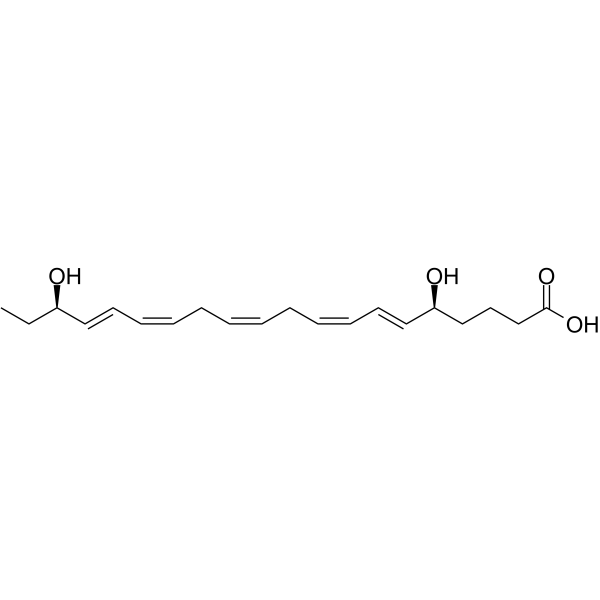 0 ImagesSynonyms: (-)-Resolvin E2Resolvin E2 ((-)-Resolvin E2) is an endogenous lipid mediator produced from eicosapentaenoic acid (EPA) under the catalysis of 5-lipoxygenase (5-LOX), and its production increases in hypoxic environments. Resolvin E2 antagonizes BLT1, partially activates ChemR23, and promotes ubiquitin-proteasome-mediated degradation of COX-2. Resolvin E2 reduces the production of prostaglandin E2, blocks polymorphonuclear leukocyte infiltration, and promotes the resolution of airway inflammation. Resolvin E2 ameliorates lipopolysaccharide (LPS) (HY-D1056)-induced depressive-like behaviors. Resolvin E2 can be used in research related to depression, murine peritonitis, neonatal asthma, and other conditions.
-
ALOX15-IN-2
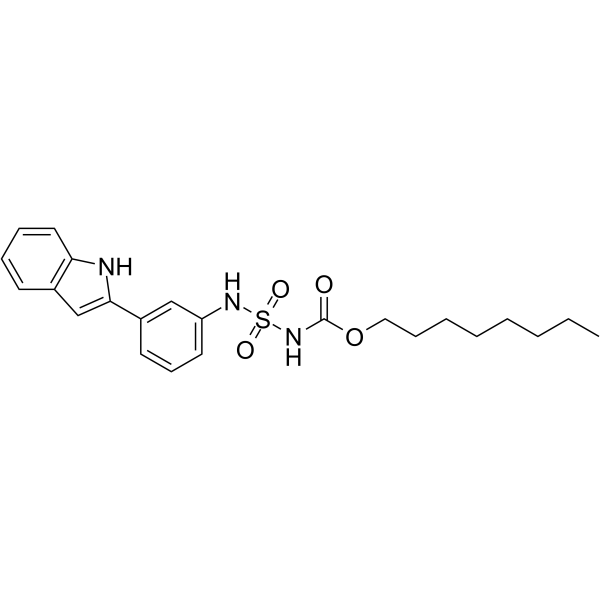 0 ImagesALOX15-IN-2 (compound 8a) is a potent inhibitor of the linoleate oxygenase activity of rabbit and human ALOX15 with IC50s of 1.55 and 2.79 μM for ALOX15 0rthologs linoleic acid (LA) and arachidonic acid (AA), respectively.
-
2-TEDC
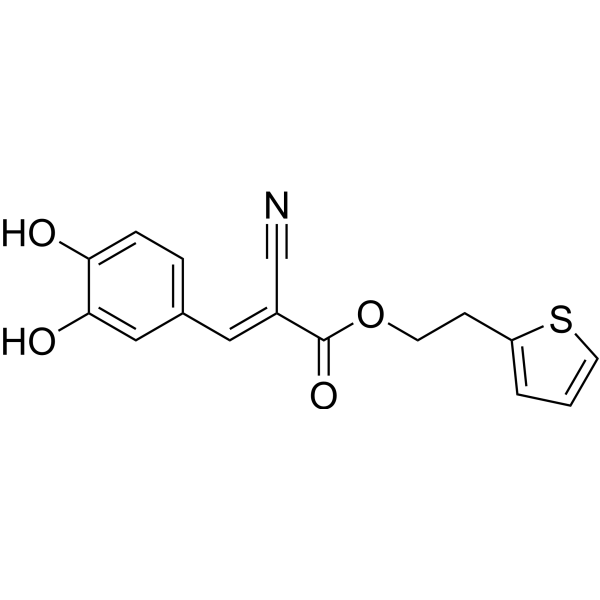 0 Images2-TEDC is a potent inhibitor of 5-, 12-, and 15-lipoxygenase with IC50 values of 0.09 μM, 0.013 μM and 0.5 μM, respectively. 2-TEDC can be used for the research of atheroscrelosi.
-
LXG6403
 0 ImagesLXG6403 is an orally active and irreversible LOX inhibitor (IC50 = 1.3 μM). LXG6403 is ~3.5-fold more specific for LOX than LOXL2 and does not inhibit LOXL1. LXG6403 inhibits FAK signaling and induces ROS generation and DNA damage, leading to G1 arrest and apoptosis in chemoresistant triple-negative breast cancer (TNBC) cell lines. LXG6403 alters the extracellular matrix (ECM) and collagen structure, reducing collagen cross-linking and deposition, thereby increasing drug penetration and reducing tumor stiffness. LXG6403 overcomes Doxorubicin (HY-15142) resistance in chemoresistant TNBC PDX in vivo and can be used to study high-stiffness resistant tumors.
-
15(S)-HEPE
 0 ImagesSynonyms: 15(S)-hydroxy-Eicosapentaenoic acid; 15(S)-hydroxy EPA15(S)-HEPE is a monohydroxy fatty acid. 15(S)-HEPE is biosynthesized from eicosapentaenoic acid by 15-lipoxygenase (15-LO). Serum levels of 15(S)-HEPE are elevated in patients with asthma.