Search Result
Results for "
PSMA Inhibitor
" in MedChemExpress (MCE) Product Catalog:
-
- HY-117410
-
|
PSMA-617
|
Drug-Linker Conjugates for ADC
|
Cancer
|
|
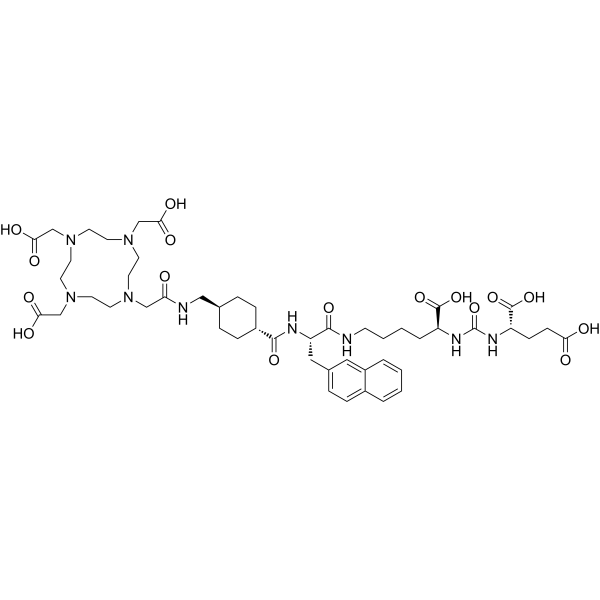
Vipivotide tetraxetan (PSMA-617) is a high potent prostate-specific membrane antigen (PSMA) inhibitor, with a Ki of 0.37 nM. Vipivotide tetraxetan (PSMA-617) is designed consisting of three components: the pharmacophore Glutamate-urea-Lysine, the chelator DOTA able to complex both 68Ga or 177Lu, and a linker connecting these two entities. Glutamate-urea-Lysine is the selective pharmacophore to bind to prostate specific membrane antigen.
|
-
-
- HY-125399
-
PSMA-11
1 Publications Verification
HBED-CC-PSMA
|
PSMA
Radionuclide-Drug Conjugates (RDCs)
|
Cancer
|
|
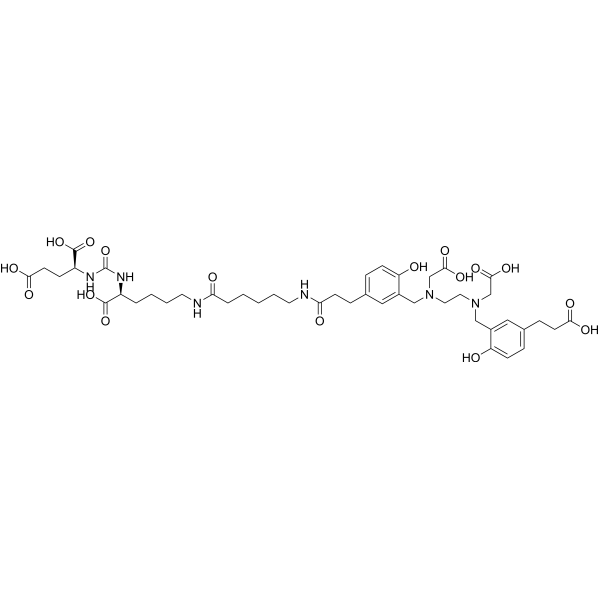
PSMA-11 is a small molecule ligand that targets prostate-specific membrane antigen (PSMA) and has the ability to inhibit PSMA activity. PSMA-11 can be used to synthesize 68Ga-PSMA-11, a positron emission tomography (PET) tracer that can be used to image advanced prostate cancer .
|
-
-
- HY-W054292
-
|
(OtBu)KuE(OtBu)2
|
PSMA
|
Cancer
|
|
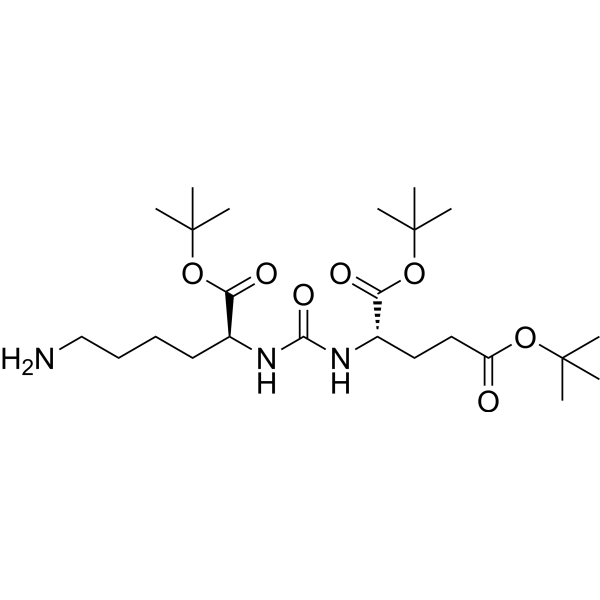
Tert-Butyl-DCL is a PSMA inhibitor. Tert-Butyl-DCL Tert-Butyl-DCL can be used in the research of prostate cancer .
|
-
-
- HY-148761
-
|
PSMA I&T; PNT-2002
|
PSMA
|
Cancer
|
|
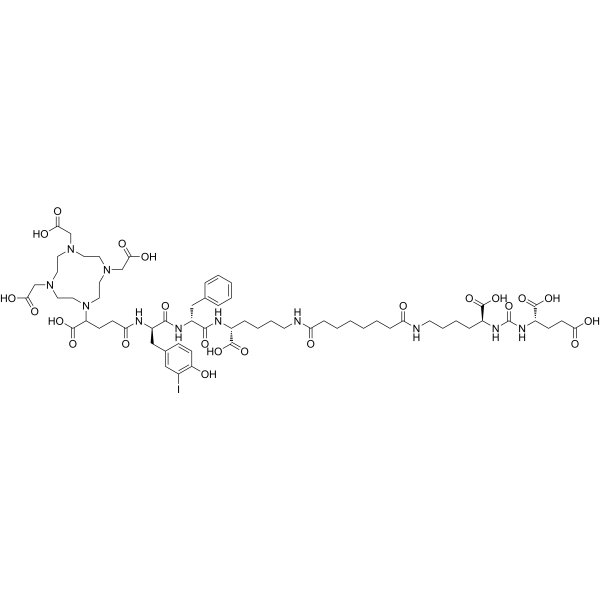
PSMA I&T is an effective inhibitor of prostate-specific membrane antigen (PSMA). PSMA I&T can be used for SPECT/CT imaging and radionuclide studies in triple-negative breast cancer and prostate cancer (PCa) .
|
-
-
- HY-139840
-
|
|
PSMA
Carboxypeptidase
|
Cancer
|
|
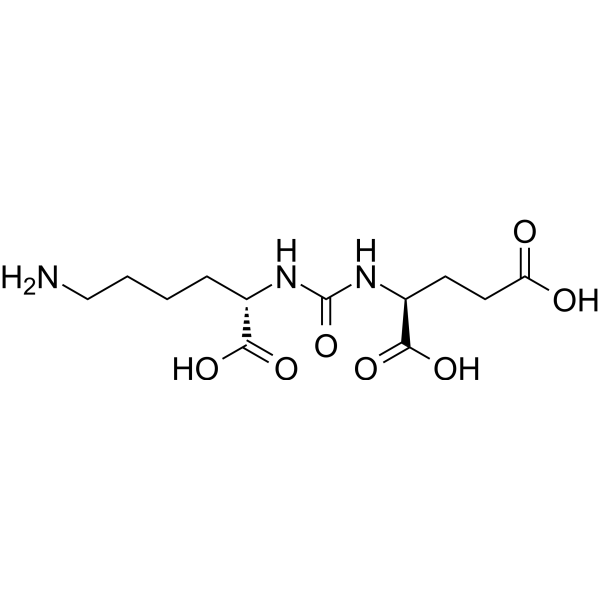
GCPII-IN-1 (Compound 2) is a GCPII (also known as PSMA) inhibitor with a Ki of 44.3 nM. GCPII-IN-1 can be used in the research of prostate cancer .
|
-
-
- HY-P9992
-
|
BAY-2315497; PSMA-TTC
|
PSMA
Apoptosis
|
Cancer
|
|
Peligifatamab is a PSMA-targeted α-radioimmunoconjugate with an EC50 of 1.2 nM against human targets. Peligifatamab induces DNA damage, DNA double-strand breaks, cell cycle arrest and apoptosis (Apoptosis) in PSMA-positive prostate cancer cells. Peligifatamab reduces cell viability in a manner dependent on cellular PSMA expression levels. Peligifatamab inhibits tumor growth and tumor-induced abnormal bone growth in prostate cancer bone metastasis models. Peligifatamab exhibits antitumor efficacy in subcutaneous prostate cancer models and xenograft models. Peligifatamab can be used for the research of metastatic castration-resistant prostate cancer .
|
-

-
- HY-139840A
-
|
|
PSMA
Carboxypeptidase
|
Cancer
|
|
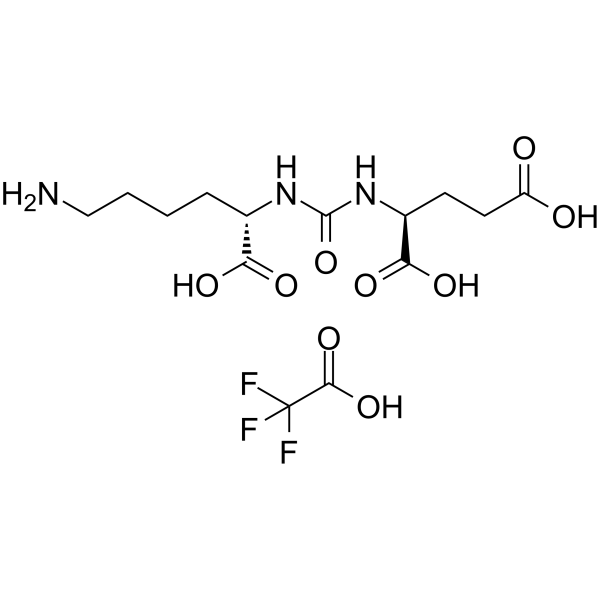
GCPII-IN-1 (Compound 2) TFA is a GCPII (also known as PSMA) inhibitor with a Ki of 44.3 nM. GCPII-IN-1 TFA can be used in the research of prostate cancer .
|
-
-
- HY-160893
-
|
|
PSMA
|
Cancer
|
|
PSMA-azide is a prostate-specific membrane antigen (PSMA) ligand. PSMA-azide inhibits PSMA-dependent NAAG (N-acetylaspartylglutamic acid) hydrolysis, with an IC50 of 9 nM and a Ki of 1 nM. PSMA-azide contains an Azide group and can undergo copper-catalyzed azide-alkyne cycloaddition reaction (CuAAc) with molecules containing Alkyne groups .
|
-

-
- HY-141860
-
|
|
PSMA
Microtubule/Tubulin
Reactive Oxygen Species (ROS)
Cytochrome P450
|
Cancer
|
|
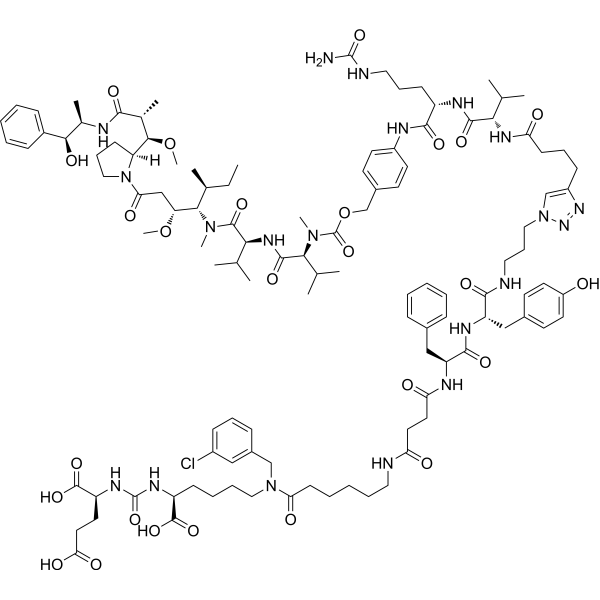
PSMA-Val-Cit-PAB-MMAE is a small-molecule conjugate targeting PSMA, with Monomethyl auristatin E (MMAE) (HY-15162) as its cytotoxic payload. PSMA-Val-Cit-PAB-MMAE binds to PSMA, thereby being delivered into PSMA-expressing prostate cancer cells. Subsequently, the Val-Cit linker is cleaved under the mediation of cathepsin B, releasing active MMAE. PSMA-Val-Cit-PAB-MMAE inhibits CYP3A4 activity (IC50 = 11.2 μM), induces intracellular ROS production and oxidative stress, disrupts the cytoskeleton through microtubule destabilization, and induces prostate cancer cell death. PSMA-Val-Cit-PAB-MMAE can be used in research related to prostate cancer .
|
-
-
- HY-147287
-
|
|
PSMA
Drug Intermediate
|
Cancer
|
|
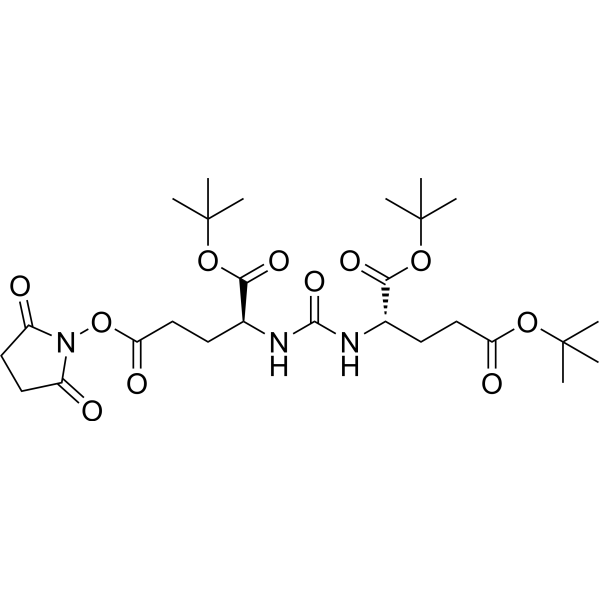
Glu-urea-Glu-NHS ester is an activated N-hydroxysuccinamide (NHS) ester of Glu-urea-Glu. Glu-urea-Glu-NHS ester can be used for synthesis of small-molecule prostate-specific membrane antigen (PSMA) inhibitors, imaging agents (such as PSMAi-PEG conjugates), and targeted drug delivery vehicles .
|
-
-
- HY-148152A
-
|
|
PSMA
|
Cancer
|
|
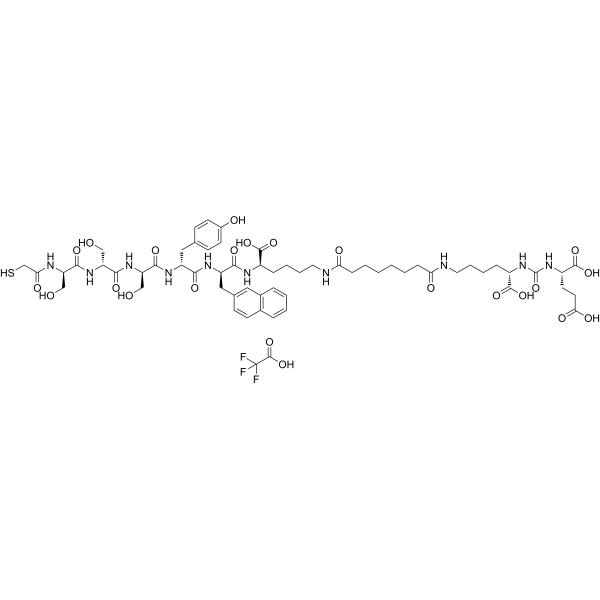
PSMA I&S TFA is a PSMA-targeted imaging agent. PSMA I&S TFA undergoes PSMA-mediated internalization into PSMA-expressing cells, with uptake into PSMA-positive tissues competitively inhibited by a potent PSMA inhibitor. PSMA I&S TFA can be used for the research of prostate cancer .
|
-
-
- HY-114256
-
|
|
PSMA
|
Cancer
|
|
EC1169 is a cytotoxic maytansinoid conjugate that specifically binds to prostate-specific membrane antigen (PSMA). EC1169 precisely delivers the maytansinoid B hydrazide payload to PSMA-positive cells to exert antitumor activity. EC1169 only inhibits the growth of PSMA-positive cells but has no effect on PSMA-negative cells, and enables complete recovery in mice bearing PSMA-positive tumors. EC1169 exhibits safety with no body weight loss or major organ damage induced. EC1169 is used in studies of prostate cancer and other PSMA-expressing malignancies .
|
-

-
- HY-103345
-
-
-
- HY-175744
-
|
|
PSMA
|
Cancer
|
|
PSMA-MAL-5 is a PSMA ligand. PSMA-MAL-5 covalently binds to Cys466 of PSMA. PSMA-MAL-5 labeled with 177Lu and 225Ac has high radiostability and tumor uptake. PSMA-MAL-5 also effectively inhibits tumor growth. PSMA-MAL-5 can be used for SPECT/CT imaging and radionuclide therapy of prostate cancer .
|
-

-
- HY-129615
-
|
|
PSMA
|
Cancer
|
|
MIP-1072 is a small molecule specific prostate-specific membrane antigen (PSMA) inhibitor. MIP-1072 inhibits the glutamate carboxypeptidase activity of PSMA with an Ki value of 4.6 nM. MIP-1072 is promising for research of prostate cancer .
|
-

-
- HY-123733
-
|
RPS-001
|
PSMA
|
Others
Cancer
|
|
MIP-1095 potently inhibits the glutamate carboxypeptidase activity of PSMA (Ki =0.24 nM) .
|
-

-
- HY-177808
-
|
A9g aptamer sodium
|
PSMA
|
Cancer
|
|
A9g sodium is an RNA aptamer that inhibits the enzymatic activity of prostate-specific membrane antigen (PSMA).
|
-

-
- HY-123733A
-
|
RPS-001 TFA
|
PSMA
|
Cancer
|
|
MIP-1095 (RPS-001) TFA is a potent inhibitor of PSMA with good biodistribution and efficient targeting of tumor lesions. In applications, MIP-1095 TFA will be isotopically labeled ( 131I labeled) as an imaging probe to indicate tumor progression. And 131I-MIP-1095 showed higher renal uptake in mice .
|
-

-
- HY-P5292A
-
|
|
Radionuclide-Drug Conjugates (RDCs)
PSMA
|
Cancer
|
|
HYNIC-iPSMA TFA is a ligand for molecular imaging of tumors. Hynic-ipsma consists of two components: HYNIC (6-hydrazinonicotinamide) and iPSMA (Inhibitor of Prostate-Specific Membrane Antigen). HYNIC is a compound used to attach radioactive isotopes to targeted molecules. iPSMA is a specific inhibitor used to inhibit prostate-specific membrane antigen (PSMA). 68GA-labeled iPSMA has been used to detect prostate cancer by PET imaging. The further 99mTc-EDDA/HYNIC-iPSMA TFA has excellent specificity and sensitivity . HYNIC-iPSMA TFA can be used for the synthesis/research of Radionuclide-Drug Conjugates (RDCs).
|
-

-
- HY-164575
-
|
|
Radionuclide-Drug Conjugates (RDCs)
PSMA
|
Cancer
|
|
NH2-NODAGA is an amino-modified NODAGA-type bifunctional chelator, specifically designed for amidation coupling with targeting ligands via squaric acid (SA), followed by coordination with radionuclides (e.g., 68Ga, 177Lu). NH2-NODAGA can be coupled with diethyl squarate to form a PSMA inhibitor conjugate, which is used in prostate cancer research .
|
-

-
- HY-P991708
-
|
REGN-4336
|
PSMA
CD3
|
Cancer
|
|
Olsutamig is a bivalent humanized IgG4κ monoclonal antibody inhibitor targeting FOLH1/PSMA and CD3E. Olsutamig simultaneously binds to PSMA on the tumor cell surface and CD3E on the T cell surface, markedly activating T cells and thereby specifically killing prostate cancer cells .
|
-

-
- HY-P5292
-
|
|
Radionuclide-Drug Conjugates (RDCs)
PSMA
|
Cancer
|
|
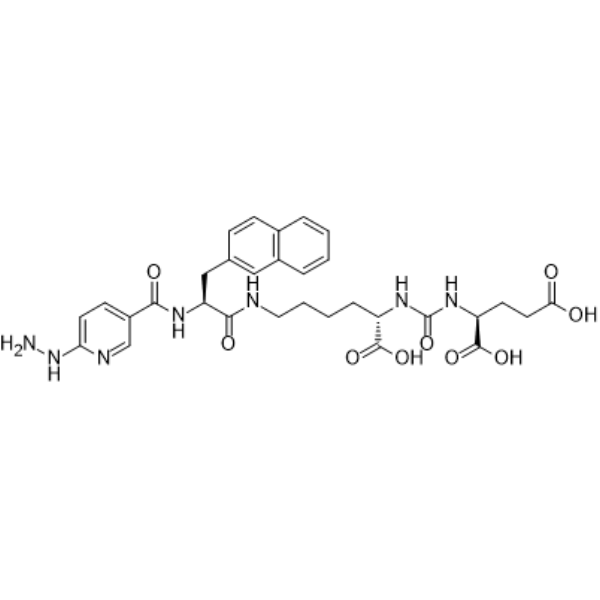
HYNIC-iPSMA is a ligand for molecular imaging of tumors. Hynic-ipsma consists of two components: HYNIC (6-hydrazinonicotinamide) and iPSMA (Inhibitor of Prostate-Specific Membrane Antigen). HYNIC is a compound used to attach radioactive isotopes to targeted molecules. iPSMA is a specific inhibitor used to inhibit prostate-specific membrane antigen (PSMA). 68GA-labeled iPSMA has been used to detect prostate cancer by PET imaging. The further 99mTc-EDDA/HYNIC-iPSMA has excellent specificity and sensitivity . HYNIC-iPSMA can be used for the synthesis/research of Radionuclide-Drug Conjugates (RDCs).
|
-
-
- HY-149297
-
|
|
PSMA
|
Cancer
|
|
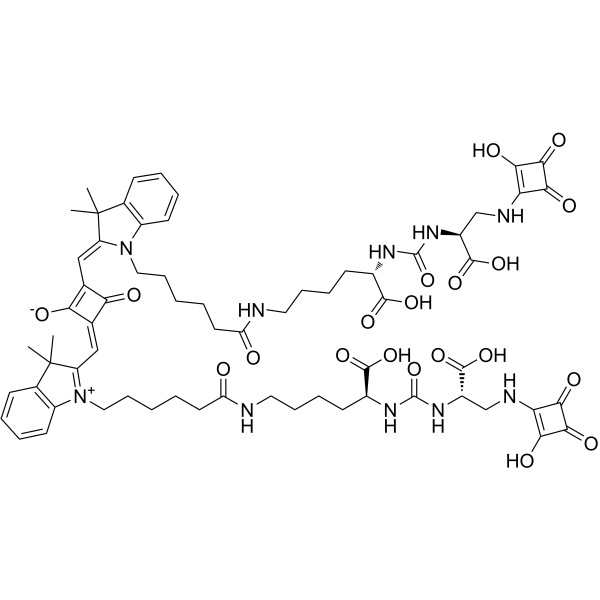
PSMA-IN-1 (compound 23) is an inhibitor of PSMA with a Ki value of 2.49 nM. PSMA-IN-1 inhibits tumor growth with high selectivity and specificity in PSMA+ xenograft models. PSMA-IN-1 is a NIR probe (λEX: 620 nm; λEM: 670 nm) used for tumor disappearance. PSMA-IN-1 can be used for research on prostate cancer .
|
-
-
- HY-149869
-
|
|
PSMA
|
Cancer
|
|
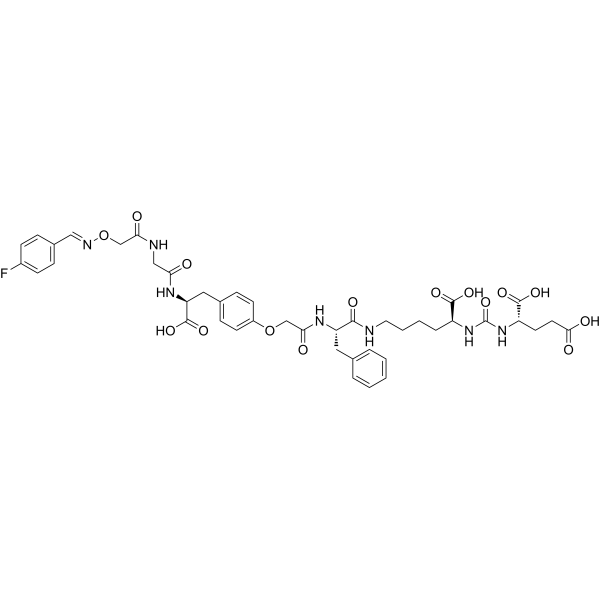
PSMA-IN-3 (compound 17) is a novel high-affinity PSMA inhibitor with an IC50 value of 13 nM. PSMA-IN-3 is suitable for developing an 18F-labeled radioligand for PET imaging of PSMA in prostate cancer .
|
-
-
- HY-149298
-
|
|
PSMA
|
Cancer
|
|
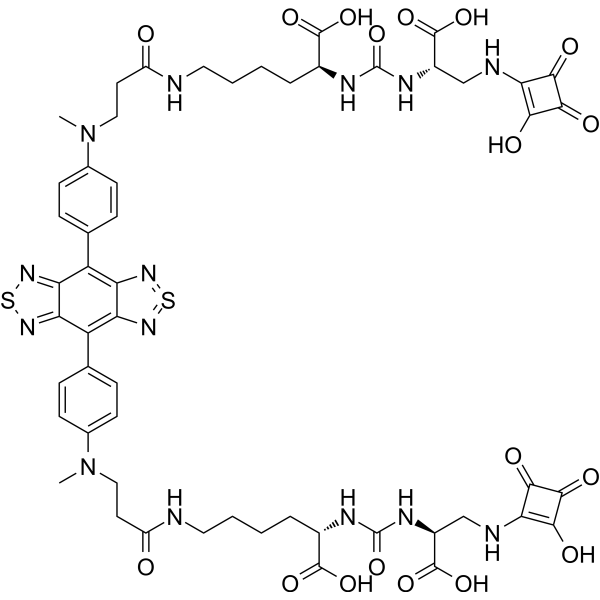
PSMA-IN-2 is an inhibitor of PSMA with a Ki value of 1.07 nM. PSMA-IN-2 displays favorable in vivo NIR imaging (λEM = 1088 nm, λex = 808 nm), and can be used for NIRII image-guided tumor resection surgery in PSMA-positive tumor-bearing mice .
|
-
-
- HY-163196
-
|
|
PSMA
|
Others
|
|
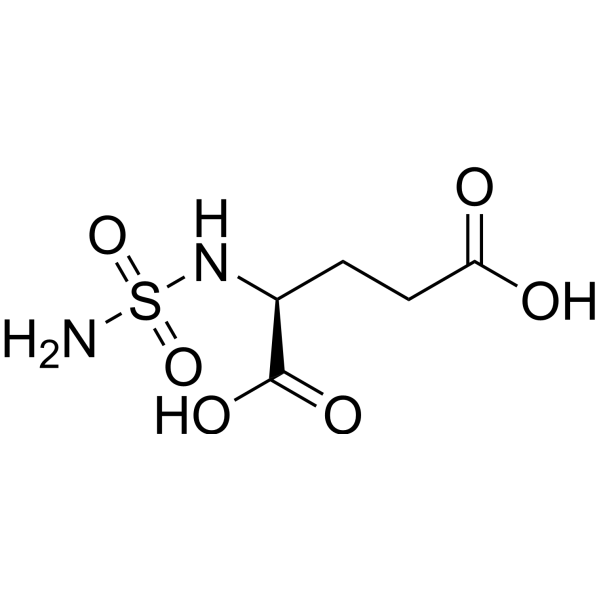
PSMA-IN-4 (compound 9) is a potent inhibitor of PSMA, with the IC50 value of 1.2 μM .
|
-
-
- HY-158266
-
|
LNC1003
|
Radionuclide-Drug Conjugates (RDCs)
PSMA
|
Cancer
|
|
DOTA-PSMA-EB-01 (Compound LNC1003) is a specific inhibitor of PSMA (IC50= 10.77 nM).DOTA-PSMA-EB-01 enhances the uptake and retention time of 177Lu in tumors . DOTA-PSMA-EB-01 can be used for the synthesis/research of Radionuclide-Drug Conjugates (RDCs).
|
-

-
- HY-P10951
-
|
(R)-PSMA I&T; (R)-PNT-2002
|
PSMA
|
Cancer
|
|
Zadavotide guraxetan (PSMA I&T; PNT-2002) is a prostate-specific membrane antigen (PSMA) inhibitor. Zadavotide guraxetan has antitumor activity and can be used in prostate cancer-targeted research .
|
-

-
- HY-169336
-
|
|
PARP
PSMA
|
Cancer
|
|
CQ-16 is an orally active small molecule drug conjugate (SMDC) targeting prostate-specific membrane antigen (PSMA). CQ-16 exhibits highly selective antiproliferative activity between PSMA-positive and PSMA-negative prostate cells. In addition, CQ-16 also has PARP inhibitory activity (IC50=1 nM). (Pink: PSMA Ligand (HY-139840); Black: Linker (HY-W037980); Blue: PARP Inhibitor (HY-10162))
|
-

-
- HY-168913
-
|
|
PSMA
|
Cancer
|
|
CTT2274 is a prodrug of MMAE (HY-15162). CTT2274 is composed of a prostate-specific membrane antigen (PSMA)-binding scaffold, a biphenyl motif, a pH-sensitive phosphoramidate linker, and MMAE payload. CTT2274 shows selective binding to PSMA and delivers MMAE. CTT2274 inhibits prostate cancer .
|
-

-
- HY-174808
-
-

-
- HY-174440
-
|
|
PSMA
|
Cancer
|
|
BWD is a PSMA ligand (IC50 = 35.86). BWD exhibits excellent in vitro stability and high affinity. BWD can enhance tumor uptake and retention. BWD can inhibit tumor growth in vivo. BWD can be studied in anticancer research .
|
-

-
- HY-173476
-
|
TcO-5
|
PSMA
|
Cancer
|
|
TcO-ABX474 (TcO-5) is a potent prostate-specific membrane antigen (PSMA) inhibitor with a Kd value of 6.1 nM. TcO-ABX474 inhibits prostate cancer cell growth and metastasis. TcO-ABX474 is promising for research of prostate cancer .
|
-

-
- HY-103345R
-
|
GPI-5693 (Standard)
|
Reference Standards
Carboxypeptidase
|
Neurological Disease
Cancer
|
|
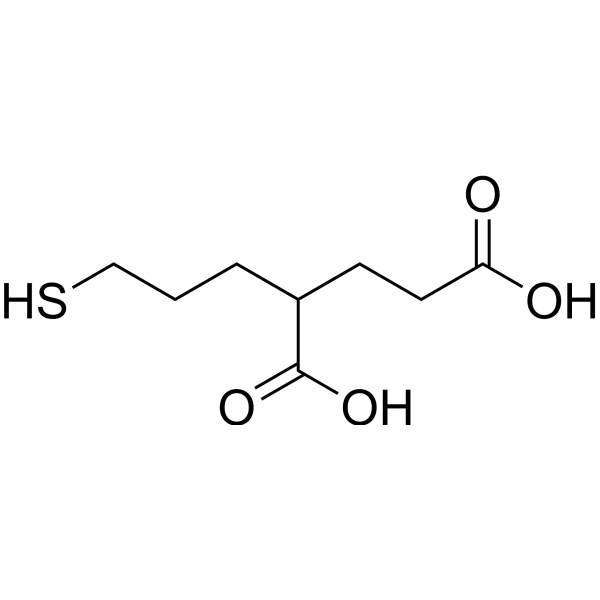
2-MPPA (Standard) is the analytical standard of 2-MPPA. This product is intended for research and analytical applications. 2-MPPA (GPI-5693) is an orally active and selective glutamate carboxypeptidase II (GCP II; PSMA) inhibitor with an IC50 of 90 nM .
|
-

-
- HY-168133
-
|
|
Sirtuin
|
Cancer
|
|
SIRT2-IN-16 (compund 17) is a prostate-specific membrane antigen (PSMA)-targeted SIRT2 inhibitor .
|
-

-
- HY-121659
-
|
|
PSMA
|
Cancer
|
|
DCFBC is a prostate-specific membrane antigen (PSMA) inhibitor that can be used for small animal positron emission tomography (PET) imaging. DCFBC labeled with F 18 ([18F]DCFBC) can images in severe combined immunodeficient mice. [18F]DCFBC uptake is higher in PIP tumors, but almost absent in FLU tumors. [18F]DCFBC uptake is also high in the kidney and bladder, but the radioactivity washout time is shorter than that in PIP tumors. Indicating that [18F]DCFBC can specifically localize to PSMA+ expressing tumors and is applicable to the study of prostate cancer .
|
-

-
- HY-164575B
-
|
|
Radionuclide-Drug Conjugates (RDCs)
PSMA
|
Cancer
|
|
NH2-NODAGA hydrochloride is an amino-modified NODAGA-type bifunctional chelator, specifically designed for amidation coupling with targeting ligands via squaric acid (SA), followed by coordination with radionuclides (e.g., 68Ga, 177Lu). NH2-NODAGA hydrochloride can be coupled with diethyl squarate to form a PSMA inhibitor conjugate, which is used in prostate cancer research .
|
-

-
- HY-185167
-
|
|
|
Cancer
|
|
PSMA-1-DOTA is a prostate-specific membrane antigen (PSMA) binder with high affinity, enables targeted radionuclide delivery for imaging and therapy. PSMA-1-DOTA acts as a tumor growth inhibitor that reduces growth of PSMA-expressing prostate cancer tumors .
|
-

-
- HY-185729
-
|
ADCT-401
|
Antibody-Drug Conjugates (ADCs)
PSMA
|
Cancer
|
|
MEDI3726 (ADCT-401) is a prostate-specific membrane antigen (PSMA)-targeting antibody-drug conjugate (ADC), composed of LP Tesirine (HY-128952) and antibody J591 (HY-P991359). MEDI3726 binds PSMA’s extracellular domain, triggers endocytosis, undergoes lysosomal degradation to release a pyrrolobenzodiazepine warhead. MEDI3726 induces DNA crosslinking, DNA damage, cell death, cytotoxicity, and inhibits tumor growth in mouse xenograft models. MEDI3726 undergoes in vivo catabolism primarily via heavy-light chain dissociation, with minimal warhead deconjugation. MEDI3726 can be used for the research of metastatic castration-resistant prostate cancer and prostate cancers .
|
-

-
- HY-164575A
-
|
|
Radionuclide-Drug Conjugates (RDCs)
PSMA
|
Cancer
|
|
NH2-NODAGA TFA is an amino-modified NODAGA-type bifunctional chelator, specifically designed for amidation coupling with targeting ligands via squaric acid (SA), followed by coordination with radionuclides (e.g., 68Ga, 177Lu). NH2-NODAGA TFA can be coupled with diethyl squarate to form a PSMA inhibitor conjugate, which is used in prostate cancer research .
|
-

-
- HY-P992366
-
|
|
Galectin
Tim3
|
Cancer
|
|
HFB200901 is a galectin LGALS9 inhibitor and immunostimulant that can be used in studies related to pancreatic adenocarcinoma, pancreatic intraepithelial neoplasia, KRAS G12C-mutant colon cancer, and prostate cancer. HFB200901 disrupts the LGALS9/TIM-3 axis, while blocking the internalization and vacuolization of recombinant LGALS9. HFB200901 reduces the proportion of regulatory T cells (Treg) and enhances dendritic cell activation, thereby inducing polyfunctional and memory CD8 + T cell responses. HFB200901 inhibits the progression of pancreatic neoplastic lesions and effectively improves the efficacy of PSMA-based vaccination .
|
-

-
- HY-W054292
-
|
(OtBu)KuE(OtBu)2
|
生化学アッセイ試薬
|
|
Tert-Butyl-DCL is a PSMA inhibitor. Tert-Butyl-DCL Tert-Butyl-DCL can be used in the research of prostate cancer .
|
-
- HY-P5292A
-
|
|
Radionuclide-Drug Conjugates (RDCs)
PSMA
|
Cancer
|
|
HYNIC-iPSMA TFA is a ligand for molecular imaging of tumors. Hynic-ipsma consists of two components: HYNIC (6-hydrazinonicotinamide) and iPSMA (Inhibitor of Prostate-Specific Membrane Antigen). HYNIC is a compound used to attach radioactive isotopes to targeted molecules. iPSMA is a specific inhibitor used to inhibit prostate-specific membrane antigen (PSMA). 68GA-labeled iPSMA has been used to detect prostate cancer by PET imaging. The further 99mTc-EDDA/HYNIC-iPSMA TFA has excellent specificity and sensitivity . HYNIC-iPSMA TFA can be used for the synthesis/research of Radionuclide-Drug Conjugates (RDCs).
|
-
- HY-P5292
-
|
|
Radionuclide-Drug Conjugates (RDCs)
PSMA
|
Cancer
|
|
HYNIC-iPSMA is a ligand for molecular imaging of tumors. Hynic-ipsma consists of two components: HYNIC (6-hydrazinonicotinamide) and iPSMA (Inhibitor of Prostate-Specific Membrane Antigen). HYNIC is a compound used to attach radioactive isotopes to targeted molecules. iPSMA is a specific inhibitor used to inhibit prostate-specific membrane antigen (PSMA). 68GA-labeled iPSMA has been used to detect prostate cancer by PET imaging. The further 99mTc-EDDA/HYNIC-iPSMA has excellent specificity and sensitivity . HYNIC-iPSMA can be used for the synthesis/research of Radionuclide-Drug Conjugates (RDCs).
|
-
- HY-158266
-
|
LNC1003
|
Radionuclide-Drug Conjugates (RDCs)
PSMA
|
Cancer
|
|
DOTA-PSMA-EB-01 (Compound LNC1003) is a specific inhibitor of PSMA (IC50= 10.77 nM).DOTA-PSMA-EB-01 enhances the uptake and retention time of 177Lu in tumors . DOTA-PSMA-EB-01 can be used for the synthesis/research of Radionuclide-Drug Conjugates (RDCs).
|
-
- HY-P10951
-
|
(R)-PSMA I&T; (R)-PNT-2002
|
PSMA
|
Cancer
|
|
Zadavotide guraxetan (PSMA I&T; PNT-2002) is a prostate-specific membrane antigen (PSMA) inhibitor. Zadavotide guraxetan has antitumor activity and can be used in prostate cancer-targeted research .
|
| 製品番号 |
製品名 |
Target |
研究分野 |
Image |
-
- HY-P9992
-
|
BAY-2315497; PSMA-TTC
|
PSMA
Apoptosis
|
Cancer
|
|
Peligifatamab is a PSMA-targeted α-radioimmunoconjugate with an EC50 of 1.2 nM against human targets. Peligifatamab induces DNA damage, DNA double-strand breaks, cell cycle arrest and apoptosis (Apoptosis) in PSMA-positive prostate cancer cells. Peligifatamab reduces cell viability in a manner dependent on cellular PSMA expression levels. Peligifatamab inhibits tumor growth and tumor-induced abnormal bone growth in prostate cancer bone metastasis models. Peligifatamab exhibits antitumor efficacy in subcutaneous prostate cancer models and xenograft models. Peligifatamab can be used for the research of metastatic castration-resistant prostate cancer .
|
-

(5)
-
- HY-P991708
-
|
REGN-4336
|
PSMA
CD3
|
Cancer
|
|
Olsutamig is a bivalent humanized IgG4κ monoclonal antibody inhibitor targeting FOLH1/PSMA and CD3E. Olsutamig simultaneously binds to PSMA on the tumor cell surface and CD3E on the T cell surface, markedly activating T cells and thereby specifically killing prostate cancer cells .
|
-
(5)
-
- HY-P992366
-
|
|
Galectin
Tim3
|
Cancer
|
|
HFB200901 is a galectin LGALS9 inhibitor and immunostimulant that can be used in studies related to pancreatic adenocarcinoma, pancreatic intraepithelial neoplasia, KRAS G12C-mutant colon cancer, and prostate cancer. HFB200901 disrupts the LGALS9/TIM-3 axis, while blocking the internalization and vacuolization of recombinant LGALS9. HFB200901 reduces the proportion of regulatory T cells (Treg) and enhances dendritic cell activation, thereby inducing polyfunctional and memory CD8 + T cell responses. HFB200901 inhibits the progression of pancreatic neoplastic lesions and effectively improves the efficacy of PSMA-based vaccination .
|
-
(5)
-
- HY-160893
-
|
|
|
Azide
|
|
PSMA-azide is a prostate-specific membrane antigen (PSMA) ligand. PSMA-azide inhibits PSMA-dependent NAAG (N-acetylaspartylglutamic acid) hydrolysis, with an IC50 of 9 nM and a Ki of 1 nM. PSMA-azide contains an Azide group and can undergo copper-catalyzed azide-alkyne cycloaddition reaction (CuAAc) with molecules containing Alkyne groups .
|
-
- HY-177808
-
|
A9g aptamer sodium
|
|
Aptamers
|
|
A9g sodium is an RNA aptamer that inhibits the enzymatic activity of prostate-specific membrane antigen (PSMA).
|
入力情報は安全に管理されます. ※ 必須入力項目.
Inquiry Information
- 製品名:
- 製品番号:
- 数量:
- MCE 日本正規代理店:





