



Galectin
Galectins comprise a family of soluble β-galactoside binding proteins, which regulate key biological processes including cell growth, differentiation, apoptosis, and immune responses.
Sixteen galectin genes have been identified in animal kingdoms, 12 of which are expressed in humans. Galectins are usually classified into three groups based on their structure: (i) prototypical galectins (galectin-1 (Gal1), Gal2, Gal5, Gal7, Gal10, Gal11, Gal 13, Gal14, and Gal15), characterized by a single CRD, which can act as monomers or form homodimers; (ii) the chimeric galectin Gal3 (the only member of this class), with a single CRD and a large amino-terminal domain that facilitates the formation of oligomers; (iii) the tandem repeat galectins, with two CRDs that are linked through a small peptide domain; this group includes Gal4, Gal6, Gal8, Gal9, and Gal12. Recently, Galectins have been implicated as major therapeutic determinants that confer sensitivity or resistance to a wide range of anticancer modalities including chemotherapy, radiotherapy, targeted therapies, antiangiogenic therapies, and immunotherapies.
Galectin Isoform Specific Products
All Product Categories
-
Galectin Produits associés (52)
Produits associés (52)

-
Anticorps (7)
-
Galectin Isoform Comparison
-
GB1107
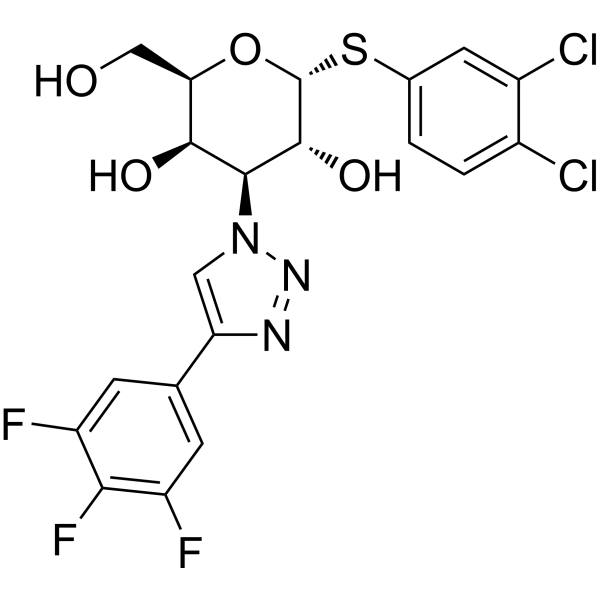 0 ImagesGB1107 is a potent, selective, orally active inhibitor of Galectin-3 (Gal-3) with a Kd of 37 nM for human Galectin-3. GB1107 reduces human and mouse lung adenocarcinoma growth and blocks metastasis in the syngeneic model.
-
Olitigaltin
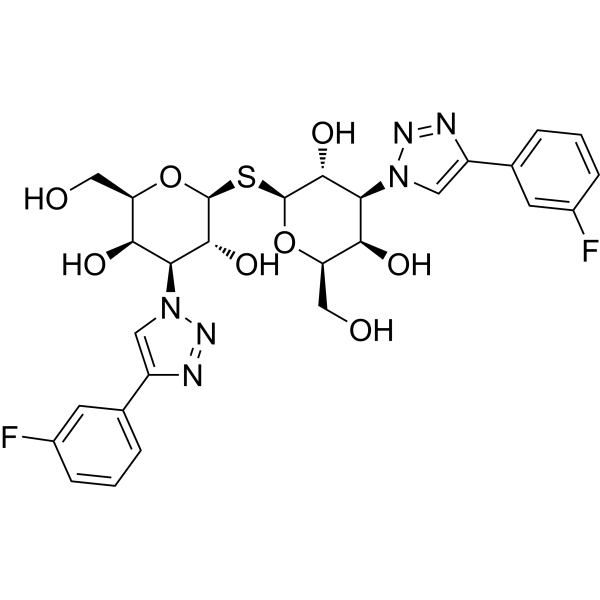 0 ImagesSynonyms: TD139; GB0139Olitigaltin (TD139) is a high-affinity Galectin-3 inhibitor with a Kd value of 14 nM. Olitigaltin inhibits the activity of the AKT/β-catenin pathway, induces Apoptosis, and downregulates SREBP1 expression. Olitigaltin enhances the phosphorylation level of ERK. Olitigaltin alleviates bleomycin (HY-17565A)-induced advanced pulmonary fibrosis in mice. Olitigaltin delays the onset of diabetes, and improves glucose tolerance and serum insulin levels. Olitigaltin alleviates liver injury. Olitigaltin maintains the structure of hippocampal excitatory synapses, restores γ-wave power in the hippocampal CA1 region, inhibits hippocampal neuroinflammation, and improves cognitive function in neuroinflammation models. Olitigaltin can be used in research related to thyroid cancer, idiopathic pulmonary fibrosis, type 1 diabetes, hepatitis, and cognitive dysfunction induced by neuroinflammation.
-
Thiodigalactoside
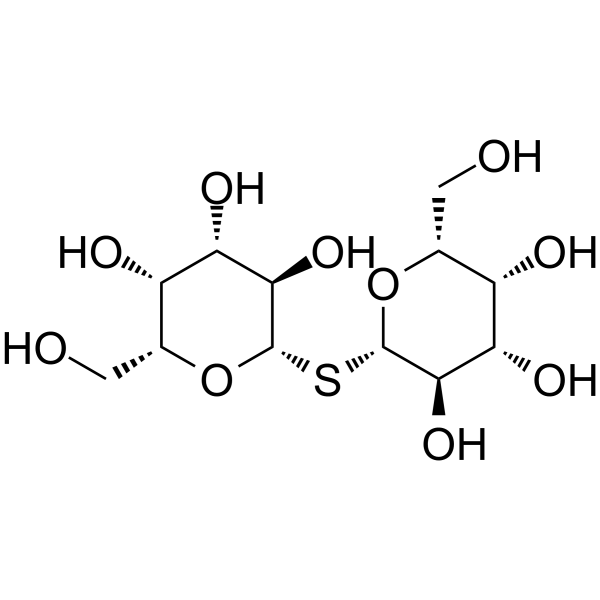 0 ImagesSynonyms: TDGThiodigalactoside (TDG) is an orally active and potent galectin (GAL) inhibitor with Kd values of 24 μM, 49 μM for GAL1 and GAL3, respectively. Thiodigalactoside, a non-metabolizable disaccharide, has anti-inflammatory and anti-cancer activity. Thiodigalactoside dramatically reduces body weight gain in diet-induced obese rats.
-
OTX008
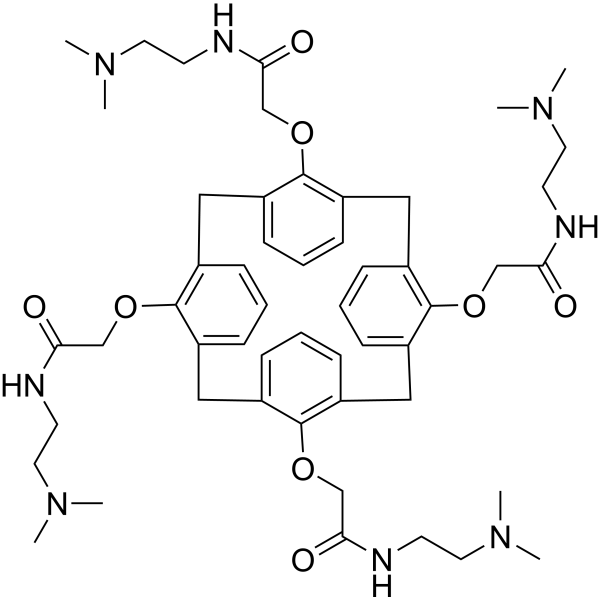 0 ImagesSynonyms: Calixarene 0118; PTX008OTX008 is a selective inhibitor of galectin-1.
-
Selvigaltin
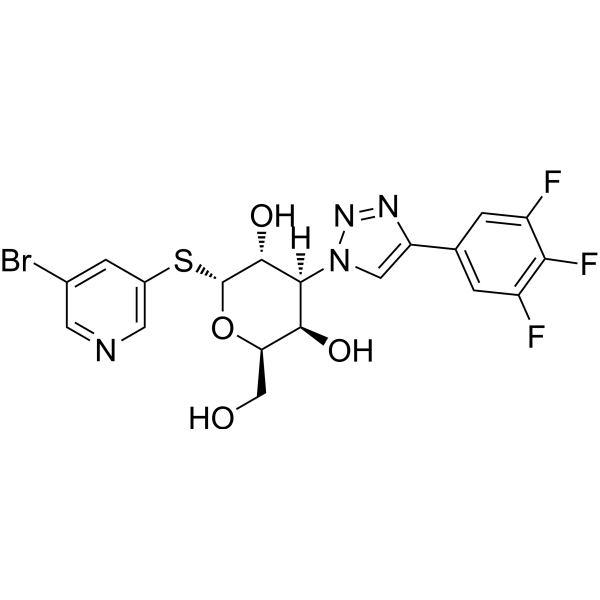 0 ImagesSynonyms: GB1211Selvigaltin (GB1211) is an orally active galectin-3 small molecule inhibitor with an IC50 value of 12 nM in rabbits, showing anti-tumor activity. Selvigaltin decreases galectin-3 levels in the liver and reduces biomarkers of liver function (AST, ALT, bilirubin), inflammation (cells foci) and fibrosis (PSR, SHG), as well as decreasing the mRNA and protein expression of several key inflammation and fibrosis biomarkers (IL6, TGFβ3, SNAI2, collagen). Selvigaltin restores T-cell activity and induces less tumors and metastasis.
-
Anti-LGALS3BP Antibody
 0 ImagesCat. No.: HY-P992257
-
GB1841
 0 ImagesCat. No.: HY-183582CAS No.: 2573135-33-6GB1841 is an orally active and selective galectin inhibitor with human galectin-1 Kd of 0.027 μM, human galectin-3 Kd of 0.14 μM, mouse galectin-1 Kd of 0.034 μM and mouse galectin-3 Kd of 1.170 μM. GB1841 can be used for the research of lung cancer.
-
N-Acetyl-D-galactosamine, 98%
 0 ImagesN-Acetyl-D-galactosamine (GalNAc) is a terminal essential amino sugar derived from galactose and forms the antigens of blood group A in humans. N-Acetyl-D-galactosamine (GalNAc) interact with Soya bean agglutinin (SBA), hence decreasing the effects of SBA on cellular membrane permeability and tight junction protein expression in piglets. N-Acetyl-D-galactosamine (GalNAc) inhibits the hemagglutinating activity by the lectin.
-
Belapectin
 0 ImagesSynonyms: GR-MD-02Belapectin (GR-MD-02) is a Galectin-3 (Gal-3) inhibitor. Belapectin drives tumor-induced immunosuppression by inducing T cell Apoptosis. Belapectin promotes tumor regression and improves survival of tumor-bearing mice through a CD8+ T cell-dependent mechanism. Belapectin binds to Gal-3 with affinity Ki of 2.8 μM.
-
N-Acetyllactosamine
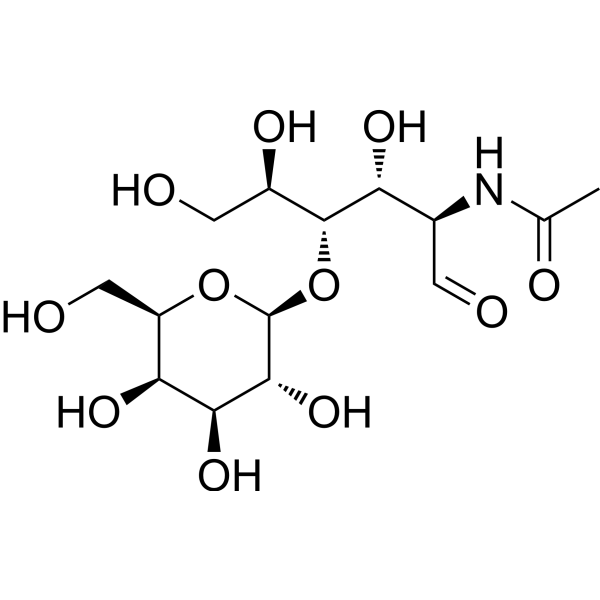 0 ImagesSynonyms: N-Acetyl-D-lactosamineN-Acetyllactosamine (N-Acetyl-D-lactosamine), a nitrogen-containing disaccharide, is a galectin-3 inhibitor, which is an important component of various oligosaccharides such as glycoproteins and sialyl Lewis X. N-Acetyllactosamine can be used as the starting material for the synthesis of various oligosaccharides. N-Acetyllactosamine has prebiotic effects.
-
β-Lactose
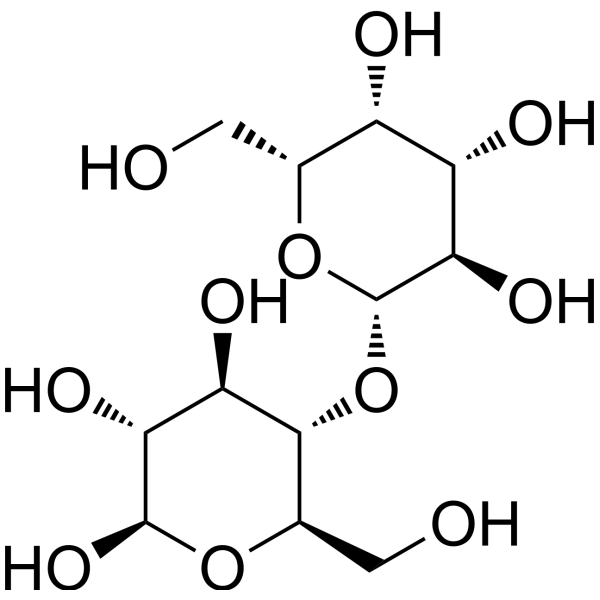 0 Imagesβ-Lactose is a disaccharide commonly found in milk and dairy products. It consists of two monosaccharides, glucose and galactose, linked by β-glycosidic bonds. β-Lactose has various applications in the food industry, especially as a sweetener and bulking agent. Furthermore, it can be used as a substrate for enzymes involved in lactose metabolism and as a model compound for studying carbohydrate-protein interactions.
-
Anti-Mouse Galectin-9 Antibody (RG9-1)
 0 ImagesCat. No.: HY-P990242Anti-Mouse Galectin-9 Antibody (RG9-1) is an anti-mouse Galectin-9 IgG2b monoclonal antibody. Anti-Mouse Galectin-9 Antibody (RG9-1) promotes inflammatory response by enhancing the secretion of IFN-γ, TNF-α, and IL-6. Anti-Mouse Galectin-9 Antibody (RG9-1) can increase CD8 T cell and Treg frequency. Anti-Mouse Galectin-9 Antibody (RG9-1) reduces graft survival time by increasing CD4+ and CD8+ T cell infiltration. Anti-Mouse Galectin-9 Antibody (RG9-1) can be used for researches on inflammation conditions, cancer and xenotransplantation such as ischemia-reperfusion, colon cancer, breast cancer and leukemia.
-
Galactinol
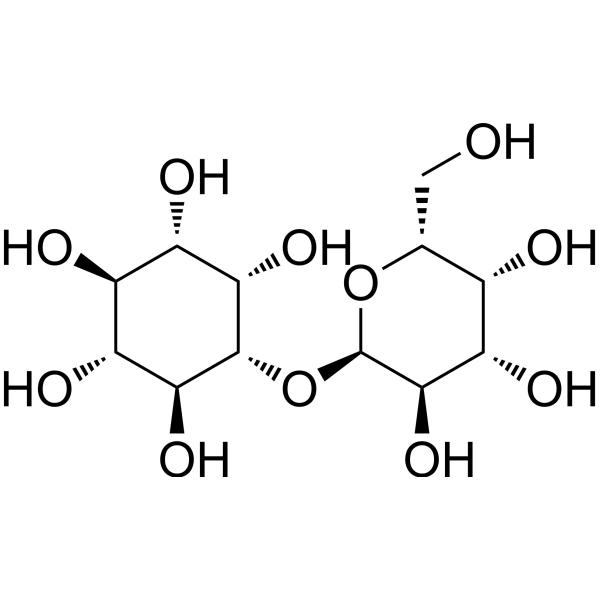 0 ImagesGalactinol is a disaccharide carbohydrate serving as a galactosyl donor, which belongs to the raffinose family oligosaccharide pathway and acts as an important osmoprotectant. Galactinol not only induces disease resistance in plants against fungal and bacterial pathogens, but also significantly enhances plant tolerance to abiotic stresses such as drought, high salinity, low temperature and oxidative damage. In addition, Galactinol has the ability to scavenge hydroxyl radicals, can act as a signaling component for root colonization-induced systemic resistance, and is positively correlated with seed longevity in various crops, making it a potential biomarker for evaluating seed vigor. Therefore, Galactinol can be used in the research of various plant diseases including fungal leaf spot, bacterial angular leaf spot, gray mold and soft rot.
-
GB1908
 0 ImagesGB1908 is a selective and orally active galectin-1 inhibitor with Ki values of 57 nM and 72 nM for human and mouse galectin-1, respectively. GB1908 displays >50-fold selectivity over galectin-3. GB1908 can be used for the study of lung cancer.
-
Galactinol dihydrate
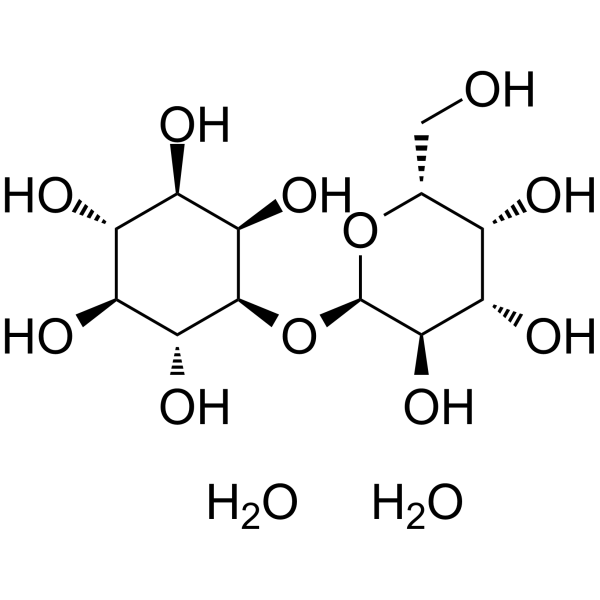 0 ImagesGalactinol dihydrate is a disaccharide carbohydrate serving as a galactosyl donor, which belongs to the raffinose family oligosaccharide pathway and acts as an important osmoprotectant. Galactinol dihydrate not only induces disease resistance in plants against fungal and bacterial pathogens, but also significantly enhances plant tolerance to abiotic stresses such as drought, high salinity, low temperature and oxidative damage. In addition, Galactinol dihydrate has the ability to scavenge hydroxyl radicals, can act as a signaling component for root colonization-induced systemic resistance, and is positively correlated with seed longevity in various crops, making it a potential biomarker for evaluating seed vigor. Therefore, Galactinol dihydrate can be used in the research of various plant diseases including fungal leaf spot, bacterial angular leaf spot, gray mold and soft rot.
-
Galectin-3 antagonist 1
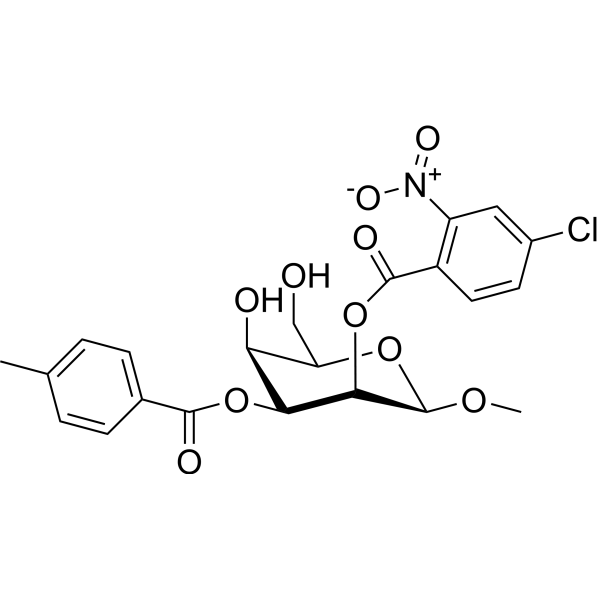 0 ImagesGalectin-3 antagonist 1 (compound 15) is a potent and selective Galectin-3 (Gal-3) antagonist with Kd value of 5.3 μM. Meanwhile, Galectin-3 antagonist 1 binds to various Galectin with Kd values of 250 μM (Gal-4N), 18 μM (Gal-4C), 450 μM (Gal-8C), respectively.
-
Anti-Mouse/Human Mac-2/Galectin-3 Antibody (TIB-166)
 0 ImagesCat. No.: HY-P990198Anti-Mouse/Human Mac-2/Galectin-3 Antibody (TIB-166) is a rat-derived anti-mouse/human Mac-2/Galectin-3 IgG2a monoclonal antibody. Anti-Mouse/Human Mac-2/Galectin-3 Antibody (TIB-166) significantly inhibits IL-6 expression (inhibition rates 34.7% and 55.3%). Anti-Mouse/Human Mac-2/Galectin-3 Antibody (TIB-166) is often used for immunoprecipitation, western blot, immunofluorescence, and flow cytometry.
-
4,5-Dibromo-2-pyrrolic acid
 0 Images4,5-Dibromo-2-pyrrolic acid (compound 2) is an immunosuppressive compound. 4,5-Dibromo-2-pyrrolic acid suppresses the proliferative response of splenocytes to suboptimal concentrations of the mitogen, concanavalin A (Con A).
-
Galectin-8N-IN-1
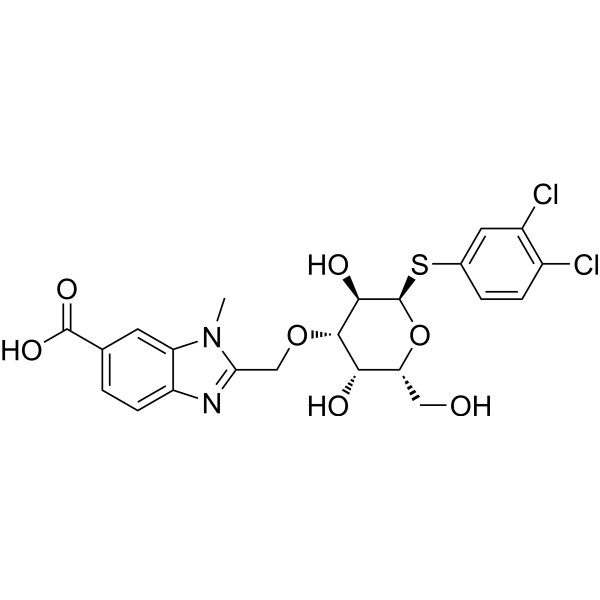 0 ImagesGalectin-8N-IN-1 (compound 19a) is a potent and selective galectin-8N inhibitor with a Kd value of 1.8 μM. Galectin-8N-IN-1 is a galectin-8N ligand. Galectin-8N-IN-1 can be used in research of immune system.
-
G3-C12
 0 ImagesG3-C12 is a galectin-3 binding peptide, with Kd of 88 nM, and shows anticancer activity.




