



-
Galectin Related Products (19)
Related Products (19)

- 1
-
Thiodigalactoside
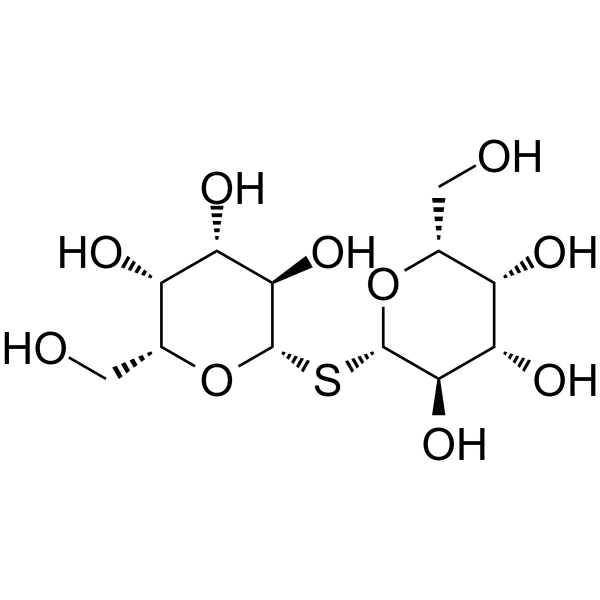 0 ImagesSynonyms: TDGThiodigalactoside (TDG) is an orally active and potent galectin (GAL) inhibitor with Kd values of 24 μM, 49 μM for GAL1 and GAL3, respectively. Thiodigalactoside, a non-metabolizable disaccharide, has anti-inflammatory and anti-cancer activity. Thiodigalactoside dramatically reduces body weight gain in diet-induced obese rats.
-
β-Lactose
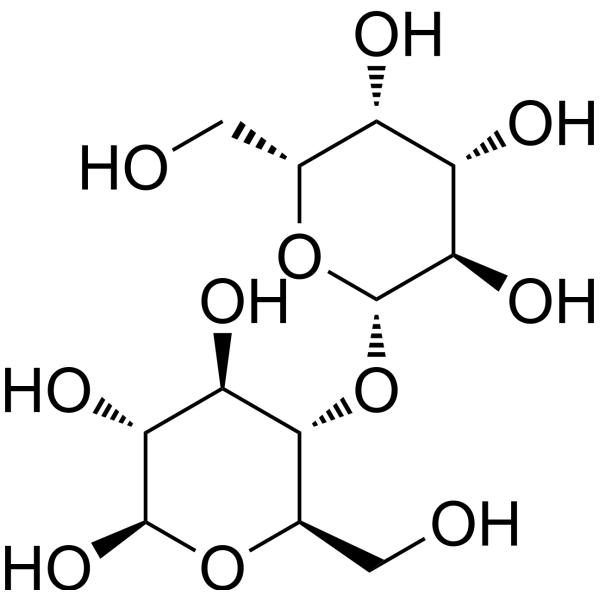 0 Imagesβ-Lactose is a disaccharide commonly found in milk and dairy products. It consists of two monosaccharides, glucose and galactose, linked by β-glycosidic bonds. β-Lactose has various applications in the food industry, especially as a sweetener and bulking agent. Furthermore, it can be used as a substrate for enzymes involved in lactose metabolism and as a model compound for studying carbohydrate-protein interactions.
-
Galactinol
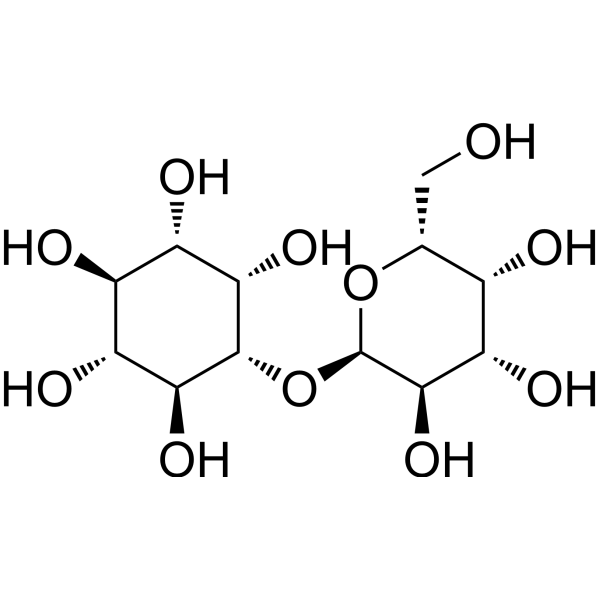 0 ImagesGalactinol is a disaccharide carbohydrate serving as a galactosyl donor, which belongs to the raffinose family oligosaccharide pathway and acts as an important osmoprotectant. Galactinol not only induces disease resistance in plants against fungal and bacterial pathogens, but also significantly enhances plant tolerance to abiotic stresses such as drought, high salinity, low temperature and oxidative damage. In addition, Galactinol has the ability to scavenge hydroxyl radicals, can act as a signaling component for root colonization-induced systemic resistance, and is positively correlated with seed longevity in various crops, making it a potential biomarker for evaluating seed vigor. Therefore, Galactinol can be used in the research of various plant diseases including fungal leaf spot, bacterial angular leaf spot, gray mold and soft rot.
-
Galactinol dihydrate
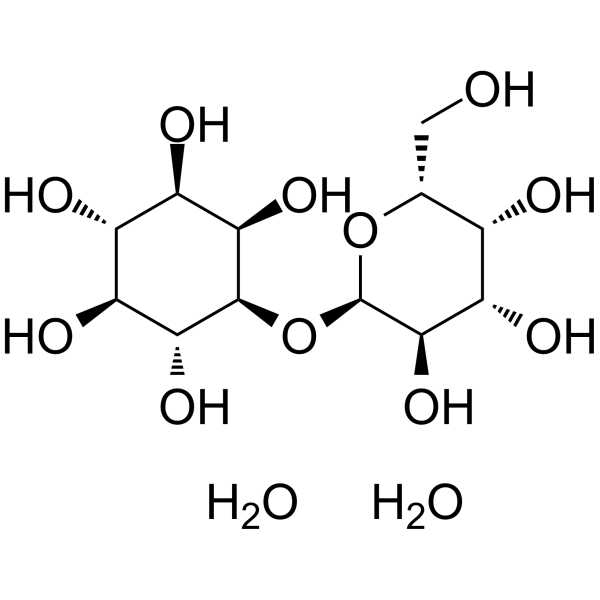 0 ImagesGalactinol dihydrate is a disaccharide carbohydrate serving as a galactosyl donor, which belongs to the raffinose family oligosaccharide pathway and acts as an important osmoprotectant. Galactinol dihydrate not only induces disease resistance in plants against fungal and bacterial pathogens, but also significantly enhances plant tolerance to abiotic stresses such as drought, high salinity, low temperature and oxidative damage. In addition, Galactinol dihydrate has the ability to scavenge hydroxyl radicals, can act as a signaling component for root colonization-induced systemic resistance, and is positively correlated with seed longevity in various crops, making it a potential biomarker for evaluating seed vigor. Therefore, Galactinol dihydrate can be used in the research of various plant diseases including fungal leaf spot, bacterial angular leaf spot, gray mold and soft rot.
-
Anti-Mouse/Human Mac-2/Galectin-3 Antibody (TIB-166)
 0 ImagesCat. No.: HY-P990198Anti-Mouse/Human Mac-2/Galectin-3 Antibody (TIB-166) is a rat-derived anti-mouse/human Mac-2/Galectin-3 IgG2a monoclonal antibody. Anti-Mouse/Human Mac-2/Galectin-3 Antibody (TIB-166) significantly inhibits IL-6 expression (inhibition rates 34.7% and 55.3%). Anti-Mouse/Human Mac-2/Galectin-3 Antibody (TIB-166) is often used for immunoprecipitation, western blot, immunofluorescence, and flow cytometry.
-
Anti-LGALS3BP Antibody
 0 ImagesCat. No.: HY-P992257
-
HFB200901
 0 ImagesCat. No.: HY-P992366HFB200901 is a galectin LGALS9 inhibitor and immunostimulant that can be used in studies related to pancreatic adenocarcinoma, pancreatic intraepithelial neoplasia, KRASG12C-mutant colon cancer, and prostate cancer. HFB200901 disrupts the LGALS9/TIM-3 axis, while blocking the internalization and vacuolization of recombinant LGALS9. HFB200901 reduces the proportion of regulatory T cells (Treg) and enhances dendritic cell activation, thereby inducing polyfunctional and memory CD8+ T cell responses. HFB200901 inhibits the progression of pancreatic neoplastic lesions and effectively improves the efficacy of PSMA-based vaccination.
-
4,5-Dibromo-2-pyrrolic acid
 0 Images4,5-Dibromo-2-pyrrolic acid (compound 2) is an immunosuppressive compound. 4,5-Dibromo-2-pyrrolic acid suppresses the proliferative response of splenocytes to suboptimal concentrations of the mitogen, concanavalin A (Con A).
-
GB2095
 0 ImagesGB2095 is an orally active and selective galectin-3 inhibitor. GB2095 shows superior selectivity for both human (KD = 0.036 μM) and mouse galectin-3 (KD = 0.35 μM) over other galectins (such as h-Gal-1/4N/4C/8N/8C/9N/9C and m-galectin-1). GB2095 inhibits tumor growth in syngeneic mouse models of breast and melanoma cancers. GB2095 can be used for breast and melanoma cancer research.
-
DB21, Galectin-1 Antagonist
 0 ImagesCat. No.: HY-P10010CAS No.: 1623027-80-4DB21, Galectin-1 Antagonist is a dibenzofuran conjugated peptidomimetic that acts as an allosteric inhibitor of galectin-1 (GAL1)binding to cell surface glycans. DB21, Galectin-1 Antagonis increases inhibition of angiogenesis and tumour growth in melanoma, lung adenocarcinoma and ovarian cancer models.
-
N-Acetyllactosamine (Standard)
 0 ImagesCat. No.: HY-126854RCAS No.: 32181-59-2Synonyms: N-Acetyl-D-lactosamine (Standard)N-Acetyllactosamine (Standard) is the analytical standard of N-Acetyllactosamine. This product is intended for research and analytical applications. N-Acetyllactosamine (N-Acetyl-D-lactosamine), a nitrogen-containing disaccharide, is a galectin-3 inhibitor, which is an important component of various oligosaccharides such as glycoproteins and sialyl Lewis X. N-Acetyllactosamine can be used as the starting material for the synthesis of various oligosaccharides. N-Acetyllactosamine has prebiotic effects[1][2][3][4].
-
Galectin-3/galectin-8-IN-2
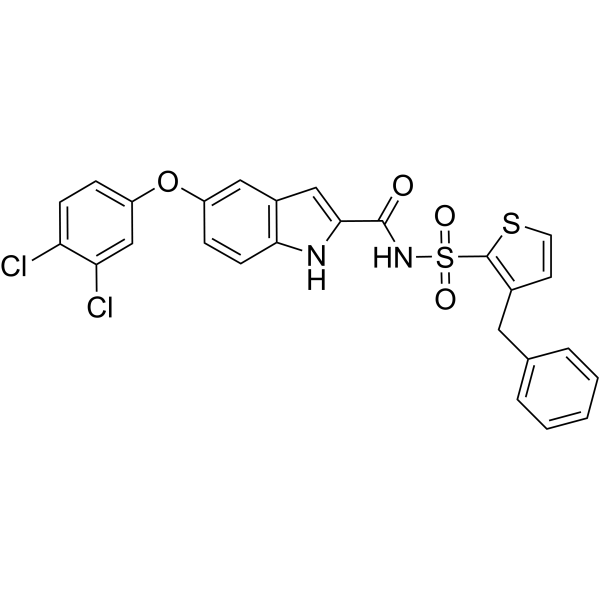 0 ImagesCat. No.: HY-155192Galectin-3/galectin-8-IN-2 (Compound 57) is a dual Galectin-3 and galectin-8 C-terminal domain inhibitor, with Kd values of 12.8 μM and 2.06 μM respectively. Galectin-3/galectin-8-IN-2 inhibits the MRC-5 lung fibroblast cells migration. Galectin-3/galectin-8-IN-2 can be used for research of cancer and tissue fibrosis.
-
Galectin-8-IN-2
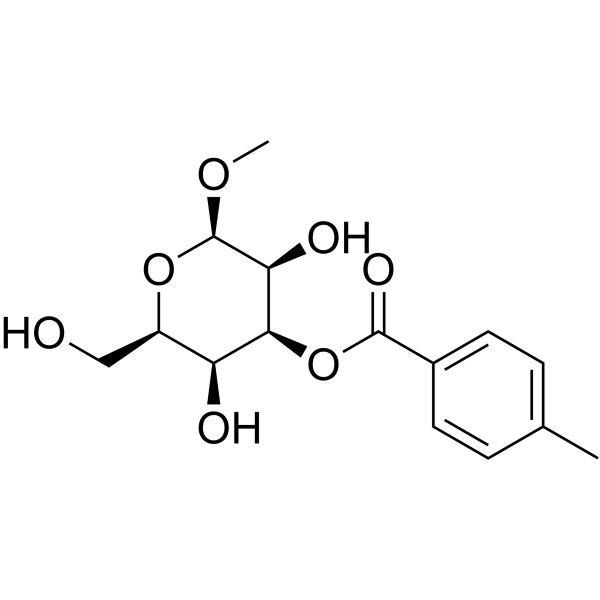 0 ImagesCat. No.: HY-157822CAS No.: 1044566-24-6Galectin-8-IN-2 (Compound 10) is a galectin-8N inhibitor.
-
Galectin-4-IN-2
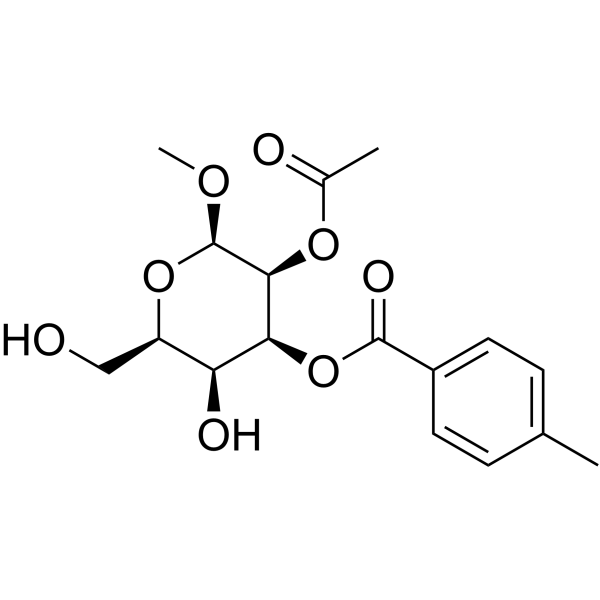 0 ImagesCat. No.: HY-157820CAS No.: 1044566-28-0
-
SNAP 398299
 0 ImagesCat. No.: HY-123708CAS No.: 903878-06-8SNAP 398299 is a Gal3 receptor antagonist with potential anxiolytic and antidepressant effects. SNAP 398299 can partially reverse the neuropeptide Galanin-induced inhibition of dorsal raphe cell firing and the Galanin-induced hyperpolarizing current.
-
Galectin-3-IN-3
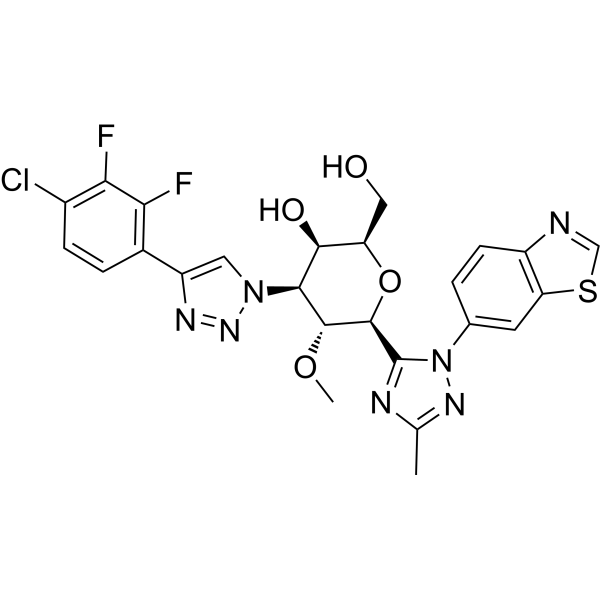 0 ImagesCat. No.: HY-163405CAS No.: 2491661-50-6Galectin-3-IN-3 (Compound 4) is an orally active and selective inhibitor of Gal-3, with IC50 values of 11 nM and 84 nM against mGal-3 and hGal-3 respectively.
-
F3-PEG8-RiboTAC
 0 ImagesCat. No.: HY-176259F3-PEG8-RiboTAC is a RiboTAC that can specifically degrade the mRNA of the oncogene LGALS1. F3-PEG8-RiboTAC can induce tumor cell apoptosis and inhibit invasion. F3-PEG8-RiboTAC has anti-tumor activity and can be used in the research of tumors such as leukemia and triple-negative breast cancer. (RNase L ligand (HY-177030); RNA binder (HY-177031); Linker (HY-W019798)).
-
Olitigaltin (Standard)
 0 ImagesCat. No.: HY-19940RCAS No.: 1450824-22-2Synonyms: TD139 (Standard); GB0139 (Standard)Olitigaltin (Standard) is the analytical standard of Olitigaltin (HY-19940). This product is intended for research and analytical applications. TD139 is a synthetic galectin-3 inhibitor. TD139 has high affinity for galectin-3 with a Kd of 68 nM, a Kd of 0.22 μM for galectin-1, and a Kd of 38 μM for galectin-7.
-
Galectin-3-IN-5
 0 ImagesCat. No.: HY-162789Galectin-3-IN-5 (Compound 20) is an orally active inhibitor of galectin-3 (Gal-3), with an IC50 value of 9.2 nM against hGal-3.
- 1



