Search Result
Results for "
Surfactant proteins
" in MedChemExpress (MCE) Product Catalog:
18
Biochemical Assay Reagents
2
Isotope-Labeled Compounds
| Cat. No. |
Product Name |
Target |
Research Areas |
Chemical Structure |
-
- HY-15435
-
CHAPS
4 Publications Verification
|
Exosomes
Biochemical Assay Reagents
|
Others
|
|
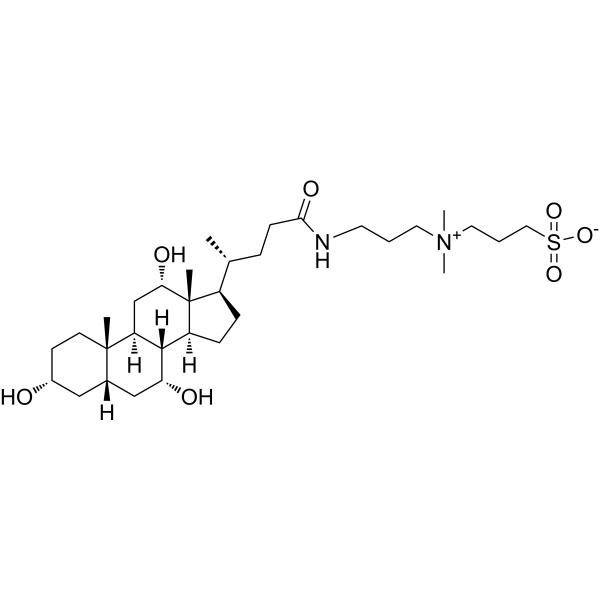
CHAPS is a cholic acid-derived, sulfobetaine-type zwitterionic detergent and micelle-forming agent. CHAPS exhibits properties of weak cationic or nonionic surfactants in different solution systems, undergoes micellization, and forms small, loose hydrophilic aggregates that are temperature-dependent. CHAPS stabilizes mononucleosomes under different ionic strengths, reduces nucleosome sequence specificity, promotes sliding of histone cores along DNA, solubilizes Tamm-Horsfall protein to reduce its interference with urinary exosome isolation, and maintains vesicle structure and the activity of related proteins at the same time. CHAPS is used to recover native folded fusion proteins, enhance the binding capacity of GST fusion proteins, and restore GST enzyme activity. However, CHAPS cannot refold proteins denatured by urea, guanidine hydrochloride or heat, nor can it construct the structure of intrinsically disordered proteins. CHAPS is commonly used in research on the separation and purification of membrane proteins .
|
-
-
- HY-Y0316
-
|
Sodium lauryl sulfate; Laurylsulfuric acid sodium salt
|
Environmental Pollutants
Biochemical Assay Reagents
|
Others
|
|
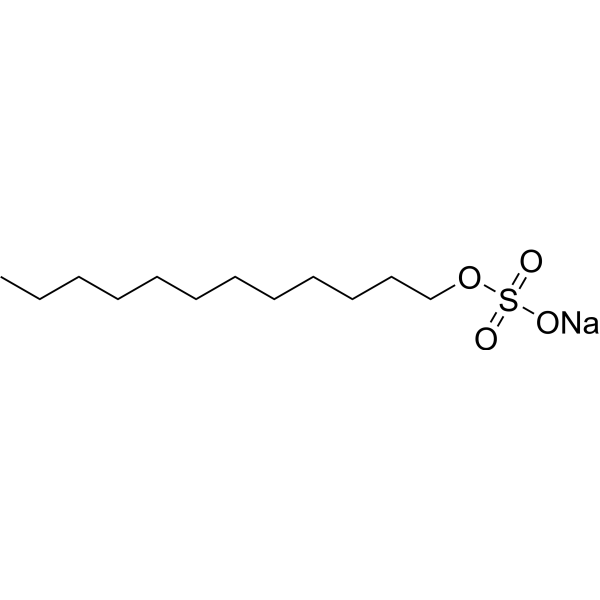
Sodium dodecyl sulfate is an anionic surfactant commonly used as a detergent, emulsifier, and protein denaturant in various industrial processes, especially in the production of personal care products, cleaners, and laboratory reagents. Sodium dodecyl sulfate has unique chemical properties that make it an effective ingredient in many applications, helping to reduce surface tension and enhance cleaning power.
|
-
-
- HY-B1268
-
|
Dioctyl sulfosuccinate sodium salt
|
Environmental Pollutants
HSV
|
Others
|
|
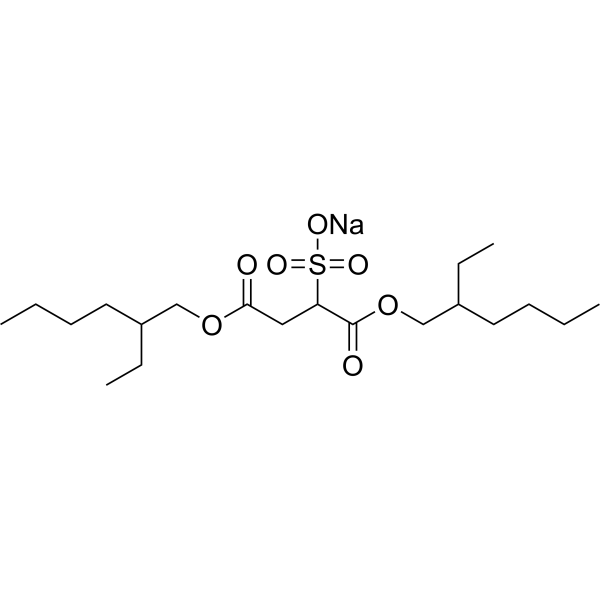
Docusate Sodium (Dioctyl sulfosuccinate sodium salt) is one of the main components in stool softeners. Docusate Sodium is a sulfated surfactant and may inactivate viral pathogens by disrupting viral envelopes and/or denaturing/disassociating proteins. Docusate Sodium is effective in vitro against wild type and drug-resistant strains of HSV type 1 and 2. Docusate Sodium is an obesogen. Docusate Sodium with developmental exposure leads to increased adult adiposity, inflammation, metabolic disorder and dyslipidemia in offspring fed a standard diet in mice .
|
-
-
- HY-108294
-
|
Nonaoxyethylene monododecyl ether
|
Biochemical Assay Reagents
|
Others
|
|
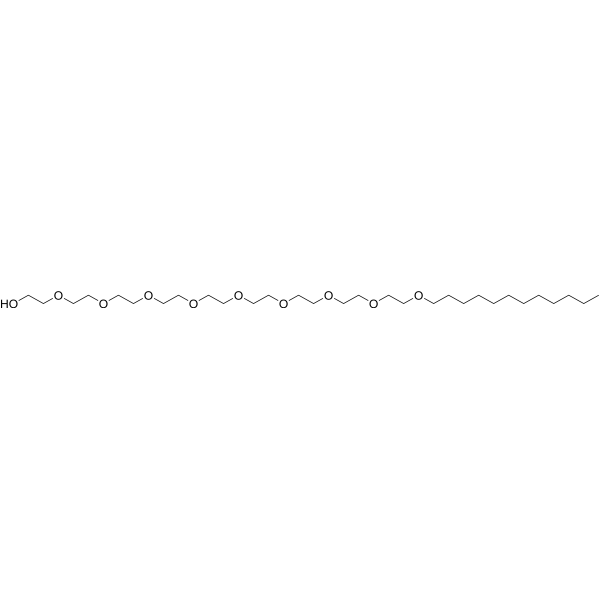
Nonaethylene glycol monododecyl ether (Nonaoxyethylene monododecyl ether) is a nonionic surfactant and polyethylene glycol (PEG) detergent that can be used to form initial coalesced O/W emulsion droplets, as well as for protein separation and purification .
|
-
-
- HY-15435A
-
|
|
Biochemical Assay Reagents
Exosomes
|
Others
|
|
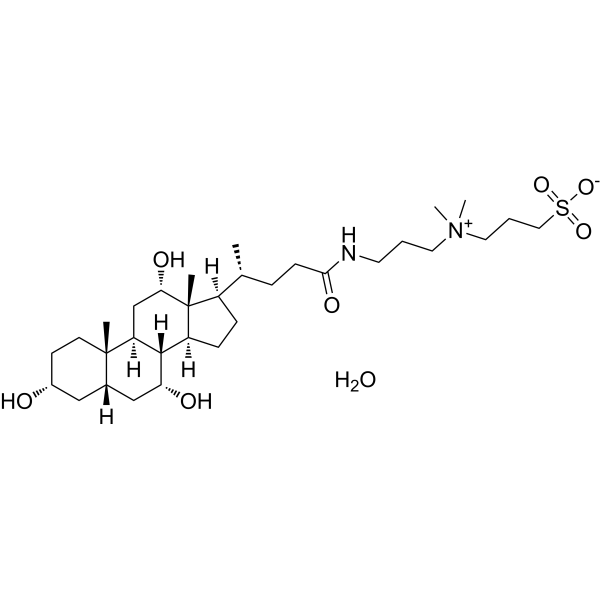
CHAPS hydrate is a cholic acid-derived, sulfobetaine-type zwitterionic detergent and micelle-forming agent. CHAPS hydrate exhibits properties of weak cationic or nonionic surfactants in different solution systems, undergoes micellization, and forms small, loose hydrophilic aggregates that are temperature-dependent. CHAPS hydrate stabilizes mononucleosomes under different ionic strengths, reduces nucleosome sequence specificity, promotes sliding of histone cores along DNA, solubilizes Tamm‑Horsfall protein to reduce its interference with urinary exosome isolation, and maintains vesicle structure and the activity of related proteins at the same time. CHAPS hydrate is used to recover native folded fusion proteins, enhance the binding capacity of GST fusion proteins, and restore GST enzyme activity. However, CHAPS hydrate cannot refold proteins denatured by urea, guanidine hydrochloride or heat, nor can it construct the structure of intrinsically disordered proteins. CHAPS hydrate is commonly used in research on the separation and purification of membrane proteins .
|
-
-
- HY-126377
-
|
|
Biochemical Assay Reagents
|
Others
|
|
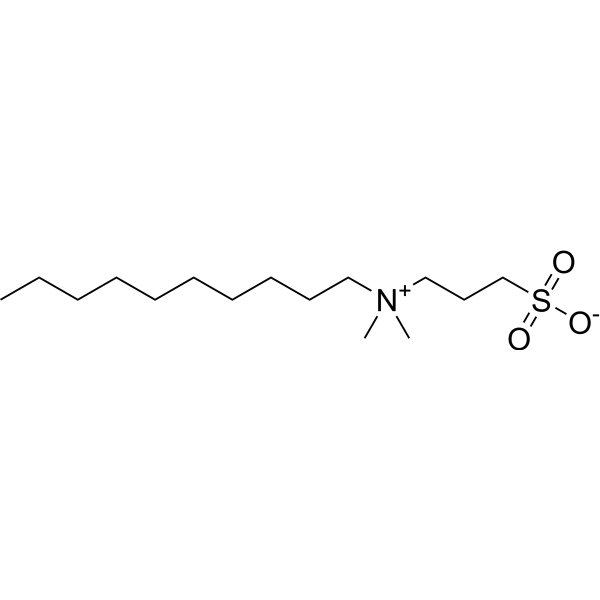
Sulfobetaine 10, is a zwitterionic surfactant commonly used in biochemistry and biophysics. It is commonly used to dissolve membrane proteins and other hydrophobic molecules in aqueous solutions. Sulfobetaine 10 has both positively and negatively charged groups in its structure, which allows it to maintain a neutral charge in solution and reduces its tendency to denature proteins. It is considered a mild, non-denaturing surfactant and is widely used in protein research.
|
-
-
- HY-W250195
-
|
|
Biochemical Assay Reagents
|
Others
|
|
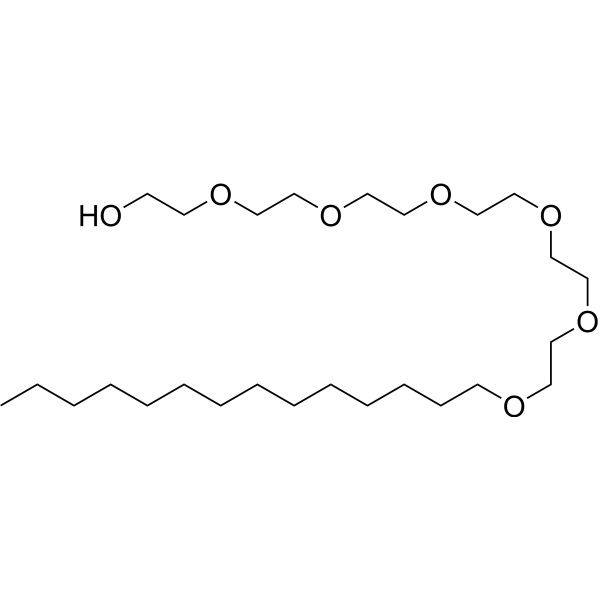
Hexaethylene glycol monotetradecyl ether is a kind of nonionic surfactant with hydrophilic head and lipophilic tail. It belongs to the class of polyethylene glycol (PEG) ethers and is widely used in different industrial and research applications. Due to its unique properties, Hexaethylene glycol monotetradecyl ether is commonly used in lotions, detergents and solubilizers. It is particularly useful in the study of membrane proteins and can be used to stabilize and solubilize proteins for use in structural analysis techniques. Due to its moisturizing and emulsifying properties, Hexaethylene glycol monotetradecyl ether is also used in personal care and cosmetics.
|
-
-
- HY-P4371
-
|
|
Biochemical Assay Reagents
|
Inflammation/Immunology
|
|
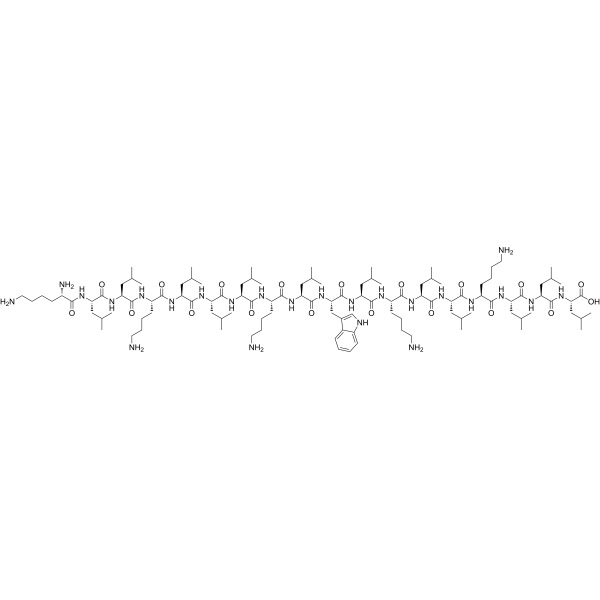
Hel 13-5 is a monomeric, lipophilic, basic amphipathic α-helical synthetic peptide composed of 18 amino acid residues. Hel 13-5 is designed as a substitute for proteins in artificial pulmonary surfactants, and it mimics the interaction between the N-terminal fragment of human pulmonary surfactant protein B and lipids. Hel 13-5 can bind to phospholipids for the development of pulmonary surfactant model systems. Hel 13-5 can be used in studies related to respiratory distress syndrome .
|
-
-
- HY-44157
-
|
|
Biochemical Assay Reagents
|
Neurological Disease
|
|
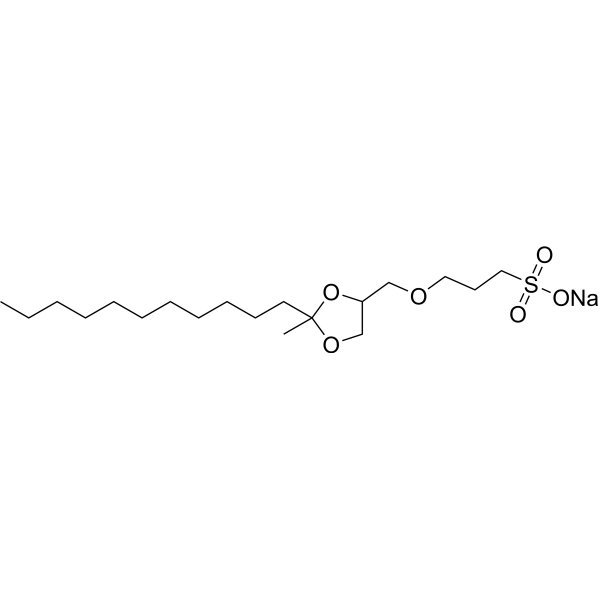
ALS-I, an acid-Liable surfactant, is adopted for in-solution enzymatic digestions, can help to solubilize hydrophobic proteins. ALS-I is significantly enhanced peptide recovery for mass spectrometry (MS) mapping in the study of the proteomes of regenerating rat retina and mouse brain .
|
-
-
- HY-P2207
-
|
|
Biochemical Assay Reagents
|
Others
|
|
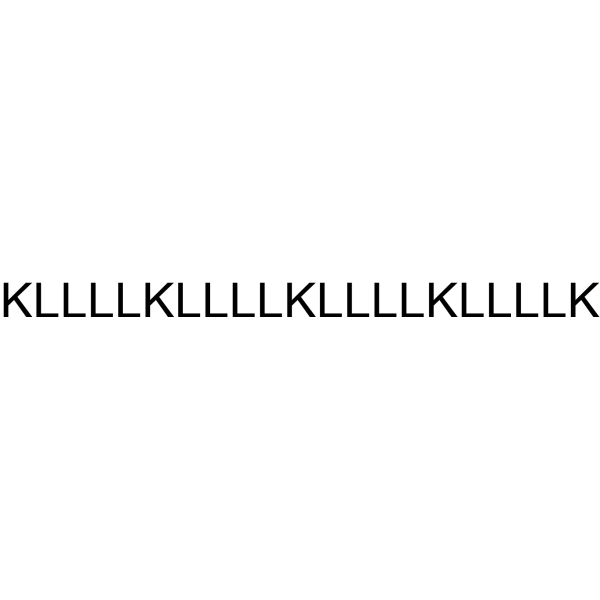
Sinapultide is a 21-amino-acid peptide that mimics the action of human surfactant protein-B (SP-B). Sinapultide can be used for synthetic phospholipids surfactants improvement .
|
-
-
- HY-123622
-
|
|
Biochemical Assay Reagents
|
Others
|
|
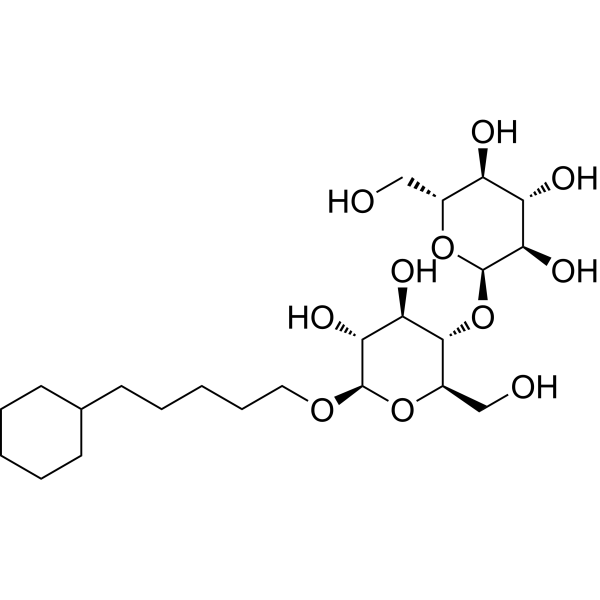
CYMAL-5, 98% (TLC) is a cycloalkyl aliphatic saccharide. CYMAL-5, 98% (TLC) is a glycosidic surfactant (GS) with a chiral maltose polar head group and a cyclohexyl-pentyl hydrophobic tail. CYMAL-5, 98% (TLC) is a non-ionic detergent that has a tenfold lower critical micelle concentration (CMC) in comparison with OG, and has previously been used for membrane protein extraction or crystallization of membrane proteins for X-ray crystallographic studies .
|
-
-
- HY-W284558
-
|
|
Biochemical Assay Reagents
|
Others
|
|
Sodium hexadecyl sulfate is a long-chain anionic surfactant. Sodium hexadecyl sulfate can act as an interface-regulating substance to form a soft layer on the surface of carbon nanotubes, guide proteins to adsorb in the correct orientation with active sites facing outward through electrostatic interactions, and significantly enhance the activity of immobilized enzymes. Sodium hexadecyl sulfate can replace or supplement SDS (HY-Y0316) in capillary gel electrophoresis (CGE) .
|
-

-
- HY-W099575
-
|
|
Biochemical Assay Reagents
|
Others
|
|
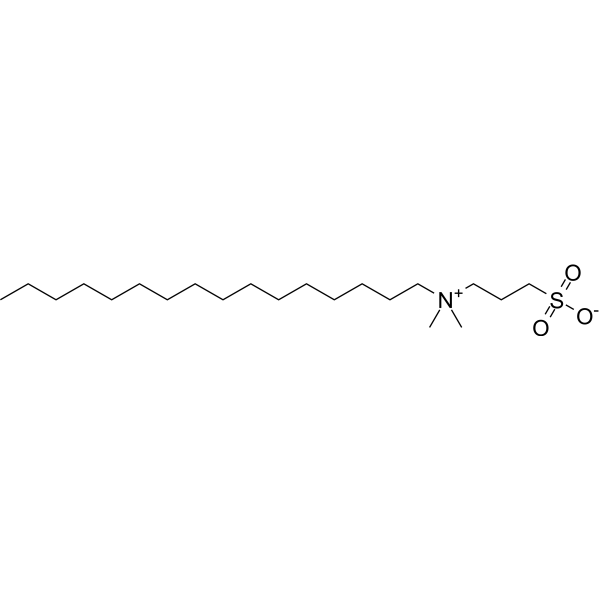
3-(Hexadecyldimethylammonio)propane-1-sulfonate is an organic compound belonging to the class of sulfonates. It is a quaternary ammonium surfactant commonly used in various industrial and laboratory applications such as the production of detergents, personal care products and pharmaceuticals. 3-(Hexadecyldimethylammonio)propane-1-sulfonate is surface active and can be used as an emulsifier, foaming agent and wetting agent. In addition, it is used as a solubilizer in protein purification and as a surfactant in chromatography.
|
-
-
- HY-B1268R
-
|
Dioctyl sulfosuccinate sodium salt (Standard)
|
Reference Standards
HSV
|
Others
|
|
Docusate (Sodium) (Standard) is the analytical standard of Docusate (Sodium). This product is intended for research and analytical applications. Docusate Sodium (Dioctyl sulfosuccinate sodium salt) is one of the main components in stool softeners. Docusate Sodium is a sulfated surfactant and may inactivate viral pathogens by disrupting viral envelopes and/or denaturing/disassociating proteins. Docusate Sodium is effective in vitro against wild type and drug-resistant strains of HSV type 1 and 2. Docusate Sodium is an obesogen. Docusate Sodium with developmental exposure leads to increased adult adiposity, inflammation, metabolic disorder and dyslipidemia in offspring fed a standard diet in mice .
|
-

-
- HY-D1005I
-
|
|
Biochemical Assay Reagents
|
Others
|
|
Poloxamer L61 is a non-ionic triblock copolymer surfactant. Poloxamer L61 effectively achieves intracellular molecular delivery to cancer cells during photoacoustic molecular delivery, and maintains cell viability by promoting cell membrane resealing, thus avoiding irreversible damage caused by laser-induced membrane permeabilization. Poloxamer L61 is a key component of SP1017, a compound related to gene therapy, which regulates the interaction between DNA and extracellular matrix as well as cellular uptake, and significantly enhances the distribution and bioavailability of plasmid DNA in skeletal muscle. Poloxamer L61 can be used in studies on local or systemic therapeutic protein production .
|
-

-
- HY-W250172
-
|
|
Biochemical Assay Reagents
|
Others
|
|
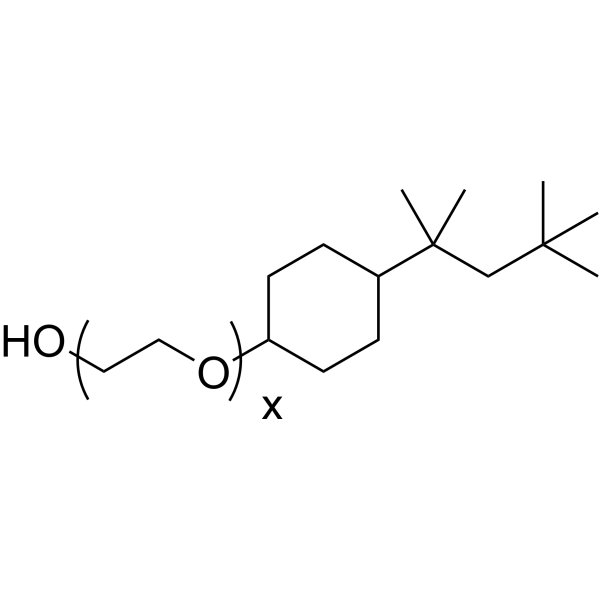
Polyethylene glycol tert-octylphenyl ether X-405 (70% in H2O) is a nonionic surfactant commonly used in a variety of industrial and research applications. Polyethylene glycol tert-octylphenyl ether X-405 (70% in H2O) belongs to the family of polyethylene glycol (PEG) ethers with a hydrophilic head and lipophilic tail and is suitable for use in emulsions, detergents and solubilizers. Polyethylene glycol tert-octylphenyl ether X-405 (70% in H2O) is particularly useful in the study of membrane proteins, where it is used to solubilize and stabilize proteins for structural analysis techniques. It is also used in a variety of other applications, including drug delivery systems, nanotechnology, and diagnostic analysis. Additionally, Polyethylene glycol tert-octylphenyl ether X-405 (70% in H2O) is used in the production of microemulsions, salves and lotions due to its emulsifying and solubilizing properties. However, it can be toxic if ingested or inhaled, so proper handling and safety precautions are required.
|
-
-
- HY-W250176
-
|
|
Biochemical Assay Reagents
|
Others
|
|
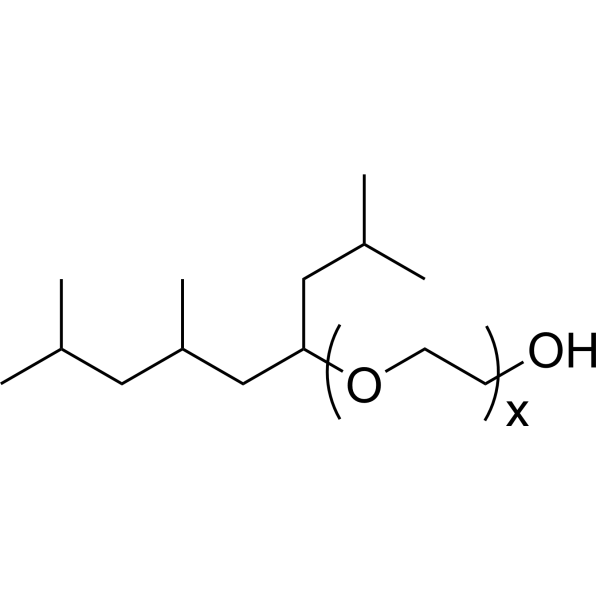
Polyethylene glycol trimethylnonyl ether, is a nonionic surfactant commonly used in various industrial and research applications. It belongs to the family of polyethylene glycol (PEG) ethers with a hydrophilic head and lipophilic tail and is suitable for use in lotions, detergents and solubilizers. Polyethylene glycol trimethylnonyl ether is particularly useful in protein chemistry, where it is used to solubilize and stabilize proteins, such as membrane proteins, for structural analysis techniques. In addition, Polyethylene glycol trimethylnonyl ether has potential applications in drug delivery and other medical fields due to its ability to interact with and penetrate cell membranes.
|
-
-
- HY-W142692
-
|
|
Biochemical Assay Reagents
|
Others
|
|
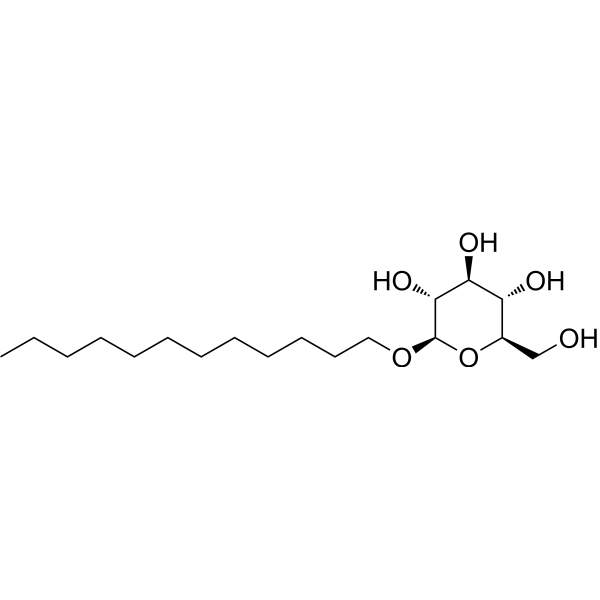
Dodecyl β-D-glucopyranoside is a non-ionic detergent and surfactant commonly used to solubilize and purify membrane proteins in biochemical research. Dodecyl β-D-glucopyranoside also interacts with bovine serum albumin (BSA) to quench its intrinsic fluorescence. The critical micelle concentration (CMC) of Dodecyl β-D-glucopyranoside (DG) and DG/BSA complex is 2.0 mM and 2.34 mM, respectively. Micelles can be formed in aqueous solutions above this concentration .
|
-
-
- HY-W127401
-
-
-
- HY-W250171
-
|
Polyoxyethylene (10) cetyl ether
|
Biochemical Assay Reagents
|
Others
|
|
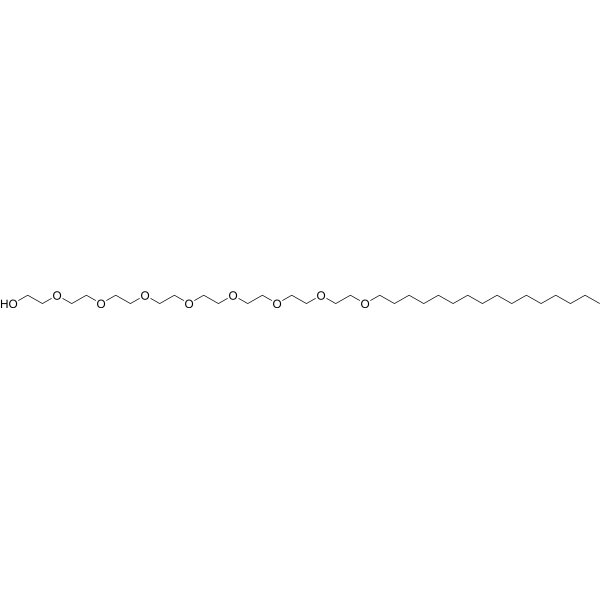
Octaethylene glycol monohexadecyl ether, is a nonionic surfactant commonly used in various industrial and research applications. Octaethylene glycol monohexadecyl ether belongs to the family of polyethylene glycol (PEG) ethers with a hydrophilic head and lipophilic tail, suitable for use in lotions, detergents and solubilizers. Octaethylene glycol monohexadecyl ether is particularly useful in the study of membrane proteins, where it is used to solubilize and stabilize proteins for structural analysis techniques. In addition, Octaethylene glycol monohexadecyl ether has the ability to interact with and penetrate cell membranes, so it has potential applications in drug delivery and other medical fields.
|
-
-
- HY-W019895
-
-

-
- HY-15435R
-
|
|
Biochemical Assay Reagents
|
Others
|
|
CHAPS (Standard) is the analytical standard of CHAPS. This product is intended for research and analytical applications. CHAPS, a derivative of Cholic acid, is a zwitterionic detergent for solubilizing membrane proteins. CHAPS is used for stabilization of various protein-DNA complexes and can retain biochemical activity of proteins in solution .
|
-

-
- HY-W016791
-
|
Sodium pentane-1-sulfonate, 98%; NaPS, 98%
|
Biochemical Assay Reagents
|
Others
|
|
Sodium pentanesulfonate, 98% (Sodium pentane-1-sulfonate, 98%; NaPS, 98%) is an anionic surfactant that can promote the solubility of proteins and membrane proteins. Sodium pentanesulfonate, 98% is a kind of biological materials or organic compounds that are widely used in life science research .
|
-

-
- HY-W040218
-
|
N-Octanoyl-N-methylglucamine
|
Biochemical Assay Reagents
|
Others
|
|
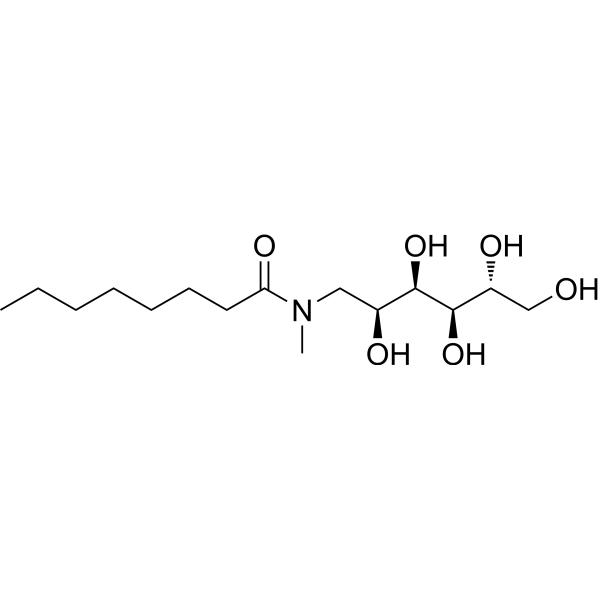
MEGA-8 (N-Octanoyl-N-methylglucamine) is a nonionic sugar-based surfactant. MEGA-8 can gently solubilize membrane proteins without easily causing their denaturation. MEGA-8 is a commonly used reagent for the extraction and study of membrane proteins in biochemistry .
|
-
-
- HY-136962
-
|
Amidosulfobetaine-14
|
Biochemical Assay Reagents
|
Others
|
|
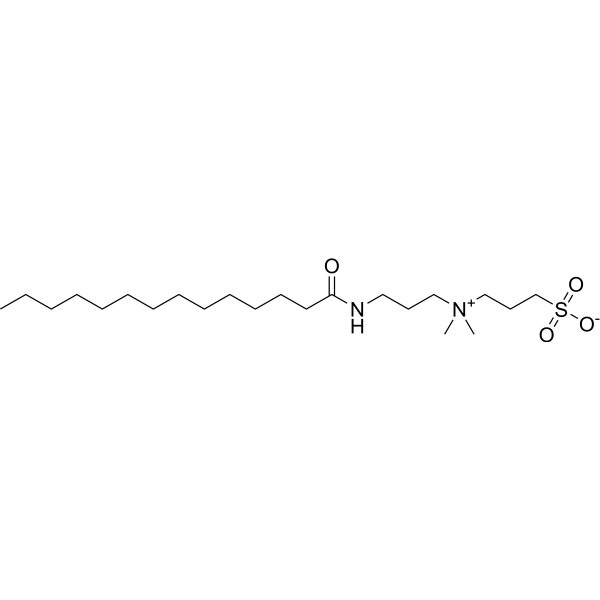
ASB-14 (Amidosulfobetaine-14) is a zwitterionic amidosulfobetaine surfactant with membrane protein solubilizing. ASB-14 can be used for the preparative extraction and solubilization of proteins .
|
-
-
- HY-121571
-
|
|
Insecticide
|
Infection
Cancer
|
|
Prallethrin, a spatial mosquito repellent, is a non-fluorinated pyrethroid targeting lung surfactant proteins (SPs). prallethrin has vapor toxicity and can bind with the lung SPs by hydrogen and hydrophobic interactions, impairing functions of SPs. Prallethrin can be used for respiratory illness, pathogenic infections and malignancy research .
|
-

-
- HY-P2207A
-
|
|
Biochemical Assay Reagents
|
Others
|
|
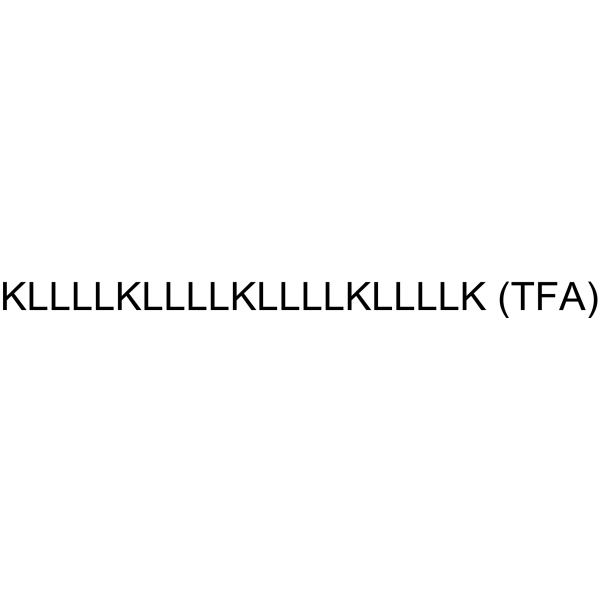
Sinapultide TFA is a 21-amino-acid peptide that mimics the action of human surfactant protein-B (SP-B). Sinapultide TFA can be used for synthetic phospholipids surfactants improvement .
|
-
-
- HY-W838254
-
|
|
PKC
Endogenous Metabolite
|
Others
|
|
1,2-Dipentadecanoyl-sn-glycero-3-phospho-(1'-rac-glycerol) sodium functions as an activator for the protein kinase C family and is an anionic phospholipid found in mitochondrial and microsomal membranes, playing a crucial role in the composition of lung surfactant, particularly within the membranes of lamellar bodies in the lungs.
|
-

-
- HY-W250178
-
|
|
Biochemical Assay Reagents
|
Others
|
|
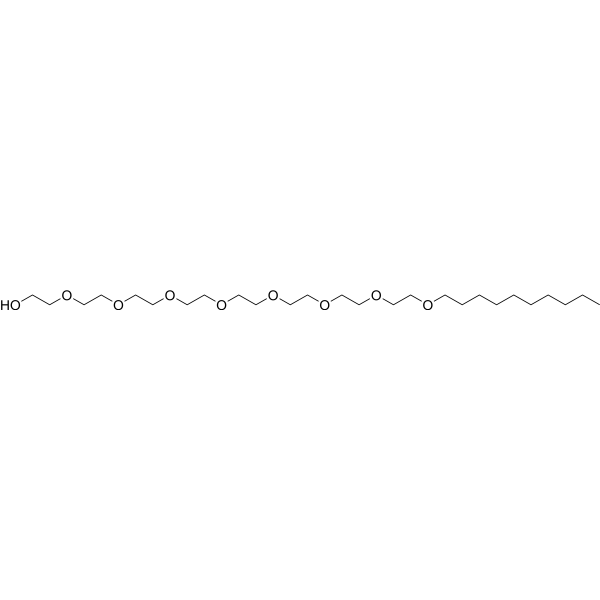
Octaethylene glycol monodecyl ether, is a nonionic surfactant commonly used in various industrial and research applications. It belongs to the family of polyethylene glycol (PEG) ethers with a hydrophilic head and lipophilic tail and is suitable for use in lotions, detergents and solubilizers. Octaethylene glycol monodecyl ether is particularly useful in the study of membrane proteins, where it is used to solubilize and stabilize proteins for structural analysis techniques. In addition, Octaethylene glycol monodecyl ether has the ability to interact with and penetrate cell membranes, so it has potential applications in drug delivery and other medical fields.
|
-
-
- HY-W250179
-
|
Polyoxyethylene (6) cetyl ether
|
Biochemical Assay Reagents
|
Others
|
|
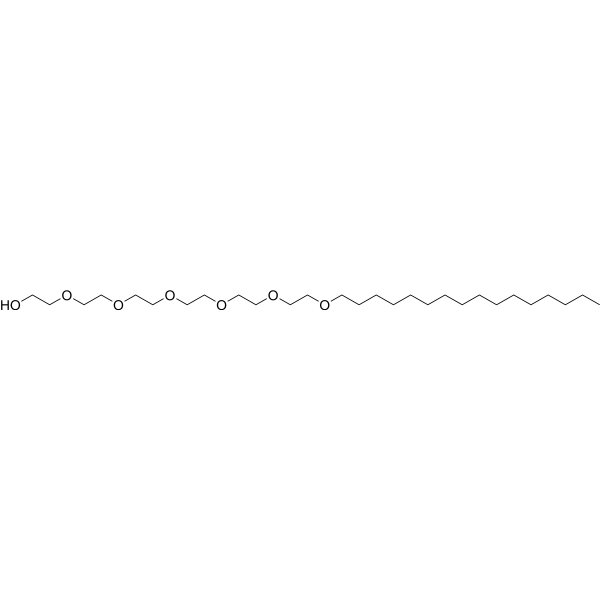
Hexaethylene glycol monohexadecyl ether, is a nonionic surfactant belonging to the polyethylene glycol (PEG) ether family. It has a hydrophilic head and a lipophilic tail, which makes it suitable for a wide range of applications. Specifically, Hexaethylene glycol monohexadecyl ether is commonly used in membrane protein research, for solubilization and stabilization of proteins, and for structural analysis techniques such as X-ray crystallography and electron microscopy. Additionally, Hexaethylene glycol monohexadecyl ether is used in a variety of other industrial and research applications, including drug delivery systems, nanotechnology, and diagnostic analysis. Its unique properties make it ideal for facilitating interactions between molecules with different physicochemical properties.
|
-
-
- HY-W008974
-
|
|
Biochemical Assay Reagents
|
Others
|
|
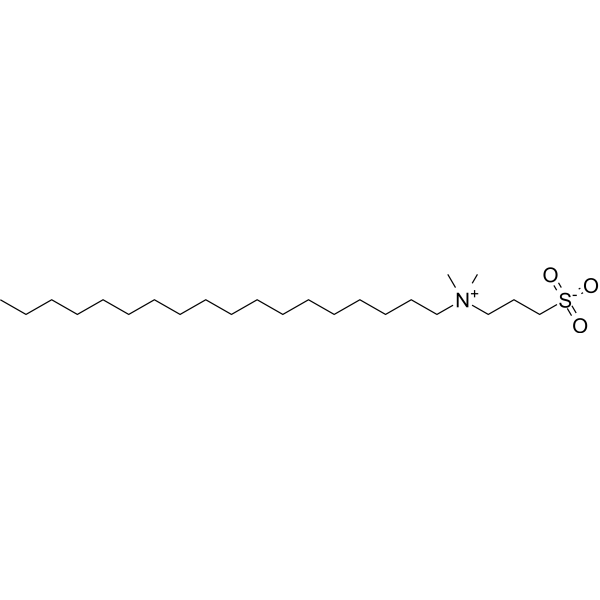
3-(Dimethyl(octadecyl)ammonio)propane-1-sulfonate is a class of quaternary ammonium compounds. It is a surfactant and cationic detergent with amphiphilic properties and therefore useful in various industrial and biomedical applications. 3-(Dimethyl(octadecyl)ammonium)propane-1-sulfonate is commonly used as an emulsifier, solubilizer and antimicrobial agent in personal care products, detergents, textiles and pharmaceutical formulations. It is also used as a reagent in analytical chemistry, especially in the analysis of proteins and DNA.
|
-
-
- HY-W284558S
-
|
|
Isotope-Labeled Compounds
Biochemical Assay Reagents
|
Others
|
|
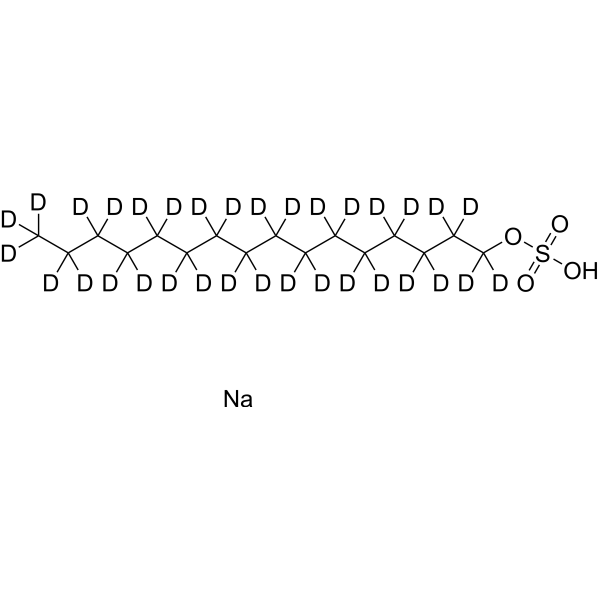
Sodium hexadecyl sulfate-d33 is the deuterium labeled Sodium hexadecyl sulfate. Sodium hexadecyl sulfate is a long-chain anionic surfactant. Sodium hexadecyl sulfate can act as an interface-regulating substance to form a soft layer on the surface of carbon nanotubes, guide proteins to adsorb in the correct orientation with active sites facing outward through electrostatic interactions, and significantly enhance the activity of immobilized enzymes. Sodium hexadecyl sulfate can replace or supplement SDS (HY-Y0316) in capillary gel electrophoresis (CGE) .
|
-
-
- HY-W096997S
-
|
Sodium capryl sulfate-d17
|
Isotope-Labeled Compounds
|
Others
|
|
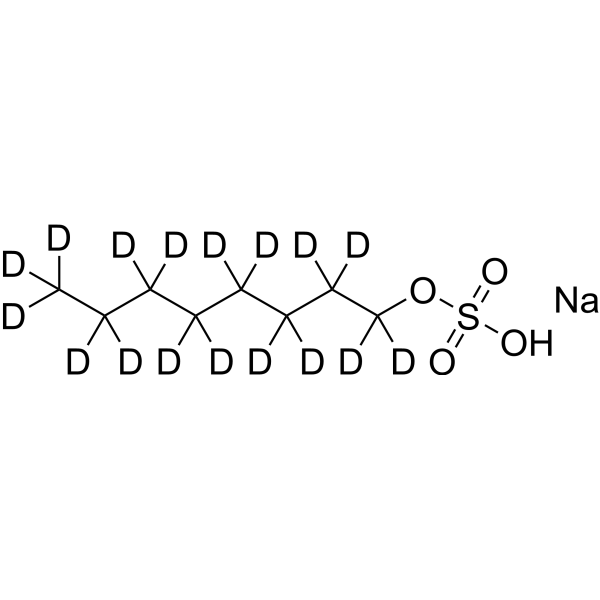
Sodium octyl sulfate (SOS)-d17 (Sodium capryl sulfate-d17) is the deuterated analogue of Sodium octyl sulfate (SOS). Sodium octyl sulfate (Sodium capryl sulfate; SOS) is a medium‑chain anionic surfactant. Sodium octyl sulfate (SOS) can undergo strong hydrophobic interactions with serum albumins (such as human serum albumin (HSA) and bovine serum albumin (BSA)), while exhibiting weak interactions with other proteins including myoglobin and hemoglobin. As an environmental pollutant in freshwater ecosystems, Sodium octyl sulfate (SOS) can mimic interspecific pheromones released by Daphnia magna and induce the formation of multicellular colonies in green algae.
|
-
-
- HY-175413
-
|
|
Biochemical Assay Reagents
|
Others
|
|
FTAC6 (C6F-TAC) is a lipophobic surfactant. FTAC6 does not solubilize biological membranes as a non-detergent and can substitute for detergents to keep membrane proteins soluble and improves stability after conventional solubilization. FTAC6 can be utilized in in vitro synthesis of membrane proteins .
|
-

-
- HY-185564
-
|
|
Biochemical Assay Reagents
|
Others
|
|
F6OM, a nonionic fluorinated octyl maltoside derivative, is a surfactant. F6OM readily interacts with and completely solubilizes phospholipid vesicles via a heterogeneous solubilization mechanism, without compromising membrane order at subsolubilizing concentrations. F6OM promotes bilayer insertion of an integral membrane enzyme in the absence of micelles to support functional refolding of integral membrane proteins. F6OM can be used for membrane-protein applications .
|
-

-
- HY-108294R
-
|
Nonaoxyethylene monododecyl ether (Standard)
|
Biochemical Assay Reagents
Reference Standards
|
Others
|
|
Nonaethylene glycol monododecyl ether (Standard) is the analytical standard of Nonaethylene glycol monododecyl ether (HY-108294). This product is intended for research and analytical applications. Nonaethylene glycol monododecyl ether (Nonaoxyethylene monododecyl ether) is a nonionic surfactant and polyethylene glycol (PEG) detergent that can be used to form initial coalesced O/W emulsion droplets, as well as for protein separation and purification .
|
-

-
- HY-181647
-
|
|
Bacterial
Elastase
|
Infection
|
|
LasB-IN-3 is a protease elastase (LasB) inhibitor of Pseudomonas aeruginosa with an IC50 value of 8.5 nM. LasB-IN-3 shows an IC50 of 58.9 nM for the Met128Val mutant. LasB-IN-3 binds to active sites of wild-type and Met128Val mutant LasB, coordinates zinc ions, forms hydrogen bonds and CH-π interactions, and inhibits LasB proteolytic activity. LasB-IN-3 increases survival rate in LasB-induced acute lung injury mice models. LasB-IN-3 can be used for the research of Pseudomonas aeruginosa infection .
|
-

| Cat. No. |
Product Name |
Type |
-
- HY-15435A
-
|
|
Biochemical Assay Reagents
|
|
CHAPS hydrate is a cholic acid-derived, sulfobetaine-type zwitterionic detergent and micelle-forming agent. CHAPS hydrate exhibits properties of weak cationic or nonionic surfactants in different solution systems, undergoes micellization, and forms small, loose hydrophilic aggregates that are temperature-dependent. CHAPS hydrate stabilizes mononucleosomes under different ionic strengths, reduces nucleosome sequence specificity, promotes sliding of histone cores along DNA, solubilizes Tamm‑Horsfall protein to reduce its interference with urinary exosome isolation, and maintains vesicle structure and the activity of related proteins at the same time. CHAPS hydrate is used to recover native folded fusion proteins, enhance the binding capacity of GST fusion proteins, and restore GST enzyme activity. However, CHAPS hydrate cannot refold proteins denatured by urea, guanidine hydrochloride or heat, nor can it construct the structure of intrinsically disordered proteins. CHAPS hydrate is commonly used in research on the separation and purification of membrane proteins .
|
-
- HY-126377
-
|
|
Biochemical Assay Reagents
|
|
Sulfobetaine 10, is a zwitterionic surfactant commonly used in biochemistry and biophysics. It is commonly used to dissolve membrane proteins and other hydrophobic molecules in aqueous solutions. Sulfobetaine 10 has both positively and negatively charged groups in its structure, which allows it to maintain a neutral charge in solution and reduces its tendency to denature proteins. It is considered a mild, non-denaturing surfactant and is widely used in protein research.
|
-
- HY-W250195
-
|
|
Biochemical Assay Reagents
|
|
Hexaethylene glycol monotetradecyl ether is a kind of nonionic surfactant with hydrophilic head and lipophilic tail. It belongs to the class of polyethylene glycol (PEG) ethers and is widely used in different industrial and research applications. Due to its unique properties, Hexaethylene glycol monotetradecyl ether is commonly used in lotions, detergents and solubilizers. It is particularly useful in the study of membrane proteins and can be used to stabilize and solubilize proteins for use in structural analysis techniques. Due to its moisturizing and emulsifying properties, Hexaethylene glycol monotetradecyl ether is also used in personal care and cosmetics.
|
-
- HY-123622
-
|
|
Biochemical Assay Reagents
|
|
CYMAL-5, 98% (TLC) is a cycloalkyl aliphatic saccharide. CYMAL-5, 98% (TLC) is a glycosidic surfactant (GS) with a chiral maltose polar head group and a cyclohexyl-pentyl hydrophobic tail. CYMAL-5, 98% (TLC) is a non-ionic detergent that has a tenfold lower critical micelle concentration (CMC) in comparison with OG, and has previously been used for membrane protein extraction or crystallization of membrane proteins for X-ray crystallographic studies .
|
-
- HY-W284558
-
|
|
Biochemical Assay Reagents
|
|
Sodium hexadecyl sulfate is a long-chain anionic surfactant. Sodium hexadecyl sulfate can act as an interface-regulating substance to form a soft layer on the surface of carbon nanotubes, guide proteins to adsorb in the correct orientation with active sites facing outward through electrostatic interactions, and significantly enhance the activity of immobilized enzymes. Sodium hexadecyl sulfate can replace or supplement SDS (HY-Y0316) in capillary gel electrophoresis (CGE) .
|
-
- HY-W099575
-
|
|
Biochemical Assay Reagents
|
|
3-(Hexadecyldimethylammonio)propane-1-sulfonate is an organic compound belonging to the class of sulfonates. It is a quaternary ammonium surfactant commonly used in various industrial and laboratory applications such as the production of detergents, personal care products and pharmaceuticals. 3-(Hexadecyldimethylammonio)propane-1-sulfonate is surface active and can be used as an emulsifier, foaming agent and wetting agent. In addition, it is used as a solubilizer in protein purification and as a surfactant in chromatography.
|
-
- HY-D1005I
-
|
|
Biochemical Assay Reagents
|
|
Poloxamer L61 is a non-ionic triblock copolymer surfactant. Poloxamer L61 effectively achieves intracellular molecular delivery to cancer cells during photoacoustic molecular delivery, and maintains cell viability by promoting cell membrane resealing, thus avoiding irreversible damage caused by laser-induced membrane permeabilization. Poloxamer L61 is a key component of SP1017, a compound related to gene therapy, which regulates the interaction between DNA and extracellular matrix as well as cellular uptake, and significantly enhances the distribution and bioavailability of plasmid DNA in skeletal muscle. Poloxamer L61 can be used in studies on local or systemic therapeutic protein production .
|
-
- HY-W250172
-
|
|
Biochemical Assay Reagents
|
|
Polyethylene glycol tert-octylphenyl ether X-405 (70% in H2O) is a nonionic surfactant commonly used in a variety of industrial and research applications. Polyethylene glycol tert-octylphenyl ether X-405 (70% in H2O) belongs to the family of polyethylene glycol (PEG) ethers with a hydrophilic head and lipophilic tail and is suitable for use in emulsions, detergents and solubilizers. Polyethylene glycol tert-octylphenyl ether X-405 (70% in H2O) is particularly useful in the study of membrane proteins, where it is used to solubilize and stabilize proteins for structural analysis techniques. It is also used in a variety of other applications, including drug delivery systems, nanotechnology, and diagnostic analysis. Additionally, Polyethylene glycol tert-octylphenyl ether X-405 (70% in H2O) is used in the production of microemulsions, salves and lotions due to its emulsifying and solubilizing properties. However, it can be toxic if ingested or inhaled, so proper handling and safety precautions are required.
|
-
- HY-W250176
-
|
|
Biochemical Assay Reagents
|
|
Polyethylene glycol trimethylnonyl ether, is a nonionic surfactant commonly used in various industrial and research applications. It belongs to the family of polyethylene glycol (PEG) ethers with a hydrophilic head and lipophilic tail and is suitable for use in lotions, detergents and solubilizers. Polyethylene glycol trimethylnonyl ether is particularly useful in protein chemistry, where it is used to solubilize and stabilize proteins, such as membrane proteins, for structural analysis techniques. In addition, Polyethylene glycol trimethylnonyl ether has potential applications in drug delivery and other medical fields due to its ability to interact with and penetrate cell membranes.
|
-
- HY-W142692
-
|
|
Biochemical Assay Reagents
|
|
Dodecyl β-D-glucopyranoside is a non-ionic detergent and surfactant commonly used to solubilize and purify membrane proteins in biochemical research. Dodecyl β-D-glucopyranoside also interacts with bovine serum albumin (BSA) to quench its intrinsic fluorescence. The critical micelle concentration (CMC) of Dodecyl β-D-glucopyranoside (DG) and DG/BSA complex is 2.0 mM and 2.34 mM, respectively. Micelles can be formed in aqueous solutions above this concentration .
|
-
- HY-W127401
-
|
n-Octyltrioxyethylene
|
Biochemical Assay Reagents
|
|
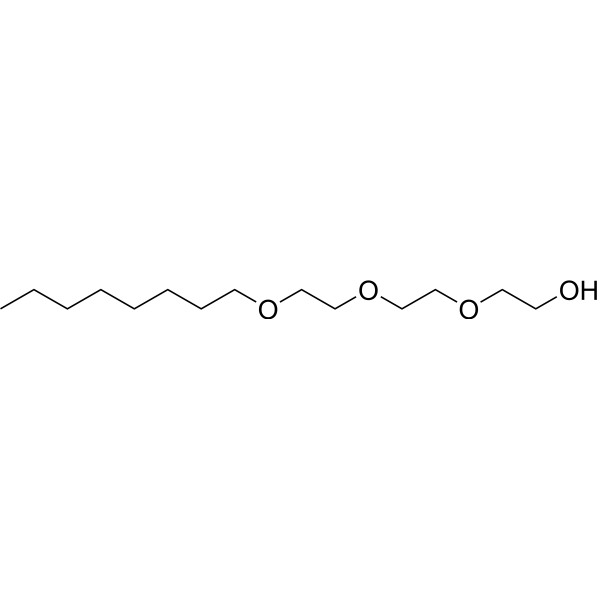
Triethylene glycol monooctyl ether is a surfactant, C8E3 solubilizes membrane proteins.
|
-
- HY-W250171
-
|
Polyoxyethylene (10) cetyl ether
|
Biochemical Assay Reagents
|
|
Octaethylene glycol monohexadecyl ether, is a nonionic surfactant commonly used in various industrial and research applications. Octaethylene glycol monohexadecyl ether belongs to the family of polyethylene glycol (PEG) ethers with a hydrophilic head and lipophilic tail, suitable for use in lotions, detergents and solubilizers. Octaethylene glycol monohexadecyl ether is particularly useful in the study of membrane proteins, where it is used to solubilize and stabilize proteins for structural analysis techniques. In addition, Octaethylene glycol monohexadecyl ether has the ability to interact with and penetrate cell membranes, so it has potential applications in drug delivery and other medical fields.
|
-
- HY-W016791
-
|
Sodium pentane-1-sulfonate, 98%; NaPS, 98%
|
Biochemical Assay Reagents
|
|
Sodium pentanesulfonate, 98% (Sodium pentane-1-sulfonate, 98%; NaPS, 98%) is an anionic surfactant that can promote the solubility of proteins and membrane proteins. Sodium pentanesulfonate, 98% is a kind of biological materials or organic compounds that are widely used in life science research .
|
-
- HY-W040218
-
|
N-Octanoyl-N-methylglucamine
|
Biochemical Assay Reagents
|
|
MEGA-8 (N-Octanoyl-N-methylglucamine) is a nonionic sugar-based surfactant. MEGA-8 can gently solubilize membrane proteins without easily causing their denaturation. MEGA-8 is a commonly used reagent for the extraction and study of membrane proteins in biochemistry .
|
-
- HY-136962
-
|
Amidosulfobetaine-14
|
Biochemical Assay Reagents
|
|
ASB-14 (Amidosulfobetaine-14) is a zwitterionic amidosulfobetaine surfactant with membrane protein solubilizing. ASB-14 can be used for the preparative extraction and solubilization of proteins .
|
-
- HY-W250178
-
|
|
Biochemical Assay Reagents
|
|
Octaethylene glycol monodecyl ether, is a nonionic surfactant commonly used in various industrial and research applications. It belongs to the family of polyethylene glycol (PEG) ethers with a hydrophilic head and lipophilic tail and is suitable for use in lotions, detergents and solubilizers. Octaethylene glycol monodecyl ether is particularly useful in the study of membrane proteins, where it is used to solubilize and stabilize proteins for structural analysis techniques. In addition, Octaethylene glycol monodecyl ether has the ability to interact with and penetrate cell membranes, so it has potential applications in drug delivery and other medical fields.
|
-
- HY-W250179
-
|
Polyoxyethylene (6) cetyl ether
|
Biochemical Assay Reagents
|
|
Hexaethylene glycol monohexadecyl ether, is a nonionic surfactant belonging to the polyethylene glycol (PEG) ether family. It has a hydrophilic head and a lipophilic tail, which makes it suitable for a wide range of applications. Specifically, Hexaethylene glycol monohexadecyl ether is commonly used in membrane protein research, for solubilization and stabilization of proteins, and for structural analysis techniques such as X-ray crystallography and electron microscopy. Additionally, Hexaethylene glycol monohexadecyl ether is used in a variety of other industrial and research applications, including drug delivery systems, nanotechnology, and diagnostic analysis. Its unique properties make it ideal for facilitating interactions between molecules with different physicochemical properties.
|
-
- HY-W008974
-
|
|
Biochemical Assay Reagents
|
|
3-(Dimethyl(octadecyl)ammonio)propane-1-sulfonate is a class of quaternary ammonium compounds. It is a surfactant and cationic detergent with amphiphilic properties and therefore useful in various industrial and biomedical applications. 3-(Dimethyl(octadecyl)ammonium)propane-1-sulfonate is commonly used as an emulsifier, solubilizer and antimicrobial agent in personal care products, detergents, textiles and pharmaceutical formulations. It is also used as a reagent in analytical chemistry, especially in the analysis of proteins and DNA.
|
| Cat. No. |
Product Name |
Target |
Research Area |
-
- HY-P4371
-
|
|
Biochemical Assay Reagents
|
Inflammation/Immunology
|
|
Hel 13-5 is a monomeric, lipophilic, basic amphipathic α-helical synthetic peptide composed of 18 amino acid residues. Hel 13-5 is designed as a substitute for proteins in artificial pulmonary surfactants, and it mimics the interaction between the N-terminal fragment of human pulmonary surfactant protein B and lipids. Hel 13-5 can bind to phospholipids for the development of pulmonary surfactant model systems. Hel 13-5 can be used in studies related to respiratory distress syndrome .
|
-
- HY-P2207
-
|
|
Biochemical Assay Reagents
|
Others
|
|
Sinapultide is a 21-amino-acid peptide that mimics the action of human surfactant protein-B (SP-B). Sinapultide can be used for synthetic phospholipids surfactants improvement .
|
-
- HY-P2207A
-
|
|
Biochemical Assay Reagents
|
Others
|
|
Sinapultide TFA is a 21-amino-acid peptide that mimics the action of human surfactant protein-B (SP-B). Sinapultide TFA can be used for synthetic phospholipids surfactants improvement .
|
| Cat. No. |
Product Name |
Chemical Structure |
-
- HY-W284558S
-
|
|
|
Sodium hexadecyl sulfate-d33 is the deuterium labeled Sodium hexadecyl sulfate. Sodium hexadecyl sulfate is a long-chain anionic surfactant. Sodium hexadecyl sulfate can act as an interface-regulating substance to form a soft layer on the surface of carbon nanotubes, guide proteins to adsorb in the correct orientation with active sites facing outward through electrostatic interactions, and significantly enhance the activity of immobilized enzymes. Sodium hexadecyl sulfate can replace or supplement SDS (HY-Y0316) in capillary gel electrophoresis (CGE) .
|
-
-
- HY-W096997S
-
|
|
|
Sodium octyl sulfate (SOS)-d17 (Sodium capryl sulfate-d17) is the deuterated analogue of Sodium octyl sulfate (SOS). Sodium octyl sulfate (Sodium capryl sulfate; SOS) is a medium‑chain anionic surfactant. Sodium octyl sulfate (SOS) can undergo strong hydrophobic interactions with serum albumins (such as human serum albumin (HSA) and bovine serum albumin (BSA)), while exhibiting weak interactions with other proteins including myoglobin and hemoglobin. As an environmental pollutant in freshwater ecosystems, Sodium octyl sulfate (SOS) can mimic interspecific pheromones released by Daphnia magna and induce the formation of multicellular colonies in green algae.
|
-
| Cat. No. |
Product Name |
|
Classification |
-
- HY-Y0316
-
|
Sodium lauryl sulfate; Laurylsulfuric acid sodium salt
|
|
Emulsifiers
Surfactants
|
|
Sodium dodecyl sulfate is an anionic surfactant commonly used as a detergent, emulsifier, and protein denaturant in various industrial processes, especially in the production of personal care products, cleaners, and laboratory reagents. Sodium dodecyl sulfate has unique chemical properties that make it an effective ingredient in many applications, helping to reduce surface tension and enhance cleaning power.
|
-
- HY-108294
-
|
Nonaoxyethylene monododecyl ether
|
|
Solvents
|
|
Nonaethylene glycol monododecyl ether (Nonaoxyethylene monododecyl ether) is a nonionic surfactant and polyethylene glycol (PEG) detergent that can be used to form initial coalesced O/W emulsion droplets, as well as for protein separation and purification .
|
Your information is safe with us. * Required Fields.
Inquiry Information
- Product Name:
- Cat. No.:
- Quantity:
- MCE Japan Authorized Agent:








