



Exosomes
Exosomes are nanoscale extracellular vesicles, typically ranging in diameter from approximately 40 to 160 nm; originating from the endosomal pathway, they mediate intercellular communication by transferring proteins, lipids, DNA, mRNA, microRNA, and other bioactive substances between donor and recipient cells. Exosomes possess a unique combination of attributes-including natural targeting capabilities, low immunogenicity, biocompatibility, a long circulatory half-life, and the ability to traverse biological barriers (including the blood-brain barrier)-making them a highly attractive platform for applications in cancer therapy, regenerative medicine, disease diagnosis, and drug delivery. Mechanistically, tumor-derived exosomes regulate tumor progression through intercellular signaling; by delivering oncogenic miRNAs, proteins, and signaling mediators to stromal and immune cells, they promote angiogenesis, epithelial-mesenchymal transition (EMT), immune evasion, tumor metastasis, and the formation of a pre-metastatic niche. Furthermore, exosomes can induce and exacerbate chemotherapy resistance by shielding tumor cells from cytotoxic drugs and by transferring drug-resistance traits to neighboring cells.
In the field of drug development, engineered exosomes are being utilized as nanocarriers for the delivery of chemotherapeutic agents, siRNAs, miRNAs, lncRNAs, CRISPR payloads, and immunomodulators. In disease models involving breast cancer, lung cancer, glioma, colorectal cancer, and hepatocellular carcinoma, this strategy has effectively reduced systemic toxicity while simultaneously enhancing tumor-targeting specificity. Moreover, exosomes are being applied in tissue repair, the modulation of inflammatory diseases, the treatment of neurodegenerative disorders, and precision diagnostics based on "liquid biopsy" technologies; the biomarkers carried within circulating exosomes facilitate the early screening of diseases and the real-time monitoring of therapeutic efficacy.
In the field of drug development, engineered exosomes are being utilized as nanocarriers for the delivery of chemotherapeutic agents, siRNAs, miRNAs, lncRNAs, CRISPR payloads, and immunomodulators. In disease models involving breast cancer, lung cancer, glioma, colorectal cancer, and hepatocellular carcinoma, this strategy has effectively reduced systemic toxicity while simultaneously enhancing tumor-targeting specificity. Moreover, exosomes are being applied in tissue repair, the modulation of inflammatory diseases, the treatment of neurodegenerative disorders, and precision diagnostics based on "liquid biopsy" technologies; the biomarkers carried within circulating exosomes facilitate the early screening of diseases and the real-time monitoring of therapeutic efficacy.
Verweise:
- [1]. Exosome Overview. Medicine and Dentistry. Sciencedirect.
- [2]. Chen Q, et al. Exosomes as Novel Delivery Systems for Application in Traditional Chinese Medicine. Molecules. 2022 Nov 12;27(22):7789. [Content Brief]
- [3]. Nafar S, et al. Exosome as a target for cancer treatment. J Investig Med. 2022 Jun;70(5):1212-1218. [Content Brief]
- [4]. Petersen D, et al. Binding and intracellular transport of 25-hydroxycholesterol by Niemann-Pick C2 protein. Biochim Biophys Acta Biomembr. 2020 Feb 1;1862(2):183063. [Content Brief]
- [5]. Basyoni AE, et al. Harnessing exosomes for targeted drug delivery systems to combat brain cancer. Cancer Cell Int. 2025 Apr 15;25(1):150. [Content Brief]
- [6]. Aghebati-Maleki A, et al. Implications of exosomes as diagnostic and therapeutic strategies in cancer. J Cell Physiol. 2019 Dec;234(12):21694-21706. [Content Brief]
- [7]. Mousavi S, et al. Tumor-derived exosomes: Potential biomarkers and therapeutic target in the treatment of colorectal cancer. J Cell Physiol. 2019 Aug;234(8):12422-12432. [Content Brief]
- [8]. Panigrahi AR, et al. Exosomes: Insights and therapeutic applications in cancer. Transl Oncol. 2022 Jul;21:101439. [Content Brief]
- [9]. Mirgh D,et al. Landscape of exosomes to modified exosomes: a state of the art in cancer therapy. RSC Adv. 2024 Sep 26;14(42):30807-30829. [Content Brief]
- [10]. Xiao Q, Tan M, Yan G, Peng L. Revolutionizing lung cancer treatment: harnessing exosomes as early diagnostic biomarkers, therapeutics and nano-delivery platforms. J Nanobiotechnology. 2025 Mar 21;23(1):232. [Content Brief]
- [11]. Sarkar S, et al. Exosomes in Hepatocellular Carcinoma: A Comprehensive Review of Current Research and Future Directions. J Cell Mol Med. 2025 Jul;29(14):e70723. [Content Brief]
- [12]. Luo X, et al. Mechanistic Insights into the Anti-Glioma Effects of Exosome-Like Nanoparticles Derived from Garcinia Mangostana L.: A Metabolomics, Network Pharmacology, and Experimental Study. Int J Nanomedicine. 2025 Apr 27;20:5407-5427. [Content Brief]
- [13]. Feng P, et al. The Roles of Exosomes in Anti-Cancer Drugs. Cancer Med. 2025 May;14(9):e70897. [Content Brief]
- [14]. Zhao B, et al Exosome-like nanoparticles derived from fruits, vegetables, and herbs: innovative strategies of therapeutic and drug delivery. Theranostics. 2024 Aug 1;14(12):4598-4621. [Content Brief]
All Product Categories
-
Exosomes Verwandte Produkte (69)
Verwandte Produkte (69)

-
Dexamethasone
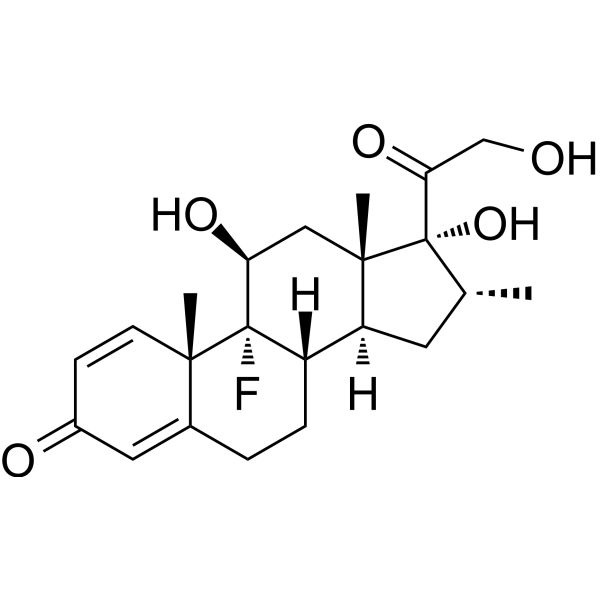 0 ImagesDexamethasone (Hexadecadrol) is a glucocorticoid receptor agonist, apoptosis inducer, and common disease inducer in experimental animals, constructing models of muscle atrophy, hypertension, and depression. Dexamethasone can inhibit the production of inflammatory miRNA-155 exosomes in macrophages and significantly reduce the expression of inflammatory factors in neutrophils and monocytes. Dexamethasone also has potential for use in COVID-19 research.
-
5-Fluorouracil
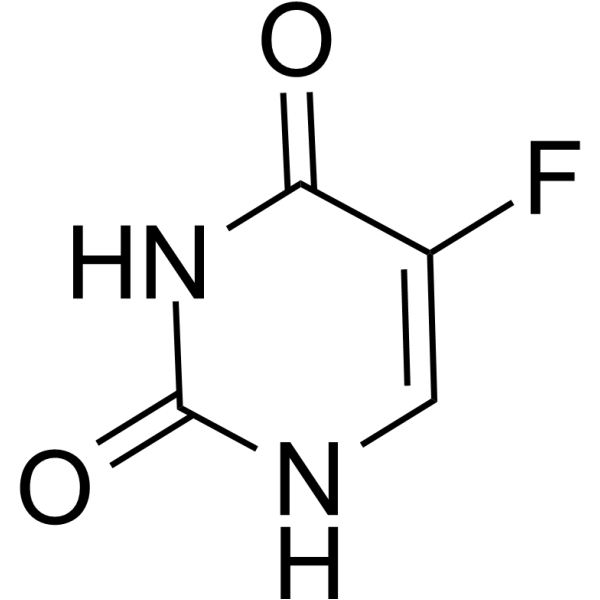 0 Images5-Fluorouracil (5-FU) is an analogue of uracil and a potent antitumor agent. 5-Fluorouracil affects pyrimidine synthesis by inhibiting thymidylate synthetase thus depleting intracellular dTTP pools. 5-Fluorouracil induces apoptosis and can be used as a chemical sensitizer. 5-Fluorouracil also inhibits HIV.
-
Tunicamycin
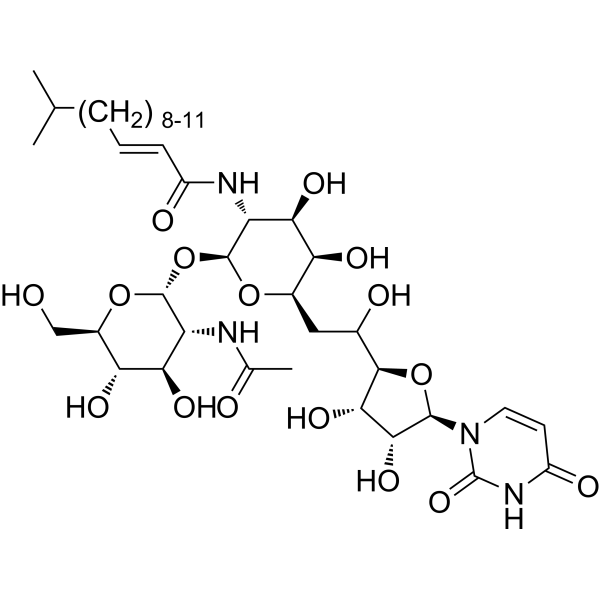 0 ImagesTunicamycin is a mixture of homologous nucleoside antibiotic that inhibits N-linked glycosylation and blocks GlcNAc phosphotransferase (GPT). Tunicamycin causes accumulation of unfolded proteins in cell endoplasmic reticulum (ER) and induces ER stress, and causes blocking of DNA synthesis and cell cycle arrest in G1 phase. Tunicamycin inhibits gram-positive bacteria, yeasts, fungi, and viruses and has anti-cancer activity.Tunicamycin increases exosome release in cervical cancer cells.
-
Heparin sodium salt
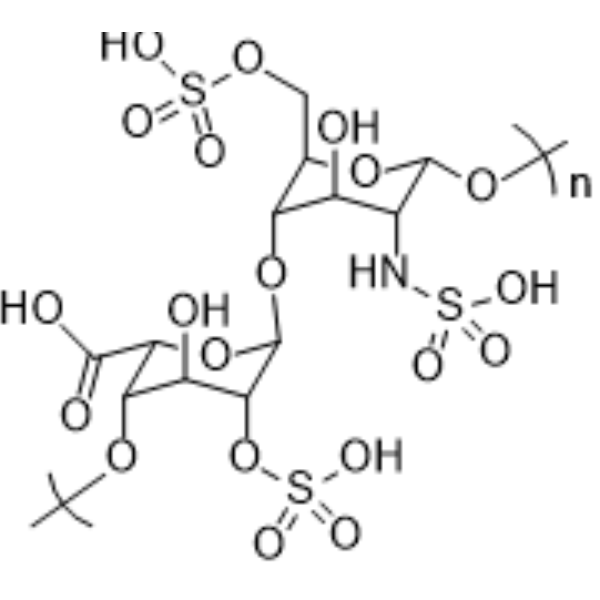
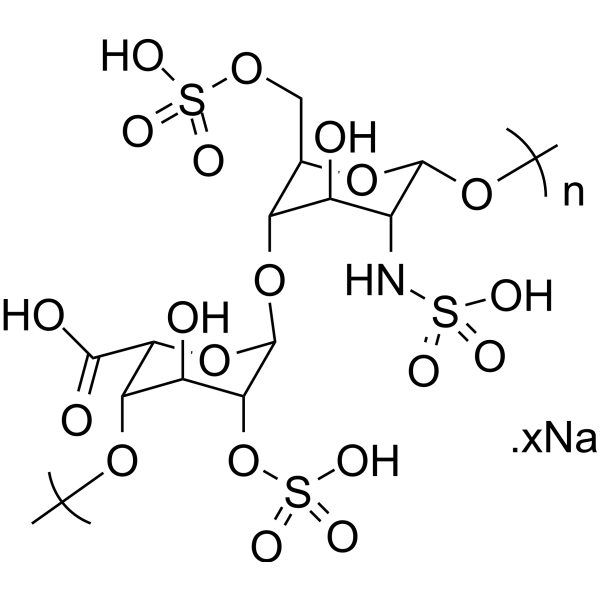 0 ImagesHeparin sodium salt (Sodium heparin) is an anticoagulant which binds reversibly to antithrombin III (ATIII) and greatly accelerates the rate at which ATIII inactivates coagulation enzymes thrombin factor IIa and factor Xa. Heparin sodium salt significantly inhibits exosome-cell interactions.
-
Dexamethasone (Standard)
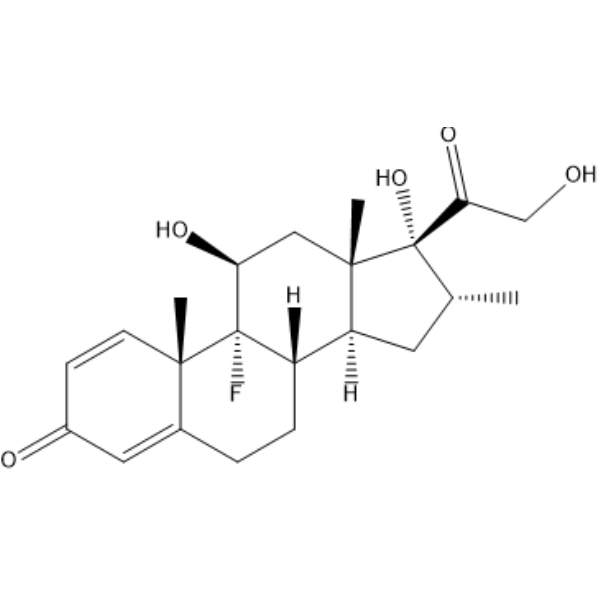 0 ImagesSynonyms: Hexadecadrol(Standard); Prednisolone F (Standard)Dexamethasone (Standard) is the analytical standard of Dexamethasone. This product is intended for research and analytical applications. Dexamethasone (Hexadecadrol) is a glucocorticoid receptor agonist. Dexamethasone also significantly decreases CD11b, CD18, and CD62L expression on neutrophils, and CD11b and CD18 expression on monocytes. Dexamethasone is highly effective in the control of COVID-19 infection. Dexamethasone inhibits production of exosomes containing inflammatory microRNA-155 in lipopolysaccharide-induced macrophage inflammatory responses.
-
Monensin sodium (Standard)
 0 ImagesArt. -Nr.: HY-N0150RCAS. Nr.: 22373-78-0Synonyms: Monensin A sodium (Standard)Monensin (sodium) (Standard) is the analytical standard of Monensin (sodium). This product is intended for research and analytical applications. Monensin (Monensin A) sodium, an orally active antibiotic, is an ionophore that mediates Na+/H+ exchange. Monensin sodium is a potent Wnt signaling inhibitor. Monensin sodium causes a marked enlargement of the multivesicular bodies (MVBs) and regulates exosome secretion. Monensin sodium can be used for bacterial, fungal, and parasitic infections research, and shows anticancer effects.
-
Cytochalasin D
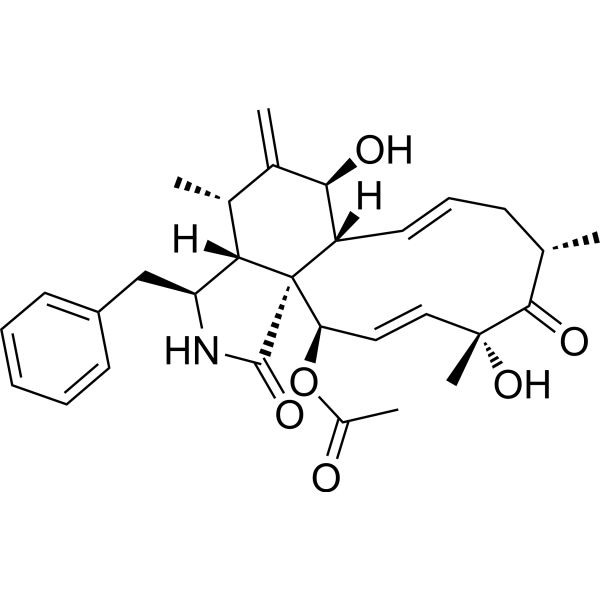 0 ImagesSynonyms: Zygosporin A; NSC 209835Cytochalasin D (Zygosporin A) is a potent actin polymerization inhibitor, could be derived from fungus. Cytochalasin D has cell-permeable activity. Cytochalasin D inhibits the G-actin–cofilin interaction by binding to G-actin. Cytochalasin D also inhibits the binding of cofilin to F-actin and decreases the rate of both actin polymerization and depolymerization in living cells. Cytochalasin D can reduce exosome release, in turn reducing the amount of survivin present in the tumour environment. Cytochalasin D induces phosphorylation and cytoplasmic retention of Yap.
-
Shikonin
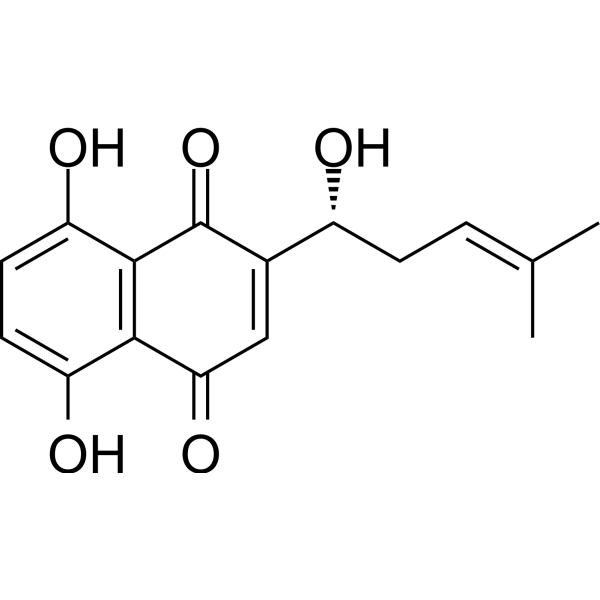 0 ImagesShikonin is a major component of a Chinese herbal medicine named zicao. Shikonin is a potent TMEM16A chloride channel inhibitor with an IC50 of 6.5 μM. Shikonin is a specific pyruvate kinase M2 (PKM2) inhibitor and can also inhibit TNF-α and NF-κB pathway. Shikonin decreases exosome secretion through the inhibition of glycolysis. Shikonin inhibits AIM2 inflammasome activation.
-
Monensin sodium
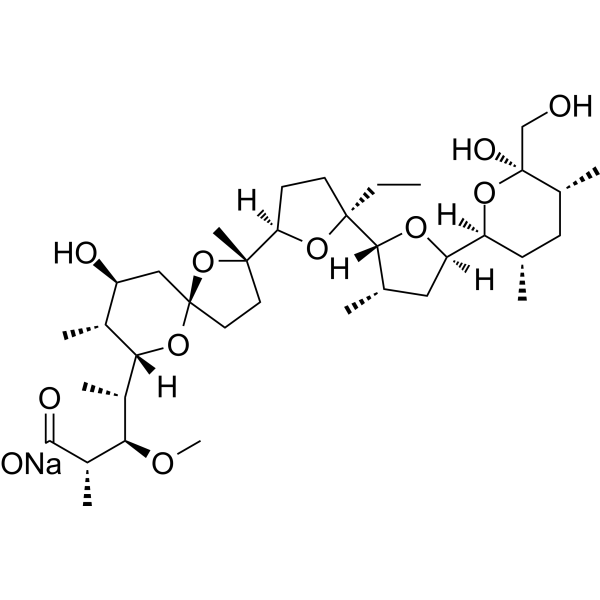 0 ImagesSynonyms: Monensin A sodiumMonensin (Monensin A) sodium, an orally active antibiotic, is an ionophore that mediates Na+/H+ exchange. Monensin sodium is a potent Wnt signaling inhibitor. Monensin sodium causes a marked enlargement of the multivesicular bodies (MVBs) and regulates exosome secretion. Monensin sodium can be used for bacterial, fungal, and parasitic infections research, and shows anticancer effects.
-
CHAPS
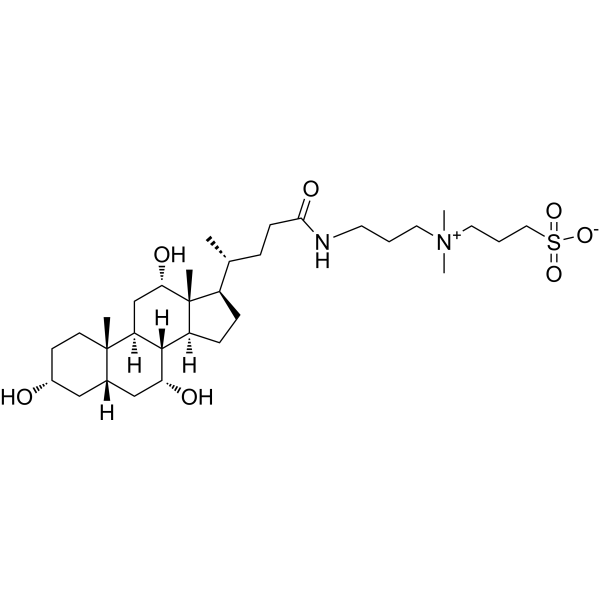 0 ImagesCHAPS is a cholic acid-derived, sulfobetaine-type zwitterionic detergent and micelle-forming agent. CHAPS exhibits properties of weak cationic or nonionic surfactants in different solution systems, undergoes micellization, and forms small, loose hydrophilic aggregates that are temperature-dependent. CHAPS stabilizes mononucleosomes under different ionic strengths, reduces nucleosome sequence specificity, promotes sliding of histone cores along DNA, solubilizes Tamm-Horsfall protein to reduce its interference with urinary exosome isolation, and maintains vesicle structure and the activity of related proteins at the same time. CHAPS is used to recover native folded fusion proteins, enhance the binding capacity of GST fusion proteins, and restore GST enzyme activity. However, CHAPS cannot refold proteins denatured by urea, guanidine hydrochloride or heat, nor can it construct the structure of intrinsically disordered proteins. CHAPS is commonly used in research on the separation and purification of membrane proteins.
-
Dexamethasone (Water Soluble)
 0 ImagesSynonyms: Dexamethasone cyclodextrin complexDexamethasone (Hexadecadrol) Water Soluble is a water-soluble form of Dexamethasone (HY-14648). Dexamethasone is a glucocorticoid receptor agonist, apoptosis inducer, and a common disease inducer in experimental animals. It can be used to construct models of muscle atrophy, hypertension, and depression. Dexamethasone can inhibit the production of inflammatory miRNA-155 exosomes in macrophages and significantly reduce the expression of inflammatory factors in neutrophils and monocytes. Dexamethasone also has the potential to be used in COVID-19 research.(Sale size is the weight of dexamethasone)
-
Lansoprazole
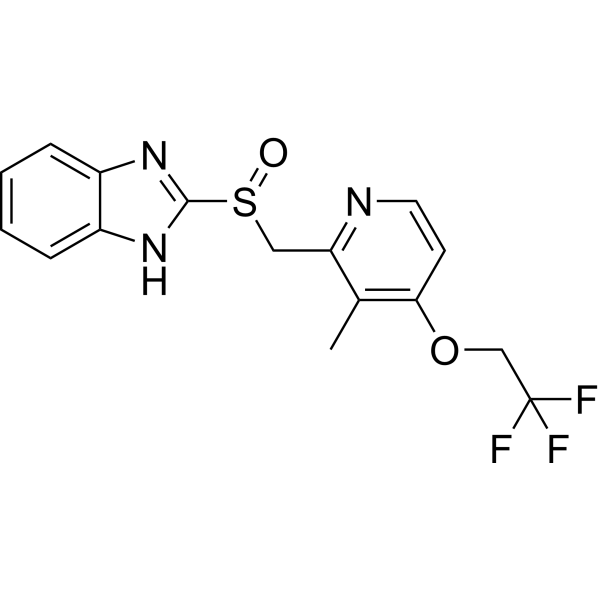 0 ImagesSynonyms: AG-1749Lansoprazole (AG 1749) is an orally active proton pump inhibitor which prevents the stomach from producing acid. Lansoprazole (AG 1749) is a potent brain penetrant neutral sphingomyelinase (N-SMase) inhibitor (exosome inhibitor).
-
Endosidin-2
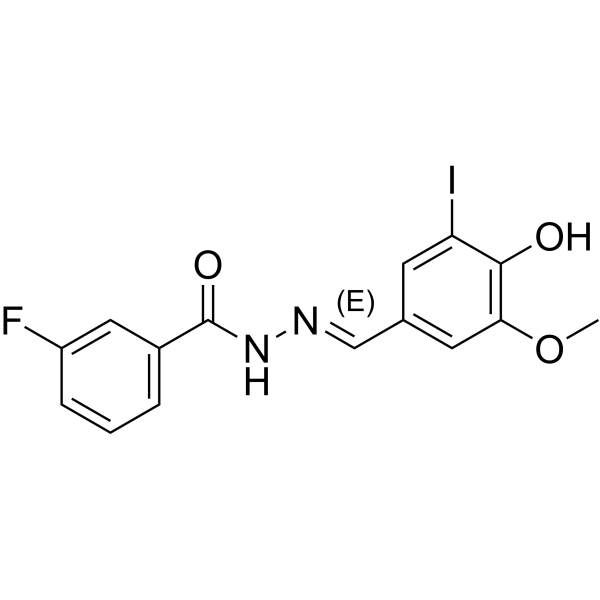 0 ImagesSynonyms: ES2Endosidin-2 (ES2) is a selective inhibitor targeting the conserved exosome subunit EXO70. Endosidin-2 binds to the C-terminal domain of EXO70, inhibiting exocytosis and endosomal recycling, while promoting vacuolar trafficking in plant cells. Endosidin-2 interferes with the EXO70-mediated vesicle-to-plasma membrane anchoring process, leading to abnormal aggregation of auxin transporters (such as PIN2) in the cytoplasm and redirected to vacuolar degradation, while causing abnormal Golgi structure (such as cup-shaped or ring-shaped vesicles cisternae formation). Endosidin-2 can inhibit exocytosis in plant and mammalian cells and is mainly used to study the dynamic regulation of membrane trafficking (such as polar growth, vesicle sorting).
-
Manumycin A
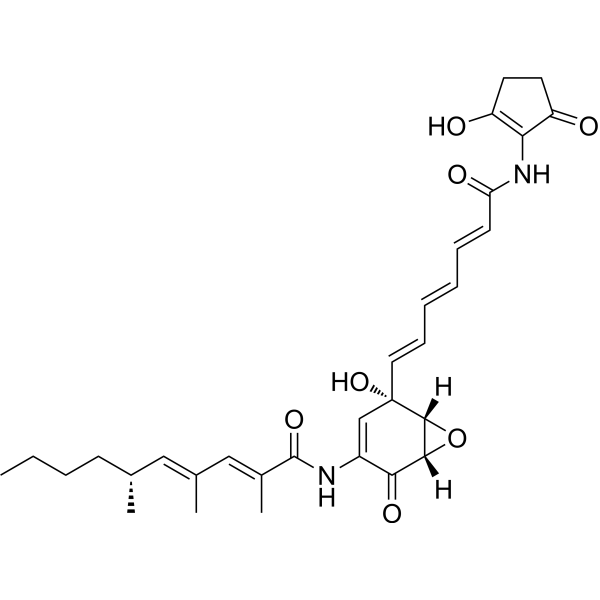 0 ImagesManumycin A is a polyketide antibiotic and an inhibitor of thioredoxin reductase 1 (TrxR-1). Manumycin A can inhibit the growth of breast cancer cells and exert its anti-tumor activity through LC3. Manumycin A can downregulate the release of pro-inflammatory cytokines in human monocytes stimulated by TNF α, and has potential anti-inflammatory activity. Manumycin A can inhibit the Ras/Raf/ERK1/2 signaling and hnRNP H1 in castration resistant prostate cancer cells to suppress exosome biogenesis and secretion.
-
DPTIP
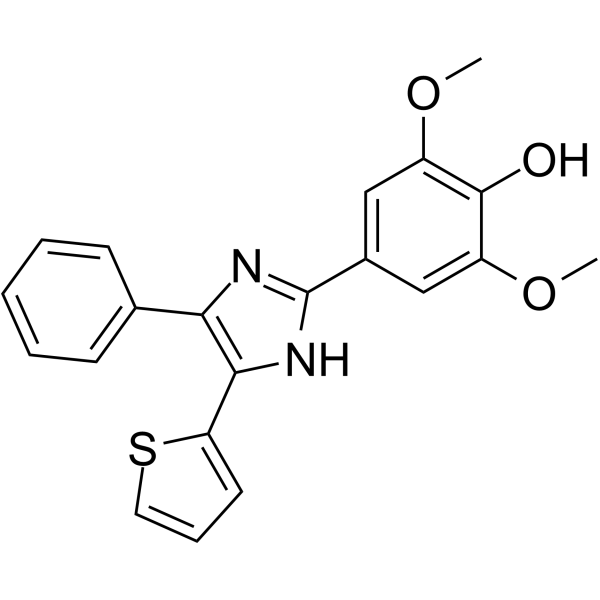 0 ImagesDPTIP is a potent brain penetrant neutral sphingomyelinase 2 (N-SMase 2) inhibitor (exosome inhibitor), with an IC50 of 30 nM.
-
(R)-Lansoprazole
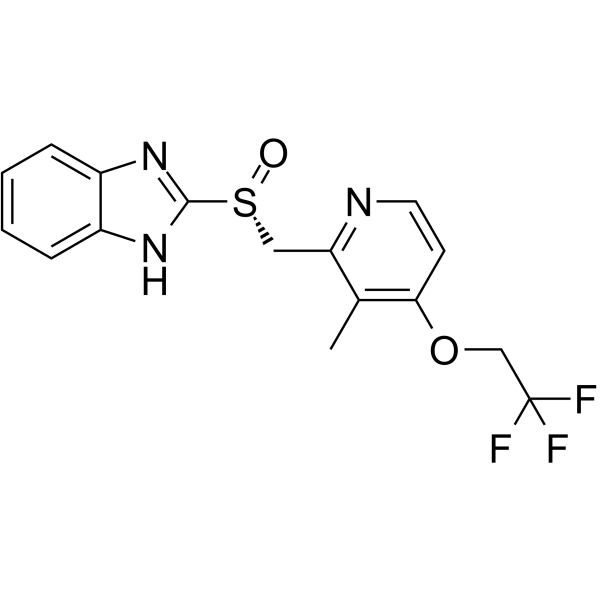 0 ImagesSynonyms: Dexlansoprazole(R)-Lansoprazole is the R enantiomer of Lansoprazole, Lansoprazole (AG 1749) is an orally active proton pump inhibitor which prevents the stomach from producing acid. Lansoprazole (AG 1749) is a potent brain penetrant neutral sphingomyelinase (N-SMase) inhibitor (exosome inhibitor).
-
Heparin Lithium salt
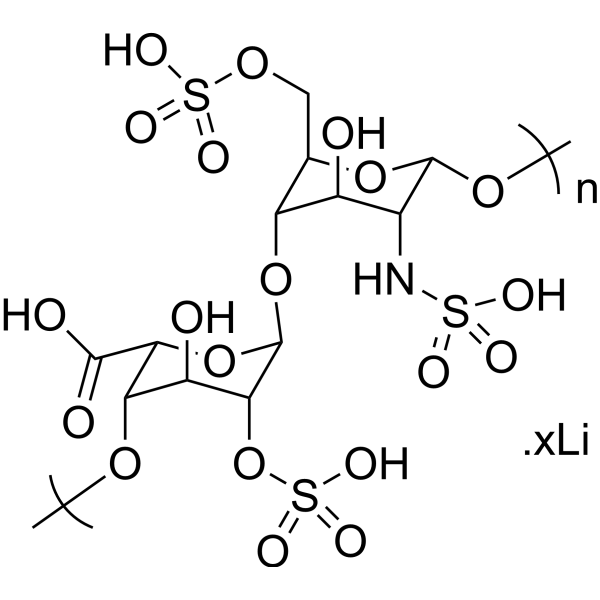 0 ImagesHeparin Lithium salt is an anticoagulant which binds reversibly to antithrombin III (ATIII). Heparin Lithium salt significantly inhibits exosome-cell interactions.
-
GALA
 0 ImagesGALA is a pH-responsive amphipathic peptide consisting of 30 amino acids, which acts as a lung endothelium-targeting ligand. GALA undergoes a conformational transition from random coil to α-helix in an acidic environment at pH 5.0, thereby inducing endosomal membrane destabilization and fusion. GALA-modified liposomes traverse lung endothelial cells via clathrin-dependent endocytosis and transcytosis, and specifically accumulate in the lungs after intravenous injection. GALA significantly promotes the cytosolic release of cargos carried by exosomes, plasmids and liposomes, effectively enhances gene transfection efficiency, and drives gene knockdown of functional macromolecules (such as siRNA) in alveolar epithelial cells (with no significant cytotoxicity at effective concentrations). GALA serves as a critical tool for studies on lung cancer metastasis (e.g., melanoma lung metastasis) and lung-targeted drug delivery systems.



