Search Result
Results for "
Thiourea
" in MedChemExpress (MCE) Product Catalog:
3
Biochemical Assay Reagents
2
Isotope-Labeled Compounds
| Cat. No. |
Product Name |
Target |
Research Areas |
Chemical Structure |
-
- HY-B1526
-
|
Thioacetazone; Amithiozone
|
Bacterial
Antibiotic
|
Infection
|
|
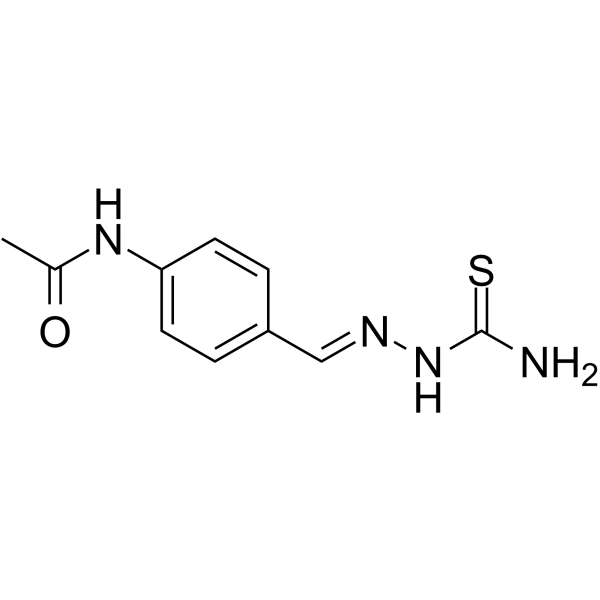
Thiacetazone (Thioacetazone) is a thiourea-containing antitubercular agent and is an orally active antibiotic. Thiacetazone has antibacterial action, which inhibits growth of Mycobacterium tuberculosis H37Rv with a MIC value of 0.1 μg/mL .
|
-
-
- HY-13769A
-
|
NSC55712; TPU-260 Dihydrochloride
|
Drug Derivative
Amyloid-β
Beta-secretase
|
Cardiovascular Disease
Neurological Disease
Inflammation/Immunology
|
|
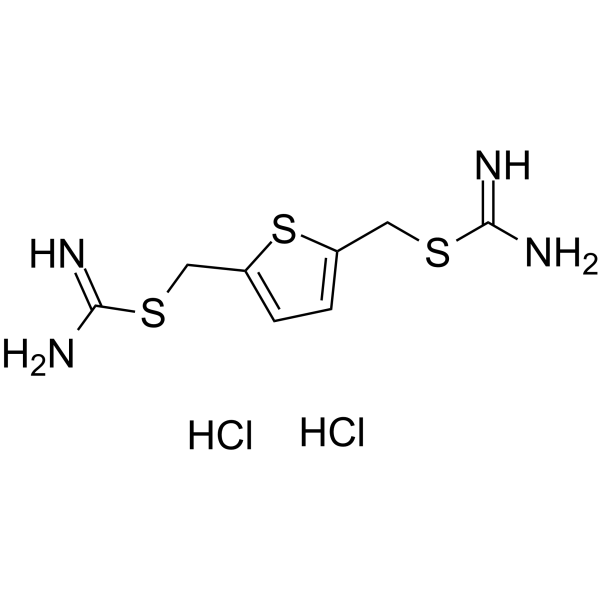
TPT-260 Dihydrochloride (NSC55712), a thiophene thiourea derivative, is a retromer complex stabilizer against thermal denaturation (Kd = ~5 µM). TPT-260 Dihydrochloride increases the levels of retromer proteins, shifts amyloid-precursor protein (APP) away from the endosome, and decreases the pathogenic processing of APP. TPT-260 Dihydrochloride inhibits TLR4 upregulation, IKKβ phosphorylation, NF-κB p65 nuclear translocation, and NLRP3 inflammasome formation. TPT-260 Dihydrochloride improves retromer-mediated cargo trafficking, reduces brain infarct area, and decreases amyloid plaque deposition. TPT-260 Dihydrochloride exhibits minimal cytotoxicity to primary microglia at tested concentrations. TPT-260 Dihydrochloride can be used for the research of inflammatory bowel disease, ischemic stroke and Alzheimer's disease .
|
-
-
- HY-136394
-
-
-
- HY-P5290
-
|
|
Radionuclide-Drug Conjugates (RDCs)
PSMA
|
Cancer
|
|
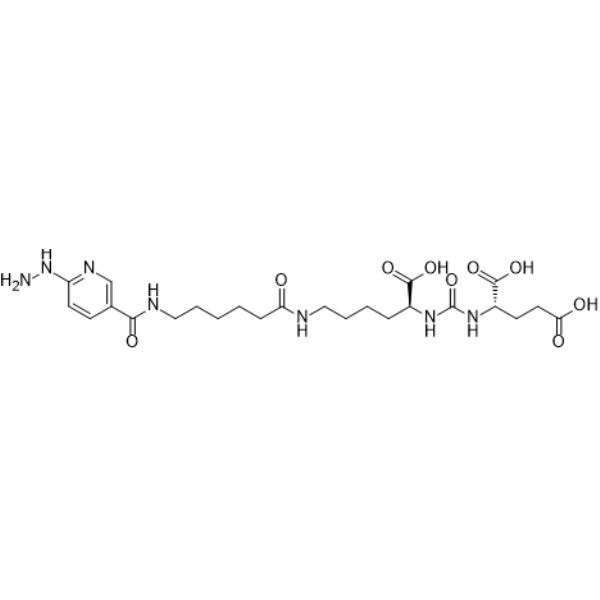
HYNIC-PSMA is a ligand for molecular imaging of tumors. Hynic-psma consists of two components: HYNIC (6-hydrazinonicotinamide) and PSMA (Prostate-Specific Membrane Antigen). HYNIC is a compound used to attach radioactive isotopes to targeted molecules, such as 188Re-HYNIC-PSMA. PSMA is a membrane antigen that is specifically expressed on the surface of prostate cancer cells. HYNIC-PSMA can be used in prostate cancer research . HYNIC-PSMA can be used for the synthesis/research of Radionuclide-Drug Conjugates (RDCs).
|
-
-
- HY-W015915
-
|
Thiourea dioxide
|
Biochemical Assay Reagents
|
Others
|
|
Aminoiminomethanesulphinic acid (Thiourea dioxide) is a biological material or organic compound that can be used in life science research .
|
-
-
- HY-120781
-
|
|
PROTAC Linkers
|
Cancer
|
|
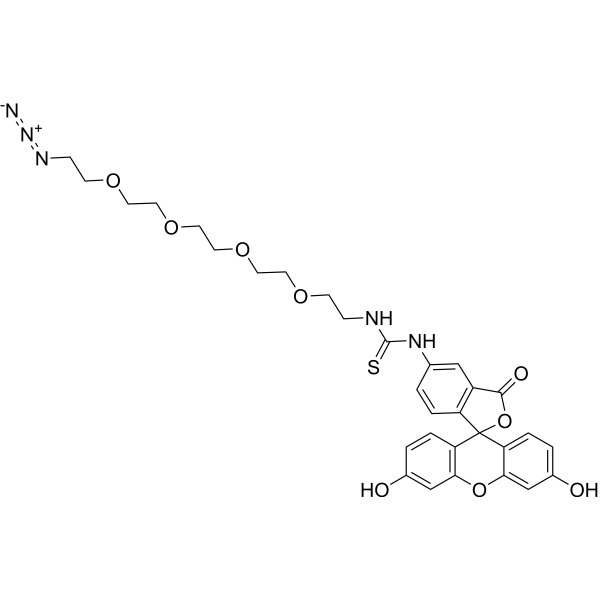
Fluorescein-thiourea-PEG4-azide is a PEG-based PROTAC linker can be used in the synthesis of PROTACs. Fluorescein-thiourea-PEG4-azide is a click chemistry reagent, it contains an Azide group and can undergo copper-catalyzed azide-alkyne cycloaddition reaction (CuAAc) with molecules containing Alkyne groups. It can also undergo strain-promoted alkyne-azide cycloaddition (SPAAC) reactions with molecules containing DBCO or BCN groups.
|
-
-
- HY-130160
-
|
|
PROTAC Linkers
|
Cancer
|
|
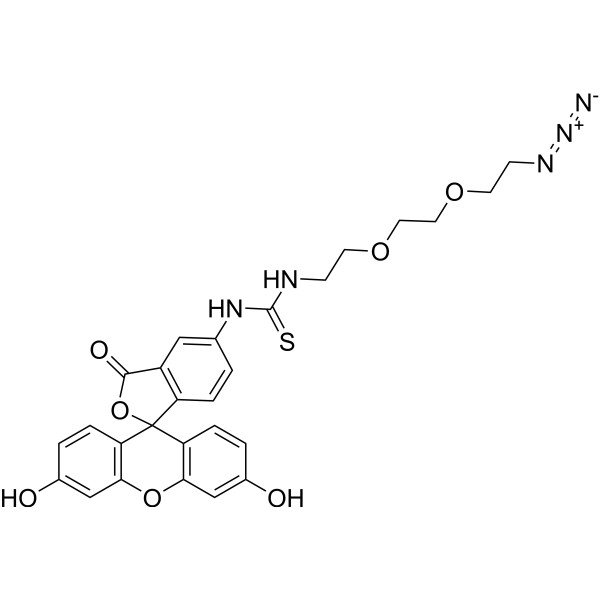
Fluorescein-thiourea-PEG2-azide is a PEG-based PROTAC linker that can be used in the synthesis of PROTACs . Fluorescein-thiourea-PEG2-azide is a click chemistry reagent, it contains an Azide group and can undergo copper-catalyzed azide-alkyne cycloaddition reaction (CuAAc) with molecules containing Alkyne groups. It can also undergo strain-promoted alkyne-azide cycloaddition (SPAAC) reactions with molecules containing DBCO or BCN groups.
|
-
-
- HY-D1896
-
|
|
Fluorescent Dye
|
Others
|
|
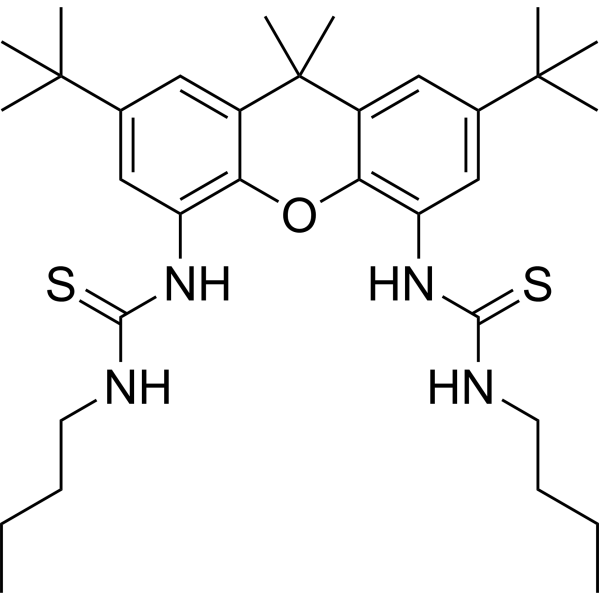
Chloride Ionophore IV is a thiourea type hydrogen bonding-based receptor. Chloride Ionophore IV is a chloride ionophore .
|
-
-
- HY-P5292A
-
|
|
Radionuclide-Drug Conjugates (RDCs)
PSMA
|
Cancer
|
|
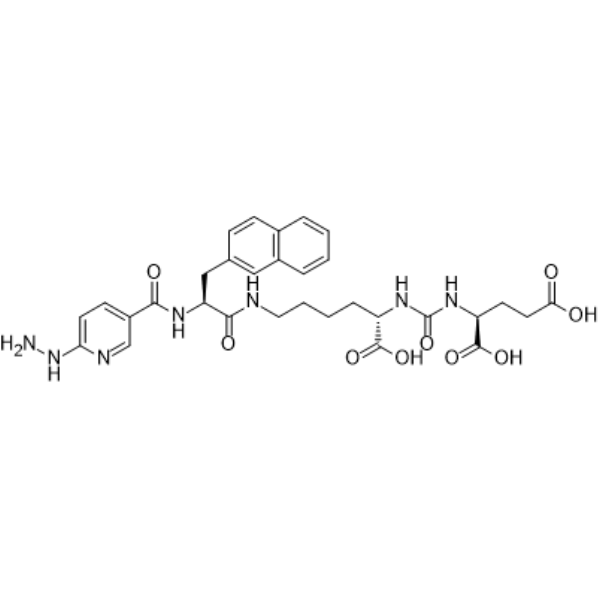
HYNIC-iPSMA TFA is a ligand for molecular imaging of tumors. Hynic-ipsma consists of two components: HYNIC (6-hydrazinonicotinamide) and iPSMA (Inhibitor of Prostate-Specific Membrane Antigen). HYNIC is a compound used to attach radioactive isotopes to targeted molecules. iPSMA is a specific inhibitor used to inhibit prostate-specific membrane antigen (PSMA). 68GA-labeled iPSMA has been used to detect prostate cancer by PET imaging. The further 99mTc-EDDA/HYNIC-iPSMA TFA has excellent specificity and sensitivity . HYNIC-iPSMA TFA can be used for the synthesis/research of Radionuclide-Drug Conjugates (RDCs).
|
-
-
- HY-136952
-
|
|
Biochemical Assay Reagents
Radionuclide-Drug Conjugates (RDCs)
|
Cancer
|
|
p-SCN-Bn-HOPO is a bifunctional chelator that forms stable octadentate complexes with Zr (IV) and 89Zr 4+ via four 1,2-hydroxypyridone groups. p-SCN-Bn-HOPO conjugates with antibodies through the formation of thiourea bonds with lysine residues, and enables efficient 89Zr radiolabeling under mild conditions. p-SCN-Bn-HOPO inhibits bone uptake of free radiometals, stabilizes radiometal-antibody conjugates, and achieves PET imaging with low background and enhanced tumor-to-organ contrast. p-SCN-Bn-HOPO can be used in breast cancer-related research .
|
-
-
- HY-P5292
-
|
|
Radionuclide-Drug Conjugates (RDCs)
PSMA
|
Cancer
|
|
HYNIC-iPSMA is a ligand for molecular imaging of tumors. Hynic-ipsma consists of two components: HYNIC (6-hydrazinonicotinamide) and iPSMA (Inhibitor of Prostate-Specific Membrane Antigen). HYNIC is a compound used to attach radioactive isotopes to targeted molecules. iPSMA is a specific inhibitor used to inhibit prostate-specific membrane antigen (PSMA). 68GA-labeled iPSMA has been used to detect prostate cancer by PET imaging. The further 99mTc-EDDA/HYNIC-iPSMA has excellent specificity and sensitivity . HYNIC-iPSMA can be used for the synthesis/research of Radionuclide-Drug Conjugates (RDCs).
|
-
-
- HY-139174
-
|
|
MAGL
|
Inflammation/Immunology
|
|
(S)-DO271 is a non-active control probe targeting ABHD12, and it has almost no inhibitory activity against ABHD12 (IC50 > 100 μM). (S)-DO271 does not cause the upregulation of inflammatory factors and has no cytotoxicity. (S)-DO271 is suitable as a negative control for validating the functional studies of ABHD12 .
|
-
-
- HY-169703
-
SPA0355
1 Publications Verification
|
RANKL/RANK
p38 MAPK
Akt
NF-κB
|
Inflammation/Immunology
|
|
SPA0355 is a thiourea derivative that has antioxidant and anti-inflammatory properties. SPA0355 inhibits the RANKL (receptor activator of nuclear factor κB ligand) induced osteoclast formation in primary bone marrow-derived macrophages. SPA0355 also suppresses the activation of the MAPKs, Akt, and NF-κB pathways. Additionally, SPA0355 promotes osteoblast differentiation, increases alkaline phosphatase activity, and enhances mineral nodule formation. SPA0355 can protect ovariectomized mice from bone loss by stimulating osteoblast differentiation and inhibiting osteoclast resorption, making it useful for studying postmenopausal osteoporosis .
|
-
-
- HY-144727
-
|
|
Bacterial
TNF Receptor
|
Infection
Inflammation/Immunology
|
|
Anti-inflammatory agent 11 (compound 16) is a potent antimycobacterial and anti-inflammatory agent. Anti-inflammatory agent 11 inhibits Mtb H37Rv and M299 growth, with MIC50 (minimum inhibitory concentration 50%) of 1.3 and 6.9 μM, respectively. Anti-inflammatory agent 11 inhibits NO through the suppression of iNOS expression, and also inhibited the production of TNF-α and IL-1β. Anti-inflammatory agent 11 can be used for tuberculosis (TB) research .
|
-
-
- HY-140943
-
|
|
PROTAC Linkers
|
Cancer
|
|
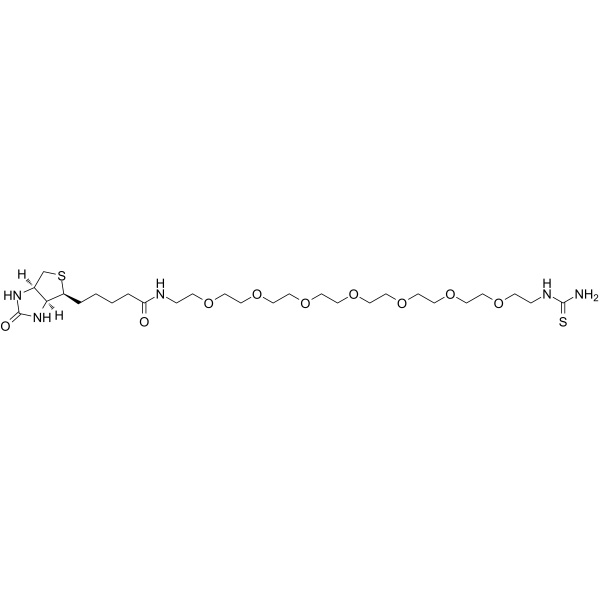
Biotin-PEG7-thiourea is a biotin-labeled, PEG-based PROTAC linker that can be used in the synthesis of PROTACs .
|
-
-
- HY-13769
-
|
TPU260
|
Drug Derivative
Beta-secretase
Amyloid-β
|
Cardiovascular Disease
Neurological Disease
Inflammation/Immunology
|
|
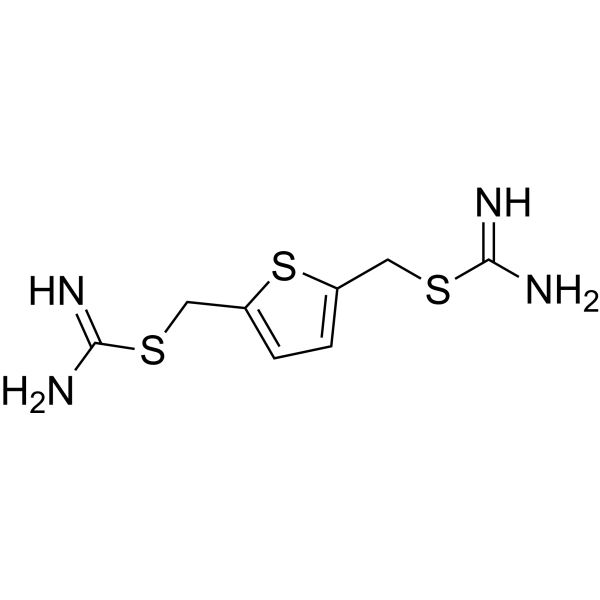
TPT-260 (TPU260), a thiophene thiourea derivative, is a retromer complex stabilizer against thermal denaturation (Kd = ~5 µM). TPT-260 increases the levels of retromer proteins, shifts amyloid-precursor protein (APP) away from the endosome, and decreases the pathogenic processing of APP. TPT-260 inhibits TLR4 upregulation, IKKβ phosphorylation, NF-κB p65 nuclear translocation, and NLRP3 inflammasome formation. TPT-260 improves retromer-mediated cargo trafficking, reduces brain infarct area, and decreases amyloid plaque deposition. TPT-260 exhibits minimal cytotoxicity to primary microglia at tested concentrations. TPT-260 can be used for the research of inflammatory bowel disease, ischemic stroke and Alzheimer's disease .
|
-
-
- HY-118711
-
|
|
HIV
Reverse Transcriptase
|
Infection
|
|
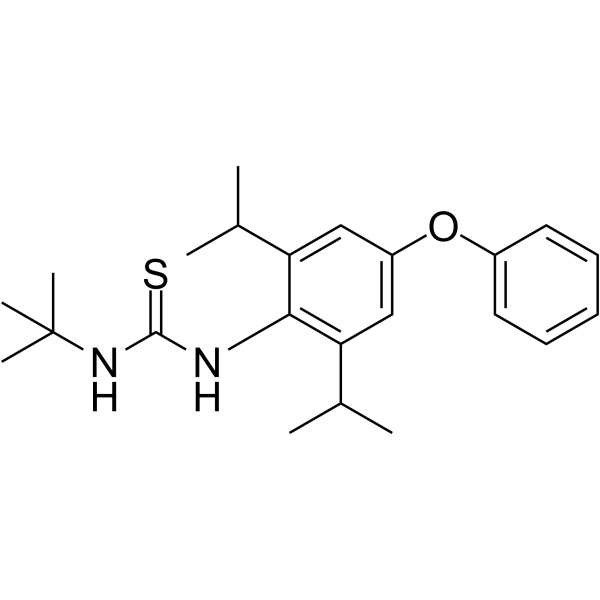
HI-346 is a non-nucleoside reverse transcriptase inhibitor (NNRTI) for HIV-1 with an IC50 value against the HIV-1 virus strain (HTLV-IIIB) of 3 nM. HI-346 is a vaginal bactericidal contraceptive agent, with its sperm-killing activity having an EC50 value of 42 μM. HI-346 shows no cytotoxicity to normal cells at effective concentrations. HI-346 can be used in anti-HIV-1 and contraceptive research .
|
-
-
- HY-133061
-
|
|
PROTAC Linkers
|
Cancer
|
|
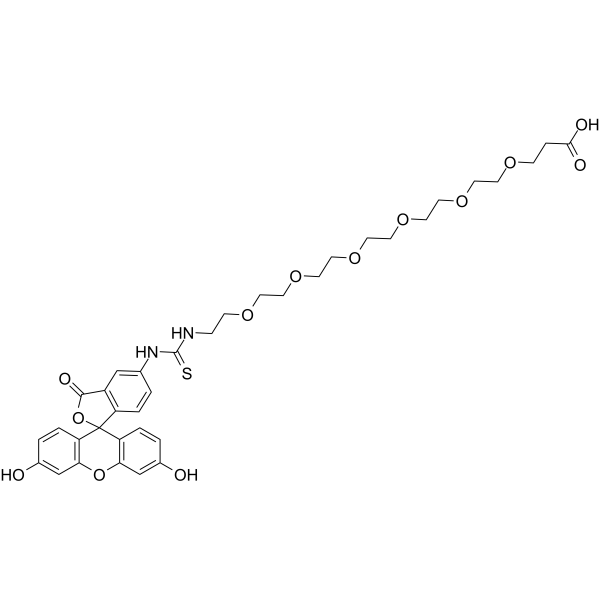
Fluorescein-thiourea-PEG6-acid is a PEG-based PROTAC linker that can be used in the synthesis of PROTACs .
|
-
-
- HY-114747
-
|
1-(1-Adamantyl)-3-propyl-2-Thiourea
|
Others
|
Infection
|
|
1-(Adamantan-1-yl)-3-propylthiourea (1-(1-Adamantyl)-3-propyl-2-thiourea) is a viricide .
|
-
-
- HY-W015915R
-
|
Thiourea dioxide (Standard)
|
Reference Standards
Biochemical Assay Reagents
|
Others
|
|
Aminoiminomethanesulphinic acid (Thiourea dioxide) (Standard) is the analytical standard of Aminoiminomethanesulphinic acid. This product is intended for research and analytical applications. Aminoiminomethanesulphinic acid is a solid formaldehyde substitute with both electrophilic and reductive properties. Aminoiminomethanesulphinic acid is commonly used in bleaching processes in the textile industry .
|
-
-
- HY-131097
-
|
|
Fluorescent Dye
|
Others
|
|
Malachite green isothiocyanate is an amine-reactive probe that reacts with amines to give the corresponding thiourea. Malachite green isothiocyanate is a reagent that has been used for the measurement of concentration of protein .
|
-
-
- HY-151356
-
|
|
Bacterial
|
Infection
|
|
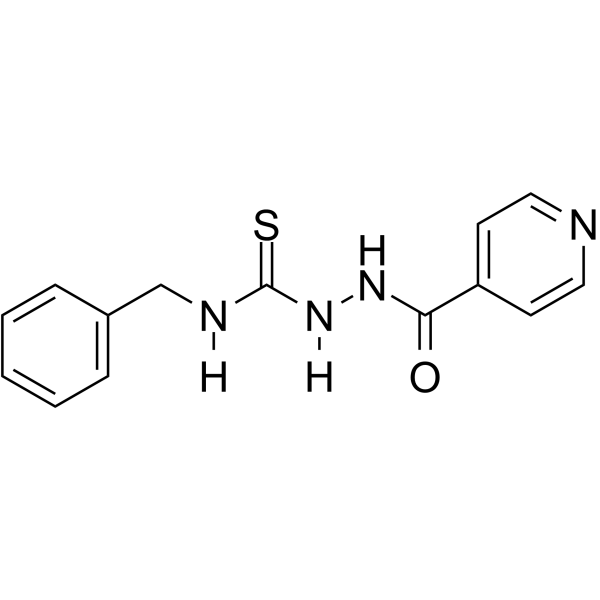
Antibacterial agent 122 (compound 15) is a thiourea derivative with anti-mycobacterial activity and low cytotoxicity. Antibacterial agent 122 can be used for tuberculosis-related studies .
|
-
-
- HY-W743390
-
|
4-Methylimidazolidine-2-thione-d6
|
Isotope-Labeled Compounds
Drug Metabolite
|
Others
|
|
4-Methylimidazolidine-2-thione-d6 (4-Methylimidazolidine-2-thione-d6) is deuterium labeled 4-Methylimidazolidine-2-thione. Propylene thiourea is one of the main degradation products of Propineb (HY-119630) in animals, plants and during processing .
|
-
-
- HY-W015871R
-
|
N-(Diaminomethylene)Thiourea (Standard)
|
Reference Standards
|
|
|
Guanylthiourea (Standard) is the analytical standard of Guanylthiourea. This product is intended for research and analytical applications.
|
-
-
- HY-144735
-
-
-
- HY-136394R
-
-
-
- HY-122196
-
|
|
Flavivirus
|
Others
|
|
TYT-1 is a sulfonamide-thiourea compound that has inhibitory activity against West Nile virus replication with a 50% effective concentration of 0.7 microM, blocking a post-entry, pre-assembly step of viral replication.
|
-
-
- HY-B1526R
-
|
Thioacetazone (Standard); Amithiozone (Standard)
|
Reference Standards
Bacterial
Antibiotic
|
Infection
|
|
Thiacetazone (Standard) is the analytical standard of Thiacetazone. This product is intended for research and analytical applications. Thiacetazone (Thioacetazone) is a thiourea-containing antitubercular agent and is an orally active antibiotic. Thiacetazone has antibacterial action, which inhibits growth of Mycobacterium tuberculosis H37Rv with a MIC value of 0.1 μg/mL[1].
|
-
-
- HY-162572
-
|
|
Parasite
|
Infection
|
|
Bitipazone, diacetylbis(piperidinethyl)thiourea cysteine ester (I), has potent anticoccidial activity. Bitipazone showed significant efficacy and good tolerability in rabbits and turkeys, and in chronic toxicity tests, bitipazone was tolerated in turkeys at concentrations below 90 ppm in feed. Pharmacokinetic studies show that bitipazone is eliminated slowly from the blood and organs of these animal species .
|
-
-
- HY-107063
-
|
10-Undecen-1-yl-thiopseudourea iodide
|
Histamine Receptor
|
Cancer
|
|
AHR-1911 (10-Undecen-1-yl-Thiopseudourea Iodide;Isothiuronium) is a thiourea-based anti-inflammatory and anti-tumor agent that has an improving effect on burned skin. AHR-1911 produces histamine-like effects when injected intradermally and may reduce arterial pressure in anesthetized dogs. AHR-1911 inhibits tumor growth and reduces microsomal and C-polysome protein synthesis .
|
-
-
- HY-144737
-
|
|
Bacterial
TNF Receptor
|
Infection
Inflammation/Immunology
|
|
Anti-inflammatory agent 15 (compound 29) is a potent antimycobacterial and anti-inflammatory agent. Anti-inflammatory agent 15 inhibits Mtb H37Rv and M299 growth, with MIC50 (minimum inhibitory concentration 50%) of 2.3 and 7.8 μM, respectively. Anti-inflammatory agent 15 inhibits NO through the suppression of iNOS expression, and also inhibited the production of TNF-α and IL-1β. Anti-inflammatory agent 15 can be used for tuberculosis (TB) research .
|
-
-
- HY-159945
-
|
|
α-synuclein
|
Neurological Disease
|
|
Tau Protein/α-synuclein-IN-2 (Compound 14T) is a blood-brain barrier penetrating tau and α-syn inhibitor. Through its thiourea linker structure, Tau Protein/α-synuclein-IN-2 dose-dependently reduces α-syn oligomerization. In biosensor cells, Tau Protein/α-synuclein-IN-2 prevents the seeding effect of tau aggregation. In the M17D neuroblastoma model, Tau Protein/α-synuclein-IN-2 exhibits anti-inclusion effects. Additionally, Tau Protein/α-synuclein-IN-2 reduces Aβ plaque formation. Tau Protein/α-synuclein-IN-2 holds promise for Alzheimer's disease and Parkinson's disease research.
|
-
-
- HY-119202
-
|
(S)-BMS-806
|
HIV
|
Infection
|
|
(S)-BMS-378806 ((S)-BMS-806) is an orally bioavailable HIV-1 inhibitor with activity against gp120-CD4 interactions. (S)-BMS-378806 exhibits micromolar inhibition of HIV-1 gp120-CD4 binding. The design and synthesis of (S)-BMS-378806 was based on a comprehensive study of protein-ligand interactions, which guided the identification and design of novel symmetrical N,N'-disubstituted aminoureas and thioureas. (S)-BMS-378806, synthesized in aqueous media using microwave irradiation, was validated for its inhibitory activity in HIV-1 gp120-CD4 capture ELISA .
|
-
-
- HY-167919
-
|
|
Drug Derivative
|
Infection
|
|
1-(1-Adamantyl)-3-butyl-2-thiourea is a compound with antiviral activity, demonstrating efficacy against various viral pathogens; 1-(1-Adamantyl)-3-butyl-2-thiourea serves as a potential therapeutic agent in the treatment of viral infections.
|
-
-
- HY-23331
-
|
4-Methylimidazolidine-2-thione
|
Drug Metabolite
|
Others
|
|
Propylene thiourea (4-Methylimidazolidine-2-thione) is one of the main degradation products of Propineb (HY-119630) in animals, plants and during processing .
|
-
-
- HY-23331S
-
|
4-Methylimidazolidine-2-thione-d3
|
Isotope-Labeled Compounds
Drug Metabolite
|
Others
|
|
4-Methylimidazolidine-2-thione-d3 (4-Methylimidazolidine-2-thione-d3) is deuterium labeled 4-Methylimidazolidine-2-thione. Propylene thiourea is one of the main degradation products of Propineb (HY-119630) in animals, plants and during processing .
|
-
-
- HY-W281950
-
|
|
Drug Derivative
|
Metabolic Disease
|
|
2-(Carbamimidoylsulfanyl)acetic acid hydrochloride is a thiourea compound and an Isothiourea derivative, with potential antidiabetic activity .
|
-
-
- HY-W100150
-
|
|
Biochemical Assay Reagents
|
Cancer
|
|
N-((6-Methylpyridin-2-yl) carbamothioyl) benzamide (Compound L3) is a thiourea ligand and monodentate ligand. The IC50 of N-((6-Methylpyridin-2-yl) carbamothioyl) benzamide in tested cell lines is > 100 μM. N-((6-Methylpyridin-2-yl) carbamothioyl) benzamide shows no activity against colorectal cancer cells and pancreatic cancer cells .
|
-
| Cat. No. |
Product Name |
Type |
-
- HY-D1896
-
|
|
Fluorescent Dyes
|
|
Chloride Ionophore IV is a thiourea type hydrogen bonding-based receptor. Chloride Ionophore IV is a chloride ionophore .
|
| Cat. No. |
Product Name |
Type |
-
- HY-W015915
-
|
Thiourea dioxide
|
Biochemical Assay Reagents
|
|
Aminoiminomethanesulphinic acid (Thiourea dioxide) is a biological material or organic compound that can be used in life science research .
|
-
- HY-W015915R
-
|
Thiourea dioxide (Standard)
|
Biochemical Assay Reagents
|
|
Aminoiminomethanesulphinic acid (Thiourea dioxide) (Standard) is the analytical standard of Aminoiminomethanesulphinic acid. This product is intended for research and analytical applications. Aminoiminomethanesulphinic acid is a solid formaldehyde substitute with both electrophilic and reductive properties. Aminoiminomethanesulphinic acid is commonly used in bleaching processes in the textile industry .
|
-
- HY-131097
-
|
|
Biochemical Assay Reagents
|
|
Malachite green isothiocyanate is an amine-reactive probe that reacts with amines to give the corresponding thiourea. Malachite green isothiocyanate is a reagent that has been used for the measurement of concentration of protein .
|
| Cat. No. |
Product Name |
Target |
Research Area |
-
- HY-P5290
-
|
|
Radionuclide-Drug Conjugates (RDCs)
PSMA
|
Cancer
|
|
HYNIC-PSMA is a ligand for molecular imaging of tumors. Hynic-psma consists of two components: HYNIC (6-hydrazinonicotinamide) and PSMA (Prostate-Specific Membrane Antigen). HYNIC is a compound used to attach radioactive isotopes to targeted molecules, such as 188Re-HYNIC-PSMA. PSMA is a membrane antigen that is specifically expressed on the surface of prostate cancer cells. HYNIC-PSMA can be used in prostate cancer research . HYNIC-PSMA can be used for the synthesis/research of Radionuclide-Drug Conjugates (RDCs).
|
-
- HY-P5292A
-
|
|
Radionuclide-Drug Conjugates (RDCs)
PSMA
|
Cancer
|
|
HYNIC-iPSMA TFA is a ligand for molecular imaging of tumors. Hynic-ipsma consists of two components: HYNIC (6-hydrazinonicotinamide) and iPSMA (Inhibitor of Prostate-Specific Membrane Antigen). HYNIC is a compound used to attach radioactive isotopes to targeted molecules. iPSMA is a specific inhibitor used to inhibit prostate-specific membrane antigen (PSMA). 68GA-labeled iPSMA has been used to detect prostate cancer by PET imaging. The further 99mTc-EDDA/HYNIC-iPSMA TFA has excellent specificity and sensitivity . HYNIC-iPSMA TFA can be used for the synthesis/research of Radionuclide-Drug Conjugates (RDCs).
|
-
- HY-P5292
-
|
|
Radionuclide-Drug Conjugates (RDCs)
PSMA
|
Cancer
|
|
HYNIC-iPSMA is a ligand for molecular imaging of tumors. Hynic-ipsma consists of two components: HYNIC (6-hydrazinonicotinamide) and iPSMA (Inhibitor of Prostate-Specific Membrane Antigen). HYNIC is a compound used to attach radioactive isotopes to targeted molecules. iPSMA is a specific inhibitor used to inhibit prostate-specific membrane antigen (PSMA). 68GA-labeled iPSMA has been used to detect prostate cancer by PET imaging. The further 99mTc-EDDA/HYNIC-iPSMA has excellent specificity and sensitivity . HYNIC-iPSMA can be used for the synthesis/research of Radionuclide-Drug Conjugates (RDCs).
|
| Cat. No. |
Product Name |
Chemical Structure |
-
- HY-W743390
-
|
|
|
4-Methylimidazolidine-2-thione-d6 (4-Methylimidazolidine-2-thione-d6) is deuterium labeled 4-Methylimidazolidine-2-thione. Propylene thiourea is one of the main degradation products of Propineb (HY-119630) in animals, plants and during processing .
|
-
-
- HY-23331S
-
|
|
|
4-Methylimidazolidine-2-thione-d3 (4-Methylimidazolidine-2-thione-d3) is deuterium labeled 4-Methylimidazolidine-2-thione. Propylene thiourea is one of the main degradation products of Propineb (HY-119630) in animals, plants and during processing .
|
-
| Cat. No. |
Product Name |
|
Classification |
-
- HY-120781
-
|
|
|
PROTAC Synthesis
Azide
|
|
Fluorescein-thiourea-PEG4-azide is a PEG-based PROTAC linker can be used in the synthesis of PROTACs. Fluorescein-thiourea-PEG4-azide is a click chemistry reagent, it contains an Azide group and can undergo copper-catalyzed azide-alkyne cycloaddition reaction (CuAAc) with molecules containing Alkyne groups. It can also undergo strain-promoted alkyne-azide cycloaddition (SPAAC) reactions with molecules containing DBCO or BCN groups.
|
-
- HY-130160
-
|
|
|
PROTAC Synthesis
Azide
|
|
Fluorescein-thiourea-PEG2-azide is a PEG-based PROTAC linker that can be used in the synthesis of PROTACs . Fluorescein-thiourea-PEG2-azide is a click chemistry reagent, it contains an Azide group and can undergo copper-catalyzed azide-alkyne cycloaddition reaction (CuAAc) with molecules containing Alkyne groups. It can also undergo strain-promoted alkyne-azide cycloaddition (SPAAC) reactions with molecules containing DBCO or BCN groups.
|
Your information is safe with us. * Required Fields.
Inquiry Information
- Product Name:
- Cat. No.:
- Quantity:
- MCE Japan Authorized Agent:

