Search Result
Results for "
chemotherapeutic drugs
" in MedChemExpress (MCE) Product Catalog:
2
Bibliotecas de Screening
3
Isotope-Labeled Compounds
| Cat. No. |
Nombre del producto |
Target |
Áreas de investigación |
Chemical Structure |
-
- HY-B0245
-
-
-
- HY-147271
-
|
|
Drug-Linker Conjugates for ADC
Topoisomerase
|
Cancer
|
|
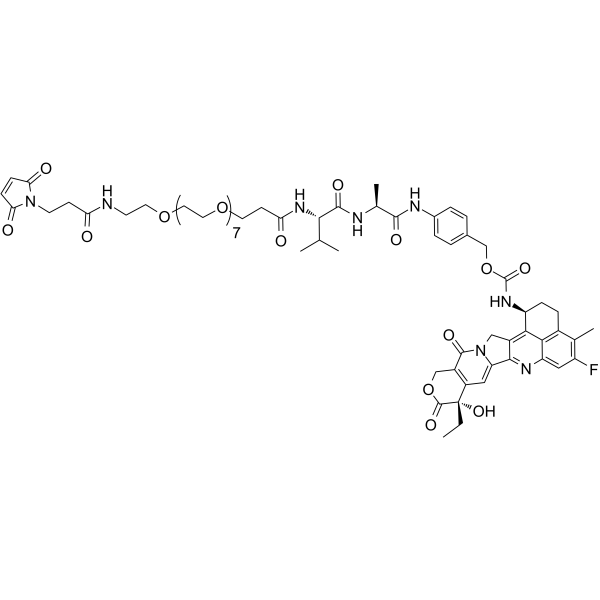
Mal-PEG8-Val-Ala-PAB-Exatecan (Compound 9b) is an antibody-drug conjugate linker (ADC linker) that binds to Nectin-4 polypeptides conjugated to chemotherapeutic agents. Mal-PEG8-Val-Ala-PAB-Exatecan can be used for cancer research .
|
-
-
- HY-19542
-
|
C6-Cer; N-Hexanoylsphingosine
|
Apoptosis
|
Cancer
|
|
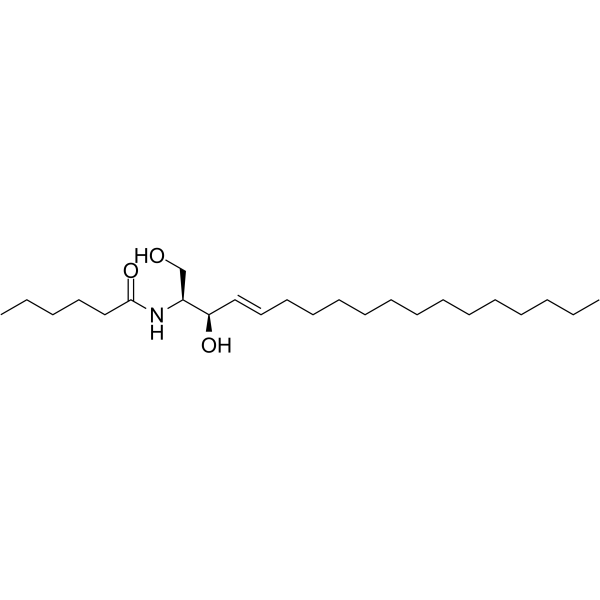
C6 Ceramide (C6-Cer) is a short-chain, cell-permeable ceramide pathway activator with anticancer activity. C6 Ceramide-mediated miR-29b expression participates in the progression of multiple myeloma through suppressing the proliferation, migration and angiogenesis of endothelial cells by targeting Akt signal pathway. C6 Ceramide exhibits multiple anti-cancer properties including cell cycle arrest, Apoptosis, inhibition of tumor growth and enhances the effects of chemotherapy in drug-resistant cancer cells. C6-ceramide can be used as an adjuvant for chemotherapeutic agents, to enhance anti-tumor effects .
|
-
-
- HY-111126
-
K67
1 Publications Verification
|
p62
Keap1-Nrf2
|
Cancer
|
|
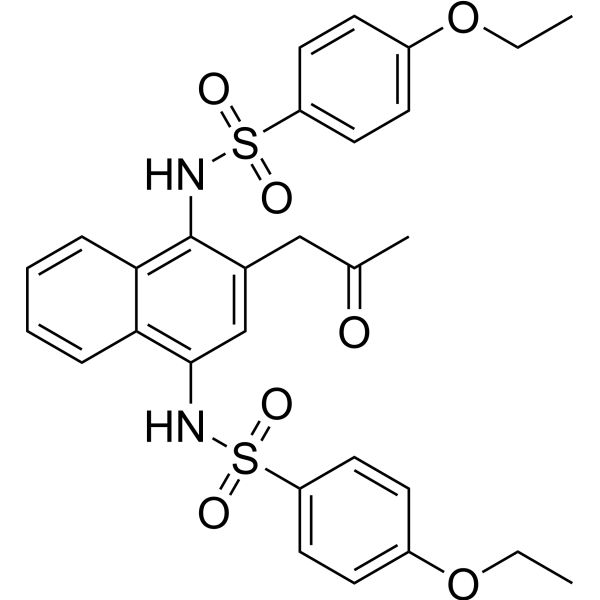
K67 is a selective the interaction between Keap1 and S349 phosphorylated p62 inhibitor, with an IC50 of 1.5 μM. K67 has a weaker inhibitory effect on the interaction between Keap1 and Nrf2 (IC50 is 6.2 μM). K67 competitively binds to the binding site of Keap1 with p-p62, blocking the abnormal activation of the p62-dependent Nrf2 pathway. K67 inhibits tumor cell proliferation and enhances the sensitivity of hepatocellular carcinoma (HCC) to chemotherapeutic drugs by restoring Keap1-mediated ubiquitination and degradation of Nrf2 .
|
-
-
- HY-17013
-
|
MS-209 free base
|
P-glycoprotein
|
Cancer
|
|
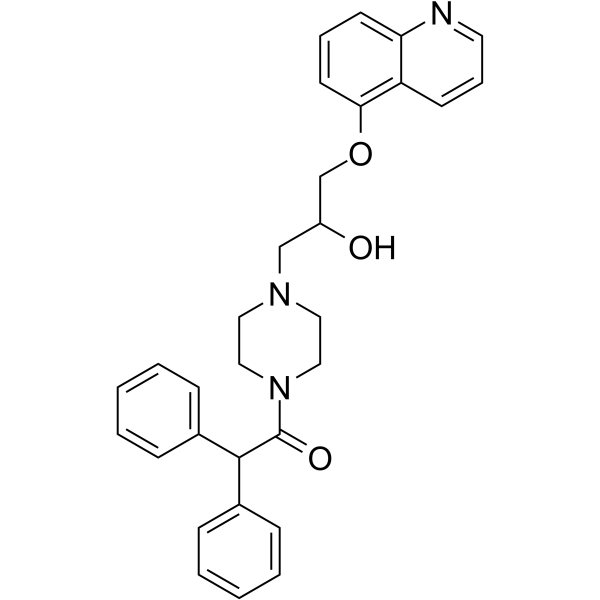
Dofequidar (MS-209 free base) is an orally active quinoline compoundthat blocks P-glycoprotein (P-gp) and multidrug resistance-associated protein-1 (MDR-1). Dofequidar has highly potent reversing effect on multidrug-resistant tumor cells. Dofequidar competitively inhibits ABCB1/P-gp, ABCC1/MRP-1, blocks the efflux of chemotherapeutic agents, increases the drug concentration in cancer cells, and enhances the chemotherapeutic effect .
|
-
-
- HY-15134
-
|
OC 144-093; OC 144093
|
P-glycoprotein
|
Infection
Cancer
|
|
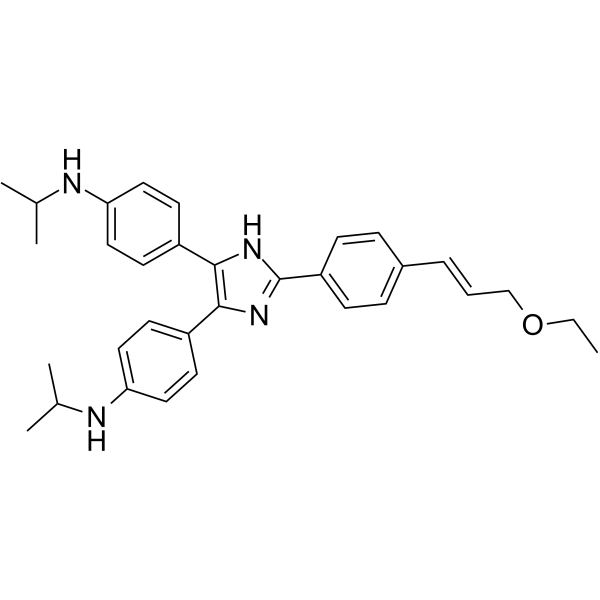
ONT-093 (OC 144-093) is a potent and orally active inhibitor of P-glycoprotein pump. ONT-093 inhibits P-gp-mediated ATPase activity with an IC50 of 0.16 μM. ONT-093 can inhibit drug efflux and increase bioavailability. ONT-093 reverses cancer cells multidrug resistance to chemotherapeutic drugs. ONT-093 can be used for the researches of cancer and infection, such as colon cancer and malarial .
|
-
-
- HY-150644
-
|
|
Aldose Reductase
|
Cancer
|
|
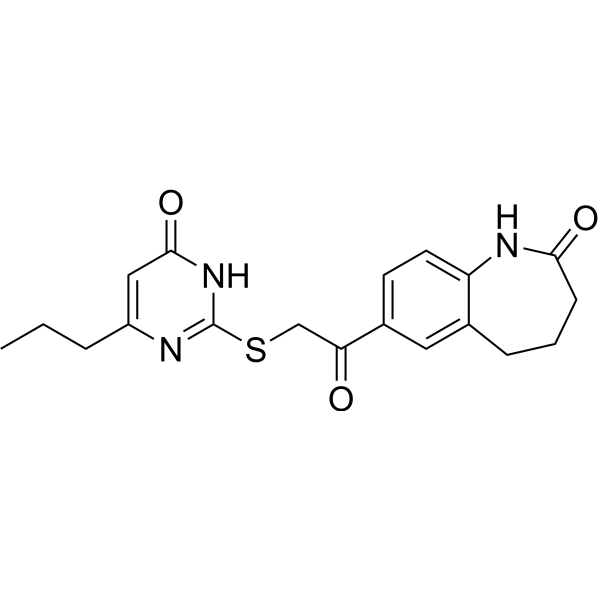
S07-2010 is a potent pan-AKR1C (aldo-keto reductase family 1 member C) inhibitor, with IC50 values of 0.19, 0.36, 0.47, and 0.73 μM for AKR1C3, AKR1C4, AKR1C1 and AKR1C2, respectively. S07-2010 induces apoptosis in A549/DDP cells. S07-2010 strengthens the cytotoxicity of chemotherapeutic agents in drug-resistant cells. S07-2010 significantly inhibits the proliferation of drug-resistant cells .
|
-
-
- HY-17013A
-
|
MS-209
|
P-glycoprotein
|
Cancer
|
|
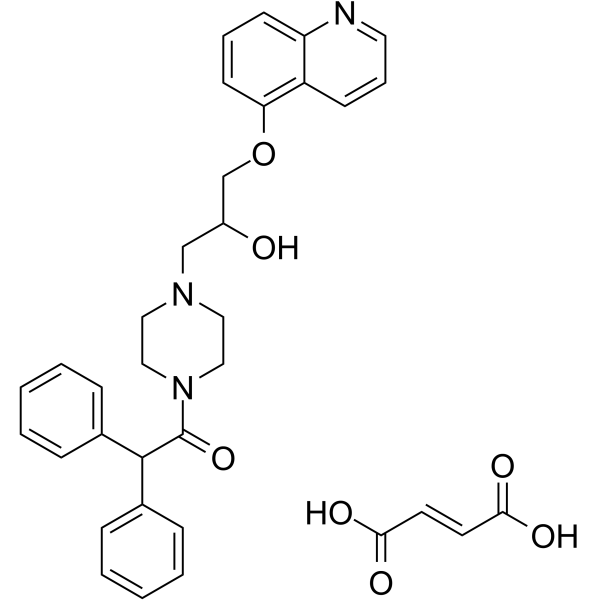
Dofequidar fumarate (MS-209) is an orally active quinoline compoundthat blocks P-glycoprotein (P-gp) and multidrug resistance-associated protein-1 (MDR-1). Dofequidar fumarate has highly potent reversing effect on multidrug-resistant tumor cells. Dofequidar fumarate competitively inhibits ABCB1/P-gp, ABCC1/MRP-1, blocks the efflux of chemotherapeutic agents, increases the drug concentration in cancer cells, and enhances the chemotherapeutic effect .
|
-
-
- HY-B0245S
-
|
|
DNA Alkylator/Crosslinker
Apoptosis
|
Inflammation/Immunology
Cancer
|
|
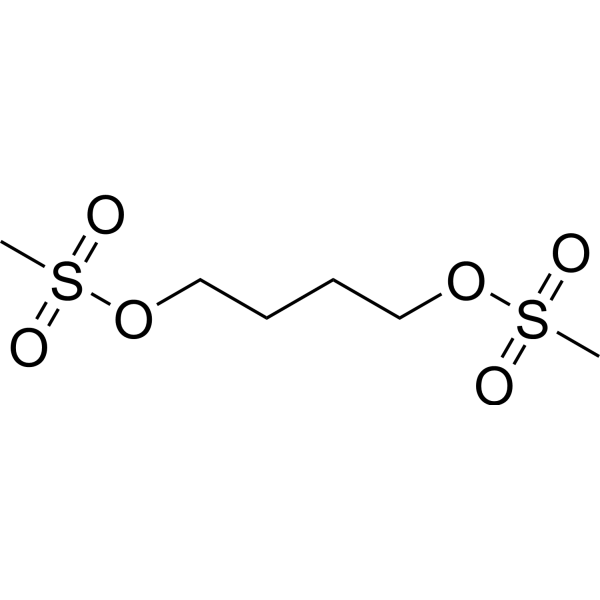
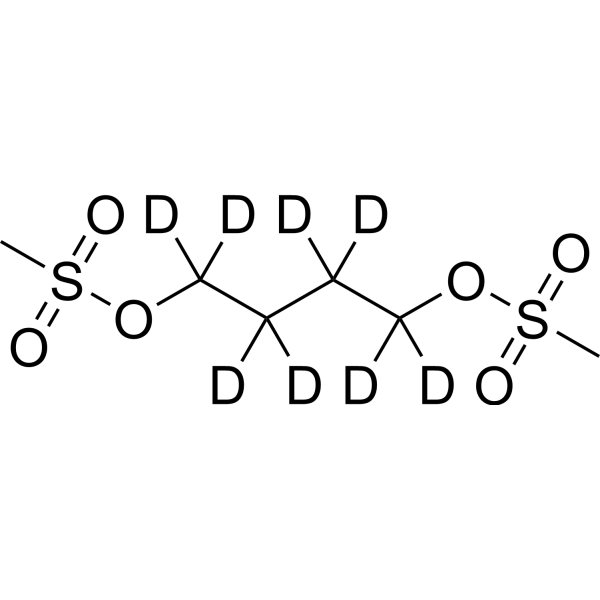
Busulfan-d8 is a deuterium labeled Busulfan. Busulfan is a potent alkylating antineoplastic agent. Busulfan causes DNA damage by cross-linking DNAs and DNA and proteins. Busulfan inhibits thioredoxin reductase. Busulfan induces apoptosis. Busulfan is an immunosuppressive and myeloablative chemotherapeutic agent .
|
-
-
- HY-P10284
-
|
|
Interleukin Related
VEGFR
Apoptosis
|
Cardiovascular Disease
Cancer
|
|
S7 is an inhibitory polypeptide targeting IL-6R, which specifically binds to IL-6R and its A chain (gp80/IL-6RA) to block its signal transduction. S7 inhibits IL-6-mediated anti-apoptosis (apoptosis), angiogenesis and the expression of VEGF-A, blocks related survival signaling pathways, and enhances the sensitivity of cancer cells to chemotherapeutic drugs. S7 can be applied to the research of related diseases such as cervical cancer, multiple myeloma, Kaposi's sarcoma, prostate cancer and basal cell carcinoma .
|
-

-
- HY-N0566
-
|
Anemosapogenin
|
Apoptosis
Autophagy
Bcl-2 Family
Caspase
Survivin
p38 MAPK
MMP
|
Cancer
|
|
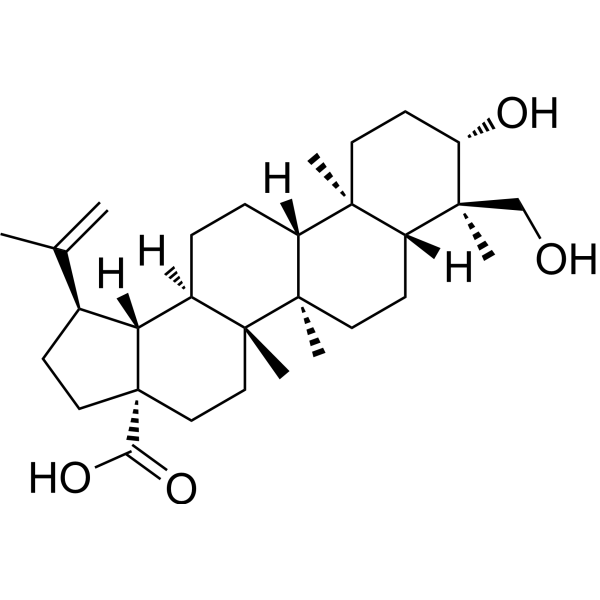
23-Hydroxybetulinic acid (Anemosapogenin) is an orally active triterpenoid with broad-spectrum anticancer activity. 23-Hydroxybetulinic acid reduces the levels of Bcl-2 and survivin, elevates the level of Bax, promotes the cleavage/activation of caspase-3 and caspase-9, and induces apoptosis via the endogenous mitochondrial pathway involving cytochrome C release and mitochondrial membrane potential disruption. 23-Hydroxybetulinic acid arrests the cell cycle at S and G1 phases, inhibits cancer cell proliferation, blocks the MAPK signaling pathway, regulates MMP2, and induces autophagic apoptosis by upregulating beclin-1. 23-Hydroxybetulinic acid inhibits the activity and efflux function of P-gp, increases the intracellular accumulation of chemotherapeutic drugs, and synergistically enhances cytotoxicity with Doxorubicin (HY-15142). 23-Hydroxybetulinic acid inhibits the phosphorylation and nuclear translocation of STAT6, blocks M2 macrophage polarization, and reduces M2 macrophage-mediated apoptosis resistance of colon cancer cells. 23-Hydroxybetulinic acid can be used in related studies on chronic myeloid leukemia, hepatocellular carcinoma, sarcoma 180, multidrug-resistant breast cancer, leukemia, Doxorubicin-induced cardiotoxicity, and colorectal cancer .
|
-
-
- HY-B0245R
-
|
|
DNA Alkylator/Crosslinker
Apoptosis
Reference Standards
|
Inflammation/Immunology
Cancer
|
|
Busulfan (Standard) is the analytical standard of Busulfan. This product is intended for research and analytical applications. Busulfan is a potent alkylating antineoplastic agent. Busulfan causes DNA damage by cross-linking DNAs and DNA and proteins. Busulfan inhibits thioredoxin reductase. Busulfan induces apoptosis. Busulfan is an immunosuppressive and myeloablative chemotherapeutic agent .
|
-

-
- HY-D1504
-
|
|
Fluorescent Dye
|
Others
|
|
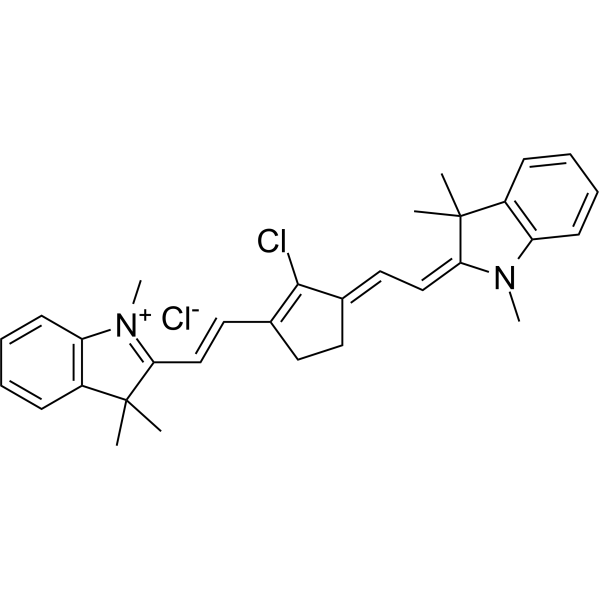
IR-797 chloride is a near-infrared (NIR) dye. IR 797 has absorption maxima near 700 nm. IR-797 shows some aggregation-induced-emission (AIE) properties. IR-797 shows shows cytotoxic .
|
-
-
- HY-19542S1
-
|
C6-Cer-d11; N-Hexanoylsphingosine-d11
|
Apoptosis
Isotope-Labeled Compounds
|
Cancer
|
|
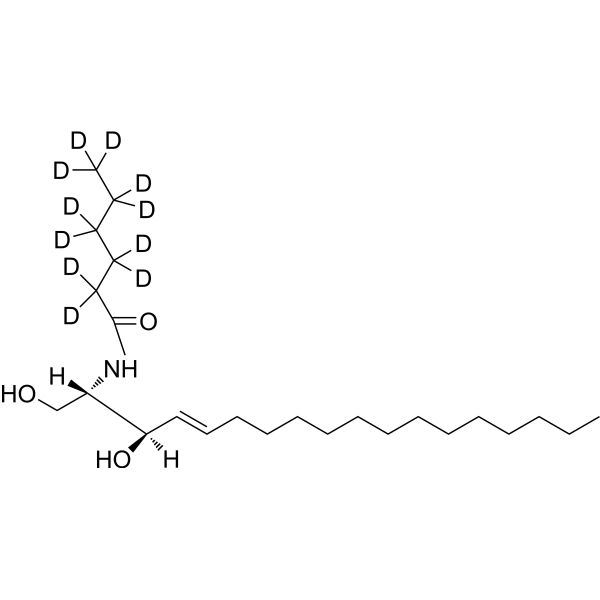
C6 Ceramide-d11 is deuterated labeled C6 Ceramide (HY-19542). C6-ceramide, a ceramide pathway activator, shows activity against a variety of cancer cell lines. C6-ceramide can be used as an adjuvant for chemotherapeutic agents, to enhance anti-tumor effects .
|
-
-
- HY-176780
-
|
|
Others
|
Cancer
|
|
Gαi2-IN-1 (Compound 14) is a Gαi2 inhibitor. Gαi2-IN-1 significantly inhibits cancer cells migration induced by the chemotherapeutic drug, such as Vorinostat (HY-10221) and Docetaxel (HY-B0011). Gαi2-IN-1 can be used for cancers like prostate, breast and ovarian cancer research .
|
-

-
- HY-123526
-
|
NSC305458
|
BCRP
|
Cancer
|
|
NSC 265473 is an ABCG2 substrate .
|
-

-
- HY-17013D
-
|
MS-209 sesquifumarate
|
P-glycoprotein
|
Cancer
|
|
Dofequidar (MS-209) sesquifumarate is an orally active quinoline compoundthat blocks P-glycoprotein (P-gp) and multidrug resistance-associated protein-1 (MDR-1). Dofequidar sesquifumarate has highly potent reversing effect on multidrug-resistant tumor cells. Dofequidar sesquifumarate competitively inhibits ABCB1/P-gp, ABCC1/MRP-1, blocks the efflux of chemotherapeutic agents, increases the drug concentration in cancer cells, and enhances the chemotherapeutic effect .
|
-

-
- HY-123870
-
|
|
Survivin
IAP
NF-κB
|
Inflammation/Immunology
Cancer
|
|
MX107 is a selective and potent survivin inhibitor that suppresses triple-negative breast cancer (TNBC) cell proliferation. MX107 induces degradation of survivin and inhibitor-of-apoptosis proteins (IAPs), which inhibits nuclear factor κB (NF-κB) activation induced by DNA damage. MX107 enhances tumoricidal efficacy of genotoxic treatments synergized with chemotherapeutic drugs .
|
-

-
- HY-N0566R
-
|
Anemosapogenin (Standard)
|
Reference Standards
Apoptosis
Autophagy
Bcl-2 Family
Caspase
Survivin
p38 MAPK
MMP
|
Cancer
|
|
23-Hydroxybetulinic acid (Standard) is the analytical standard of 23-Hydroxybetulinic acid (HY-N0566). This product is intended for research and analytical applications. 23-Hydroxybetulinic acid (Anemosapogenin) is an orally active triterpenoid with broad-spectrum anticancer activity. 23-Hydroxybetulinic acid reduces the levels of Bcl-2 and survivin, elevates the level of Bax, promotes the cleavage/activation of caspase-3 and caspase-9, and induces apoptosis via the endogenous mitochondrial pathway involving cytochrome C release and mitochondrial membrane potential disruption. 23-Hydroxybetulinic acid arrests the cell cycle at S and G1 phases, inhibits cancer cell proliferation, blocks the MAPK signaling pathway, regulates MMP2, and induces autophagic apoptosis by upregulating beclin-1. 23-Hydroxybetulinic acid inhibits the activity and efflux function of P-gp, increases the intracellular accumulation of chemotherapeutic drugs, and synergistically enhances cytotoxicity with Doxorubicin (HY-15142). 23-Hydroxybetulinic acid inhibits the phosphorylation and nuclear translocation of STAT6, blocks M2 macrophage polarization, and reduces M2 macrophage-mediated apoptosis resistance of colon cancer cells. 23-Hydroxybetulinic acid can be used in related studies on chronic myeloid leukemia, hepatocellular carcinoma, sarcoma 180, multidrug-resistant breast cancer, leukemia, Doxorubicin-induced cardiotoxicity, and colorectal cancer.
|
-

-
- HY-185389
-
|
Liposomal cisplatin
|
Liposome
DNA Alkylator/Crosslinker
|
Cancer
|
|
Cisplatin liposome is a liposome-encapsulated form of Cisplatin (HY-17394). Cisplatin (CDDP) is an anti-tumor chemotherapeutic agent that cross-links with DNA, causing DNA damage in cancer cells. Cisplatin liposome prolongs drug circulation time and slowly releases the drug, allowing it to accumulate in the tumor and exert its killing effect.
|
-

-
- HY-17013AR
-
|
MS-209 (Standard)
|
P-glycoprotein
Reference Standards
|
Cancer
|
|
Dofequidar (fumarate) (Standard) is the analytical standard of Dofequidar (fumarate). This product is intended for research and analytical applications. Dofequidar fumarate (MS-209) is an orally active quinoline compoundthat blocks P-glycoprotein (P-gp) and multidrug resistance-associated protein-1 (MDR-1). Dofequidar fumarate has highly potent reversing effect on multidrug-resistant tumor cells. Dofequidar fumarate competitively inhibits ABCB1/P-gp, ABCC1/MRP-1, blocks the efflux of chemotherapeutic agents, increases the drug concentration in cancer cells, and enhances the chemotherapeutic effect .
|
-

-
- HY-W766368
-
|
C6-Cer-13C2,d2; N-Hexanoylsphingosine-13C2,d2
|
Isotope-Labeled Compounds
Apoptosis
|
Cancer
|
|
C6 Ceramide- 13C2,d2 (C6-Cer- 13C2,d2) is the deuterium labeled and 13C-labeled C6 Ceramide (HY-19542). C6 Ceramide (C6-Cer) is a short-chain, cell-permeable ceramide pathway activator with anticancer activity. C6 Ceramide-mediated miR-29b expression participates in the progression of multiple myeloma through suppressing the proliferation, migration and angiogenesis of endothelial cells by targeting Akt signal pathway. C6 Ceramide exhibits multiple anti-cancer properties including cell cycle arrest, Apoptosis, inhibition of tumor growth and enhances the effects of chemotherapy in drug-resistant cancer cells. C6-ceramide can be used as an adjuvant for chemotherapeutic agents, to enhance anti-tumor effects .
|
-

-
- HY-P992059
-
|
|
CD1
|
Cancer
|
|
Anti-Mouse CD1d Antibody (1B1) is an antibody targeting mouse CD1d (Kd=12.5 nM). By inserting into the lipid-binding groove of CD1d, Anti-Mouse CD1d Antibody (1B1) overlaps with the binding sites of type I and type II NKT cell receptors (TCR), thereby effectively blocking TCR-mediated interactions. Anti-Mouse CD1d Antibody (1B1) activates antigen-presenting cells such as dendritic cells and macrophages, induces them to release IL-12p70, and increases the levels of key cytokines including IL-12, IFN-γ and IFN-α in mouse serum. Anti-Mouse CD1d Antibody (1B1) can be used in studies related to renal cancer, breast cancer and colon adenocarcinoma. When combined with anti-DR5 or anti-CD137 antibodies and chemotherapeutic drugs, Anti-Mouse CD1d Antibody (1B1) exhibits significant tumor inhibitory and even eradication effects in mice .
|
-

| Cat. No. |
Nombre del producto |
|
-
-
HY-L112
-
|
|
157 compounds
|
|
Chemotherapy is one of the most common treatments for cancer. It can be used alone for some types of cancer or in combination with other treatments such as radiation or surgery. Chemotherapy drugs usually target cells at different phases of the cell cycle and inhibit tumor proliferation and avoid cancer cell invasion and metastasis. It is a cancer treatment method that kills cancer cells with drugs.
Chemotherapeutic agents can be classified into alkylating agents, antimetabolites, antimicrotubular agents, antibiotics, etc. according to the mechanism of action. MCE offers a unique collection of 157 chemotherapy drugs, which is a useful tool for cancer treatment research.
|
-
-
HY-L213
-
|
|
271 compounds
|
|
The anti-cancer drug library meticulously collects all drugs approved by FDA and other major national drug regulatory authorities for cancer treatment. These drugs cover a variety of cancer types, including but not limited to lung cancer, breast cancer, colorectal cancer, leukemia, and other common cancers. The library includes a wide range of drugs, from classic chemotherapeutic agents to cutting-edge targeted therapies and immunotherapies. It contains various types of drug compounds with different mechanisms of action. There are cytotoxic drugs that directly kill cancer cells, as well as drugs that work by modulating the tumor microenvironment, inhibiting tumor angiogenesis, and activating the immune system. This diversity provides researchers with a broad range of perspectives and options for intervention strategies.
This library can be used for basic research on cancer treatment, exploring new targets and new mechanisms of drug action; Conducting drug reuse research to look for potential therapeutic effects of existing drugs on other cancer types or diseases; Or conducting research into combination drugs to optimize cancer treatment.
MCE has collected 271 small-molecule compounds with cancer indications, which are good tools for drug repurposing.
|
| Cat. No. |
Nombre del producto |
Type |
-
- HY-D1504
-
|
|
Fluorescent Dyes
|
|
IR-797 chloride is a near-infrared (NIR) dye. IR 797 has absorption maxima near 700 nm. IR-797 shows some aggregation-induced-emission (AIE) properties. IR-797 shows shows cytotoxic .
|
| Cat. No. |
Nombre del producto |
Target |
Research Area |
-
- HY-P10284
-
|
|
Interleukin Related
VEGFR
Apoptosis
|
Cardiovascular Disease
Cancer
|
|
S7 is an inhibitory polypeptide targeting IL-6R, which specifically binds to IL-6R and its A chain (gp80/IL-6RA) to block its signal transduction. S7 inhibits IL-6-mediated anti-apoptosis (apoptosis), angiogenesis and the expression of VEGF-A, blocks related survival signaling pathways, and enhances the sensitivity of cancer cells to chemotherapeutic drugs. S7 can be applied to the research of related diseases such as cervical cancer, multiple myeloma, Kaposi's sarcoma, prostate cancer and basal cell carcinoma .
|
| Cat. No. |
Nombre del producto |
Target |
Research Area |
Image |
-
- HY-P992059
-
|
|
CD1
|
Cancer
|
|
Anti-Mouse CD1d Antibody (1B1) is an antibody targeting mouse CD1d (Kd=12.5 nM). By inserting into the lipid-binding groove of CD1d, Anti-Mouse CD1d Antibody (1B1) overlaps with the binding sites of type I and type II NKT cell receptors (TCR), thereby effectively blocking TCR-mediated interactions. Anti-Mouse CD1d Antibody (1B1) activates antigen-presenting cells such as dendritic cells and macrophages, induces them to release IL-12p70, and increases the levels of key cytokines including IL-12, IFN-γ and IFN-α in mouse serum. Anti-Mouse CD1d Antibody (1B1) can be used in studies related to renal cancer, breast cancer and colon adenocarcinoma. When combined with anti-DR5 or anti-CD137 antibodies and chemotherapeutic drugs, Anti-Mouse CD1d Antibody (1B1) exhibits significant tumor inhibitory and even eradication effects in mice .
|
-

(5)
| Cat. No. |
Nombre del producto |
Category |
Target |
Chemical Structure |
-
- HY-N0566
-
|
Anemosapogenin
|
Triterpenes
Structural Classification
other families
Classification of Application Fields
Terpenoids
Plants
Disease Research Fields
Source Classification
Cancer
|
Apoptosis
Autophagy
Bcl-2 Family
Caspase
Survivin
p38 MAPK
MMP
|
|
23-Hydroxybetulinic acid (Anemosapogenin) is an orally active triterpenoid with broad-spectrum anticancer activity. 23-Hydroxybetulinic acid reduces the levels of Bcl-2 and survivin, elevates the level of Bax, promotes the cleavage/activation of caspase-3 and caspase-9, and induces apoptosis via the endogenous mitochondrial pathway involving cytochrome C release and mitochondrial membrane potential disruption. 23-Hydroxybetulinic acid arrests the cell cycle at S and G1 phases, inhibits cancer cell proliferation, blocks the MAPK signaling pathway, regulates MMP2, and induces autophagic apoptosis by upregulating beclin-1. 23-Hydroxybetulinic acid inhibits the activity and efflux function of P-gp, increases the intracellular accumulation of chemotherapeutic drugs, and synergistically enhances cytotoxicity with Doxorubicin (HY-15142). 23-Hydroxybetulinic acid inhibits the phosphorylation and nuclear translocation of STAT6, blocks M2 macrophage polarization, and reduces M2 macrophage-mediated apoptosis resistance of colon cancer cells. 23-Hydroxybetulinic acid can be used in related studies on chronic myeloid leukemia, hepatocellular carcinoma, sarcoma 180, multidrug-resistant breast cancer, leukemia, Doxorubicin-induced cardiotoxicity, and colorectal cancer .
|
-
-
- HY-N0566R
-
|
Anemosapogenin (Standard)
|
Triterpenes
Structural Classification
other families
Terpenoids
Plants
Source Classification
|
Reference Standards
Apoptosis
Autophagy
Bcl-2 Family
Caspase
Survivin
p38 MAPK
MMP
|
|
23-Hydroxybetulinic acid (Standard) is the analytical standard of 23-Hydroxybetulinic acid (HY-N0566). This product is intended for research and analytical applications. 23-Hydroxybetulinic acid (Anemosapogenin) is an orally active triterpenoid with broad-spectrum anticancer activity. 23-Hydroxybetulinic acid reduces the levels of Bcl-2 and survivin, elevates the level of Bax, promotes the cleavage/activation of caspase-3 and caspase-9, and induces apoptosis via the endogenous mitochondrial pathway involving cytochrome C release and mitochondrial membrane potential disruption. 23-Hydroxybetulinic acid arrests the cell cycle at S and G1 phases, inhibits cancer cell proliferation, blocks the MAPK signaling pathway, regulates MMP2, and induces autophagic apoptosis by upregulating beclin-1. 23-Hydroxybetulinic acid inhibits the activity and efflux function of P-gp, increases the intracellular accumulation of chemotherapeutic drugs, and synergistically enhances cytotoxicity with Doxorubicin (HY-15142). 23-Hydroxybetulinic acid inhibits the phosphorylation and nuclear translocation of STAT6, blocks M2 macrophage polarization, and reduces M2 macrophage-mediated apoptosis resistance of colon cancer cells. 23-Hydroxybetulinic acid can be used in related studies on chronic myeloid leukemia, hepatocellular carcinoma, sarcoma 180, multidrug-resistant breast cancer, leukemia, Doxorubicin-induced cardiotoxicity, and colorectal cancer.
|
-
| Cat. No. |
Nombre del producto |
Chemical Structure |
-
- HY-B0245S
-
|
|
|
Busulfan-d8 is a deuterium labeled Busulfan. Busulfan is a potent alkylating antineoplastic agent. Busulfan causes DNA damage by cross-linking DNAs and DNA and proteins. Busulfan inhibits thioredoxin reductase. Busulfan induces apoptosis. Busulfan is an immunosuppressive and myeloablative chemotherapeutic agent .
|
-
-
- HY-19542S1
-
|
|
|
C6 Ceramide-d11 is deuterated labeled C6 Ceramide (HY-19542). C6-ceramide, a ceramide pathway activator, shows activity against a variety of cancer cell lines. C6-ceramide can be used as an adjuvant for chemotherapeutic agents, to enhance anti-tumor effects .
|
-
-
- HY-W766368
-
|
|
|
C6 Ceramide- 13C2,d2 (C6-Cer- 13C2,d2) is the deuterium labeled and 13C-labeled C6 Ceramide (HY-19542). C6 Ceramide (C6-Cer) is a short-chain, cell-permeable ceramide pathway activator with anticancer activity. C6 Ceramide-mediated miR-29b expression participates in the progression of multiple myeloma through suppressing the proliferation, migration and angiogenesis of endothelial cells by targeting Akt signal pathway. C6 Ceramide exhibits multiple anti-cancer properties including cell cycle arrest, Apoptosis, inhibition of tumor growth and enhances the effects of chemotherapy in drug-resistant cancer cells. C6-ceramide can be used as an adjuvant for chemotherapeutic agents, to enhance anti-tumor effects .
|
-
| Cat. No. |
Nombre del producto |
|
Classification |
-
- HY-185389
-
|
Liposomal cisplatin
|
|
Liposome
|
|
Cisplatin liposome is a liposome-encapsulated form of Cisplatin (HY-17394). Cisplatin (CDDP) is an anti-tumor chemotherapeutic agent that cross-links with DNA, causing DNA damage in cancer cells. Cisplatin liposome prolongs drug circulation time and slowly releases the drug, allowing it to accumulate in the tumor and exert its killing effect.
|
Your information is safe with us. * Required Fields.
Inquiry Information
- Nombre del producto:
- Cat. No.:
- Cantidad:
- MCE Japan Authorized Agent:








