



Busulfan
Based on 21 publication(s) in Google Scholar
Busulfan is a potent alkylating antineoplastic agent. Busulfan causes DNA damage by cross-linking DNAs and DNA and proteins. Busulfan inhibits thioredoxin reductase. Busulfan induces apoptosis. Busulfan is an immunosuppressive and myeloablative chemotherapeutic agent.
연구목적의 판매만을 진행합니다. 환자를 대상으로 한 판매는 하지 않습니다.
- Purity : 99.90%
- CAS No.: 55-98-1
- 화학식: C6H14O6S2
- 분자량:246.30
-
보관:Powder -20°C, 3 years , 4°C, 2 years ; In solvent -80°C, 6 months , -20°C, 1 month
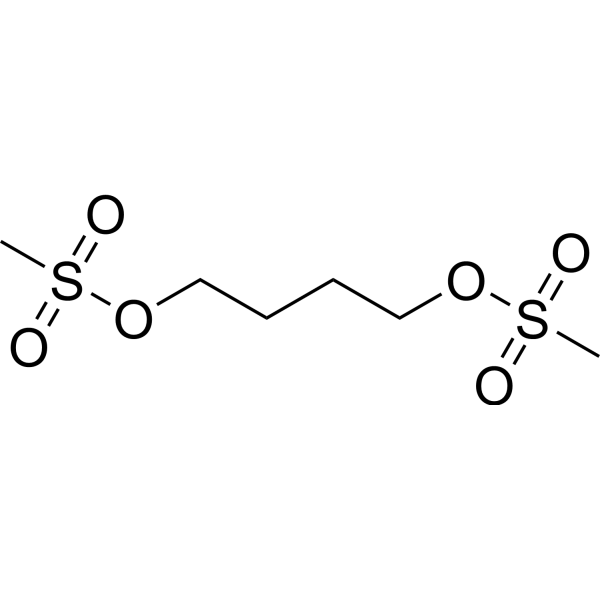

To place orders, for customer services and technical support, please contact: MedChemExpress USA
Tel: 609-228-6898 E-mail: [email protected] [email protected]


-
 Biological Activity
-
Chemical Information
-
용액&용해도
- Protocol
- 순도&문서
- References
-
 Help & FAQs


-
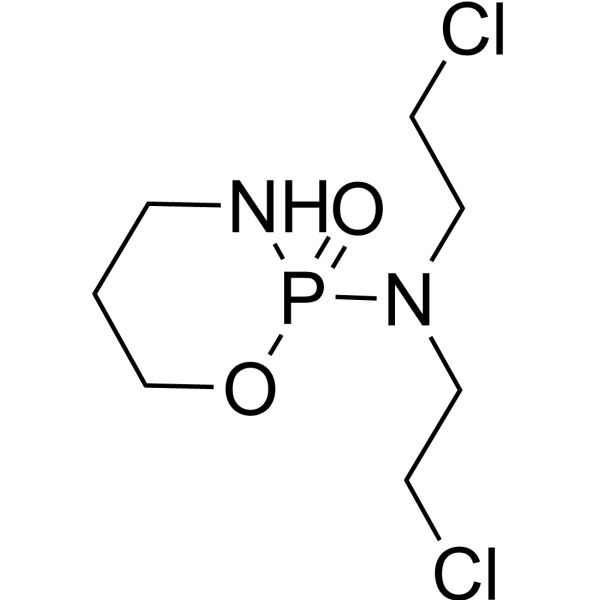
HY-17420
CyclophosphamideAlkylating Agent -
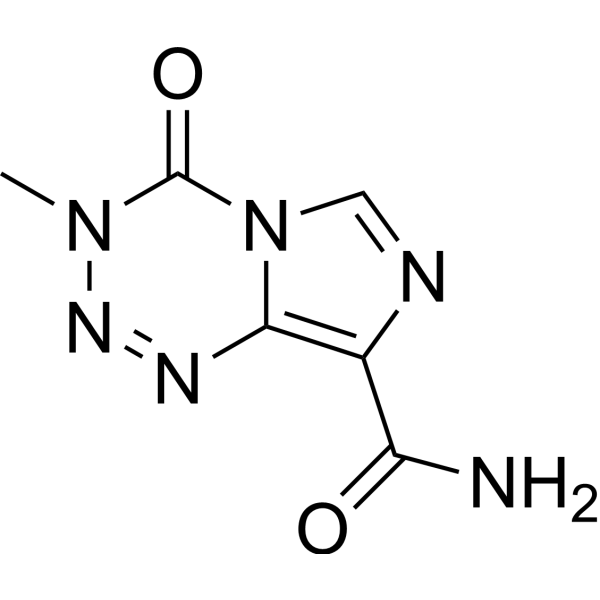
HY-17364
TemozolomideDNA Alkylator -
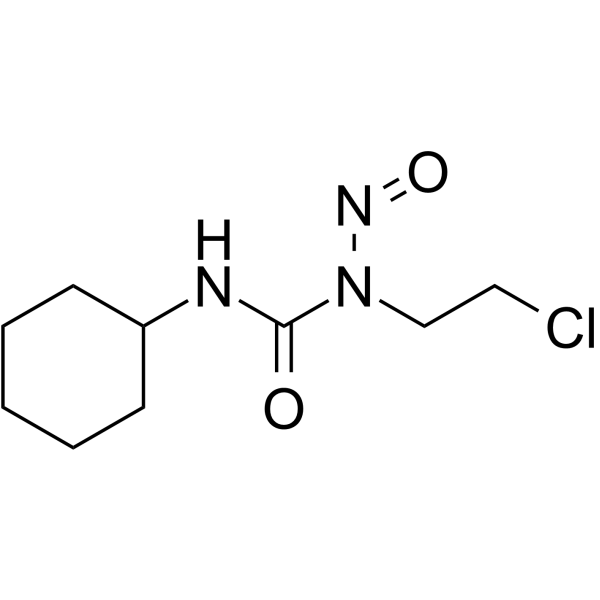
HY-13669
LomustineDNA Alkylator -
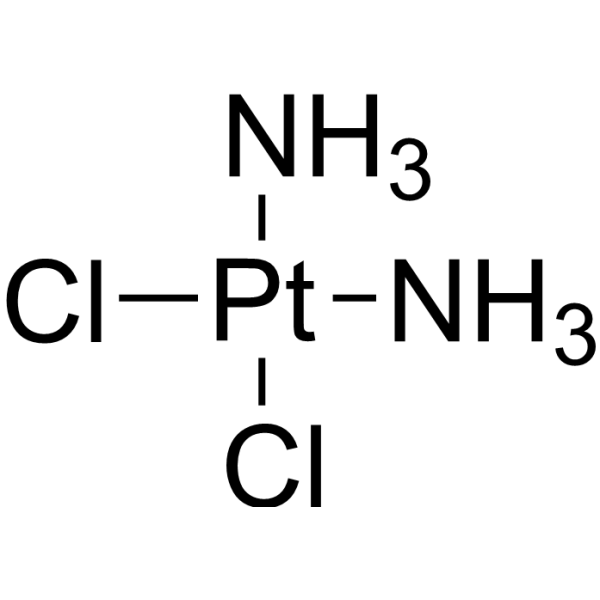
HY-17394
CisplatinDNA Alkylator -
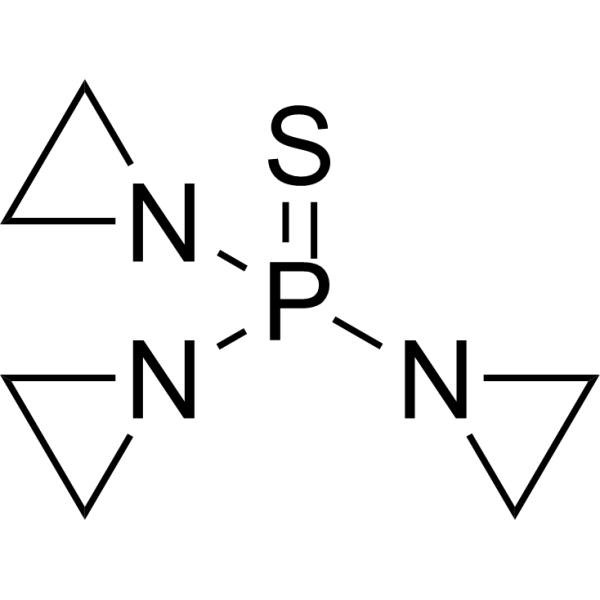
HY-17574
Thio-TEPABacterial Inhibitor -
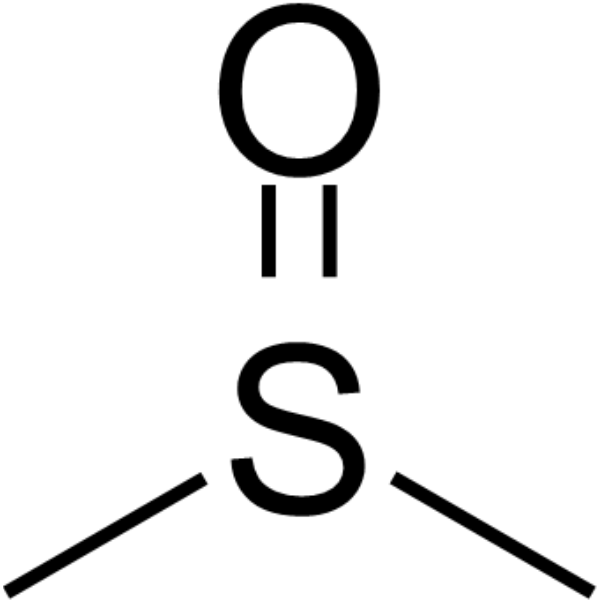
HY-Y0320
Dimethyl sulfoxide, meets analytical specification of Ch.P.Aprotic Solvent -
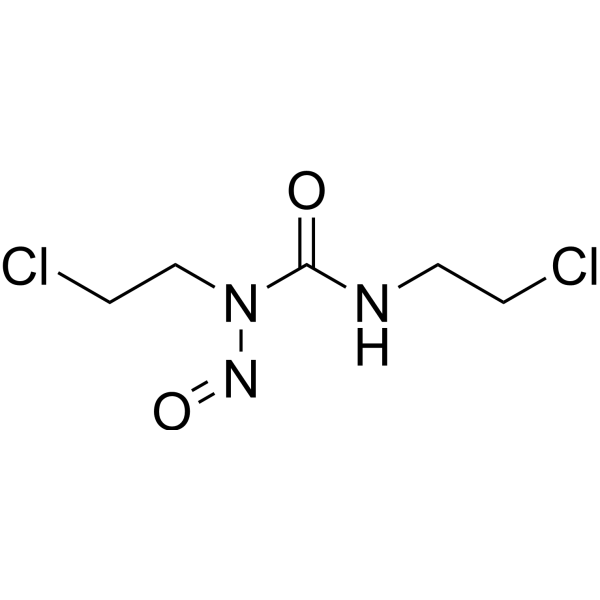
HY-13585
CarmustineDNA/RNA Alkylator -
HY-Y0873
PEG300Neutral Polymer -
HY-13629
EtoposideTopoisomerase II Inhibitor -
HY-B0069
FludarabineDNA Synthesis Inhibitor -

HY-Y1891
Tween 80 -

HY-B0245R
Busulfan (Standard)Alkylating Antineoplastic Agent
Publications Citing Use of MedChemExpress (MCE) Busulfan
More- J Extracell Vesicles. 2025 Jan;14(1):e70041. [Abstract]
- Biomark Res. 2023 Jan 24;11(1):8. [Abstract]
- Cell Rep Med. 2024 Jun 18;5(6):101592. [Abstract]
- J Neuroinflammation. 2023 Nov 17;20(1):270. [Abstract]
- Stem Cell Res Ther. 2024 Sep 13;15(1):300. [Abstract]
- Ecotoxicol Environ Saf. 2025 Nov 15:307:119433. [Abstract]
- Cells. 2024 Dec 6;13(23):2016. [Abstract]
- Toxicology. 2024 Nov:508:153907. [Abstract]
- J Mol Med (Berl). 2019 Aug;97(8):1183-1193. [Abstract]
- Water Biol Secur. 2026 Mar 31.
- Hematol Oncol. 2026 Sep;44(5):e70238. [Abstract]
- J Radiat Res Appl Sci. 2026 Mar 9.
- Exp Cell Res. 2020 Aug 1;393(1):112054. [Abstract]
- Reproduction. 2026 May 8;171(5):xaag049. [Abstract]
- Mol Biol Cell. 2023 May 1;34(5):ar47. [Abstract]
- Asian J Androl. 2020 Mar-Apr;22(2):184-191. [Abstract]
- Stem Cells Dev. 2020 Apr 15;29(8):475-487. [Abstract]
- Stem Cells Dev. 2019 Oct 1;28(19):1322-1333. [Abstract]
- Andrologia. 2021 Mar;53(2):e13927. [Abstract]
- Ann Transplant. 2021 Jan 8:26:e928047. [Abstract]
- bioRxiv. 2025 Oct 14:2025.10.12.681919. [Abstract]
 Customer Validation & Images

-
In Vivo Efficacy Study
-
In Vivo Efficacy Study
-
Flow Cytometry
-
Flow Cytometry
-
Flow Cytometry


Biological Activity
제품 설명
Cellular Effect
|
Cell Line

|
Type | Value | Description | References |
|---|---|---|---|---|
| A2780 | IC50 |
>100 μM
Compound: Busulphan
|
In vitro cytotoxicity causing 50% growth inhibition was determined against A270 (human ovarian cancer)cell line
In vitro cytotoxicity causing 50% growth inhibition was determined against A270 (human ovarian cancer)cell line
|
[PMID: 11277538] |
| Colon 26 | IC50 |
92.5 μM
Compound: Busulphan
|
In vitro cytotoxicity causing 50% growth inhibition was determined against C26-10 (murine colon carcinoma) cell line
In vitro cytotoxicity causing 50% growth inhibition was determined against C26-10 (murine colon carcinoma) cell line
|
[PMID: 11277538] |
| CWR22R | IC50 |
24.3 μM
Compound: Busulfan
|
Growth inhibition of human 22Rv1 cells after 5 days by SRB assay
Growth inhibition of human 22Rv1 cells after 5 days by SRB assay
|
[PMID: 32484346] |
| DU-145 | IC50 |
25.8 μM
Compound: Busulfan
|
Growth inhibition of human DU145 cells after 5 days by SRB assay
Growth inhibition of human DU145 cells after 5 days by SRB assay
|
[PMID: 32484346] |
| H322 | IC50 |
>100 μM
Compound: Busulphan
|
In vitro cytotoxicity causing 50% growth inhibition was determined against H322 (human non small cell lung cancer) cells
In vitro cytotoxicity causing 50% growth inhibition was determined against H322 (human non small cell lung cancer) cells
|
[PMID: 11277538] |
| Lewis lung carcinoma cell line | IC50 |
>100 μM
Compound: Busulphan
|
In vitro cytotoxicity causing 50% growth inhibition was determined against LL (murine non small cell lung cancer) cell line
In vitro cytotoxicity causing 50% growth inhibition was determined against LL (murine non small cell lung cancer) cell line
|
[PMID: 11277538] |
| PC-3 | IC50 |
36.2 μM
Compound: Busulfan
|
Growth inhibition of human PC3 cells after 5 days by SRB assay
Growth inhibition of human PC3 cells after 5 days by SRB assay
|
[PMID: 32484346] |
| UMSCC22B | IC50 |
>100 μM
Compound: Busulphan
|
In vitro cytotoxicity causing 50% growth inhibition was determined against 22B (human head and neck squamous) cell line
In vitro cytotoxicity causing 50% growth inhibition was determined against 22B (human head and neck squamous) cell line
|
[PMID: 11277538] |
| WiDr | IC50 |
>100 μM
Compound: Busulphan
|
In vitro cytotoxicity causing 50% growth inhibition was determined against WiDr (human colon carcinoma) cell line
In vitro cytotoxicity causing 50% growth inhibition was determined against WiDr (human colon carcinoma) cell line
|
[PMID: 11277538] |
In Vitro
Busulfan (120 μM; 24 h) incited a moderate p53 activation, but strong Erk, p38, and JNK phosphorylation, in a time-dependent manner[1].
Busulfan (120 μM; 24 h) results in premature senescence in WI38 cells via the Erk and p38 MAPK pathway, reduces GSH and increases ROS production, but the production can be suppressed by NADPH oxidase[1].
MedChemExpress (MCE) has not independently confirmed the accuracy of these methods. They are for reference only.
-
Cell Line:WI38 cells
-
Concentration:120 μM
-
Incubation Time:24 hours
-
Result:Incited a moderate p53 activation, but strong Erk, p38, and JNK phosphorylation, in a time-dependent manner.
Elicited an immediate up-regulation of p21 expression, which subsided by day 11.
In Vivo
-
Animal Model:ICR male mice ranging in age from 8 to 12 weeks (30-40 g) [4]
-
Dosage:40 mg/kg (in sesame oil)
-
Administration:IP; single dose
-
Result:Increased apoptosis and decreased the testis weight in mice.
Exhibited higher level of pRB expression, inhibited Rb phosphorylation and PCNA expression compared to the control.
Induced Disease Models
Please do not refer to only one article to determine the experimental conditions. It is recommended to determine the optimal experimental conditions (animal strain, age, dosage, frequency and cycle, detection time and indicators, etc.) through preliminary experiments before the formal experiment.
Busulfan can be used to induce aplastic anemia models. In mice, after injections of Busulfan at doses of 16.5 mg/kg and 33 mg/kg, the measured areas under the curve are 220±34 h·nmol·mL-1 and 604±87 h·nmol·mL-1, respectively[7].
Administration: 20 mg/kg busulfan+40 mg/kg cyclophosphamide• i.p. • one time per day for 12 days.
(2) the mice are sacrificed by cervical dislocation and one femur was surgically dissected. After removing epiphysis from the femur, bone marrow cells are washed off using 1 ml PBS to prepare bone marrow cell suspension.
Histopathological: the proliferation of bone marrow hematopoietic tissues and cells was inhibited, and non-hematopoietic cells (fat cells) were significantly increased.
MedChemExpress (MCE) has not independently confirmed the accuracy of these methods. They are for reference only.
Clinical Trial
| NCT Number | Sponsor | Condition | Start Date |
Phase
|
|---|---|---|---|---|
| NCT01329991 | 2011-05 | PHASE1 |


Chemical Information
-
CAS No. 55-98-1
-
Appearance Solid
-
분자량 246.30
-
화학식 C6H14O6S2
-
Color White to light brown
-
SMILES
CS(=O)(OCCCCOS(C)(=O)=O)=O
-
선적
Room temperature in continental US; may vary elsewhere.
-
보관
Powder -20°C 3 years 4°C 2 years In solvent -80°C 6 months -20°C 1 month


Publications (21)
-
Journal Impact Factor
-
Most Recent
-
J Extracell Vesicles
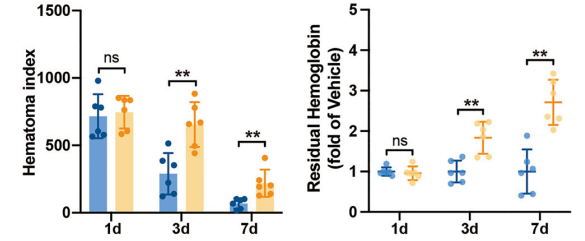
Extracellular Vesicles From Bone Marrow-Derived Macrophages Enriched in ARG1 Enhance Microglial Phagocytosis and Haematoma Clearance Following Intracerebral Haemorrhage. [Abstract]2025 Jan;14(1):e70041. PMID: 39868438
Busulfan purchased from MedChemExpress. Usage Cited in: J Extracell Vesicles. 2025 Jan;14(1):e70041. [Abstract]
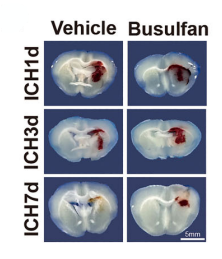
20 mg/kg Busulfan was administered intraperitoneally every 2 days. Representative images of coronal brain sections from mice at 1, 3, and 7 days post-ICH showed residual haematomas. Scale bar, 5 mm.
Busulfan purchased from MedChemExpress. Usage Cited in: J Extracell Vesicles. 2025 Jan;14(1):e70041. [Abstract]
20 mg/kg Busulfan was administered intraperitoneally every 2 days. Quantification of residual haematoma index at 1, 3 and 7 days post-ICH and quantification of residual haemoglobin levels in the mouse brain.
-
Biomark Res
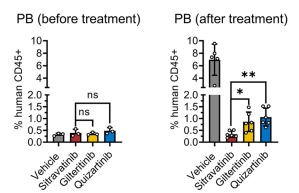
Sitravatinib as a potent FLT3 inhibitor can overcome gilteritinib resistance in acute myeloid leukemia. [Abstract]2023 Jan 24;11(1):8. PMID: 36691065
Busulfan purchased from MedChemExpress. Usage Cited in: Biomark Res. 2023 Jan 24;11(1):8. [Abstract]
NSG mice were sub-lethally treated with Busulfan (30 mg/kg) 24 h before injection human AML cells harboring FLT3-ITD. The percentage of human CD45 positive cells in PB of PDX mice detected by flow cytometry on day 39 was recorded.
-
Cell Rep Med
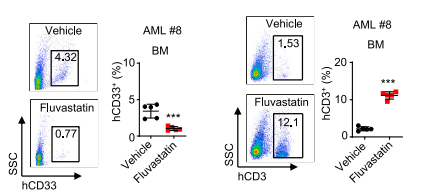
A CD36-dependent non-canonical lipid metabolism program promotes immune escape and resistance to hypomethylating agent therapy in AML. [Abstract]2024 Jun 18;5(6):101592. PMID: 38843841
Busulfan purchased from MedChemExpress. Usage Cited in: Cell Rep Med. 2024 Jun 18;5(6):101592. [Abstract]
For primary PDXs, each NOG mouse was sublethally pretreated with Busulfan (30 mg/kg/day). NOG mice were intravenously implanted with BMMCs from patients with AML and were treated with or without fluvastatin for 2 weeks starting 7 days after implantation. Three days after the last treatment, percentages of human AML cells and human T cells in BM were tested.
-
J Neuroinflammation
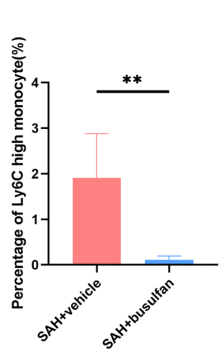
Ly6C-high monocytes alleviate brain injury in experimental subarachnoid hemorrhage in mice. [Abstract]2023 Nov 17;20(1):270. PMID: 37978532
Busulfan purchased from MedChemExpress. Usage Cited in: J Neuroinflammation. 2023 Nov 17;20(1):270. [Abstract]
Male mice were injected intraperitoneally with 140 μL of 6 mg/mL Busulfan for the ablation of bone marrow cells on days -7, -5, and -3 before BMT. The percentage of Ly6C-high monocytes on day 1 post-surgery was assessed by flow cytometry.
-
Stem Cell Res Ther
Clusterin-carrying extracellular vesicles derived from human umbilical cord mesenchymal stem cells restore the ovarian function of premature ovarian failure mice through activating the PI3K/AKT pathway. [Abstract]2024 Sep 13;15(1):300. PMID: 39272156 -
Ecotoxicol Environ Saf
PPARγ-responsive luciferase reporter system for high-throughput screening of chemical toxins with potential pulmonary fibrosis effects. [Abstract]2025 Nov 15:307:119433. PMID: 41273832 -
Cells
Riluzole Reverses Blood-Testis Barrier Loss to Rescue Chemotherapy-Induced Male Infertility by Binding to TRPC. [Abstract]2024 Dec 6;13(23):2016. PMID: 39682764 -
Toxicology
Exosomes-mediated retinoic acid disruption: A link between gut microbiota depletion and impaired spermatogenesis. [Abstract]2024 Nov:508:153907. PMID: 39121937 -
J Mol Med (Berl)
2019 Aug;97(8):1183-1193. PMID: 31201471 -
-
Hematol Oncol
Targeting a CDH1-TK1-dependent DNA Synthesis Pathway Overcomes Chemoresistance in Acute Myeloid Leukemia. [Abstract]2026 Sep;44(5):e70238. PMID: 42570285 -
-
Exp Cell Res
Network-based analysis with primary cells reveals drug response landscape of acute myeloid leukemia. [Abstract]2020 Aug 1;393(1):112054. PMID: 32376287 -
Reproduction
N-Carbamoylglutamate enhances bull spermatogenesis via Paraprevotella-mediated vitamin B6 biosynthesis in rumen microbiota. [Abstract]2026 May 8;171(5):xaag049. PMID: 42081609 -
Mol Biol Cell
Mitotic DNA damage promotes chromokinesin-mediated missegregation of polar chromosomes in cancer cells. [Abstract]2023 May 1;34(5):ar47. PMID: 36989031 -
Asian J Androl
Establishing a nonlethal and efficient mouse model of male gonadotoxicity by intraperitoneal busulfan injection. [Abstract]2020 Mar-Apr;22(2):184-191. PMID: 31187778 -
Stem Cells Dev
Inhibiting Necroptosis of Spermatogonial Stem Cell as a Novel Strategy for Male Fertility Preservation. [Abstract]2020 Apr 15;29(8):475-487. PMID: 32024413 -
Stem Cells Dev
Urine-Derived Stem Cells Facilitate Endogenous Spermatogenesis Restoration of Busulfan-Induced Nonobstructive Azoospermic Mice by Paracrine Exosomes. [Abstract]2019 Oct 1;28(19):1322-1333. PMID: 31311428 -
Andrologia
Testicular quantitative ultrasound: A noninvasive monitoring method for evaluating spermatogenic function in busulfan-induced testicular injury mouse models. [Abstract]2021 Mar;53(2):e13927. PMID: 33355959 -
Ann Transplant
Amniotic Fluid Transplantation Alleviates Hematopoietic Deficits in Experimental Rat Aplastic Anemia. [Abstract]2021 Jan 8:26:e928047. PMID: 33414361 -
bioRxiv
Restoration of Spermatogenesis is Dependent on Activation of a SPRY4-ERK Checkpoint Following Germline Stem Cell Damage. [Abstract]2025 Oct 14:2025.10.12.681919. PMID: 41279276


용액&용해도
In Vitro:
DMSO : 50 mg/mL (203.00 mM; Need ultrasonic; Hygroscopic DMSO has a significant impact on the solubility of product, please use newly opened DMSO)
Methanol : 1 mg/mL (4.06 mM; ultrasonic and warming and heat to 60°C)
H2O : < 0.1 mg/mL (insoluble)
Please refer to the solubility information to select the appropriate solvent. Once prepared, please aliquot and store the solution to prevent product inactivation from repeated freeze-thaw cycles.
Storage method and period of stock solution: -80°C, 6 months; -20°C, 1 month. When stored at -80°C, please use it within 6 months. When stored at -20°C, please use it within 1 month.
Please refer to the solubility information to select the appropriate solvent. Once prepared, please aliquot and store the solution to prevent product inactivation from repeated freeze-thaw cycles.
Storage method and period of stock solution: -80°C, 6 months; -20°C, 1 month. When stored at -80°C, please use it within 6 months. When stored at -20°C, please use it within 1 month.
Concentration (start) × Volume (start) = Concentration (final) × Volume (final)
In Vivo:
Select the appropriate dissolution method based on your experimental animal and administration route.
- For the following dissolution methods, please ensure to first prepare a clear stock solution using an In Vitro approach and then sequentially add co-solvents:
- To ensure reliable experimental results, the clarified stock solution can be appropriately stored based on storage conditions. As for the working solution for In Vivo experiments, it is recommended to prepare freshly and use it on the same day.
- The percentages shown for the solvents indicate their volumetric ratio in the final prepared solution. If precipitation or phase separation occurs during preparation, heat and/or sonication can be used to aid dissolution.
Add each solvent one by one: 10% DMSO 40% PEG300 5% Tween-80 45% Saline
Solubility: ≥ 2.08 mg/mL (8.44 mM); Clear solution
This protocol yields a clear solution of ≥ 2.08 mg/mL (saturation unknown).
Taking 1 mL working solution as an example, add 100 μL DMSO stock solution (20.8 mg/mL) to 400 μL PEG300, and mix evenly; then add 50 μL Tween-80 and mix evenly; then add 450 μL Saline to adjust the volume to 1 mL.
Preparation of Saline: Dissolve 0.9 g sodium chloride in ddH₂O and dilute to 100 mL to obtain a clear Saline solution.
Add each solvent one by one: 10% DMSO 90% (20% SBE-β-CD in Saline)
Solubility: ≥ 2.08 mg/mL (8.44 mM); Clear solution
This protocol yields a clear solution of ≥ 2.08 mg/mL (saturation unknown).
Taking 1 mL working solution as an example, add 100 μL DMSO stock solution (20.8 mg/mL) to 900 μL 20% SBE-β-CD in Saline, and mix evenly.
Preparation of 20% SBE-β-CD in Saline (4°C, storage for one week): 2 g SBE-β-CD powder is dissolved in 10 mL Saline, completely dissolve until clear.
For the following dissolution methods, please prepare the working solution directly:
It is recommended to prepare fresh solutions and use them promptly within a short period of time.
The percentages shown for the solvents indicate their volumetric ratio in the final prepared solution. If precipitation or phase separation occurs during preparation, heat and/or sonication can be used to aid dissolution.
Add each solvent one by one: Corn Oil
Solubility: 3.12 mg/mL (12.67 mM); Suspended solution; Need ultrasonic
Add each solvent one by one: 15% Cremophor EL 85% Saline
Solubility: 6.25 mg/mL (25.38 mM); Suspended solution; Need ultrasonic
In Vivo Dissolution Calculator
Please enter the basic information of animal experiments:
-
-
-
-
Recommended: Prepare an additional quantity of animals to account for potential losses during experiments.
Please enter your animal formula composition:
-
%DMSO +
Recommended: Keep the proportion of DMSO in working solution below 2% if your animal is weak.
-
%+
-
+%Tween-80 + +
-
%Saline +
The co-solvents required include: DMSO, . All of co-solvents are available by MedChemExpress (MCE). , Tween 80. All of co-solvents are available by MedChemExpress (MCE).
Working solution concentration: 0.22 mg/mL
Method for preparing stock solution: mg drug dissolved in μL DMSO. Stock solution concentration: mg/mL.
1. Take μL DMSO stock solution;
2. Add μL .
μL , mix evenly;
3. Then add μL Tween 80, mix evenly;
4. Then add μL
Please ensure that the stock solution in the first step is dissolved to a clear state, and add co-solvents in sequence. You can use ultrasonic heating (ultrasonic cleaner, recommended frequency 20-40 kHz), vortexing, etc. to assist dissolution.


순도&문서
-
Data Sheet (282 KB)
-
SDS (644 KB)
- English - EN (644 KB)
- Français - FR (644 KB)
- Deutsch - DE (644 KB)
- Norwegian - NO (644 KB)
- Español - ES (644 KB)
- Swedish - SV (644 KB)
- Italian - IT (644 KB)
- Korean - KR (644 KB)
- Portuguese - PT (644 KB)
-
Handling Instructions (2659 KB)
References
[1]. Probin V, et al. Busulfan-induced senescence is dependent on ROS production upstream of the MAPK pathway. Free Radic Biol Med. 2007 Jun 15;42(12):1858-65. Epub 2007 Mar 31. [Content Brief]
[2]. Mattan Levi, et al. Treosulfan induces distinctive gonadal toxicity compared with busulfan. Oncotarget. 2018 Apr 10;9(27):19317-19327. [Content Brief]
[3]. Janka Reimer, et al. Antineoplastic agent busulfan regulates a network of genes related to coagulation and fibrinolysis. Eur J Clin Pharmacol. 2012 Jun;68(6):923-35. [Content Brief]
[4]. Choi YJ, et al. Murine male germ cell apoptosis induced by busulfan treatment correlates with loss of c-kit-expression in a Fas/FasL- and p53-independent manner. FEBS Lett. 2004 Sep 24;575(1-3):41-51. [Content Brief]
[5]. Yoshida M, et al. Reduction of primordial follicles caused by maternal treatment with busulfan promotes endometrial adenocarcinoma development in donryu rats. J Reprod Dev. 2005 Dec;51(6):707-14. Epub 2005 Sep 22. [Content Brief]
[6]. Chen YF, et al. The role of RIP1 and RIP3 in the development of aplastic anemia induced by cyclophosphamide and busulphan in mice. Int J Clin Exp Pathol. 2014 Dec 1;7(12):8411-20. [Content Brief]
[7]. Bouligand J, et al. Induction of glutathione synthesis explains pharmacodynamics of high-dose busulfan in mice and highlights putative mechanisms of drug interaction. Drug Metab Dispos. 2007 Feb;35(2):306-14. [Content Brief]


Complete Stock Solution Preparation Table
Please refer to the solubility information to select the appropriate solvent. Once prepared, please aliquot and store the solution to prevent product inactivation from repeated freeze-thaw cycles.
Storage method and period of stock solution: -80°C, 6 months; -20°C, 1 month. When stored at -80°C, please use it within 6 months. When stored at -20°C, please use it within 1 month.
| Optional Solvent | Concentration Solvent Mass | 1 mg | 5 mg | 10 mg | 25 mg |
|---|---|---|---|---|---|
| Methanol / DMSO | 1 mM | 4.0601 mL | 20.3004 mL | 40.6009 mL | 101.5022 mL |
| DMSO | 5 mM | 0.8120 mL | 4.0601 mL | 8.1202 mL | 20.3004 mL |
| 10 mM | 0.4060 mL | 2.0300 mL | 4.0601 mL | 10.1502 mL | |
| 15 mM | 0.2707 mL | 1.3534 mL | 2.7067 mL | 6.7668 mL | |
| 20 mM | 0.2030 mL | 1.0150 mL | 2.0300 mL | 5.0751 mL | |
| 25 mM | 0.1624 mL | 0.8120 mL | 1.6240 mL | 4.0601 mL | |
| 30 mM | 0.1353 mL | 0.6767 mL | 1.3534 mL | 3.3834 mL | |
| 40 mM | 0.1015 mL | 0.5075 mL | 1.0150 mL | 2.5376 mL | |
| 50 mM | 0.0812 mL | 0.4060 mL | 0.8120 mL | 2.0300 mL | |
| 60 mM | 0.0677 mL | 0.3383 mL | 0.6767 mL | 1.6917 mL | |
| 80 mM | 0.0508 mL | 0.2538 mL | 0.5075 mL | 1.2688 mL | |
| 100 mM | 0.0406 mL | 0.2030 mL | 0.4060 mL | 1.0150 mL |


Busulfan Related Classifications
HY-B0245 Related Classifications
 Powered by Bioz