



Cyclophosphamide
Based on 84 publication(s) in Google Scholar
Cyclophosphamide is a synthetic alkylating agent chemically related to the nitrogen mustards with antineoplastic activity, a immunosuppressant.
For research use only. We do not sell to patients.
- Purity : 99.91%
- CAS No.: 50-18-0
- Formula: C7H15Cl2N2O2P
- Molecular Weight:261.09
-
Storage:
4°C, protect from light
* The compound is unstable in solutions, freshly prepared is recommended.

To place orders, for customer services and technical support, please contact: MedChemExpress USA
Tel: 609-228-6898 E-mail: [email protected] [email protected]


-
 Biological Activity
-
Chemical Information
-
Solvent & Solubility
- Purity & Documentation
- References
-
 Help & FAQs


-
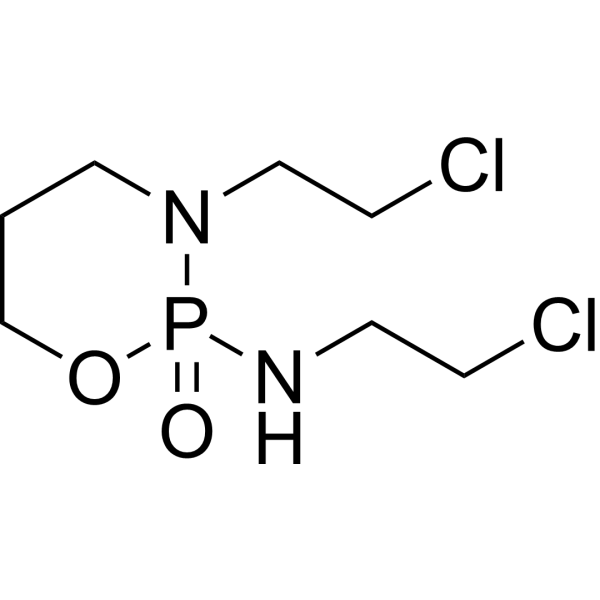
HY-17419
IfosfamideDNA Alkylator/Crosslinker -
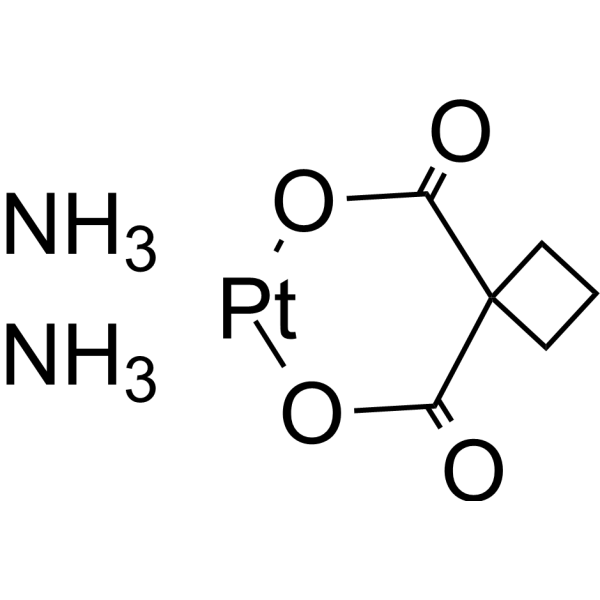
HY-17393
CarboplatinDNA Synthesis Inhibitor -
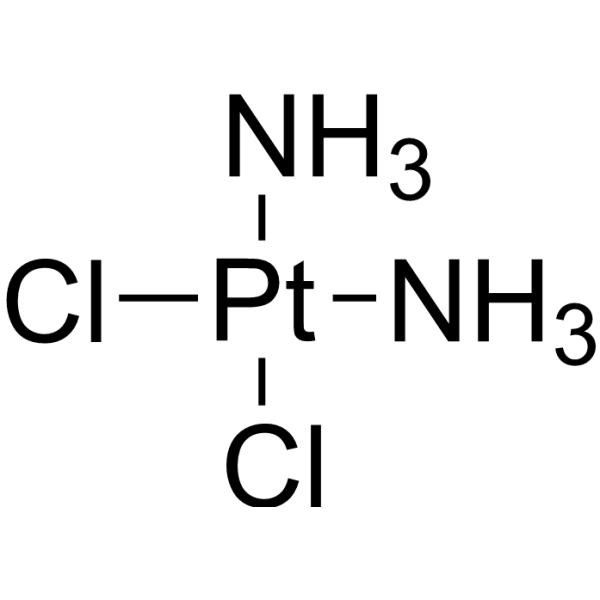
HY-17394
CisplatinDNA Alkylator -
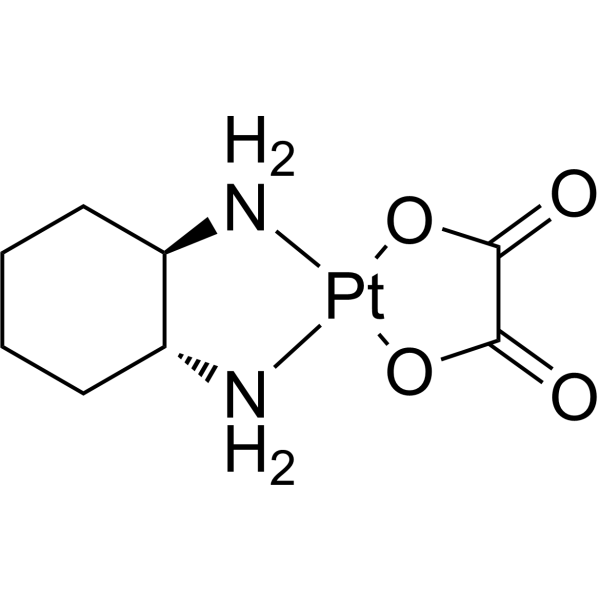
HY-17371
OxaliplatinDNA Synthesis Inhibitor -
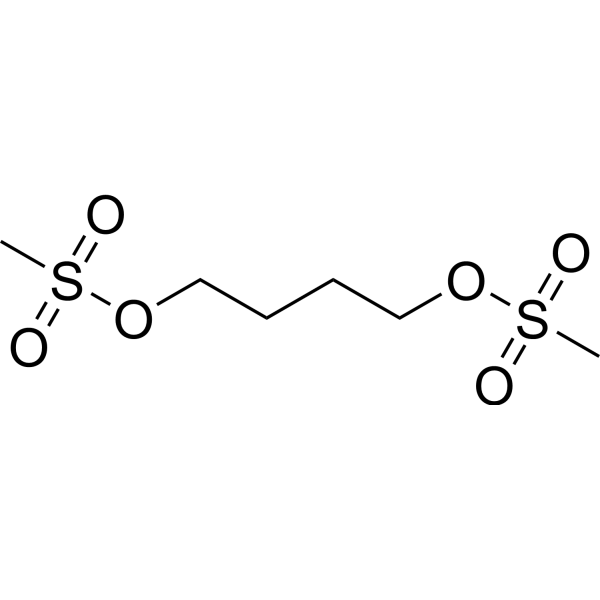
HY-B0245
BusulfanAlkylating Antineoplastic Agent -
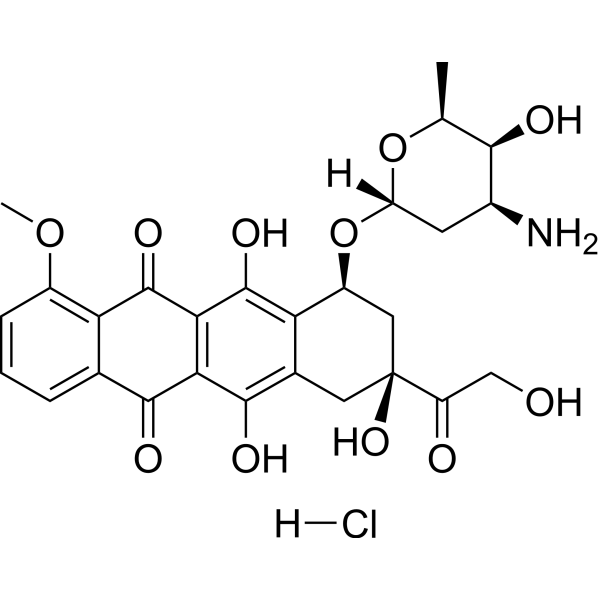
HY-15142
Doxorubicin hydrochlorideTopoisomerase Inhibitor -
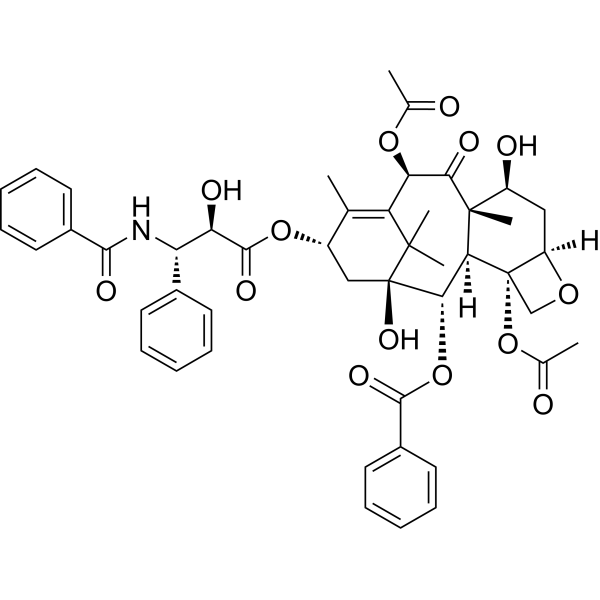
HY-B0015
PaclitaxelAntitumor Agent -
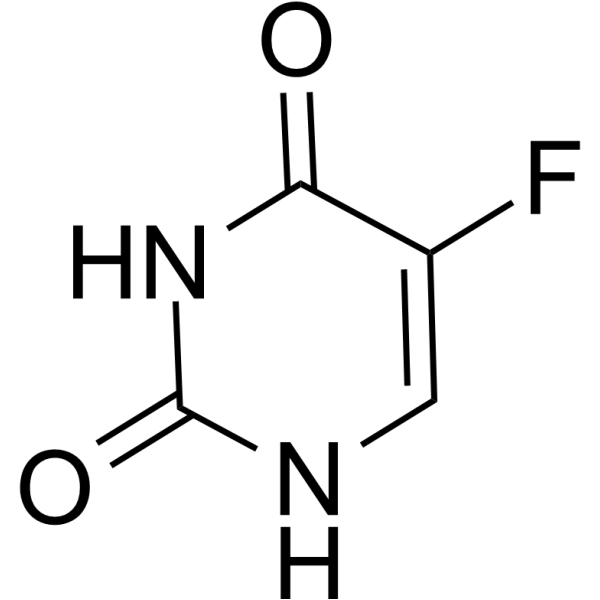
HY-90006
5-FluorouracilThymidylate Synthase Inhibitor -
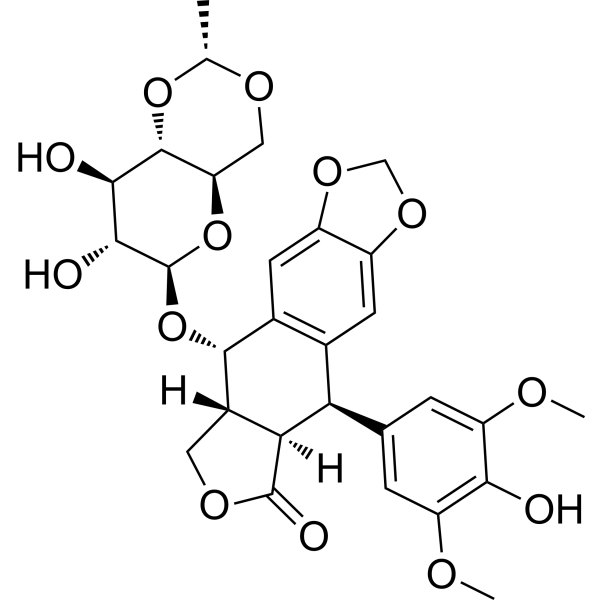
HY-13629
EtoposideTopoisomerase II Inhibitor -
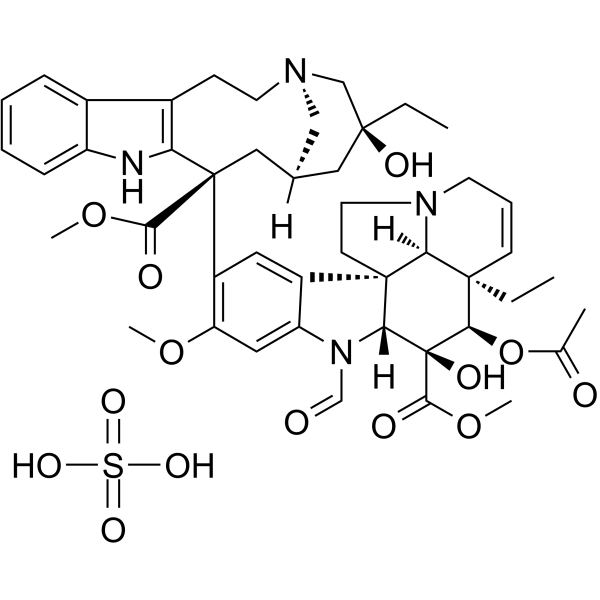
HY-N0488
Vincristine sulfateAntineoplastic Agent -
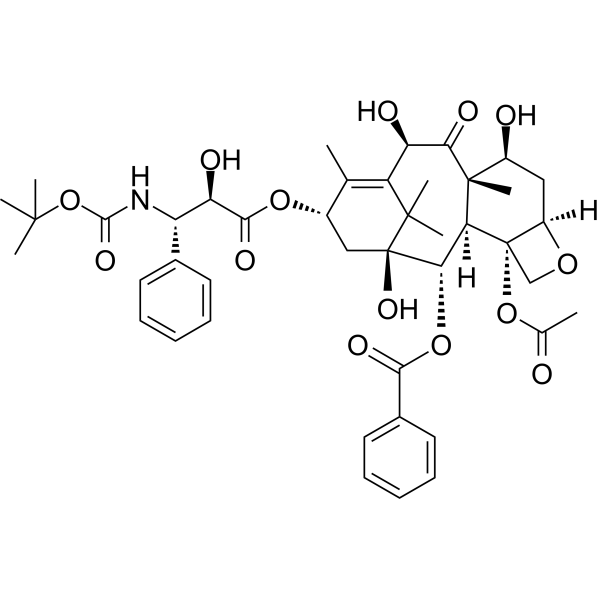
HY-B0011
DocetaxelMicrotubule Depolymerization Inhibitor -
HY-17026
GemcitabineDNA Synthesis Inhibitor
Publications Citing Use of MedChemExpress (MCE) Cyclophosphamide
More- Signal Transduct Target Ther. 2025 Dec 15;10(1):406. [Abstract]
- Nature. 2026 Feb;650(8100):242-250. [Abstract]
- Cell. 2026 Feb 19;189(4):1086-1107.e32. [Abstract]
- Cell Metab. 2026 Feb 3;38(2):388-398.e7. [Abstract]
- Immunity. 2026 May 13:S1074-7613(26)00171-8. [Abstract]
- Cancer Commun (Lond). 2026 Mar 20:46:0021. [Abstract]
- Nat Metab. 2026 Jan;8(1):177-195. [Abstract]
- Cell Stem Cell. 2026 Mar 5;33(3):405-420.e6. [Abstract]
- Nat Commun. 2026 Jan 21;17(1):1738. [Abstract]
- Nat Commun. 2023 Apr 13;14(1):2109. [Abstract]
- Nat Commun. 2021 Jan 4;12(1):20. [Abstract]
- ACS Nano. 2025 Feb 4;19(4):4672-4683. [Abstract]
- J Clin Invest. 2024 Mar 7;134(10):e172716. [Abstract]
- Adv Sci (Weinh). 2026 Apr;13(20):e18978. [Abstract]
- Cell Rep Med. 2025 Apr 15;6(4):102053. [Abstract]
- Cell Rep Med. 2024 Dec 17;5(12):101837. [Abstract]
- Cell Mol Biol Lett. 2025 Feb 19;30(1):21. [Abstract]
- Cell Death Dis. 2020 Nov 12;11(11):976. [Abstract]
- Cell Commun Signal. 2026 Mar 28;24(1):279. [Abstract]
- Phytomedicine. 2026 Aug:158:158377. [Abstract]
- Phytomedicine. 2026 Jun:155:158161. [Abstract]
- Phytomedicine. 2026 Jan:150:157633. [Abstract]
- Phytomedicine. 2025 Sep:145:156996. [Abstract]
- Apoptosis. 2025 Jun;30(5-6):1331-1350. [Abstract]
- Leukemia. 2026 Jul 1.
- Int J Biol Macromol. 2025 Apr 17;310(Pt 1):143312. [Abstract]
- Int J Biol Macromol. 2024 Oct;277(Pt 1):134195. [Abstract]
- Free Radic Biol Med. 2024 Oct:223:325-340. [Abstract]
- Clin Transl Med. 2025 May;15(5):e70336. [Abstract]
- Stem Cell Res Ther. 2025 Aug 26;16(1):459. [Abstract]
- Cell Rep. 2025 Sep 2;44(9):116215. [Abstract]
- Cell Rep. 2025 Mar 25;44(4):115466. [Abstract]
- J Med Chem. 2025 Mar 27;68(6):6339-6360. [Abstract]
- Emerg Microbes Infect. 2026 Dec;15(1):2716501.
- J Ethnopharmacol. 2026 Aug 26:373:122321.
- J Ethnopharmacol. 2026 May 14:121840. [Abstract]
- J Ethnopharmacol. 2025 Jul 14;353(Pt A):120294. [Abstract]
- Biochem Pharmacol. 2026 Aug;250(Pt 1):117991. [Abstract]
- Biochem Pharmacol. 2026 Mar 8:249:117879. [Abstract]
- Biochem Pharmacol. 2021 Jan:183:114340. [Abstract]
- J Chem Inf Model. 2026 Aug 10;66(15):8893-8907.
- Life Sci. 2020 Aug 1:254:117590. [Abstract]
- Food Biosci. 2026 Jul 14;83:109509.
- Biomolecules. 2026 Mar 25;16(4):496. [Abstract]
- Int J Mol Sci. 2026 Jan 18;27(2):944. [Abstract]
- ACS Appl Bio Mater. 2023 Oct 16;6(10):4413-4420. [Abstract]
- Int J Mol Sci. 2023 Feb 14;24(4):3818. [Abstract]
- J Ovarian Res. 2024 Jan 15;17(1):18. [Abstract]
- Eur J Pharm Sci. 2024 Oct 1:201:106860. [Abstract]
- J Mol Med (Berl). 2019 Aug;97(8):1183-1193. [Abstract]
- BJOG. 2025 Apr:132 Suppl 2:107-119. [Abstract]
- Neurooncol Adv. 2026 Aug 10;8(1):vdag209.
- Oncol Res. 2024 May 23;32(6):1109-1118. [Abstract]
- Biology (Basel). 2025 Jul 8;14(7):829. [Abstract]
- J Funct Foods. 2026 Mar 19.
- Pulm Pharmacol Ther. 2023 Jun:80:102202. [Abstract]
- PLoS Negl Trop Dis. 2025 Dec 11;19(12):e0013815. [Abstract]
- Cell Biol Int. 2025 May 22. [Abstract]
- Pediatr Res. 2025 Feb 20. [Abstract]
- Breast Cancer Res Treat. 2023 Jul;200(2):193-201. [Abstract]
- Tissue Cell. 2026 May 12:102:103611. [Abstract]
- Phys Med Biol. 2020 Sep 24;65(19):195004. [Abstract]
- Mol Biol Cell. 2023 May 1;34(5):ar47. [Abstract]
- Biomed Res Int. 2022 Jul 13:2022:8495159. [Abstract]
- Reprod Sci. 2025 Aug 11. [Abstract]
- J Chromatogr B Analyt Technol Biomed Life Sci. 2026 May 16:1280:125125. [Abstract]
- Biotechnol Appl Biochem. 2025 Jun 18. [Abstract]
- Open Life Sci. 2023 Jan 10;18(1):20220535. [Abstract]
- Exp Ther Med. 2025 Sep 18;30(6):224. [Abstract]
- Cytotechnology. 2025 Apr;77(2):76. [Abstract]
- J Med Food. 2022 Jul;25(7):722-731. [Abstract]
- Res Sq. 2026 May 8.
- SSRN. 2025 Oct 30.
- bioRxiv. 2025 Sep 21.
- Toxicol Rep. 2025 Sep 9:15:102125. [Abstract]
- Patent. US20250228895A1.
- Journal of Dermatologic Science and Cosmetic Technology. 2025 Jun.
- SSRN. 2025 Feb 18.
- Heliyon. 2024 Aug 22;10(17):e36664. [Abstract]
- Saudi J Biol Sci. 2023 Aug;30(8):103707. [Abstract]
- Research Square Preprint. 2023 Jul 10.
- bioRxiv. 2023 Feb 27:2023.02.27.530263. [Abstract]
- Evid Based Complement Alternat Med. 2022 Feb 15;2022:7889199. [Abstract]
- Evid Based Complement Alternat Med. 2021 Nov 11;2021:1718709. [Abstract]
 Customer Validation & Images

-
WB
-
Cell Proliferation/Viability Assay
-
Apoptosis Analysis
-
Cell Imaging/Staining
-
Cell Imaging/Staining


Biological Activity
Description
IC50 & Target
DNA Alkylator[1]
Cellular Effect
|
Cell Line

|
Type | Value | Description | References |
|---|---|---|---|---|
| COS-1 | IC50 |
125.43 μM
Compound: CYC-PHO
|
Cytotoxicity against african green monkey COS1 cells after 24 hrs by MTT assay
Cytotoxicity against african green monkey COS1 cells after 24 hrs by MTT assay
|
[PMID: 23202484] |
| DU-145 | IC50 |
52.5 μM
Compound: CPA
|
Cytotoxicity against human DU145 cells by MTT assay
Cytotoxicity against human DU145 cells by MTT assay
|
[PMID: 21689869] |
| HCT-15 | IC50 |
74.32 μM
Compound: CYC-PHO
|
Cytotoxicity against human HCT15 cells after 24 hrs by MTT assay
Cytotoxicity against human HCT15 cells after 24 hrs by MTT assay
|
[PMID: 23202484] |
| HCT-15 | IC50 |
76.32 μM
Compound: CYC-PHO
|
Growth inhibition of human HCT15 cells after 24 hrs by MTT assay
Growth inhibition of human HCT15 cells after 24 hrs by MTT assay
|
[PMID: 28011220] |
| HEK-293T | IC50 |
>100 μM
Compound: CP
|
Cytotoxicity against human HEK293T cells by MTT assay
Cytotoxicity against human HEK293T cells by MTT assay
|
[PMID: 20850303] |
| HEK-293T | IC50 |
>100 μM
Compound: CYC-PHO
|
Growth inhibition of HEK293T cells after 24 hrs by MTT assay
Growth inhibition of HEK293T cells after 24 hrs by MTT assay
|
[PMID: 28011220] |
| HeLa | IC50 |
71.4 μM
Compound: CPA
|
Cytotoxicity against human HeLa cells by MTT assay
Cytotoxicity against human HeLa cells by MTT assay
|
[PMID: 21689869] |
| HEp-2 | IC50 |
>100 μM
Compound: CP
|
Cytotoxicity against human Hep2 cells by MTT assay
Cytotoxicity against human Hep2 cells by MTT assay
|
[PMID: 20850303] |
| HepG2 | IC50 |
0.24 μM
Compound: CP
|
Cytotoxicity against Homo sapiens (human) HepG2 cells after 48 hr by MTT assay
Cytotoxicity against Homo sapiens (human) HepG2 cells after 48 hr by MTT assay
|
10.1007/s00044-011-9737-7 |
| HepG2 | IC50 |
52.3 μM
Compound: CYC-PHO
|
Growth inhibition of human HepG2 cells after 24 hrs by MTT assay
Growth inhibition of human HepG2 cells after 24 hrs by MTT assay
|
[PMID: 28011220] |
| HepG2 | IC50 |
55.3 μM
Compound: CYC-PHO
|
Cytotoxicity against human HepG2 cells after 24 hrs by MTT assay
Cytotoxicity against human HepG2 cells after 24 hrs by MTT assay
|
[PMID: 23202484] |
| HL-60 | IC50 |
8.79 μM
Compound: CP
|
Cytotoxicity against human HL60 cells by MTT assay
Cytotoxicity against human HL60 cells by MTT assay
|
[PMID: 20850303] |
| K562 | IC50 |
0.15 μM
Compound: CP
|
Cytotoxicity against Homo sapiens (human) K562 cells after 48 hr by MTT assay
Cytotoxicity against Homo sapiens (human) K562 cells after 48 hr by MTT assay
|
10.1007/s00044-011-9737-7 |
| K562 | IC50 |
0.153 μM
Compound: CP
|
Antiproliferative activity against Homo sapiens (human) K562 cells after 48 hr by MTT assay
Antiproliferative activity against Homo sapiens (human) K562 cells after 48 hr by MTT assay
|
10.1007/s00044-010-9466-3 |
| L1210 | IC50 |
>300 μM
Compound: Cyclophosphamide
|
Concentration required to reduce the viability of L1210 cells by 50% after 1-h incubation at 37 degrees C
Concentration required to reduce the viability of L1210 cells by 50% after 1-h incubation at 37 degrees C
|
[PMID: 1992116] |
| MCF7 | IC50 |
0.16 μM
Compound: Cyclophosphamide
|
Cytotoxicity against Homo sapiens (human) MCF7 cells after 48 hr by trypan blue assay
Cytotoxicity against Homo sapiens (human) MCF7 cells after 48 hr by trypan blue assay
|
10.1007/s00044-009-9222-8 |
| MDA-MB-231 | IC50 |
>50 μM
Compound: CTX
|
Antiproliferative activity against human MDA-MB-231 cells assessed as inhibition of cell growth incubated for 48 hrs by MTT assay
Antiproliferative activity against human MDA-MB-231 cells assessed as inhibition of cell growth incubated for 48 hrs by MTT assay
|
[PMID: 37837671] |
| MDA-MB-231 | IC50 |
0.09 μM
Compound: CP
|
Cytotoxicity against Homo sapiens (human) MDA-MB-231 cells after 48 hr by MTT assay
Cytotoxicity against Homo sapiens (human) MDA-MB-231 cells after 48 hr by MTT assay
|
10.1007/s00044-011-9737-7 |
| MDA-MB-231 | IC50 |
195.5 μM
Compound: Cyclophosphamide
|
Antiproliferative activity against human MDA-MB-231 cells assessed as cell viability after 24 hrs
Antiproliferative activity against human MDA-MB-231 cells assessed as cell viability after 24 hrs
|
[PMID: 33139111] |
| NCI-H522 | IC50 |
67.9 μM
Compound: CYC-PHO
|
Cytotoxicity against human NCI-H522 cells after 24 hrs by MTT assay
Cytotoxicity against human NCI-H522 cells after 24 hrs by MTT assay
|
[PMID: 23202484] |
| NCI-H522 | IC50 |
69.9 μM
Compound: CYC-PHO
|
Growth inhibition of human NCI-H522 cells after 24 hrs by MTT assay
Growth inhibition of human NCI-H522 cells after 24 hrs by MTT assay
|
[PMID: 28011220] |
| NIH3T3 | IC50 |
37.6 μM
Compound: 1
|
In vitro cytotoxicity against BALB/c 3T3 cells
In vitro cytotoxicity against BALB/c 3T3 cells
|
[PMID: 7877150] |
| PA-1 | IC50 |
64.12 μM
Compound: CYC-PHO
|
Cytotoxicity against human PA1 cells after 24 hrs by MTT assay
Cytotoxicity against human PA1 cells after 24 hrs by MTT assay
|
[PMID: 23202484] |
| PA-1 | IC50 |
64.12 μM
Compound: CYC-PHO
|
Growth inhibition of human PA1 cells after 24 hrs by MTT assay
Growth inhibition of human PA1 cells after 24 hrs by MTT assay
|
[PMID: 28011220] |
| T47D | IC50 |
69 μM
Compound: CYC-PHO
|
Growth inhibition of human T47D cells after 24 hrs by MTT assay
Growth inhibition of human T47D cells after 24 hrs by MTT assay
|
[PMID: 28011220] |
| T47D | IC50 |
70.1 μM
Compound: CYC-PHO
|
Cytotoxicity against human T47D cells after 24 hrs by MTT assay
Cytotoxicity against human T47D cells after 24 hrs by MTT assay
|
[PMID: 23202484] |
In Vitro
Cyclophosphamide induces outer membrane blebbing, leads to DNA fragmentation, as revealed by TUNEL staining of free 3'-OH DNA ends, and induces cleavage of the caspase 3 and caspase 7 substrate PARP in 9L/P450 cells. Bcl-2 expression fully blocks the activation of both initiator caspases as well as the effector caspase 3 in cells treated with activated Cyclophosphamide. Bcl-2 inhibits the cytotoxic effects but not the cytostatic effects of activated Cyclophosphamide[1]. Cyclophosphamide inhibits the AChE reversibly with an IC50 of 511 μM[2]. Carbon tetrachloride does not affect the direct cytotoxicity of cyclophosphamide or 4-hydroxycyclophosphamide to cells in culture[3].
Cyclophosphamide is a commonly used cross-linking agent that requires metabolic activation. The active metabolite of cyclophosphamide is 4-Hydroperoxycyclophosphamide (HY-117433)[8][9].
Cyclophosphamide (1-100 μM, 2-3 days) combined with 1% rat liver S9 fraction significantly affected the viability of DT40 cells [9].
MedChemExpress (MCE) has not independently confirmed the accuracy of these methods. They are for reference only. .
In Vivo
MedChemExpress (MCE) has not independently confirmed the accuracy of these methods. They are for reference only.
-
Animal Model:Six to eight-week old female C3H/HeN mice bearing SW1 tumors[4]
-
Dosage:2 mg/mouse
-
Administration:Injected i.p.; 2mg/mouse in 0.1 mL PBS; 4 days
-
Result:Increased the percentage of cells that stained for CD3, CD4 or CD8 in both spleens and tumors.
Induced Disease Models
Please do not refer to only one article to determine the experimental conditions. It is recommended to determine the optimal experimental conditions (animal strain, age, dosage, frequency and cycle, detection time and indicators, etc.) through preliminary experiments before the formal experiment.
Cyclophosphamide (CP) can be used to create models of premature ovarian failure, bone marrow suppression, and immunosuppression. It is enzymatically converted by liver enzymes (cytochrome P450) into the cytotoxic metabolite 4-hydroxycyclophosphamide (4OHCP). Cyclophosphamide exhibits significant interspecies and intraspecies kinetic variability. Dog microsomes catalyze the bioactivation of CP 55 times more efficiently than human microsomes, 2.8 times more efficiently than cat microsomes, and 1.2 times more efficiently than mouse microsomes.
Administration: 150 mg/kg • ip • single dose.
Administration: 150 mg/kg • ip • single dose.
MedChemExpress (MCE) has not independently confirmed the accuracy of these methods. They are for reference only.


Chemical Information
-
CAS No. 50-18-0
-
Appearance Solid
-
Molecular Weight 261.09
-
Formula C7H15Cl2N2O2P
-
Color White to off-white
-
SMILES
ClCCN(CCCl)P1(OCCCN1)=O
-
Shipping
Room temperature in continental US; may vary elsewhere.
-
Storage
4°C, protect from light
* The compound is unstable in solutions, freshly prepared is recommended.


Publications (84)
-
Journal Impact Factor
-
Most Recent
-
Signal Transduct Target Ther
Selective depletion of tumor-associated SAMHD1 enhances chemotherapeutic efficacy and antitumor immune responses. [Abstract]2025 Dec 15;10(1):406. PMID: 41392286 -
Nature
2026 Feb;650(8100):242-250. PMID: 41372408 -
Cell
An organ-conformal, kirigami-structured bioelectronic patch for precise intracellular delivery. [Abstract]2026 Feb 19;189(4):1086-1107.e32. PMID: 41605209 -
Cell Metab
2026 Feb 3;38(2):388-398.e7. PMID: 41529696 -
Immunity
Modulation of the mevalonate pathway by TCR engagement regulates T follicular helper cell generation in homeostasis and autoimmunity. [Abstract]2026 May 13:S1074-7613(26)00171-8. PMID: 42134327 -
Cancer Commun (Lond)
2026 Mar 20:46:0021. PMID: 41868885 -
Nat Metab
IL-21 mediates crosstalk between T cells and NK cells during the remission of type 1 diabetes. [Abstract]2026 Jan;8(1):177-195. PMID: 41566069 -
Cell Stem Cell
Pluripotent stem cell-derived CAR-NK progenitor therapy targets minimal residual disease and prevents relapse in leukemia models. [Abstract]2026 Mar 5;33(3):405-420.e6. PMID: 41742420 -
Nat Commun
2026 Jan 21;17(1):1738. PMID: 41565641 -
Nat Commun
Targeting CXCL16 and STAT1 augments immune checkpoint blockade therapy in triple-negative breast cancer. [Abstract]2023 Apr 13;14(1):2109. PMID: 37055410 -
Nat Commun
The ATM and ATR kinases regulate centrosome clustering and tumor recurrence by targeting KIFC1 phosphorylation. [Abstract]2021 Jan 4;12(1):20. PMID: 33397932 -
ACS Nano
Extracellular Matrix-Inspired Dendrimer Nanogels Encapsulating Cyclophosphamide for Systemic Sclerosis Treatment. [Abstract]2025 Feb 4;19(4):4672-4683. PMID: 39834323 -
J Clin Invest
DNA topoisomerase II inhibition potentiates osimertinib's therapeutic efficacy in EGFR-mutant non-small cell lung cancer models. [Abstract]2024 Mar 7;134(10):e172716. PMID: 38451729
Cyclophosphamide purchased from MedChemExpress. Usage Cited in: J Clin Invest. 2024 Mar 7;134(10):e172716. [Abstract]
The given cell lines were treated with 250 nM osimertinib (Osim), 1.25 μM Etoposide (VP-16), 125 nM Doxorubicin (DXR), 5 nM Paclitaxel, 10 μM Cisplatin, 25 μM Carboplatin, 25 nM Gemcitabine, 20 nM 5-Fluorouracil (5-FU), 25 μM Cyclophosphamide, 25 μM Capecitabine, or 10 nM Vincristine alone or in combination for 3 days. Cell numbers were then measured using the SRB assay.
-
Adv Sci (Weinh)
2026 Apr;13(20):e18978. PMID: 41691453 -
Cell Rep Med
CAN-Scan: A multi-omic phenotype-driven precision oncology platform identifies prognostic biomarkers of therapy response for colorectal cancer. [Abstract]2025 Apr 15;6(4):102053. PMID: 40187357 -
Cell Rep Med
Structure-guided development of selective caseinolytic protease P agonists as antistaphylococcal agents. [Abstract]2024 Dec 17;5(12):101837. PMID: 39615486 -
Cell Mol Biol Lett
Human urine stem cells protect against cyclophosphamide-induced premature ovarian failure by inhibiting SLC1A4-mediated outflux of intracellular serine in ovarian granulosa cells. [Abstract]2025 Feb 19;30(1):21. PMID: 39972244 -
Cell Death Dis
2020 Nov 12;11(11):976. PMID: 33184290 -
Cell Commun Signal
Chemotherapy-induced senescent nasopharyngeal carcinoma cells suppress NK cell-mediated antitumor immunity by upregulating EBI3 via mtDNA-cGAS-STING pathway. [Abstract]2026 Mar 28;24(1):279. PMID: 41904509 -
Phytomedicine
Yulin Yangchao formula improves premature ovarian insufficiency by inhibiting granulosa cell apoptosis through the PI3K/AKT/p53 signaling axis. [Abstract]2026 Aug:158:158377. PMID: 42284639 -
Phytomedicine
Mechanistic study on the holistic actions of Hong-Hua-Xiao-Yao Tablet in alleviating premenstrual syndrome in rats. [Abstract]2026 Jun:155:158161. PMID: 41990531 -
Phytomedicine
Salidroside mitigates Oligoasthenospermia by attenuating ferroptosis via NF-κB pathway inhibition. [Abstract]2026 Jan:150:157633. PMID: 41351983 -
Phytomedicine
Total glucosides of paeony ameliorates lupus nephritis by suppressing ZBP1-mediated PANoptosis in podocytes. [Abstract]2025 Sep:145:156996. PMID: 40578035 -
Apoptosis
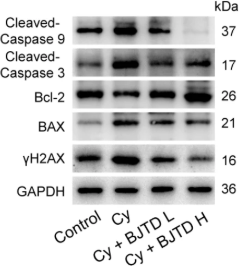
Bushen Jianpi Tiaoxue Decoction (BJTD) inhibits the LIF-mTOR signaling axis to regulate mitochondrial function and alleviate cyclophosphamide-induced diminished ovarian reserve. [Abstract]2025 Jun;30(5-6):1331-1350. PMID: 40042747
Cyclophosphamide purchased from MedChemExpress. Usage Cited in: Apoptosis. 2025 Jun;30(5-6):1331-1350. [Abstract]
Clophosphamide (Cy) (i.p.; the regimens consisting of an initial dose of 50 mg/kg, followed by a daily dose of 10 mg/kg for 14 days) upregulates mitochondrial apoptosis-related proteins (including Cleaved Caspase 9, Cleaved Caspase 3, and BAX) in the ovaries of C57BL/6J mice.
-
-
Int J Biol Macromol
An inulin-type fructan from Codonopsis pilosula ameliorates cyclophosphamide-induced immunosuppression and intestinal barrier injury in mice. [Abstract]2025 Apr 17;310(Pt 1):143312. PMID: 40250123 -
Int J Biol Macromol
Plasma-derived exosome miR-10a-5p promotes premature ovarian failure by target BDNF via the TrkB/Akt/mTOR signaling pathway. [Abstract]2024 Oct;277(Pt 1):134195. PMID: 39069050 -
Free Radic Biol Med
CX-5461 ameliorates disease in lupus-prone mice by triggering B-cell ferroptosis via p53-SLC7A11-ALOX12 pathway. [Abstract]2024 Oct:223:325-340. PMID: 39111584 -
Clin Transl Med
IRF4 contributes to chemoresistance in IGH::BCL2-positive diffuse large B-cell lymphomas by mediating BCL2-induced SOX9 expression. [Abstract]2025 May;15(5):e70336. PMID: 40356256 -
Stem Cell Res Ther
Conditional immortalization of mesenchymal stem cells and their extracellular vesicles therapy for interstitial cystitis/bladder pain syndrome. [Abstract]2025 Aug 26;16(1):459. PMID: 40859299 -
Cell Rep
2025 Sep 2;44(9):116215. PMID: 40906555 -
Cell Rep
Structural basis for the reversal of human MRP4-mediated multidrug resistance by lapatinib. [Abstract]2025 Mar 25;44(4):115466. PMID: 40138312 -
J Med Chem
Modular Synthesis of Bioactive Selenoheterocycles for Efficient Cancer Therapy via Electrochemical Selenylation/Cyclization. [Abstract]2025 Mar 27;68(6):6339-6360. PMID: 40063343 -
-
-
J Ethnopharmacol
Systematic evaluation of Lianhua Qingwen against respiratory syncytial virus: Multi-mechanism insights and identification of an active ingredient U17. [Abstract]2026 May 14:121840. PMID: 42140531 -
J Ethnopharmacol
She ethnomedicine ameliorates ovarian dysfunction through enhanced cellular proliferation and anti-inflammation. [Abstract]2025 Jul 14;353(Pt A):120294. PMID: 40669675 -
Biochem Pharmacol
Pharmacologic modulation of the SAT1-N1-acetylspermidine axis is associated with enhanced chemotherapy cytotoxicity in T-LBL/ALL cells. [Abstract]2026 Aug;250(Pt 1):117991. PMID: 42002236 -
Biochem Pharmacol
Ginkgetin alleviates cisplatin-induced muscle atrophy via inhibition of the macrophage cGAS-STING pathway. [Abstract]2026 Mar 8:249:117879. PMID: 41806931 -
Biochem Pharmacol
Suppression of adenosine A2a receptors alleviates bladder overactivity and hyperalgesia in cyclophosphamide-induced cystitis by inhibiting TRPV1. [Abstract]2021 Jan:183:114340. PMID: 33189675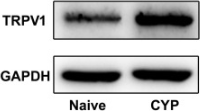
Cyclophosphamide purchased from MedChemExpress. Usage Cited in: Biochem Pharmacol. 2021 Jan:183:114340. [Abstract]
Clophosphamide (CYP) (75 mg/kg; i.p., every three days for 7 days) significantly upregulates TRPV1 protein expression in the bladders of naive rats.
-
-
Life Sci
2020 Aug 1:254:117590. PMID: 32220624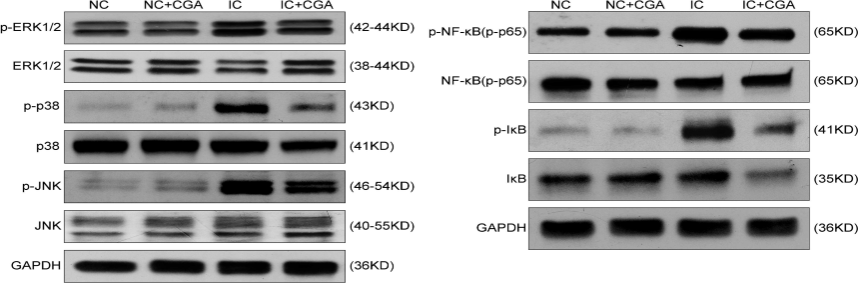
Cyclophosphamide purchased from MedChemExpress. Usage Cited in: Life Sci. 2020 Aug 1:254:117590. [Abstract]
Cyclophosphamide (75 mg/kg; i.p., every three days for a total of four times). CGA inhibits the MAPK/NF-κB pathway in CYP (Cyclophosphamide)-induced IC (n = 5). Western blotting detects the phosphorylation of p-ERK1/2, p-38, p-JNK, p-NF-κB (p-p65), and p-IκB proteins in the MAPK/NF-κB pathway in each group.
-
-
Biomolecules
Immunomodulatory Effects of Periplaneta americana Oligosaccharides Through SCFA-Producing Gut Microbiota and Metabolic Regulation in Immunosuppressed Mice. [Abstract]2026 Mar 25;16(4):496. PMID: 42072618 -
Int J Mol Sci
Therapeutic Potential of a Novel Stenotrophomonas maltophilia Phage XAN_XB1: Isolation, Characterization, Genome Analysis and Evaluation in Mice Model. [Abstract]2026 Jan 18;27(2):944. PMID: 41596591 -
ACS Appl Bio Mater
In Situ Photoacoustic Visualization of Pneumonia Induced by MRSA and Specific Identifying Tumor-Homing Bacteria. [Abstract]2023 Oct 16;6(10):4413-4420. PMID: 37772974 -
Int J Mol Sci
Exogenous Thymosin Beta 4 Suppresses IPF-Lung Cancer in Mice: Possibly Associated with Its Inhibitory Effect on the JAK2/STAT3 Signaling Pathway. [Abstract]2023 Feb 14;24(4):3818. PMID: 36835236 -
J Ovarian Res
Resveratrol-βcd inhibited premature ovarian insufficiency progression by regulating granulosa cell autophagy. [Abstract]2024 Jan 15;17(1):18. PMID: 38221630 -
Eur J Pharm Sci
Chemotherapy drug combinations induced maternal ovarian damage and long-term effect on fetal reproductive system in mice. [Abstract]2024 Oct 1:201:106860. PMID: 39043317 -
J Mol Med (Berl)
2019 Aug;97(8):1183-1193. PMID: 31201471 -
BJOG
Effects of Gonadotropin-Releasing Hormone Analogues on Ovarian Function and Embryogenesis: A Cyclophosphamide-Induced Mouse Model Study. [Abstract]2025 Apr:132 Suppl 2:107-119. PMID: 39973029 -
-
Oncol Res
Preclinical evaluation of cyclophosphamide and fludarabine combined with CD19 CAR-T in the treatment of B-cell hematologic malignancies in vivo. [Abstract]2024 May 23;32(6):1109-1118. PMID: 38827326 -
Biology (Basel)
Urolithin A Protects Ovarian Reserve Via Inhibiting PI3K/Akt Signaling and Preventing Chemotherapy-Induced Follicle Apoptosis. [Abstract]2025 Jul 8;14(7):829. PMID: 40723388 -
-
Pulm Pharmacol Ther
Anlotinib prove to be a potential therapy for the treatment of pulmonary fibrosis complicated with lung adenocarcinoma. [Abstract]2023 Jun:80:102202. PMID: 36906117 -
PLoS Negl Trop Dis
The phytochemical arbutin exerts potent anti-Toxoplasma effects through activation of cell-autonomous defense mechanisms while attenuating inflammation. [Abstract]2025 Dec 11;19(12):e0013815. PMID: 41379884 -
Cell Biol Int
Cyclophosphamide Induces Glioblastoma Tumor Cell Death and Oxidative Stress Through the Increase of TRPM2 Channel Stimulation: The Role of Carvacrol. [Abstract]2025 May 22. PMID: 40401344
Cyclophosphamide purchased from MedChemExpress. Usage Cited in: Cell Biol Int. 2025 May 22. [Abstract]
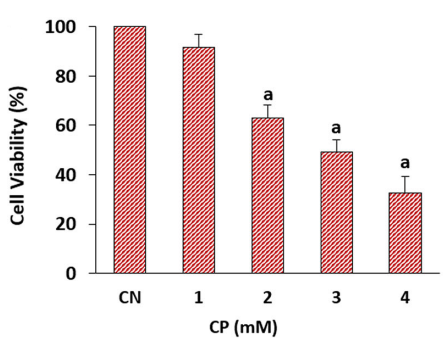
Using cell viability (MTT) experiments, the DBTRG‐05MG killer dose of Cyclophosphamide (CP; 0–4 mM; 24 h) was determined. We found that the 2 mM had a cell mortality rate of almost 80%.
Cyclophosphamide purchased from MedChemExpress. Usage Cited in: Cell Biol Int. 2025 May 22. [Abstract]
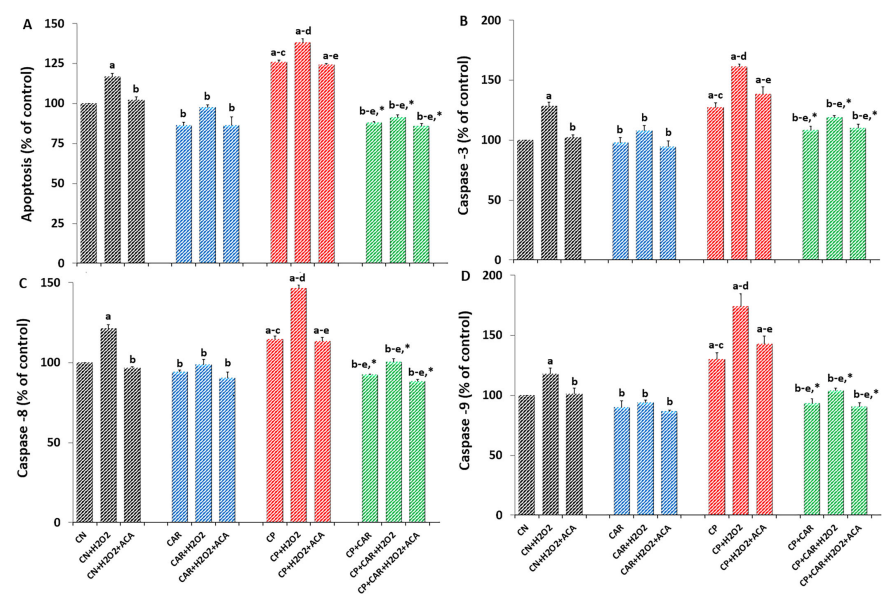
Treatments with CAR prevented CP‐induced raising caspases and apoptosis through the inhibition of TRPM2 in DBTRG‐05MG. The CN, CAR (200 μM for 24 h), Cyclophosphamide (CP; 2 mM for 24 h), and their combination (CP + CAR) groups were investigated for apoptosis (A), caspase‐3 (B), caspase‐8 (C), and caspase‐9 (D).
Cyclophosphamide purchased from MedChemExpress. Usage Cited in: Cell Biol Int. 2025 May 22. [Abstract]
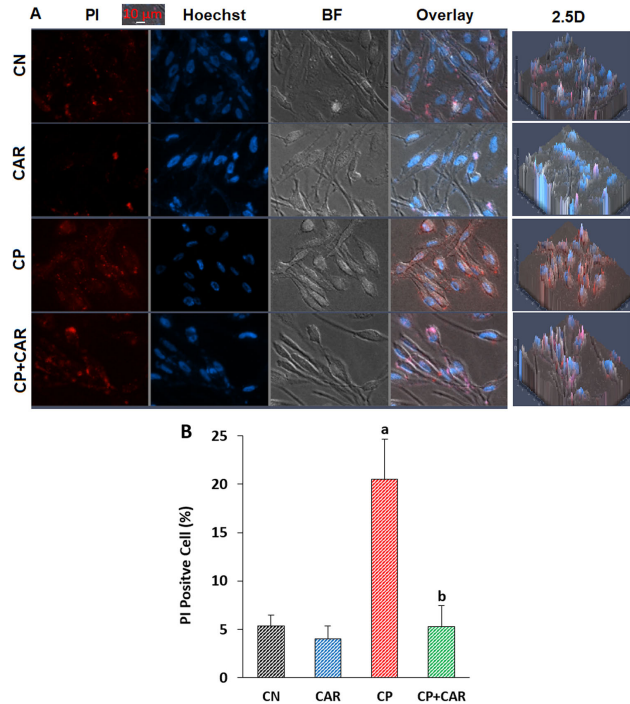
The Cyclophosphamide (CP; 2 mM for 24 h) increased the proportion of PI‐positive DBTRG‐05MG, whereas the TRPM2 inhibitor (CAR, 200 μM for 24 h) decreased it. A fluorescent Axiocam 702 camera and a ×20 objective inverted microscope (Axio Observer.Z1/7) were used to capture the red (PI), blue (Hoechst), black/white (bright field, BF), overlay, and 2.5D images (A). A 10 μm scale bar was used. PI‐positive (death) cell counts were shown as percentages in columns (B).
Cyclophosphamide purchased from MedChemExpress. Usage Cited in: Cell Biol Int. 2025 May 22. [Abstract]
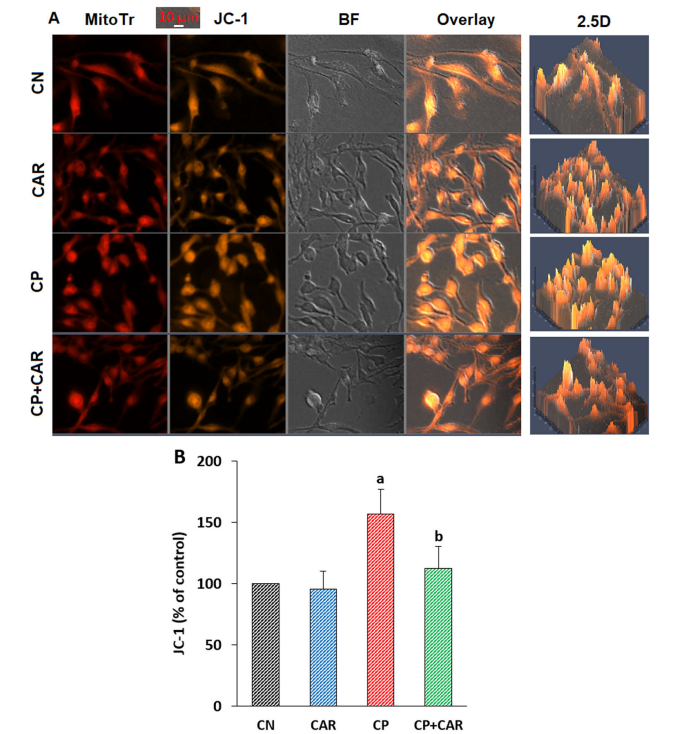
CAR (200 μM for 24 h) reduced Cyclophosphamide (CP; 2 mM for 24 h)‐induced increases in mitochondrial membrane dysfunction (MiDYS) in DBTRG‐05MG. A fluorescent Axiocam 702 camera with a ×20 objective and inverted microscope (Axio Observer.Z1/7) was used to capture the red (MitoTracker), orange (JC‐1), black/white (bright field, BF), overlay, and 2.5D images (A). The bar on the scale was 10 m. The percentages of MiDYS (JC‐1) were shown in columns (B).
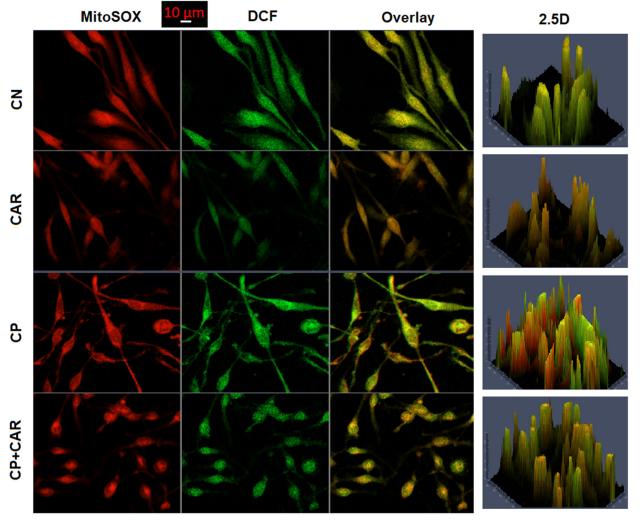
Cyclophosphamide purchased from MedChemExpress. Usage Cited in: Cell Biol Int. 2025 May 22. [Abstract]
Cyclophosphamide (CP; 2 mM; 24 h)‐induced increases in mROS and iROS were decreased in DBTRG‐05MG by TRPM2 inhibition (CAR, 200 μM for 24 h). The red mROS (MitoSOX), green iROS (DCF), overlay, and 2.5D images were taken using the LSCM equipped with a×20 objective.
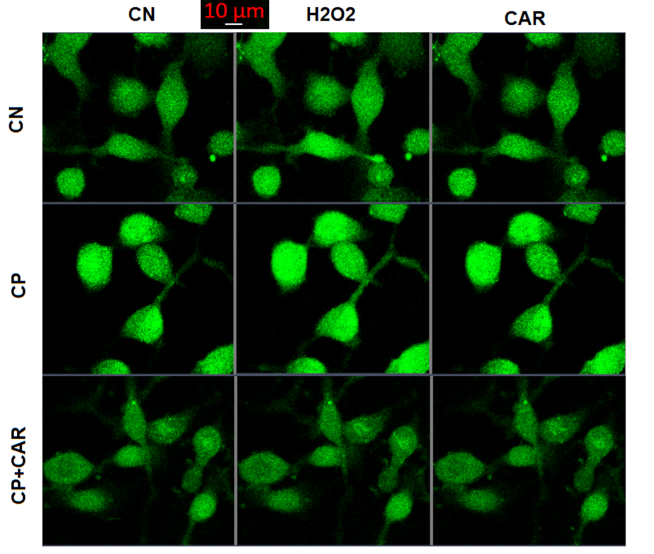
Cyclophosphamide purchased from MedChemExpress. Usage Cited in: Cell Biol Int. 2025 May 22. [Abstract]
CAR (200 μM for 24 h) incubation reduced the increase in [Ca2+]i in the DBTRG‐05MG caused by Cyclophosphamide (CP; 2 mM for 24 h). After the cells were stained with Fluo‐3 AM (1 μM), they were stimulated with H2O2 (1 mM) for 60–90 s and subsequently inhibited in the LSCM with 200 μM CAR for 60–90 s.
-
Pediatr Res
Neuropathiazol induces neuronal-like differentiation in neuroblastoma cells via upregulation of PEG5. [Abstract]2025 Feb 20. PMID: 39972157 -
Breast Cancer Res Treat
2023 Jul;200(2):193-201. PMID: 37204665 -
Tissue Cell
2026 May 12:102:103611. PMID: 42143411 -
Phys Med Biol
The first visualization of chemotherapy-induced tumor apoptosis via magnetic particle imaging in a mouse model. [Abstract]2020 Sep 24;65(19):195004. PMID: 32764190 -
Mol Biol Cell
Mitotic DNA damage promotes chromokinesin-mediated missegregation of polar chromosomes in cancer cells. [Abstract]2023 May 1;34(5):ar47. PMID: 36989031 -
Biomed Res Int
Antioxidant and Anti-Inflammatory Activities of Coenzyme-Q10 and Piperine against Cyclophosphamide-Induced Cytotoxicity in HuH-7 Cells. [Abstract]2022 Jul 13:2022:8495159. PMID: 35872848 -
Reprod Sci
2025 Aug 11. PMID: 40789984 -
J Chromatogr B Analyt Technol Biomed Life Sci
A quantifiable grading standard for Codonopsis Radix based on the multidimensional quality evaluation system of phenotype, chemistry, and bioactivity. [Abstract]2026 May 16:1280:125125. PMID: 42143989 -
Biotechnol Appl Biochem
Orexin A Ameliorates Ovarian Dysfunction in Premature Ovarian Insufficiency Mice by Inhibiting Granulosa Cell Pyroptosis via the AMPK/NLRP3 Pathway. [Abstract]2025 Jun 18. PMID: 40534207 -
Open Life Sci
Systemic investigation of inetetamab in combination with small molecules to treat HER2-overexpressing breast and gastric cancers. [Abstract]2023 Jan 10;18(1):20220535. PMID: 36694697 -
Exp Ther Med
Circular RNA expression profiling and the potential role of hsa_circ_0005379 in decreased ovarian reserve. [Abstract]2025 Sep 18;30(6):224. PMID: 41018883 -
Cytotechnology
β-sitosterol in Yijing Hugui decoction prevents cyclophosphamide-induced premature ovarian insufficiency via the AKT1/Nrf2 pathway. [Abstract]2025 Apr;77(2):76. PMID: 40078376 -
J Med Food
2022 Jul;25(7):722-731. PMID: 35758826 -
-
-
-
Toxicol Rep
2025 Sep 9:15:102125. PMID: 41472792 -
-
-
-
Heliyon
Transcriptome and proteomic analysis reveal the protective mechanism of acupuncture on reproductive function in mice with asthenospermia. [Abstract]2024 Aug 22;10(17):e36664. PMID: 39286182 -
Saudi J Biol Sci
Enhanced activity of Ellagic acid in lipid nanoparticles (EA-liposomes) against Acinetobacter baumannii in immunosuppressed mice. [Abstract]2023 Aug;30(8):103707. PMID: 37415860 -
-
bioRxiv
Ultrasensitive response explains the benefit of combination chemotherapy despite drug antagonism. [Abstract]2023 Feb 27:2023.02.27.530263. PMID: 36909518 -
Evid Based Complement Alternat Med
Toxicological Evaluation of Camellia euphlebia Leaves Aqueous Extract Using Acute and Subacute Toxicity Studies in Mice and Genotoxicity Studies. [Abstract]2022 Feb 15;2022:7889199. PMID: 35211181 -
Evid Based Complement Alternat Med
Luteolin Improves Cyclophosphamide-Induced Cystitis through TXNIP/NLRP3 and NF- κ B Pathways. [Abstract]2021 Nov 11;2021:1718709. PMID: 34804174


Solvent & Solubility
In Vitro:
DMSO : 100 mg/mL (383.01 mM; Need ultrasonic; Hygroscopic DMSO has a significant impact on the solubility of product, please use newly opened DMSO)
H2O : 33.33 mg/mL (127.66 mM; Need ultrasonic)
Please refer to the solubility information to select the appropriate solvent. The compound is unstable in solutions, freshly prepared is recommended.
* Note: If you choose water as the stock solution, please dilute it to the working solution, then filter and sterilize it with a 0.22 μm filter before use.
Please refer to the solubility information to select the appropriate solvent. The compound is unstable in solutions, freshly prepared is recommended.
* Note: If you choose water as the stock solution, please dilute it to the working solution, then filter and sterilize it with a 0.22 μm filter before use.
Concentration (start) × Volume (start) = Concentration (final) × Volume (final)
In Vivo:
Select the appropriate dissolution method based on your experimental animal and administration route.
- For the following dissolution methods, please ensure to first prepare a clear stock solution using an In Vitro approach and then sequentially add co-solvents:
- To ensure reliable experimental results, the clarified stock solution can be appropriately stored based on storage conditions. As for the working solution for In Vivo experiments, it is recommended to prepare freshly and use it on the same day.
- The percentages shown for the solvents indicate their volumetric ratio in the final prepared solution. If precipitation or phase separation occurs during preparation, heat and/or sonication can be used to aid dissolution.
Add each solvent one by one: 10% DMSO 40% PEG300 5% Tween-80 45% Saline
Solubility: ≥ 2.5 mg/mL (9.58 mM); Clear solution
This protocol yields a clear solution of ≥ 2.5 mg/mL (saturation unknown).
Taking 1 mL working solution as an example, add 100 μL DMSO stock solution (25.0 mg/mL) to 400 μL PEG300, and mix evenly; then add 50 μL Tween-80 and mix evenly; then add 450 μL Saline to adjust the volume to 1 mL.
Preparation of Saline: Dissolve 0.9 g sodium chloride in ddH₂O and dilute to 100 mL to obtain a clear Saline solution.
Add each solvent one by one: 10% DMSO 90% (20% SBE-β-CD in Saline)
Solubility: ≥ 2.5 mg/mL (9.58 mM); Clear solution
This protocol yields a clear solution of ≥ 2.5 mg/mL (saturation unknown).
Taking 1 mL working solution as an example, add 100 μL DMSO stock solution (25.0 mg/mL) to 900 μL 20% SBE-β-CD in Saline, and mix evenly.
Preparation of 20% SBE-β-CD in Saline (4°C, storage for one week): 2 g SBE-β-CD powder is dissolved in 10 mL Saline, completely dissolve until clear.
For the following dissolution methods, please prepare the working solution directly:
It is recommended to prepare fresh solutions and use them promptly within a short period of time.
The percentages shown for the solvents indicate their volumetric ratio in the final prepared solution. If precipitation or phase separation occurs during preparation, heat and/or sonication can be used to aid dissolution.
Add each solvent one by one: PBS
Solubility: 25 mg/mL (95.75 mM); Clear solution; Need ultrasonic and warming and heat to 60°C
In Vivo Dissolution Calculator
Please enter the basic information of animal experiments:
-
-
-
-
Recommended: Prepare an additional quantity of animals to account for potential losses during experiments.
Working solution concentration: 0.22 mg/mL
This product has good water solubility, please refer to the measured solubility data in water/PBS/Saline for details.


Purity & Documentation
-
Data Sheet (287 KB)
-
SDS (584 KB)
- English - EN (584 KB)
- Français - FR (584 KB)
- Deutsch - DE (584 KB)
- Norwegian - NO (584 KB)
- Español - ES (584 KB)
- Swedish - SV (584 KB)
- Italian - IT (584 KB)
- Korean - KR (584 KB)
- Portuguese - PT (584 KB)
-
Handling Instructions (2659 KB)
References
[1]. Schwartz PS, et al. Cyclophosphamide induces caspase 9-dependent apoptosis in 9L tumor cells. Mol Pharmacol. 2001 Dec;60(6):1268-1279. [Content Brief]
[2]. al-Jafari AA, et al. Inhibition of human acetylcholinesterase by cyclophosphamide. Toxicology. 1995 Jan 19;96(1):1-6. [Content Brief]
[3]. Harris RN, et al. Carbon tetrachloride-induced increase in the antitumor activity of cyclophosphamide in mice: a pharmacokineticstudy. Cancer Chemother Pharmacol. 1984;12(3):167-72. [Content Brief]
[4]. Liu P, et al. Administration of cyclophosphamide changes the immune profile of tumor-bearing mice. J Immunother. 2010 Jan;33(1):53-9. [Content Brief]
[5]. Dominique A Ramirez, et al. Kinetics of Cyclophosphamide Metabolism in Humans, Dogs, Cats, and Mice and Relationship to Cytotoxic Activity and Pharmacokinetics. Drug Metab Dispos. 2019, 47, 3. [Content Brief]
[7]. Susana Salva, et al. Probiotic Lactobacillus strains protect against myelosuppression and immunosuppression in cyclophosphamide-treated mice. Int Immunopharmacol. 2014, 22, 1. [Content Brief]
[8]. Strauss G, et al. 4-hydroperoxy-cyclophosphamide mediates caspase-independent T-cell apoptosis involving oxidative stress-induced nuclear relocation of mitochondrial apoptogenic factors AIF and EndoG. Cell Death Differ. 2008 Feb;15(2):332-43. [Content Brief]
[9]. Hashimoto K, et al. Incorporation of metabolic activation potentiates cyclophosphamide-induced DNA damage response in isogenic DT40 mutant cells. Mutagenesis. 2015 Nov;30(6):821-8. [Content Brief]


Complete Stock Solution Preparation Table
Please refer to the solubility information to select the appropriate solvent. The compound is unstable in solutions, freshly prepared is recommended.
| Optional Solvent | Concentration Solvent Mass | 1 mg | 5 mg | 10 mg | 25 mg |
|---|---|---|---|---|---|
| H2O / DMSO | 1 mM | 3.8301 mL | 19.1505 mL | 38.3010 mL | 95.7524 mL |
| 5 mM | 0.7660 mL | 3.8301 mL | 7.6602 mL | 19.1505 mL | |
| 10 mM | 0.3830 mL | 1.9150 mL | 3.8301 mL | 9.5752 mL | |
| 15 mM | 0.2553 mL | 1.2767 mL | 2.5534 mL | 6.3835 mL | |
| 20 mM | 0.1915 mL | 0.9575 mL | 1.9150 mL | 4.7876 mL | |
| 25 mM | 0.1532 mL | 0.7660 mL | 1.5320 mL | 3.8301 mL | |
| 30 mM | 0.1277 mL | 0.6383 mL | 1.2767 mL | 3.1917 mL | |
| 40 mM | 0.0958 mL | 0.4788 mL | 0.9575 mL | 2.3938 mL | |
| 50 mM | 0.0766 mL | 0.3830 mL | 0.7660 mL | 1.9150 mL | |
| 60 mM | 0.0638 mL | 0.3192 mL | 0.6383 mL | 1.5959 mL | |
| 80 mM | 0.0479 mL | 0.2394 mL | 0.4788 mL | 1.1969 mL | |
| 100 mM | 0.0383 mL | 0.1915 mL | 0.3830 mL | 0.9575 mL |
* Note: If you choose water as the stock solution, please dilute it to the working solution, then filter and sterilize it with a 0.22 μm filter before use.


Cyclophosphamide Related Classifications
HY-17420 Related Classifications
 Powered by Bioz