Search Result
Results for "
food+preservative
" in MedChemExpress (MCE) Product Catalog:
7
Biochemical Assay Reagents
5
Isotope-Labeled Compounds
| Cat. No. |
Product Name |
Target |
Research Areas |
Chemical Structure |
-
- HY-B2227
-
-
-
- HY-B2227B
-
|
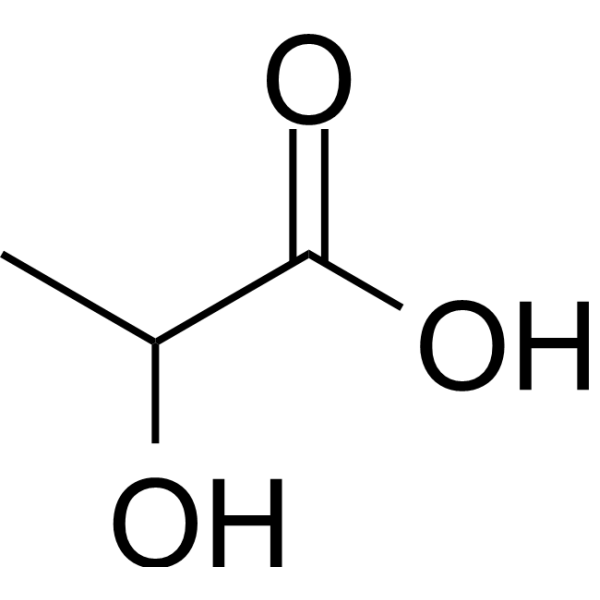
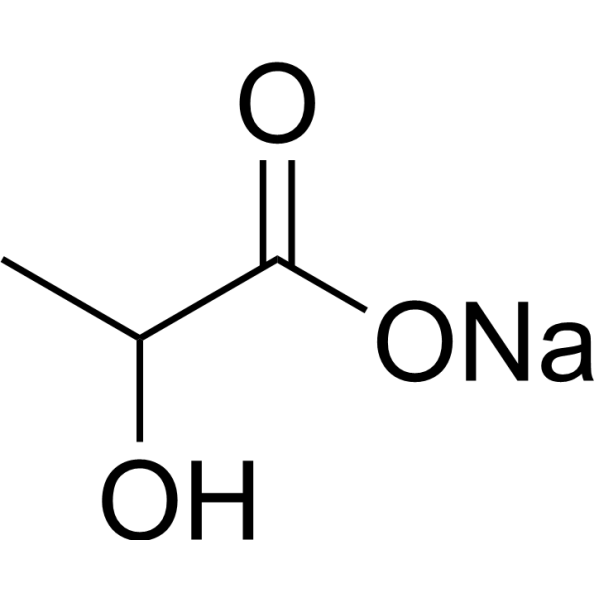
DL-Lactic acid sodium; E-270 sodium
|
Environmental Pollutants
Endogenous Metabolite
Bacterial
Hydroxycarboxylic Acid Receptor (HCAR)
|
Infection
Metabolic Disease
Inflammation/Immunology
Cancer
|
Lactic acid (DL-Lactic acid) sodium (60% w/w in water) is a hydroxycarboxylic acid receptor 1 (HCAR1) activator and an epigenetic modulator inducing lysine residues lactylation. Lactic acid sodium (60% w/w in water) is a glycolysis end-product, bridging the gap between glycolysis and oxidative phosphorylation. Lactic acid sodium (60% w/w in water) is an oncometabolite and has immune protective role of lactate in anti-tumor immunity . Lactic acid sodium (60% w/w in water) also has antimicrobial activity, which can be used as a food preservative .
This product has a content (w/w) of 60%, and 1 mL of the system contains 798 mg of Lactic acid sodium, i.e., a concentration of 798 mg/mL (i.e., 7.12 M).
|
-
-
- HY-B0133
-
|
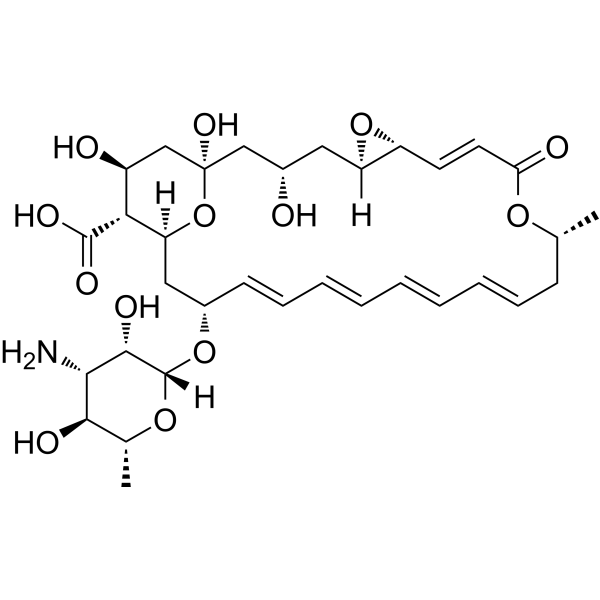
Pimaricin
|
Environmental Pollutants
Antibiotic
Endogenous Metabolite
Fungal
Bacterial
|
Infection
|
|
Natamycin (Pimaricin) is a macrolide antibiotic agent produced by several Streptomyces strains. Natamycin inhibits the growth of fungi via inhibition of amino acid and glucose transport across the plasma membrane. Natamycin is a food preservative, an antifungal agent in agriculture, and is widely used for fungal keratitis research .
|
-
-
- HY-115340
-
|
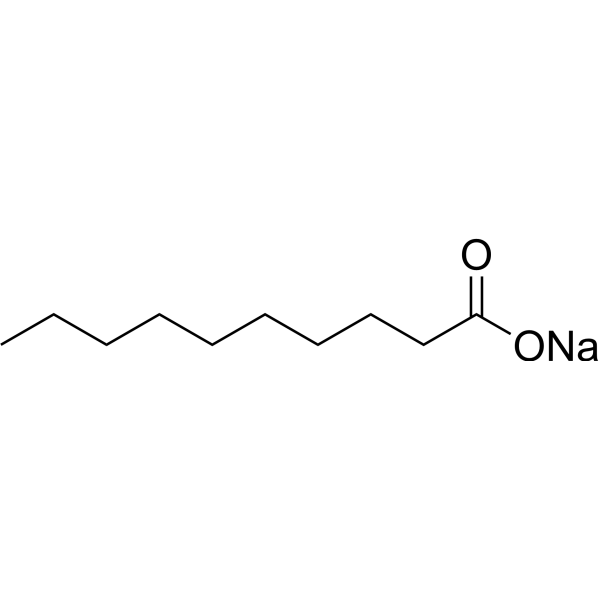
Sodium decanoate; Sodium caprate
|
Biochemical Assay Reagents
|
Others
|
|
Decanoic acid sodium, also known as Decanoic acid sodium, is a salt of the fatty acid capric acid. It is easily soluble in water and has a slightly soapy smell. Decanoic acid sodium acts as a penetration enhancer, which means it increases the absorption and bioavailability of drugs across biological membranes, including the intestinal epithelium and the blood-brain barrier. This property makes it useful in pharmaceutical formulations to improve drug delivery and effectiveness. Furthermore, Decanoic acid sodium has potential applications in food preservatives and cosmetics due to its antibacterial properties.
|
-
-
- HY-W012788
-
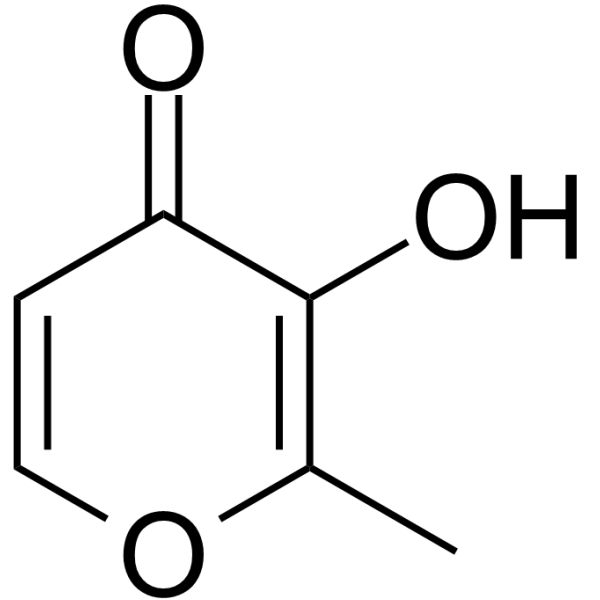
Maltol
2 Publications Verification
|
Environmental Pollutants
Endogenous Metabolite
Apoptosis
|
Infection
Neurological Disease
|
|
Maltol, a type of aromatic compound, is an antioxidant agent. Maltol enhances neural function by mitigating oxidative stress and cell apoptosis. Maltol is an inhibitor of oxidative damage in nerve cells and is effective in preventing diabetic peripheral neuropathy (DPN). Maltol is used extensively as a safe flavoring agent and food preservative. Maltol is a metal ion chelator that can be used in the field of catalysis, cosmetics, and medicine .
|
-
-
- HY-B1610E
-
-
-
- HY-138650
-
|
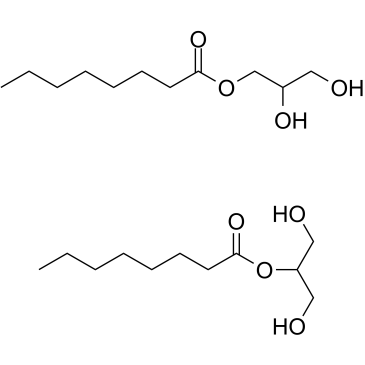
Glyceryl monocaprylate; Sefsol 318
|
Environmental Pollutants
Bacterial
|
Inflammation/Immunology
|
|
Monocaprylin (Glyceryl monocaprylate), a monoglyceride of caprylic acid, exhibits an excellent antibacterial activity. Monocaprylin inhibits a variety of foodborne pathogenic and spoilage microorganisms and has the potential for an alternative food preservative research .
|
-
-
- HY-B2227C
-
|
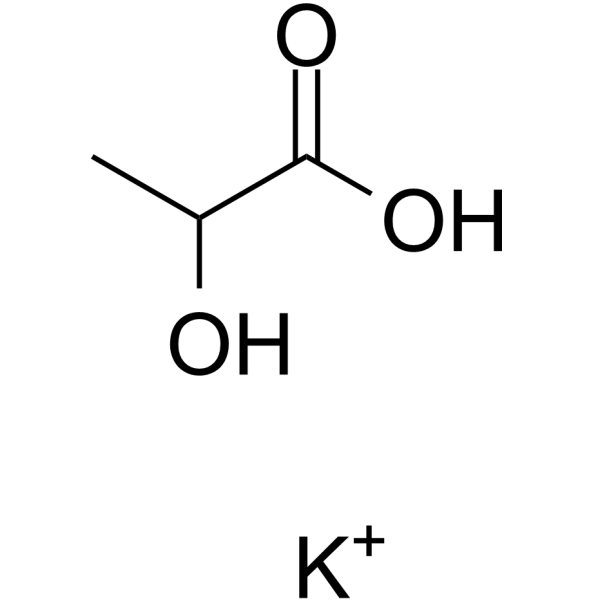
DL-Lactic acid potassium; E-270 potassium
|
Endogenous Metabolite
Hydroxycarboxylic Acid Receptor (HCAR)
Bacterial
|
Infection
Metabolic Disease
Inflammation/Immunology
Cancer
|
|
Lactic acid (DL-Lactic acid) potassium is a hydroxycarboxylic acid receptor 1 (HCAR1) activator and an epigenetic modulator inducing lysine residues lactylation. Lactic acid potassium is a glycolysis end-product, bridging the gap between glycolysis and oxidative phosphorylation. Lactic acid potassium is an oncometabolite and has immune protective role of lactate in anti-tumor immunity . Lactic acid also potassium has antimicrobial activity, which can be used as a food preservative .
|
-
-
- HY-W094710
-
|
Sodium hydrogen diacetate
|
Environmental Pollutants
Bacterial
|
Infection
|
|
Sodium diacetate (Sodium hydrogen diacetate) is a multifunctional biochemical reagent with antibacterial (bacteria) and antifungal (fungi) activities. Sodium diacetate exerts its antimicrobial effect mainly by effectively penetrating the cell walls of microorganisms and interfering with enzyme interactions. Sodium diacetate inhibits the growth and survival of fungi such as Botrytis cinerea, as well as bacteria such as Listeria and Escherichia coli. Sodium diacetate inhibits the growth of endothelial cells. Sodium diacetate can be used in the synthesis of food preservatives, flavoring agents and pH control additives .
|
-

-
- HY-B2227A
-
-
-
- HY-B2227R
-
|
DL-Lactic acid (Standard); E-270 (Standard)
|
Reference Standards
Endogenous Metabolite
Hydroxycarboxylic Acid Receptor (HCAR)
Bacterial
|
Infection
Metabolic Disease
Inflammation/Immunology
Cancer
|
|
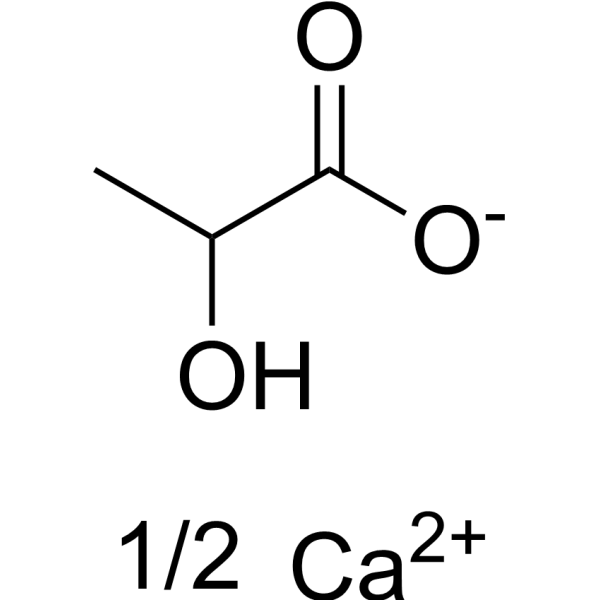
Lactic acid (Standard) (DL-Lactic acid (Standard)) is the analytical standard of Lactic acid (HY-B2227). This product is intended for research and analytical applications. Lactic acid (DL-Lactic acid) is a hydroxycarboxylic acid receptor 1 (HCAR1) activator and an epigenetic modulator inducing lysine residues lactylation. Lactic acid is a glycolysis end-product, bridging the gap between glycolysis and oxidative phosphorylation. Lactic acid is an oncometabolite and has immune protective role of lactate in anti-tumor immunity . Lactic acid also has antimicrobial activity, which can be used as a food preservative .
|
-

-
- HY-Y0319B1
-
|
|
Environmental Pollutants
Biochemical Assay Reagents
|
Others
|
|
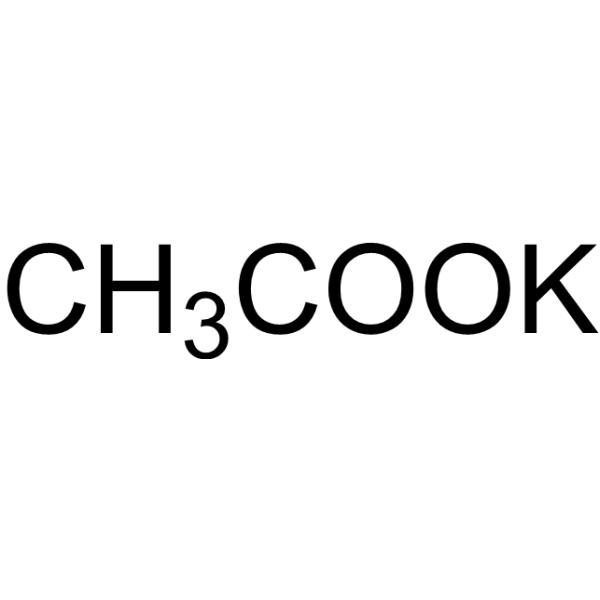
Potassium acetate, for molecular biology is an acetate salt commonly used as a deicing agent, food preservative and potassium source. Potassium acetate, for molecular biology can serve as an activator for preparing waste tea-based activated carbon, and is applied to the adsorption of Acid Blue 25 dye .
|
-
-
- HY-W010164
-
|
|
Biochemical Assay Reagents
|
Others
|
|
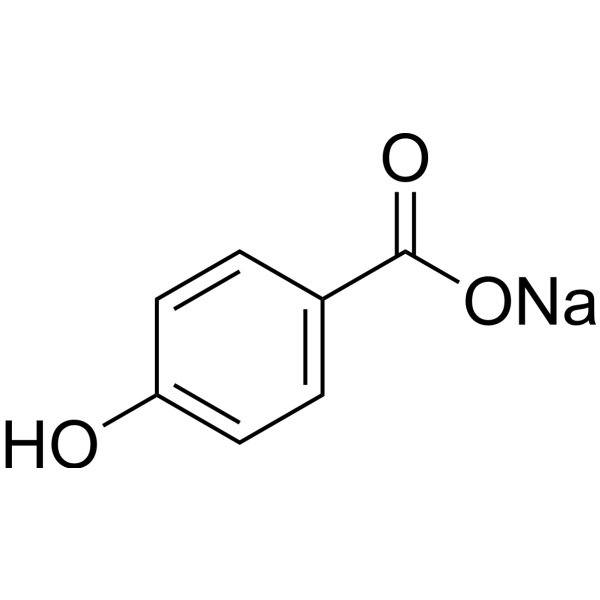
4-Hydroxybenzoate sodium, also known as sodium p-hydroxybenzoate or sodium paraben, is commonly used as a food preservative and cosmetic preservative. It can also be used as an additive in a variety of other products, including pharmaceuticals, personal care products, and industrial products. Additionally, 4-Hydroxybenzoate sodium has the potential to function as xenoestrogens, which may mimic the effects of estrogen in the body and affect hormonal balance.
|
-
-
- HY-B2227BS
-
|
DL-Lactic acid-d4 sodium; E-270-d4 sodium
|
Isotope-Labeled Compounds
Endogenous Metabolite
Hydroxycarboxylic Acid Receptor (HCAR)
Bacterial
|
Infection
Metabolic Disease
Inflammation/Immunology
Cancer
|
|
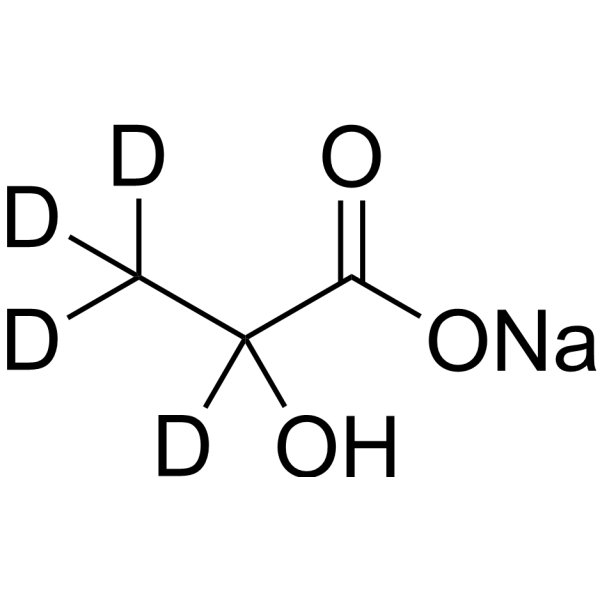
Lactic acid-d4 (DL-Lactic acid-d4) sodium (60% in water) is the deuterium labeled Lactic acid sodium (60% in water) (HY-B2227B) . Lactic acid (DL-Lactic acid) sodium (60% w/w in water) is a hydroxycarboxylic acid receptor 1 (HCAR1) activator and an epigenetic modulator inducing lysine residues lactylation. Lactic acid sodium (60% w/w in water) is a glycolysis end-product, bridging the gap between glycolysis and oxidative phosphorylation. Lactic acid sodium (60% w/w in water) is an oncometabolite and has immune protective role of lactate in anti-tumor immunity . Lactic acid sodium (60% w/w in water) also has antimicrobial activity, which can be used as a food preservative .
|
-
-
- HY-B2227BS1
-
|
DL-Lactic acid-d3 sodium; E-270-d3 sodium
|
Isotope-Labeled Compounds
Endogenous Metabolite
Hydroxycarboxylic Acid Receptor (HCAR)
Bacterial
|
Infection
Metabolic Disease
Inflammation/Immunology
Cancer
|
|
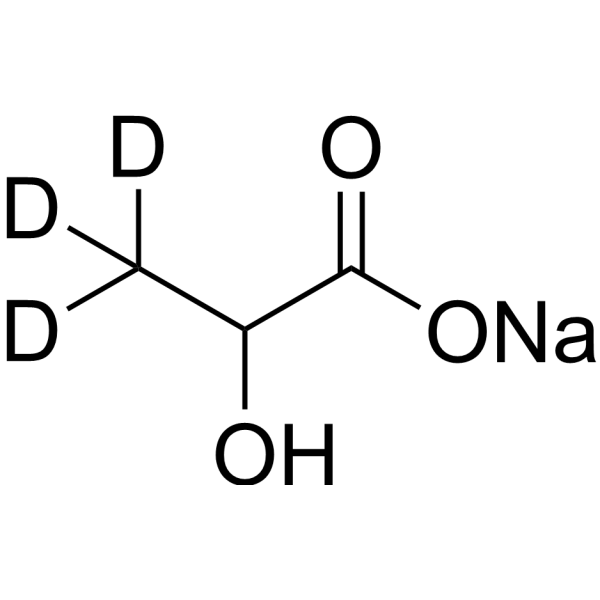
Lactic acid-d3 (DL-Lactic acid-d3) sodium (60% in water) is the deuterium labeled Lactic acid sodium (60% in water) (HY-B2227B) . Lactic acid (DL-Lactic acid) sodium (60% w/w in water) is a hydroxycarboxylic acid receptor 1 (HCAR1) activator and an epigenetic modulator inducing lysine residues lactylation. Lactic acid sodium (60% w/w in water) is a glycolysis end-product, bridging the gap between glycolysis and oxidative phosphorylation. Lactic acid sodium (60% w/w in water) is an oncometabolite and has immune protective role of lactate in anti-tumor immunity . Lactic acid sodium (60% w/w in water) also has antimicrobial activity, which can be used as a food preservative .
|
-
-
- HY-119669
-
|
|
Bacterial
|
Others
|
|
Furylfuramide is a food preservative that exhibits mutagenic activity. Furylfuramide can be degraded through the aerobic metabolism by liver microsomes .
|
-

-
- HY-B0133R
-
|
Pimaricin (Standard)
|
Reference Standards
Fungal
Endogenous Metabolite
Antibiotic
Bacterial
|
Infection
|
|
Natamycin (Standard) is the analytical standard of Natamycin. This product is intended for research and analytical applications. Natamycin (Pimaricin) is a macrolide antibiotic agent produced by several Streptomyces strains. Natamycin inhibits the growth of fungi via inhibition of amino acid and glucose transport across the plasma membrane. Natamycin is a food preservative, an antifungal agent in agriculture, and is widely used for fungal keratitis research .
|
-

-
- HY-W127384
-
|
|
Biochemical Assay Reagents
|
Others
|
|
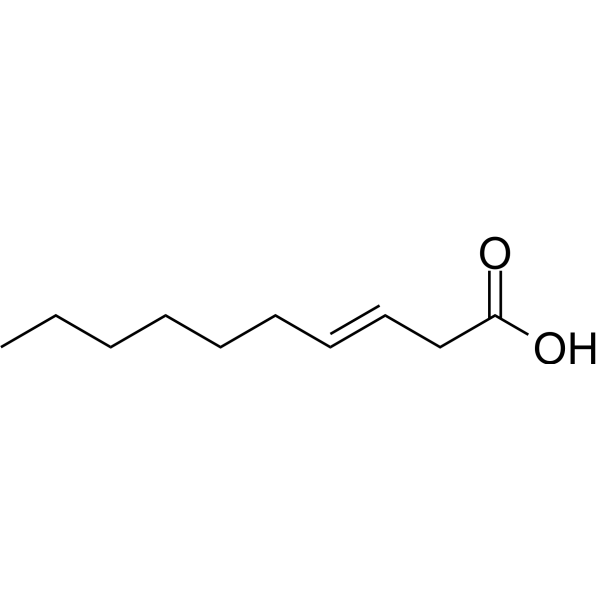
3-Decenoic acidIt is an organic compound belonging to the class of unsaturated fatty acids. It has a strong rancid smell and is commonly found in a variety of foods, such as dairy products and meat. 3-Decenoic acidIt has various applications in the pharmaceutical industry, especially as an intermediate in the synthesis of antibacterial agents such as antibiotics. In addition, it is used as a food preservative to prevent the growth of microorganisms.
|
-
-
- HY-133651
-
|
|
Fungal
|
Infection
|
|
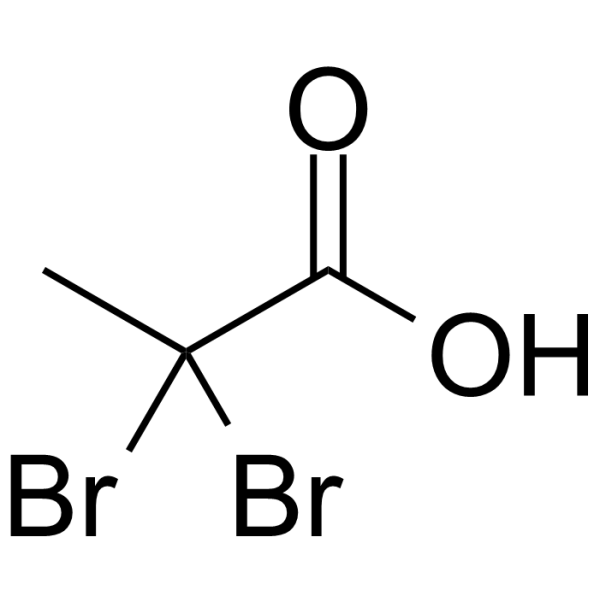
2,2-Dibromopropanoic acid is a dibromo product based on propionic acid. Propionic acid is a short chain fatty acid and acts as chemical intermediate. Propionic acid is also a mold inhibitor and widely used in food preservative .
|
-
-
- HY-W012788R
-
|
|
Reference Standards
Endogenous Metabolite
Apoptosis
|
Infection
Neurological Disease
|
|
Maltol (Standard) is the analytical standard of Maltol. This product is intended for research and analytical applications. Maltol, a type of aromatic compound, is an antioxidant agent. Maltol enhances neural function by mitigating oxidative stress and cell apoptosis. Maltol is an inhibitor of oxidative damage in nerve cells and is effective in preventing diabetic peripheral neuropathy (DPN). Maltol is used extensively as a safe flavoring agent and food preservative. Maltol is a metal ion chelator that can be used in the field of catalysis, cosmetics, and medicine .
|
-

-
- HY-P4327
-
|
|
Bacterial
|
Infection
|
|
Hispidalin is a novel antimicrobial peptide with broad and efficient antibacterial activity against various bacterial and fungal pathogens, and can be used as an antibacterial agent and food preservative .
|
-

-
- HY-143449
-
|
|
Tyrosinase
|
Others
|
|
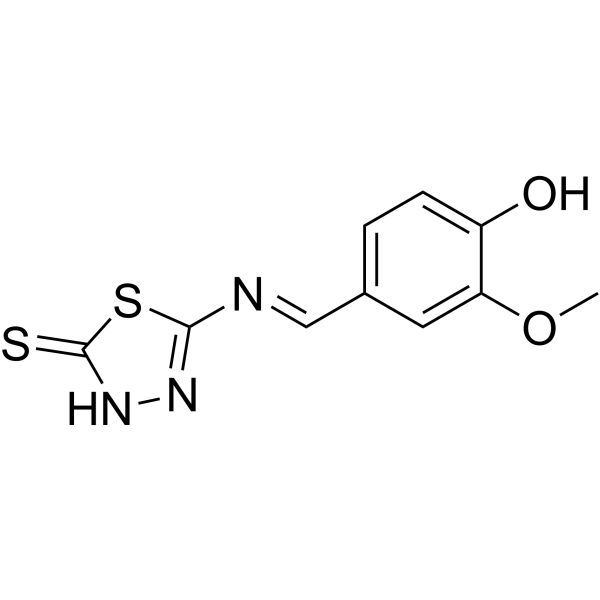
Tyrosinase-IN-2 (compound 67) is a potent inhibitor of tyrosinase. Tyrosinase is a copper-containing metalloenzyme that is responsible for the rate-limiting catalytic step in the melanin biosynthesis and enzymatic browning. Tyrosinase-IN-2 has the potential for the research of skin whitening agents and food preservatives .
|
-
-
- HY-143448
-
|
|
Tyrosinase
|
Others
|
|
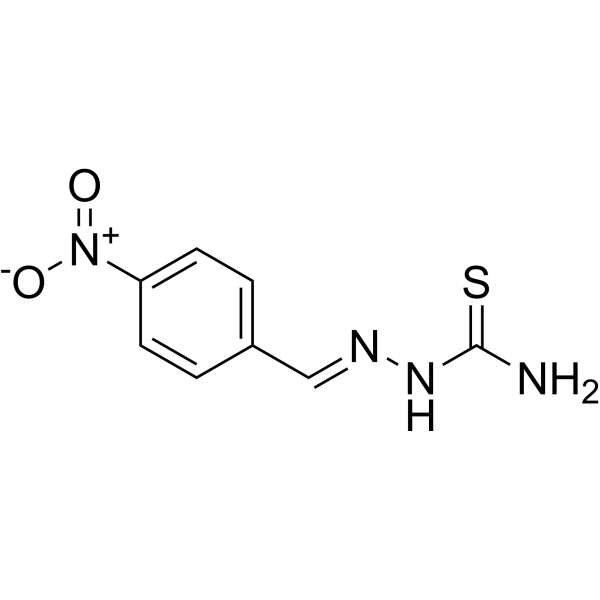
Tyrosinase-IN-1 (compound 90) is a potent inhibitor of tyrosinase. Tyrosinase is a copper-containing metalloenzyme that is responsible for the rate-limiting catalytic step in the melanin biosynthesis and enzymatic browning. Tyrosinase-IN-1 has the potential for the research of skin whitening agents and food preservatives .
|
-
-
- HY-143450
-
|
|
Tyrosinase
|
Others
|
|
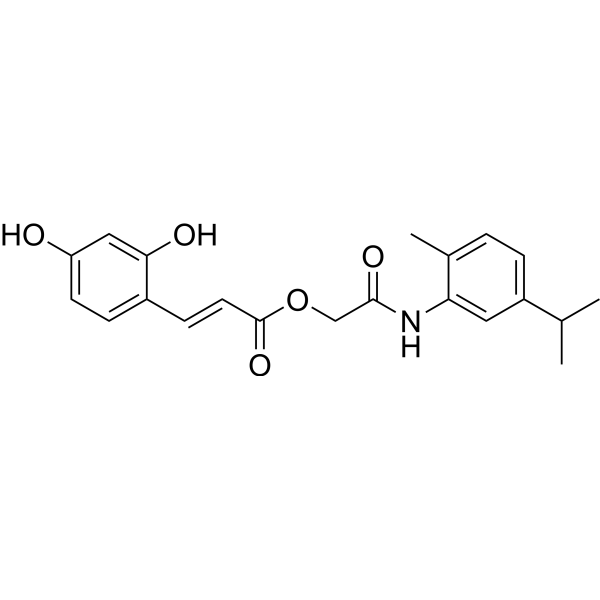
Tyrosinase-IN-3 (compound 54) is a potent inhibitor of tyrosinase. Tyrosinase is a copper-containing metalloenzyme that is responsible for the rate-limiting catalytic step in the melanin biosynthesis and enzymatic browning. Tyrosinase-IN-3 has the potential for the research of skin whitening agents and food preservatives .
|
-
-
- HY-143451
-
|
|
Tyrosinase
|
Others
|
|
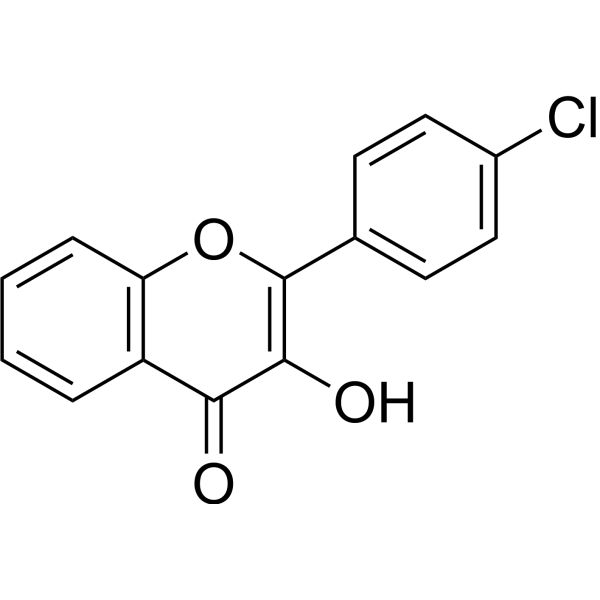
Tyrosinase-IN-4 (compound 34) is a potent inhibitor of tyrosinase. Tyrosinase is a copper-containing metalloenzyme that is responsible for the rate-limiting catalytic step in the melanin biosynthesis and enzymatic browning. Tyrosinase-IN-4 has the potential for the research of skin whitening agents and food preservatives .
|
-
-
- HY-B1610ER
-
|
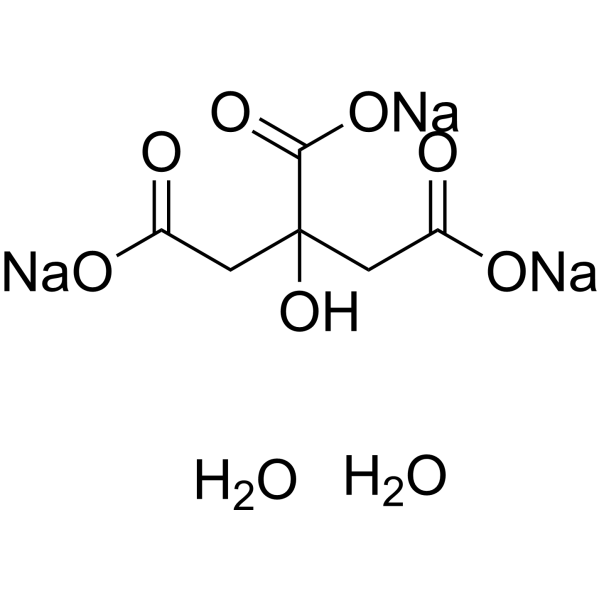
Trisodium citrate dihydrate, meets USP testing specifications (Standard)
|
Reference Standards
Biochemical Assay Reagents
|
Cardiovascular Disease
|
|
Sodium citrate dihydrate, meets USP testing specifications (Standard) is the analytical standard of Sodium citrate dihydrate, meets USP testing specifications. This product is intended for research and analytical applications. Sodium citrate dihydrate, meets USP testing specifications is an anticoagulant and also used as a buffer and food preservatives .
|
-

-
- HY-W012788S
-
|
|
Isotope-Labeled Compounds
Endogenous Metabolite
Apoptosis
|
Infection
Neurological Disease
|
|
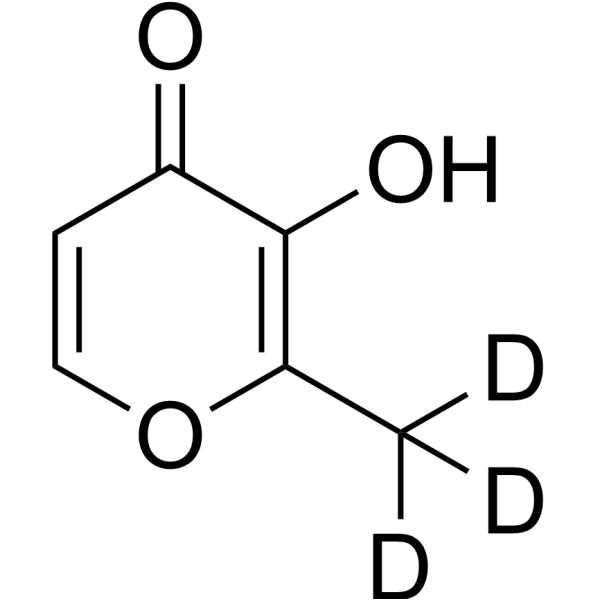
Maltol-d3 is a deuterium labeled Maltol (HY-W012788). Maltol, a type of aromatic compound, is an antioxidant agent. Maltol enhances neural function by mitigating oxidative stress and cell apoptosis. Maltol is an inhibitor of oxidative damage in nerve cells and is effective in preventing diabetic peripheral neuropathy (DPN). Maltol is used extensively as a safe flavoring agent and food preservative. Maltol is a metal ion chelator that can be used in the field of catalysis, cosmetics, and medicine .
|
-
-
- HY-W747751
-
|
|
Isotope-Labeled Compounds
Fungal
IGF-1R
Bacterial
Endogenous Metabolite
Antibiotic
|
Infection
|
|
Sorbic acid- 13C2 is the 13C-labeled Sorbic acid (HY-N0626). Sorbic acid is an effective, safe, and non-toxic food preservative. It can effectively inhibit most molds, yeasts, and certain bacteria. Sorbic acid is orally active and can enhance the growth performance of economically important animals (Duroc × Landrace × Yorkshire piglets) by activating the insulin-like growth factor system (IGF), and it can also lead to lipid accumulation by disrupting lipid clearance pathways .
|
-

-
- HY-W769991
-
|
Lactic acid sodium-13C2
|
Isotope-Labeled Compounds
Endogenous Metabolite
Hydroxycarboxylic Acid Receptor (HCAR)
Bacterial
|
Cancer
|
|
Lactic acid- 13C2 (DL-Lactic acid- 13C2) sodium is the 13C-labeled Lactic acid sodium . Lactic acid (DL-Lactic acid) sodium is a hydroxycarboxylic acid receptor 1 (HCAR1) activator and an epigenetic modulator inducing lysine residues lactylation. Lactic acid sodium is a glycolysis end-product, bridging the gap between glycolysis and oxidative phosphorylation. Lactic acid sodium is an oncometabolite and has immune protective role of lactate in anti-tumor immunity . Lactic acid sodium also has antimicrobial activity, which can be used as a food preservative .
|
-

-
- HY-W010164R
-
|
|
Biochemical Assay Reagents
Reference Standards
|
Others
|
|
4-Hydroxybenzoate (sodium) (Standard) is the analytical standard of 4-Hydroxybenzoate (sodium). This product is intended for research and analytical applications. 4-Hydroxybenzoate sodium, also known as sodium p-hydroxybenzoate or sodium paraben, is commonly used as a food preservative and cosmetic preservative. It can also be used as an additive in a variety of other products, including pharmaceuticals, personal care products, and industrial products. Additionally, 4-Hydroxybenzoate sodium has the potential to function as xenoestrogens, which may mimic the effects of estrogen in the body and affect hormonal balance.
|
-

-
- HY-W103773
-
|
|
Biochemical Assay Reagents
Fungal
Bacterial
|
Infection
|
|
2-Phenylphenol sodium is a phenolic disinfectant and toxic agent with bactericidal, fungicidal and growth-inhibiting activities. 2-Phenylphenol sodium serves as a post-harvest agricultural fungicide and food preservative. At specific concentrations, 2-Phenylphenol sodium inhibits the growth of E. coli strains, while at high concentrations, 2-Phenylphenol sodium completely blocks their proliferation. 2-Phenylphenol sodium acts as a substrate for biocatalytic conversion, and is converted to 3-phenylcatechol by 2-hydroxybiphenyl 3-monooxygenase in recombinant E. coli. 2-Phenylphenol sodium also undergoes electrochemical oxidation in phosphate buffer solution .
|
-

| Cat. No. |
Product Name |
Type |
-
- HY-115340
-
|
Sodium decanoate; Sodium caprate
|
Biochemical Assay Reagents
|
|
Decanoic acid sodium, also known as Decanoic acid sodium, is a salt of the fatty acid capric acid. It is easily soluble in water and has a slightly soapy smell. Decanoic acid sodium acts as a penetration enhancer, which means it increases the absorption and bioavailability of drugs across biological membranes, including the intestinal epithelium and the blood-brain barrier. This property makes it useful in pharmaceutical formulations to improve drug delivery and effectiveness. Furthermore, Decanoic acid sodium has potential applications in food preservatives and cosmetics due to its antibacterial properties.
|
-
- HY-B1610E
-
|
Trisodium citrate dihydrate, meets USP testing specifications
|
Biochemical Assay Reagents
|
|
Sodium citrate dihydrate, meets USP testing specifications is an anticoagulant and also used as a buffer and food preservatives .
|
-
- HY-Y0319B1
-
|
|
Biochemical Assay Reagents
|
|
Potassium acetate, for molecular biology is an acetate salt commonly used as a deicing agent, food preservative and potassium source. Potassium acetate, for molecular biology can serve as an activator for preparing waste tea-based activated carbon, and is applied to the adsorption of Acid Blue 25 dye .
|
-
- HY-W010164
-
|
|
Biochemical Assay Reagents
|
|
4-Hydroxybenzoate sodium, also known as sodium p-hydroxybenzoate or sodium paraben, is commonly used as a food preservative and cosmetic preservative. It can also be used as an additive in a variety of other products, including pharmaceuticals, personal care products, and industrial products. Additionally, 4-Hydroxybenzoate sodium has the potential to function as xenoestrogens, which may mimic the effects of estrogen in the body and affect hormonal balance.
|
-
- HY-W127384
-
|
|
Biochemical Assay Reagents
|
|
3-Decenoic acidIt is an organic compound belonging to the class of unsaturated fatty acids. It has a strong rancid smell and is commonly found in a variety of foods, such as dairy products and meat. 3-Decenoic acidIt has various applications in the pharmaceutical industry, especially as an intermediate in the synthesis of antibacterial agents such as antibiotics. In addition, it is used as a food preservative to prevent the growth of microorganisms.
|
-
- HY-B1610ER
-
|
Trisodium citrate dihydrate, meets USP testing specifications (Standard)
|
Biochemical Assay Reagents
|
|
Sodium citrate dihydrate, meets USP testing specifications (Standard) is the analytical standard of Sodium citrate dihydrate, meets USP testing specifications. This product is intended for research and analytical applications. Sodium citrate dihydrate, meets USP testing specifications is an anticoagulant and also used as a buffer and food preservatives .
|
-
- HY-W010164R
-
|
|
Biochemical Assay Reagents
|
|
4-Hydroxybenzoate (sodium) (Standard) is the analytical standard of 4-Hydroxybenzoate (sodium). This product is intended for research and analytical applications. 4-Hydroxybenzoate sodium, also known as sodium p-hydroxybenzoate or sodium paraben, is commonly used as a food preservative and cosmetic preservative. It can also be used as an additive in a variety of other products, including pharmaceuticals, personal care products, and industrial products. Additionally, 4-Hydroxybenzoate sodium has the potential to function as xenoestrogens, which may mimic the effects of estrogen in the body and affect hormonal balance.
|
| Cat. No. |
Product Name |
Target |
Research Area |
-
- HY-P4327
-
|
|
Bacterial
|
Infection
|
|
Hispidalin is a novel antimicrobial peptide with broad and efficient antibacterial activity against various bacterial and fungal pathogens, and can be used as an antibacterial agent and food preservative .
|
| Cat. No. |
Product Name |
Category |
Target |
Chemical Structure |
| Cat. No. |
Product Name |
Chemical Structure |
-
- HY-B2227BS
-
|
|
|
Lactic acid-d4 (DL-Lactic acid-d4) sodium (60% in water) is the deuterium labeled Lactic acid sodium (60% in water) (HY-B2227B) . Lactic acid (DL-Lactic acid) sodium (60% w/w in water) is a hydroxycarboxylic acid receptor 1 (HCAR1) activator and an epigenetic modulator inducing lysine residues lactylation. Lactic acid sodium (60% w/w in water) is a glycolysis end-product, bridging the gap between glycolysis and oxidative phosphorylation. Lactic acid sodium (60% w/w in water) is an oncometabolite and has immune protective role of lactate in anti-tumor immunity . Lactic acid sodium (60% w/w in water) also has antimicrobial activity, which can be used as a food preservative .
|
-
-
- HY-B2227BS1
-
|
|
|
Lactic acid-d3 (DL-Lactic acid-d3) sodium (60% in water) is the deuterium labeled Lactic acid sodium (60% in water) (HY-B2227B) . Lactic acid (DL-Lactic acid) sodium (60% w/w in water) is a hydroxycarboxylic acid receptor 1 (HCAR1) activator and an epigenetic modulator inducing lysine residues lactylation. Lactic acid sodium (60% w/w in water) is a glycolysis end-product, bridging the gap between glycolysis and oxidative phosphorylation. Lactic acid sodium (60% w/w in water) is an oncometabolite and has immune protective role of lactate in anti-tumor immunity . Lactic acid sodium (60% w/w in water) also has antimicrobial activity, which can be used as a food preservative .
|
-
-
- HY-W012788S
-
|
|
|
Maltol-d3 is a deuterium labeled Maltol (HY-W012788). Maltol, a type of aromatic compound, is an antioxidant agent. Maltol enhances neural function by mitigating oxidative stress and cell apoptosis. Maltol is an inhibitor of oxidative damage in nerve cells and is effective in preventing diabetic peripheral neuropathy (DPN). Maltol is used extensively as a safe flavoring agent and food preservative. Maltol is a metal ion chelator that can be used in the field of catalysis, cosmetics, and medicine .
|
-
-
- HY-W747751
-
|
|
|
Sorbic acid- 13C2 is the 13C-labeled Sorbic acid (HY-N0626). Sorbic acid is an effective, safe, and non-toxic food preservative. It can effectively inhibit most molds, yeasts, and certain bacteria. Sorbic acid is orally active and can enhance the growth performance of economically important animals (Duroc × Landrace × Yorkshire piglets) by activating the insulin-like growth factor system (IGF), and it can also lead to lipid accumulation by disrupting lipid clearance pathways .
|
-
-
- HY-W769991
-
|
|
|
Lactic acid- 13C2 (DL-Lactic acid- 13C2) sodium is the 13C-labeled Lactic acid sodium . Lactic acid (DL-Lactic acid) sodium is a hydroxycarboxylic acid receptor 1 (HCAR1) activator and an epigenetic modulator inducing lysine residues lactylation. Lactic acid sodium is a glycolysis end-product, bridging the gap between glycolysis and oxidative phosphorylation. Lactic acid sodium is an oncometabolite and has immune protective role of lactate in anti-tumor immunity . Lactic acid sodium also has antimicrobial activity, which can be used as a food preservative .
|
-
| Cat. No. |
Product Name |
|
Classification |
-
- HY-W012788
-
Maltol
2 Publications Verification
|
|
Sweetening Agents
Flavoring Agents
|
|
Maltol, a type of aromatic compound, is an antioxidant agent. Maltol enhances neural function by mitigating oxidative stress and cell apoptosis. Maltol is an inhibitor of oxidative damage in nerve cells and is effective in preventing diabetic peripheral neuropathy (DPN). Maltol is used extensively as a safe flavoring agent and food preservative. Maltol is a metal ion chelator that can be used in the field of catalysis, cosmetics, and medicine .
|
Your information is safe with us. * Required Fields.
Inquiry Information
- Product Name:
- Cat. No.:
- Quantity:
- MCE Japan Authorized Agent:








