



Antibiotics
-
Antibiotics (1176)

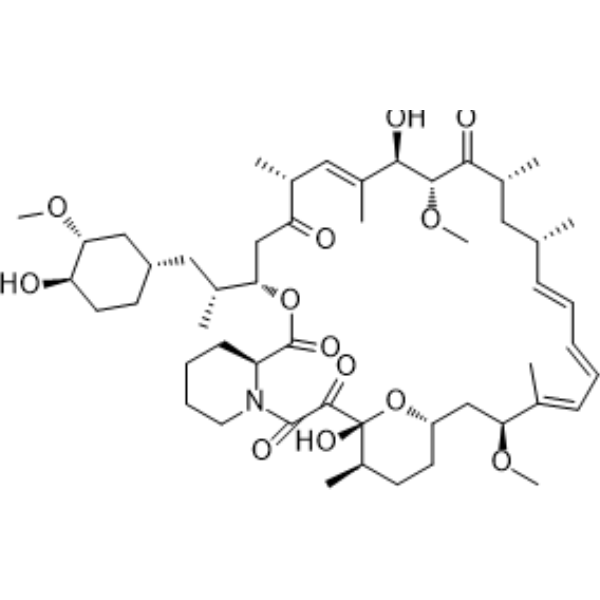
- Formula: C51H79NO13
- Molecular Weight: 914.17
Rapamycin (Sirolimus; AY 22989) is a potent and specific blood-brain barrier-transmissible mTOR inhibitor with an IC50 of 0.1 nM in HEK293 cells. Rapamycin is a molecular glue that binds FKBP12 and mTOR proteins together, thereby inhibiting mTOR kinase activity. Rapamycin binds to FKBP12 and specifically acts as an allosteric inhibitor of mTORC1. Rapamycin is an autophagy activator, an immunosuppressant.
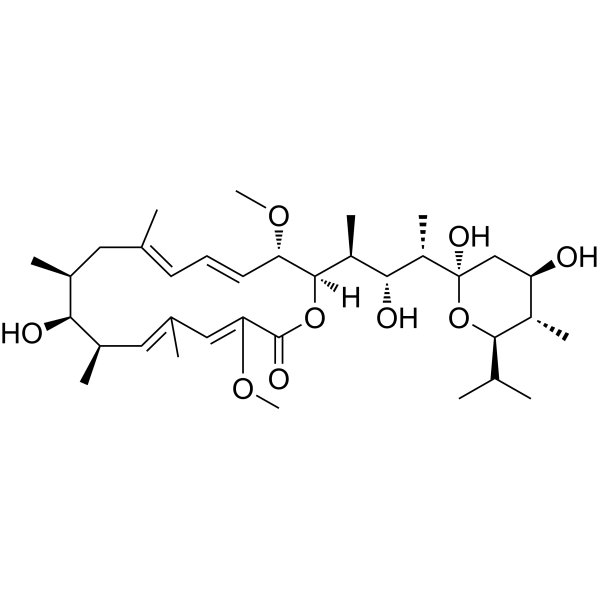
- Formula: C35H58O9
- Molecular Weight: 622.83
Bafilomycin A1 (BafA1) is a specific and reversible inhibitor of vacuolar H+-ATPase (V-ATPase) with IC50 values of 4-400 nmol/mg. Bafilomycin A1, a macrolide antibiotic, is also used as an autophagy inhibitor at the late stage. Bafilomycin A1 blocks autophagosome-lysosome fusion and inhibits acidification and protein degradation in lysosomes of cultured cells. Bafilomycin A1 induces apoptosis.
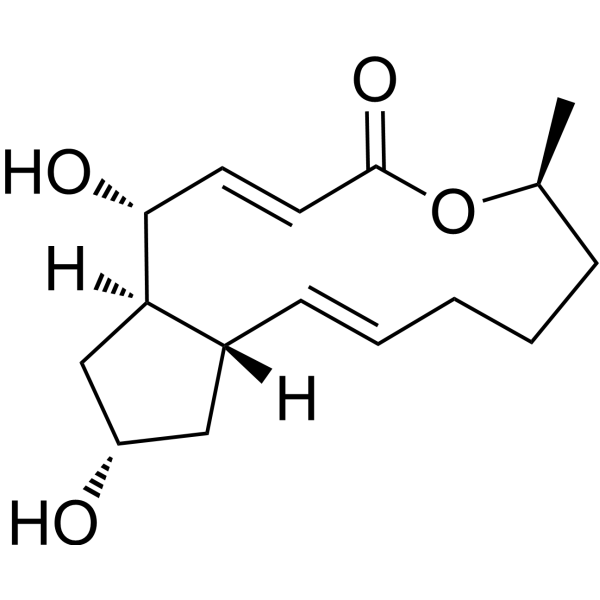
- Formula: C16H24O4
- Molecular Weight: 280.36
Brefeldin A (BFA) is a lactone antibiotic and a specific inhibitor of protein trafficking. Brefeldin A blocks the transport of secreted and membrane proteins from endoplasmic reticulum to Golgi apparatus. Brefeldin A is also an autophagy and mitophagy inhibitor. Brefeldin A inhibits HSV-1 and has anti-cancer activity.
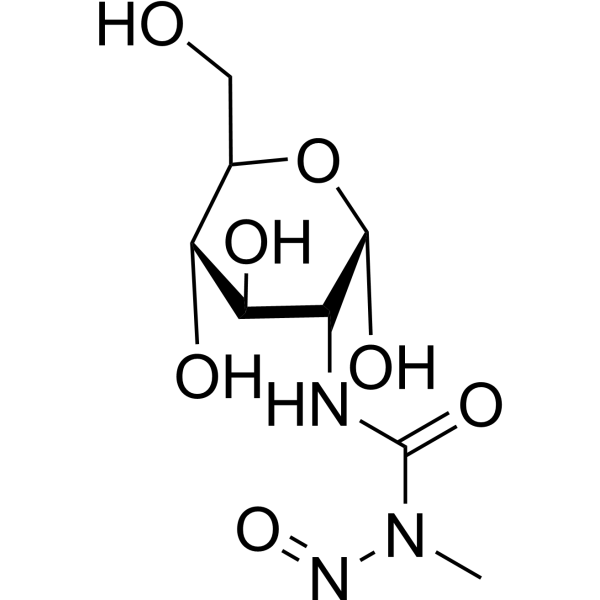
- Formula: C8H15N3O7
- Molecular Weight: 265.22
Streptozotocin (Streptozocin; STZ) is an antibiotic widely used in experimental animal models of induced diabetes. Streptozotocin enters B cells via the glucose transporter (GLUT2) and causes the alkylation of DNA ( DNA-methylating ). Streptozotocin can induce the apoptosis of β cells.
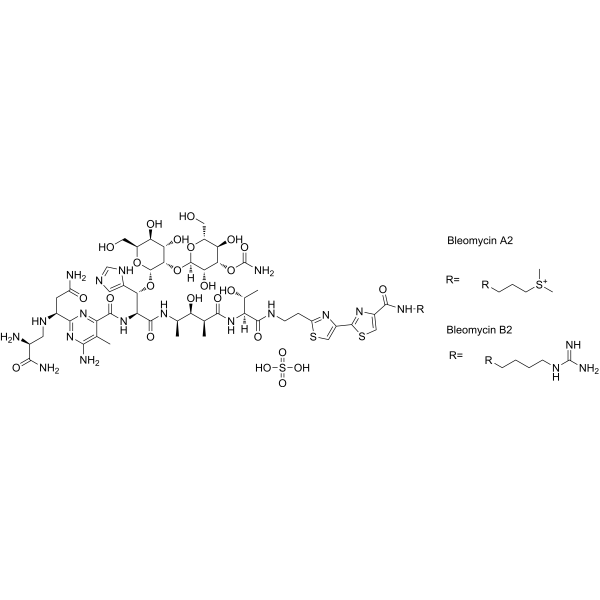
- Molecular Weight: 1523 (average)
Bleomycin sulfate is a DNA synthesis inhibitor. Bleomycin hydrochloride is a DNA damaging agent. Bleomycin sulfate is an antitumor antibiotic.

Partricin is an aromatic heptaene macrolide antibiotic complex consisting of partricin A and B, an antifungal agent found in Streptomyces aureofaciens. Partricin exhibits antifungal activity. Partricin has poor selective toxicity in the pathogen/host system. Partricin can be used for the research of fungal infections.

- Formula: C59H86N2O19
- Molecular Weight: 1127.32
Partricin A is an antimicrobial agent with affinity for ergosterol and cholesterol. Partricin A inhibits growth of fungal species and Trichomonas vaginalis. Partricin A induces hemolysis of rat erythrocytes. Partricin A causes acute toxicity in mice via intraperitoneal or intravenous administration. Partricin A serves as a starting material for synthesis of semisynthetic amide derivatives. Partricin A can be used for the research of fungal infections, trichomonas vaginalis infection.

- Formula: C58H84N2O19
- Molecular Weight: 1113.29
Partricin B is an aromatic heptaene macrolide with antifungal and antiprotozoal activities. Partricin B interacts with cholesterol via the polyene side of the plane of its macrolide ring; its all-trans photoisomer interacts with cholesterol via the opposite region and shows no tendency to bind to the polyene region. Partricin B can be used in studies related to fungal infections.
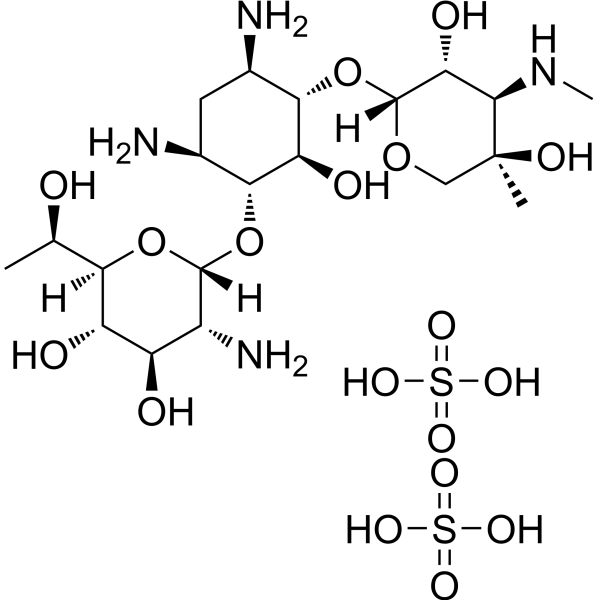
- Formula: C20H44N4O18S2
- Molecular Weight: 692.71
G-418 disulfate (Geneticin sulfate), is an aminoglycoside antibiotic, inhibits protein synthesis in eukaryotes and prokaryotes. G-418 disulfate is commonly used as a selective agent for eukaryotic cells.
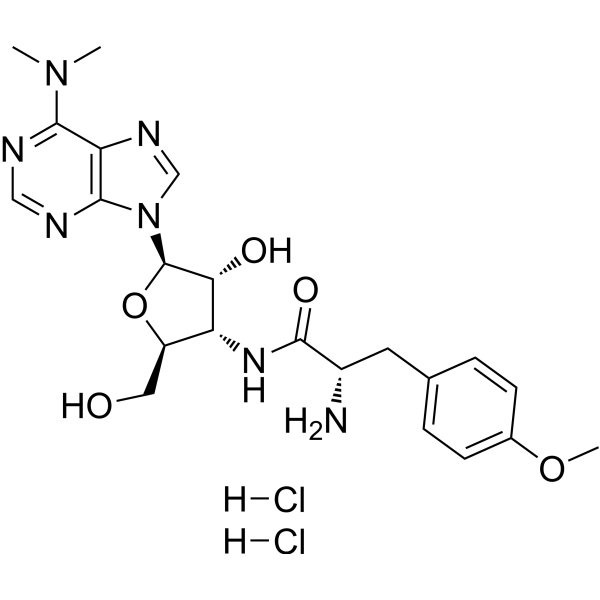
- Formula: C22H31Cl2N7O5
- Molecular Weight: 544.43
Puromycin dihydrochloride (CL13900 dihydrochloride), an aminonucleoside antibiotic, inhibits protein synthesis.
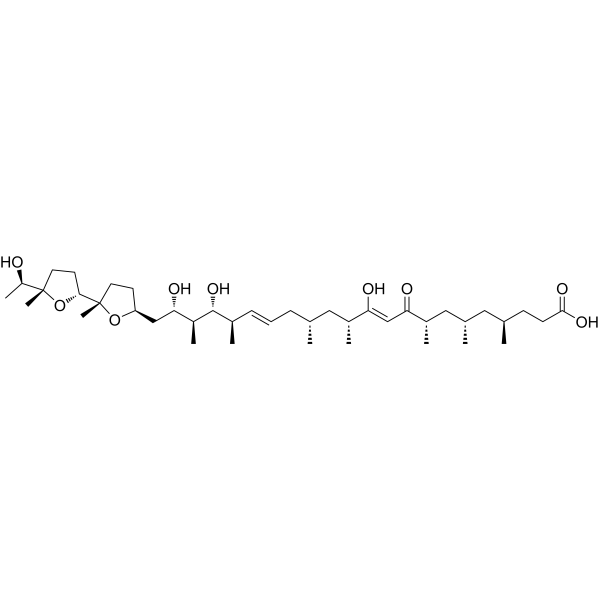
- Formula: C41H72O9
- Molecular Weight: 709.01
Ionomycin (SQ23377) is a potent, selective calcium ionophore and an antibiotic produced by Streptomyces conglobatus. Ionomycin (SQ23377) is highly specific for divalent cations (Ca>Mg>Sr=Ba). Ionomycin (SQ23377) promotes apoptosis. Ionomycin also induces the activation of protein kinase C (PKC).
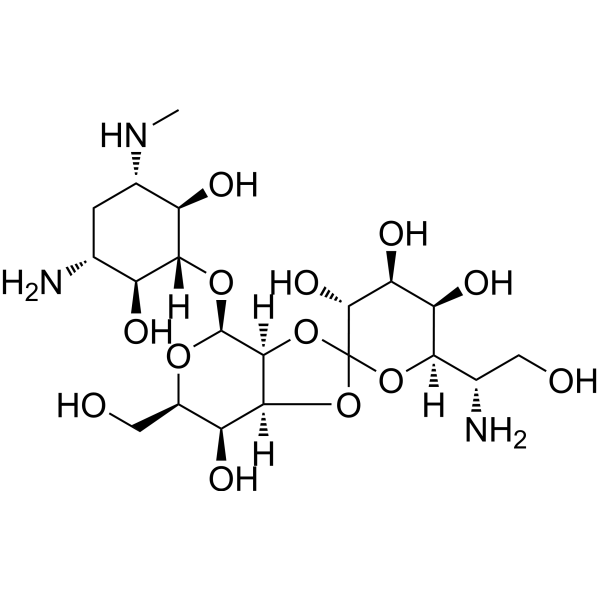
- Formula: C20H37N3O13
- Molecular Weight: 527.52
Hygromycin B is an aminoglycoside antibiotic active against prokaryotic and eukaryotic cells.
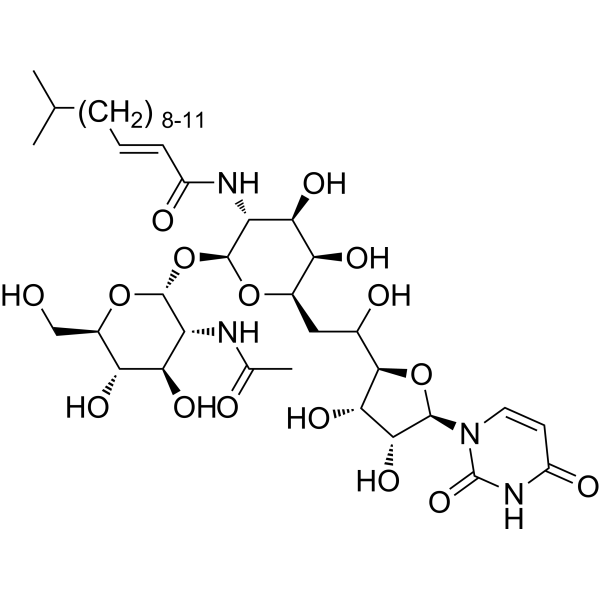
- Formula: C39H64N4O16
- Molecular Weight: 844.94 (n=10)
Tunicamycin is a mixture of homologous nucleoside antibiotic that inhibits N-linked glycosylation and blocks GlcNAc phosphotransferase (GPT). Tunicamycin causes accumulation of unfolded proteins in cell endoplasmic reticulum (ER) and induces ER stress, and causes blocking of DNA synthesis and cell cycle arrest in G1 phase. Tunicamycin inhibits gram-positive bacteria, yeasts, fungi, and viruses and has anti-cancer activity.Tunicamycin increases exosome release in cervical cancer cells.
Oligomycin, an antifungal antibiotic, is an inhibitor of H+-ATP-synthase. Oligomycin blocks oxidative phosphorylation and the electron transport chain. Oligomycin inhibits HIF-1alpha expression in hypoxic tumor cells.
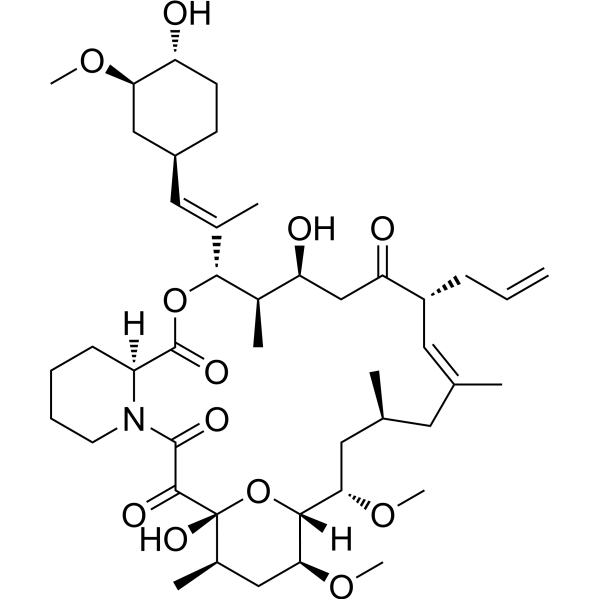
- Formula: C44H69NO12
- Molecular Weight: 804.02
Tacrolimus (FK506), a molecular glue, a macrocyclic lactone, binds to FK506 binding protein (FKBP) to form a complex. Tacrolimus inhibits calcineurin phosphatase, which inhibits T-lymphocyte signal transduction and IL-2 transcription. Immunosuppressive properties.
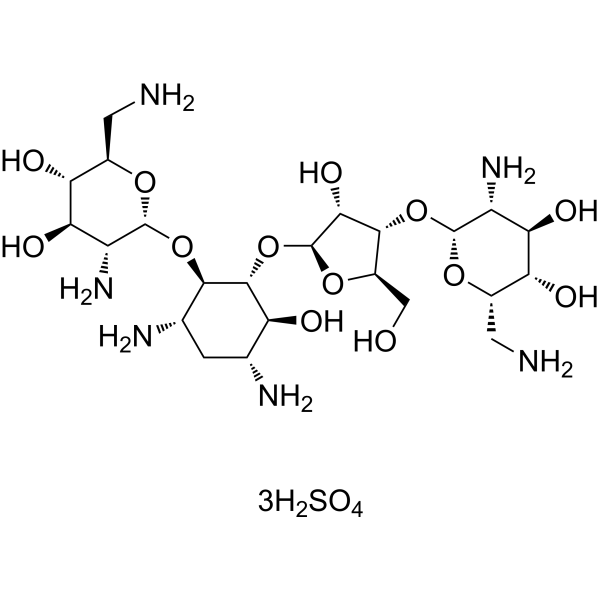
- Formula: C23H52N6O25S3
- Molecular Weight: 908.88
Neomycin sulfate, an aminoglycoside antibiotic, exerts antibacterial activity through irreversible binding of the nuclear 30S ribosomal subunit, thereby blocking bacterial protein synthesis. Neomycin sulfate is a known phospholipase C (PLC) inhibitor. Neomycin sulfate potently inhibits both the nuclear translocation of angiogenin and angiogenin-induced cell proliferation and angiogenesis. Neomycin sulfate inhibits IP3-mediated Ca2+ release, MgATP-dependent Ca2+ uptake, and electrical excitation-evoked skeletal muscle Ca2+ transients. Neomycin sulfate depletes gut microbiota in specific mouse models, causes hearing impairment, and kidney damage with prolonged exposure. Neomycin sulfate can be used for the research of cancer.
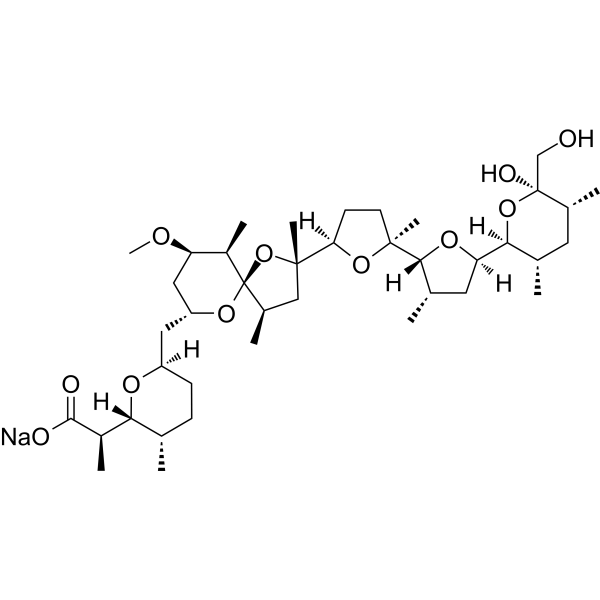
- Formula: C40H67NaO11
- Molecular Weight: 746.94
Nigericin sodium salt is an antibiotic derived from Streptomyces hygroscopicus that act as a K+/H+ ionophore, promoting K+/H+ exchange across mitochondrial membranes. Nigericin sodium salt is a NLRP3 activator. Nigericin sodium salt shows promising anti-cancer activities through decreasing intracellular pH (pHi), and inactivation of Wnt/β-catenin signals. Nigericin sodium salt induces pyroptosis through caspase 1/GSDMD in TNBC.
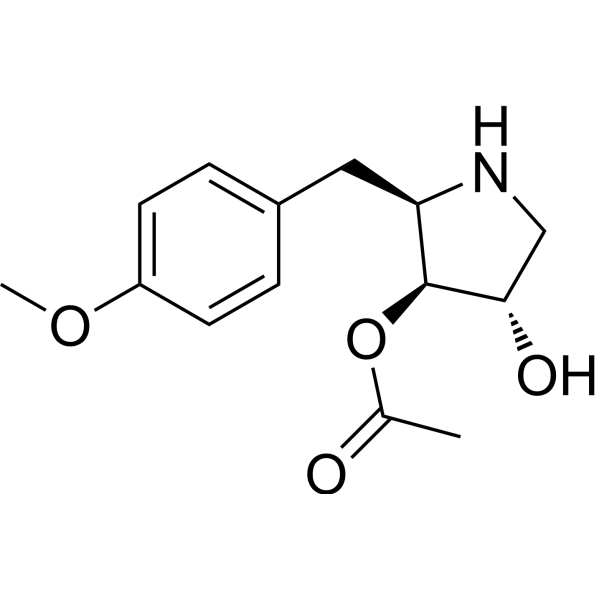
- Formula: C14H19NO4
- Molecular Weight: 265.31
Anisomycin is a potent protein synthesis inhibitor which interferes with protein and DNA synthesis by inhibiting peptidyl transferase or the 80S ribosome system. Anisomycin is a JNK activator, which increases phospho-JNK. Anisomycin is a bacterial antibiotic.
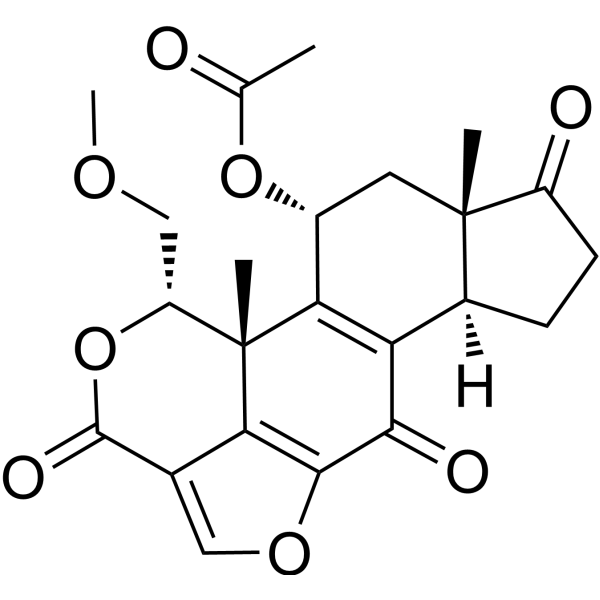
- Formula: C23H24O8
- Molecular Weight: 428.43
Wortmannin (SL-2052; KY-12420) is a potent, selective and irreversible PI3K inhibitor with an IC50 of 3 nM. Wortmannin also blocks autophagy formation, and potently inhibits Polo-like kinase 1 (PlK1) and Plk3 with IC50s of 5.8 and 48 nM, respectively.
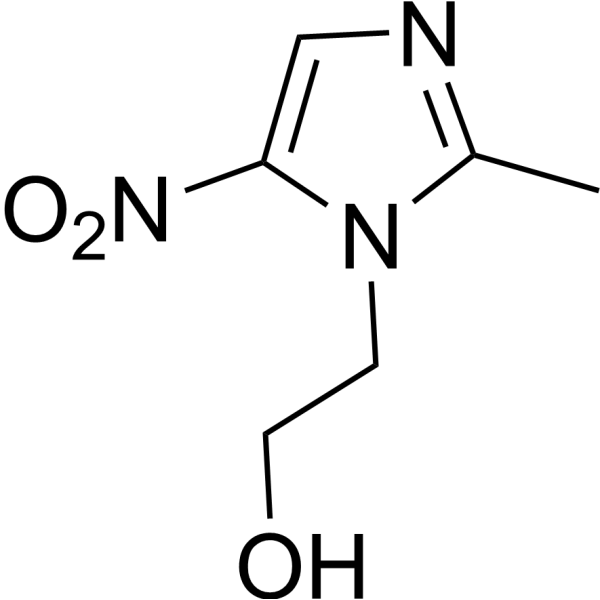
- Formula: C6H9N3O3
- Molecular Weight: 171.16
Metronidazole is an orally active nitroimidazole antibiotic. Metronidazole can cross blood brain barrier. Metronidazole can be used for the research of anaerobic infections.



