

Search Result
Results for "
hydrolase substrate
" in MedChemExpress (MCE) Product Catalog:
3
Biochemical Assay Reagents
1
Isotope-Labeled Compounds
| Cat. No. |
Product Name |
Target |
Research Areas |
Chemical Structure |
-
- HY-P2831
-
|
CESs
|
Endogenous Metabolite
|
Metabolic Disease
|
|
Esterase, pig liver (CESs), namely carboxylate hydrolases, are widely distributed in nature, commonly found in mammalian liver, and often used in biochemical research. Esterase catalyzes the hydrolysis of a variety of endogenous and exogenous substrates, including esters, thioesters, carbamates, and amides, hydrolyzing carboxylic acid esters to the corresponding alcohols and carboxylic acids .
|
-
-
- HY-P2875
-
|
|
Endogenous Metabolite
|
Others
|
|
Hemicellulase is a hemicellulose-targeting hydrolase that breaks down the binding of glucose and polymers to water molecules present in plant fibers. Hemicellulase specifically degrades hemicellulose (such as xylan and mannan) in plant cell walls by hydrolyzing β-1,4-xylosidic bonds and ester bonds (such as acetyl and ferulic acid ester bonds). Hemicellulase relies on the synergistic action of the glycoside hydrolase (GH) and carbohydrate esterase (CE) families to achieve efficient hydrolysis through acid-base catalysis (such as Glu/Asp residues) and substrate binding pockets. Hemicellulase can be used in the food industry (such as improving bread texture), biofuel production (lignocellulose pretreatment) and paper industry (biobleaching) .
|
-
-
- HY-146248B
-
|
|
Poly(ADP-ribose) Glycohydrolase (PARG)
SARS-CoV
Protease Activated Receptor (PAR)
|
Metabolic Disease
|
|
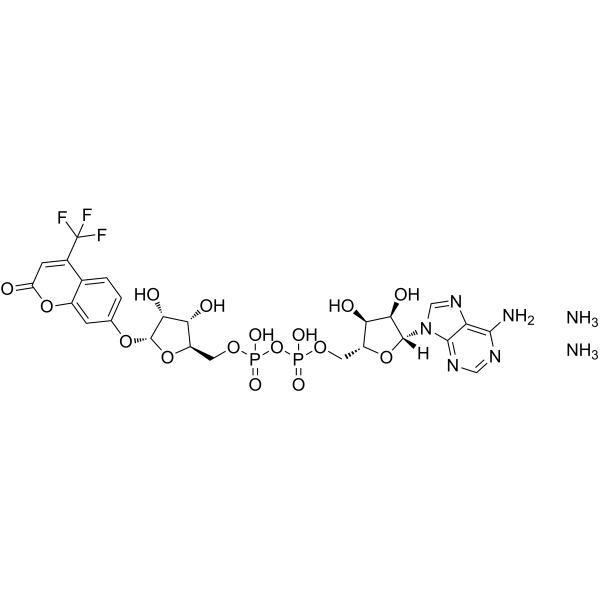
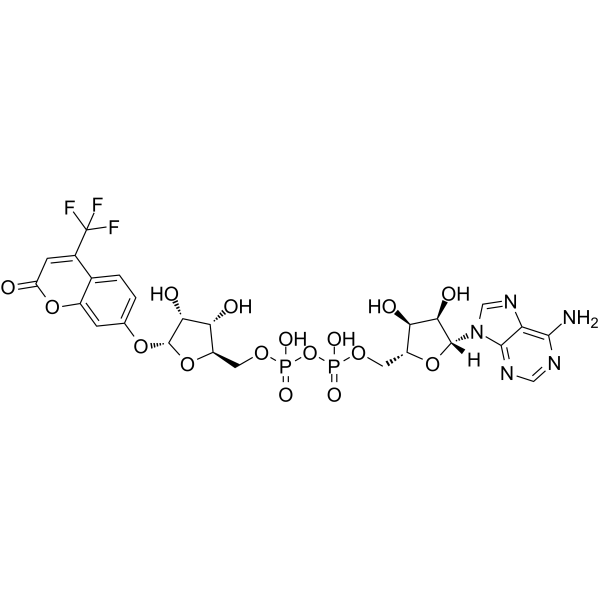
TFMU-ADPr diammonium is a selective reporter substrate of SARS-CoV-2 Macro1 (IC50=0.59 μM), with an excitation wavelength (λEx) of 385 nm, and an emission wavelength (λEm) of 502 nm (or 495 nm). TFMU-ADPr diammonium can also undergo enzymatic hydrolysis with Poly(ADP-ribose) Glycohydrolase (PARG) sourced from human, Tetrahymena thermophila and ADP-ribosylhydrolase 3 from human to release fluorophores, thereby directly reporting total poly (ADP-ribose) hydrolase activity. TFMU-ADPr diammonium binds to the ADPr-binding site of SARS-CoV-2 Macro1, and its TFMU moiety inserts into the narrow hydrophobic groove of this protein. TFMU-ADPr diammonium can thus be used to evaluate small-molecule inhibitors targeting PAR hydrolases under in vitro conditions, to investigate the regulatory mechanisms of ADP-ribosyl catabolic enzymes, or to detect PAR hydrolase activity in whole-cell lysate assays. TFMU-ADPr diammonium is also applicable to COVID-19-related research .
|
-
-
- HY-Y1422H
-
|
|
Environmental Pollutants
Biochemical Assay Reagents
Lipase
|
Others
|
Lipase, Candida cylindracea (Immobilized) is an immobilized hydrolase and biocatalyst with relaxed positional and substrate specificity. Lipase, Candida cylindracea (Immobilized) can target primary and secondary ester bonds to completely hydrolyze triglycerides into fatty acids and glycerol, producing only trace amounts of monoglycerides. Lipase, Candida cylindracea (Immobilized) exhibits chain specificity, with a relatively fast hydrolysis rate for oleic acid and lauric acid chains, and the slowest hydrolysis rate for stearic acid chains. Lipase, Candida cylindracea (Immobilized) shows high catalytic activity toward long-chain triglycerides under the conditions of pH 8.0 and 37°C .
|
-
-
- HY-W040088
-
|
H-Ala-Leu-OH
|
Aminopeptidase
|
Metabolic Disease
|
|
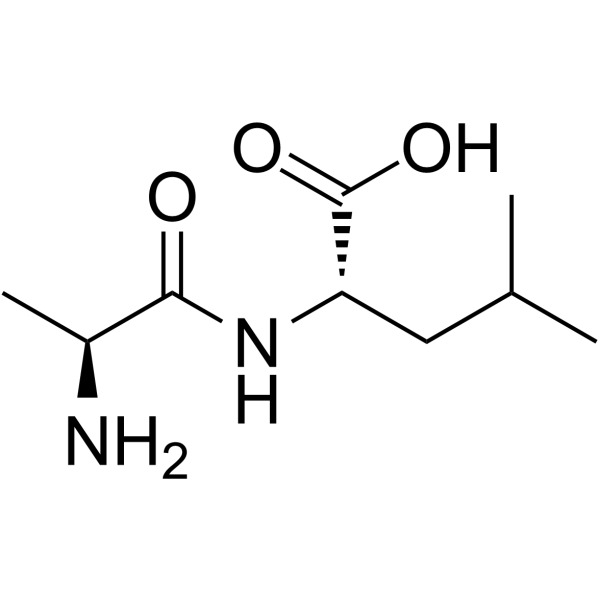
L-Alanyl-L-leucine is a competitive inhibitor of small intestinal glycyl-L-leucine hydrolase with Ki values of 0.53 mM (phosphate buffer) or 0.22 mM (Tris buffer). L-Alanyl-L-leucine can be used for research on Hartnup disease and cystinuria .
|
-
-
- HY-113862
-
|
|
Fluorescent Dye
|
Others
|
|
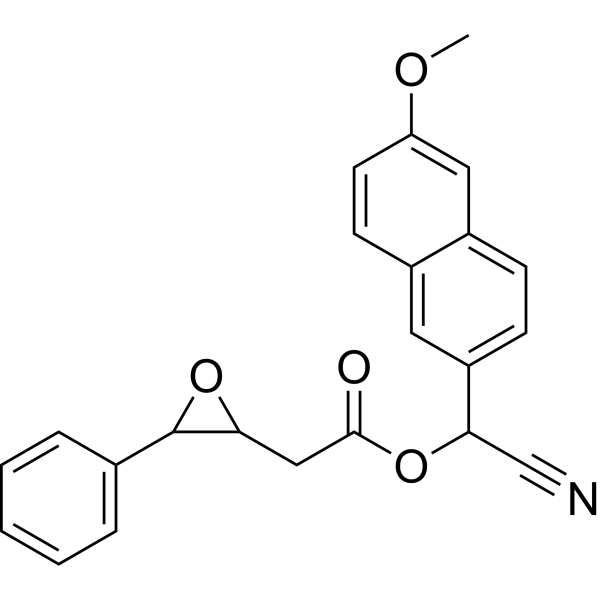
PHOME is a fluorogenic substrate for sEH. sEH can hydrolyze the epoxy ring in the PHOME substrate. PHOME can be used for fluorescent epoxide hydrolase assay .
|
-
-
- HY-172404
-
|
|
Endogenous Metabolite
|
Cancer
|
|
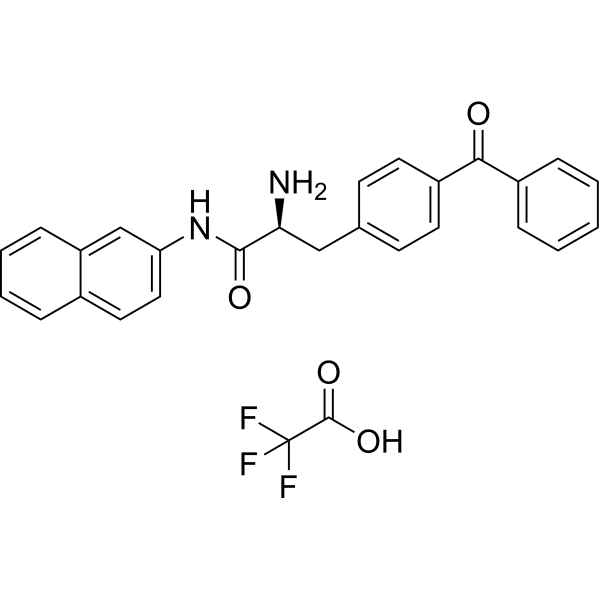
Arylsulfatase is a hydrolase with substrate specificity for potassium 6-benzoyl-2-naphthyl sulfate. Arylsulfatase exhibits optimal activity at 37°C, and its incubation time is tissue-dependent. Arylsulfatase can be used in tumor-related research .
|
-
-
- HY-146248
-
|
|
SARS-CoV
Poly(ADP-ribose) Glycohydrolase (PARG)
Protease Activated Receptor (PAR)
|
Infection
|
|
TFMU-ADPr is a selective reporter substrate of SARS-CoV-2 Macro1 (IC50=0.59 μM), with an excitation wavelength (λEx) of 385 nm, and an emission wavelength (λEm) of 502 nm (or 495 nm). TFMU-ADPr can also undergo enzymatic hydrolysis with Poly(ADP-ribose) Glycohydrolase (PARG) sourced from human, Tetrahymena thermophila and ADP-ribosylhydrolase 3 from human to release fluorophores, thereby directly reporting total poly (ADP-ribose) hydrolase activity. TFMU-ADPr binds to the ADPr-binding site of SARS-CoV-2 Macro1, and its TFMU moiety inserts into the narrow hydrophobic groove of this protein. TFMU-ADPr can thus be used to evaluate small-molecule inhibitors targeting PAR hydrolases under in vitro conditions, to investigate the regulatory mechanisms of ADP-ribosyl catabolic enzymes, or to detect PAR hydrolase activity in whole-cell lysate assays. TFMU-ADPr is also applicable to COVID-19-related research .
|
-
-
- HY-120957
-
|
AMC-AA; 7-Amino-4-methyl coumarin-arachidonamide
|
Endogenous Metabolite
|
Metabolic Disease
|
|
AMC arachidonoyl amide (AMC-AA) is one of several fatty acid amides which can be used to measure fatty acid amide hydrolase (FAAH) activity.1 FAAH is a relatively unselective enzyme in that it accepts a variety of amide head groups other than the ethanolamine of its nominal endogenous substrate anandamide.2 Exposure of AMC-AA to FAAH activity results in the release of the fluorescent aminomethyl coumarin that absorbs at 360 nm and emits at 465 nm. This allows the fast and convenient measurement of FAAH activity using a simple cuvette or microplate fluorometer.
|
-
-
- HY-U00452
-
-
-
- HY-W039915
-
|
|
Glycosidase
|
Others
|
|
Allyl α-D-galactopyranoside is an α-galactoside and acceptor/donor substrate for transgalactosylation reactions. Allyl α-D-galactopyranoside acts as an acceptor substrate in α-galactosidase-catalyzed transgalactosylation, and serves as a donor substrate to form longer α-galactosyl-containing oligosaccharides. Allyl α-D-galactopyranoside serves as a model compound for investigating the catalytic mechanism and substrate specificity of glycoside hydrolases and glycosyltransferases .
|
-
-
- HY-134354A
-
|
ADP-ribose-pNP disodium
|
Poly(ADP-ribose) Glycohydrolase (PARG)
|
Others
|
|
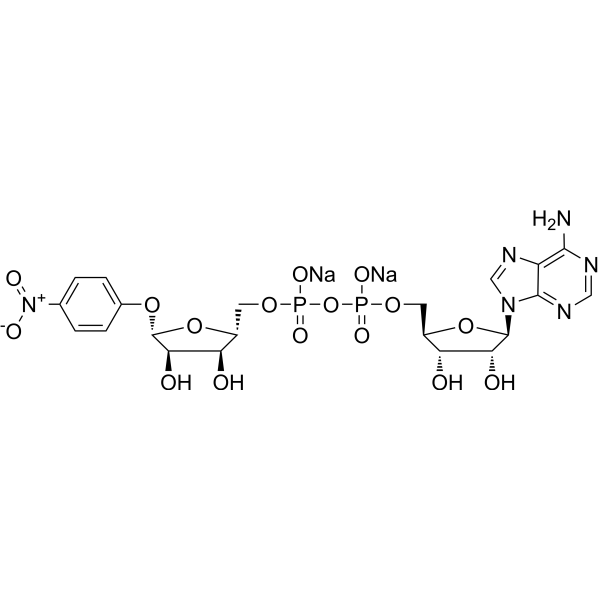
pNP-ADPr disodium is a colorimetric substrate that used for the first continuous Poly(ADP-ribose) glycohydrolase (PARG) and ADP-ribosyl hydrolase 3 (ARH3) activity assays. pNP-ADPr disodium can be used for the research of poly(ADP-ribose)polymerase (PARP) enzymes .
|
-
-
- HY-164495
-
|
|
FAAH
Thyroid Hormone Receptor
|
Inflammation/Immunology
Endocrinology
|
|
Sob-AM2 is a potent substrate (Km=1.3 μM) targeting fatty acid amide hydrolase (FAAH) expressed in the brain and has blood-brain barrier permeability. Sob-AM2 delivers high concentrations of Sobetirome (HY-14823) to the central nervous system with minimal peripheral systemic dose, thereby stimulating central thyroid hormone receptor β (TRβ). In addition, Sob-AM2 can prevent myelin and axon degeneration in experimental autoimmune encephalomyelitis (EAE) mice .
|
-
-
- HY-B2220B
-
|
|
Endogenous Metabolite
|
Others
|
|
Thermostable cellulase recombinant is a cellulose hydrolase present in hyperthermophiles, which catalyzes the hydrolysis of β-1,4 glycosidic bonds in cellulose. Thermostable cellulase recombinant targets carboxymethyl cellulose (CMC) as its primary substrate, and retains high residual activity even after incubation at high temperatures. The activity of Thermostable cellulase recombinant is inhibited by ionic and non-ionic detergents, and can be enhanced by cobalt ions. Thermostable cellulase recombinant can be applied in the paper industry .
|
-
-
- HY-W040088R
-
|
H-Ala-Leu-OH (Standard)
|
Reference Standards
Aminopeptidase
|
Metabolic Disease
|
|
L-Alanyl-L-leucine is an endogenous metabolite. This product is used for research and analytical applications. L-Alanyl-L-leucine is a competitive inhibitor of small intestinal glycyl-L-leucine hydrolase with Ki values of 0.53 mM (phosphate buffer) or 0.22 mM (Tris buffer). L-Alanyl-L-leucine can be used for research on Hartnup disease and cystinuria .
|
-
-
- HY-138031
-
|
PteGlu6
|
Endogenous Metabolite
|
Others
|
|
Pteroylhexaglutamate (PteGlu6) inhibits the T2-phage-induced synthetase by 50% at 0.6 μM in the absence of Mg 2+. Pteroylhexaglutamate is a substrate for pteroylpolyglutamate hydrolase, and can be used to monitor the activity of pteroylpolyglutamate hydrolase .
|
-
-
- HY-E70124A
-
-
-
- HY-137286
-
|
Z-Leu-Leu-Glu-β-naphthylamide
|
Proteasome
|
Others
|
|
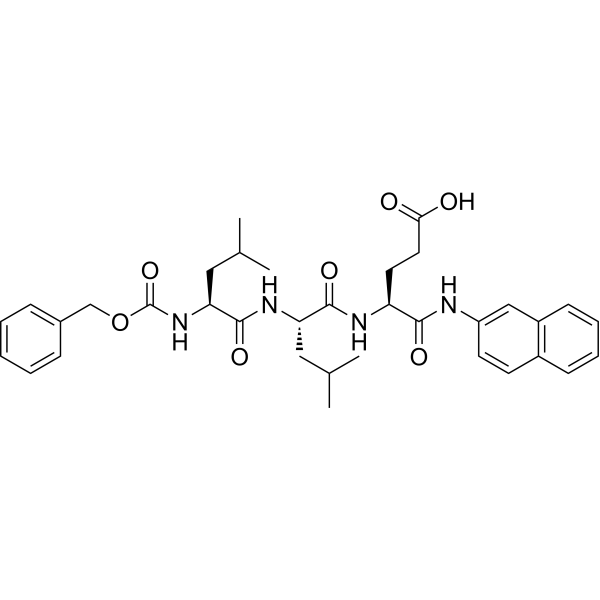
Z-Leu-Leu-Glu-βNA (Z-Leu-Leu-Glu-β-naphthylamide) is a substrate for determination of the glutamylpeptidyl-peptide hydrolase activity of the 20S proteasome .
|
-
-
- HY-121549
-
|
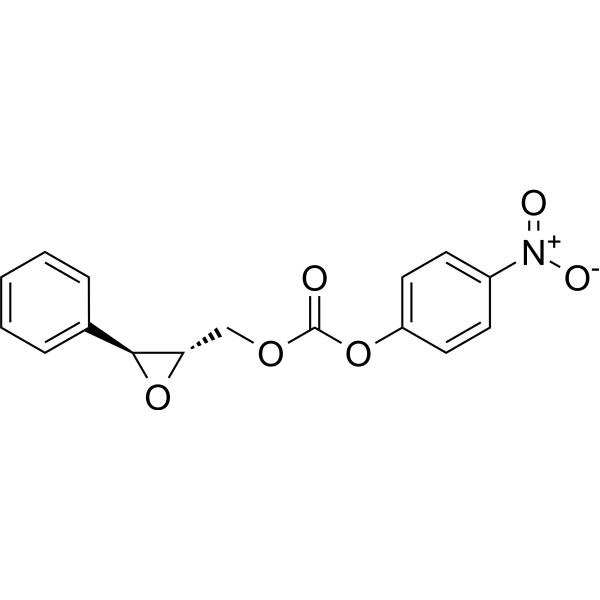
4-Nitrophenyl-2S,3S-epoxy-3 phenylpropyl carbonate
|
Epoxide Hydrolase
|
Others
|
|
S-NEPC (4-Nitrophenyl-2S,3S-epoxy-3 phenylpropyl carbonate) is a colorimetric substrate used to measure epoxide hydrolase activity .
|
-
-
- HY-W751418
-
|
(Z)-2-tetracos-15-enamidoethanesulfonic acid
|
FAAH
|
Neurological Disease
|
|
N-Nervonoyl taurine ((Z)-2-tetracos-15-enamidoethanesulfonic acid) is a fatty acid-taurine conjugate derived from nervonic acid. N-Nervonoyl taurine is a substrate of fatty acid amide hydrolase (FAAH) discovered during metabolite profiling .
|
-
-
- HY-134354
-
|
ADP-ribose-pNP
|
Poly(ADP-ribose) Glycohydrolase (PARG)
|
Others
|
|
pNP-ADPr is a colorimetric substrate that used for the first continuous Poly(ADP-ribose) glycohydrolase (PARG) and ADP-ribosyl hydrolase 3 (ARH3) activity assays. pNP-ADPr can be used for the research of poly(ADP-ribose)polymerase (PARP) enzymes .
|
-
-
- HY-W416297
-
|
|
Nucleoside Antimetabolite/Analog
|
Others
|
|
dUDP disodium is a nucleotide that plays a crucial role in the synthesis of DNA. dUDP disodium consists of a uracil base, a ribose, and two phosphate groups. dUDP disodium is also a substrate for the deoxyuridine triphosphate nucleotide hydrolase, which catalyzes the conversion of dUDP to dUMP, which is the precursor for dTTP synthesis. dUDP disodium is involved in various biochemical processes and can be used for various biochemical analyses and applications .
|
-
-
- HY-146248A
-
|
|
Poly(ADP-ribose) Glycohydrolase (PARG)
SARS-CoV
Protease Activated Receptor (PAR)
|
Others
|
|
TFMU-ADPr triethylamine is a selective reporter substrate of SARS-CoV-2 Macro1 (IC50=0.59 μM), with an excitation wavelength (λEx) of 385 nm, and an emission wavelength (λEm) of 502 nm (or 495 nm). TFMU-ADPr triethylamine can also undergo enzymatic hydrolysis with Poly(ADP-ribose) Glycohydrolase (PARG) sourced from human, Tetrahymena thermophila and ADP-ribosylhydrolase 3 from human to release fluorophores, thereby directly reporting total poly (ADP-ribose) hydrolase activity. TFMU-ADPr triethylamine binds to the ADPr-binding site of SARS-CoV-2 Macro1, and its TFMU moiety inserts into the narrow hydrophobic groove of this protein. TFMU-ADPr triethylamine can thus be used to evaluate small-molecule inhibitors targeting PAR hydrolases under in vitro conditions, to investigate the regulatory mechanisms of ADP-ribosyl catabolic enzymes, or to detect PAR hydrolase activity in whole-cell lysate assays. TFMU-ADPr triethylamine is also applicable to COVID-19-related research .
|
-
-
- HY-N8279
-
|
Endo-β-1,3-1,4-glucanase
|
Glycosidase
|
Metabolic Disease
|
|
β-1,3-1,4-glucanase (Endo-β-1,3-1,4-glucanase) is a glycoside hydrolase family 16 enzyme (some members belong to subfamily 25). β-1,3-1,4-glucanase shows high substrate specificity toward mixed‑linked β‑glucans and cleaves β‑1,4 glycosidic bonds adjacent to β‑1,3 linkages in an endo‑type pattern. β-1,3-1,4-glucanase can be used in industrial enzyme applications and monogastric animal feed supplementation .
|
-
-
- HY-126720
-
|
|
Endogenous Metabolite
|
Metabolic Disease
|
|
N-Lignoceroyl Taurine is an arachidonoyl amino acid and taurine conjugate with a fatty acid that can be isolated from bovine brain. N-Lignoceroyl Taurine is one of several novel taurine-conjugated fatty acids discovered during mass spectrometry lipidomic analysis of the brain and spinal cord of wild-type and fatty acid amide hydrolase (FAAH) knockout mice. N-Lignoceroyl Taurine levels were 23-26-fold higher in FAAH -/- mice compared to wild-type mice, suggesting that FAAH utilizes N-Lignoceroyl Taurine as a substrate. However, in vitro experiments with purified FAAH showed that N-Lignoceroyl Taurine was hydrolyzed 2,000-fold slower in FAAH compared to oleoylethanolamide. N-Acyl Taurines with polyunsaturated acyl chains can activate members of the transient receptor potential (TRP) calcium channel family, including TRPV1 and TRPV4.
|
-
-
- HY-135886
-
|
|
Biochemical Assay Reagents
|
Others
|
|
2-Nitrophenyl α-D-galactopyranoside, a nitrophenyl derivative, is a substrate to test for hydrolytic activity of glycosyl hydrolase .
|
-
-
- HY-158784
-
|
|
FAAH
|
Others
|
|
Arachidonoyl m-Nitroaniline (AmNA) is one of several nitroaniline fatty acid amides which can be used to measure fatty acid amide hydrolase (FAAH) activity. Arachidonoyl m-Nitroaniline is a FAAH substrate .
|
-
-
- HY-W713925
-
|
|
Endogenous Metabolite
|
Metabolic Disease
|
|
Diheptanoyl Thio-PC is a substrate for all phospholipase A2s (PLA2s) with the exception of cPLA2 and PAF-acetyl hydrolase (PAF-AH).1 Interaction of this compound with a PLA2 results in cleavage of the sn-2 fatty acid generating a free thiol on the lysophospholipid. This free thiol can be detected using chromogenic substrates such as DTNB (Ellman’s reagent) and DTP.
|
-
-
- HY-137798
-
|
|
Fluorescent Dye
|
Others
|
|
Chromozym PL is a chromogenic substrate for plasmin, and the enzymatic reaction can be carried out in 0.1mL Tris-HCl buffer (50 mM, pH 7.8). 100 μM Chromozym PL was dissolved and prepared. After adding the hydrolase, the generation of p-nitroaniline (pNA) at 405 nm was continuously observed, and the hydrolysis products were calculated .
|
-
-
- HY-N15826
-
|
|
Fluorescent Dye
Ceramidase
|
Cancer
|
|
RBM1-151, a 1-deoxy derivative and vinilog of RBM14-C12 (HY-150163), as a fluorogenic substrate of Amidases (HY-P2736) (Ex/Em). RBM1-151 is hydrolyzed by acid ceramidase (AC) (( appKm = 7.0 μM; appVmax = 99.3 nM/min), N-acylethanolamine-hydrolyzing acid amidase ( appKm = 0.73 μM; appVmax = 0.24 nM/min), and fatty Acid amide hydrolase (FAAH) ( appKm = 3.6 μM; appVmax = 7.6 nM/min) but not by other ceramidases. RBM1-151 is applicable for basic biological studies of lipid amidase function, as well as potential diagnostic/prognostic evaluations of diseases involving dysregulated AC, NAAA, or FAAH (Farber disease, cancer) .
|
-
-
- HY-E70246
-
|
Pelargonoyl-CoA; S-Nonanoate coenzyme A; Nonanoyl-coenzyme A
|
Biochemical Assay Reagents
|
Metabolic Disease
|
|
Nonanoyl-CoA (Pelargonoyl-CoA) is a medium-chain fatty acyl-CoA that can be used as substrate for the medium-chain hydrolase .
|
-
-
- HY-165025
-
-
-
- HY-E70124C
-
-
-
- HY-126041A
-
|
(±)10,11-EDP; (±)10,11-EpDPE; (±)10,11-Epoxy docosapentaenoic acid
|
Epoxide Hydrolase
|
Metabolic Disease
|
|
(±)10(11)-EpDPA, a docosahexaenoic acid epoxygenase metabolite, acts as a substrate for soluble epoxide hydrolase (sEH) with a Km value of 5.1 µM for human sEH .
|
-
-
- HY-N12528
-
|
|
Epoxide Hydrolase
|
Cardiovascular Disease
|
|
10,11-EDT, a soluble epoxide hydrolase (sEH) substrate, is a metabolic product of adrenic acid. 10,11-EDT is an endothelium-derived hyperpolarizing factor with strong vasorelaxant effects .
|
-
-
- HY-121941
-
|
|
Fluorescent Dye
|
Others
|
|
Epoxy Fluor 7 is a sensitive fluorescent substrate for soluble epoxide hydrolase (sEH) that can be used for human and mouse enzymes. Epoxy Fluor 7 is hydrolyzed to yield fluorescence used for monitoring the activity of sEH.
|
-
-
- HY-W698964
-
|
|
Biochemical Assay Reagents
|
Metabolic Disease
|
|
2′-Hydroxy-5′-nitrohexadecanamide is a lysosomal hydrolase inhibitor and is a lipid containing pentadecanoic acid and a terminal nitrophenol in its structure. 2′-Hydroxy-5′-nitrohexadecanamide can cause intracellular lipid accumulation by inhibiting lysosomal hydrolase activity. Additionally, 2′-Hydroxy-5′-nitrohexadecanamide can be used to synthesize chromogenic substrates for measuring sphingolipase activity .
|
-
-
- HY-W706234
-
|
Pelargonoyl-CoA-d17; S-Nonanoate coenzyme A-d17
|
Isotope-Labeled Compounds
Biochemical Assay Reagents
|
Others
|
|
Nonanoyl-CoA-d17 (Pelargonoyl-CoA-d17) is the deuterium labeled Nonanoyl-CoA (HY-E70246). Nonanoyl-CoA is a medium-chain fatty acyl-CoA that can be used as substrate for the medium-chain hydrolase .
|
-
-
- HY-134019
-
|
|
Others
|
Others
|
|
Arachidonoyl p-nitroaniline is a substrate for the hydrolysis of p-nitroaniline by FAAH in Dictyostelium discoideum with long-chain unsaturated fatty acids. Arachidonoyl p-nitroaniline can be used in enzyme kinetic studies. Examples include determining the hydrolysis rate of Arachidonoyl p-nitroaniline and analyzing the fatty acid amide hydrolase activity of recombinant His-FAAH purified from Dictyostelium to characterize the binding and catalytic specificity of mammalian FAAH enzymes .
|
-
-
- HY-120971
-
|
DepNA
|
Endogenous Metabolite
|
Metabolic Disease
|
|
N-Decanoyl p-nitroaniline (DepNA) is one of several nitroaniline fatty acid amides which can be used to measure fatty acid amide hydrolase (FAAH) activity.1 FAAH is a relatively unselective enzyme in that it accepts a variety of amide head groups other than the ethanolamine of its endogenous substrate anandamide (AEA). It also will hydrolyze fatty acid amides with fewer carbons and fewer double bonds than arachidonate. Exposure of DepNA to FAAH activity results in the release of the yellow colorimetric dye p-nitroaniline (ε=13,500 at 410 nm). This allows the fast and convenient measurement of FAAH activity using a 96 well plate spectrophotometer.
|
-
-
- HY-W274294
-
|
|
Biochemical Assay Reagents
|
Others
|
|
H-Pro-Pna is a chromogenic substrate of peptidase and can be used to determine enzyme activity, such as leukotriene A4 hydrolase .
|
-
-
- HY-E70906
-
|
|
Endogenous Metabolite
|
Metabolic Disease
|
|
Sugar-phosphatase, Escherichia coli (EC 3.1.3.23) belongs to the hydrolase family and is a hydrolase that acts on phosphomonomer bonds. The two substrates of sugar-phosphatase, Escherichia coli (EC 3.1.3.23) are sugar phosphate and water, and its two products are sugar and phosphate.
|
-
-
- HY-E71243
-
|
|
Biochemical Assay Reagents
|
Others
|
|
α-Methyl-glucuronidase 115A, Bacteroides ovatus (EC 3.2.1.-) is a hydrolase whose substrates are glucuronic acid xylan or glucuronic acid xylooligosaccharide.
|
-
-
- HY-E70898
-
|
|
Endogenous Metabolite
|
Metabolic Disease
|
|
Trehalose-6-phosphate hydrolase, Escherichia coli (EC 3.2.1.93), belongs to the hydrolase family and is a glycosidase that hydrolyzes O- and S-glycoside compounds. Trehalose-6-phosphate hydrolase participates in the metabolism of starch and sucrose. Its substrates are α,α'-trehalose-6-phosphate and water, and its products are D-glucose and D-glucose-6-phosphate.
|
-
-
- HY-E70898A
-
|
|
Endogenous Metabolite
|
Metabolic Disease
|
|
Trehalose-6-phosphate hydrolase, Bacillus subtilis (EC 3.2.1.93), belongs to the hydrolase family and is a glycosidase that hydrolyzes O- and S-glycoside compounds. Trehalose-6-phosphate hydrolase participates in the metabolism of starch and sucrose. Its substrates are α,α'-trehalose-6-phosphate and water, and its products are D-glucose and D-glucose-6-phosphate.
|
-
-
- HY-W612175
-
|
|
Leukotriene Receptor
|
Others
|
|
H-Ala-pNA is an L-amino acid p-nitroaniline (pNA) derivative and a specific substrate for leukotriene A4 hydrolase. The D-enantiomer of H-Ala-pNA shows no activity toward leukotriene A4 hydrolase. H-Ala-pNA can be catalytically hydrolyzed by leukotriene A4 hydrolase, and the p-nitroaniline produced during the reaction is monitored spectrophotometrically at 405 nm to enable quantitative detection of enzyme activity. H-Ala-pNA is used to evaluate the potency of inhibitors targeting the amidase activity of leukotriene A4 hydrolase .
|
-
-
- HY-E71157
-
|
|
Biochemical Assay Reagents
|
Others
|
|
1,4-Dihydroxy-2-naphthoyl-CoA hydrolase (EC 3.1.2.28) participates in the synthesis of menaquinones, phylloquinone, as well as several plant pigments. 1,4-Dihydroxy-2-naphthoyl-CoA hydrolase (EC 3.1.2.28) does not accept benzoyl-CoA or phenylacetyl-CoA as substrates.
|
-
-
- HY-P2869J
-
|
|
Biochemical Assay Reagents
|
Metabolic Disease
|
|
β-Galactosidase, Kluyveromyces lactis is a hydrolase enzyme that catalyzes the hydrolysis of β-galactosides into monosaccharides. SubstRates of different β-galactosidases include ganglioside GM1, lactosylceramides, lactose, and various glycoproteins.
|
-
-
- HY-E70896
-
|
|
Biochemical Assay Reagents
|
Metabolic Disease
|
|
Xyloglucanase, Clostridium thermocellum (EC 3.2.1.151) belongs to the hydrolase family and is a glycosidase that hydrolyzes O- and S-glycosidic compounds. The two substrates of Xyloglucanase, Clostridium thermocellum are xyloglucan and water, and its product is a xyloglucan oligosaccharide.
|
-
-
- HY-E70890
-
|
|
Glycosidase
|
Metabolic Disease
|
|
β-Galactosidase Mutein, E. coli is a hydrolase enzyme that catalyzes the hydrolysis of β-galactosides into monosaccharides. Substrates of different β-galactosidases include ganglioside GM1, lactosylceramides, lactose, and various glycoproteins.
|
-
- HY-E71027
-
|
|
Biochemical Assay Reagents
|
Metabolic Disease
|
|
β-Galactosidase-biotin labeled, Escherichia coli is a hydrolase enzyme that catalyzes the hydrolysis of β-galactosides into monosaccharides. SubstRates of different β-galactosidases include ganglioside GM1, lactosylceramides, lactose, and various glycoproteins.
|
-
- HY-E71299
-
|
|
Glycosidase
|
Others
|
|
β-Galactosidase 42A, Bifidobacterium longum (EC 3.2.1.23) is a hydrolase enzyme that catalyzes the hydrolysis of β-galactosides into monosaccharides. Substrates of different β-galactosidases include ganglioside GM1, lactosylceramides, lactose, and various glycoproteins.
|
-
- HY-E71299B
-
|
|
Glycosidase
|
Others
|
|
β-Galactosidase 42A, Thermotoga maritima (EC 3.2.1.23) is a hydrolase enzyme that catalyzes the hydrolysis of β-galactosides into monosaccharides. Substrates of different β-galactosidases include ganglioside GM1, lactosylceramides, lactose, and various glycoproteins.
|
-
- HY-E71297
-
|
|
Glycosidase
|
Others
|
|
β-Galactosidase 2A, Bacteroides thetaiotaomicron (EC 3.2.1.23) is a hydrolase enzyme that catalyzes the hydrolysis of β-galactosides into monosaccharides. Substrates of different β-galactosidases include ganglioside GM1, lactosylceramides, lactose, and various glycoproteins.
|
-
- HY-E71296
-
|
|
Glycosidase
|
Others
|
|
β-Galactosidase 1A, Sulfolobus solfataricus (EC 3.2.1.23) is a hydrolase enzyme that catalyzes the hydrolysis of β-galactosides into monosaccharides. Substrates of different β-galactosidases include ganglioside GM1, lactosylceramides, lactose, and various glycoproteins.
|
-
- HY-E71299A
-
|
|
Glycosidase
|
Others
|
|
β-Galactosidase 42A, Caldicellulosiruptor saccharolyticus (EC 3.2.1.23) is a hydrolase enzyme that catalyzes the hydrolysis of β-galactosides into monosaccharides. Substrates of different β-galactosidases include ganglioside GM1, lactosylceramides, lactose, and various glycoproteins.
|
-
- HY-174672
-
|
|
mRNA
|
Cancer
|
|
Human GLB1 mRNA encodes the human Galactosidase beta 1 (GLB1) protein, a member of the glycosyl hydrolase 35 family of proteins. This enzyme catalyzes the hydrolysis of a terminal beta-linked galactose residue from ganglioside substrates and other glycoconjugates.
|
-
- HY-E71298
-
|
|
Glycosidase
|
Others
|
|
β-Galactosidase 2B, Bacteroides thetaiotaomicron (EC 3.2.1.23) is a hydrolase enzyme that catalyzes the hydrolysis of β-galactosides into monosaccharides. Substrates of different β-galactosidases include ganglioside GM1, lactosylceramides, lactose, and various glycoproteins.
|
-
- HY-E71025
-
|
|
Biochemical Assay Reagents
|
Metabolic Disease
|
|
β 1-4,6-Galactosidase, Jack bean (EC 3.2.1.23) is a hydrolase enzyme that catalyzes the hydrolysis of β-galactosides into monosaccharides. Substrates of different β-galactosidases include ganglioside GM1, lactosylceramides, lactose, and various glycoproteins.
|
-
- HY-181463
-
|
|
TRP Channel
FAAH
|
Others
|
|
20-Hydroxy-N-arachidonoyl taurine (Compound C20:4 NAT) acts as an activator of TRPV1 and TRPV4, with EC50 values of 28 µM and 21 µM, respectively. 20-Hydroxy-N-arachidonoyl taurine serves as a substrate for fatty acid amide hydrolase (FAAH) .
|
-
- HY-E70918
-
|
|
Endogenous Metabolite
|
Metabolic Disease
|
|
N-Methylhydantoinase (ATP-hydrolyzing), Arthrobacter sp., belongs to the hydrolase family and acts on carbon-nitrogen bonds other than peptide bonds, especially the carbon-nitrogen bonds in cyclic amides. N-Methylhydantoinase (ATP-hydrolyzing) is involved in the metabolism of arginine, creatinine, and proline. Its three substrates are ATP, N-methylimidazolidine-2,4-dione, and water, while its three products are ADP, phosphate, and N-carbamoylsarcosine.
|
-
- HY-182372
-
|
|
Epoxide Hydrolase
|
Neurological Disease
|
|
SH-11037 is a potent inhibitor of soluble epoxide hydrolase (sEH) and docks to the substrate binding cleft in the sEH hydrolase domain. SH-11037 dose-dependently suppresses angiogenesis in the choroidal sprouting assay ex vivo and inhibited ocular developmental angiogenesis in zebrafish larvae. SH-11037 reduces choroidal neovascularisation lesion volume in the laser-induced CNV mouse model. SH-11037 synergises with anti-VEGF treatments in vitro and in vivo. SH-11037 induces G2/M phase blockade and retains retinal endothelial cell viability at active concentrations without overt toxicity. SH-11037 can be used for the research of retinal neovascularization and ocular neovascularization .
|
-
- HY-E71011
-
|
|
Biochemical Assay Reagents
|
Metabolic Disease
|
|
N-Carbamoylsarcosine Amidase, E. coli, belongs to the hydrolase family. This family of enzymes acts on carbon-nitrogen bonds other than peptide bonds, particularly the carbon-nitrogen bonds in linear amides, and participates in the metabolism of arginine and proline. The two substrates of N-Carbamoylsarcosine Amidase, E. coli, are N-carbamoylsarcosine and H2O, while its three products are sarcosine, CO2, and NH3.ions to the healing immune response.
|
-
- HY-E71274
-
|
|
Biochemical Assay Reagents
|
Others
|
|
The enzyme from the tropical tree Dalbergia nigrescens Kurz belongs inglycosyl hydrolase family 1. The enzyme removes disaccharides from the natural substrates dalpatein 7-O-β-D-apiofuranosyl-(1→6)-β-D-glucopyranoside and 7-hydroxy-2',4',5',6-tetramethoxy-7-O-β-D-apiofuranosyl-(1→6)-β-D-glucopyranoside (dalnigrein 7-O-β-D-apiofuranosyl-(1→6)-β-D-glucopyranoside) although it can also remove a single glucose residue from isoflavonoid 7-O-glucosides. Daidzin and genistin are also substrates.
|
-
- HY-E71239A
-
|
|
Biochemical Assay Reagents
|
Others
|
|
α-Glucuronidase 4A, Thermotoga maritima (EC 3.2.1.139) is an enzyme that catalyzes the chemical reaction: an alpha-D-glucuronoside + H2O ? an alcohol + D-glucuronate. Thus, the two substrates of this enzyme are alpha-D-glucuronoside and H2O, whereas its two products are alcohol and D-glucuronate. α-Glucuronidase 4A, Thermotoga maritima (EC 3.2.1.139) belongs to the family of hydrolases, to be specific those glycosidases that hydrolyse O-and S-glycosyl compounds.
|
-
| Cat. No. |
Product Name |
Type |
-
- HY-113862
-
|
|
Fluorescent Dyes
|
|
PHOME is a fluorogenic substrate for sEH. sEH can hydrolyze the epoxy ring in the PHOME substrate. PHOME can be used for fluorescent epoxide hydrolase assay .
|
-
- HY-146248
-
|
|
Fluorescent Dyes
|
|
TFMU-ADPr is a selective reporter substrate of SARS-CoV-2 Macro1 (IC50=0.59 μM), with an excitation wavelength (λEx) of 385 nm, and an emission wavelength (λEm) of 502 nm (or 495 nm). TFMU-ADPr can also undergo enzymatic hydrolysis with Poly(ADP-ribose) Glycohydrolase (PARG) sourced from human, Tetrahymena thermophila and ADP-ribosylhydrolase 3 from human to release fluorophores, thereby directly reporting total poly (ADP-ribose) hydrolase activity. TFMU-ADPr binds to the ADPr-binding site of SARS-CoV-2 Macro1, and its TFMU moiety inserts into the narrow hydrophobic groove of this protein. TFMU-ADPr can thus be used to evaluate small-molecule inhibitors targeting PAR hydrolases under in vitro conditions, to investigate the regulatory mechanisms of ADP-ribosyl catabolic enzymes, or to detect PAR hydrolase activity in whole-cell lysate assays. TFMU-ADPr is also applicable to COVID-19-related research .
|
-
- HY-U00452
-
|
|
Fluorescent Dyes
|
|
PL553 is a specific and high-affinity fluorigenic substrate of Leukotriene A4 hydrolase, with a λmax of 210 nm and λem of 410 nm.
|
-
- HY-W713925
-
|
|
Fluorescent Dyes
|
|
Diheptanoyl Thio-PC is a substrate for all phospholipase A2s (PLA2s) with the exception of cPLA2 and PAF-acetyl hydrolase (PAF-AH).1 Interaction of this compound with a PLA2 results in cleavage of the sn-2 fatty acid generating a free thiol on the lysophospholipid. This free thiol can be detected using chromogenic substrates such as DTNB (Ellman’s reagent) and DTP.
|
-
- HY-121941
-
|
|
Fluorescent Dyes
|
|
Epoxy Fluor 7 is a sensitive fluorescent substrate for soluble epoxide hydrolase (sEH) that can be used for human and mouse enzymes. Epoxy Fluor 7 is hydrolyzed to yield fluorescence used for monitoring the activity of sEH.
|
-
- HY-120971
-
|
DepNA
|
Fluorescent Dyes
|
|
N-Decanoyl p-nitroaniline (DepNA) is one of several nitroaniline fatty acid amides which can be used to measure fatty acid amide hydrolase (FAAH) activity.1 FAAH is a relatively unselective enzyme in that it accepts a variety of amide head groups other than the ethanolamine of its endogenous substrate anandamide (AEA). It also will hydrolyze fatty acid amides with fewer carbons and fewer double bonds than arachidonate. Exposure of DepNA to FAAH activity results in the release of the yellow colorimetric dye p-nitroaniline (ε=13,500 at 410 nm). This allows the fast and convenient measurement of FAAH activity using a 96 well plate spectrophotometer.
|
| Cat. No. |
Product Name |
Type |
-
- HY-W039915
-
|
|
Biochemical Assay Reagents
|
|
Allyl α-D-galactopyranoside is an α-galactoside and acceptor/donor substrate for transgalactosylation reactions. Allyl α-D-galactopyranoside acts as an acceptor substrate in α-galactosidase-catalyzed transgalactosylation, and serves as a donor substrate to form longer α-galactosyl-containing oligosaccharides. Allyl α-D-galactopyranoside serves as a model compound for investigating the catalytic mechanism and substrate specificity of glycoside hydrolases and glycosyltransferases .
|
-
- HY-165025
-
-
- HY-W698964
-
|
|
Biochemical Assay Reagents
|
|
2′-Hydroxy-5′-nitrohexadecanamide is a lysosomal hydrolase inhibitor and is a lipid containing pentadecanoic acid and a terminal nitrophenol in its structure. 2′-Hydroxy-5′-nitrohexadecanamide can cause intracellular lipid accumulation by inhibiting lysosomal hydrolase activity. Additionally, 2′-Hydroxy-5′-nitrohexadecanamide can be used to synthesize chromogenic substrates for measuring sphingolipase activity .
|
| Cat. No. |
Product Name |
Target |
Research Area |
-
- HY-137286
-
|
Z-Leu-Leu-Glu-β-naphthylamide
|
Proteasome
|
Others
|
|
Z-Leu-Leu-Glu-βNA (Z-Leu-Leu-Glu-β-naphthylamide) is a substrate for determination of the glutamylpeptidyl-peptide hydrolase activity of the 20S proteasome .
|
-
- HY-137798
-
|
|
Fluorescent Dye
|
Others
|
|
Chromozym PL is a chromogenic substrate for plasmin, and the enzymatic reaction can be carried out in 0.1mL Tris-HCl buffer (50 mM, pH 7.8). 100 μM Chromozym PL was dissolved and prepared. After adding the hydrolase, the generation of p-nitroaniline (pNA) at 405 nm was continuously observed, and the hydrolysis products were calculated .
|
| Cat. No. |
Product Name |
Category |
Target |
Chemical Structure |
-
- HY-W040088
-
-
-
- HY-W040088R
-
-
-
- HY-W751418
-
|
(Z)-2-tetracos-15-enamidoethanesulfonic acid
|
Natural Products
Endogenous metabolite
Source Classification
|
FAAH
|
|
N-Nervonoyl taurine ((Z)-2-tetracos-15-enamidoethanesulfonic acid) is a fatty acid-taurine conjugate derived from nervonic acid. N-Nervonoyl taurine is a substrate of fatty acid amide hydrolase (FAAH) discovered during metabolite profiling .
|
-
-
- HY-N15826
-
|
|
Lipid
|
Fluorescent Dye
Ceramidase
|
|
RBM1-151, a 1-deoxy derivative and vinilog of RBM14-C12 (HY-150163), as a fluorogenic substrate of Amidases (HY-P2736) (Ex/Em). RBM1-151 is hydrolyzed by acid ceramidase (AC) (( appKm = 7.0 μM; appVmax = 99.3 nM/min), N-acylethanolamine-hydrolyzing acid amidase ( appKm = 0.73 μM; appVmax = 0.24 nM/min), and fatty Acid amide hydrolase (FAAH) ( appKm = 3.6 μM; appVmax = 7.6 nM/min) but not by other ceramidases. RBM1-151 is applicable for basic biological studies of lipid amidase function, as well as potential diagnostic/prognostic evaluations of diseases involving dysregulated AC, NAAA, or FAAH (Farber disease, cancer) .
|
-
-
- HY-N12528
-
-
| Cat. No. |
Product Name |
Chemical Structure |
-
- HY-W706234
-
|
|
|
Nonanoyl-CoA-d17 (Pelargonoyl-CoA-d17) is the deuterium labeled Nonanoyl-CoA (HY-E70246). Nonanoyl-CoA is a medium-chain fatty acyl-CoA that can be used as substrate for the medium-chain hydrolase .
|
-
| Cat. No. |
Product Name |
|
Classification |
-
- HY-174672
-
|
|
|
mRNA
|
|
Human GLB1 mRNA encodes the human Galactosidase beta 1 (GLB1) protein, a member of the glycosyl hydrolase 35 family of proteins. This enzyme catalyzes the hydrolysis of a terminal beta-linked galactose residue from ganglioside substrates and other glycoconjugates.
|
Your information is safe with us. * Required Fields.
Inquiry Information
- Product Name:
- Cat. No.:
- Quantity:
- MCE Japan Authorized Agent:

