



Ceramidase
Ceramidases are a group of enzymes that catalyze the hydrolysis of ceramide, dihydroceramide, and phytoceramide into sphingosine (SPH), dihydrosphingosine (DHS), and phytosphingosine (PHS), respectively, along with a free fatty acid. Ceramide catabolism is controlled by ceramidases that are pivotal in the pathophysiology of these diseases of altered lipid homeostasis such as Alzheimer’s disease, type 2 diabetes-induced insulin resistance, cancer, and cardiovascular diseases. Ceramidases are classified into the acid, neutral, and alkaline ceramidase subtypes according to the pH optima for their catalytic activity.
All Product Categories
-
Ceramidase Produits associés (36)
Produits associés (36)

- 1
- 2
-
Carmofur
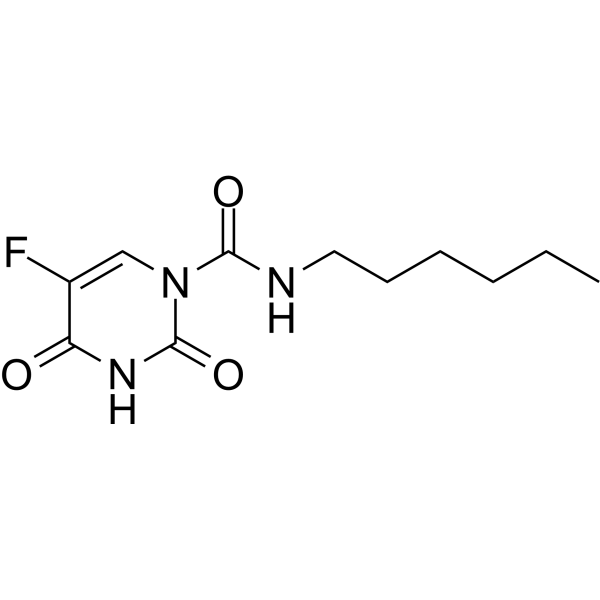 0 ImagesSynonyms: HCFUCarmofur (HCFU) is a rat recombinant acid ceramidase inhibitor with an IC50 of 29 nM. Carmofur is also a protease inhibitor of SARS-CoV-2 main protease (Mpro), fatty acid amide hydrolase (FAAH) and N-acylethanolamine acid amidase (NAAA). Carmofur has anti-cancer, anti-inflammatory and anti-virus activities, and can be used for the study of COVID-19 and acute lung injury (ALI).
-
HPA-12
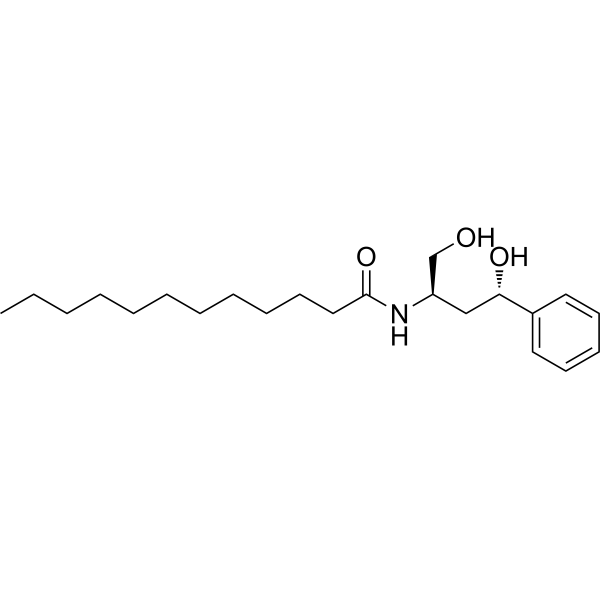 0 ImagesHPA-12 is a blood-brain barrier-permeable small-molecule inhibitor of ceramide transfer protein (CERT) with four stereoisomers (the (1R,3R)-stereoisomer exhibits the highest activity). HPA-12 blocks the transport of ceramide from the endoplasmic reticulum to the Golgi apparatus by binding to the START domain of CERT, leading to intracellular ceramide accumulation and inhibition of sphingomyelin (SM) synthesis. HPA-12 induces endoplasmic reticulum stress via the GRP78/ATF6/CHOP axis and activates mitochondrial autophagy, thereby inhibiting cell growth and inducing apoptosis. In in vivo experiments, HPA-12 significantly reduces the leukemia burden and splenomegaly in mouse models of acute myeloid leukemia (AML) and prolongs survival. HPA-12 is applicable for the research of lipid metabolism in acute myeloid leukemia and Alzheimer's disease.
-
ARN14974
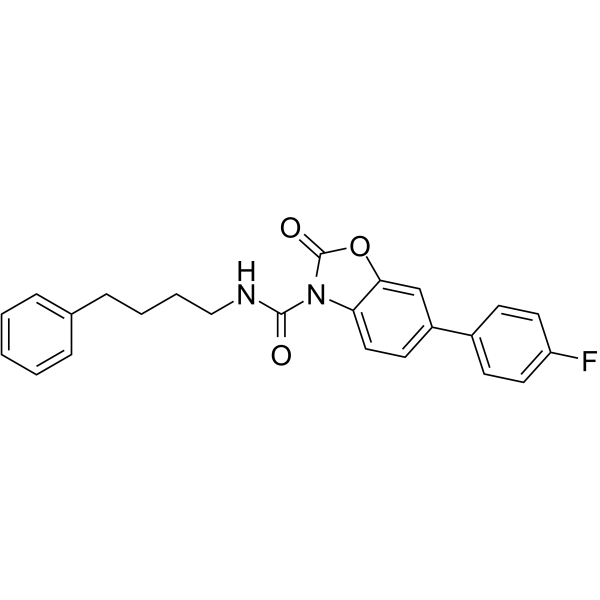 0 ImagesARN14974, a benzoxazolone carboxamide, is a potent and systemically active inhibitors of intracellular acid ceramidase (IC50=79 nM).
-
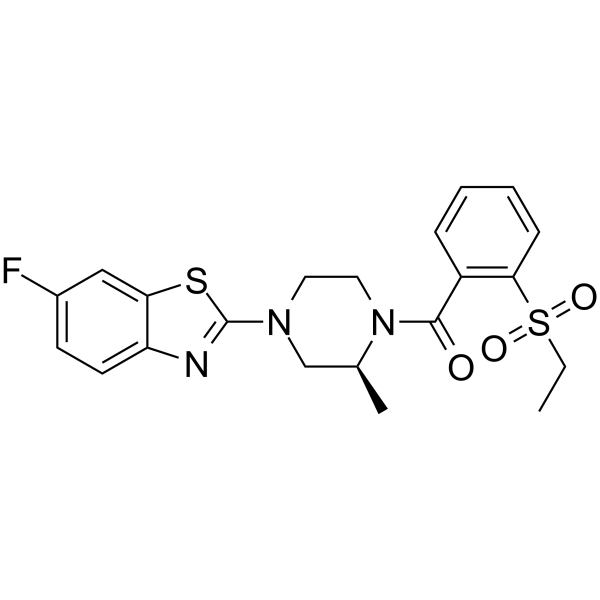
Acid Ceramidase-IN-1
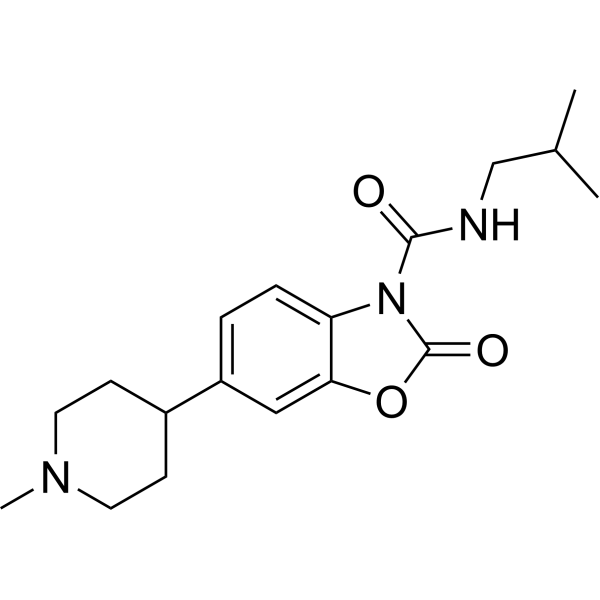 0 ImagesAcid Ceramidase-IN-1 is orally active and blood-brain barrier penetrant acid ceramidase (AC, ASAH-1) inhibitor (hAC IC50=0.166 μM). Acid Ceramidase-IN-1 reduces AC activity, accumulates ceramide species (Cer (d18:0/16:0), Cer (d18:1/16:0)), and decreases sphingosine levels. Acid Ceramidase-IN-1 can be used for the study of severe neurological lysosomal storage diseases (LSDs) such as Gaucher’s disease (GD) and Krabbe’s disease (KD).
-
C6 Urea Ceramide
 0 ImagesCat. No.: HY-139062CAS No.: 486991-52-0Synonyms: C6 Ceramide (d18:1/6:0) Urea; Cer(d18:1/6:0) Urea; D-erythro-Urea-C6-CeramideC6 Urea Ceramide (Cer(d18:1/6:0) Urea) is an inhibitor of neutral ceramidase. C6 Urea Ceramide increases total ceramide levels in wild-type mouse embryonic fibroblasts (MEFs) and HT-29 colon cancer cells. C6 Urea Ceramide (5-10 μM) inhibits proliferation of HT-29 cells and induces apoptosis and autophagy, but is not toxic to non-cancerous cells. C6 Urea Ceramide decreases total and phosphorylated β-catenin levels in HT-29 and HCT116 cells, and induces colocalization of β-catenin with the 20S proteasome. C6 Urea Ceramide (1.25, 2.5, and 5 mg/kg) reduced tumor growth and increased C16, C18, C20, and C24 ceramide levels in tumor tissues in the HT-29 mouse xenograft model.
-
C22:1 1-Deoxyceramide (m18:1/22:1)
 0 ImagesCat. No.: HY-173540Synonyms: C22:1(13Z) 1-DeoxyceramideC22:1 1-Deoxyceramide (m18:1/22:1) (C22:1(13Z) 1-Deoxyceramide) is a deoxyceramide lipid that lacks the 1-hydroxyl group and is a ceramide variant. C22:1 1-Deoxyceramide (m18:1/22:1) has potential neurotoxicity and is involved in mitochondrial stress and cell death signaling. It can be used to study abnormal sphingolipid metabolism and neurodegenerative diseases.
-
SPT-IN-1
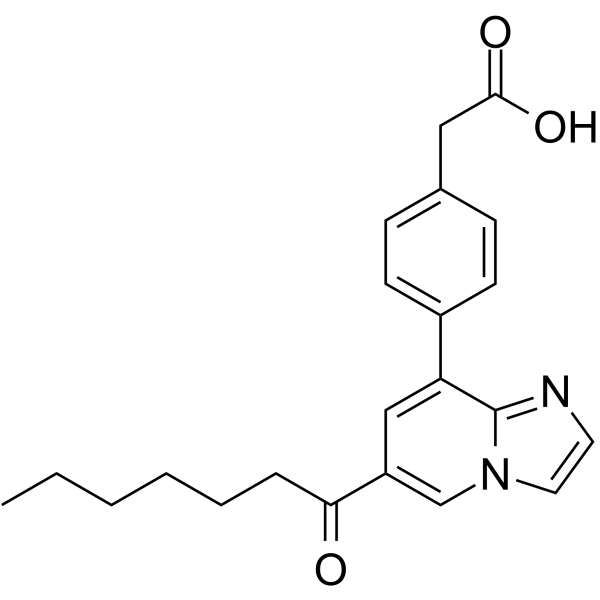 0 ImagesSPT-IN-1 (compound 1) is an orally active and potent SPT (serine palmitoyl transferase) inhibitor, with an IC50 of 5.19 nM for hSPT1. SPT-IN-1 can be used for type 2 diabetes and dyslipidemia research.
-
ARN 077
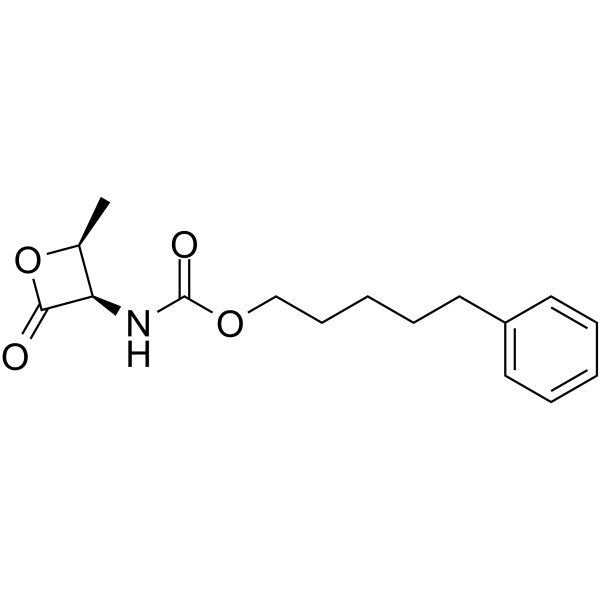 0 ImagesSynonyms: URB913ARN 077 is a potent and selective N-acylethanolamine acid amidase (NAAA) inhibitor with an IC50 of 7 nM for human NAAA. ARN 077 significantly increases palmitoyl ethanolamine (PEA) levels within the CNS and has broad antinociceptive activity in mice and rats.
-
(2S)-2-Amino-1-hydroxyoctadecan-3-one
 0 Images(2S)-2-Amino-1-hydroxyoctadecan-3-one is the product generated by the decarboxylative condensation of L-serine and palmitoyl-CoA catalyzed by serine palmitoyltransferase (SPT).
-
Ceranib1
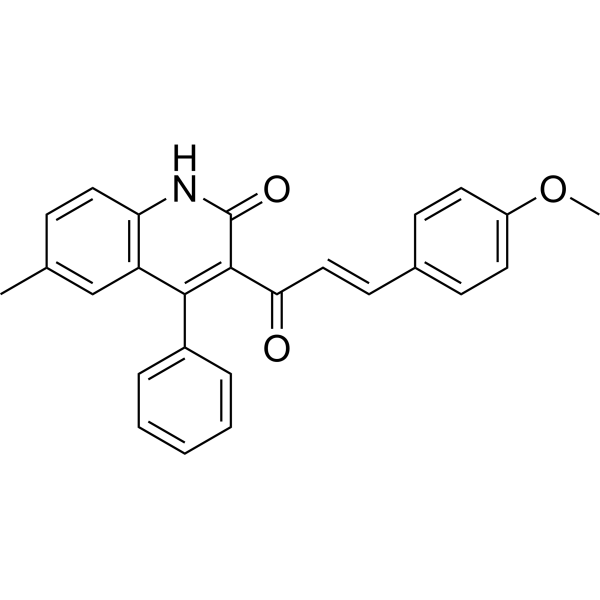 0 ImagesCeranib1 is a ceramidase inhibitor. Ceranib1 inhibits ceramidase activity toward an exogenous ceramide analog, induces the accumulation of multiple ceramide species, decreases levels of sphingosine and S1P. Ceranib1 inhibits the proliferation of ovarian cancer cells.
-
ALT-007
 0 ImagesALT-007 is an orally active serine palmitoyltransferase (SPT) inhibitor that selectively reduces the levels of toxic very-long-chain deoxysphingolipids to enhance protein homeostasis. ALT-007 restores aging-related loss of muscle mass in a mouse model of sarcopenia. ALT-007 enhances protein homeostasis in both mouse and C. elegans models of aging and disease. ALT-007 can be used for age-related neuromuscular diseases research.
-
Fumonisin B2
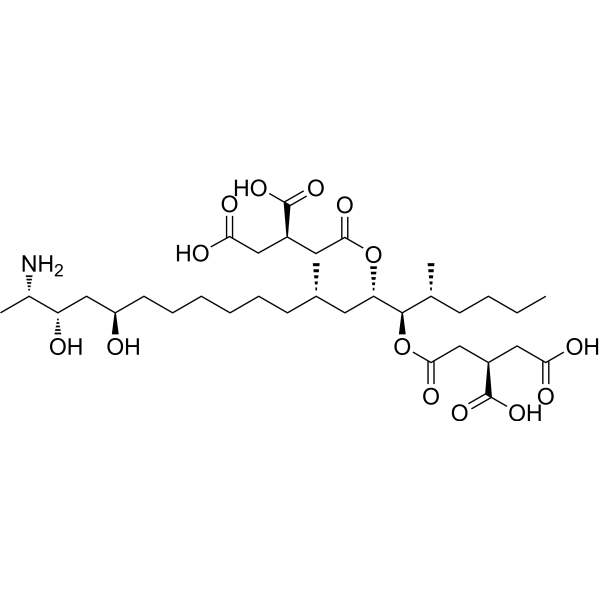 0 ImagesFumonisin B2 is a selective ceramide synthase inhibitor and carcinogenic mycotoxin with toxicity comparable to that of Fumonisin B1 (HY-N6719). Fumonisin B2 inhibits de novo sphingolipid biosynthesis by blocking the amide bond formation between fatty acids and dihydrosphingosine, which leads to a massive intracellular accumulation of free dihydrosphingosine, altered sphingosine levels, subsequent inhibition of cell proliferation, and induction of cell death. Fumonisin B2 is used to investigate the pathogenesis of diseases associated with Fusarium verticillioides contamination, including equine leukoencephalomalacia, porcine pulmonary edema syndrome, human esophageal cancer, and rat hepatocellular carcinoma.
-
SACLAC
 0 ImagesSACLAC, a Ceramide analog, is a potent and covalent acid ceramidase (ASAH1; AC) inhibitor with a Ki of 97.1 nM. SACLAC effectively blocks AC activity and induces a decrease in sphingosine 1-phosphate (S1P) and total ceramide levels. SACLAC reduces the levels of splicing factor SF3B1 and alternative Mcl-1 mRNA splicing, increases pro-apoptotic Mcl-1S levels to induce apoptosis in acute myeloid leukemia (AML) cells. SACLAC reduces the leukemic burden in human AML xenograft mouse models.
-
ARN726
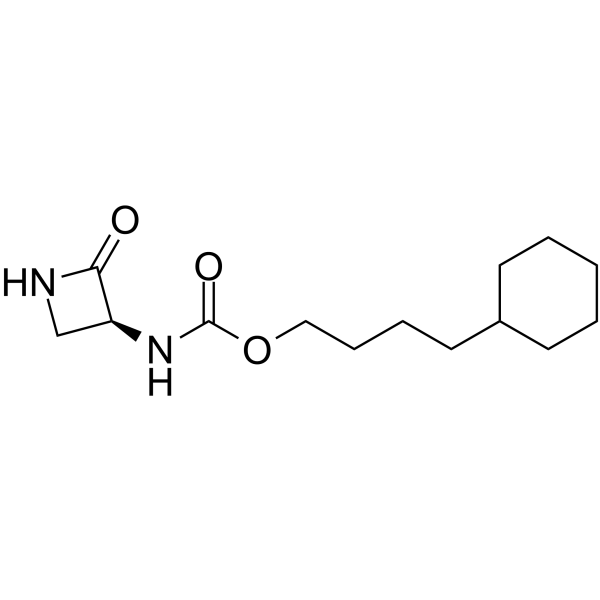 0 ImagesARN726 is a potent NAAA (N-acylethanolamine acid amidase) inhibitor with an IC50 of 0.073 µM. ARN726 decreases alcohol self-administration in a dose-dependent manner.
-
AM9053
 0 ImagesAM9053 is a selective, effective and slowly reversible inhibitor of N-acyl ethanolamine acid amidease (NAAA) (IC50 = 30 nM). The effect of AM9053 on FAAH activity is limited (IC50 > 100 nM). AM9053 inhibits the proliferation of colorectal cancer cells by activating the PPAR-α and TRPV1 dependent mechanisms and induces S-phase cell cycle arrest. AM9053 alleviates intestinal fibrosis by regulating macrophage activity and inhibiting the IL-23 signaling pathway. AM9053 leads to an increase in NAE levels, especially PEA and OEA. AM9053 can be used for the study of colorectal cancer and intestinal fibrosis.
-
NAAA-IN-1
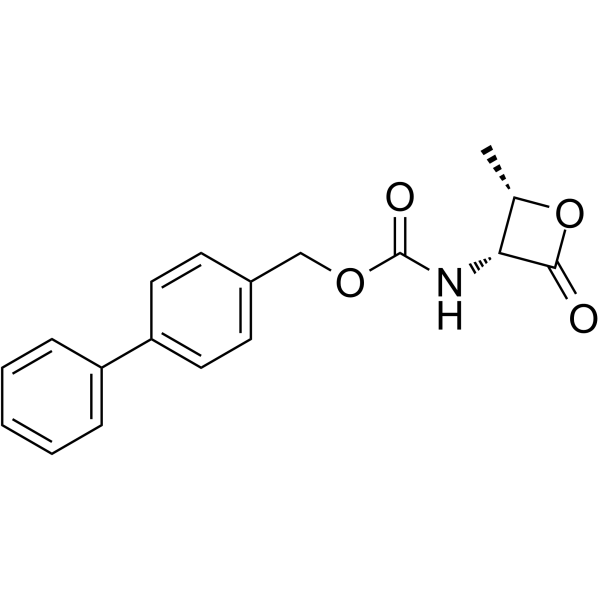 0 ImagesNAAA-IN-1 (Compound 1) is a potent and selective inhibitor of NAAA with an IC50 of 7 nM. NAAA is a cysteine amidase which preferentially hydrolyzes the endogenous biolipids palmitoylethanolamide (PEA) and oleoylethanolamide (OEA). NAAA-IN-1 has the potential for the research of inflammation and pain.
-
D-erythro-MAPP
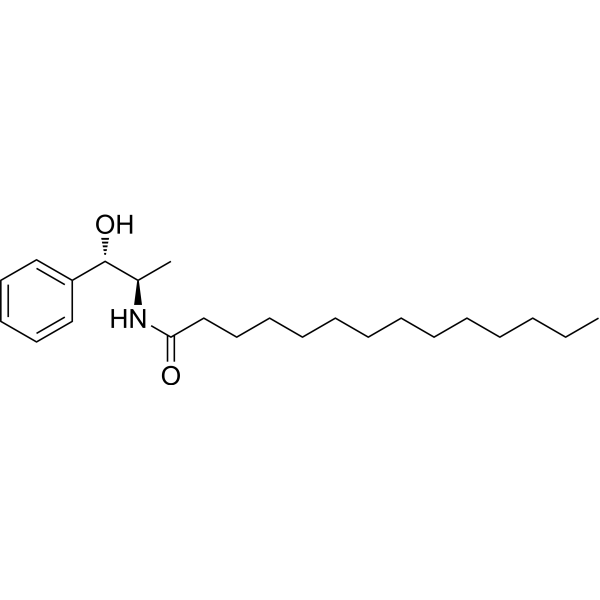 0 ImagesSynonyms: D-e-MAPPD-erythro-MAPP (D-e-MAPP) is a ceramidase inhibitor, with an IC50 of 1-5 μM in vitro.
-
NAAA-IN-3
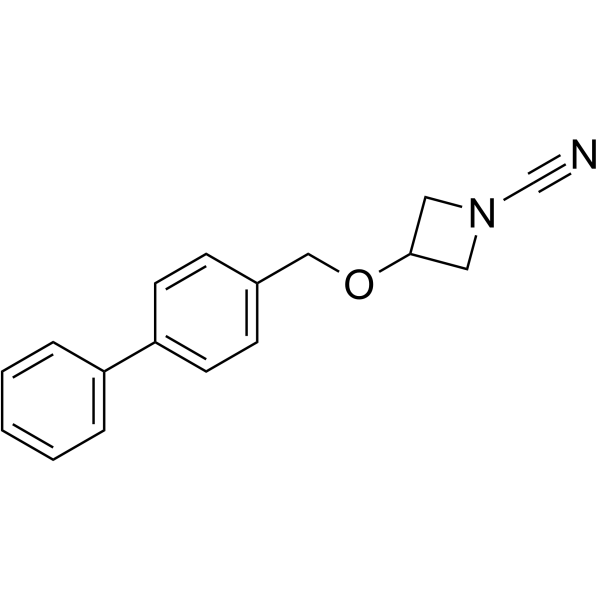 0 ImagesNAAA-IN-3 (Compound 17a) is a potent and selective inhibitor of NAAA with an IC50 of 50 nM. NAAA is a cysteine amidase which preferentially hydrolyzes the endogenous biolipids palmitoylethanolamide (PEA) and oleoylethanolamide (OEA). NAAA-IN-3 has the potential for the research of inflammation and pain.
-
ARN14988
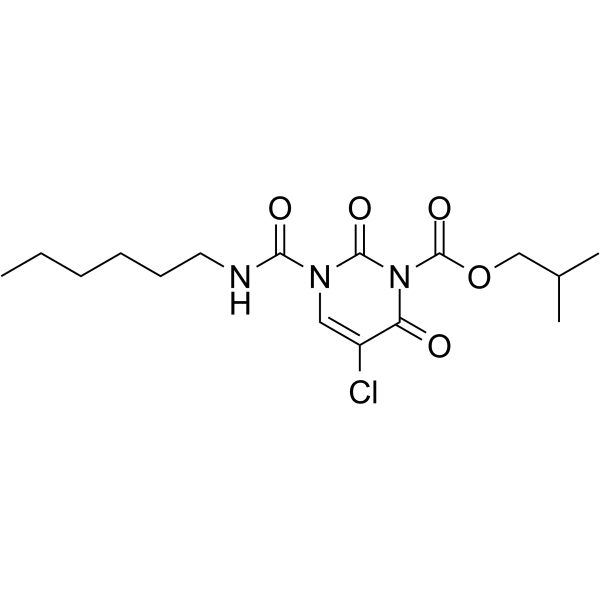 0 ImagesCat. No.: HY-124927CAS No.: 1502027-70-4ARN14988 is a potent inhibitor of acid ceramidase (ACDase) (IC50=12.8 nM for the human enzyme).
- 1
- 2



