



Ceramidase Inhibitor
- 1
- 2
-
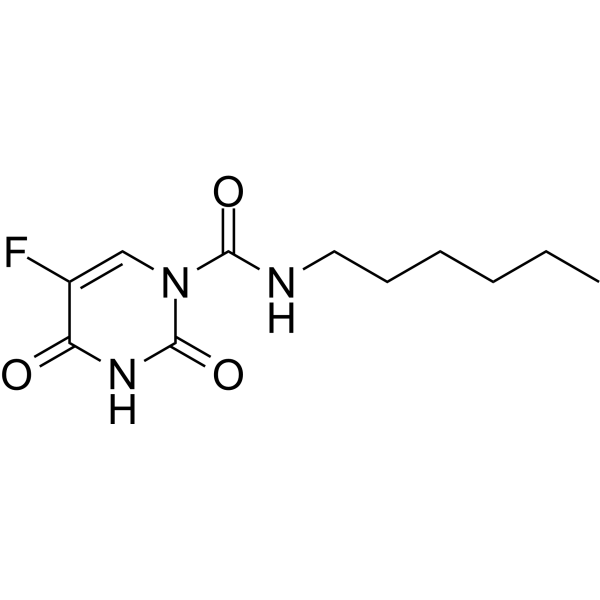
Carmofur
 0 ImagesSynonyms: HCFU
Carmofur (HCFU) is a rat recombinant acid ceramidase inhibitor with an IC50 of 29 nM. Carmofur is also a protease inhibitor of SARS-CoV-2 main protease (Mpro), fatty acid amide hydrolase (FAAH) and N-acylethanolamine acid amidase (NAAA). Carmofur has anti-cancer, anti-inflammatory and anti-virus activities, and can be used for the study of COVID-19 and acute lung injury (ALI).
-
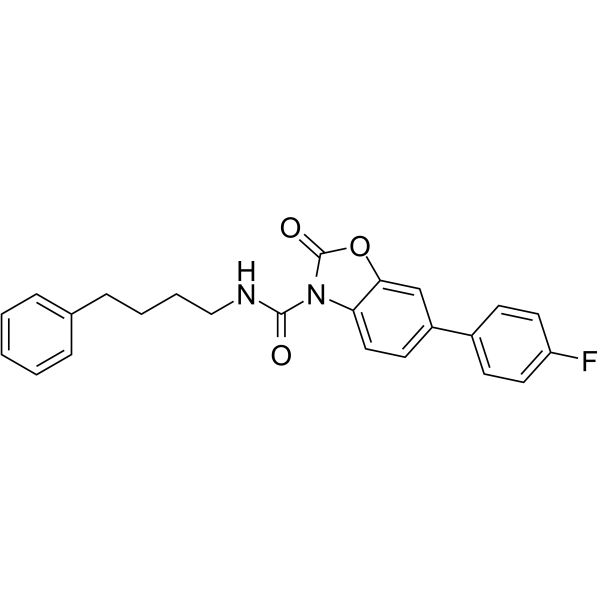
ARN14974
 0 Images
ARN14974, a benzoxazolone carboxamide, is a potent and systemically active inhibitors of intracellular acid ceramidase (IC50=79 nM).
-
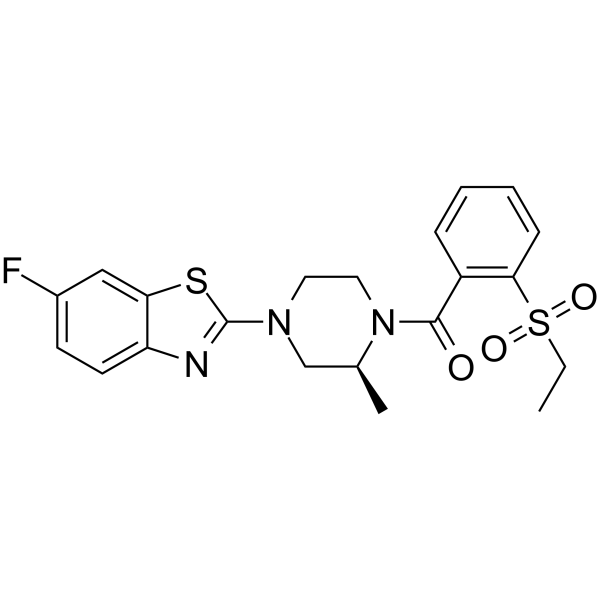
ARN19702
 0 Images
ARN19702 is a selective, orally active, reversible, and brain-penetrant N-acylethanolamine acid amidase (NAAA) inhibitor with an IC50 of 230 nM for human NAAA. ARN19702 has pain relief effects.
-
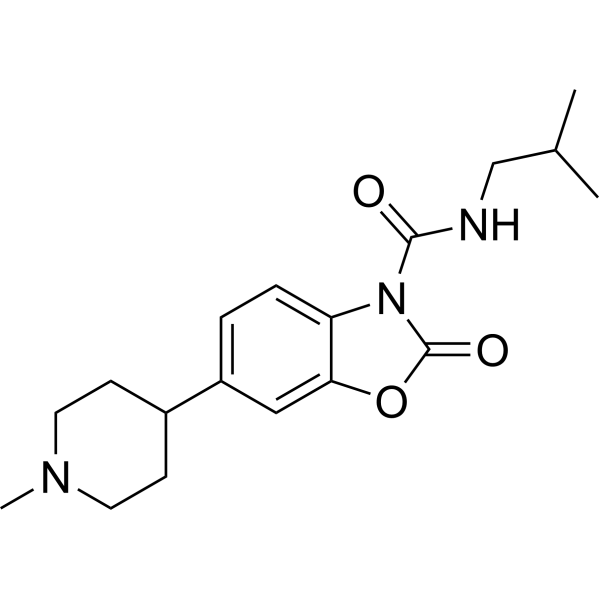
Acid Ceramidase-IN-1
 0 Images
Acid Ceramidase-IN-1 is orally active and blood-brain barrier penetrant acid ceramidase (AC, ASAH-1) inhibitor (hAC IC50=0.166 μM). Acid Ceramidase-IN-1 reduces AC activity, accumulates ceramide species (Cer (d18:0/16:0), Cer (d18:1/16:0)), and decreases sphingosine levels. Acid Ceramidase-IN-1 can be used for the study of severe neurological lysosomal storage diseases (LSDs) such as Gaucher’s disease (GD) and Krabbe’s disease (KD).
-
SPT-IN-1
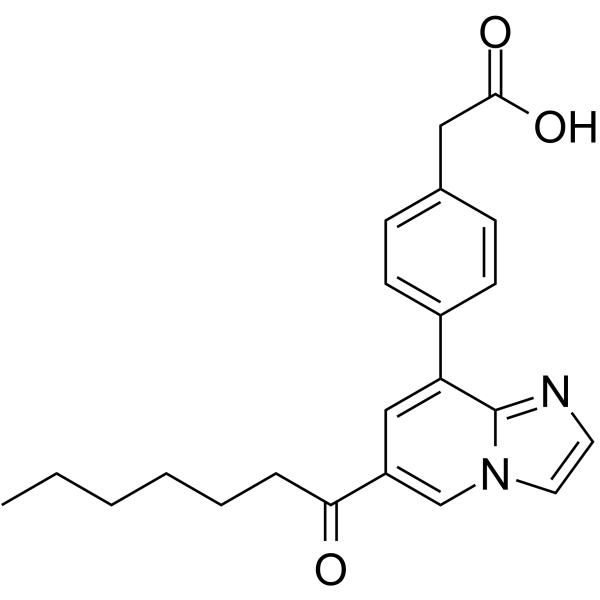 0 Images
SPT-IN-1 (compound 1) is an orally active and potent SPT (serine palmitoyl transferase) inhibitor, with an IC50 of 5.19 nM for hSPT1. SPT-IN-1 can be used for type 2 diabetes and dyslipidemia research.
-
ARN 077
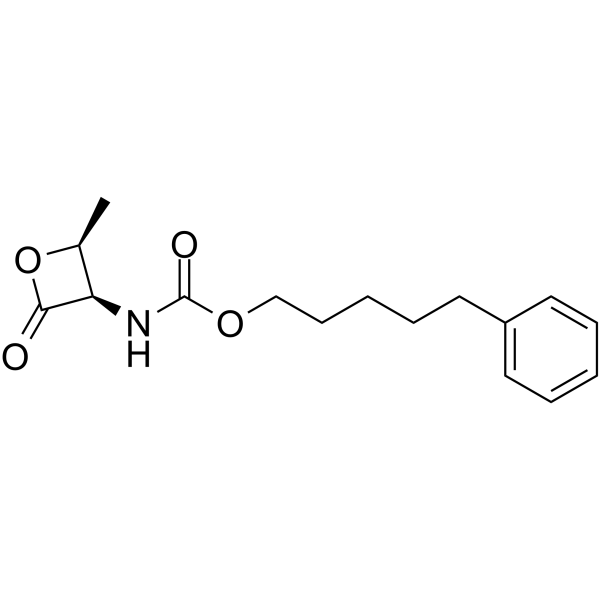 0 ImagesSynonyms: URB913
ARN 077 is a potent and selective N-acylethanolamine acid amidase (NAAA) inhibitor with an IC50 of 7 nM for human NAAA. ARN 077 significantly increases palmitoyl ethanolamine (PEA) levels within the CNS and has broad antinociceptive activity in mice and rats.
-
ALT-007
 0 Images
ALT-007 is an orally active serine palmitoyltransferase (SPT) inhibitor that selectively reduces the levels of toxic very-long-chain deoxysphingolipids to enhance protein homeostasis. ALT-007 restores aging-related loss of muscle mass in a mouse model of sarcopenia. ALT-007 enhances protein homeostasis in both mouse and C. elegans models of aging and disease. ALT-007 can be used for age-related neuromuscular diseases research.
-
Fumonisin B2
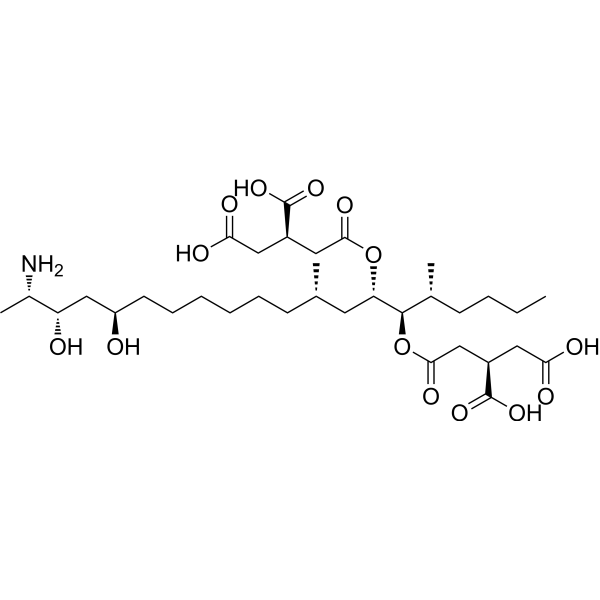 0 Images
Fumonisin B2 is a selective ceramide synthase inhibitor and carcinogenic mycotoxin with toxicity comparable to that of Fumonisin B1 (HY-N6719). Fumonisin B2 inhibits de novo sphingolipid biosynthesis by blocking the amide bond formation between fatty acids and dihydrosphingosine, which leads to a massive intracellular accumulation of free dihydrosphingosine, altered sphingosine levels, subsequent inhibition of cell proliferation, and induction of cell death. Fumonisin B2 is used to investigate the pathogenesis of diseases associated with Fusarium verticillioides contamination, including equine leukoencephalomalacia, porcine pulmonary edema syndrome, human esophageal cancer, and rat hepatocellular carcinoma.
-
SACLAC
 0 Images
SACLAC, a Ceramide analog, is a potent and covalent acid ceramidase (ASAH1; AC) inhibitor with a Ki of 97.1 nM. SACLAC effectively blocks AC activity and induces a decrease in sphingosine 1-phosphate (S1P) and total ceramide levels. SACLAC reduces the levels of splicing factor SF3B1 and alternative Mcl-1 mRNA splicing, increases pro-apoptotic Mcl-1S levels to induce apoptosis in acute myeloid leukemia (AML) cells. SACLAC reduces the leukemic burden in human AML xenograft mouse models.
-
ARN726
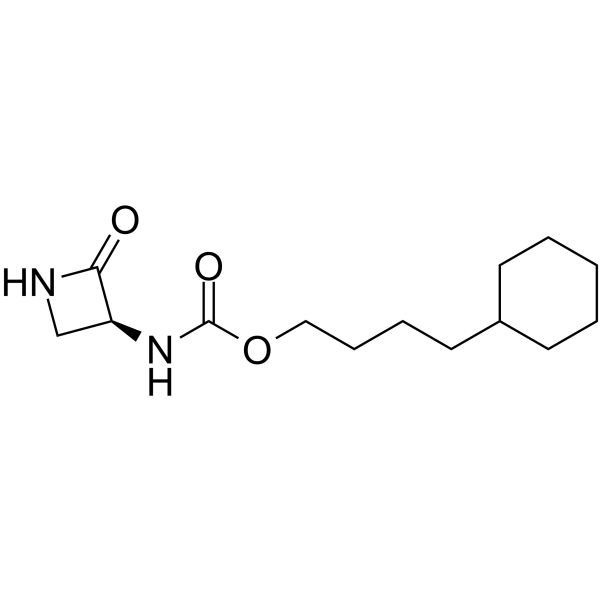 0 Images
ARN726 is a potent NAAA (N-acylethanolamine acid amidase) inhibitor with an IC50 of 0.073 µM. ARN726 decreases alcohol self-administration in a dose-dependent manner.
-
AM9053
 0 Images
AM9053 is a selective, effective and slowly reversible inhibitor of N-acyl ethanolamine acid amidease (NAAA) (IC50 = 30 nM). The effect of AM9053 on FAAH activity is limited (IC50 > 100 nM). AM9053 inhibits the proliferation of colorectal cancer cells by activating the PPAR-α and TRPV1 dependent mechanisms and induces S-phase cell cycle arrest. AM9053 alleviates intestinal fibrosis by regulating macrophage activity and inhibiting the IL-23 signaling pathway. AM9053 leads to an increase in NAE levels, especially PEA and OEA. AM9053 can be used for the study of colorectal cancer and intestinal fibrosis.
-
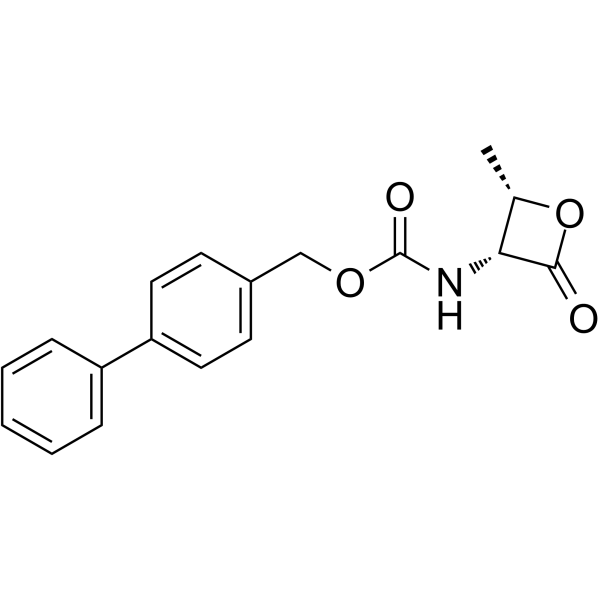
NAAA-IN-1
 0 Images
NAAA-IN-1 (Compound 1) is a potent and selective inhibitor of NAAA with an IC50 of 7 nM. NAAA is a cysteine amidase which preferentially hydrolyzes the endogenous biolipids palmitoylethanolamide (PEA) and oleoylethanolamide (OEA). NAAA-IN-1 has the potential for the research of inflammation and pain.
-
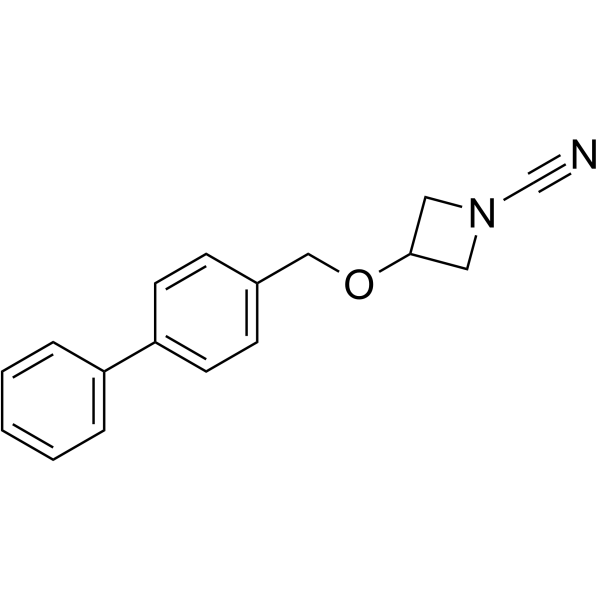
NAAA-IN-3
 0 Images
NAAA-IN-3 (Compound 17a) is a potent and selective inhibitor of NAAA with an IC50 of 50 nM. NAAA is a cysteine amidase which preferentially hydrolyzes the endogenous biolipids palmitoylethanolamide (PEA) and oleoylethanolamide (OEA). NAAA-IN-3 has the potential for the research of inflammation and pain.
-
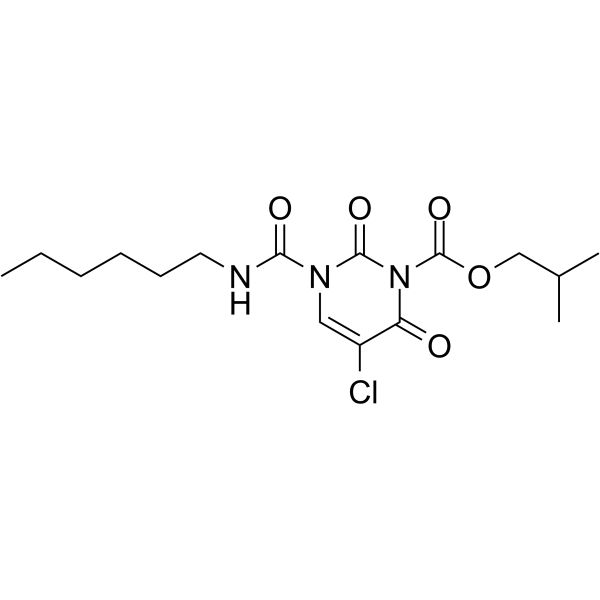
ARN14988
 0 Images
ARN14988 is a potent inhibitor of acid ceramidase (ACDase) (IC50=12.8 nM for the human enzyme).
-
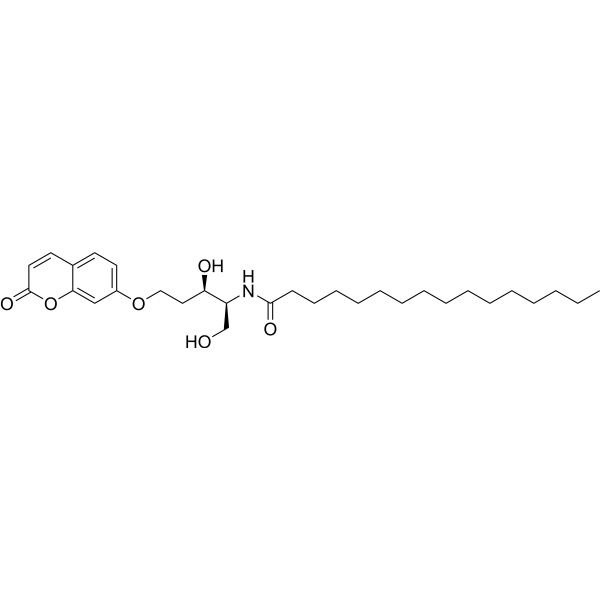
Acid Ceramidase-IN-2
 0 Images
Acid Ceramidase-IN-2 (compound 1) is an acid ceramidase inhibitor with potentially antiproliferative and cytostatic activities. Moreover, human acid ceramidase is overexpressed in prostate cancer cells, indicating potential anti-tumor effect of Acid Ceramidase-IN-2. And Acid Ceramidase-IN-2 hydrolysis can be inhibited by 3 a-ketoamides GT85, GT98 and GT99 inhibits in vitro.
-
ARN19689
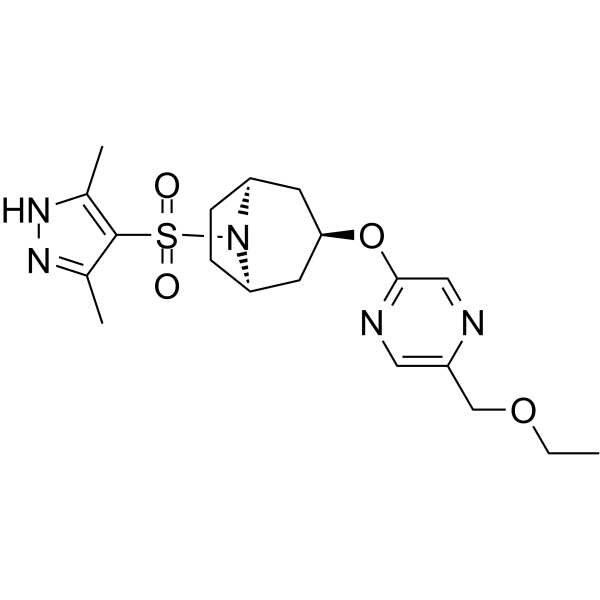 0 ImagesCat. No.: HY-132882CAS No.: 2320521-34-2
ARN19689 is a potent, selective, orally active and non-covalent inhibitor of N Acylethanolamine-Hydrolyzing Acid Amidase (NAAA), with an IC50 of 42 nM. ARN19689 is a promising pharmacological tool to be further investigated in the field of inflammatory conditions.
-
ARN16186
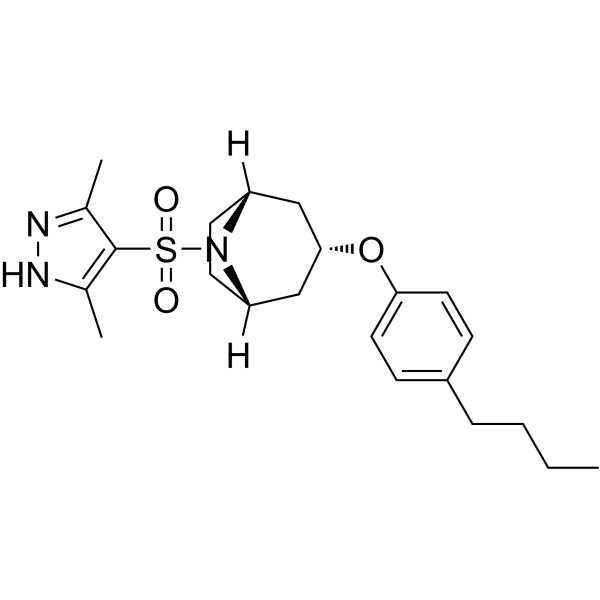 0 ImagesCat. No.: HY-157223CAS No.: 2320555-85-7
ARN16186;ARN 16186;ARN-16186
-
Acid Ceramidase-IN-3
 0 ImagesCat. No.: HY-175496CAS No.: 2907705-12-6
Acid Ceramidase-IN-3 is a acid ceramidase (aCDase) inhibitor. Acid Ceramidase-IN-3 inhibits the enzymatic activity of aCDase with a pIC 50 of 8.5 in enzymatic assays and 6.8 in A375 melanoma cellular assays. Acid Ceramidase-IN-3 promotes HSC inactivation, as measured by a dose-dependent reduction in COL1A1 and ACTA2. Acid Ceramidase-IN-3 inhibits aCDase activity in HSCs, promotes HSC inactivation and suppresses YAP/TAZ nuclear localization. Acid Ceramidase-IN-3 increases Dynein/Kinesin (NDE1, NDEL1. KIF3B, KIF15) while decreases several proteins involved with signaling pathway (SARM1, RGAP1, PDGF-D,PDGFR-B). Acid Ceramidase-IN-3 can be used for the study of fibrotic diseases.
-
C6 Urea Ceramide
 0 ImagesCat. No.: HY-139062CAS No.: 486991-52-0Synonyms: C6 Ceramide (d18:1/6:0) Urea; Cer(d18:1/6:0) Urea; D-erythro-Urea-C6-Ceramide
C6 Urea Ceramide (Cer(d18:1/6:0) Urea) is an inhibitor of neutral ceramidase. C6 Urea Ceramide increases total ceramide levels in wild-type mouse embryonic fibroblasts (MEFs) and HT-29 colon cancer cells. C6 Urea Ceramide (5-10 μM) inhibits proliferation of HT-29 cells and induces apoptosis and autophagy, but is not toxic to non-cancerous cells. C6 Urea Ceramide decreases total and phosphorylated β-catenin levels in HT-29 and HCT116 cells, and induces colocalization of β-catenin with the 20S proteasome. C6 Urea Ceramide (1.25, 2.5, and 5 mg/kg) reduced tumor growth and increased C16, C18, C20, and C24 ceramide levels in tumor tissues in the HT-29 mouse xenograft model.
-
C25 Ceramide (d18:1/25:0)
 0 ImagesCat. No.: HY-N15841CAS No.: 67492-18-6
C25 Ceramide (d18:1/25:0) is an endogenous ultra-long-chain ceramide that antagonizes the detrimental effects of long-chain ceramides on insulin sensitivity. C25 Ceramide (d18:1/25:0) is specifically enriched in oxidative skeletal muscle fibers, where it serves dual roles in providing structural support to cell membranes and regulating cellular signaling. By participating in the regulation of lipid homeostasis within muscle fibers, C25 Ceramide (d18:1/25:0) helps maintain normal insulin signaling. C25 Ceramide (d18:1/25:0) is primarily utilized in research concerning metabolic diseases—particularly in mechanistic studies investigating the muscle fiber type-specific aspects of insulin resistance.
- 1
- 2



