Search Result
Results for "
lysosomal disorders
" in MedChemExpress (MCE) Product Catalog:
-
- HY-B0113
-
Omeprazole
Maximum Cited Publications
8 Publications Verification
H 16868
|
Na+/K+ ATPase
Proton Pump
Bacterial
Cytochrome P450
Apoptosis
Autophagy
Atg8/LC3
TNF Receptor
Interleukin Related
|
Infection
Neurological Disease
Inflammation/Immunology
Cancer
|
|
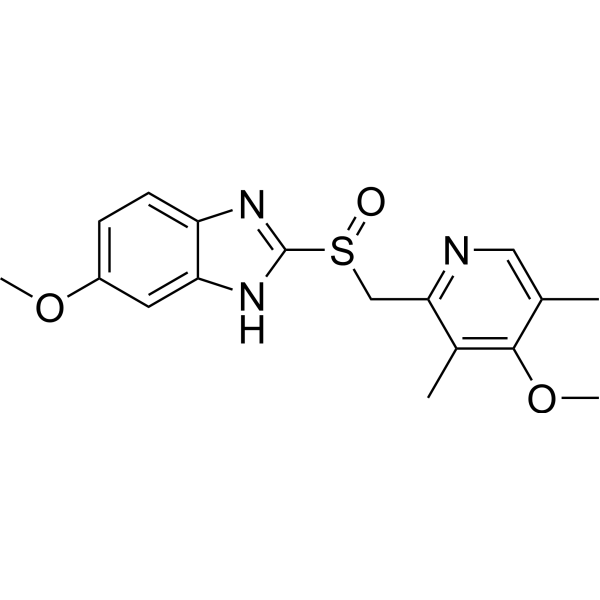
Omeprazole (H 16868) is an orally active H +,K +-ATPase inhibitor and a proton pump inhibitor. Omeprazole competitively inhibits CYP2C19, CYP3A4, and CYP2C9 activity. Omeprazole inhibits gastric acid secretion and can be used for acid-related gastrointestinal disorders. Omeprazole inhibits pancreatic cancer cell proliferation, induces apoptosis, autophagosome accumulation (elevated LC3-I and LC3-II levels), oxidative stress, and cytogenetic imbalance, modulates lysosomal transport, reduces inflammatory cytokines. Omeprazole alters small intestinal morphology and magnesium absorption, and induces gastric mucosa morphologic changes. Omeprazole aslo has neuroprotective and antibacterial effects .
|
-
-
- HY-B0113A
-
|
H 16868 sodium
|
Na+/K+ ATPase
Interleukin Related
Proton Pump
Cytochrome P450
Bacterial
Apoptosis
Autophagy
TNF Receptor
Atg8/LC3
|
Infection
Inflammation/Immunology
|
|
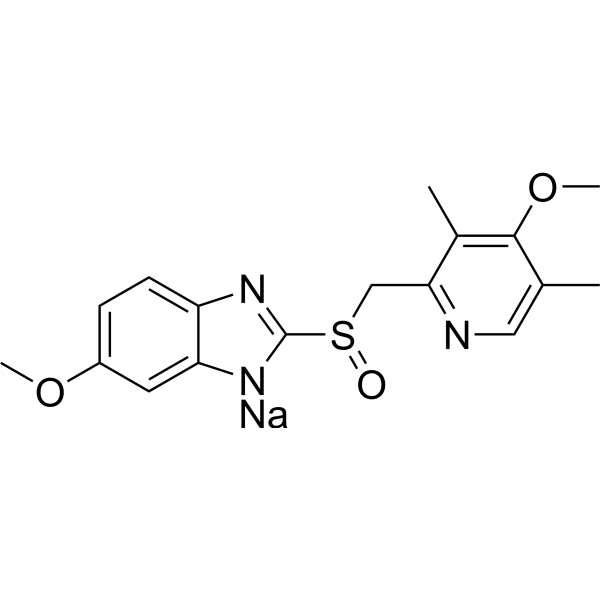
Omeprazole (H 16868) sodium is an orally active H +,K +-ATPase inhibitor and a proton pump inhibitor. Omeprazole sodium competitively inhibits CYP2C19, CYP3A4, and CYP2C9 activity. Omeprazole sodium inhibits gastric acid secretion and can be used for acid-related gastrointestinal disorders. Omeprazole sodium inhibits pancreatic cancer cell proliferation, induces apoptosis, autophagosome accumulation (elevated LC3-I and LC3-II levels), oxidative stress, and cytogenetic imbalance, modulates lysosomal transport, reduces inflammatory cytokines. Omeprazole sodium alters small intestinal morphology and magnesium absorption, and induces gastric mucosa morphologic changes. Omeprazole sodium aslo has neuroprotective and antibacterial effects .
|
-
-
- HY-137978A
-
|
GNS561 hydrochloride
|
SARS-CoV
IFNAR
Autophagy
Apoptosis
|
Metabolic Disease
Inflammation/Immunology
Cancer
|
|
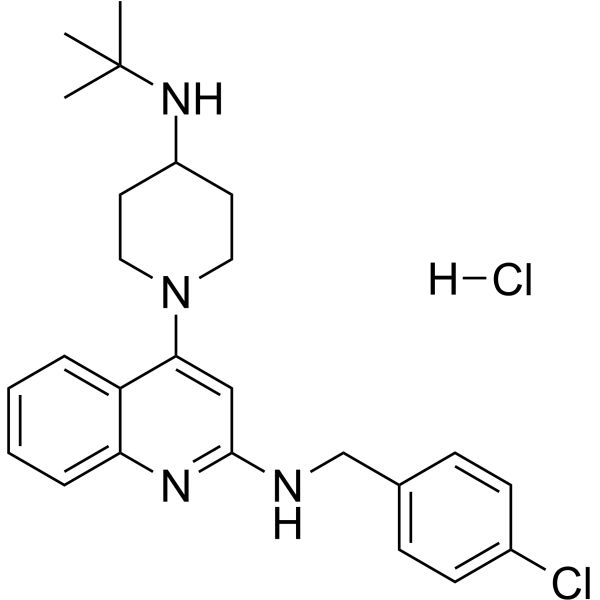
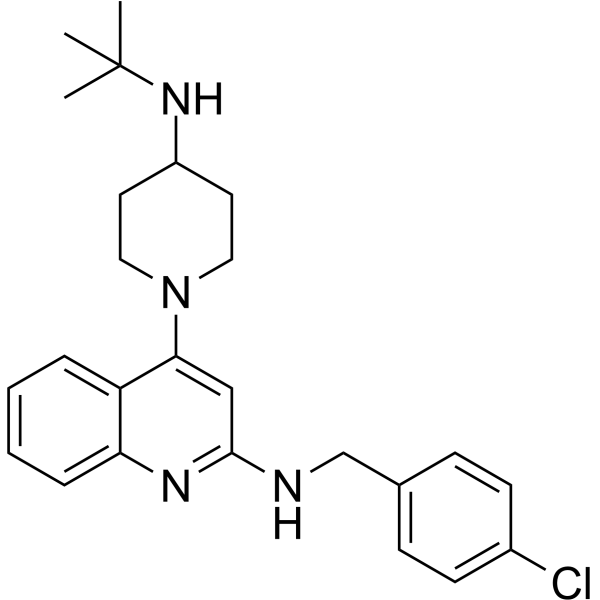
Ezurpimtrostat hydrochloride (GNS561 hydrochloride) is an orally active PPT1 inhibitor, autophagy inhibitor, immunomodulator, anti-inflammatory agent, and anticancer agent. Ezurpimtrostat hydrochloride inhibits PPT1, dysregulates lysosomal function, redistributes mTOR, and induces apoptosis. Ezurpimtrostat hydrochloride reduces IFN‑α, CRP, immune complex deposition, and SARS‑CoV‑2 viral load. Ezurpimtrostat hydrochloride can be used for the study of systemic lupus erythematosus, SARS‑CoV‑2, hepatocellular carcinoma, fibrosis, and related disorders .
|
-
-
- HY-131703
-
|
|
UGT
|
Metabolic Disease
|
|
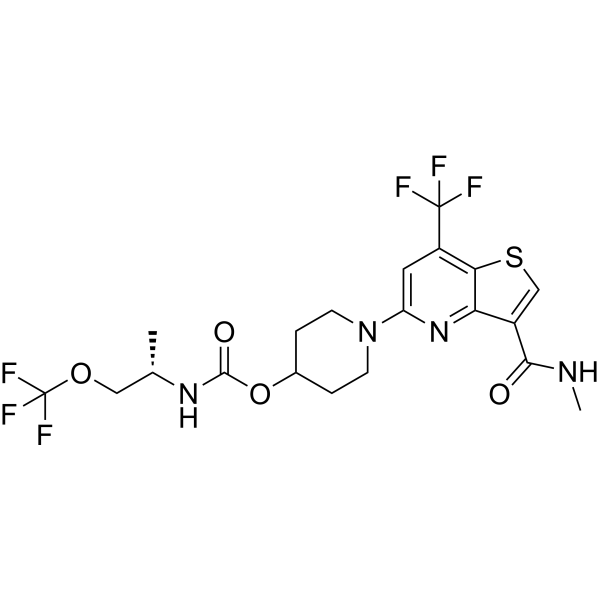
UGT8-IN-1 is a brain penetrable and orally active inhibitor of ceramide galactosyltransferase enzyme (UGT8). UGT8-IN-1 can be used in the study for lysosomal storage disorders .
|
-
-
- HY-137978
-
|
GNS561
|
SARS-CoV
IFNAR
Autophagy
Apoptosis
|
Infection
Metabolic Disease
Inflammation/Immunology
Cancer
|
|
Ezurpimtrostat (GNS561) is an orally active PPT1 inhibitor, autophagy inhibitor, immunomodulator, anti-inflammatory agent, and anticancer agent. Ezurpimtrostat inhibits PPT1, dysregulates lysosomal function, redistributes mTOR, and induces apoptosis. Ezurpimtrostat reduces IFN‑α, CRP, immune complex deposition, and SARS‑CoV‑2 viral load. Ezurpimtrostat can be used for the study of systemic lupus erythematosus, SARS‑CoV‑2, hepatocellular carcinoma, fibrosis, and related disorders .
|
-
-
- HY-153830
-
|
C16 Lactosylceramide (d18:1/16:0)
|
Endogenous Metabolite
|
Neurological Disease
Metabolic Disease
|
|
LacCer (d18:1/16:0) (C16 Lactosylceramide (d18:1/16:0)) is an endogenous bioactive sphingolipid that can form membrane microdomains with Lyn kinase and the αi subunits of inhibitory G protein-coupled receptors (GPCRs). The levels of LacCer (d18:1/16:0) are elevated in the plasma of insulin-resistant cattle. In a mouse model of Niemann-Pick type C1 disease (a neurodegenerative cholesterol-sphingolipid lysosomal storage disorder), the expression of LacCer (d18:1/16:0) is also upregulated. LacCer (d18:1/16:0) can be used in research on metabolic diseases and neurodegenerative diseases .
|
-

-
- HY-B0113R
-
|
H 16868 (Standard)
|
Reference Standards
Na+/K+ ATPase
Interleukin Related
Proton Pump
Cytochrome P450
Bacterial
Apoptosis
Autophagy
TNF Receptor
Atg8/LC3
|
Infection
Metabolic Disease
Cancer
|
|
Omeprazole (Standard) is the analytical standard of Omeprazole. This product is intended for research and analytical applications. Omeprazole (H 16868) is an orally active H +,K +-ATPase inhibitor and a proton pump inhibitor. Omeprazole competitively inhibits CYP2C19, CYP3A4, and CYP2C9 activity. Omeprazole inhibits gastric acid secretion and can be used for acid-related gastrointestinal disorders. Omeprazole inhibits pancreatic cancer cell proliferation, induces apoptosis, autophagosome accumulation (elevated LC3-I and LC3-II levels), oxidative stress, and cytogenetic imbalance, modulates lysosomal transport, reduces inflammatory cytokines. Omeprazole alters small intestinal morphology and magnesium absorption, and induces gastric mucosa morphologic changes. Omeprazole aslo has neuroprotective and antibacterial effects .
|
-

-
- HY-B0113S
-
|
H 16868-d3
|
Na+/K+ ATPase
Interleukin Related
Proton Pump
Cytochrome P450
Bacterial
Apoptosis
Autophagy
TNF Receptor
Atg8/LC3
|
Infection
Metabolic Disease
Cancer
|
|
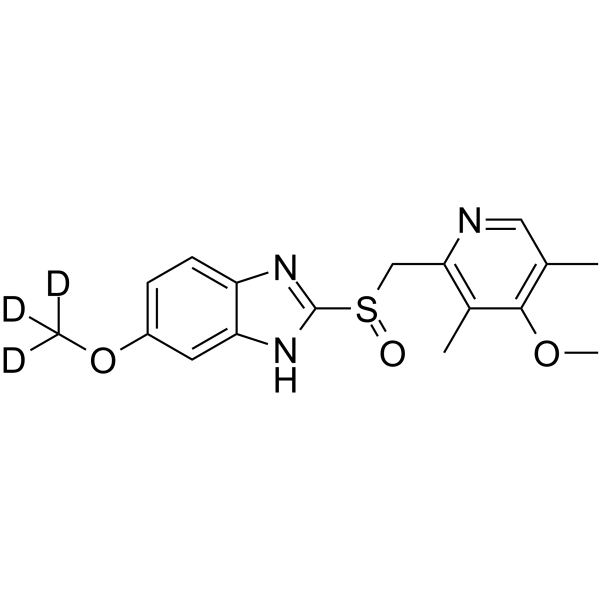
Omeprazole-d3 (H 16868-d3) is deuterium labeled Omeprazole. Omeprazole (H 16868) is an orally active H +,K +-ATPase inhibitor and a proton pump inhibitor. Omeprazole competitively inhibits CYP2C19, CYP3A4, and CYP2C9 activity. Omeprazole inhibits gastric acid secretion and can be used for acid-related gastrointestinal disorders. Omeprazole inhibits pancreatic cancer cell proliferation, induces apoptosis, autophagosome accumulation (elevated LC3-I and LC3-II levels), oxidative stress, and cytogenetic imbalance, modulates lysosomal transport, reduces inflammatory cytokines. Omeprazole alters small intestinal morphology and magnesium absorption, and induces gastric mucosa morphologic changes. Omeprazole aslo has neuroprotective and antibacterial effects .
|
-
-
- HY-D1632
-
|
|
Fluorescent Dye
|
Others
|
|
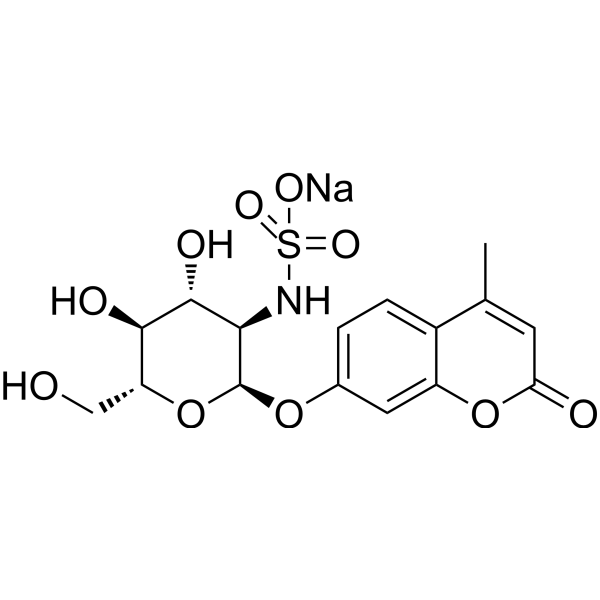
4-MU-α-GlcNS sodium is a fluorogenic substrate of heparin sulphamidase, is desulfurized into 4-MU-α-GlcNH2. 4-MU-α-GlcNH2 can liberate 4-methylumbelliferone (4-MU, fluorescent product) via α-glucosaminidase catalysis, with the emission wavelength maxima of 445-454 nm. 4-MU-α-GlcNS sodium can be used to heparin sulphamidase deficiencies associated with Mucopolisaccaridosis IIIA and other lysosomal disorders researches .
|
-
-
- HY-109546
-
|
|
Na+/K+ ATPase
Interleukin Related
Proton Pump
Cytochrome P450
Bacterial
Apoptosis
Autophagy
TNF Receptor
Atg8/LC3
|
Infection
Metabolic Disease
Cancer
|
|
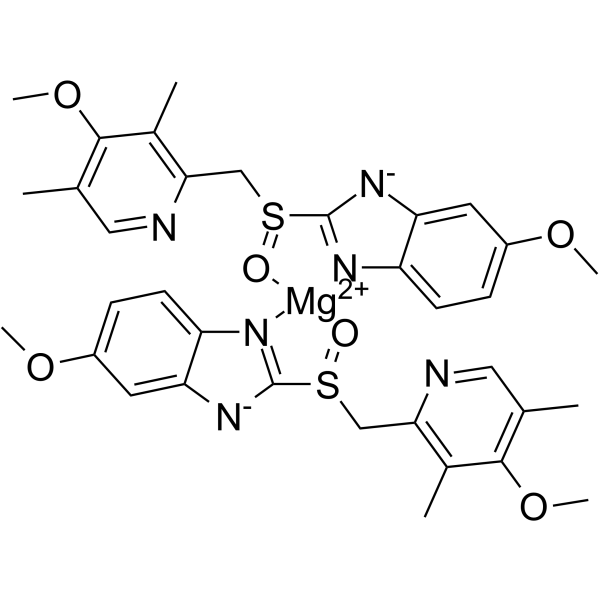
Omeprazole (H 16868) magnesium is an orally active H +,K +-ATPase inhibitor and a proton pump inhibitor. Omeprazole magnesium competitively inhibits CYP2C19, CYP3A4, and CYP2C9 activity. Omeprazole magnesium inhibits gastric acid secretion and can be used for acid-related gastrointestinal disorders. Omeprazole magnesium inhibits pancreatic cancer cell proliferation, induces apoptosis, autophagosome accumulation (elevated LC3-I and LC3-II levels), oxidative stress, and cytogenetic imbalance, modulates lysosomal transport, reduces inflammatory cytokines. Omeprazole magnesium alters small intestinal morphology and magnesium absorption, and induces gastric mucosa morphologic changes. Omeprazole magnesium aslo has neuroprotective and antibacterial effects .
|
-
-
- HY-B0113S3
-
|
H 16868-13C,d3
|
Isotope-Labeled Compounds
Na+/K+ ATPase
Interleukin Related
Proton Pump
Cytochrome P450
Bacterial
Apoptosis
Autophagy
TNF Receptor
Atg8/LC3
|
Infection
Metabolic Disease
Cancer
|
|
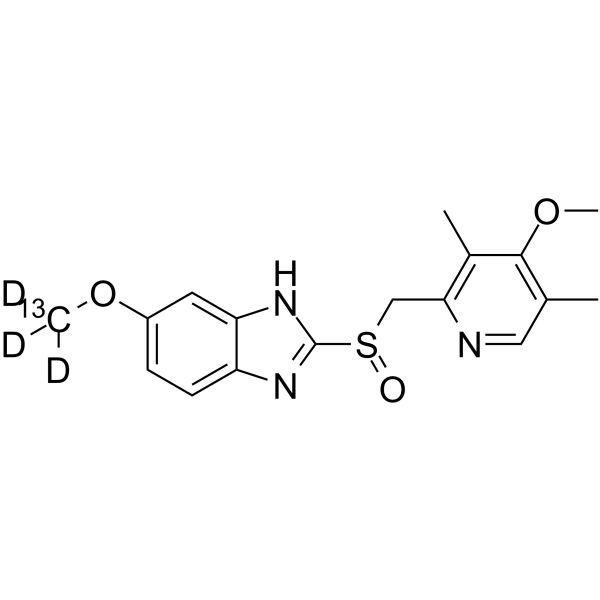
Omeprazole- 13C,d3 is a 13C-labeled and deuterium labeled Omeprazole. Omeprazole (H 16868) is an orally active H +,K +-ATPase inhibitor and a proton pump inhibitor. Omeprazole competitively inhibits CYP2C19, CYP3A4, and CYP2C9 activity. Omeprazole inhibits gastric acid secretion and can be used for acid-related gastrointestinal disorders. Omeprazole inhibits pancreatic cancer cell proliferation, induces apoptosis, autophagosome accumulation (elevated LC3-I and LC3-II levels), oxidative stress, and cytogenetic imbalance, modulates lysosomal transport, reduces inflammatory cytokines. Omeprazole alters small intestinal morphology and magnesium absorption, and induces gastric mucosa morphologic changes. Omeprazole aslo has neuroprotective and antibacterial effects .
|
-
-
- HY-151240
-
|
|
Endogenous Metabolite
|
Neurological Disease
|
|
Galactosylceramide (GalC) is a galactosylceramide that has been implicated in many physiological and pathological phenomena. For example, important lysosomal storage disorders such as Gaucher disease (GD) and neurodegenerative diseases are characterized by GlcCer accumulation.
|
-

-
- HY-145549
-
|
N-eicosanoyl-D-erythro-Sphingosylphosphorylcholine; SM(d18:1/20:0)
|
Endogenous Metabolite
|
Endocrinology
|
|
C20 Sphingomyelin (d18:1/20:0) (N-eicosanoyl-D-erythro-Sphingosylphosphorylcholine; SM(d18:1/20:0)) is a naturally occurring sphingolipid. C20 Sphingomyelin (d18:1/20:0) levels are upregulated in the hippocampus of streptozotocin (HY-13753)-induced diabetic rats and in human plasma, positively correlating with insulin resistance in obese humans. C20 Sphingomyelin (d18:1/20:0) is also upregulated in the liver of a mouse model of Niemann-Pick C1 disease, a neurodegenerative cholesterol sphingolipid lysosomal storage disorder.
|
-

-
- HY-178202
-
|
|
Glycosidase
|
Metabolic Disease
|
|
5-C-phenethyl-DNJ is a selective α-glucosidase GAA inhibitor, with its Ki value for rhGAA being 0.81 μM. 5-C-phenethyl-DNJ exhibits extremely high selectivity for GANAB, GBA1, and GBA2. 5-C-phenethyl-DNJ can be used for the study of Pompe disease .
|
-

-
- HY-153830S
-
|
C16 Lactosylceramide (d18:1/16:0)-d3
|
Isotope-Labeled Compounds
Endogenous Metabolite
|
Neurological Disease
Metabolic Disease
|
|
LacCer (d18:1/16:0) (C16 Lactosylceramide (d18:1/16:0))-d3 is the deuterium labeled LacCer (d18:1/16:0) (HY-153830). LacCer (d18:1/16:0) is an endogenous bioactive sphingolipid that can form membrane microdomains with Lyn kinase and the αi subunits of inhibitory G protein-coupled receptors (GPCRs). LacCer (d18:1/16:0) are elevated in the plasma of insulin-resistant cattle. LacCer (d18:1/16:0) is also upregulated in a mouse model of Niemann-Pick type C1 disease (a neurodegenerative cholesterol-sphingolipid lysosomal storage disorder). LacCer (d18:1/16:0) can be used in research on metabolic diseases and neurodegenerative diseases .
|
-

-
- HY-156020
-
|
|
Glycosidase
|
Metabolic Disease
|
|
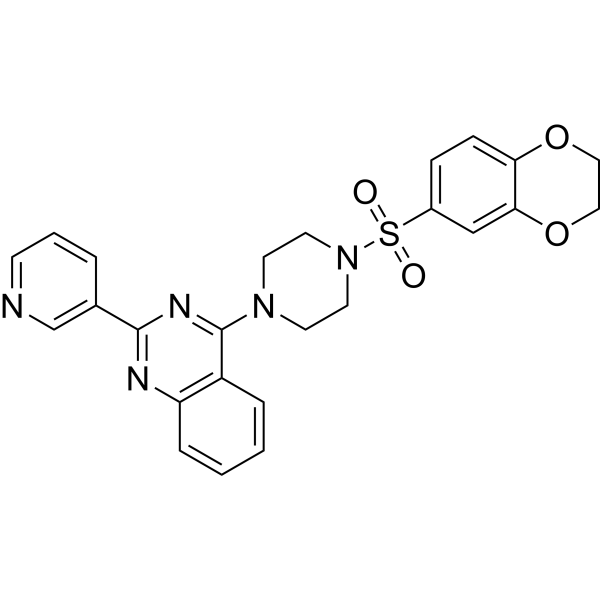
Glucocerebrosidase-IN-2 (compound 12) is a quinazoline analogue and an inhibitor of glucocerebrosidase (GC). Glucocerebrosidase-IN-2 has the potential to improve GC translocation to lysosomes in Gaucher disease patient-derived cells (mostly carrying the N370S mutation). Glucocerebrosidase-IN-2 inhibits the hydrolysis of 4-methylumbelliferone β-D-glucopyranoside (4MU) and fluorescent glycosylceramide (FlourGC) in N370S mutant tissues with an AC50 of 25.29 μM .
|
-
-
- HY-E70305
-
|
|
Endogenous Metabolite
|
Neurological Disease
|
|
GlcNAc-1-Phosphotransferase is an α2β2γ2 hexamer with core catalytic α- and β-subunits derived from GNPTAB. GlcNAc-1-Phosphotransferase catalyzes the addition of the il group of N-acetylglucosamine-1-phosphate to the terminal mannose. Mutations in GlcNAc-1-Phosphotransferase cause lysosomal storage disorders such as mucolipidosis .
|
-

-
- HY-W127461
-
|
Gangliotriosylceramide
|
Biochemical Assay Reagents
|
Others
|
|
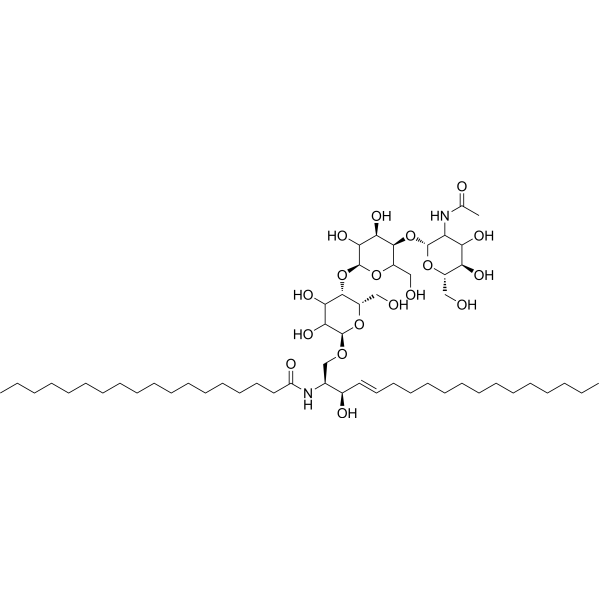
Ganglioside GM2 asialo (asialo-GM2) is a glycosphingolipid containing three monosaccharide residues and one fatty acid of variable chain length, but lacks the sialic acid residue present on ganglioside M2. Asialo-GM2 is found at low or undetectable levels in normal human brains, but it accumulates in the brains of patients with Tay-Sachs disease and Sandhoff disease, which are expressed as lysosomal β- A neurodegenerative disorder characterized by hexosaminidase A and B deficiency. It also binds to various bacteria, including Pseudomonas isolated from cystic fibrosis patients. The Asialo-GM2 mixture contains ganglioside GM2 asialo molecular species with fatty acyl chains of variable length.
|
-
-
- HY-B0113AR
-
|
H 16868 sodium (Standard)
|
Reference Standards
Na+/K+ ATPase
Interleukin Related
Proton Pump
Cytochrome P450
Bacterial
Apoptosis
Autophagy
TNF Receptor
Atg8/LC3
|
Infection
Metabolic Disease
Cancer
|
|
Omeprazole (sodium) (Standard) is the analytical standard of Omeprazole (sodium). This product is intended for research and analytical applications. Omeprazole sodium (H 16868) is an orally active H +,K +-ATPase inhibitor and a proton pump inhibitor. Omeprazole sodium competitively inhibits CYP2C19, CYP3A4, and CYP2C9 activity. Omeprazole sodium inhibits gastric acid secretion and can be used for acid-related gastrointestinal disorders. Omeprazole sodium inhibits pancreatic cancer cell proliferation, induces apoptosis, autophagosome accumulation (elevated LC3-I and LC3-II levels), oxidative stress, and cytogenetic imbalance, modulates lysosomal transport, reduces inflammatory cytokines. Omeprazole sodium alters small intestinal morphology and magnesium absorption, and induces gastric mucosa morphologic changes. Omeprazole sodium aslo has neuroprotective and antibacterial effects .
|
-

-
- HY-B0113S4
-
|
H 16868-d3 sodium
|
Isotope-Labeled Compounds
Na+/K+ ATPase
Interleukin Related
Proton Pump
Cytochrome P450
Bacterial
Apoptosis
Autophagy
TNF Receptor
Atg8/LC3
|
Infection
Metabolic Disease
Cancer
|
|
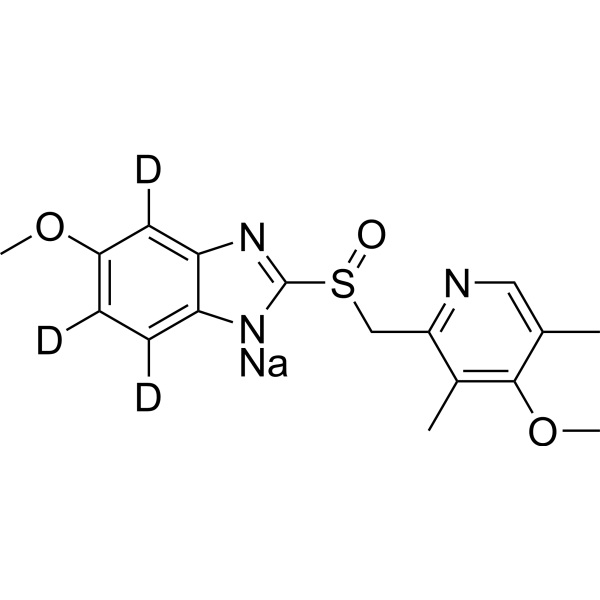
Omeprazole-d3 sodium is deuterated labeled Omeprazole (HY-B0113). Omeprazole sodium (H 16868) is an orally active H +,K +-ATPase inhibitor and a proton pump inhibitor. Omeprazole sodium competitively inhibits CYP2C19, CYP3A4, and CYP2C9 activity. Omeprazole sodium inhibits gastric acid secretion and can be used for acid-related gastrointestinal disorders. Omeprazole sodium inhibits pancreatic cancer cell proliferation, induces apoptosis, autophagosome accumulation (elevated LC3-I and LC3-II levels), oxidative stress, and cytogenetic imbalance, modulates lysosomal transport, reduces inflammatory cytokines. Omeprazole sodium alters small intestinal morphology and magnesium absorption, and induces gastric mucosa morphologic changes. Omeprazole sodium aslo has neuroprotective and antibacterial effects .
|
-
-
- HY-B0113S2
-
|
Omeprazole sulphone (methoxy-d3)
|
Isotope-Labeled Compounds
Na+/K+ ATPase
Interleukin Related
Proton Pump
Cytochrome P450
Bacterial
Apoptosis
Autophagy
TNF Receptor
Atg8/LC3
|
Infection
Cancer
|
|
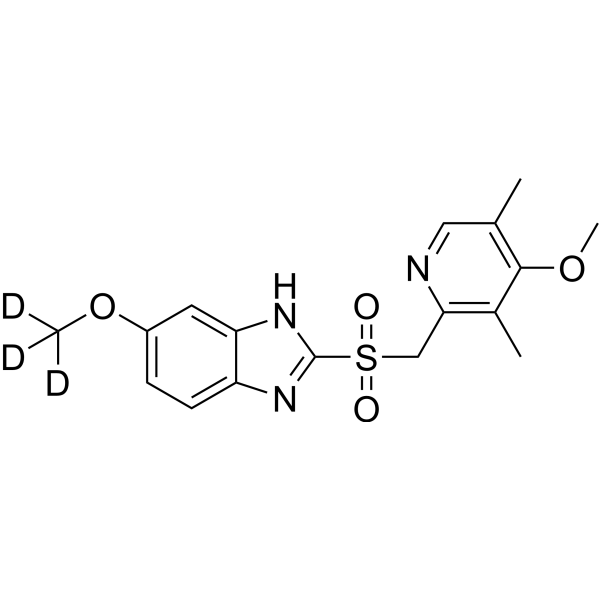
Omeprazole sulfone (methoxy-d3) is the deuterium labeled Omeprazole sulfone. Omeprazole sulfone (H 16868) is an orally active H +,K +-ATPase inhibitor and a proton pump inhibitor. Omeprazole sulfone competitively inhibits CYP2C19, CYP3A4, and CYP2C9 activity. Omeprazole sulfone inhibits gastric acid secretion and can be used for acid-related gastrointestinal disorders. Omeprazole sulfone inhibits pancreatic cancer cell proliferation, induces apoptosis, autophagosome accumulation (elevated LC3-I and LC3-II levels), oxidative stress, and cytogenetic imbalance, modulates lysosomal transport, reduces inflammatory cytokines. Omeprazole sulfone alters small intestinal morphology and magnesium absorption, and induces gastric mucosa morphologic changes. Omeprazole sulfone aslo has neuroprotective and antibacterial effects .
|
-
-
- HY-B0113S5
-
|
H 16868-d6
|
Isotope-Labeled Compounds
Na+/K+ ATPase
Interleukin Related
Proton Pump
Cytochrome P450
Bacterial
Apoptosis
Autophagy
TNF Receptor
Atg8/LC3
|
Infection
Metabolic Disease
Cancer
|
|
Omeprazole-d6 (H 16868-d6) is deuterium labeled Omeprazole. Omeprazole (H 16868) is an orally active H +,K +-ATPase inhibitor and a proton pump inhibitor. Omeprazole competitively inhibits CYP2C19, CYP3A4, and CYP2C9 activity. Omeprazole inhibits gastric acid secretion and can be used for acid-related gastrointestinal disorders. Omeprazole inhibits pancreatic cancer cell proliferation, induces apoptosis, autophagosome accumulation (elevated LC3-I and LC3-II levels), oxidative stress, and cytogenetic imbalance, modulates lysosomal transport, reduces inflammatory cytokines. Omeprazole alters small intestinal morphology and magnesium absorption, and induces gastric mucosa morphologic changes. Omeprazole aslo has neuroprotective and antibacterial effects .
|
-

-
- HY-B0113S1
-
|
H 16868-d3-1
|
Na+/K+ ATPase
Interleukin Related
Proton Pump
Cytochrome P450
Bacterial
Apoptosis
Autophagy
TNF Receptor
Atg8/LC3
|
Infection
Metabolic Disease
Cancer
|
|
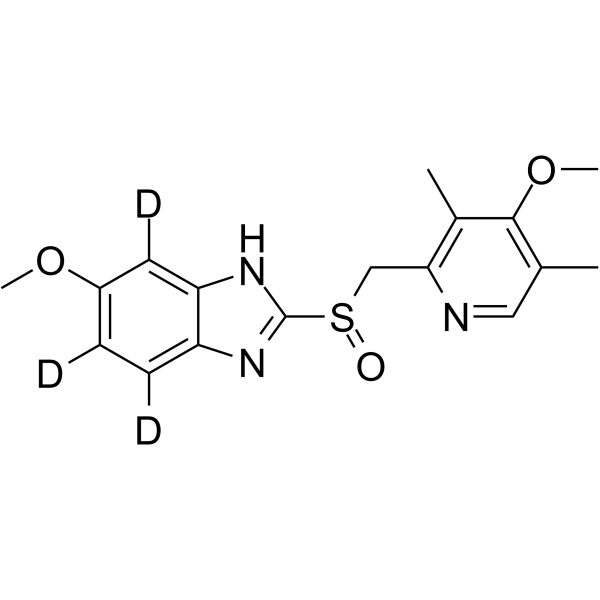
Omeprazole-d3-1 is the deuterium labeled Omeprazole. Omeprazole-1 (H 16868) is an orally active H +,K +-ATPase inhibitor and a proton pump inhibitor. Omeprazole-1 competitively inhibits CYP2C19, CYP3A4, and CYP2C9 activity. Omeprazole-1 inhibits gastric acid secretion and can be used for acid-related gastrointestinal disorders. Omeprazole-1 inhibits pancreatic cancer cell proliferation, induces apoptosis, autophagosome accumulation (elevated LC3-I and LC3-II levels), oxidative stress, and cytogenetic imbalance, modulates lysosomal transport, reduces inflammatory cytokines. Omeprazole-1 alters small intestinal morphology and magnesium absorption, and induces gastric mucosa morphologic changes. Omeprazole-1 aslo has neuroprotective and antibacterial effects .
|
-
-
- HY-186121
-
|
|
Glucosylceramide Synthase (GCS)
|
Metabolic Disease
|
|
Glucosylceramide synthase-IN-5 (G3-3) is a glucosylceramide synthase (GCS) inhibitor that can be used for the study of the diseases and disorders associated with GCS activity, such as lysosomal storage disorders .
|
-

-
- HY-186121A
-
|
|
Glucosylceramide Synthase (GCS)
|
Metabolic Disease
|
|
Glucosylceramide synthase-IN-6 (G3-3B) is a glucosylceramide synthase (GCS) inhibitor that can be used for the study of the diseases and disorders associated with GCS activity, such as lysosomal storage disorders .
|
-

-
- HY-108241A
-
|
|
Glycosidase
|
Neurological Disease
|
|
Galacto-PUGNAc is a selective competitive inhibitor of lysosomal β-hexosaminidases (HEX), with Ki values of 51 and 18 nM, for hHEXA and hHEXB, respectively. Galacto-PUGNAc elevates GM2 ganglioside levels in neuroblastoma cells. Galacto-PUGNAc can be used for the research of neurodegenerative disorders .
|
-

-
- HY-D1632
-
|
|
蛍光色素
|
|
4-MU-α-GlcNS sodium is a fluorogenic substrate of heparin sulphamidase, is desulfurized into 4-MU-α-GlcNH2. 4-MU-α-GlcNH2 can liberate 4-methylumbelliferone (4-MU, fluorescent product) via α-glucosaminidase catalysis, with the emission wavelength maxima of 445-454 nm. 4-MU-α-GlcNS sodium can be used to heparin sulphamidase deficiencies associated with Mucopolisaccaridosis IIIA and other lysosomal disorders researches .
|
-
- HY-W127461
-
|
Gangliotriosylceramide
|
生化学アッセイ試薬
|
|
Ganglioside GM2 asialo (asialo-GM2) is a glycosphingolipid containing three monosaccharide residues and one fatty acid of variable chain length, but lacks the sialic acid residue present on ganglioside M2. Asialo-GM2 is found at low or undetectable levels in normal human brains, but it accumulates in the brains of patients with Tay-Sachs disease and Sandhoff disease, which are expressed as lysosomal β- A neurodegenerative disorder characterized by hexosaminidase A and B deficiency. It also binds to various bacteria, including Pseudomonas isolated from cystic fibrosis patients. The Asialo-GM2 mixture contains ganglioside GM2 asialo molecular species with fatty acyl chains of variable length.
|
| 製品番号 |
製品名 |
Category |
Target |
構造式 |
-
- HY-153830
-
|
C16 Lactosylceramide (d18:1/16:0)
|
Microorganisms
Saccharides
Monosaccharides
Source Classification
|
Endogenous Metabolite
|
|
LacCer (d18:1/16:0) (C16 Lactosylceramide (d18:1/16:0)) is an endogenous bioactive sphingolipid that can form membrane microdomains with Lyn kinase and the αi subunits of inhibitory G protein-coupled receptors (GPCRs). The levels of LacCer (d18:1/16:0) are elevated in the plasma of insulin-resistant cattle. In a mouse model of Niemann-Pick type C1 disease (a neurodegenerative cholesterol-sphingolipid lysosomal storage disorder), the expression of LacCer (d18:1/16:0) is also upregulated. LacCer (d18:1/16:0) can be used in research on metabolic diseases and neurodegenerative diseases .
|
-
-
- HY-B0113S
-
1 Publications Verification
|
|
Omeprazole-d3 (H 16868-d3) is deuterium labeled Omeprazole. Omeprazole (H 16868) is an orally active H +,K +-ATPase inhibitor and a proton pump inhibitor. Omeprazole competitively inhibits CYP2C19, CYP3A4, and CYP2C9 activity. Omeprazole inhibits gastric acid secretion and can be used for acid-related gastrointestinal disorders. Omeprazole inhibits pancreatic cancer cell proliferation, induces apoptosis, autophagosome accumulation (elevated LC3-I and LC3-II levels), oxidative stress, and cytogenetic imbalance, modulates lysosomal transport, reduces inflammatory cytokines. Omeprazole alters small intestinal morphology and magnesium absorption, and induces gastric mucosa morphologic changes. Omeprazole aslo has neuroprotective and antibacterial effects .
|
-
-
- HY-B0113S3
-
|
|
|
Omeprazole- 13C,d3 is a 13C-labeled and deuterium labeled Omeprazole. Omeprazole (H 16868) is an orally active H +,K +-ATPase inhibitor and a proton pump inhibitor. Omeprazole competitively inhibits CYP2C19, CYP3A4, and CYP2C9 activity. Omeprazole inhibits gastric acid secretion and can be used for acid-related gastrointestinal disorders. Omeprazole inhibits pancreatic cancer cell proliferation, induces apoptosis, autophagosome accumulation (elevated LC3-I and LC3-II levels), oxidative stress, and cytogenetic imbalance, modulates lysosomal transport, reduces inflammatory cytokines. Omeprazole alters small intestinal morphology and magnesium absorption, and induces gastric mucosa morphologic changes. Omeprazole aslo has neuroprotective and antibacterial effects .
|
-
-
- HY-153830S
-
|
|
|
LacCer (d18:1/16:0) (C16 Lactosylceramide (d18:1/16:0))-d3 is the deuterium labeled LacCer (d18:1/16:0) (HY-153830). LacCer (d18:1/16:0) is an endogenous bioactive sphingolipid that can form membrane microdomains with Lyn kinase and the αi subunits of inhibitory G protein-coupled receptors (GPCRs). LacCer (d18:1/16:0) are elevated in the plasma of insulin-resistant cattle. LacCer (d18:1/16:0) is also upregulated in a mouse model of Niemann-Pick type C1 disease (a neurodegenerative cholesterol-sphingolipid lysosomal storage disorder). LacCer (d18:1/16:0) can be used in research on metabolic diseases and neurodegenerative diseases .
|
-
-
- HY-B0113S4
-
|
|
|
Omeprazole-d3 sodium is deuterated labeled Omeprazole (HY-B0113). Omeprazole sodium (H 16868) is an orally active H +,K +-ATPase inhibitor and a proton pump inhibitor. Omeprazole sodium competitively inhibits CYP2C19, CYP3A4, and CYP2C9 activity. Omeprazole sodium inhibits gastric acid secretion and can be used for acid-related gastrointestinal disorders. Omeprazole sodium inhibits pancreatic cancer cell proliferation, induces apoptosis, autophagosome accumulation (elevated LC3-I and LC3-II levels), oxidative stress, and cytogenetic imbalance, modulates lysosomal transport, reduces inflammatory cytokines. Omeprazole sodium alters small intestinal morphology and magnesium absorption, and induces gastric mucosa morphologic changes. Omeprazole sodium aslo has neuroprotective and antibacterial effects .
|
-
-
- HY-B0113S2
-
|
|
|
Omeprazole sulfone (methoxy-d3) is the deuterium labeled Omeprazole sulfone. Omeprazole sulfone (H 16868) is an orally active H +,K +-ATPase inhibitor and a proton pump inhibitor. Omeprazole sulfone competitively inhibits CYP2C19, CYP3A4, and CYP2C9 activity. Omeprazole sulfone inhibits gastric acid secretion and can be used for acid-related gastrointestinal disorders. Omeprazole sulfone inhibits pancreatic cancer cell proliferation, induces apoptosis, autophagosome accumulation (elevated LC3-I and LC3-II levels), oxidative stress, and cytogenetic imbalance, modulates lysosomal transport, reduces inflammatory cytokines. Omeprazole sulfone alters small intestinal morphology and magnesium absorption, and induces gastric mucosa morphologic changes. Omeprazole sulfone aslo has neuroprotective and antibacterial effects .
|
-
-
- HY-B0113S5
-
|
|
|
Omeprazole-d6 (H 16868-d6) is deuterium labeled Omeprazole. Omeprazole (H 16868) is an orally active H +,K +-ATPase inhibitor and a proton pump inhibitor. Omeprazole competitively inhibits CYP2C19, CYP3A4, and CYP2C9 activity. Omeprazole inhibits gastric acid secretion and can be used for acid-related gastrointestinal disorders. Omeprazole inhibits pancreatic cancer cell proliferation, induces apoptosis, autophagosome accumulation (elevated LC3-I and LC3-II levels), oxidative stress, and cytogenetic imbalance, modulates lysosomal transport, reduces inflammatory cytokines. Omeprazole alters small intestinal morphology and magnesium absorption, and induces gastric mucosa morphologic changes. Omeprazole aslo has neuroprotective and antibacterial effects .
|
-
-
- HY-B0113S1
-
|
|
|
Omeprazole-d3-1 is the deuterium labeled Omeprazole. Omeprazole-1 (H 16868) is an orally active H +,K +-ATPase inhibitor and a proton pump inhibitor. Omeprazole-1 competitively inhibits CYP2C19, CYP3A4, and CYP2C9 activity. Omeprazole-1 inhibits gastric acid secretion and can be used for acid-related gastrointestinal disorders. Omeprazole-1 inhibits pancreatic cancer cell proliferation, induces apoptosis, autophagosome accumulation (elevated LC3-I and LC3-II levels), oxidative stress, and cytogenetic imbalance, modulates lysosomal transport, reduces inflammatory cytokines. Omeprazole-1 alters small intestinal morphology and magnesium absorption, and induces gastric mucosa morphologic changes. Omeprazole-1 aslo has neuroprotective and antibacterial effects .
|
-
入力情報は安全に管理されます. ※ 必須入力項目.
Inquiry Information
- 製品名:
- 製品番号:
- 数量:
- MCE 日本正規代理店:





