



Omeprazole magnesium
Based on 10 publication(s) in Google Scholar
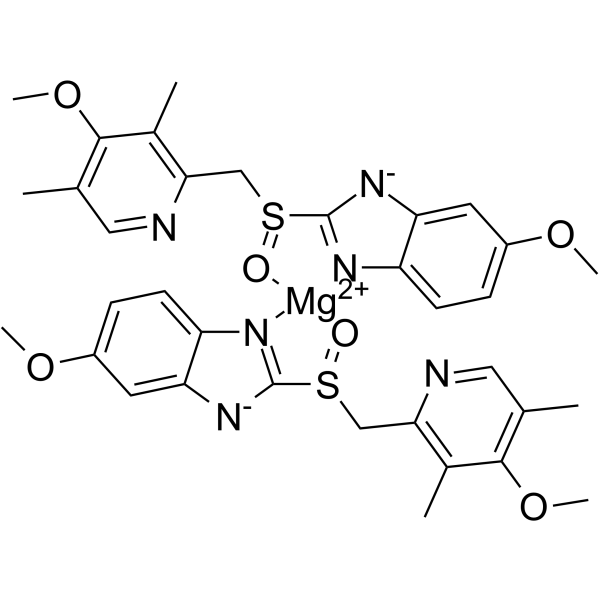
Omeprazole (H 16868) magnesium is an orally active H+,K+-ATPase inhibitor and a proton pump inhibitor. Omeprazole magnesium competitively inhibits CYP2C19, CYP3A4, and CYP2C9 activity. Omeprazole magnesium inhibits gastric acid secretion and can be used for acid-related gastrointestinal disorders. Omeprazole magnesium inhibits pancreatic cancer cell proliferation, induces apoptosis, autophagosome accumulation (elevated LC3-I and LC3-II levels), oxidative stress, and cytogenetic imbalance, modulates lysosomal transport, reduces inflammatory cytokines. Omeprazole magnesium alters small intestinal morphology and magnesium absorption, and induces gastric mucosa morphologic changes. Omeprazole magnesium also has neuroprotective and antibacterial effects.
For research use only. We do not sell to patients.
- CAS No.: 95382-33-5
- Formula: C34H36MgN6O6S2
- Molecular Weight:713.12
-
Storage:
Please store the product under the recommended conditions in the Certificate of Analysis.

To place orders, for customer services and technical support, please contact: MedChemExpress USA
Tel: 609-228-6898 E-mail: [email protected] [email protected]


-
 Biological Activity
-
Chemical Information
- Protocols
- Purity & Documentation
- References
-
 Help & FAQs


-
HY-17021
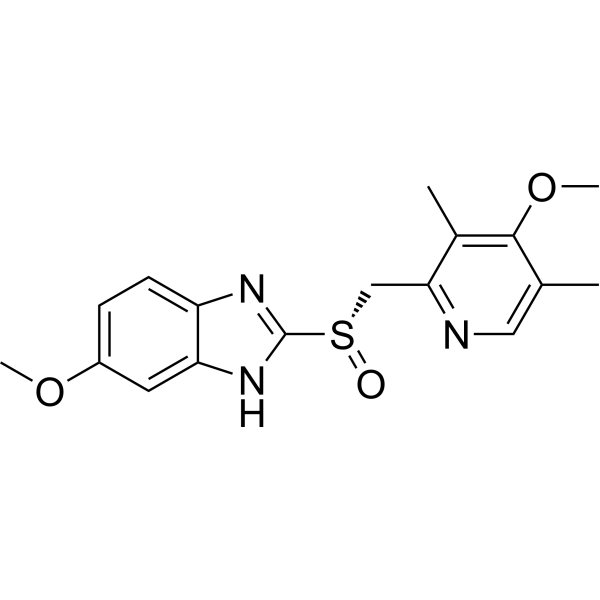
EsomeprazoleH+, K+-ATPase Inhibitor -

HY-17021R
Esomeprazole (Standard)H+, K+-ATPase Inhibitor -
HY-B0113A
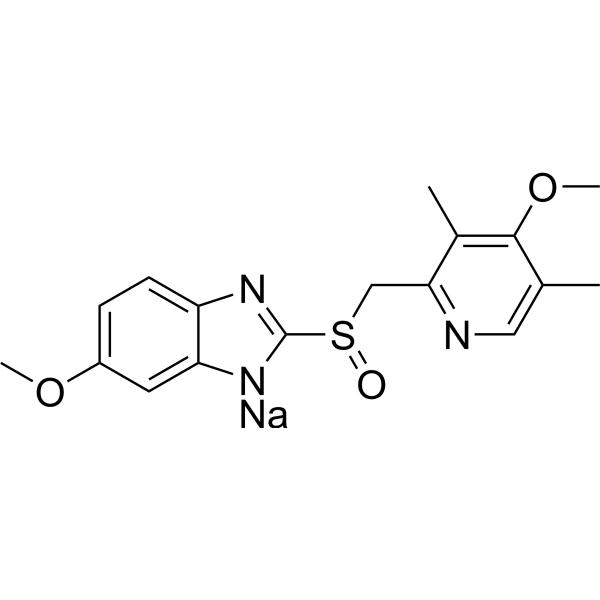
Omeprazole sodiumProton Pump Inhibitor -
HY-17421
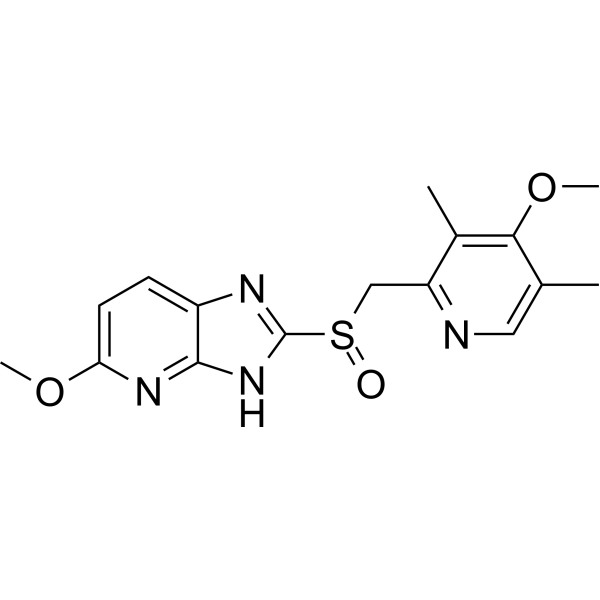
TenatoprazoleProton Pump Inhibitor -
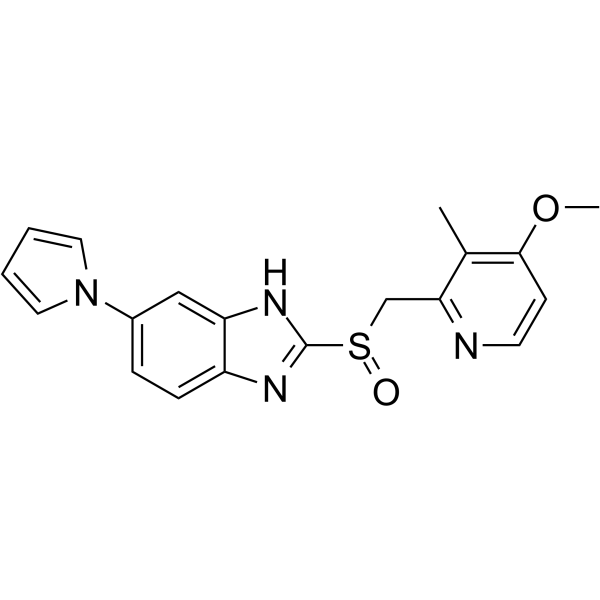
HY-101664
IlaprazoleProton Pump Inhibitor -
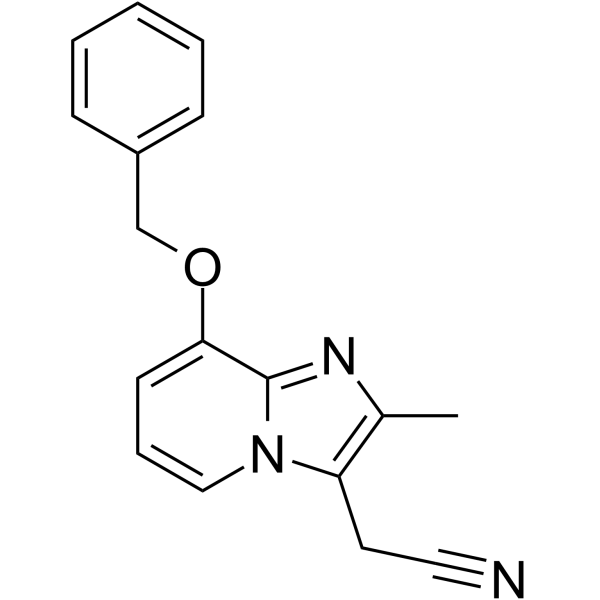
HY-103261
SCH28080H+/K+-ATPase Inhibitor -
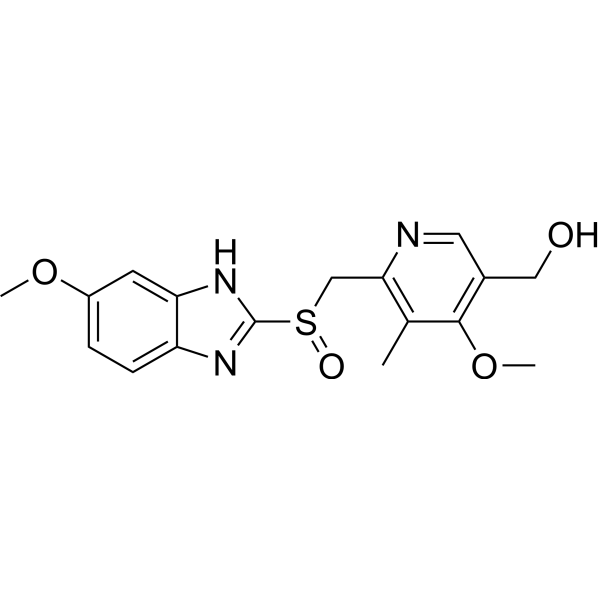
HY-126857
5-HydroxyomeprazoleDrug Metabolite -
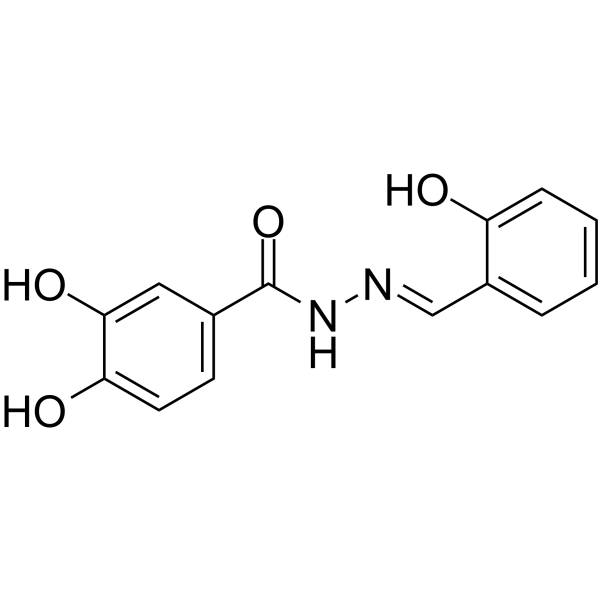
HY-135474
KM91104v-ATPase a3-B2 Inhibitor -
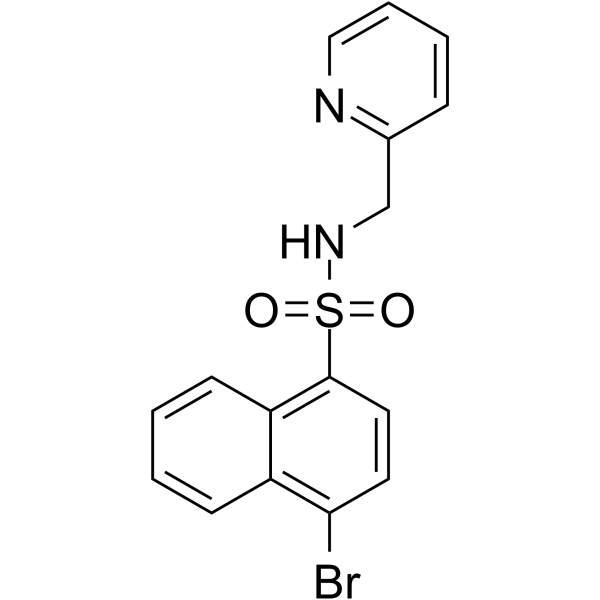
HY-118115
PyrabactinABA Agonist -
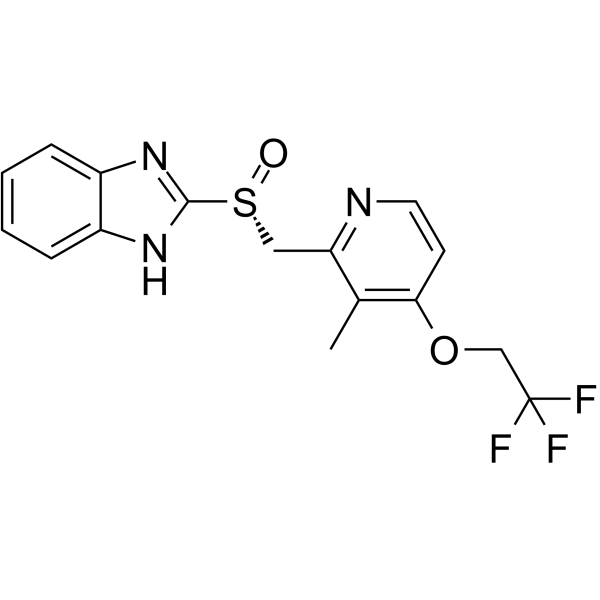
HY-13662B
(R)-LansoprazoleProton Pump Inhibitor -
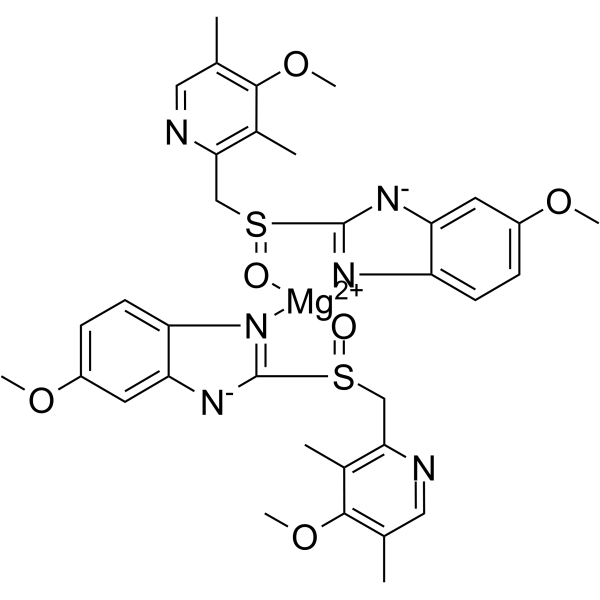
HY-B1446
Esomeprazole magnesiumH+, K+-ATPase Inhibitor -
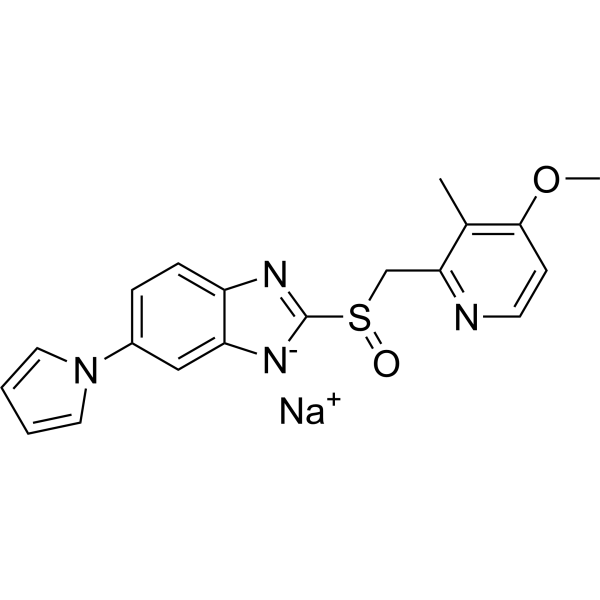
HY-B2145
Ilaprazole sodiumProton Pump Inhibitor
Publications Citing Use of MedChemExpress (MCE) Omeprazole magnesium
More- Cell Metab. 2024 Aug 6;36(8):1806-1822.e11. [Abstract]
- Cell Host Microbe. 2025 Oct 8;33(10):1715-1730.e5. [Abstract]
- Nat Commun. 2023 Jul 14;14(1):4217. [Abstract]
- Adv Sci (Weinh). 2023 Jun;10(17):e2207017. [Abstract]
- Int J Antimicrob Agents. 2025 Oct 8;66(6):107639. [Abstract]
- Sci Rep. 2026 Mar 20;16(1):14300. [Abstract]
- J Pharm Biomed Anal. 2026 Jan 1:267:117128. [Abstract]
- Tissue Cell. 2026 Apr 22:102:103551. [Abstract]
- Br J Clin Pharmacol. 2026 May 31. [Abstract]
- Xenobiotica. 2024 Oct;54(10):847-854. [Abstract]


Biological Activity
Description
In Vitro
Omeprazole magnesium (15 min) competitively inhibits CYP2C9 activity in pooled human liver microsomes with a Ki of 16.4 μM[1].
Omeprazole magnesium (20 min) competitively inhibits CYP2C19 activity in pooled human liver microsomes with a Ki of 2.4-6.2 μM μM[1].
Omeprazole magnesium (15 min) does not significantly inhibit CYP2D6 activity in pooled human liver microsomes, with an IC50 >200 μM[1].
Omeprazole magnesium (15 min) competitively inhibits CYP3A4 activity in pooled human liver microsomes with a Ki of 41.9 μM[1].
Omeprazole magnesium (0-200 μg/mL; 4 days) inhibits proliferation of MiaPaCa-2, ASPC-1, Panc-1, Colo357, PancTu-1, and Panc89 human pancreatic cancer cell lines in a dose-dependent manner with IC50 values ranging from 9.1 to 42.4 μg/mL[2].
Omeprazole magnesium (80 μg/mL; 30 min-24 ) does not cause consistent intralysosomal pH changes in MiaPaCa-2 and ASPC-1 human pancreatic cancer cell lines, but increases acidity in ASPC-1 cells and decreases acidity in MiaPaCa-2 cells after 24 hours of incubation at 80 μg/mL[2].
Omeprazole magnesium (80-160 μg/mL; 24 h) induces accumulation of early autophagic markers (phagophores and autophagosomes) in MiaPaCa-2 and ASPC-1 human pancreatic cancer cell lines, and induces apoptosis in ASPC-1 cells[2].
Omeprazole magnesium (80 μg/mL; 24 h) accumulates intracellularly in MiaPaCa-2 and ASPC-1 human pancreatic cancer cell lines, and induces changes in fatty acid and phospholipid metabolism[2].
Omeprazole magnesium (80 μg/mL; 24 h) alters the distribution of lysosomal markers and reduces Golgi complex marker expression in MiaPaCa-2 human pancreatic cancer cells, indicating disruption of the lysosomal transport pathway without accumulating in lysosomes or the Golgi complex[2].
Omeprazole magnesium (40-160 μg/mL; 24 h) induces autophagy in a dose-dependent manner with elevated LC3-I and LC3-II levels, and impairs autophagosome turnover in MiaPaCa-2 and ASPC-1 human pancreatic cancer cell lines[2].
Omeprazole magnesium (80 μg/mL; 6-24 h) alters gene expression in ASPC-1 and MiaPaCa-2 human pancreatic cancer cell lines, downregulating bad and survivin and upregulating mdr-1 in ASPC-1 cells[2].
Omeprazole magnesium (80 μg/mL; 24 h) activates autophagy via upregulation of Atg12 in MiaPaCa-2 and ASPC-1 human pancreatic cancer cell lines, and upregulates pro-apoptotic Puma in ASPC-1 cells[2].
Omeprazole magnesium generate sulfone, sulfite
and hydroxy-omeprazole, compounds that can generate more oxidative damage [3].
Omeprazole magnesium exerts toxicogenic effects in Allium cepa plant cells, as well as Saccharomyces cerevisiae and murine Sarcoma 180 cells[3].
Omeprazole magnesium (200-300 mg/L) results in a
dose-dependent inhibition of E.faecalis at time zero[6].
Omeprazole magnesium (200 mg/L) inhibits S. aureus at both time zero and 2 h[6].
MedChemExpress (MCE) has not independently confirmed the accuracy of these methods. They are for reference only. Further protocols information, click here.
-
Cell Line:MiaPaCa-2, ASPC-1, Panc-1, Colo357, PancTu-1, Panc89
-
Concentration:0-200 μg/mL
-
Incubation Time:4 days
-
Result:Inhibited cell proliferation in a dose-dependent manner, with IC50 values of 42.4 μg/mL (MiaPaCa-2), 11.2 μg/mL (ASPC-1), 31.8 μg/mL (Panc-1), 26.4 μg/mL (Colo357), 20.7 μg/mL (PancTu-1), and 9.1 μg/mL (Panc89).
Showed a mild growth-stimulatory hormetic effect in some cell lines at low concentrations.
Mitigated the hormetic growth stimulation induced by low-dose 5-fluorouracil (HY-90006) in ASPC-1, Panc-1, and PancTu-1 cells.
Showed additive effects with low-dose 5-fluorouracil in MiaPaCa-2 cells.
Showed antagonistic effects with low-dose 5-fluorouracil in Panc89 cells.
Showed additive or antagonistic interactions with gemcitabine.
-
Cell Line:40 μg/mL, 80 μg/mL, 160 μg/mL
-
Concentration:24 h
-
Incubation Time:4 days
-
Result:Caused a dose-dependent marked elevation of LC3-I and LC3-II fractions in both cell lines.
-
Cell Line:ASPC-1, MiaPaCa-2
-
Concentration:6 h, 12 h, 18 h, 24 h
-
Incubation Time:4 days
-
Result:Significantly downregulated pro-apoptotic bad mRNA in ASPC-1 cells after 24 hours.
Significantly downregulated pro-survival survivin mRNA in ASPC-1 cells after 24 hours.
Significantly upregulated mdr-1 mRNA in ASPC-1 cells after 24 hours.
Did not significantly alter mdr-1 mRNA expression in MiaPaCa-2 cells.
In Vivo
Omeprazole magnesium prevents Oxaliplatin (HY-17371)-induced peripheral neuropathy in Rattus norvegicus[5].
Omeprazole magnesium reduces the levels of the inflammatory cytokines, tumor necrosis factor-α, interleukin-1β, and interleukin-6, in sciatic nerve-ligated mice[5].
MedChemExpress (MCE) has not independently confirmed the accuracy of these methods. They are for reference only.
-
Animal Model:Sprague-Dawley (male, 9 weeks old at study initiation)[4]
-
Dosage:20 mg/kg
-
Administration:s.c.; daily; 12 weeks; 24 weeks
-
Result:Decreased villous length and mucosa-to-serosa amplification ratio in duodenum, jejunum, and ileum compared to controls.
Increased duodenal crypt depth and width compared to controls.
Reduced the number of secretory granules per Paneth cell in duodenum, jejunum, and ileum after 24 weeks of treatment compared to controls.
Increased CD3+ intraepithelial lymphocytes and CD8+ intraepithelial lymphocytes compared to controls.
Reduced plasma Mg2+ levels to 0.64 mM after 12 weeks and 0.57 mM after 24 weeks compared to control level of 1.07 mmol/L.
Reduced urinary Mg2+ excretion compared to controls.
Increased fecal Mg2+ excretion after 24 weeks of treatment compared to controls.
Reduced bone and muscle Mg2+ content.
Clinical Trial
| NCT Number | Sponsor | Condition | Start Date |
Phase

|
|---|---|---|---|---|
| NCT01329991 | Plexxikon| | 2011-05 | PHASE1 |


Chemical Information
-
CAS No. 95382-33-5
-
Molecular Weight 713.12
-
Formula C34H36MgN6O6S2
-
SMILES
COC1=CC=C2[N]3=C([N-]C2=C1)[S](CC(N=CC(C)=C4OC)=C4C)=[O][Mg+2]35[N](C6=CC=C7OC)=C([N-]C6=C7)[S](CC(N=CC(C)=C8OC)=C8C)=[O]5
-
Shipping
Room temperature in continental US; may vary elsewhere.
-
Storage
Please store the product under the recommended conditions in the Certificate of Analysis.


Publications (10)
-
Journal Impact Factor
-
Most Recent
-
Cell Metab
Nicotinamide metabolism face-off between macrophages and fibroblasts manipulates the microenvironment in gastric cancer. [Abstract]2024 Aug 6;36(8):1806-1822.e11. PMID: 38897198 -
Cell Host Microbe
2025 Oct 8;33(10):1715-1730.e5. PMID: 40961933 -
Nat Commun
2023 Jul 14;14(1):4217. PMID: 37452028 -
Adv Sci (Weinh)
CCR7 Mediated Mimetic Dendritic Cell Vaccine Homing in Lymph Node for Head and Neck Squamous Cell Carcinoma Therapy. [Abstract]2023 Jun;10(17):e2207017. PMID: 37092579 -
Int J Antimicrob Agents
Expanded applications of omeprazole: Synergistic reversal of colistin resistance in Acinetobacter baumannii. [Abstract]2025 Oct 8;66(6):107639. PMID: 41072861 -
Sci Rep
2026 Mar 20;16(1):14300. PMID: 41862552 -
J Pharm Biomed Anal
Comprehensive identification and characterization of in vitro and in vivo metabolites of the novel GLP-1 receptor agonist danuglipron using UHPLC-QToF-MS/MS. [Abstract]2026 Jan 1:267:117128. PMID: 40865303 -
Tissue Cell
Vitamin D3 in synergy with triple therapy to eradicate Helicobacter pylori infection in mice via the c-Raf/MEK/ERK pathway. [Abstract]2026 Apr 22:102:103551. PMID: 42033901 -
Br J Clin Pharmacol
Evaluation of a pantoprazole and 4-desmethylpantoprazole-sulfate metabolic ratio as a novel CYP2C19 phenotyping method. [Abstract]2026 May 31. PMID: 42219154 -
Xenobiotica
Notable drug-drug interaction between omeprazole and voriconazole in CYP2C19 *1 and *2 (rs4244285, 681G>A) alleles in vitro. [Abstract]2024 Oct;54(10):847-854. PMID: 39445918

Protocols
-
Research Protocol for Infectious Diseases
Infectious-disease experiments test how pathogens interact with host barriers, innate immune receptors, inflammatory signaling, pathogen replication, and tissue injury; pattern-recognition receptors such as TLRs, RIG-I-like receptors, NOD-like receptors, and inflammasomes detect microbial molecules and activate NF-κB, interferon, and cytokine responses. The central hypothesis is that infection severity reflects the balance between pathogen burden and host response: protective inflammation restricts pathogen growth, whereas excessive or mislocalized inflammation contributes to tissue damage and disease phenotype. Unresolved questions include which host pathways are protective versus pathogenic, why some infection models fail to translate to human disease, and which combined readouts best predict clinically relevant infection outcomes.
-
Annexin V plus membrane-impermeant dye apoptosis staining
Annexin V-based apoptosis assays rely on the detection of phosphatidylserine (PS) externalization from the inner leaflet of the plasma membrane to the outer leaflet, an early biochemical hallmark of apoptosis. Fluorescently labeled Annexin V binds PS in a calcium-dependent manner, enabling identification of early apoptotic cells by flow cytometry or fluorescence microscopy. When combined with a membrane-impermeant DNA-binding dye (e. g. , propidium iodide), this approach allows discrimination between viable (Annexin V−/dye−), early apoptotic (Annexin V+/dye−), and late apoptotic or necrotic (Annexin V+/dye+) cell populations by assessing membrane integrity and PS exposure.
-
BrdU Incorporation Assay
Bromodeoxyuridine (BrdU) incorporation assay is based on the principle that BrdU, a thymidine analog, is incorporated into newly synthesized DNA during the S phase of the cell cycle, thereby serving as a marker of DNA replication and cellular proliferation. Incorporated BrdU can be detected using anti-BrdU antibodies following DNA denaturation, enabling visualization or quantification of proliferating cells through immunochemical detection methods such as immunofluorescence or immunohistochemistry.
-
ROS/oxidative-stress fluorescent staining
ROS/oxidative-stress fluorescent staining uses cell-permeant fluorogenic probes that become fluorescent after oxidation inside cells or tissues; commonly used examples include DCFH-DA/DCFDA for broad cellular oxidant detection, DHE for superoxide-related signal detection, MitoSOX for mitochondrial superoxide-related signal detection, and CellROX probes for oxidative-stress-associated fluorescence readouts. The assay detects probe oxidation rather than a single ROS species unless the probe and analysis method have been chemically validated for that species. DCFH-DA enters cells, is deacetylated by intracellular esterases to DCFH, and produces fluorescent DCF after oxidation, so the readout is used as an operational measure of total cellular oxidative stress rather than a species-specific ROS measurement. DHE and MitoSOX can report superoxide-related oxidation, but red fluorescence alone can include non-specific ethidium-like oxidation products; HPLC or optimized spectral approaches are
-
Somatic Cell Culture
A method of simulating the in vivo environment in vitro to maintain the cell growth, differentation and main functions.
-
CFSE Dye Dilution Proliferation Assay
The CFSE (carboxyfluorescein diacetate succinimidyl ester) dye dilution proliferation assay is based on the covalent labeling of intracellular proteins by a cell-permeant fluorescent dye that becomes fluorescent upon intracellular ester cleavage and then is stably retained within cells. As labeled cells divide, the dye is partitioned equally between daughter cells, resulting in a stepwise halving of fluorescence intensity that can be quantified by flow cytometry to determine the number of cell divisions undergone by each cell population. This fluorescence dilution approach enables quantitative tracking of lymphocyte proliferation at the single-cell level over multiple rounds of division. CFSE-based proliferation analysis has been widely applied to measure antigen-driven lymphocyte expansion in vitro, where discrete fluorescence peaks correspond to successive cell divisions and allow reconstruction of proliferative history within heterogeneous populations.
-
Dye-dilution cell tracking and proliferation staining
Dye-dilution cell tracking assays quantify cell proliferation by covalently labeling intracellular proteins with a stable fluorescent dye that is equally partitioned between daughter cells during mitosis, resulting in stepwise halving of fluorescence intensity with each cell division as measured by flow cytometry histograms. Carboxyfluorescein diacetate succinimidyl ester (CFSE) is a prototypical dye that diffuses into cells, is enzymatically converted into a fluorescent compound, and then covalently binds intracellular amine groups, producing long-lived fluorescence suitable for tracking multiple rounds of division in vitro and in vivo. Successive generations of dividing cells form discrete peaks of decreasing fluorescence intensity, enabling estimation of proliferation history, precursor frequency, and division index within heterogeneous populations. Alternative dyes such as CellTrace Violet (CTV) and far-red membrane dyes (e. g. , PKH26) follow the same dilution principle but differ
-
CCK-8/WST-8 Cell Proliferation Assay
The CCK-8/WST-8 assay is based on the reduction of the water-soluble tetrazolium salt WST-8 to a water-soluble formazan product by cellular dehydrogenases in metabolically active cells, where the generated formazan amount is proportional to the number of living cells and is quantified by measuring absorbance in the visible range, providing a colorimetric readout for cell viability and proliferation assessment. This class of tetrazolium-based assays improves upon earlier MTT-based systems by producing a water-soluble formazan, eliminating the need for organic solubilization steps and enabling direct spectrophotometric measurement in culture medium.
-
Protocol for Cell Cycle
Cell-cycle analysis by flow cytometry measures DNA content in single cells to estimate the fraction of cells in G0/G1, S, and G2/M phases. Propidium iodide intercalates into DNA, and after RNA removal with RNase, fluorescence intensity reflects cellular DNA content: 2N cells are assigned to G0/G1, cells between 2N and 4N to S phase, and 4N cells to G2/M. DNA-content analysis alone cannot reliably separate G0 from G1 or G2 from M. Ki-67 can distinguish quiescent G0 cells from cycling cells, EdU or BrdU incorporation marks active DNA synthesis in S phase, and phospho-histone H3 staining identifies mitotic cells within the 4N population.
-
Cell Counting-Based Growth Curve Assay
Cell counting-based growth curve assays quantify cell proliferation by directly measuring changes in viable cell number over time using manual or automated counting methods such as hemocytometer-based counting or instrument-assisted cell enumeration, enabling construction of growth curves that reflect population expansion dynamics in response to culture conditions. A widely used approach is trypan blue exclusion with hemocytometer counting, where membrane-compromised (non-viable) cells take up the dye, allowing discrimination between viable and non-viable cells while simultaneously enabling total cell number quantification. Repeated sampling across time points allows estimation of proliferation rate, growth phases, and comparative growth kinetics between experimental conditions.
-
Colony Formation (Clonogenic) Assay
The clonogenic (colony formation) assay measures the ability of a single cell to retain reproductive viability and form a macroscopic colony, typically defined as a cluster derived from one progenitor cell after a defined growth period. This assay is widely used to evaluate cell survival after exposure to ionizing radiation or cytotoxic treatments and is considered a standard method in radiation biology for generating dose-response relationships of reproductive cell death. Colony formation reflects long-term proliferative capacity rather than short-term metabolic activity, and survival is quantified by comparing treated versus untreated conditions based on colony number and derived survival fractions.
-
Cell Viability Determination by MTT Colorimetric Assay
The following protocol uses the MTT colorimetric assay as a classic literature-established method for assessing cell viability/metabolic activity in cultured mammalian cells. MTT[3-(4,5-dimethylthiazol-2-yl)-2,5-diphenyltetrazolium bromide] is reduced by metabolically active cells to a colored formazan product; the amount of formazan is quantified spectrophotometrically and provides an indirect measure of metabolically active viable cells. Importantly, MTT reduction reflects cellular oxidoreductase/metabolic activity rather than an absolute direct count of living cells, so changes in cellular metabolism can alter the signal independently of cell number.
-
EdU Incorporation Assay (Click Chemistry-Based DNA Synthesis Measurement)
The EdU incorporation assay measures DNA synthesis by adding the thymidine analog 5-ethynyl-2′-deoxyuridine to cells or tissues, where it is incorporated into newly synthesized DNA during S phase. Incorporated EdU is detected by copper-catalyzed azide-alkyne cycloaddition, in which a fluorescent azide covalently reacts with the ethynyl group on EdU, allowing S-phase cells to be detected by fluorescence microscopy, flow cytometry, or high-content imaging. EdU detection does not require DNA denaturation or anti-BrdU antibody access, which preserves sample structure and improves compatibility with immunostaining and multiparameter cytometry compared with BrdU-based detection. EdU can be cytotoxic in a cell-type- and exposure-dependent manner, so pulse duration, concentration, and continuous-labeling designs should be validated for each cell type.
-
Ki-67 Immunostaining Proliferation Assay
Ki-67 immunostaining measures the growth fraction of a cell population by detecting Ki-67, a nuclear antigen present in proliferating cells and absent in quiescent G0 cells. The readout is the percentage of Ki-67-positive nuclei among total counted cells, commonly called the Ki-67 labeling index or proliferation index.
-
Apoptosis
Apoptosis, also called programmed cell death, is generally characterized by distinct morphological characteristics.
-
TUNEL staining for apoptotic DNA fragmentation
TUNEL staining detects DNA strand breaks by using terminal deoxynucleotidyl transferase to add labeled nucleotides to exposed 3′-OH DNA termini, generating either microscopic staining in fixed cells or tissue sections, or fluorescence/cytometric signal in cell suspensions. TUNEL positivity reflects DNA fragmentation but should not be interpreted alone as definitive apoptosis, because TUNEL can also label necrotic, autolytic, mechanically damaged, or DNA-repair-associated DNA breaks.
-
PCNA Immunodetection Proliferation Assay
PCNA immunodetection measures proliferative activity by detecting proliferating cell nuclear antigen, a nuclear protein associated with DNA polymerase δ function and DNA replication. The assay readout is the proportion of PCNA-positive nuclei among total counted cells, but PCNA labeling is not identical to BrdU labeling because PCNA can mark late G1/early S-associated replication competence and may persist beyond active DNA synthesis depending on fixation and extraction conditions.
-
LPS-Induced Endotoxemia/Systemic Inflammation
Lipopolysaccharide (LPS)-induced endotoxemia is a widely used in vivo model of acute systemic inflammation in which LPS, a Gram-negative bacterial endotoxin, activates innate immune signaling primarily through TLR4, leading to rapid and transient induction of pro-inflammatory cytokines such as TNF-α, IL-6, and IL-1β in circulation and tissues. This cytokine surge is commonly used as a measurable readout of systemic inflammatory activation and immune dysregulation, and is typically assessed within hours after intraperitoneal LPS administration in mouse models of endotoxemia. The model captures key features of systemic inflammatory response syndrome, including cytokine release, immune cell activation, and downstream tissue responses, and has been used to evaluate anti-inflammatory interventions such as cytokine modulation, lipid mediators, and immune cell-targeting therapies.
-
Protocol for Cell Counting and Cell Density Analysis
Cell counting and cell-density analysis estimate the number of cells in a known volume or field area. Manual hemocytometer counting uses a chamber of defined geometry to convert counted cells into cells/mL, while automated counters and image-analysis workflows detect cell objects from optical, brightfield, fluorescence, impedance, or digital-image features. Trypan blue viability counting is based on dye exclusion: viable cells with intact membranes exclude dye, while non-viable cells with compromised membranes stain blue. The readout is total cell density, viable-cell density, dead-cell density, and percent viability. Cell density can also be estimated from microscopy images by counting objects per image area, from flow cytometry using calibrated volume or reference particles, or from in situ microscopy in bioreactors after calibration against reference methods such as hemocytometer or flow cytometry.
-
Autophagy
Autophagy is a process in which eukaryotic cells use lysosomes to degrade their own cytoplasmic proteins and damaged organelles under the regulation of autophagy related gene (Atg). Microtubule-associated proteins light chain 3 (LC3) is recognized as autophagy marker, which transfers from cytoplasmic LC3 (LC3-I) to membrane type (LC3-II). LC3-II/I ratio could be detected by Western Blot and fluorescence microscopy.
-
Apoptosis Solutions
Apoptosis is a regulated, generally non-lytic cell-death pathway that removes unwanted, damaged, infected, or abnormal cells through coordinated morphological changes, caspase activation, DNA fragmentation, and membrane remodeling. The intrinsic apoptosis pathway is controlled mainly by mitochondrial outer membrane permeabilization, BCL-2 family proteins, cytochrome c release, apoptosome formation, caspase-9 activation, and downstream executioner caspase-3/7 activation. The extrinsic apoptosis pathway is initiated by death receptors such as Fas, TNFR, and TRAIL receptors, which recruit adaptor proteins and activate caspase-8 before engaging executioner caspases or mitochondrial amplification through BID cleavage. Apoptosis is linked to many phenotypes, including cancer cell killing, tissue homeostasis, immune regulation, neurodegeneration, infection response, and treatment-induced cytotoxicity; unresolved questions include how apoptosis interacts with necroptosis, pyroptosis, ferroptos
-
Lysosome and acidic-vesicle live-cell staining
Lysosome and acidic-vesicle live-cell staining detects acidic intracellular compartments by using membrane-permeant acidotropic probes that accumulate in low-pH vesicles, including lysosomes, late endosomes, autolysosomes, and acidic phagosomes. LysoTracker staining is commonly used as an intensity-based readout of acidic lysosomal compartment abundance or enlargement, while acridine orange produces green fluorescence in less concentrated compartments and red fluorescence after concentration-dependent accumulation in acidic vesicular organelles. Loss or reduction of acridine-orange red signal can be used as a readout of lysosomal membrane permeabilization or reduced acidic-vesicle integrity. This protocol is designed for live cultured cells and can be adapted for fluorescence microscopy, high-content imaging, plate-reader readout, or flow cytometry when the selected literature supports the readout. Because these dyes report acidotropic accumulation rather than lysosome identity alone,
-
MTT Cell Proliferation Assay
The MTT assay is a colorimetric endpoint assay for estimating viable cell number, cell growth, cytotoxicity, or cell activation in cultured mammalian cells. Living cells reduce the yellow tetrazolium salt MTT into purple/blue formazan, while dead cells do not generate the same signal; the resulting color can be quantified with a multiwell spectrophotometer. MTT reduction is commonly interpreted as a readout of metabolic activity that often correlates with viable cell number, but it should not be treated as a direct cell-counting method unless the assay is optimized for the cell type and experimental condition. Studies show that MTT reduction can involve mitochondrial and non-mitochondrial reducing systems, and formazan may accumulate in intracellular lipid droplets rather than simply marking mitochondria.
-
Macroautophagy Solutions
Macroautophagy is a conserved lysosome-dependent degradation pathway in which cytoplasmic material is sequestered into double-membrane autophagosomes and delivered to lysosomes for degradation and recycling. The pathway supports cellular homeostasis during nutrient limitation, organelle stress, protein-aggregate accumulation, infection, differentiation, and tissue remodeling by coupling cargo sequestration, autophagosome maturation, lysosomal fusion, and degradation of cargo-derived macromolecules. The core molecular sequence includes initiation by nutrient- and stress-regulated autophagy machinery, autophagosome nucleation, LC3/ATG8-family conjugation to autophagosomal membranes, cargo selection through receptors such as SQSTM1/p62, autophagosome-lysosome fusion, and lysosomal degradation. LC3 was identified as a mammalian homolog of yeast Atg8 that localizes to autophagosomal membranes after processing, and p62/SQSTM1 was shown to connect ubiquitinated cargo with autophagic degradati


Purity & Documentation
References
[1]. Li XQ, et al. Comparison of inhibitory effects of the proton pump-inhibiting drugs omeprazole, esomeprazole, lansoprazole, pantoprazole, and rabeprazole on human cytochrome P450 activities. Drug Metab Dispos. 2004;32(8):821-827. [Content Brief]
[2]. Udelnow A, et al. Omeprazole inhibits proliferation and modulates autophagy in pancreatic cancer cells. PLoS One. 2011;6(5):e20143. [Content Brief]
[3]. da Mata AMOF, et al. Evaluation of mutagenesis, necrosis and apoptosis induced by omeprazole in stomach cells of patients with gastritis. Cancer Cell Int. 2022;22(1):154. Published 2022 Apr 18. [Content Brief]
[4]. Chamniansawat S, et al. Ultrastructural intestinal mucosa change after prolonged inhibition of gastric acid secretion by omeprazole in male rats. Anat Sci Int. 2021;96(1):142-156. [Content Brief]
[5]. Mori Y, et al. Class effects of proton pump inhibitors in preventing oxaliplatin-induced peripheral neurotoxicity. J Pharmacol Sci. 2025;159(4):279-282. [Content Brief]

Calculators
Concentration (start) × Volume (start) = Concentration (final) × Volume (final)


Omeprazole magnesium Related Classifications
HY-109546 Related Classifications
 Powered by Bioz