



CYP1
Cytochrome P450 CYP1 enzymes comprise the CYP1A1, CYP1A2, and CYP1B1 isoforms, which function as heme-containing monooxygenases that catalyze the oxidation of endogenous molecules and xenobiotics during phase I metabolism[1][2]. Mechanistically, CYP1 enzymes are induced through aryl hydrocarbon receptor (AhR) signaling and participate in the metabolism of polycyclic aromatic hydrocarbons, aromatic amines, steroid hormones, eicosanoids, and numerous therapeutic compounds[1]. Through these reactions, CYP1 family members contribute to both detoxification and the bioactivation of procarcinogens, thereby influencing chemical toxicity, mutagenesis, and carcinogenesis[1][3]. In disease contexts, altered CYP1 activity has been linked to cancer susceptibility, drug response variability, and other pathological processes associated with endogenous signaling molecules and environmental exposures[1][3]. Compared with related isoforms, CYP1A1, CYP1A2, and CYP1B1 share substantial sequence similarity and overlapping substrate selectivity, yet they exhibit distinct functional properties, protein-protein interactions, tissue distribution patterns, and catalytic behaviors[2][4]. CYP1A2 is constitutively expressed in the liver and plays a major role in xenobiotic metabolism, whereas CYP1A1 and CYP1B1 are more strongly associated with extrahepatic metabolism and procarcinogen activation[1][2]. For experimental applications, selective CYP1 inhibitors and isoform-specific probes are widely used to dissect CYP1-dependent metabolic pathways, evaluate enzyme selectivity, and investigate mechanisms of drug efficacy, toxicity, and cancer biology[1][5].
References:
- [1]. Kwon YJ, et al. Biological roles of cytochrome P450 1A1, 1A2, and 1B1 enzymes. Arch Pharm Res. 2021 Jan;44(1):63-83. [Content Brief]
- [2]. Deguchi S, et al. Modeling of Hepatic Drug Metabolism and Responses in CYP2C19 Poor Metabolizer Using Genetically Manipulated Human iPS cells. Drug Metab Dispos. 2019 Jun;47(6):632-638. [Content Brief]
- [3]. Nebert DW, et al. The role of cytochrome P450 enzymes in endogenous signalling pathways and environmental carcinogenesis. Nat Rev Cancer. 2006 Dec;6(12):947-60. [Content Brief]
- [4]. Valenzuela B, et al. Isolation and Characterization of Thermus thermophilus Strain ET-1: An Extremely Thermophilic Bacterium with Extracellular Thermostable Proteolytic Activity Isolated from El Tatio Geothermal Field, Antofagasta, Chile. Int J Mol Sci. 2023 Sep 25;24(19):14512. [Content Brief]
- [5]. Dutour R, et al. Inhibitors of cytochrome P450 (CYP) 1B1. Eur J Med Chem. 2017 Jul 28;135:296-306. [Content Brief]
-
CYP1 Related Products (95)
Related Products (95)

-
Antibodies (1)
-
TMS
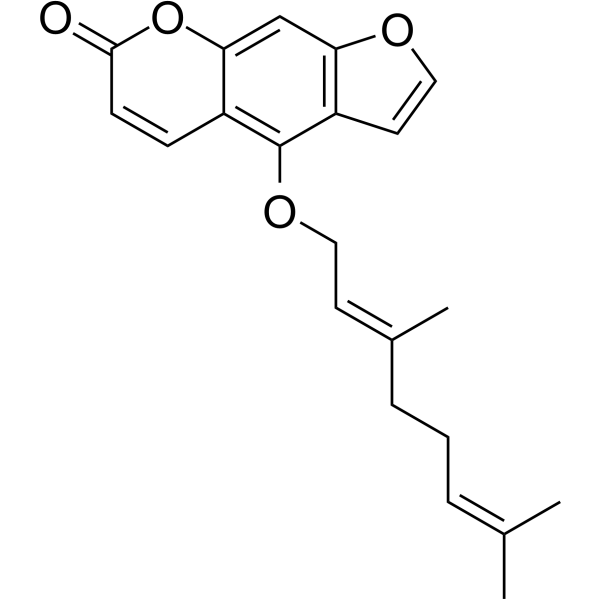
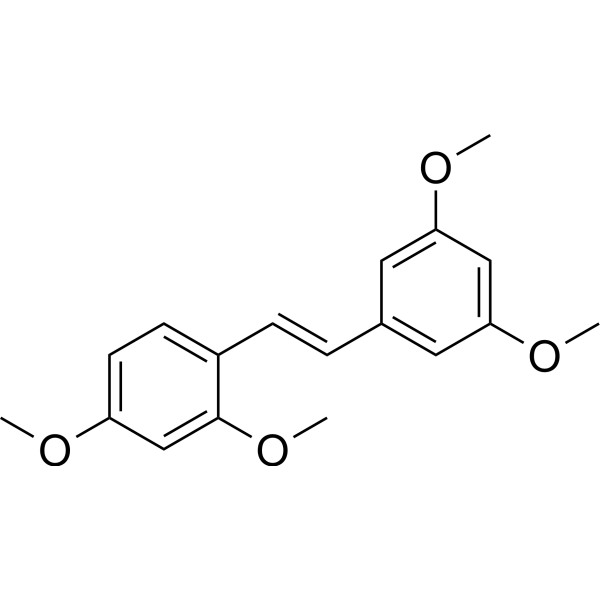 0 ImagesSynonyms: (E)-2,3',4,5'-tetramethoxystilbeneTMS ((E)-2,3',4,5'-tetramethoxystilbene) is a selective and competitive CYP1B1 inhibitor with an IC50 of 6 nM and a Ki value of 3 nM. TMS shows a lesser extent inhibitory effect on CYP1A1 (IC50=300 nM) and CYP1A2 (IC50=3.1 μM). TMS is a methylated derivative of resveratrol and has anti-cancer activity.
-
Sudan IV
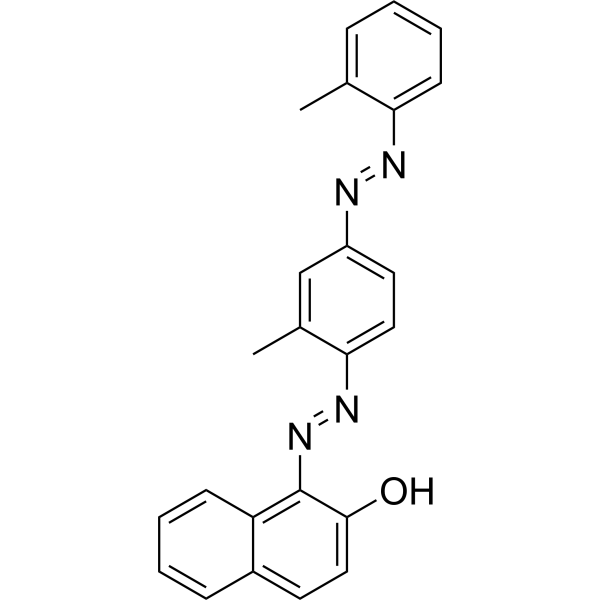 0 ImagesSudan IV is an agonist of the aryl hydrocarbon receptor (AhR) that activates downstream signaling pathways and induces CYP1A1 expression. Sudan IV promotes CYP1A1 gene transcription by activating AhR-ARNT heterodimers and binding to exogenous response elements (XREs) on DNA, thereby enhancing drug metabolizing enzyme activity. Sudan IV can be used to study the toxicity mechanisms of industrial dyes and the effects of interactions with serum proteins (such as bovine serum albumin (BSA)) on their distribution in vivo. Sudan IV is a fat-soluble diazo dye that can be used to stain lipids, triglycerides, and lipoproteins on frozen sections.
-
3-Bromocarbazole
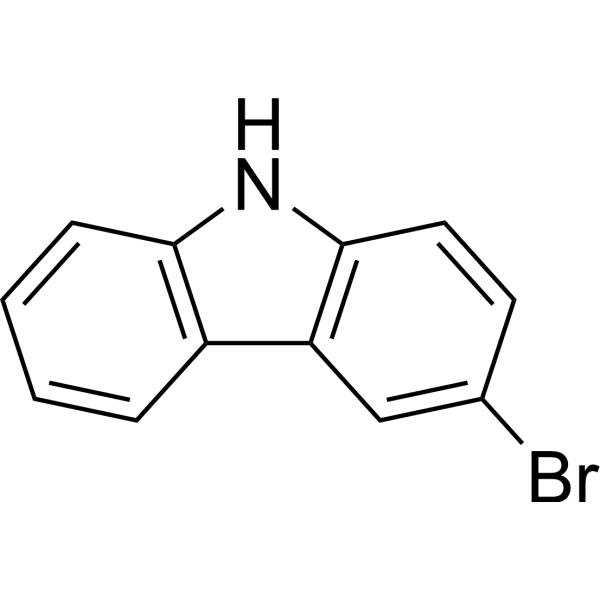 0 Images3-Bromocarbazole is an inhibitor of the aryl hydrocarbon receptor (AHR). 3-Bromocarbazole induces the mRNA expression of CYP1A1 and CYP1B1, with EC50 values of 2500 nM and 1100 nM, respectively. 3-Bromocarbazole inhibits motor neuron axon length by downregulating the mRNA transcription levels of α1-tubulin, Gap43, Syn2a and shha in zebrafish larvae. 3-Bromocarbazole reduces central nervous system neurogenesis by downregulating the mRNA transcription levels of elavl3, nrd, mbp and gfap in zebrafish larvae. 3-Bromocarbazole induces developmental neurotoxicity and decreases body length in zebrafish larvae or embryos; at high concentrations, it also reduces hatching rate, and increases mortality and malformation rate. 3-Bromocarbazole can be used in studies related to developmental neurotoxicity and breast cancer.
-
Sulcatone
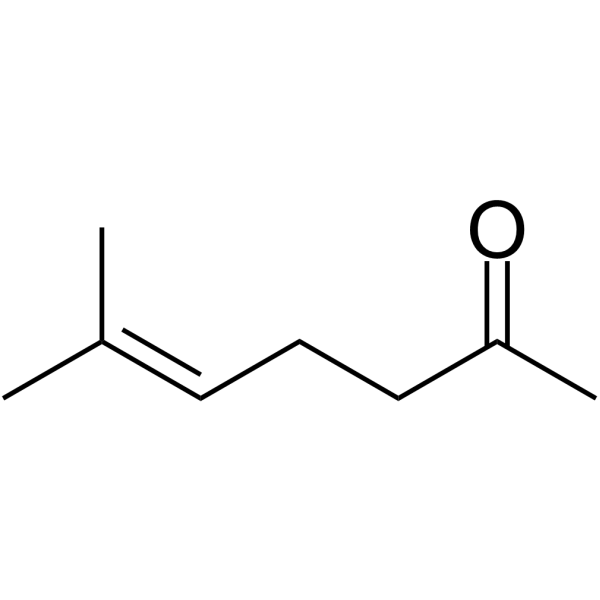 0 ImagesSynonyms: 6-Methyl-5-hepten-2-oneSulcatone (6-Methyl-5-hepten-2-one) is a plant-derived volatile organic compound with activities such as insecticidal, antifungal, and blood pressure-lowering effects. Sulcatone also serves as an insect pheromone and an endogenous metabolite, which can be found in feces. Changes in Sulcatone levels can be used for the auxiliary diagnosis of ulcerative colitis.
-
Ginsenoside Rd
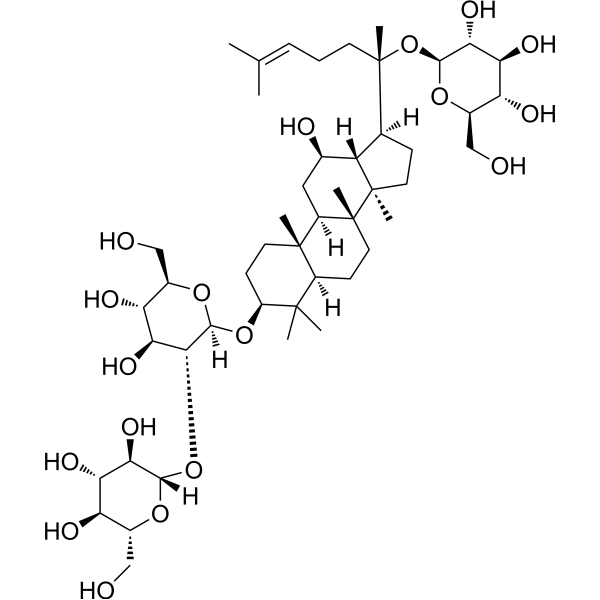 0 ImagesSynonyms: Gypenoside VIIIGinsenoside Rd inhibits TNFα-induced NF-κB transcriptional activity with an IC50 of 12.05±0.82 μM in HepG2 cells. Ginsenoside Rd inhibits expression of COX-2 and iNOS mRNA. Ginsenoside Rd also inhibits Ca2+ influx. Ginsenoside Rd inhibits CYP2D6, CYP1A2, CYP3A4, and CYP2C9, with IC50s of 58.0±4.5 μM, 78.4±5.3 μM, 81.7±2.6 μM, and 85.1±9.1 μM, respectively.
-
7-Ethoxyresorufin
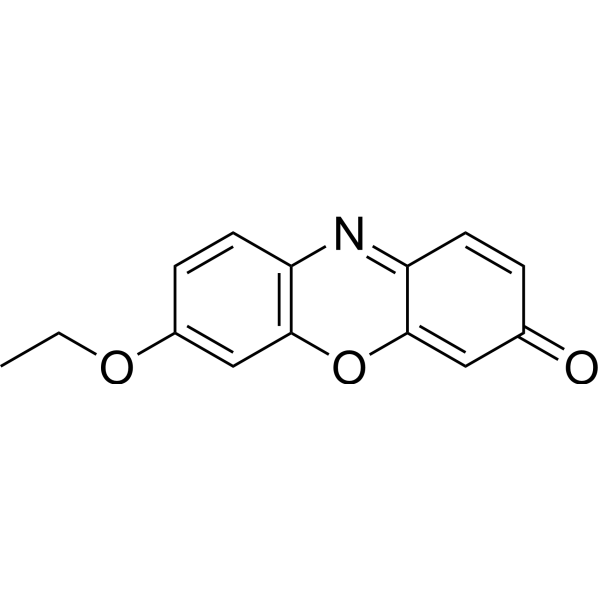 0 Images7-Ethoxyresorufin (Resorufin ethyl ether) is a fluorometric substrate and competitive inhibitor of cytochrome P450, especially CYP1A1. 7-Ethoxyresorufin also inhibits NO synthase.
-
Phillyrin
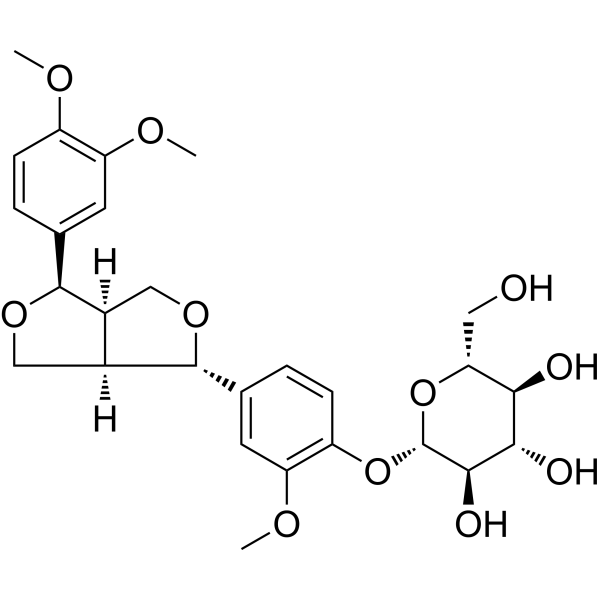 0 ImagesPhillyrin is isolated from Forsythia suspensa Vahl (Oleaceae), has antibacterial and anti-inflammatory activities. Phillyrin has potential inductive effects on rat CYP1A2 and CYP2D1 activities, without affecting CYP2C11 and CYP3A1/2 activities. Phillyrin has anti-influenza A virus activities.
-
AZD7325
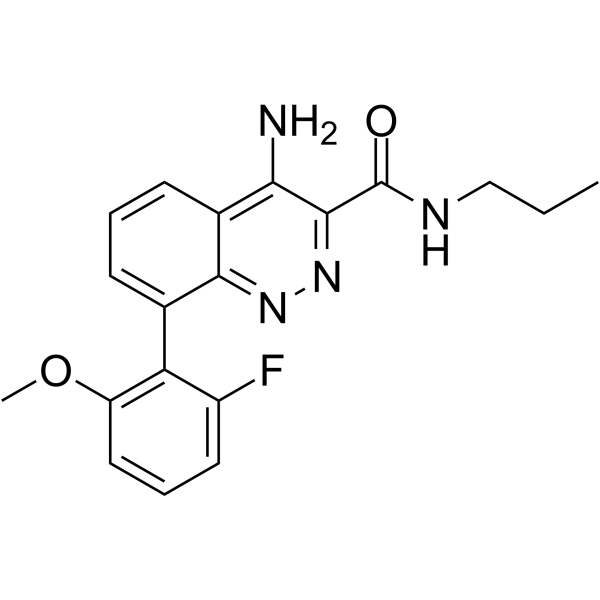 0 ImagesAZD7325 is a potent and orally active partial selective PAM of GABAAα2 and Aα3 receptor (Ki=0.3 and 1.3 nM, respectively), and has less antagonistic efficacy at the Aα1 and Aα5 receptor subtypes. AZD7325 is a moderate CYP1A2 and a potent CYP3A4 inducer in vitro. AZD7325 has the potential for the investigation of anxiety and dravet syndrome. PAM: positive allosteric modulator.
-
Fipronil
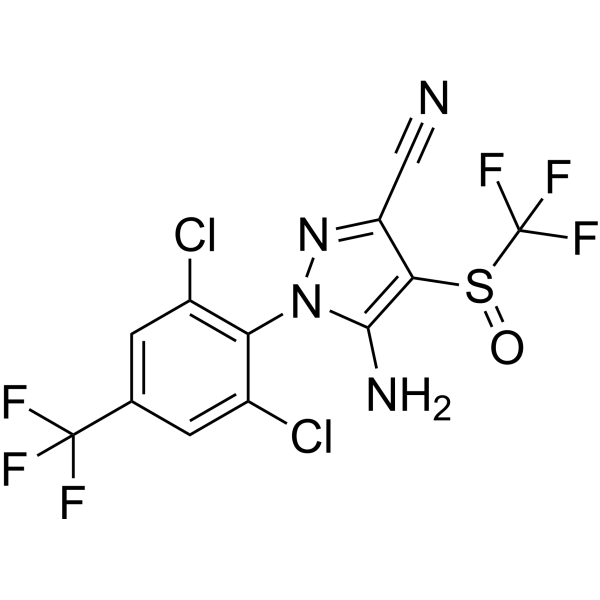 0 ImagesFipronil is a broad-spectrum insecticide effective against Lepidoptera species as well as thrips, locusts, ants, cockroaches, fleas and ticks. Fipronil selectively inhibits GABA receptor with IC50s of 30 nM and 1600 nM for cockroach and rat GABA receptors, respectively. Glutamate-gated chloride channels (GluCls), which are present in cockroaches but not in mammals, are sensitive to the blocking effect of Fipronil. Fipronil also induces apoptosis in HepG2 cells and promotes the expression of CYP1A1 and CYP3A4 mRNA in human hepatocytes.
-
Rhapontigenin
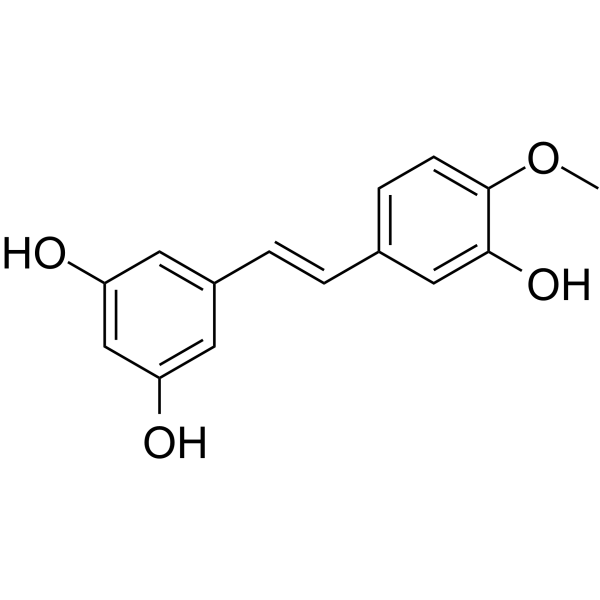 0 ImagesRhapontigenin is a natural analog of resveratrol with anticancer, antioxidant, antifungal and antibacterial activities. Rhapontigenin is amechanism-based, potent and selective cytochrome P450 1A1 inactivator (IC50 = 400 nM). Rhapontigenin exhibits 400-fold and 23-fold selectivity for P450 1A1 over P450 1A2 and P450 1B1, respectively.
-
β-Apo-8'-carotenal
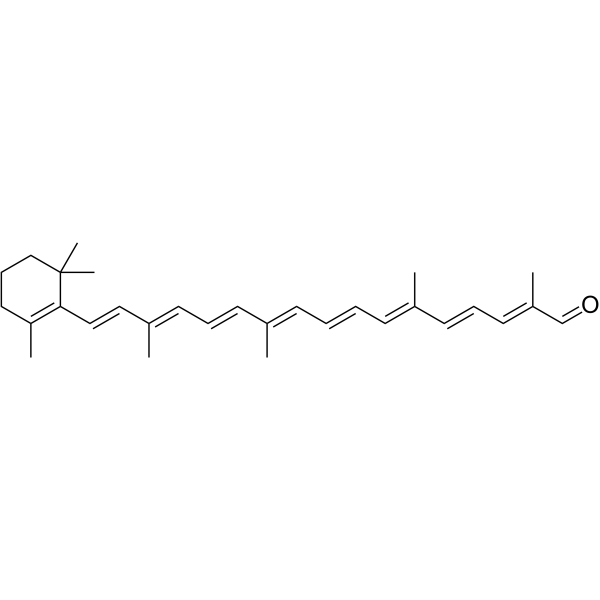 0 Imagesβ-Apo-8'-carotenal (Apocarotenal), an orally active provitamin A carotenoid. β-Apo-8'-carotenal can induce the expression of CYP1A through the Ah receptor-dependent pathway. β-Apo-8'-carotenal can induce cancer cells DNA strand breaks and lipid peroxidation. β-Apo-8'-carotenal can be used for the researches of cancer and metabolic disease.
-
Tetrahydropiperine
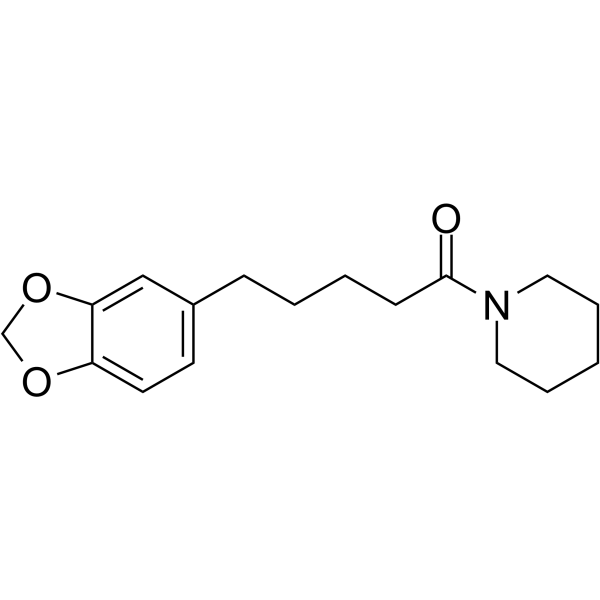 0 ImagesTetrahydropiperine is an orally effective, selective inhibitor of NF-κB and MAPKs, and an activator of the PI3K/Akt/mTOR pathway. Tetrahydropiperine reduces the production of pro-inflammatory cytokines such as TNF-α, IL-6, and nitric oxide (NO) by inhibiting the nuclear translocation of NF-κB and the phosphorylation of MAPKs such as ERK, JNK, and p38. At the same time, Tetrahydropiperine inhibits excessive autophagy by activating the PI3K/Akt/mTOR pathway, protecting neurons from oxidative damage. Tetrahydropiperine has anti-inflammatory, anti-apoptotic, and neuroprotective effects, and is mainly used in the study of inflammatory diseases (such as endotoxemia, arthritis) and neurological diseases such as ischemic stroke.
-
ML252
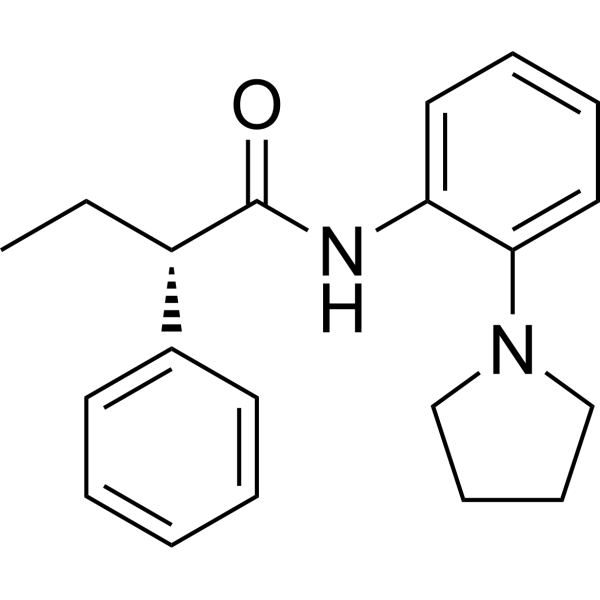 0 ImagesML252 is a selective inhibitor of KCNQ2 (Kv7.2) channel with an IC50s of 69 nM, 2.92 μM, 0.12 μM and 0.20 μM for KCNQ2, KCNQ1 (Kv7.1), KCNQ2/Q3 and KCNQ4, respectively. ML252 also inhibits Cytochrome P450 with IC50s of 6.1 nM (CYP1A2), 18.9 nM (CYP2C9), 3.9 nM (CYP3A4), 19.9 nM (CYP2D6), respectively. ML252 shows highly brain penetrant .
-
Harmalol hydrochloride
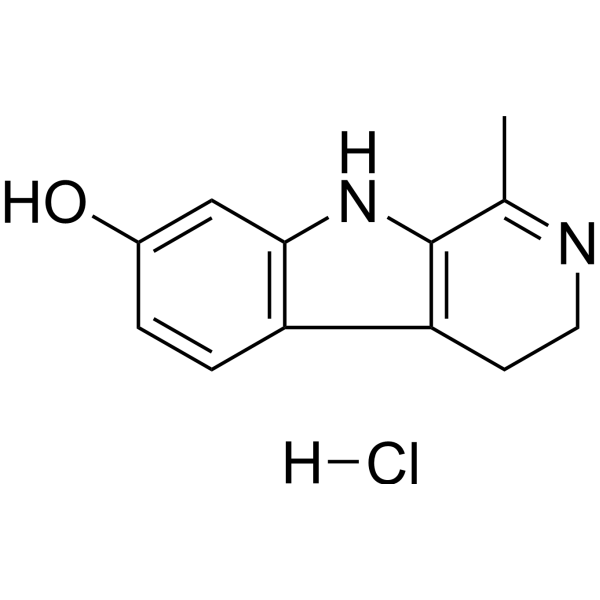 0 ImagesHarmalol hydrochloride, a beta carboline alkaloid, presents in several medicinal plants such as Peganum harmala. Harmalol hydrochloride, main metabolite of Harmaline, significantly inhibits the dioxin-mediated induction of CYP1A1 at the transcriptional and posttranslational levels. Harmalol hydrochloride possesses antioxidant and hydroxyl radical-scavenging properties.
-
Ezutromid
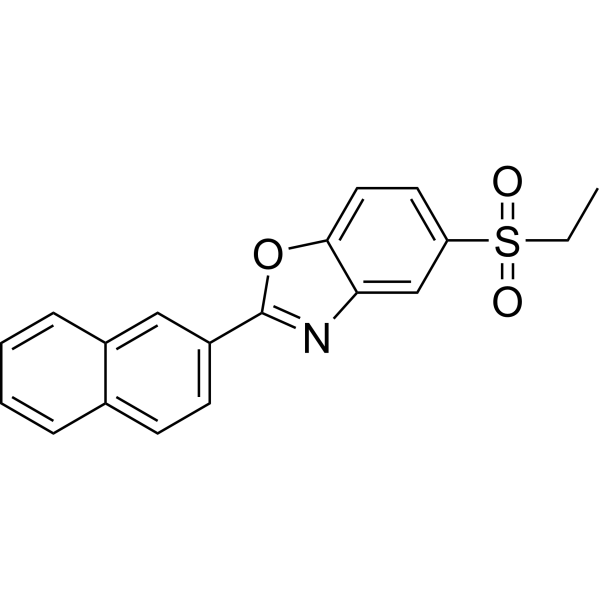 0 ImagesSynonyms: SMT C1100; BMN 195; VOX-C1100Ezutromid (SMT C1100) is a first-in-class, orally active benzoxazole utrophin modulator with an EC50 of 0.91 μM. Ezutromid can be used for the research Duchenne muscular dystrophy (DMD). Ezutromid inhibits CYP1A2 enzymic activity in human liver microsomes (HLM) with an IC50 of 5.4 μM.




