1. Search Result
Search Result
Results for "

plasma clearance

" in MedChemExpress (MCE) Product Catalog:

24

Inhibitors & Agonists

1

Fluorescent Dyes

1

Natural
Products

Cat. No. Product Name Target Research Areas Chemical Structure
  • HY-100432
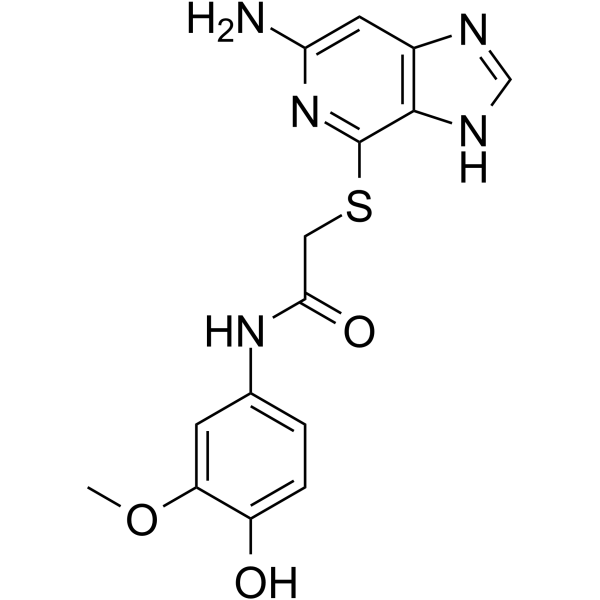
    LOC14
    4 Publications Verification

    PDI Neurological Disease Inflammation/Immunology
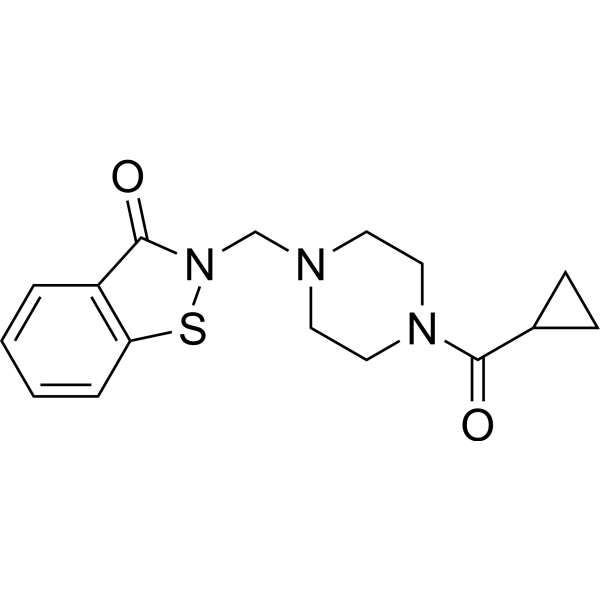
    LOC14 is a potent Protein disulfide isomerase (PDI) inhibitor with EC50 and Kd values of 500 nM and 62 nM, respectively. LOC14 exhibits high stability in mouse liver microsomes and blood plasma, low intrinsic microsome clearance, and low plasma-protein binding . LOC14 inhibits PDIA3 activity, decreases intramolecular disulfide bonds and subsequent oligomerization (maturation) of HA in lung epithelial cells .
    LOC14
  • HY-D1063
    IR-780
    5+ Cited Publications

    Fluorescent Dye Apoptosis Reactive Oxygen Species (ROS) Cancer
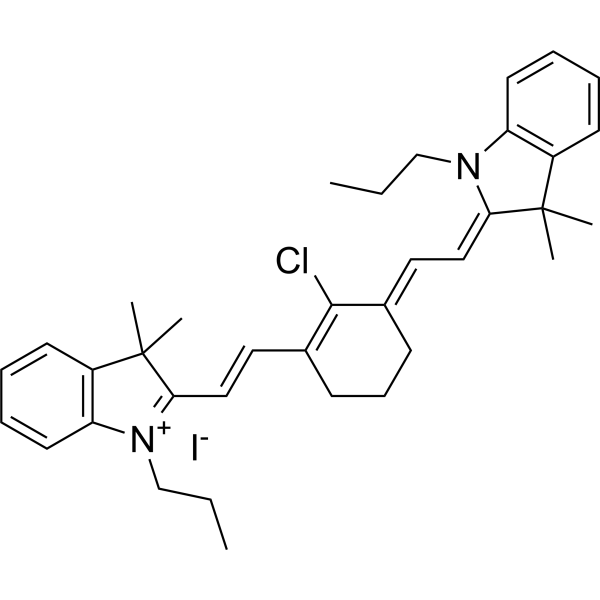
    IR-780 is a near-infrared fluorescent probe for in vivo imaging of tumor cells. IR-780 is transported into tumor cells via OATPs and ABCB10, with uptake dependent on glycolytic activity and plasma membrane potential. IR-780 preferentially accumulates in tumor cell mitochondria, including those of drug-resistant cancer cells, without chemical conjugation. IR-780 generates reactive oxygen species (ROS), induces hyperthermia and apoptosis, inhibits tumor growth and recurrence, and modulates HSP70 expression upon ultrasound or 808 nm laser exposure. IR-780 acts as a sonosensitizer, photodynamic and photothermal agent, and drug delivery carrier, with low acute imaging-dose toxicity and rapid vital organ clearance. IR-780 can be used for the research of cancer, such as breast cancer, lung cancer, and non-small cell lung cancer (NSCLC) .
    IR-780
  • HY-N2263
    Skimmin
    1 Publications Verification

    Umbelliferone glucoside

    Interleukin Related TGF-β Receptor TNF Receptor Parasite Inflammation/Immunology
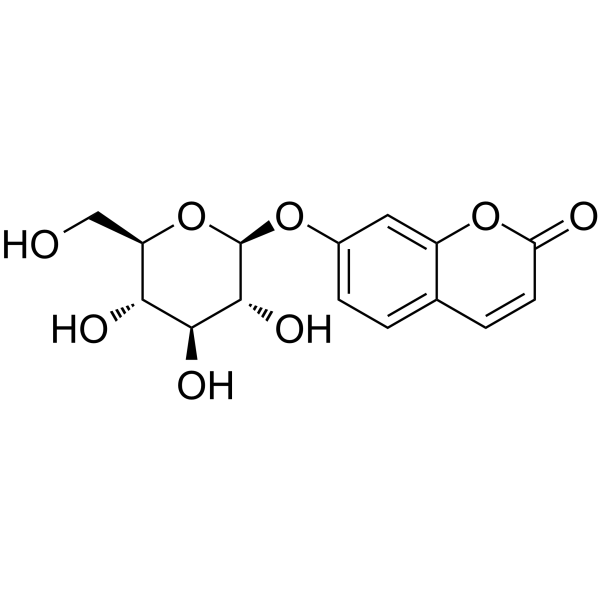
    Skimmin (Umbelliferone glucoside) is a major pharmacologically active and orally active molecule present in Hydrangea paniculata, a medical herb used in traditional Chinese medicine as an anti-inflammatory agent. Skimmin has renal protective activity. Skimmin can improve creatinine clearance, and reduce plasma creatinine, and kidney injuries. Skimmin has good anti-amoebic activity against the HM1:IMMS strain of Entamoeba histolytica. Skimmin has anti-cancer and neuroprotective activities. Skimmin reduces cardiac fibrosis as well as decreasing TNF-α, IL-6, IL1β, and TGFβ1 in cardiac tissues. Skimmin can be studied in research for diabetes and diabetes-related diseases .
    Skimmin
  • HY-156836

    Tyramine sulfate

    Drug Metabolite Neurological Disease
    Tyramine O-sulfate (Tyramine sulfate) is a metabolite of Tyramine (HY-W007606) formed via sulfation, which serves as a biomarker for depression. Tyramine O-sulfate can be used in the research of depression .
    Tyramine O-sulfate
  • HY-175207

    Glycosidase Cancer
    CHI3L1-IN-3 is a CHI3L1 inhibitor. CHI3L1-IN-3 binds to CHI3L1 with Kds of 13.76 μM and 13.5 μM in MST and SPR assays, respectively. CHI3L1-IN-3 demonstrates extended plasma half-lives and microsomal stability, along with reduced intrinsic clearance. CHI3L1-IN-3 induces dose-dependent cytotoxicity, reduces spheroid mass and inhibits migration in a 3D multicellular glioblastoma (GBM) spheroid model. CHI3L1-IN-3 can be used for the study of GBM .
    CHI3L1-IN-3
  • HY-106181

    R-106056

    PPAR Cardiovascular Disease Metabolic Disease
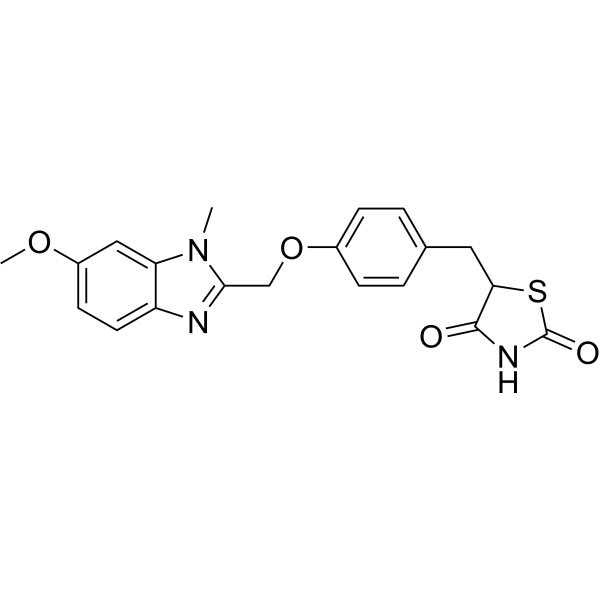
    Rivoglitazone (R-106056) is an orally active, selective PPARγ agonist with an EC50 of 0.22 μM for hPPARγ. Rivoglitazone regulates fatty acid storage and uptake, glucose homeostasis, and cardiac glucose/fatty acid metabolism. Rivoglitazone reduces levels of hyperglycemia, hyperinsulinemia, and hypertriglyceridemia, decreases hepatic glucose production, and accelerates plasma triglyceride clearance. Rivoglitazone induces a reduction in glycated hemoglobin A1C, while causing peripheral edema and weight gain. Rivoglitazone can be used in research related to type 2 diabetes .
    Rivoglitazone
  • HY-117912

    Endogenous Metabolite Cardiovascular Disease
    TRC210258 is a TGR5 agonist with activity to improve diabetes-associated hyperglycemia and dyslipidemia. TRC210258 promotes energy expenditure by enhancing the release of glucagon-like peptide-1. TRC210258 is able to improve glucose metabolic control in high-fat diet-induced obese mice. TRC210258 also showed improvement in lipid parameters in high-fat-fed hamsters, including reductions in plasma triglyceride and low-density lipoprotein cholesterol levels. TRC210258 improved emerging lipid-related cardiovascular risk parameters including remnant cholesterol and triglyceride clearance .
    TRC210258
  • HY-119393

    Drug Metabolite Others
    Olanzapine N-oxide is a compound under investigation for the metabolism of antipsychotic compounds. Olanzapine N-oxidation and N-demethylation are catalyzed by different enzymes, and its plasma concentration and clearance are not affected by a single factor, such as a specific genotype or smoking behavior.
    Olanzapine N-oxide
  • HY-143255

    Phosphodiesterase (PDE) Cancer
    Enpp-1-IN-11 (compound 23) is a potent Ecto-nucleotide pyrophosphatase/phosphodiesterases 1 (ENPP1) inhibitor with an Ki value of 45 nM. Enpp-1-IN-11 exhibits low clearance in human and mouse liver microsomes, good plasma stability in human and mouse plasma. Enpp-1-IN-11 can be used for researching anticancer .
    Enpp-1-IN-11
  • HY-162459

    Cyclic GMP-AMP Synthase Inflammation/Immunology
    cGAS-IN-3 (compound 30d-S) is an orally active cyclic GMP-AMP synthase (Cyclic GMP-AMP Synthase/cGAS) inhibitor with good plasma exposure and low clearance. cGAS-IN-3 has anti-inflammatory activity and can significantly reduce lung inflammation in rats .
    cGAS-IN-3
  • HY-W241345

    Radionuclide-Drug Conjugates (RDCs) Cancer
    DOTA-bis(tert-butyl)ester is a DOTA-based metal chelator that can bind to radionuclides and is used to prepare radionuclide conjugates (RDCs). DOTA-bis(tert-butyl)ester can be conjugated with different salts to form different metal chelators, such as (HY-B1244) hydrochloride to obtain DOTA-MN2. DOTA-MN2 can be reacted with [67]Ga-citrate to obtain radiolabeling. When (67)Ga-DOTA-MN2 is incubated in phosphate buffer solution or mouse plasma for 24 hours, it does not undergo significant decomposition. In the biodistribution experiment of NFSa tumor mice, it has high tumor uptake and rapid plasma clearance, and is a good material for SPECT and PET studies.
    DOTA-bis(tert-butyl)ester
  • HY-116494

    BCRP Cancer
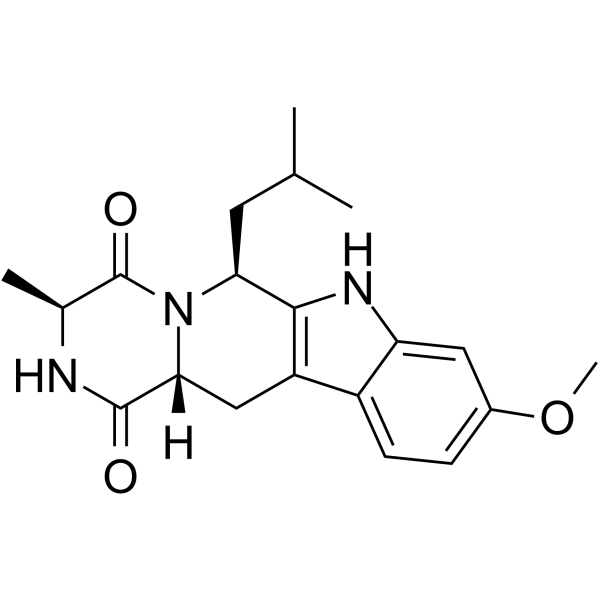
    ML753286 is an orally active and selective BCRP (Breast cancer resistance protein) inhibitor with an IC50 of 0.6 μM. ML753286 has high permeability and low to medium clearance in rodent and human liver S9 fractions, and is stable in plasma cross species .
    ML753286
  • HY-178994

    Flavivirus Dengue Virus Infection
    DENV-IN-14 (Compound 3c) is a thiazole hydrazone derivative with anti-dengue virus (DENV) activity with an EC50 of 0.01 μM and the selectivity index (SI) of 200. DENV-IN-14 exhibits rapid plasma clearance and its metabolic stability is limited. DENV-IN-14 can be used for research on dengue fever .
    DENV-IN-14
  • HY-156188

    Cholinesterase (ChE) Others
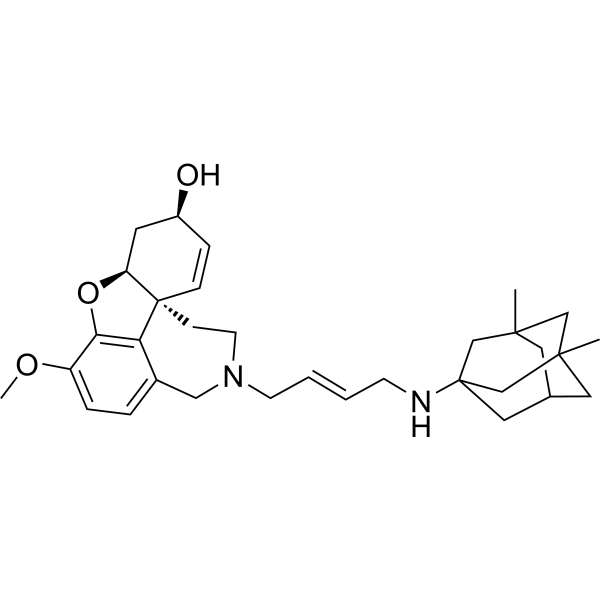
    AChE-IN-41 (Compound 2) is a compound of the Galantamine Memantine hybrid. AChE-IN-41 has the inhibition ability of cholinesterase. AChE-IN-41 shows higher plasma stability and comparable microsomal stability in vitro, while showing lower half-life and faster clearance in vivo .
    AChE-IN-41
  • HY-116494A

    BCRP Cancer
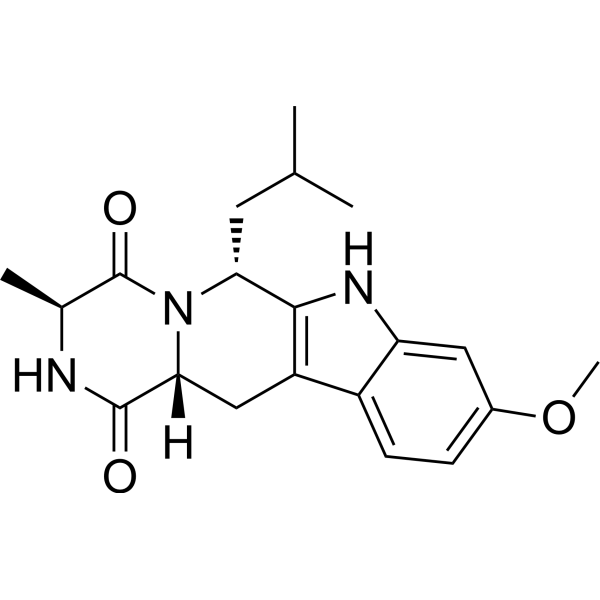
    (6R)-ML753286 is an isomer of ML753286 (HY-116494). ML753286 is an orally active and selective BCRP (Breast cancer resistance protein) inhibitor with an IC50 of 0.6 μM. ML753286 has high permeability and low to medium clearance in rodent and human liver S9 fractions, and is stable in plasma cross species .
    (6R)-ML753286
  • HY-121814A

    (R)-Acenocoumarin; (R)-Nicoumalone

    VD/VDR Cardiovascular Disease
    (R)-Acenocoumarol ((R)-Acenocoumarin; (R)-Nicoumalone) is a short-acting and orally active anticoagulant, like Warfarin (HY-B0687), works by inhibiting vitamin K epoxide reductase. (R)-Acenocoumarol has a greater in vivo anticoagulant potency than Warfarin. (R)-Acenocoumarol has a single chiral center that produces two different enantiomeric forms. (R)-Acenocoumarol has a longer plasma elimination half-life (6.6 h) and a slower plasma clearance rate (1.9 L/h) than the (S)-enantiomer, resulting in a stronger in vivo anticoagulant effect.
    (R)-Acenocoumarol
  • HY-153993

    Endogenous Metabolite Others
    Pyrocatechol sulfate, a phenolic metabolite present in human plasma, is associated with the consumption of specific foods such as berries and the condition of gut microbiota. It serves as a potential urinary biomarker for kidney function, dialytic clearance, whole grain consumption, and regular coffee intake. Additionally, Pyrocatechol sulfate, along with other phenolic sulfates, plays a role in modulating various biological functions, including those related to brain health and the rhythmic beating of cardiomyocytes.
    Pyrocatechol sulfate
  • HY-169064

    HIV Reverse Transcriptase Infection
    HIV-1 inhibitor-75 is a human immunodeficiency virus 1 (HIV-1) inhibitor, with an EC50 value ranging from 0.0039 to 0.338 μM. The binding target of HIV-1 inhibitor-75 is reverse transcriptase, with an IC50 value of 0.055 μM. HIV-1 inhibitor-75 shows good in vitro metabolic stability, exhibiting moderate clearance rates and a longer half-life in human plasma and liver microsomes .
    HIV-1 inhibitor-75
  • HY-100432R

    PDI Reference Standards Neurological Disease Inflammation/Immunology
    LOC14 (Standard) is the analytical standard of LOC14 (HY-100432). This product is intended for research and analytical applications. LOC14 is a potent Protein disulfide isomerase (PDI) inhibitor with EC50 and Kd values of 500 nM and 62 nM, respectively. LOC14 exhibits high stability in mouse liver microsomes and blood plasma, low intrinsic microsome clearance, and low plasma-protein binding . LOC14 inhibits PDIA3 activity, decreases intramolecular disulfide bonds and subsequent oligomerization (maturation) of HA in lung epithelial cells .
    LOC14 (Standard)
  • HY-123165

    Drug Metabolite DNA-PK Metabolic Disease
    NU7200 is a metabolite of the DNA-PK inhibitor NU7026 (HY-15719) .
    NU7200
  • HY-117806

    Akt Drug Isomer NADPH Oxidase Cancer
    TSR-011-isomer is an isomer of Belizatinib (HY-17603), a ALK inhibitor with an IC50 of 6 nM. TSR-011-isomer acts as a substrate for metabolic hydrolysis and NADPH-dependent metabolism. TSR-011-isomer undergoes enzymatic hydrolysis in mouse plasma and NADPH-dependent metabolism in mouse liver microsomes, thereby supporting clearance processes. TSR-011-isomer can be used in studies related to ALK-driven cancers .
    TSR-011-isomer
  • HY-182014

    LXR Cardiovascular Disease Metabolic Disease
    TLC-2716 is an orally available, gut- and liver-restricted inhibitor against LXRα and LXRβ, with EC50 values of 7 nM and 15 nM, respectively. TLC-2716 represses LXRα/β transcriptional activity, downregulates genes involved in lipogenesis, lipid absorption and lipoprotein metabolism, and preserves peripheral reverse cholesterol transport. TLC-2716 reduces lipid accumulation, suppresses inflammation and fibrotic gene expression, enhances triglyceride-rich lipoprotein clearance, and improves glucose homeostasis and insulin sensitivity. TLC-2716 lowers serum and hepatic triglycerides, plasma cholesterol and other atherogenic lipid profiles in experimental models and humanized liver mice. TLC-2716 can be used for the research of dyslipidemia and related cardiometabolic disorders .
    TLC-2716
  • HY-183649

    Biochemical Assay Reagents Cardiovascular Disease
    BCN-PEG6-OH is a neutralizing agent and anticoagulant inhibitor containing strained alkyne. BCN-PEG6-OH undergoes strain-promoted alkyne-azide cycloaddition (SPAAC) click reaction with azido-Warfarin to generate an inactive product that can be rapidly cleared via the kidneys. In mice, BCN-PEG6-OH effectively reduces the anticoagulant activity of azido-Warfarin in a dose-dependent manner, normalizes prothrombin time, and exhibits no inherent anticoagulant or procoagulant effects when administered alone. BCN-PEG6-OH can be used for the research of drug-induced coagulopathy .
    BCN-PEG6-OH
  • HY-180406

    Neuropeptide Y Receptor Neurological Disease
    NPY Y2 antagonist 2 is a modulator targeting the neuropeptide Y (NPY) receptor Y2, with pKi values of 6.8 nM and 7.2 nM in human and rat brains, respectively, and demonstrating blood-brain barrier penetration. NPY Y2 antagonist 2 shows selectivity for the Y1 and Y5 receptors. NPY Y2 antagonist 2 blocks the negative feedback regulation mediated by the NPY Y2 receptor, thereby increasing endogenous NPY release and enhancing Y1 receptor activation, resulting in the modulation of central neurotransmitter release. NPY Y2 antagonist 2 exhibits moderate in vivo clearance, high free fraction in rat brain, and a favorable brain/plasma ratio and brain exposure. NPY Y2 antagonist 2 is applicable for research in conditions such as mood disorders, anxiety induced by alcohol withdrawal, and social anxiety associated with nicotine withdrawal .
    NPY Y2 antagonist 2

Inquiry Online

Your information is safe with us. * Required Fields.

Salutation


Country or Region *

Applicant Name *


Organization Name *

Department *


Email Address *


Product Name *

Cat. No.


Requested quantity *

Phone Number *


Remarks

Inquiry Online

Inquiry Information

Product Name:
Cat. No.:
Quantity:
MCE Japan Authorized Agent:

