



PDI
Protein Disulfide Isomerases
PDI (Protein disulfide isomerases) is a 55-kDa protein and consists of four domains namely a, b, b', a'. PDI is an abundant enzyme in the endoplasmic reticulum (ER). PDI, a prototypic thiol isomerase, is an important oxidase, reductase, isomerase and molecular chaperone. It can distinguish between partially folded, unfolded, and properly folded protein substrates, and catalyze the formation and cleavage of thiol-disulfide bonds during protein folding in the ER. PDI can also maintain active conformation of the β subunit of collagen prolyl 4-hydroxylase and stabilization of the major histocompatibility complex's (MHC) class 1 peptide loading complex (PLC). PDI expression is up-regulated in select types of cancers[1][2].
References:
- [1]. Xu S, et al. Protein disulfide isomerase: a promising target for cancer therapy. Drug Discov Today. 2014 Mar;19(3):222-40. [Content Brief]
- [2]. Ali Khan H, et al. Protein disulfide isomerase a multifunctional protein with multiple physiological roles. Front Chem. 2014 Aug 26;2:70. [Content Brief]
- [3]. Parakh S, et al. Novel roles for protein disulphide isomerase in disease states: a double edged sword? Front Cell Dev Biol. 2015 May 21;3:30. [Content Brief]
All Product Categories
-
PDI Related Products (40)
Related Products (40)

-
Antibodies (3)
- 1
- 2
-
G6PDi-1
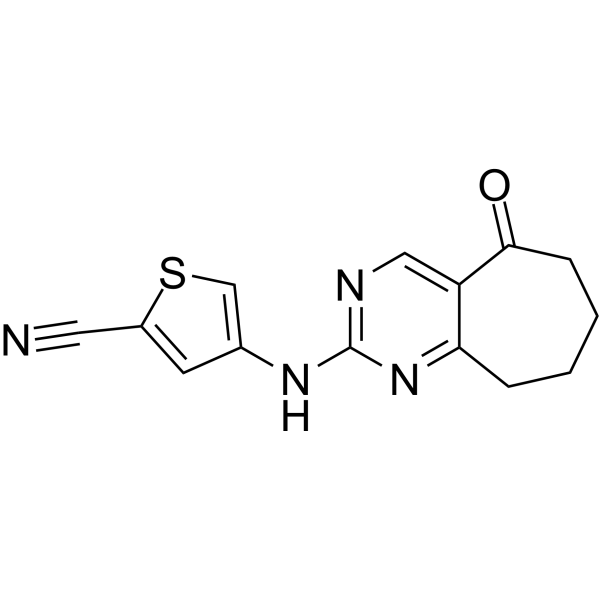 0 ImagesG6PDi-1 is a reversible and non-competitive glucose-6-phosphate dehydrogenase (G6PD) inhibitor with an IC50 of 0.07 μM for human G6PD. G6PDi-1 depletes NADPH most strongly in lymphocytes. G6PDi-1 markedly decreases inflammatory cytokine production in T cells.
-
Bacitracin
 0 ImagesBacitracin is a polypeptide antibiotic against staphylococcal and pathogenic protozoa infections. Bacitracin inhibits cell wall biosynthesis and permeability through binding to the undecaprenyl pyrophosphate. Bacitracin inhibits macromolecular synthesis. Bacitracin is also a protein disulfide isomerase (PDI) inhibitor.
-
LOC14
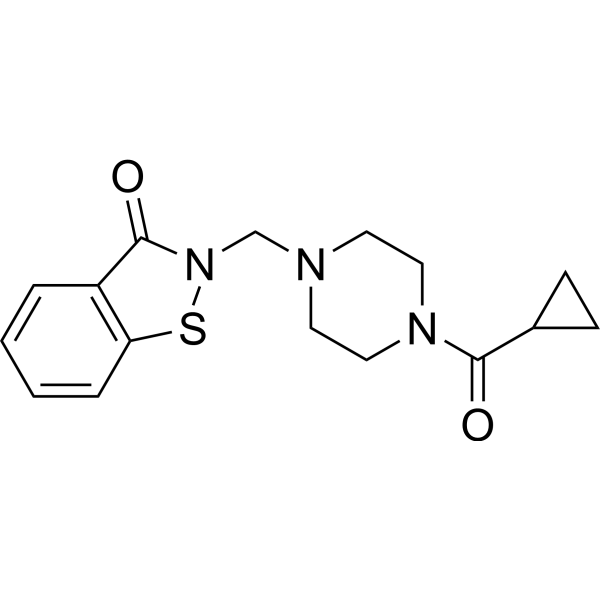 0 ImagesLOC14 is a potent Protein disulfide isomerase (PDI) inhibitor with EC50 and Kd values of 500 nM and 62 nM, respectively. LOC14 exhibits high stability in mouse liver microsomes and blood plasma, low intrinsic microsome clearance, and low plasma-protein binding. LOC14 inhibits PDIA3 activity, decreases intramolecular disulfide bonds and subsequent oligomerization (maturation) of HA in lung epithelial cells.
-
Phenylpyruvic acid
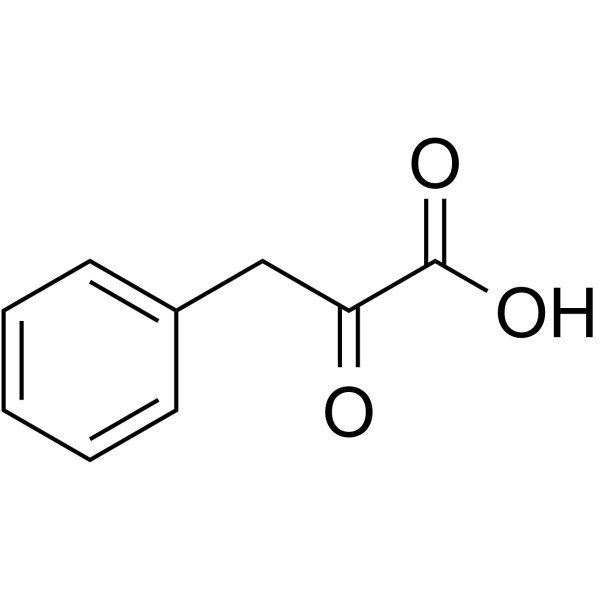 0 ImagesPhenylpyruvic acid is a precursor of the antifungal compound phenyllactic acid. Phenylpyruvic acid can improve the antifungal activity of eight lactic acid bacterial strains through the addition into a dedined growth medium. Phenylpyruvic acid demonstrates improved inhibitory activity against fungal bread contaminants Aspergillus niger and Penicillium roqueforti. Phenylpyruvic acid affects enzyme activity of the pentose phosphate pathway involved in the oxidative phase in rat brain homogenates. Phenylpyruvic acid can reduce glucose-6-phosphate dehydrogenase activity.
-
PACMA 31
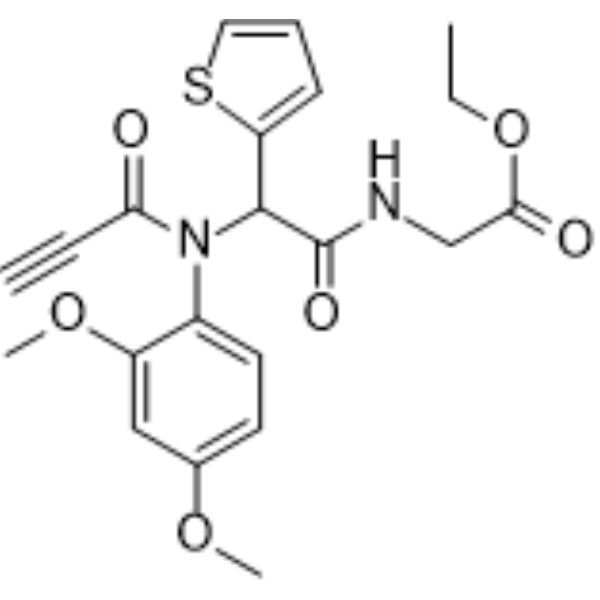 0 ImagesPACMA 31 is an irreversible, orally active protein disulfide isomerase (PDI) inhibitor with an IC50 of 10 μM. PACMA 31 forms a covalent bond with the active site cysteines of PDI. PACMA 31 shows tumor targeting ability and significantly suppresses ovarian tumor growth without causing toxicity to normal tissues. PACMA 31 is a click chemistry reagent, it contains an Alkyne group and can undergo copper-catalyzed azide-alkyne cycloaddition (CuAAc) with molecules containing Azide groups.
-
(E/Z)-E64FC26
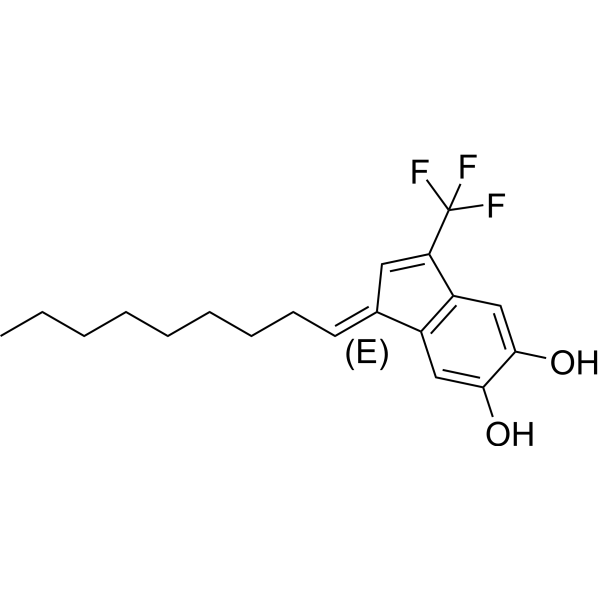
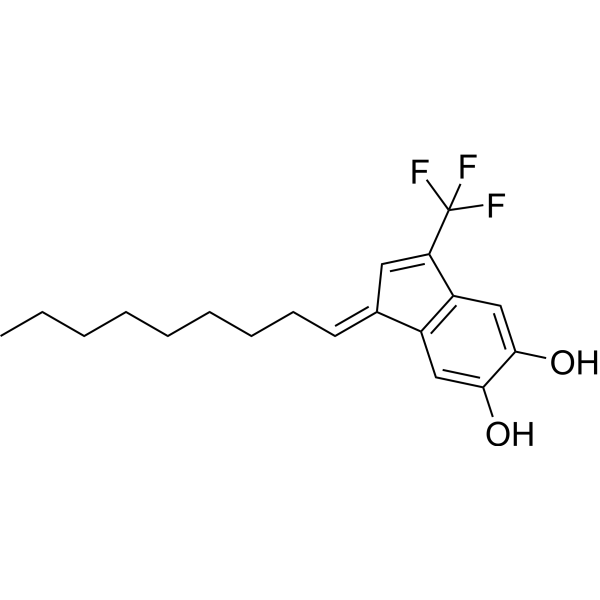 0 Images(E/Z)-E64FC26 is a mixture of the stereoisomers E-E64FC26 and Z-E64FC26, in which E-E64FC26 is the active component and acts as a potent PDI inhibitor. The IC50 values of E64FC26 (E-E64FC26) for PDIA1, PDIA3, PDIA4, TXNDC5, and PDIA6 are 0.6, 4.8, 33.1, 12.1, and 5.7 μM, respectively. By inhibiting PDI, (E/Z)-E64FC26 causes massive intracellular accumulation of misfolded polyubiquitinated proteins, thereby triggering strong endoplasmic reticulum stress and oxidative stress responses, which in turn induce apoptosis. (E/Z)-E64FC26 is used in research on multiple myeloma, ovarian cancer, and breast cancer.
-
PDI-IN-1
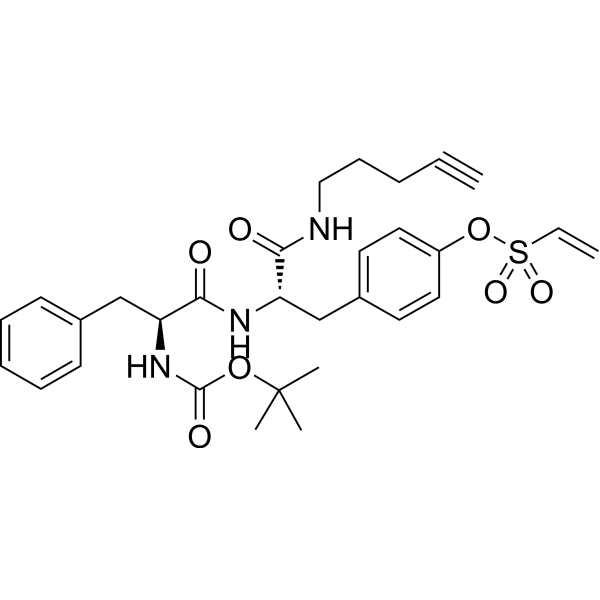 0 ImagesPDI-IN-1 is a cell-permeable PDI covalent inhibitor with an IC50 of 1.7 μM against bovine PDI. PDI-IN-1 specifically modifies the Cys397 residue at the active site of human PDI, selectively labels endogenous PDI in living mammalian cancer cells, and effectively inhibits PDI-mediated insulin aggregation in vitro. PDI-IN-1 exhibits significant anti-tumor activity and inhibits the growth of various cancer cell lines.
-
Anti-AGR2 Antibody
 0 ImagesCat. No.: HY-P992187
-
CCF642
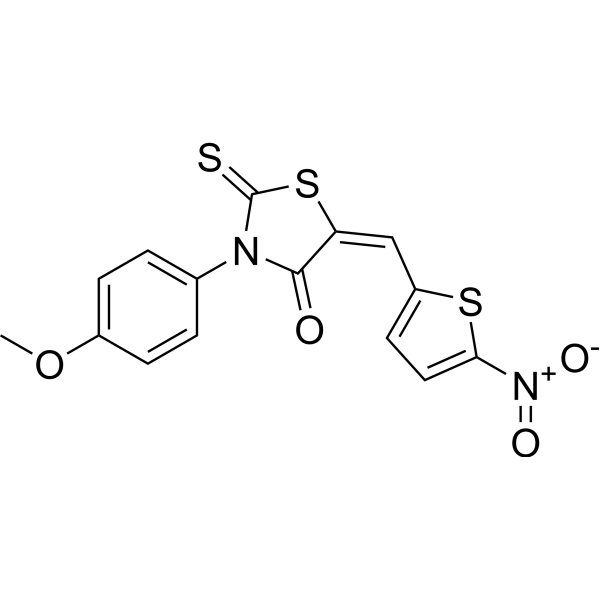 0 ImagesCCF642 is a potent protein disulfide isomerases (PDI) inhibitor with an IC50 of 2.9 μM. CCF642 causes acute endoplasmic reticulum (ER) stress in multiple myeloma cells accompanied by apoptosis-inducing calcium release. CCF642 has broad anti-multiple myeloma activity.
-
Ribostamycin sulfate
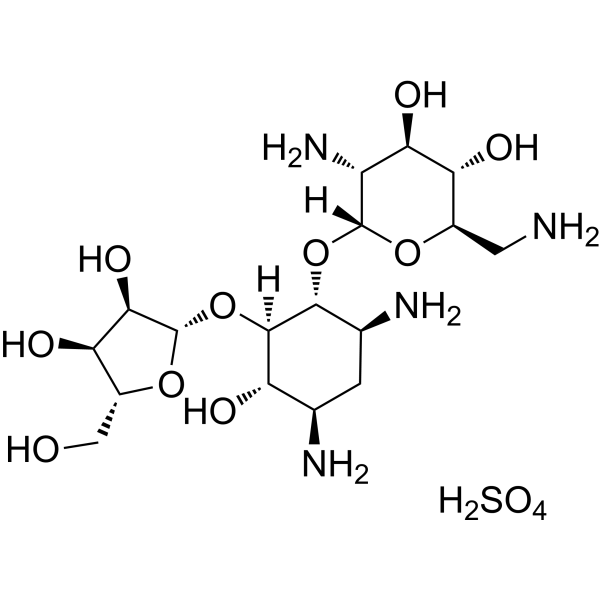 0 ImagesSynonyms: Vistamycin sulfateRibostamycin sulfate (Vistamycin sulfate) is a broad-spectrum aminoglycoside Antibiotic with bactericidal activity against Gram-positive cocci, Gram-negative cocci, bacilli, and drug-resistant strains. Ribostamycin sulfate also acts as an inhibitor of protein disulfide isomerase (PDI), with a binding constant KD of 319 μM for bovine PDI. Ribostamycin sulfate targets bacterial 16S ribosomal RNA and the 30S ribosomal subunit, causing translational misreading and thereby inhibiting bacterial protein synthesis. Ribostamycin sulfate disrupts the integrity of bacterial cell membranes, induces membrane pore formation, and leads to bacterial death. Ribostamycin sulfate can be used in studies related to bacterial infections.
-
KSC-34
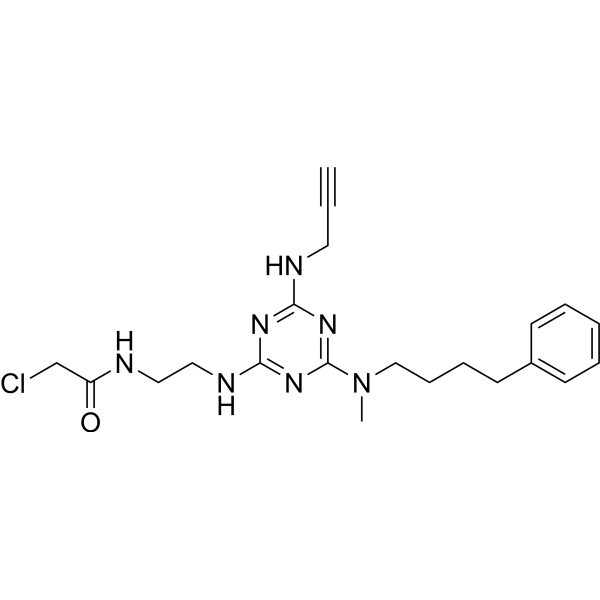 0 ImagesKSC-34, a covalent modifier of protein disulfide isomerase A1 (PDIA1), is also a selective and potent a-site inhibitor of PDIA1 with an IC50 of 3.5 μM. KSC-34 displays a 30-fold selectivity for a domain over a′ domain and displays high selectivity for PDIA1 in complex proteomes with minimal engagement of other members of the PDI family. KSC-34 is a click chemistry reagent, it contains an Alkyne group and can undergo copper-catalyzed azide-alkyne cycloaddition (CuAAc) with molecules containing Azide groups.
-
Phenylpyruvic acid (Standard)
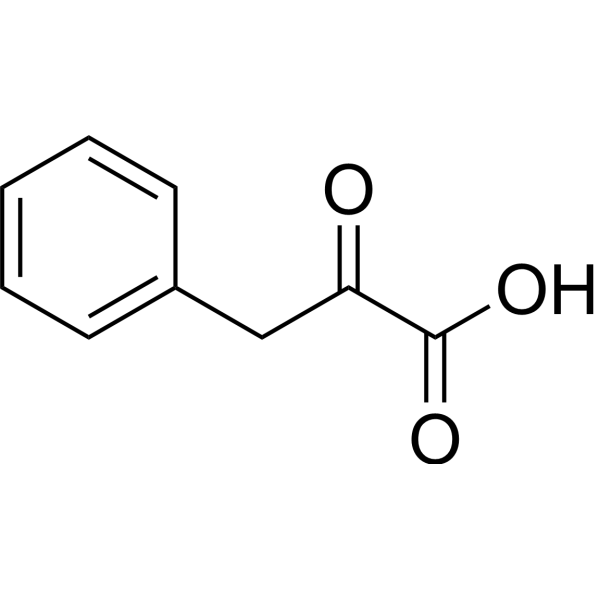 0 ImagesCat. No.: HY-W012530RCAS No.: 156-06-9Phenylpyruvic acid (Standard) is the analytical standard of Phenylpyruvic acid. This product is intended for research and analytical applications. Phenylpyruvic acid is a precursor of the antifungal compound phenyllactic acid. Phenylpyruvic acid can improve the antifungal activity of eight lactic acid bacterial strains through the addition into a dedined growth medium. Phenylpyruvic acid demonstrates improved inhibitory activity against fungal bread contaminants Aspergillus niger and Penicillium roqueforti. Phenylpyruvic acid affects enzyme activity of the pentose phosphate pathway involved in the oxidative phase in rat brain homogenates. Phenylpyruvic acid can reduce glucose-6-phosphate dehydrogenase activity.
-
4-Hydroxyestrone
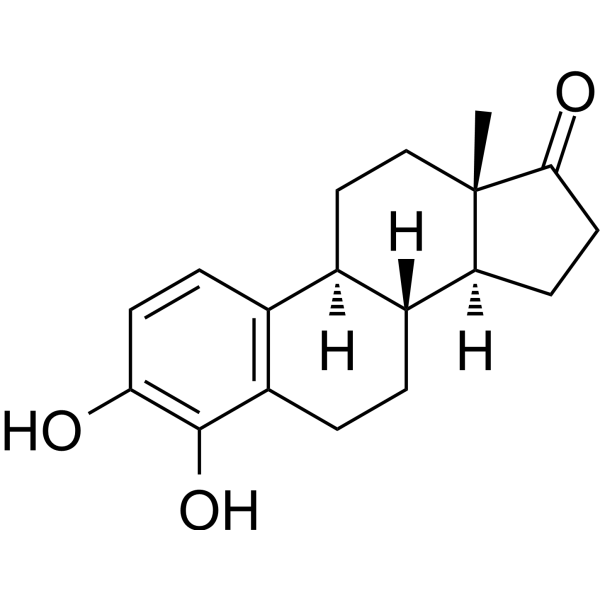 0 ImagesSynonyms: 4-OHE14-Hydroxyestrone (4-OHE1) is a brain-penetrant estrogen metabolite. 4-Hydroxyestrone shows neuroprotective effects involving increased cytoplasmic localization of p53 resulting from SIRT1-mediated p53 deacetylation. 4-Hydroxyestrone relies on PDI to mediate its protective effect against chemically induced ferroptosis in estrogen receptor-negative cancer cells. 4-Hydroxyestrone inhibits lipid peroxidation and lipid-ROS accumulation. 4-Hydroxyestrone blocks preovulatory luteinizing hormone surges in Rattus norvegicus. 4-Hydroxyestrone can be used for the researches of neurodegeneration, breast cancer and endocrine disease.
-
4-Hydroxyestrone-d4
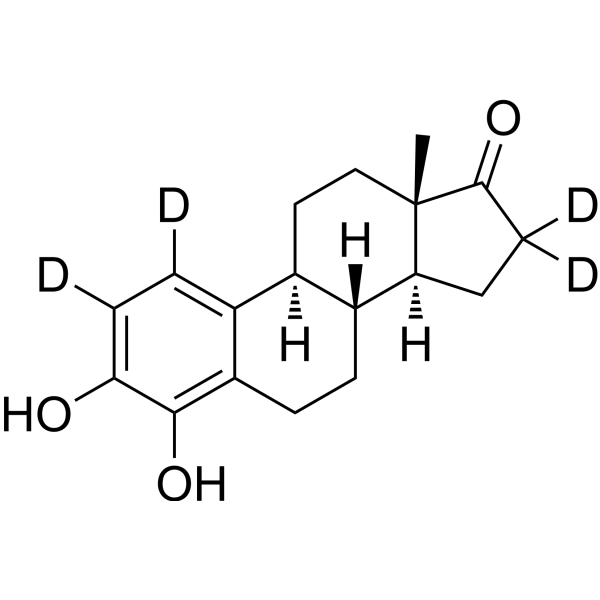 0 ImagesSynonyms: 4-OHE1-d44-Hydroxyestrone (4-OHE1)-d4 is the deuterium labeled 4-Hydroxyestrone (HY-W009300). 4-Hydroxyestrone is a brain-penetrant estrogen metabolite. 4-Hydroxyestrone shows neuroprotective effects involving increased cytoplasmic localization of p53 resulting from SIRT1-mediated p53 deacetylation. 4-Hydroxyestrone relies on PDI to mediate its protective effect against chemically induced ferroptosis in estrogen receptor-negative cancer cells. 4-Hydroxyestrone inhibits lipid peroxidation and lipid-ROS accumulation. 4-Hydroxyestrone blocks preovulatory luteinizing hormone surges in Rattus norvegicus. 4-Hydroxyestrone can be used for the researches of neurodegeneration, breast cancer and endocrine disease.
-
Mudanpioside C
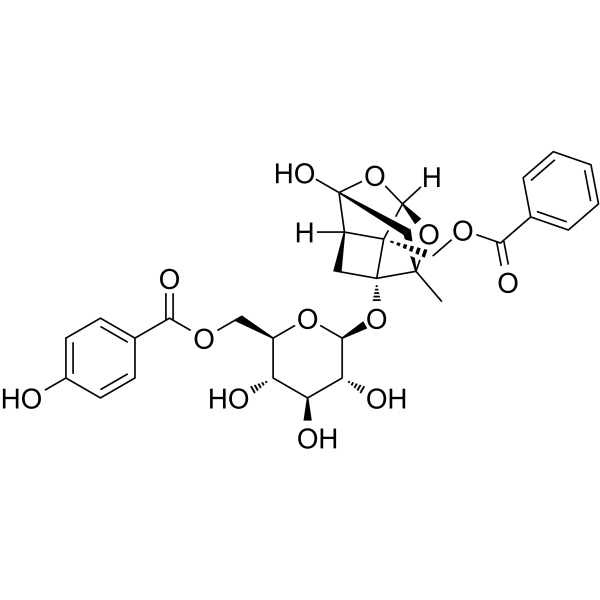 0 ImagesMudanpioside C is a protein disulfide isomerase (PDI) inhibitor with a human IC50 of 3.31 μM and human Kd of 3.9 μM. Mudanpioside C suppresses collagen-induced platelet aggregation, interferes with platelet activation, adhesion, and spreading. Mudanpioside C can be used for the research of cardiovascular diseases.
-
Ribostamycin
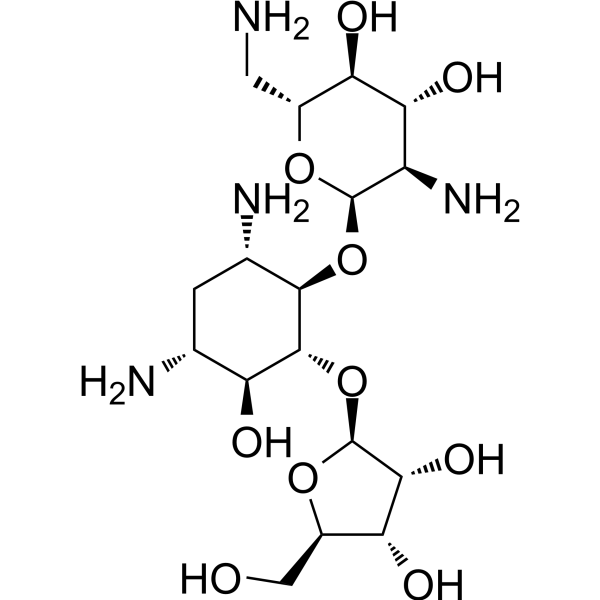 0 ImagesSynonyms: Vistamycin; SF-733Ribostamycin (Vistamycin) is a broad-spectrum aminoglycoside antibiotic. Ribostamycin is effective against Gram-Negative and Gram-Positive bacterial infection. Ribostamycin also inhibits the chaperone activity of PDI.
- 1
- 2




