



Isoflavanones
-
Isoflavanones (28)

- 1
- 2
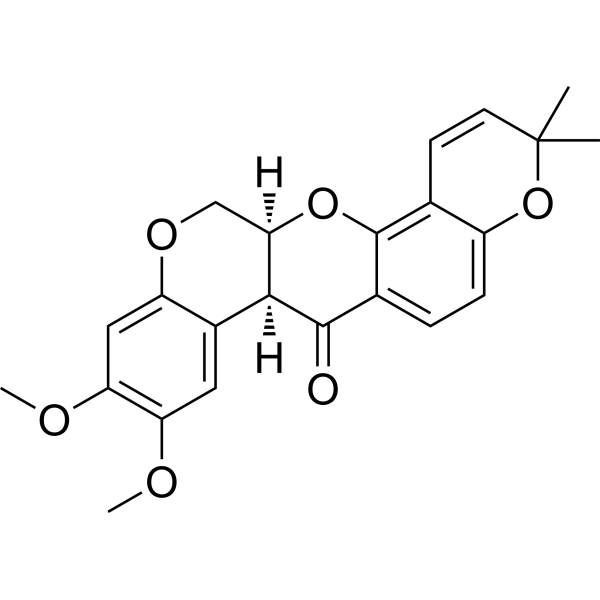
- Formula: C23H22O6
- Molecular Weight: 394.42
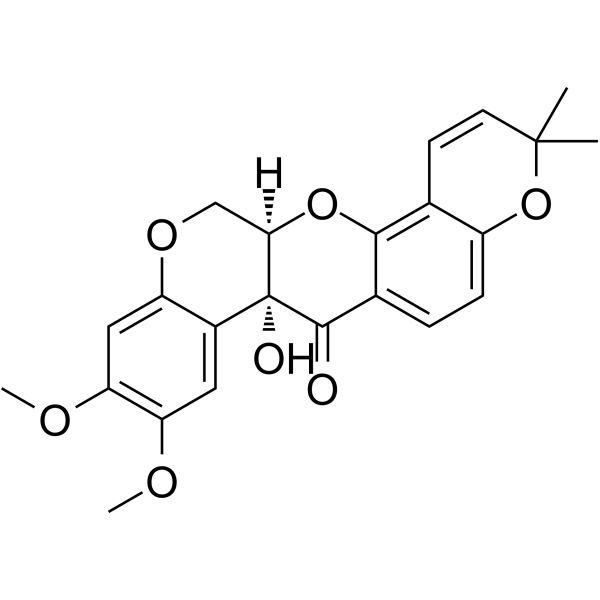
Deguelin, a naturally occurring rotenoid, acts as a chemopreventive agent by blocking multiple pathways like PI3K-Akt, IKK-NF-κB, and MAPK-mTOR-survivin-mediated apoptosis. Deguelin binding to Hsp90 leads to a decreased expression of numerous oncogenic proteins, including MEK1/2, Akt, HIF1α, COX-2, and NF-κB.
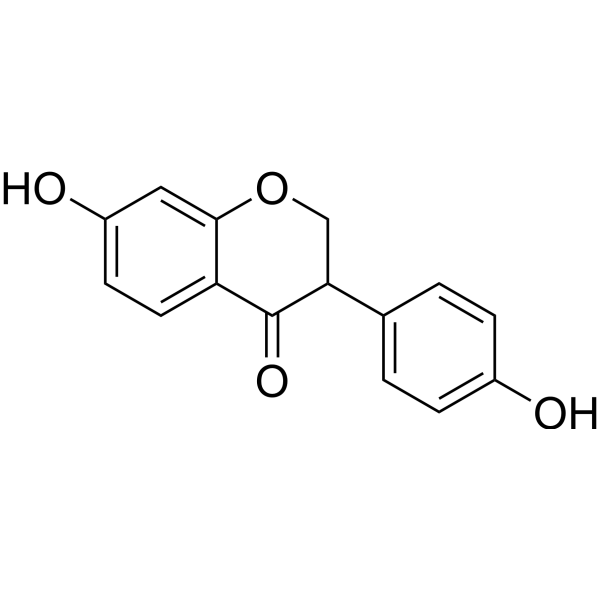
- Formula: C15H12O4
- Molecular Weight: 256.26
Dihydrodaidzein is a dietary phytoestrogen. Dihydrodaidzein possesses functions including antioxidation, inhibition of DNA oxidative damage, regulation of lipid metabolism and maintenance of intestinal flora stability. Dihydrodaidzein induces apoptosis, regulates immune responses, modulates tumor-related factors, activates the Bmp-2 signaling pathway, inhibits NF-κB and MAPK, and exhibits anti-inflammatory activity. Dihydrodaidzein can be used in research related to cancer, cardiovascular diseases, osteoporosis and inflammatory diseases.
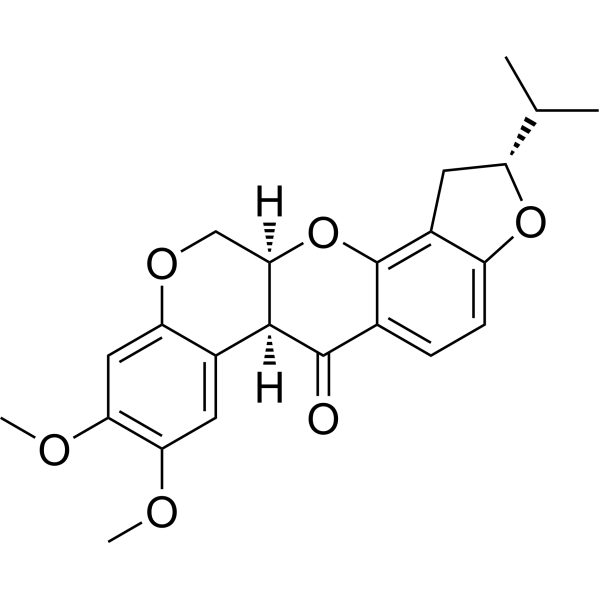
- Formula: C23H24O6
- Molecular Weight: 396.43
Dihydrorotenone is an insecticide and irreversible inhibitor of mitochondrial complex I. Dihydrorotenone may induce Parkinson's disease. Dihydrorotenone induces apoptosis in human plasma cells by triggering endoplasmic reticulum stress and activating the p38 signaling pathway. The oral LD50 of dihydrorotenone in rats is approximately 2.5 g/kg. Dihydrorotenone exhibits insecticide activity and cytotoxicity to plasma cells. Dihydrorotenone can be used to establish animal models of Parkinson's disease, safety assessment of natural pesticides, and potential cancer chemoprevention studies.
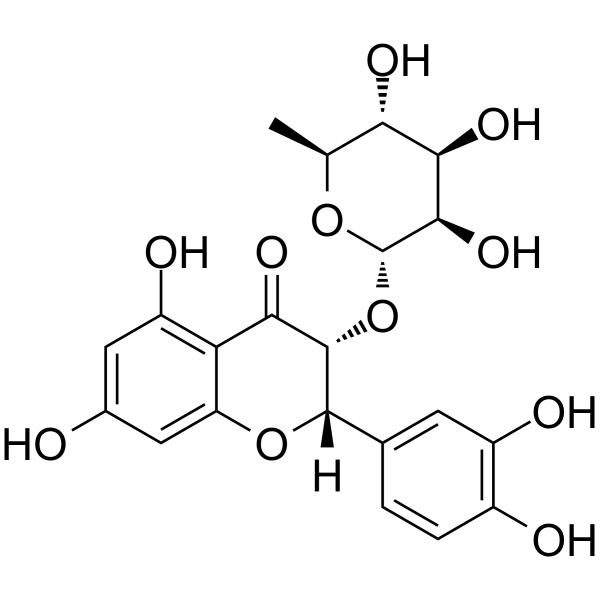
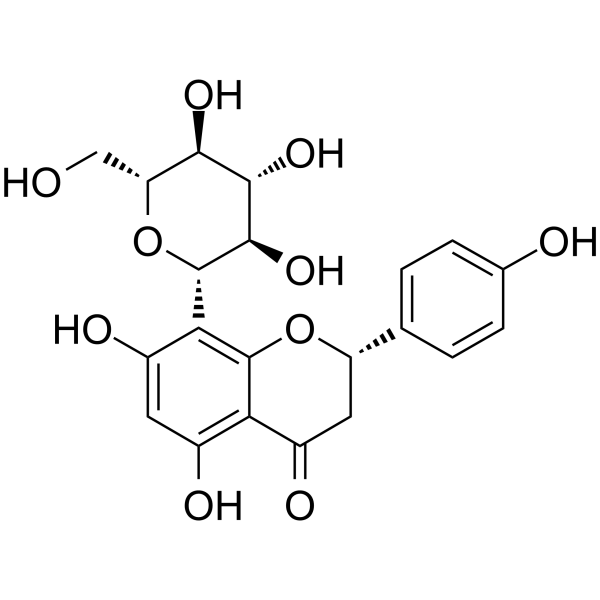
- Formula: C21H22O11
- Molecular Weight: 450.39
Neoisoastilbin possesses antioxidant, anti-hyperuricemic and anti-Inflammatory activities.

- Formula: C21H22O4
- Molecular Weight: 338.40
7-O-Methyl glabranin is a flavonoid compound and also an inhibitor of LPS-induced TNF-α and IL-1β production. 7-O-Methyl glabranin can be used in the research of diseases such as inflammation.

- Formula: C25H22O6
- Molecular Weight: 418.44
Tetrapterol A is an isoflavanone compound. Tetrapterol A can be isolated from the roots of Sophora tetraptera.

- Formula: C15H12O5
- Molecular Weight: 272.26
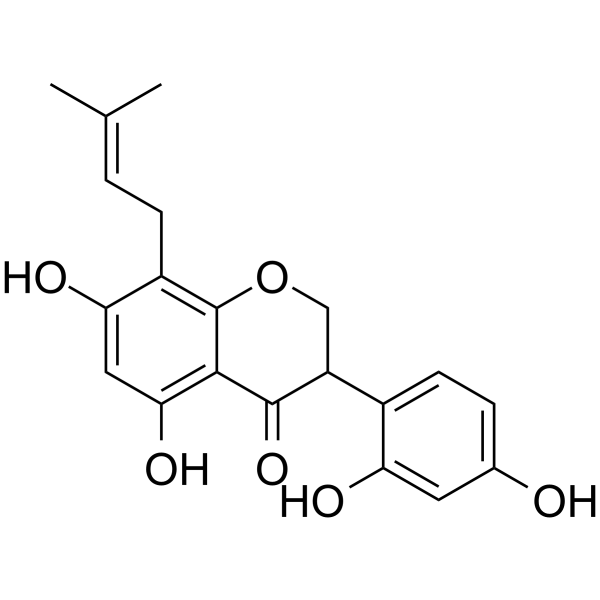
- Formula: C20H20O6
- Molecular Weight: 356.37
Kievitone, an isoflavanone, could be isolated from hypocotyls of Phaseolus vulgaris L. infected with Rhizoctonia solani Kühn. Kievitone has antifungal activity and antitumor activity.
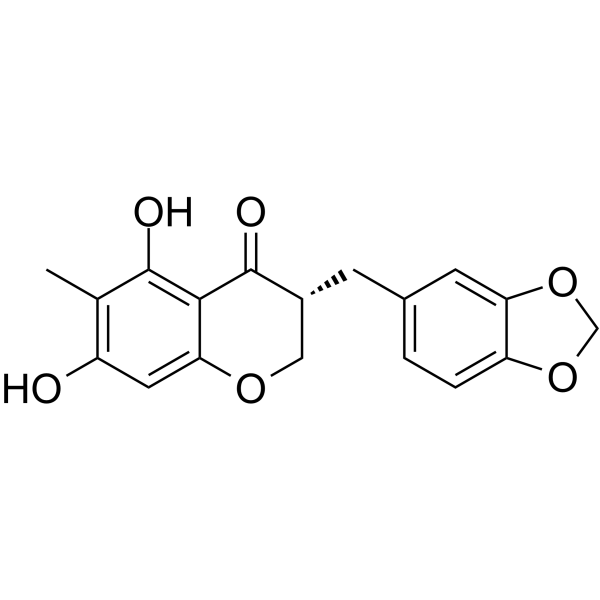
- Formula: C18H16O6
- Molecular Weight: 328.32
Ophiopogonanone A is a homoisoflavonoidal compound isolated as a constitutent of Ophiopogonis tuber.
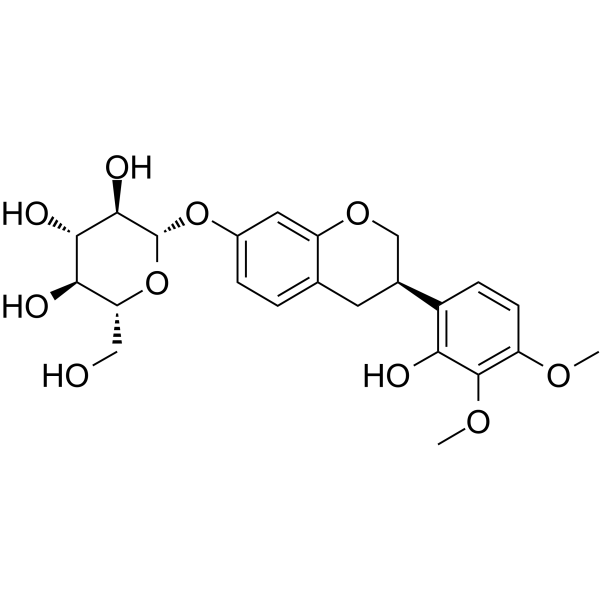
- Formula: C23H28O10
- Molecular Weight: 464.46
Isomucronulatol 7-O-glucoside (Isomucronulatol 7-O-β-D-glucoside) is an isoflavonoid glycoside isolated from the roots of Astragalus membranaceus. Isomucronulatol 7-O-glucoside targets inflammation-related pathways in vitro to exert anti-inflammatory activity without cytotoxicity at effective concentrations. Isomucucronulatol 7-O-glucoside inhibits NO production and weakly suppresses IL‑12 p40 production in vitro. Isomucronulatol 7-O-glucoside can be used for the research on inflammation.
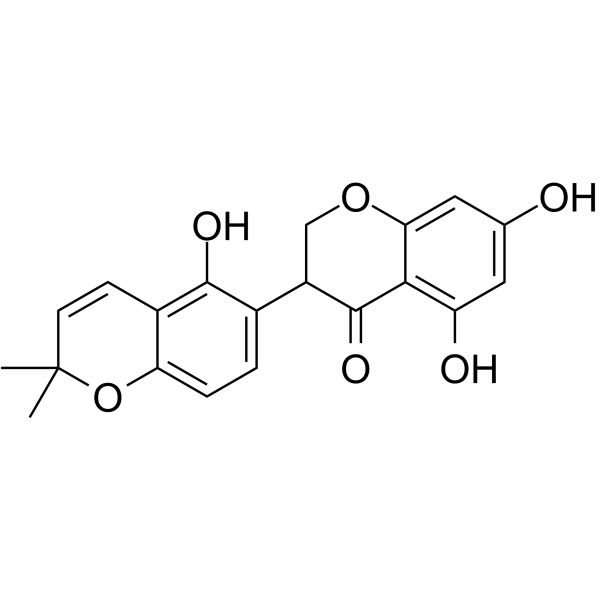
- Formula: C20H18O6
- Molecular Weight: 354.35
Licoisoflavanone is an orally active isoflavane-based immunomodulator with multiple activities including antiviral, anti-inflammatory, cytoprotective and cancer cell apoptosis-inducing effects. Licoisoflavanone can be isolated from the roots and rhizomes of Glycyrrhiza uralensis Fisch. Licoisoflavanone not only enhances the body's immunity, but also effectively prevents acute respiratory distress syndrome and multiple organ damage by alleviating cytokine storm, thereby reducing the degree of inflammation. In rats, Licoisoflavanone undergoes multiple metabolic transformation processes such as glucuronidation, hydroxylation, sulfation, methylation and dehydrogenation. Licoisoflavanone has become an important candidate molecule for research on COVID-19 and related inflammatory diseases.
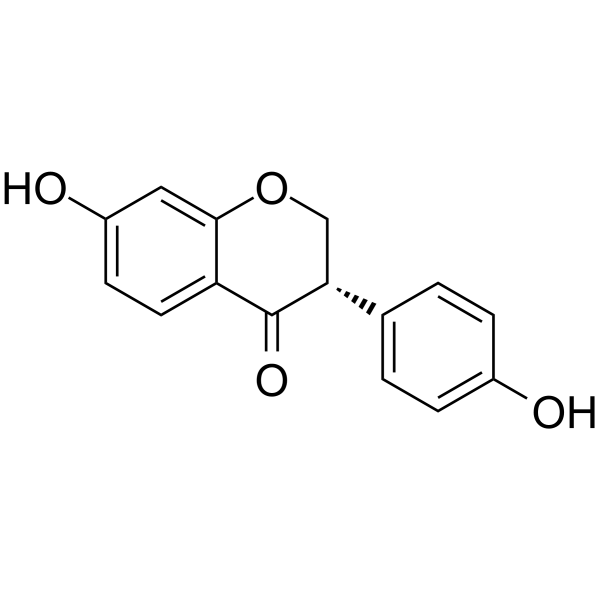
- Formula: C15H12O4
- Molecular Weight: 256.25
S-Dihydrodaidzein is the (S)-enantiomer of dihydrodaidzein which is one of the most prominent dietary phytoestrogens.
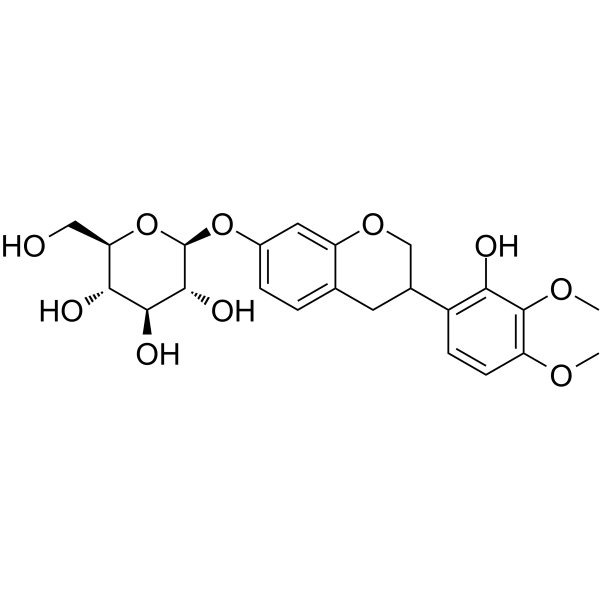
- Formula: C23H28O10
- Molecular Weight: 464.46
7,2′-Dihydroxy-3′,4′-dimethoxyisoflavan 7-O-β-D-glucoside is a bioactive isoflavonoid isolated from Radix Astragali (Huangqi).

- Formula: C23H22O6
- Molecular Weight: 394.42
Deguelin (Standard) is the analytical standard of Deguelin. This product is intended for research and analytical applications. Deguelin, a naturally occurring rotenoid, acts as a chemopreventive agent by blocking multiple pathways like PI3K-Akt, IKK-NF-κB, and MAPK-mTOR-survivin-mediated apoptosis. Deguelin binding to Hsp90 leads to a decreased expression of numerous oncogenic proteins, including MEK1/2, Akt, HIF1α, COX-2, and NF-κB.

- Formula: C17H16O6
- Molecular Weight: 316.31
8-Methyldisporopsin (Compound 7) is a C-methylated homoisoflavanone. 8-Methyldisporopsin can be isolated from rhizomes of Polygonatum cyrtonema.

- Formula: C17H16O5
- Molecular Weight: 300.31
8-Methyl-2'-deoxydisporopsin (Compound 2) is a C-methylated high isomeric ketone and is one of the characteristic secondary metabolites of the Liliaceae family. 8-Methyl-2'-deoxydisporopsin shows no cytotoxic activity.
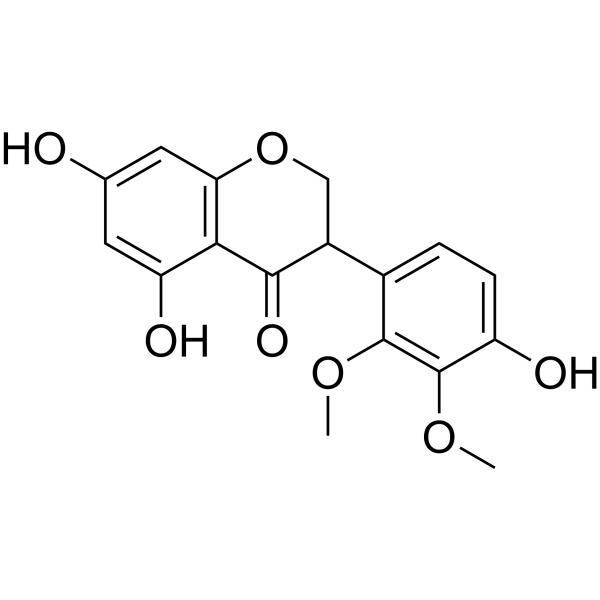
- Formula: C17H16O7
- Molecular Weight: 332.30
Parvisoflavanone is an isoflavanone that can be isolated from Mucuna pruriens.
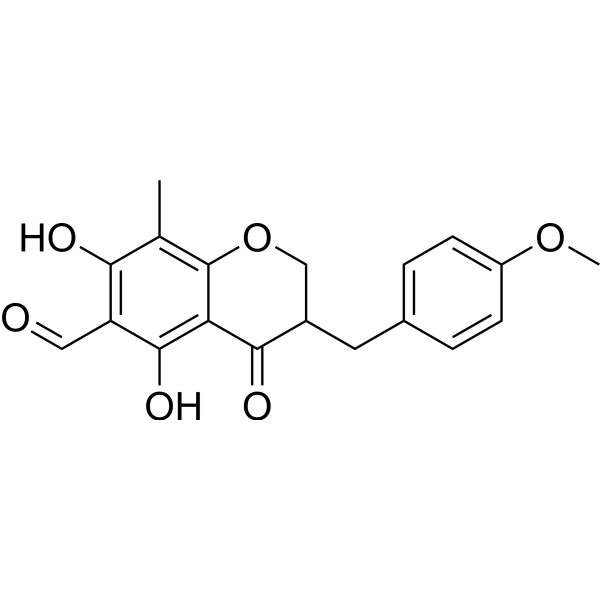
- Formula: C19H18O6
- Molecular Weight: 342.34
6-Formyl-isoophiopogonanone B is a homoisoflavonoid, which can be isolated from Ophiopogon japonicus.
- 1
- 2



