



Other Terpenoids
-
Other Terpenoids (136)

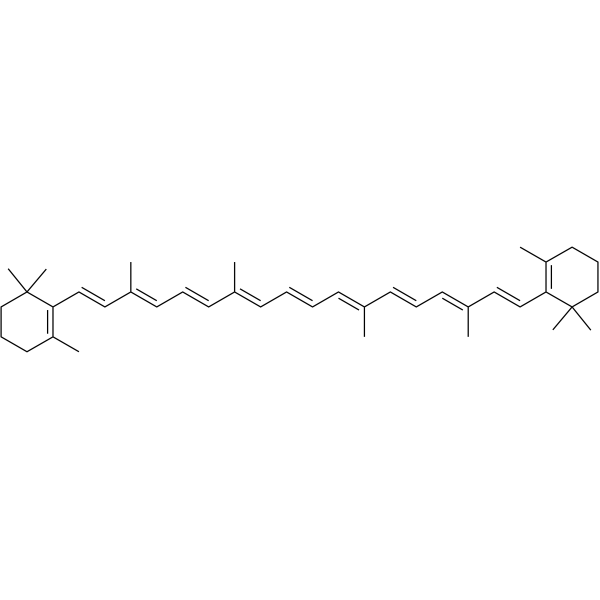
- Formula: C40H56
- Molecular Weight: 536.87
β-Carotene (Provitamin A), a carotenoid compound, is a naturally-occurring vitamin A precursor. β-Carotene is a modulator of reactive oxygen species (ROS), with antioxidant and antiinflammatory activities. β-Carotene may serve as an antioxidant or as a prooxidant, depending on its intrinsic properties as well as on the redox potential of the biological environment in which it acts. β-Carotene induces breast cancer cells apoptosis, with anticancer activities.
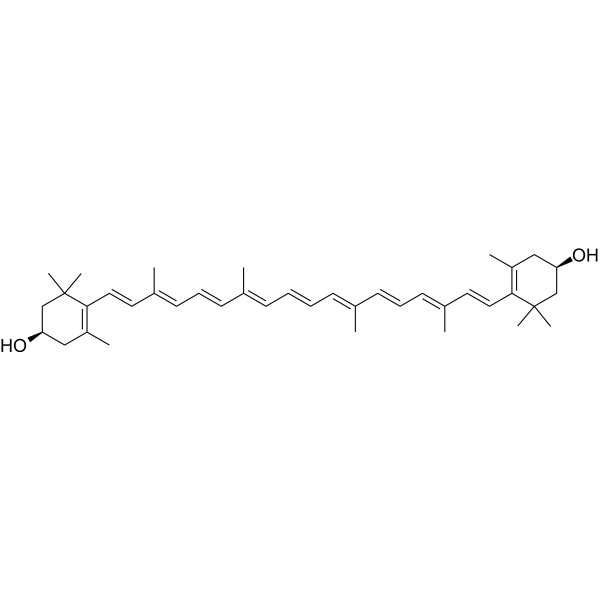
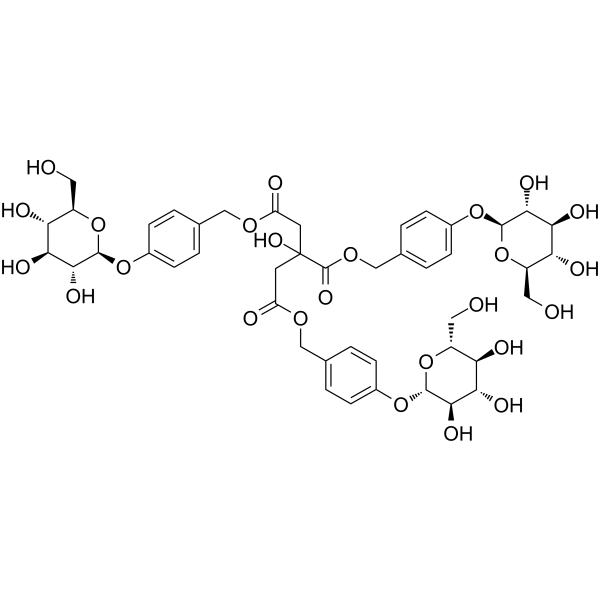
- Formula: C45H56O25
- Molecular Weight: 996.91
Parishin is a phenolic glucoside isolated from Gastrodia elata. Parishin exhibits antiaging effects and extends the lifespan of yeast via regulation of Sir2/Uth1/TOR signaling pathway.
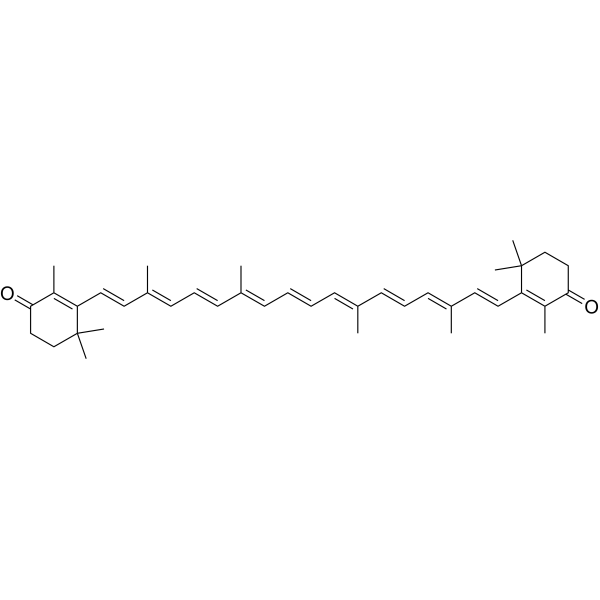
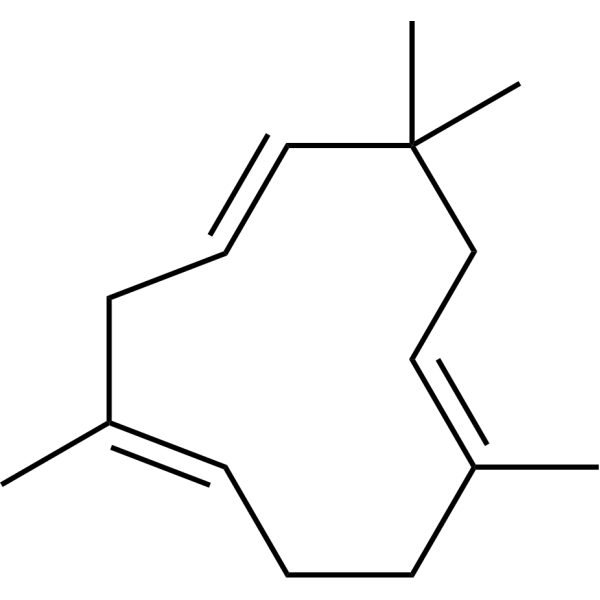
- Formula: C15H24
- Molecular Weight: 204.35
α-Humulene is a main constituent of Tanacetum vulgare L. (Asteraceae) essential oil with anti-inflammation (IC50=15±2 μg/mL). α-Humulene inhibits COX-2 and iNOS expression.
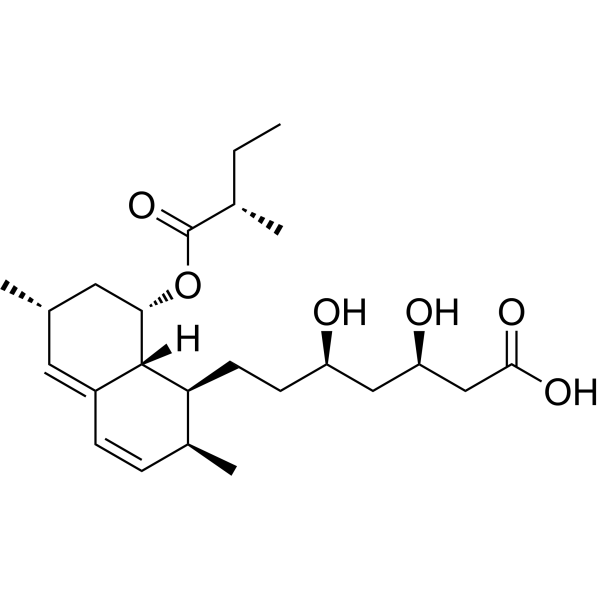
- Formula: C24H38O6
- Molecular Weight: 422.55
Lovastatin acid (Mevinolinic acid; MSD803), an active metabolite of Lovastatin (HY-N0504), is a potent competitive HMG-CoA reductase inhibitor with a Ki of 0.6 nM. Lovastatin acid acts as a competitive inhibitor with respect to substrate HMG-CoA, interfering cholesterol synthesis. Lovastatin acid can be used for the research of hypercholesterolemia.
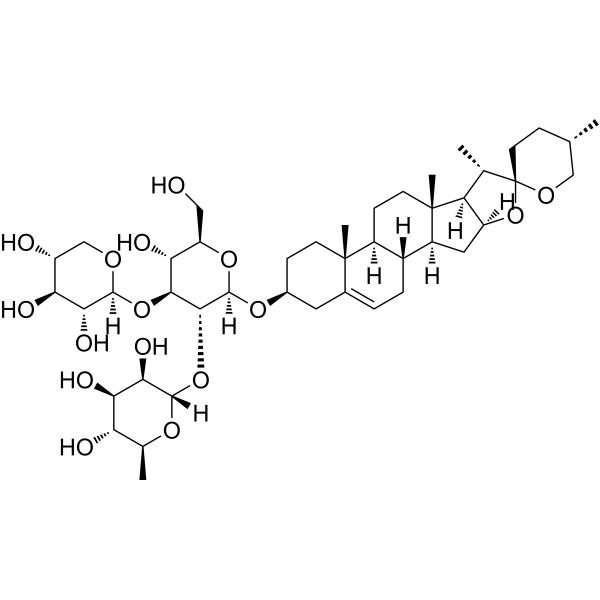
- Formula: C44H70O16
- Molecular Weight: 855.02
Liriope muscari baily saponins C is one of major active compounds of L. muscari (Decne.) Baily. Liriope muscari baily saponins C possesses strong anti-inflammatory, immunopharmacological and cardioprotective activities. Liriope muscari baily saponins C has been studied as a candidate agent for cancer metastasis.

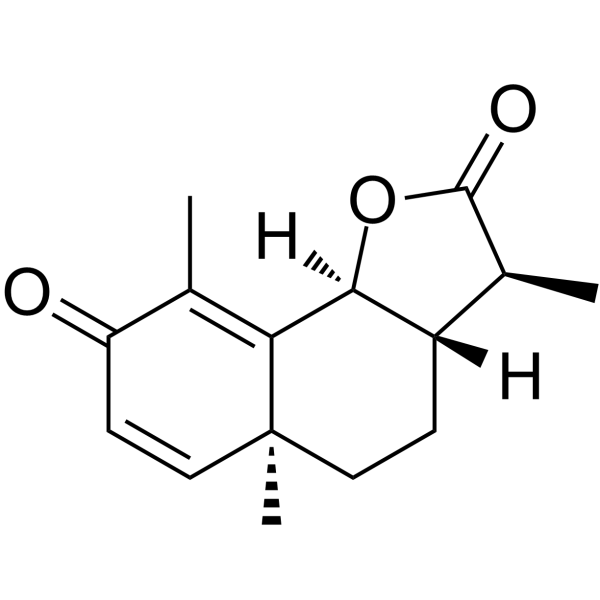
- Formula: C33H42O5
- Molecular Weight: 518.68
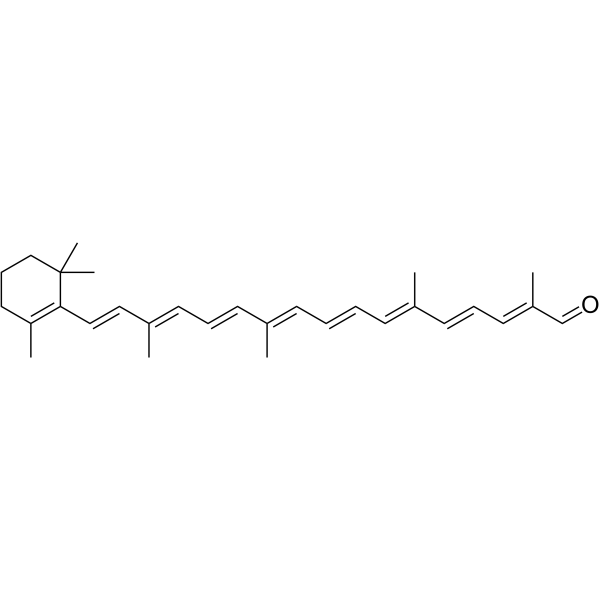
- Formula: C30H40O
- Molecular Weight: 416.64
β-Apo-8'-carotenal (Apocarotenal), an orally active provitamin A carotenoid. β-Apo-8'-carotenal can induce the expression of CYP1A through the Ah receptor-dependent pathway. β-Apo-8'-carotenal can induce cancer cells DNA strand breaks and lipid peroxidation. β-Apo-8'-carotenal can be used for the researches of cancer and metabolic disease.
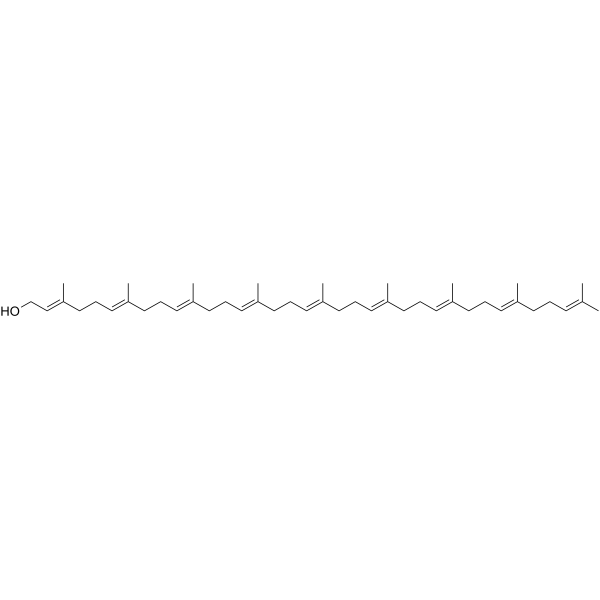
- Formula: C45H74O
- Molecular Weight: 631.07
Solanesol is an orally active aliphatic terpene alcohol. Solanesol is mainly found in tobacco and other Solanaceae plants. Solanesol induces HO-1 and Hsp70 expression, activates p38 and Akt signaling pathways, and inhibits Apoptosis (reduces caspase-3 and PARP cleavage). Solanesol has antioxidant, anti-inflammatory, and neuroprotective activities. Solanesol can be used in the research of Huntington's disease, alcoholic liver disease, chronic inflammatory pain, anxiety, Alzheimer's disease, and bipolar disorder.
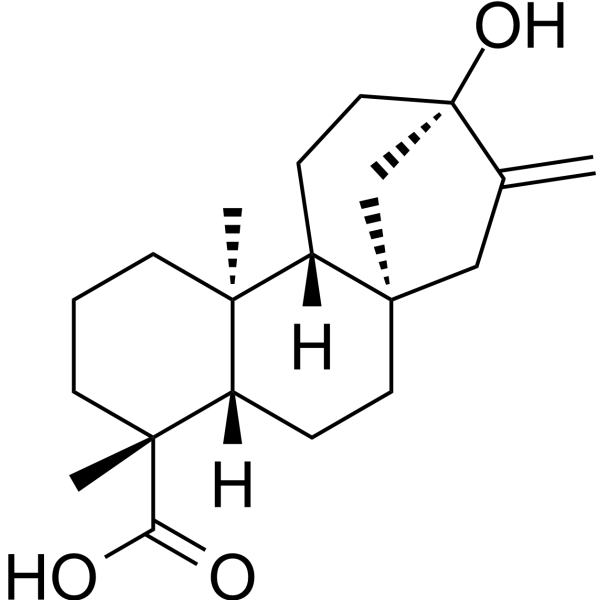
- Formula: C20H30O3
- Molecular Weight: 318.45
Steviol is the main metabolite of steviol glycosides and an inhibitor of AQP2/CFTR. Steviol slows down the growth of renal cysts by inhibiting the activity of CFTR, reducing the expression of AQP2, and promoting the degradation of AQP2 and CFTR. Steviol can be used in the research of polycystic kidney disease.

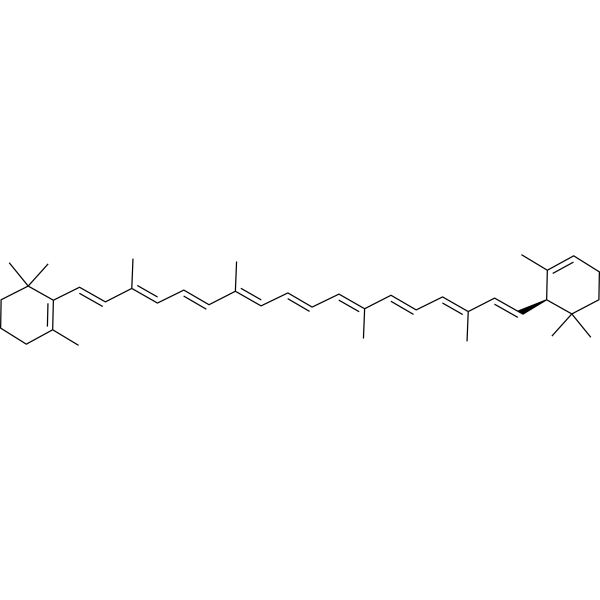
- Formula: C₄₀H₅₆
- Molecular Weight: 536.87
β-Carotene (Standard) is the analytical standard of β-Carotene. This product is intended for research and analytical applications. β-Carotene (Provitamin A), a carotenoid compound, is a naturally-occurring vitamin A precursor. β-Carotene is a modulator of reactive oxygen species (ROS), with antioxidant and antiinflammatory activities. β-Carotene may serve as an antioxidant or as a prooxidant, depending on its intrinsic properties as well as on the redox potential of the biological environment in which it acts. β-Carotene induces breast cancer cells apoptosis, with anticancer activities.
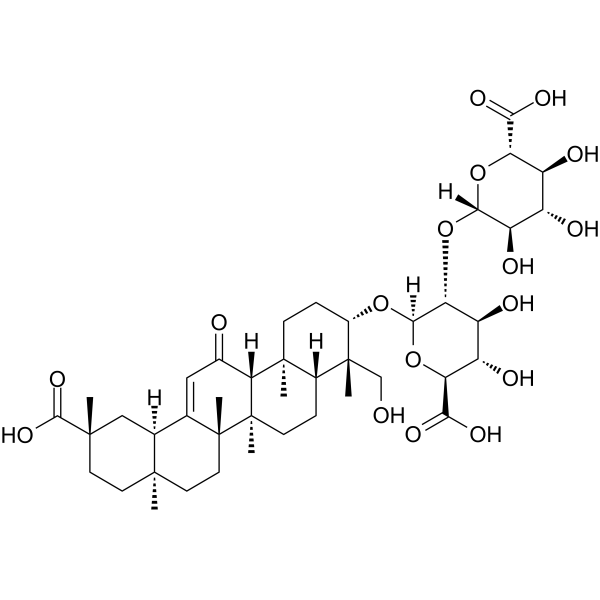
- Formula: C42H62O17
- Molecular Weight: 838.93
Licoricesaponin G2 is an orally active component found in Licorice. Licoricesaponin G2 significantly ameliorates Bleomycin (HY-108345)-induced pulmonary fibrosis by inhibiting the TNF-α signaling pathway, reducing epithelial-mesenchymal transition, and decreasing extracellular matrix deposition. Licoricesaponin G2 inhibits cancer cells proliferation, migration, inhibits PI3K/AKT/mTOR signaling pathway and increases ROS production. Licoricesaponin G2 can be used for the research of lung cancer and pulmonary fibrosis.
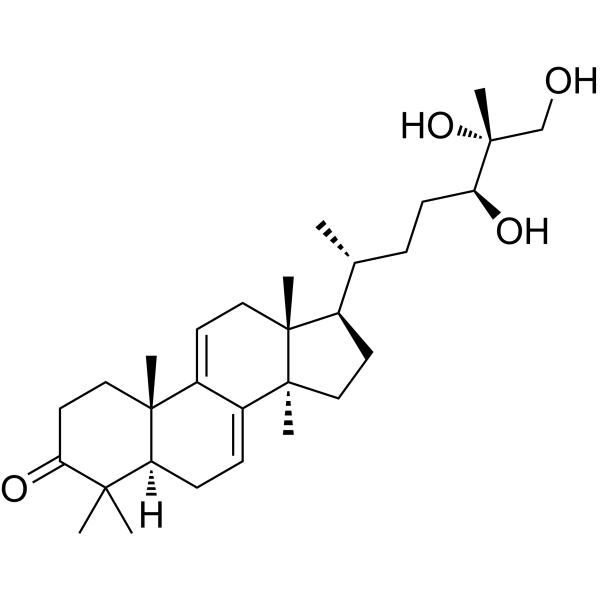
- Formula: C30H48O4
- Molecular Weight: 472.70
Ganodermanontriol, a sterol isolated from Ganoderma lucidum, induces anti-inflammatory activity in tert-butyl hydroperoxide (t-BHP)-damaged hepatic cells through the expression of HO-1. Ganodermanontriol exhibits hepatoprotective activity.
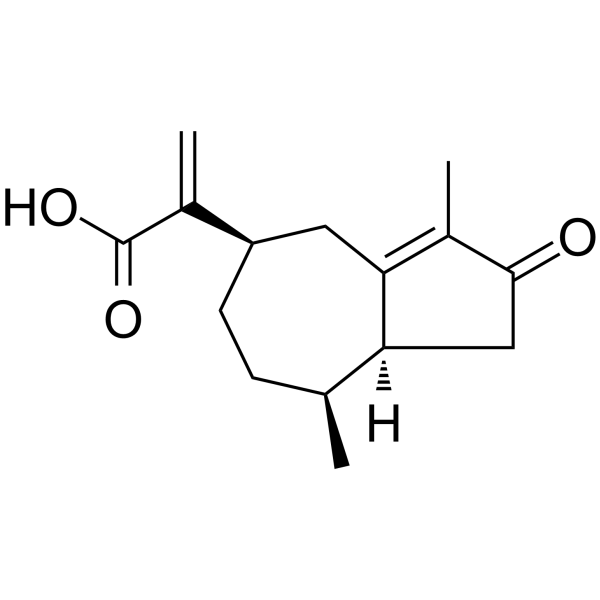
- Formula: C15H20O3
- Molecular Weight: 248.32
Rupestonic acid, a sesquiterpene, can inhibit influenza virus.

- Formula: C15H24
- Molecular Weight: 204.35
Bisabolene (mixture of isomers) (Bisabolene) is a sesquiterpenoid plant natural product and also a hydrocarbon precursor for various industry-relevant chemicals. Bisabolene (mixture of isomers) serves as an important precursor for the production of industry-relevant chemicals such as biofuels, bioplastics, pharmaceuticals and cosmetics.
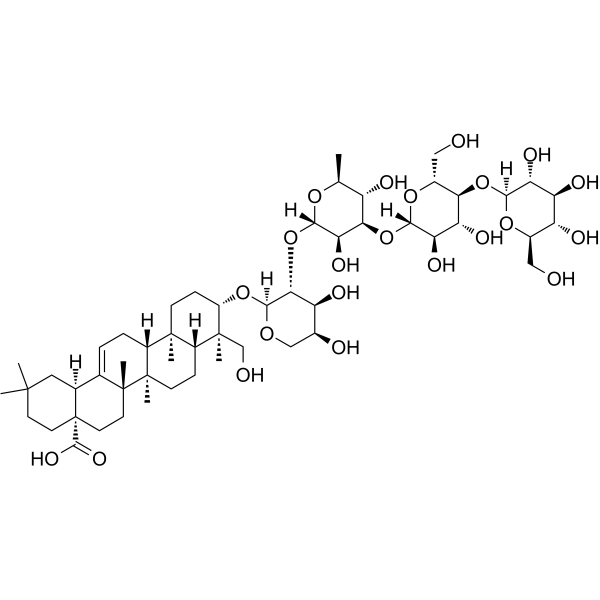
- Formula: C53H86O22
- Molecular Weight: 1075.24
Macranthoside B is an apoptosis inducer with in vitro and in vivo anticancer activity. Macranthoside B induces autophagy and ferroptosis in cancer cells. Macranthoside B induces intracellular ROS accumulation, activates AMPK, inhibits mTOR and P70S6 kinase phosphorylation, and modulates Bcl-2/Bax expression. Macranthoside B activates caspase-3, caspase-9, and the intrinsic caspase cascade, induces PARP cleavage/degradation, and inhibits NRF2 signaling. Macranthoside B disrupts iron homeostasis via NCOA4-dependent ferritinophagy, up-regulates Lip-ROS, reduces mitochondrial membrane potential, and activates the JNK pathway. Macranthoside B can be used for the research of ovarian cancer, hepatoma, gastric carcinoma, breast carcinoma, colon carcinoma, glioma, melanoma, adenocarcinoma of the esophagogastric junction, and cervical cancer.
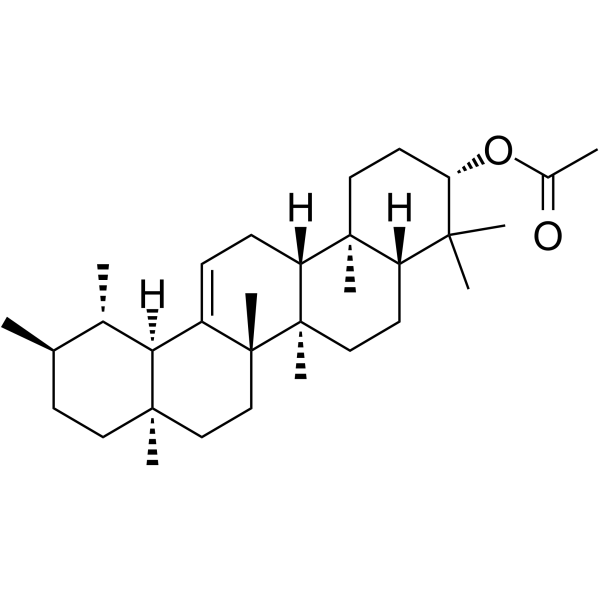
- Formula: C32H52O2
- Molecular Weight: 468.75
α-Amyrin acetate is a pentacyclic triterpenoid compound with oral activity. α-Amyrin acetate can inhibit cancer cells proliferation and induce apoptosis. α-Amyrin acetate can reduce blood glucose level. α-Amyrin acetate can be used for the researches of cancer and metabolic disease, such as breast cancer and diabetes.



