



Cancer Targeted Therapy
Cancer targeted therapy is the foundation of precision medicine; it uses drugs or other substances to target specific genes and proteins that control cancer cells’ growth, division and spreading. Compared to traditional chemotherapy drugs, targeted-drugs can specifically act on cancer cells with high efficacy without damaging normal cells. Drugs used in cancer targeted therapy mainly includes small molecules and macromolecules (e.g., monoclonal antibodies), which can target cancer cells and constituents in the tumor microenvironment to activate the immune system. Anti-angiogenesis drugs, such as those targeting vascular endothelial growth factor (VEGF), epidermal growth factor receptor (EGFR), transforming growth factor (TGF)-α, TGF-β, Tumor necrosis factor (TNF)-α, and platelet-derived endothelial growth factor (PDGFR) inhibit the proliferation and metastasis of cancer cells. In recent years, the proportion of antibody drugs in cancer treatment has gradually become prominent. Antibody-drug conjugates (ADCs) are a new type of targeted drugs that are composed of monoclonal antibody, cytotoxic drug and linker. ADCs can deliver drugs to tumor cells and minimize the toxicity to normal tissues. Proteolysis-targeting chimera (PROTAC) is a useful technology for targeted protein degradation. PROTAC exploits the ubiquitin-proteasome system and forms a ternary complex with a hijacked E3 ubiquitin ligase and target protein, leading to polyubiquitination and degradation of the target protein.
Targeted therapy is a useful strategy in treatment of cancer either alone or in combination with standard chemotherapy. At present, targeted therapy has proved significant clinical success in the treatment of many types of cancer, including breast cancer, colorectal cancer, leukemia, ovarian cancer and lung cancer.

-
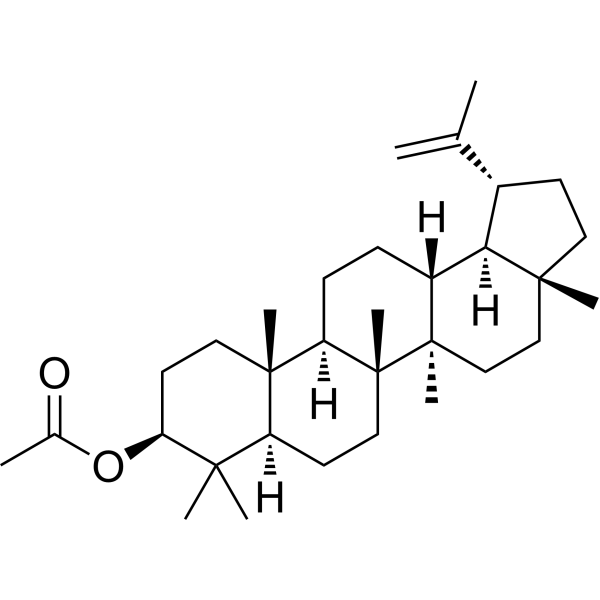
Lupeol acetate
 0 Images
Lupeol acetate is a derivative of Lupeol. Lupeol acetate is an anti-inflammatory, antibacterial, anti-trypanosomic and anticancer agent with oral activity. Lupeol acetate significantly improves the symptoms of rheumatoid arthritis by down-regulating the expression of inflammatory cytokines and osteoclast production. Lupeol acetate inhibits spermatogenesis in male rats and eventually led to infertility.
-
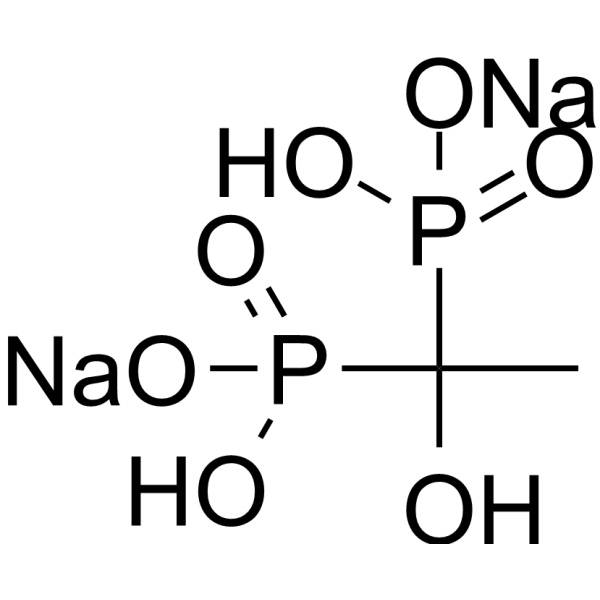
Etidronic acid disodium
 0 ImagesSynonyms: Etidronate disodium; HEDPA disodium; HEDP disodium
Etidronic acid (Etidronate) disodium is an orally and intravenously active bisphosphonate. Etidronic acid disodium inhibits resorption of bone, reduces arterial calcification and can be used for osteoporosis research. Etidronic acid disodium has anticancer activity. Etidronic acid disodium is a chelating agent and can be used to remove heavy metal in water.
-
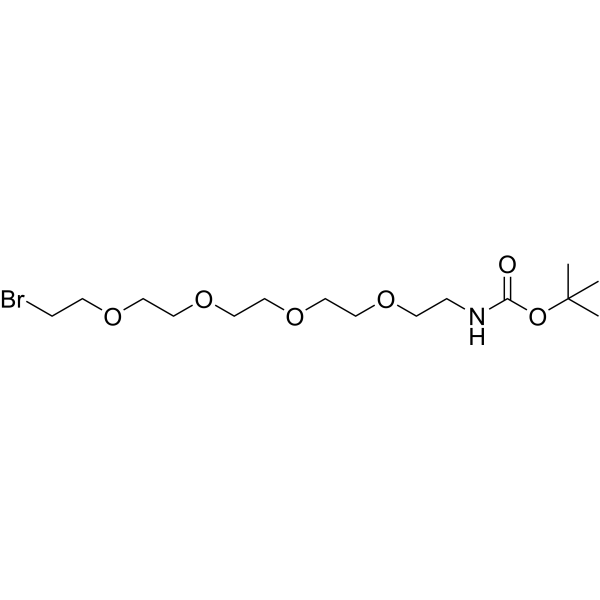
N-Boc-PEG5-bromide
 0 Images
N-Boc-PEG5-bromide is a PEG/Alkyl/ether-based PROTAC linker can be used in the synthesis of PROTACs. N-Boc-PEG5-bromide is a cleavable ADC linker used in the synthesis of antibody-drug conjugates (ADCs).
-
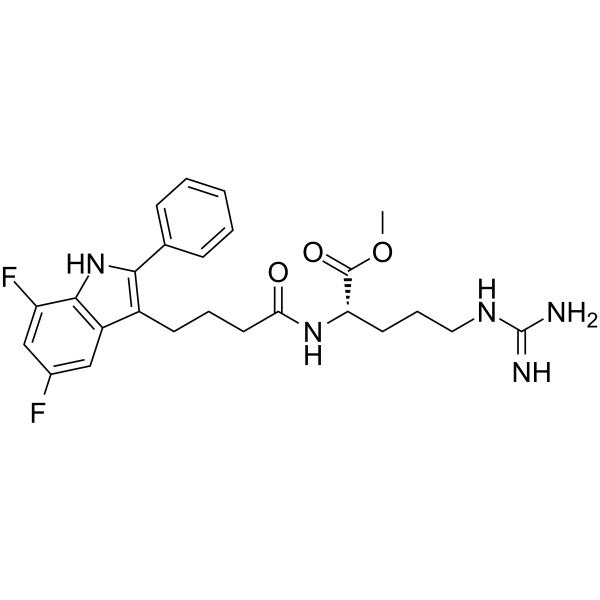
L-803087
 0 Images
L-803087 is a potent and selective somatostatin sst4 receptor agonist with a Ki of 0.7 nM. L-803087 is >280-fold higher than other somatostatin receptors. L-803087 facilitates AMPA-mediated hippocampal synaptic responses in vitro and increases kainate-induced seizures in mice.

-
CVT-11127
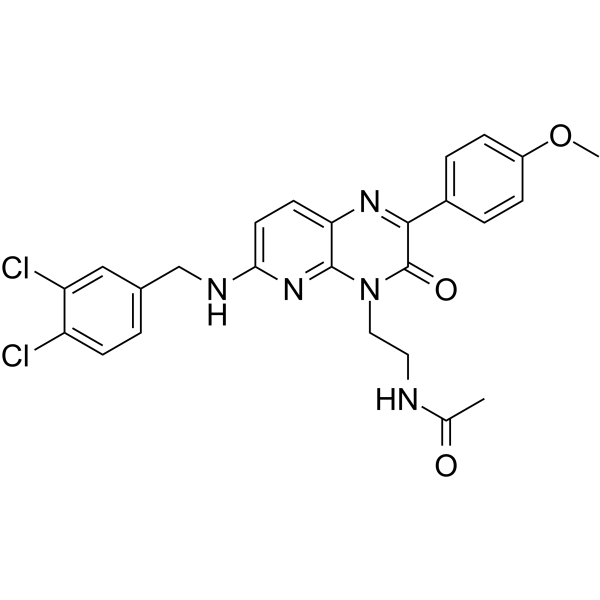 0 ImagesSynonyms: GS-456332
CVT-11127 is a potent SCD inhibitor. CVT-11127 induces apoposis and arrests the cell cycle at the G1/S phase. CVT-11127 has the potential for the research of lung cancer.
-
MethylCBI-azaindole-benzamide-MOM-Boc-ethylenediamine-D
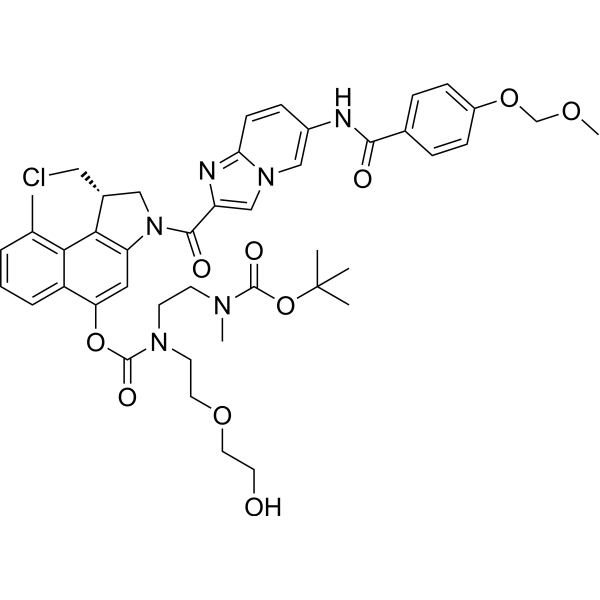 0 Images
MethylCBI-azaindole-benzamide-MOM-Boc-ethylenediamine-D is a cleavable ADC linker used in the synthesis of antibody-drug conjugates (ADCs).
-
GSK-J2
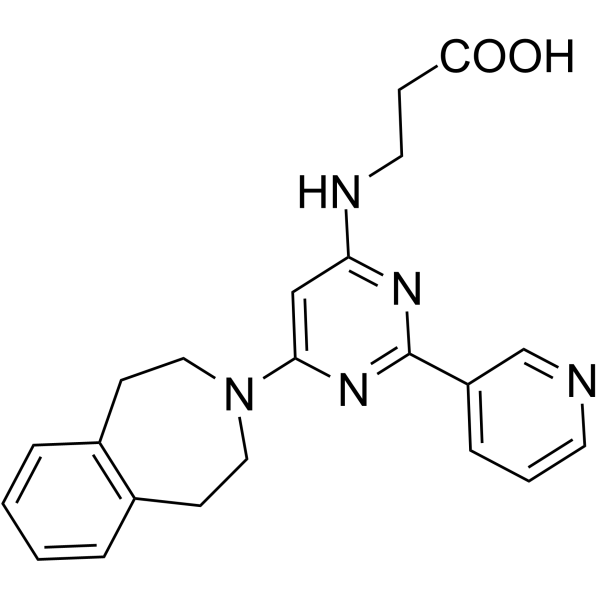 0 Images
GSK-J2 is an isomer of GSK-J1 that does not have any specific activity. GSK-J1 is a potent inhibitor of H3K27me3/me2-demethylases JMJD3/KDM6B and UTX/KDM6A.
-
Cobomarsen sodium
 0 ImagesSynonyms: MRG-106 sodium
Cobomarsen sodium is an oligonucleotide inhibitor of miR-155. Cobomarsen sodium inhibits multiple gene pathways associated with cell survival (including JAK/STAT, MAPK/ERK and PI3K/AKT). Cobomarsen sodium can be used for the research of B-cell lymphoma.
-
VISTA-IN-2
 0 Images
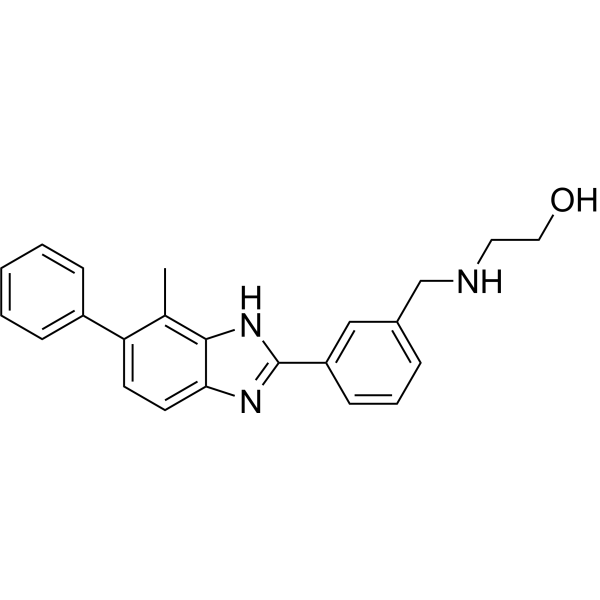
VISTA-IN-2 (Compound 1) is an inhibitor of V-domain Ig suppressor of T-cell activation (VISTA). VISTA-IN-2 induces VISTA degradation in cells through an autophagic mechanism. VISTA-IN-2 rescues VISTA-mediated immunosuppression, and enhances antitumor activity of immune cells. VISTA-IN-2 also activates the antitumor immunity and inhibits tumor growth in a CT26 mouse model.
-
PDCD4-IN-1
 0 Images
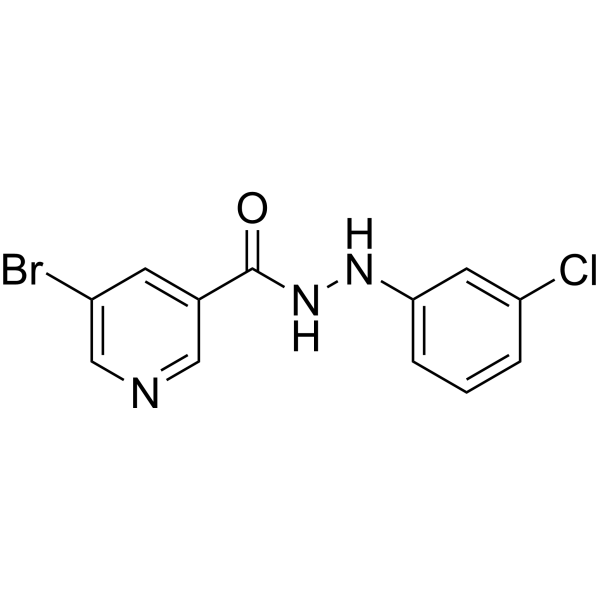
PDCD4-IN-1(compound 20031600) is a PDCD4 inhibitor with a Kd value of 350 nM, which can promote the expression of BDNF in hippocampal neuron cell HT-22.
-
Imipramine hydrochloride (Standard)
 0 Images
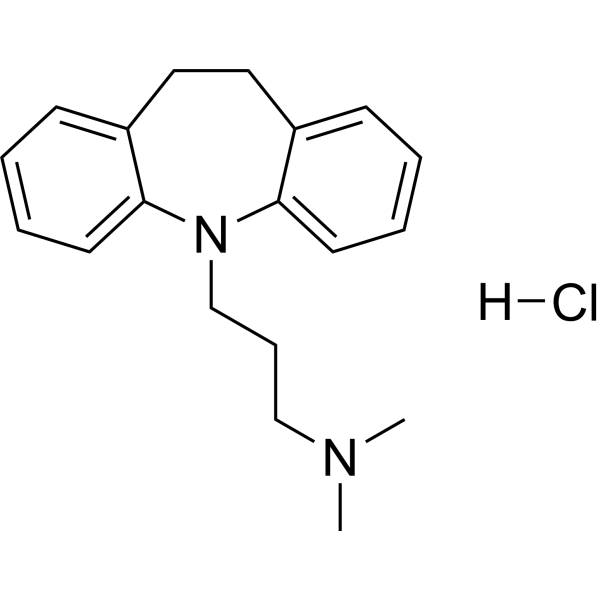
Imipramine (hydrochloride) (Standard) is the analytical standard of Imipramine (hydrochloride). This product is intended for research and analytical applications. Imipramine hydrochloride is an orally active tertiary amine tricyclic antidepressant. Imipramine hydrochloride is a Fascin1 inhibitor with antitumor activities. Imipramine hydrochloride also inhibits serotonin transporter with an IC50 value of 32 nM. Imipramine hydrochloride stimulates U-87MG glioma cells autophagy and induces HL-60 cell apoptosis. Imipramine hydrochloride shows neuroprotective and immunomodulatory effects.
-
Thiol-PEG3-acid
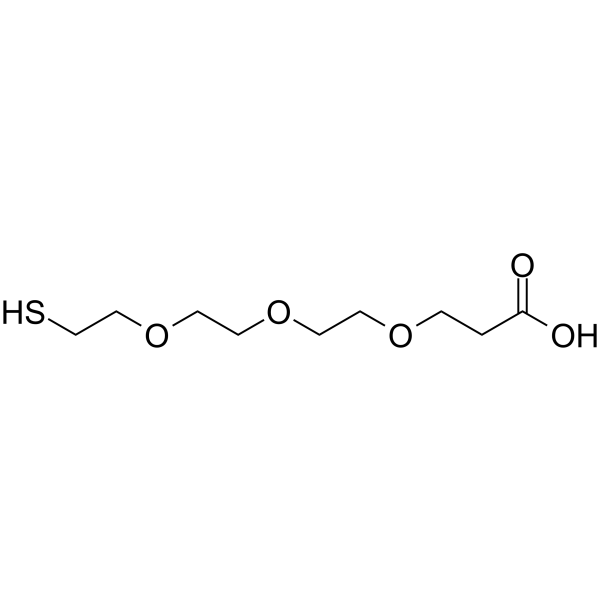 0 ImagesCat. No.: HY-140018CAS No.: 1347750-82-6
-
Lamivudine (Standard)
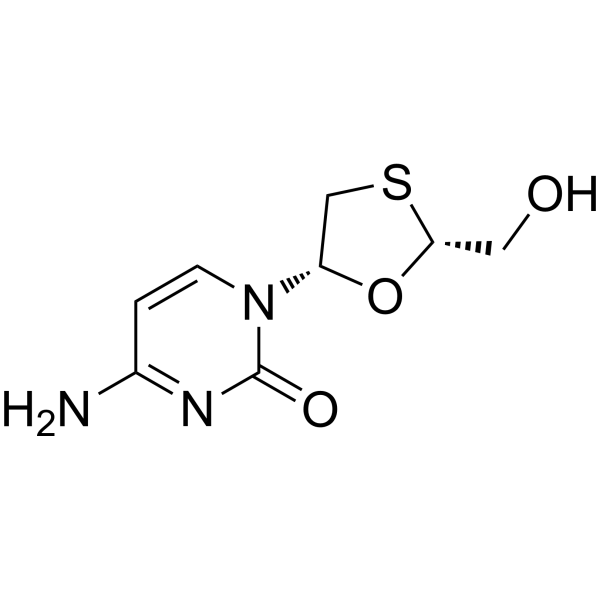 0 ImagesSynonyms: BCH-189 (Standard)
Lamivudine (Standard) is the analytical standard of Lamivudine. This product is intended for research and analytical applications. Lamivudine (BCH-189) is an orally active nucleoside reverse transcriptase inhibitor (NRTI). Lamivudine can inhibit HIV reverse transcriptase 1/2 and also the reverse transcriptase of hepatitis B virus. Lamivudine salicylate can penetrate the CNS.
-
JP-163-16
 0 Images
JP-163-16 is a NF-κB RelA/p65 PROTAC degrader that recruits CRBN. JP-163-16 selectively induces RelA/p65 degradation via the ubiquitin-proteasome pathway, exerts cytotoxicity and induces apoptosis in cancer cells, while showing low toxicity to non-malignant lymphocytes. JP-163-16 can be used for the research of chronic lymphocytic leukemia, triple-negative breast cancer and multiple myeloma.
-
PHGDH-IN-3
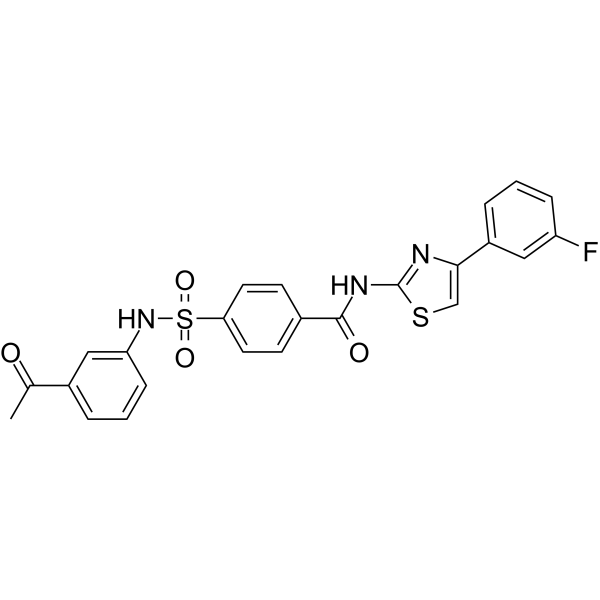 0 Images
PHGDH-IN-3 is an orally active phosphoglycerate dehydrogenase (PHGDH) inhibitor. PHGDH-IN-3 inhibits PHGDH with an IC50 value of 2.8 μM. PHGDH-IN-3 can be used for the research of cancer.

-
TLR7 agonist 3
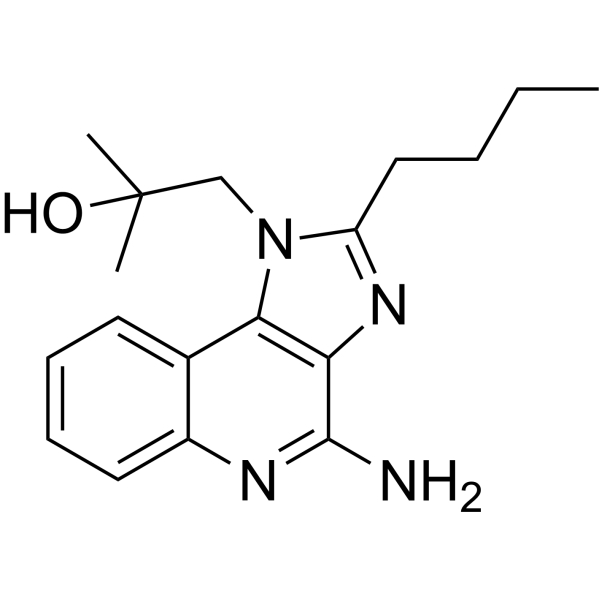 0 Images
TLR7 agonist 3 (compound 2) is a TLR7 agonist and can be used for the stuy of cancers.



