Infection
-
Infection Related Products (18789)
Related Products (18789)

-
Antibodies (22)
-
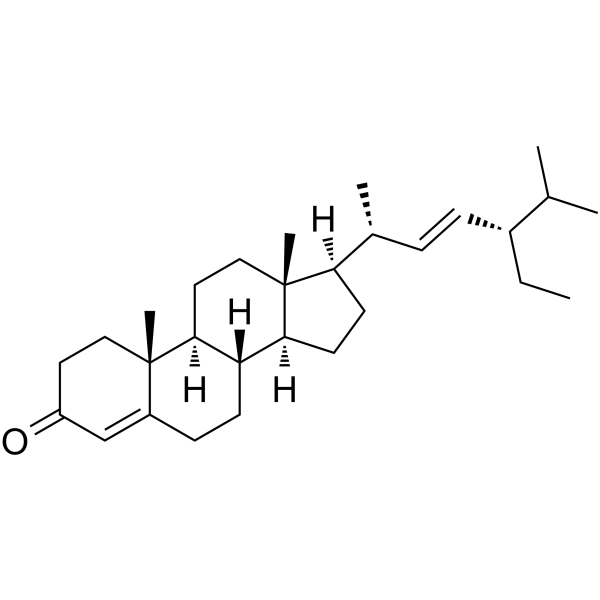
Stigmasta-4,22-dien-3-one
 0 Images
Stigmasta-4,22-dien-3-one is an antitubercular agent. Stigmasta-4,22-dien-3-one shows cytotoxicity against human HT1080 tumoral cell line with an IC50 of 0.3 mM.
-
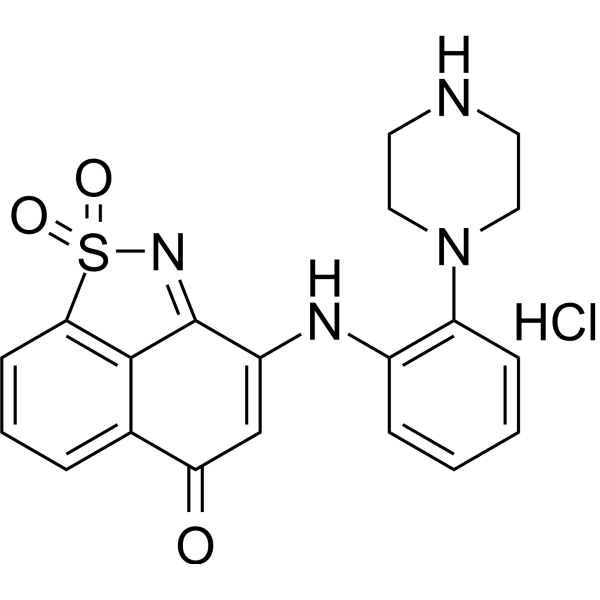
LY1
 0 Images
LY1 is a potent, selective and covalent inhibitor against both SARS-CoV-2 PLpro and Mpro with Kd values of 1.5 μM and 2.3 μM for Mpro C145A protein and PLpro C111A protein, respectively. LY1 potent against the viral proteases, with IC50s of 0.12 μM and 0.99 μM against Mpro and PLpro. LY1 shows high selectivity over other kinases, human proteases and metalloenzyme.
-
2-Benzoxazolinone
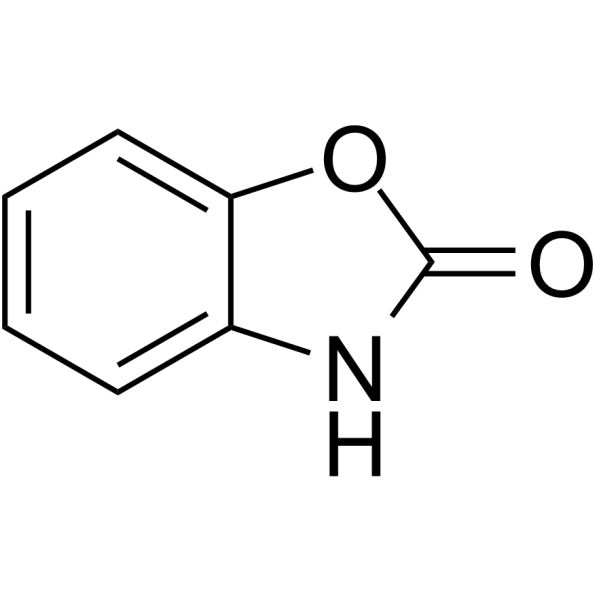 0 ImagesSynonyms: 2-Benzoxazolone; 1,3-Benzoxazol-2(3H)-one; 2-Hydroxybenzoxazole
2-Benzoxazolinone is an anti-leishmanial agent with an LC50 of 40 μg/mL against L. donovani. A building block in chemical synthesis. 1,3-Benzoxazol-2(3H)-one derivatives have antimicrobial activity against a selection of Gram-positive, Gram-negative bacteria and yeasts. Derivatives as anti-quorum sensing agent.
-
Vitisin A
 0 ImagesCat. No.: HY-142026CAS No.: 142449-89-6Synonyms: (+)-Vitisin A
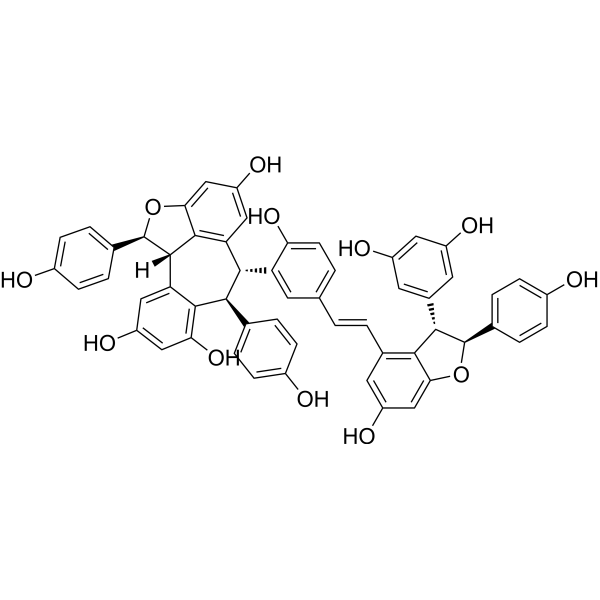
Vitisin A ((+)-Vitisin A) is an orally active natural product with multiple pharmacological activities including anti-inflammatory, anti-tumor, anti-oxidant, anti-pathogenic microorganism, hypoglycemic and lipid-regulating, anti-osteoporotic, neuroprotective and cardiovascular protective effects. Vitisin A exhibits inhibitory effects on human AChE and MAO-B with IC50 values of 1.29 µM and 4.94 µM, respectively. Vitisin A inhibits the ERK, MAPK, NF-κB, STAT1, HMGCR and TRAF6 pathways, downregulates the related phosphorylation and protein expression, while activates the Nrf2/HO-1 pathway and upregulates p21 expression. Vitisin A induces tumor cell apoptosis and cell cycle arrest, inhibits adipogenesis and lipid accumulation, while alleviates oxidative stress, suppresses inflammatory responses, blocks hepatic fibrosis, Cuproptosis and cholesterol synthesis, and increases the expression levels of central BDNF and TrkB. Vitisin A can be used in the research of tumors, infectious diseases, metabolic diseases, bone and joint diseases, liver diseases, skin injuries, as well as neurodegenerative and cognitive dysfunction-related diseases.
-
Lomibuvir
 0 ImagesSynonyms: VX-222
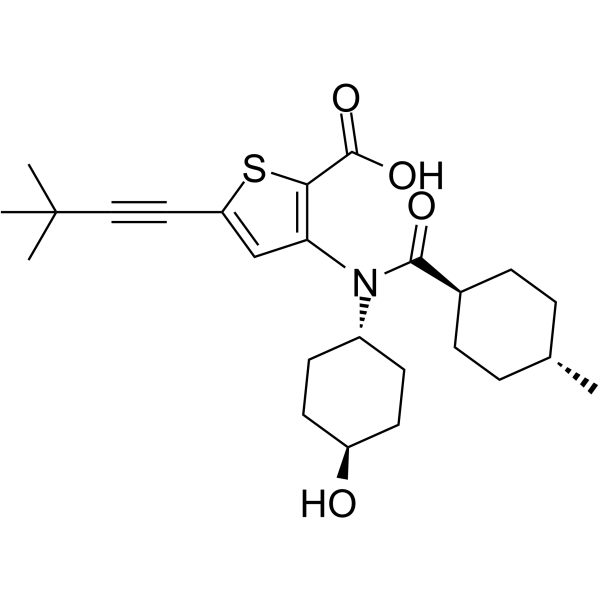
Lomibuvir (VX-222), a selective, non-nucleoside polymerase inhibitor, targets thumb pocket 2 of the HCV NS5B polymerase (RdRp) with a Kd of 17 nM. Lomibuvir inhibits the 1b/Con1 HCV subgenomic replicon with an EC50 of 5.2 nM. Lomibuvir preferentially inhibits elongative RNA synthesis rather than de novo-initiated RNA synthesis.
-
Dermcidin-1L (human)
 0 Images
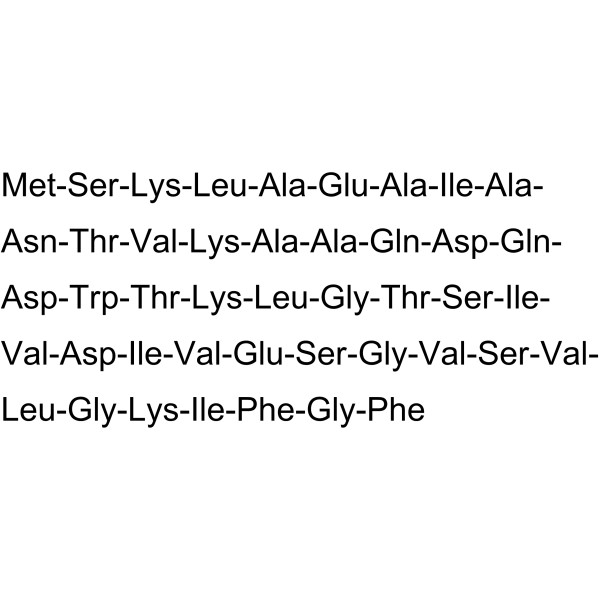
Dermcidin-1L (human) is an Antibacterial and Antifungal peptide. Dermcidin-1L (human) is derived from the carboxy-terminal region of full-length Dermcidin. Dermcidin-1L (human) exerts potent bactericidal activity against E. coli, E. faecalis and S. aureus, as well as fungicidal activity against C. albicans. Dermcidin-1L (human) is used in studies related to bacterial and fungal skin infections.
-
4-Phenoxybenzylamine
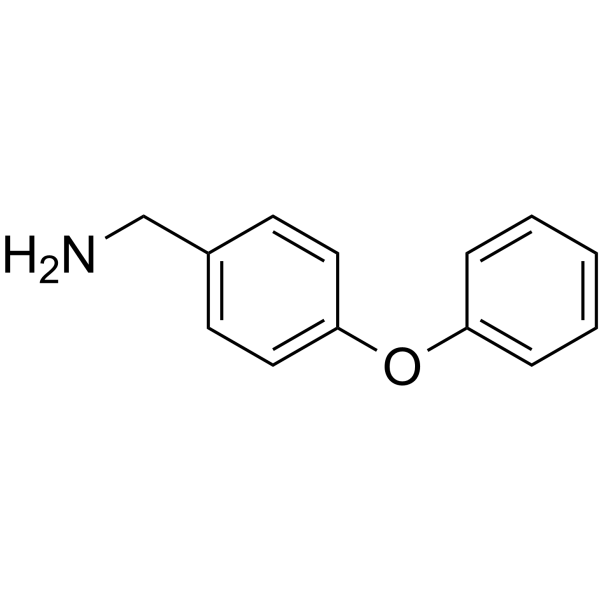 0 Images
4-Phenoxybenzylamine inhibits the function of the NS3 protein by stabilizing an inactive conformation with an IC50 of about 500 μM against FL NS3/4a.
-
Pyrazinamide-d3
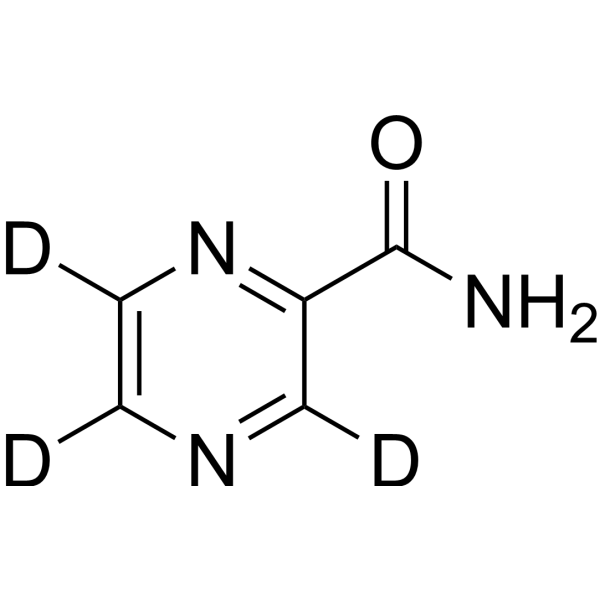 0 ImagesSynonyms: Pyrazinecarboxamide-d3; Pyrazinoic acid amide-d3
Pyrazinamide-d3 is deuterium labeled Pyrazinamide. Pyrazinamide (Pyrazinecarboxamide; Pyrazinoic acid amide) is a potent and orally active antitubercular antibiotic. Pyrazinamide is a proagent that is converted to the active form pyrazinoic acid (POA) by PZase/nicotinamidase encoded by the pncA gene in M. tuberculosis.
-
Desmethyl ferroquine
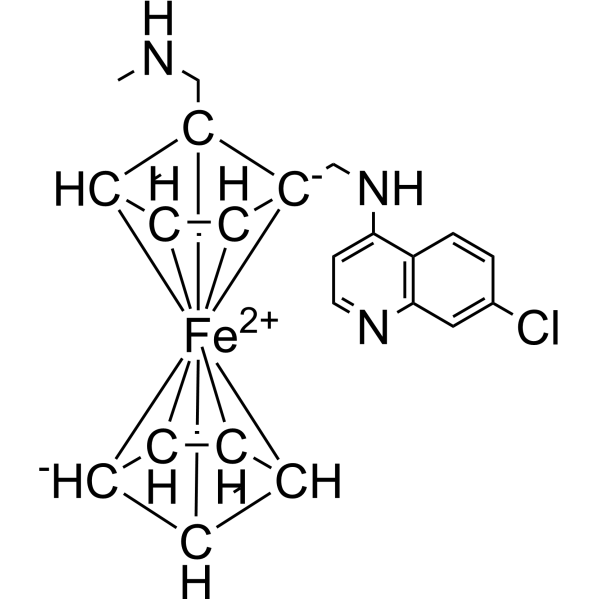 0 ImagesSynonyms: SSR97213
Desmethyl ferroquine (SSR97213) is the active and major metabolite of Ferroquine. Ferroquine is an antimalarial. Desmethyl ferroquine shows significant activity against Chloroquine-susceptible and resistant P. falciparum strains.
-
Anti-virus agent 1
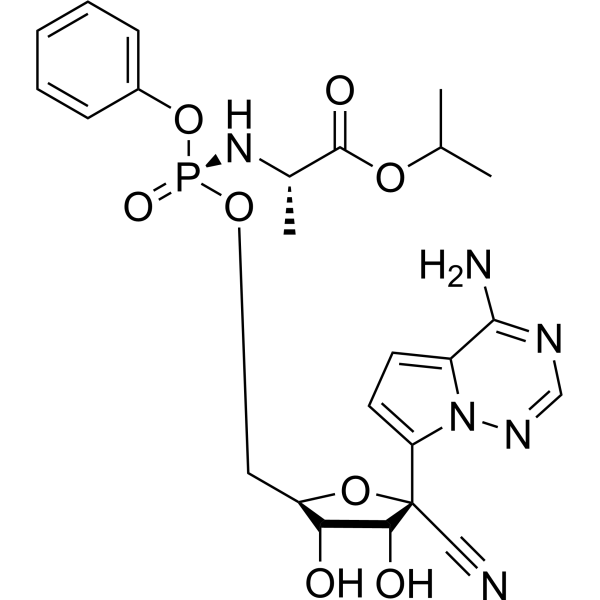 0 ImagesSynonyms: Remdesivir isopropyl ester analog
-
BMS-378806
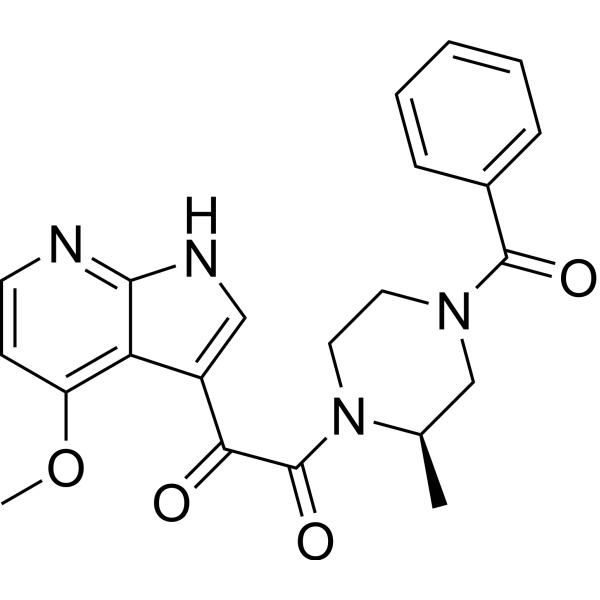 0 ImagesSynonyms: BMS-806
BMS-378806 is a potent HIV-1 attachment inhibitor that interferes with CD4-gp120 interactions. BMS-378806 selectively inhibits the binding of HIV-1 gp120 to the CD4 receptor with EC50 of 0.85-26.5 nM in virus.
-
Zifanocycline TFA
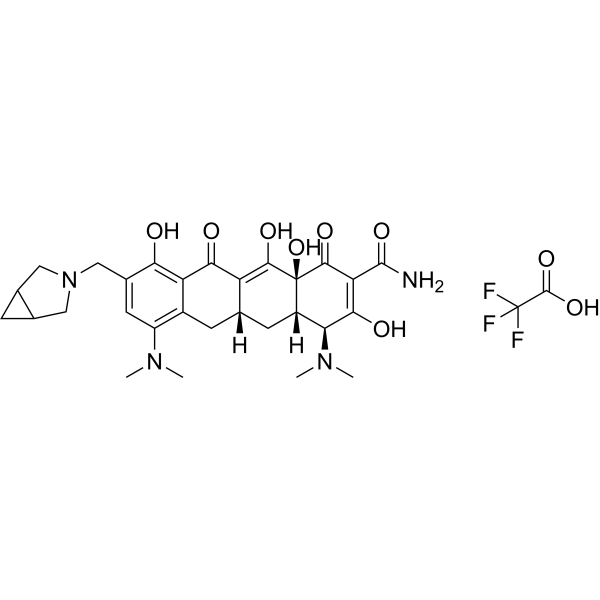 0 ImagesCat. No.: HY-139554APurity: 98.05%Synonyms: KBP-7072 TFA
Zifanocycline (KBP-7072) TFA is an orally active, semi-synthetic aminomethylcycline antibiotic that inhibits the normal function of bacterial ribosomes. Zifanocycline TFA has broad spectrum in vitro antimicrobial activity against Gram-positive and Gram-negative bacteria, including many multidrug-resistant pathogens. Zifanocycline TFA is indicated for the study of acute bacterial skin and skin structure infections, community-acquired bacterial pneumonia, and complicated intra-abdominal infections.
-
RPW-24
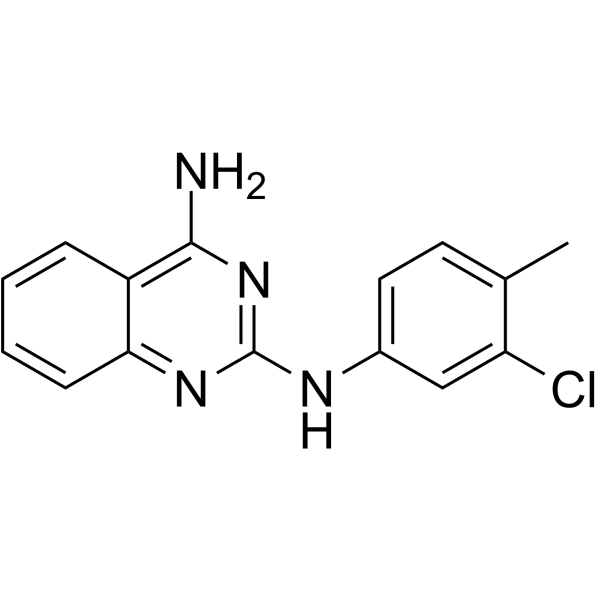 0 Images
RPW-24 protects C. elegans from bacterial infection by stimulating the host immune response of the nematode. RPW-24 has antibacterial activity.
-
Azaleatin
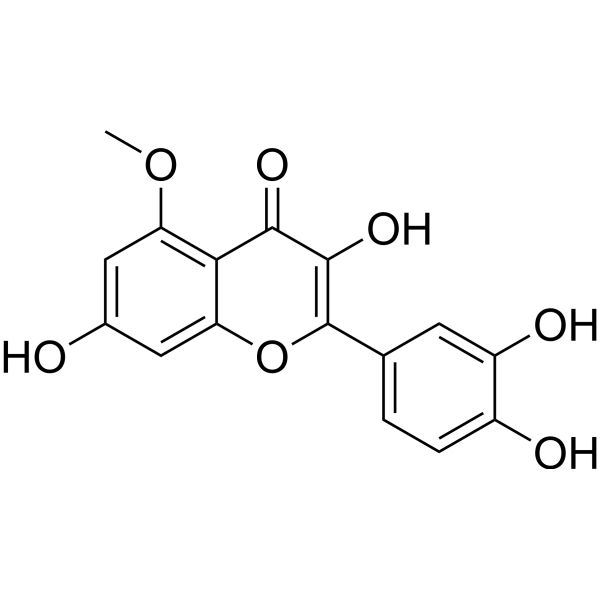 0 Images
Azaleatin is an orally active inhibitor of hQC, NS2B-NS3 protease and E. coli β-glucuronidase, with IC50 values of 1.1 μM, 38.00 μg/mL and 0.57 μM, respectively. Azaleatin inhibits the activities of NF-κB, MyD88, JAK1, TLR4, STAT3, IL-1β, IL-6, COX-2, TNF-α and β-glucuronidase, blocks pro-inflammatory signaling pathways, reduces the levels of ROS, MDA and uric acid, elevates the levels of GPx, GSR, GST, SOD, CAT, HO-1 and GSH, scavenges free radicals and exerts reducing capacity. Azaleatin inhibits the expression of pro-apoptotic proteins Bax, Caspase-9 and Caspase-3, and upregulates the expression of anti-apoptotic protein Bcl-2. Azaleatin reduces the levels of cardiac injury markers, restores cardiac histological structure, inhibits Aβ aggregation, dengue protease activity, hepatic stellate cell proliferation and cancer cell growth, and also exhibits antibacterial activity. Azaleatin can be used in studies related to subchronic cardiotoxicity, Alzheimer's disease, dengue fever, hyperuricemia, liver fibrosis, gastric cancer and bacterial infections.
-
Benzoyl isothiocyanate
 0 Images
Benzoyl isothiocyanate is an aromatic isothiocyanate derivative with antibacterial and acaricidal activities. Benzoyl isothiocyanate inhibits the growth of specific oral bacteria, and also serves as an intermediate for the synthesis of heterocyclic compounds such as thiazolidine and quinazoline derivatives. Benzoyl isothiocyanate exhibits acaricidal activity against Dermatophagoides farina (dust mite) and D. pteronyssinus (house dust mite). Benzoyl isothiocyanate can be used in research related to bacterial infection, pest control and organic synthesis.
-
Chlophedianol hydrochloride
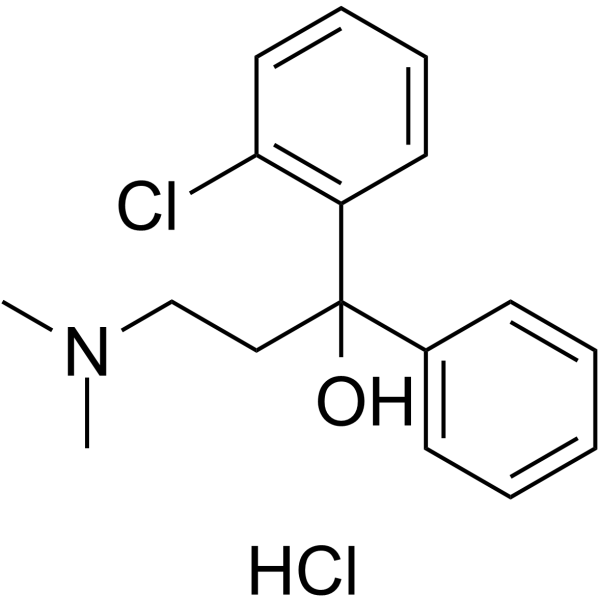 0 ImagesSynonyms: Clofedanol hydrochloride; Calmotusin hydrochloride; NSC 113595 hydrochloride
Chlophedianol (Clofedanol) hydrochloride is an orally active and potent antitussive agent. Chlophedianol hydrochloride can be used for the research of acute cough due to upper respiratory tract infections (URIs).