Inflammation/Immunology
-
Inflammation/Immunology Related Products (20642)
Related Products (20642)

-
Antibodies (115)
-
Related Compound Screening Libraries (4)
-
LD03-DEX
 0 ImagesCat. No.: HY-167845CAS No.: 2102449-40-9Synonyms: LD003
LD03-DEX is a precursor compound of dexamethasone (HY-14648) with immunosuppressive activity.

-
Landiolol-d8
 0 ImagesCat. No.: HY-100607SSynonyms: ONO1101-d8
Landiolol-d8 (ONO1101-d8) is the deuterium labeled Landiolol (HY-100607). Landiolol (ONO1101) is a highly selective, ultra-short-acting competitive inhibitor of β1 adrenergic receptors. Landiolol specifically blocks cardiac β1 receptors, reducing heart rate and myocardial oxygen consumption. Landiolol inhibits TNF-α-induced excessive mitochondrial oxygen consumption and reactive oxygen species production in a sepsis model, alleviating renal injury. Landiolol has little effect on cardiac ion channels (such as L-type calcium current and inward rectifier potassium current) and has a weak negative inotropic effect. Landiolol can be used for perioperative tachycardia control and protection studies of sepsis-related acute kidney injury.
-
MMT3-72
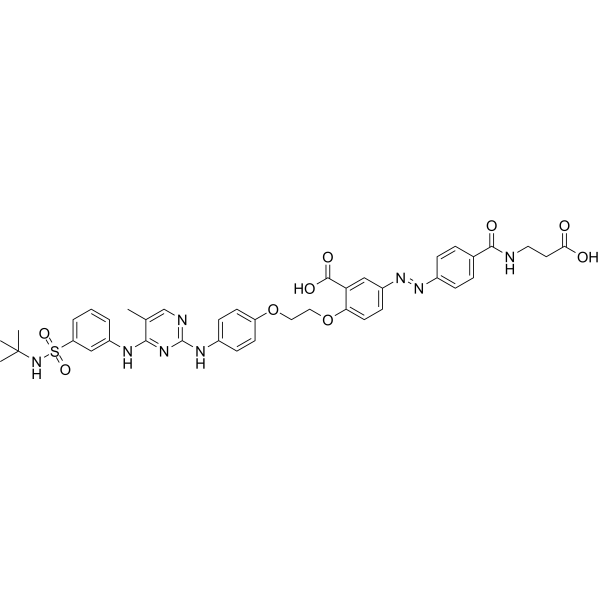 0 ImagesCat. No.: HY-162030CAS No.: 2996158-39-3

-
CAI/II-IN-2
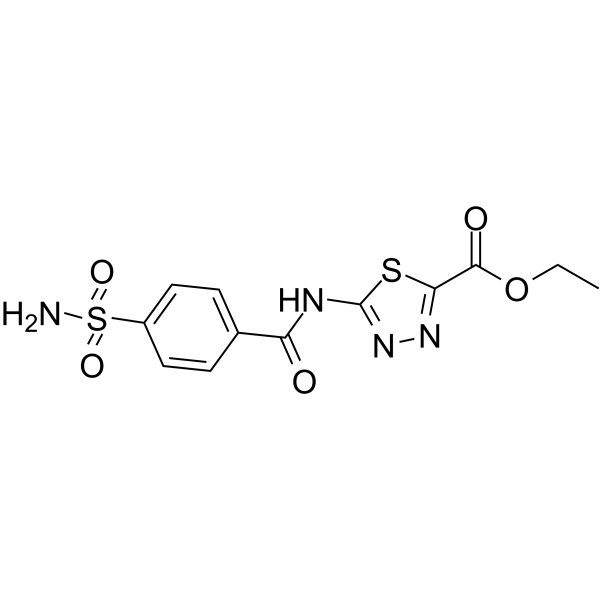 0 ImagesCat. No.: HY-147922CAS No.: 2480283-75-6
CAI/II-IN-2 (compound 2b) is a potent dual hCA I/II inhibitor with Ki values of 40.97, 15.15 and 61.88 nM for hCA I, hCA II and hCA Ⅸ. CAI/II-IN-2 possesses anti-hypoxic activity against acute mountain sickness (AMS) and low cellular activity.
-
Idesin
 0 ImagesCat. No.: HY-N18031CAS No.: 20331-85-5
Idesin is a compound found in the fruits of Idesia polycarpa. Idesin inhibits LPS (HY-D1056)-induced nitric oxide production with mild cytotoxicity.
-
Quinotolast
 0 ImagesCat. No.: HY-163061CAS No.: 101193-40-2
Quinotolast is an orally active antiallergic agent. Quinotolast inhibits histamine release from rat peritoneal cells. Quinotolast inhibits cutaneous cromoglycate in guinea pig model. Quinotolast has inhibitory effect on histamine and peptide leukotrienes release from guinea pig lung fragments and mouse cultured mast cells. Quinotolast can be studied in allergy-related research.
-
Etazolate
 0 ImagesCat. No.: HY-106044CAS No.: 51022-77-6Synonyms: SQ 64442
Etazolate (SQ 64442) is a α-secretase activator, selective PDE4 inhibitor, selective GABAA receptor modulator. Etazolate reduces IL-1β levels Etazolate exerts a dose-dependent anti-inflammatory and anti-œdematous effect accompanied by lasting memory improvement. Etazolate produces an antidepressant-like effect.
-
Cathepsin K inhibitor 2
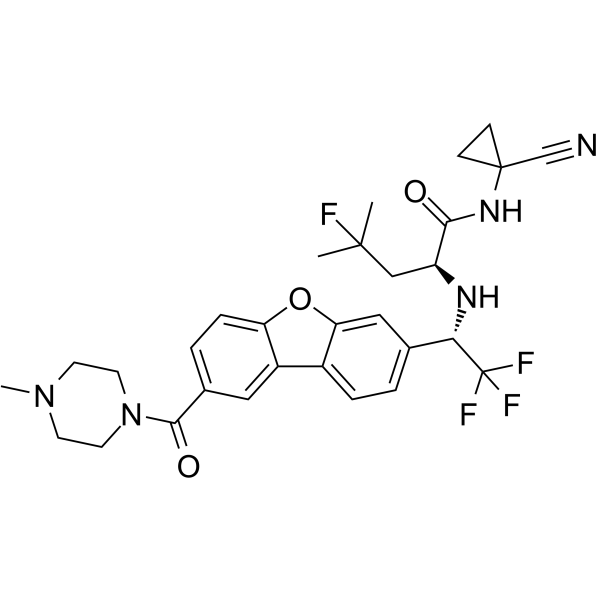 0 ImagesCat. No.: HY-143714CAS No.: 2672478-52-1
Cathepsin K inhibitor 2 is a potent inhibitor of cathepsin K. Cathepsin K, Cat K is a cysteine protease expressed under the control of CTSK gene and closely related to osteoporosis, whose main function is to hydrolyze collagen. Cathepsin K inhibitor 2 has the potential for the research of osteoarthfitis (extracted from patent WO2021147882A1, compound 78).
-
RXFP1 receptor agonist-5
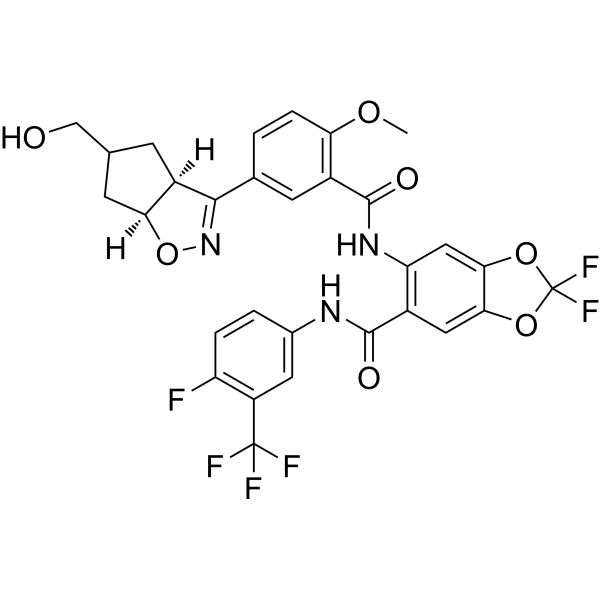 0 ImagesCat. No.: HY-156540CAS No.: 2941385-36-8
RXFP1 receptor agonist-5 (Example 98) is a RXFP1 receptor agonist. RXFP1 receptor agonist-5 stimulates cAMP production in HEK293 cells stably expressing human RXFP1, with an EC50 value of 1.3 nM.
-
Patamostat mesylate
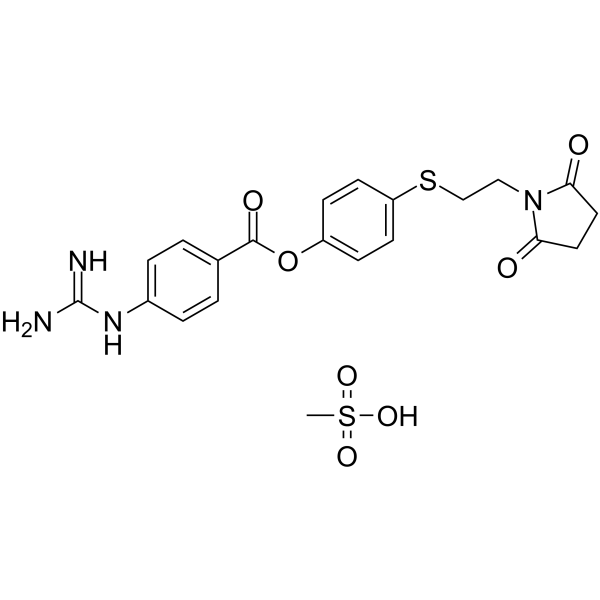 0 ImagesCat. No.: HY-114080ACAS No.: 114568-32-0Synonyms: E-3123 mesylate
Patamostat (E-3123) mesylate is a potent protease inhibitor. Patamostat mesylate potently inhibits trypsin, plasmin and thrombin with IC50s of 39 nM, 950 nM and 1.9 μM, respectively. Patamostat mesylate may possess suppressing effects on pathogenesis and development of acute pancreatitis.
-
ATTO 488 streptavidin
 0 ImagesCat. No.: HY-D2004CAS No.: 1430816-27-5
ATTO 488 streptavidin is a fluorescent reagent that specifically targets and binds to biotin (biotin), formed by the conjugation of ATTO 488 with streptavidin (HY-P3152). ATTO 488 streptavidin enables visualization of the activity of streptavidin immobilized on the surface of polymeric nanoparticles, or acts as a fluorescent probe to detect the selective binding and internalization process of anti-HB-EGF/NA with cells expressing HB-EGF (with no such effect on cells that do not express this receptor). ATTO 488 streptavidin effectively verifies the function of streptavidin conjugated to the surface of nanoparticles and is suitable for research related to atherosclerotic cardiovascular diseases.
-
sEH inhibitor-6
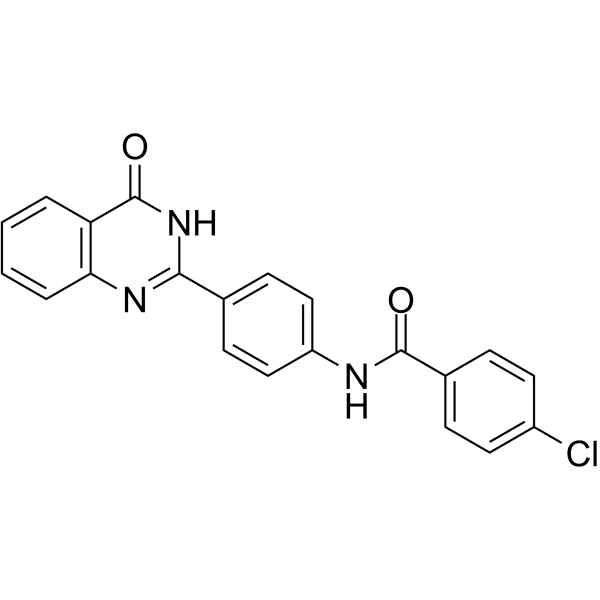 0 ImagesCat. No.: HY-148000CAS No.: 1205963-04-7
sEH inhibitor-6 (Compound 3g) is a soluble epoxide hydrolase (sEH) inhibitor with an IC50 of 0.5 nM.
-
Dimethyl diacetyl cystinate
 0 ImagesCat. No.: HY-W550315CAS No.: 32381-28-5Synonyms: DACDM
Dimethyl diacetyl cystinate (DACDM) is a potent NF-κB inhibitor. Dimethyl diacetyl cystinate shifts the intracellular redox balance toward the oxidized state by increasing intracellular oxidized glutathione (GSSG) content, competitively blocking the binding of activated NF-κB to DNA, thereby inhibiting the production of inflammatory factors such as IL-1κ. Dimethyl diacetyl cystinate is promising for research of UVB-induced skin inflammation and related oxidative stress diseases.
-
PF-06427878
 0 ImagesCat. No.: HY-138942CAS No.: 1809064-23-0
PF-06427878 is an orally active, selective liver-targeted diacylglycerol acyltransferase 2 (DGAT2) inhibitor with IC50s of 99 nM and 202 nM for human and rat DGAT2, respectively. PF-06427878 shows greater than 470-fold selectivity for DGAT2 over DGAT1, MGAT1, MGAT2 and MGAT3. PF-06427878 can improve liver steatosis and function. PF-06427878 can be used for the study of nonalcoholic fatty liver diseases.
-
BIO-11006
 0 ImagesCat. No.: HY-106377CAS No.: 901117-03-1
BIO-11006 is a peptide that inhibits the function of the MARCKS protein. BIO-11006 attenuates LPS-induced neutrophil influx into the lungs, NF-κB activation, and expression of the proinflammatory cytokines KC and TNF-α. BIO-11006 also reverses disease progression in an LPS-induced mouse lung injury model. BIO-11006 is indicated for research on acute lung injury/acute respiratory distress syndrome (ALI/ARDS).
![[Dehydro-Pro4] Substance P (4-11)](https://file.medchemexpress.com/product_pic/hy-p3820.gif "Click to View [Dehydro-Pro4] Substance P (4-11) Product Detail")
-
BMS-960 free base
 0 ImagesCat. No.: HY-120611CAS No.: 1265321-86-5
BMS-960 free base is a potent and selective S1P1 receptor agonist containing isoxazole, which can be used in the research of immune diseases and vascular diseases.
-
Cortisone-13C3
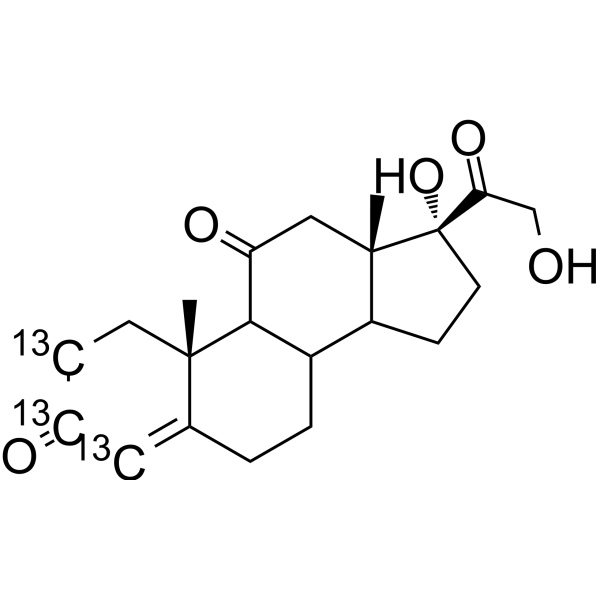 0 ImagesCat. No.: HY-17461SCAS No.: 2350278-95-2
Cortisone-13C3 is the 13C-labeled Cortisone. Cortisone (17-Hydroxy-11-dehydrocorticosterone), an oxidized metabolite of Cortisol (a Glucocorticoid). Cortisone acts as an immunosuppressant and anti-inflammatory agent. Cortisone can partially intervene in binding of Glucocorticoid to Glucocorticoid-receptor at high concentrations.