



Autophagy
Autophagy is a conserved cellular degradation and recycling process in the lysosome. In mammalian cells, there are three primary types of autophagy: microautophagy, macroautophagy, and chaperone-mediated autophagy (CMA). Microphagy captures cargoes by means of invaginations or protrusions of the lysosomal membrane directly, CMA uses chaperones to identify cargo proteins and then unfolds and transfers them into the lysosomal, while macroautophagy sequesters cargo by autophagosomes-de novo synthesized of double-membrane vesicles-and subsequently transport it to the lysosome.
Macroautophagy is the best studied and it occurs at a low level constitutively and can also be further induced under stress conditions, such as nutrient or energy starvation with a salient feature of autophagy protein degradation. Stress-induced macrophagy plays an important role in protein catabolism with another key protein degradation pathway, the ubiquitin–proteasome system (UPS).
As the study progressed, autophagy gains its importance under basal, nutrient-rich conditions, and is now recognized as a critical housekeeping pathway in catabolism of diverse cellular constituents, such as protein aggregates (aggrephagy), lipid droplets (lipophagy), iron complex (Ferritinophagy) and carbohydrate. Except for macromolecules, autophagy can also target several organelles and structures, such as mitochondria (mitophagy), peroxisome (pexophagy), endoplasmic reticulum (reticulophagy or ER-phagy), ribosome (ribophagy), spermatozoon-inherited organelles following fertilization (allophagy), secretory granules within pancreatic cells (zymophagy) and intracellular pathogens (xenophagy).
Autophagy and its dysfunction are associated with a variety of human pathologies, including ageing, cancer, neurodegenerative disease, heart disease and metabolic diseases, such as diabetes. Plenty of drugs and natural products are involved in autophagy modulation through multiple signaling pathways. Small molecules that can regulate autophagy seem to have great potential to intervene such diseases in animal models or clinical courses.
All Product Categories
-
Autophagy Inhibitors
(488)
View all products
-
Autophagy Agonists
(6)
View all products
-
Autophagy Activators
(124)
View all products
-
Autophagy Modulators
(59)
View all products
-
Autophagy Chemicals
(2)
View all products
-
Autophagy Inducers
(2219)
View all products
-
Autophagy Controls
(5)
View all products
-
Autophagy Ligand
(1)
View all products
-
Autophagy Related Products (3440)
Related Products (3440)

-
Antibodies (31)
-
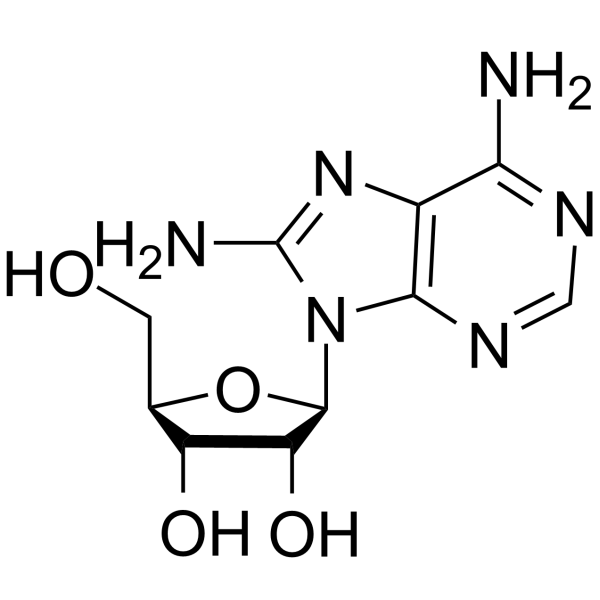
Autophagy Signaling Pathway
-
Baicalin (Standard)
 0 ImagesSynonyms: Baicalein 7-O-β-D-glucuronide (Standard)Baicalin (Standard) is the analytical standard of Baicalin. This product is intended for research and analytical applications. Baicalin, as a flavonoid glycoside, is an allosteric carnitine palmityl transferase 1 (CPT1) activator. Baicalin reduces the expression of NF-κB.
-
3,3'-Diindolylmethane (Standard)
 0 ImagesSynonyms: DIM (Standard); Arundine (Standard); HB 236 (Standard)3,3'-Diindolylmethane (Standard) is the analytical standard of 3,3'-Diindolylmethane. This product is intended for research and analytical applications. 3,3'-Diindolylmethane is a strong, pure androgen receptor (AR) antagonist.
-
Piperine (Standard)
 0 ImagesSynonyms: Bioperine (Standard); 1-Piperoylpiperidine (Standard)Piperine (Standard) is the analytical standard of Piperine. This product is intended for research and analytical applications. Piperine is an alkaloid, can be isolated from pepper. Piperine can inhibit the activity of P-glycoprotein and CYP3A4. Piperine inhibits HeLa cells with an IC50 of 61.94±0.054 μg/mL.
-
PROTAC EGFR degrader 4
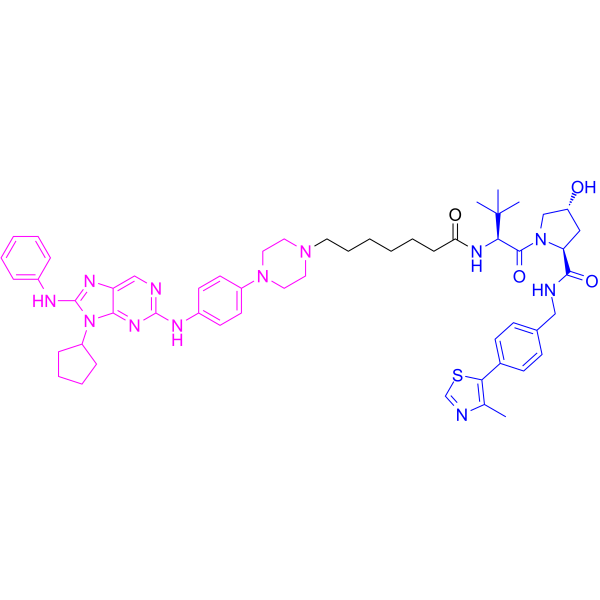 0 ImagesPROTAC EGFR degrader 4 is an EGFRdel19 and EGFRL858R/T790M degrader with anti-proliferative activity. PROTAC EGFR degrader 4 induces degradation of mutant EGFR variants via ubiquitination and autophagy. PROTAC EGFR degrader 4 suppresses EGFR pathway signal transduction. PROTAC EGFR degrader 4 induces apoptosis, arrests cell cycle, and suppresses cell colony formation in cancer cells. PROTAC EGFR degrader 4 can be used for the research of non-small cell lung cancer.
-
Cucurbitacin IIa
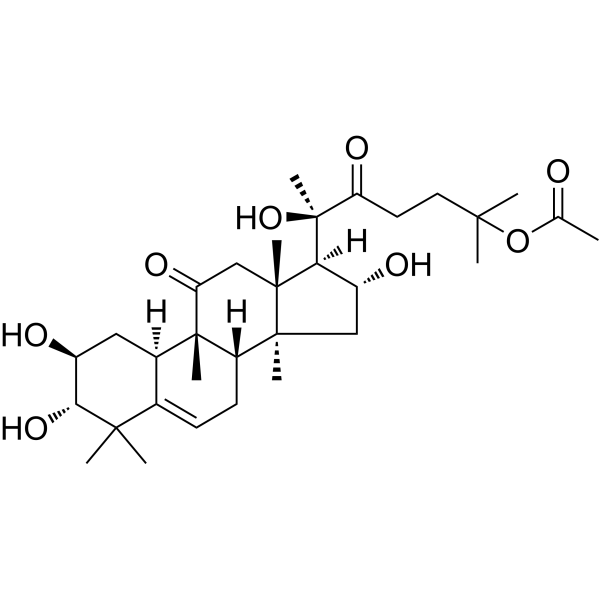 0 ImagesSynonyms: Hemslecin ACucurbitacin IIa (Hemslecin A) is an orally active, blood-brain barrier-permeable EGFR inhibitor with an IC50 of 1.455 nM against human EGFR. Cucurbitacin IIa induces caspase-3-dependent apoptosis, downregulates survivin expression, enhances autophagy levels, disrupts the actin cytoskeleton via actin aggregation, arrests the cell cycle at the G2/M phase, and exerts anti-inflammatory activity by inhibiting the EGFR-MAPK signaling pathway. Cucurbitacin IIa can be used in the research of inflammation-related diseases, depression, and cancers such as non-small cell lung cancer.
-
Olaparib-d8
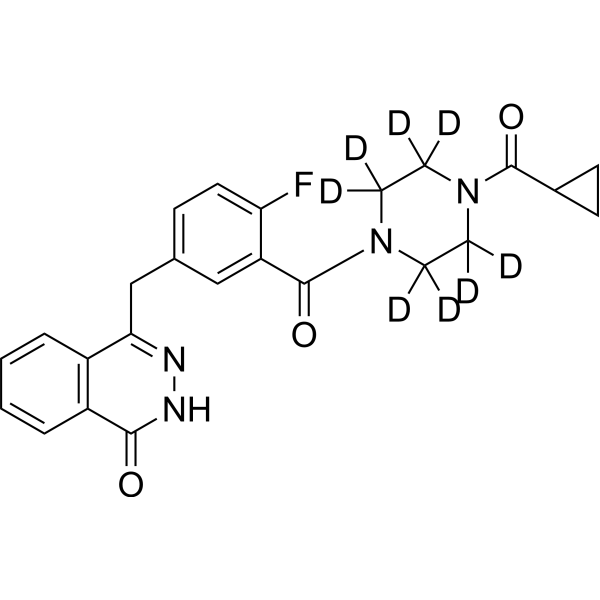 0 ImagesCat. No.: HY-10162S1Purity: 99.88%Synonyms: AZD2281-d8; KU0059436-d8; MK-7339-d8
-
Phenylbutyrate-d11 sodium
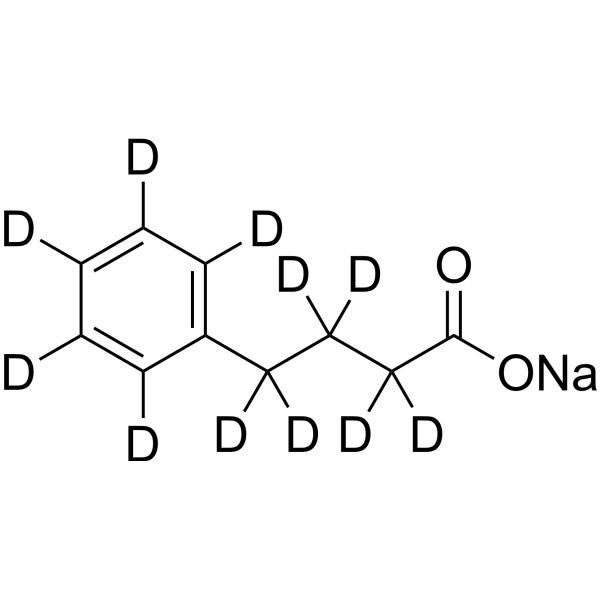 0 ImagesSynonyms: 4-PBA-d11 sodium; 4-Phenylbutyric acid-d11 sodium; Benzenebutyric acid-d11 sodium
-
Quinocetone
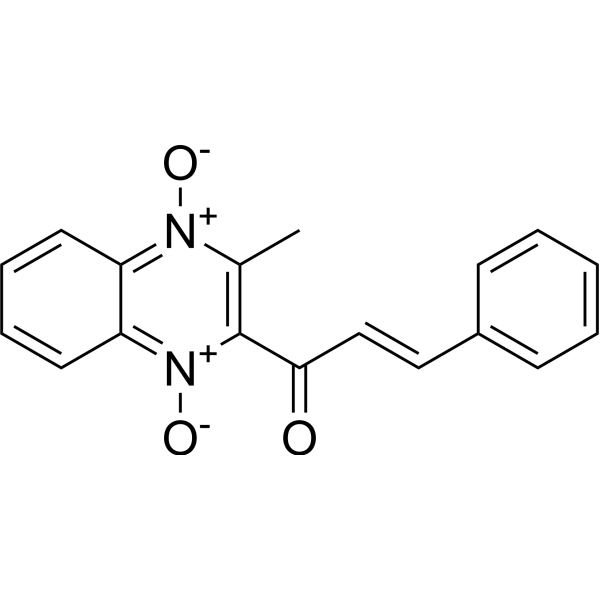 0 ImagesQuinocetone is an orally active animal feed additive used to increase the meat production of livestock and poultry. Quinocetone exhibits antibacterial activity against a variety of pathogenic microorganisms. Quinocetone exhibits tissue-specific (liver, lymphocyte) toxicity. Quinocetone induces autophagy in cells through the ATF6/DAPK1 pathway. Quinocetone activates the NF-κB and iNOS pathways, leading to cell apoptosis, hepatocyte vacuolar degeneration and fibrosis. Quinocetone can inhibit Nrf2/HO-1 and induce the generation of reactive oxygen species (ROS), leading to oxidative stress and DNA damage.
-
Lomustine (Standard)
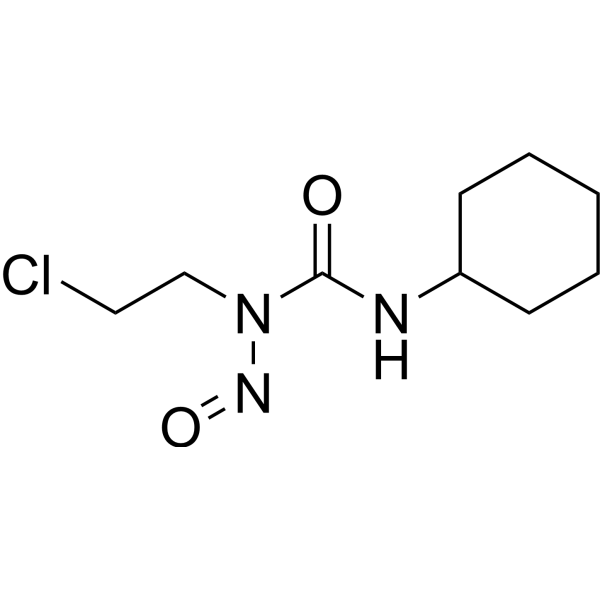 0 ImagesSynonyms: CCNU (Standard); NSC 79037 (Standard)Lomustine (Standard) is the analytical standard of Lomustine. This product is intended for research and analytical applications. Lomustine (CCNU; NSC 79037) is a DNA alkylating agent, with antitumor activity.
-
TN-16
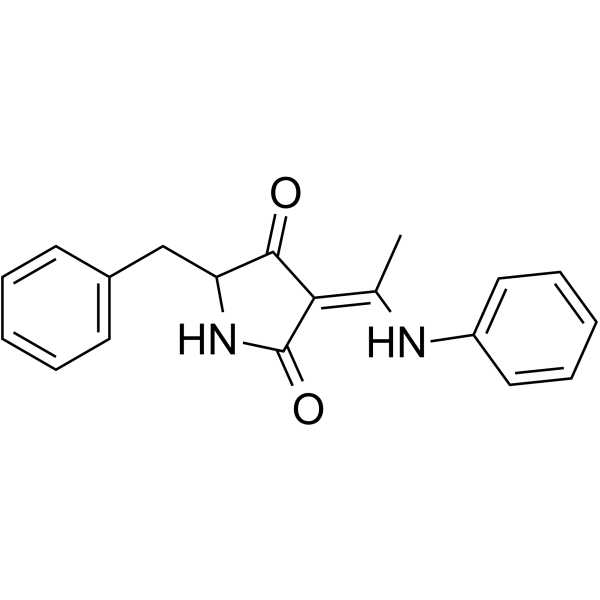 0 ImagesTN-16 is a Microtubule polymerization inhibitor. TN-16 induces G2/M cell cycle arrest, metaphase mitotic arrest and Apoptotic cell death in cells, and blocks late Autophagic flux by inhibiting autophagosome-lysosome fusion. TN-16 suppresses tumor growth in syngeneic mouse breast cancer models. TN-16 can be used in research related to neuroblastoma, cervical cancer, breast cancer and other tumors.
-
PNR-3-80
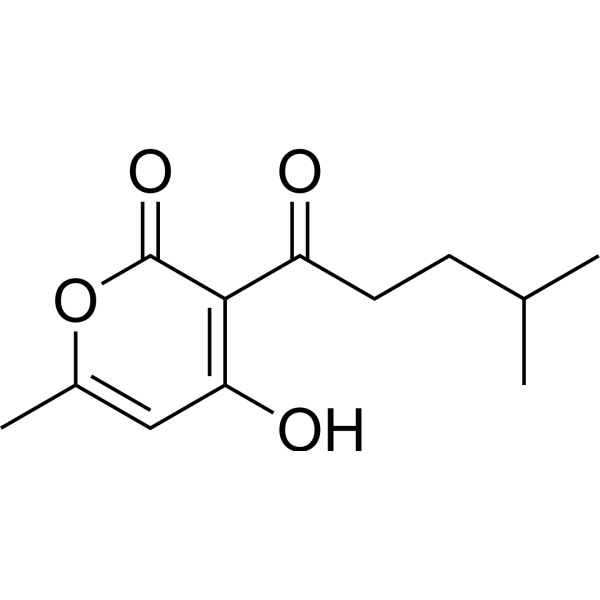
 0 ImagesPNR-3-80 is an endonuclease G (ENDOG) inhibitor with an IC50 of 0.67 μM. As a non-competitive binder to the ENDOG-substrate complex, PNR-3-80 specifically inhibits the endonuclease activity of ENDOG. PNR-3-80 reduces cell death induced by Cisplatin (HY-17394) and Docetaxel (HY-B0011), and inhibits DNA damage and autophagy (autophagy) induced by Etoposide (HY-13629). PNR-3-80 can be used in studies related to cell injury.
-
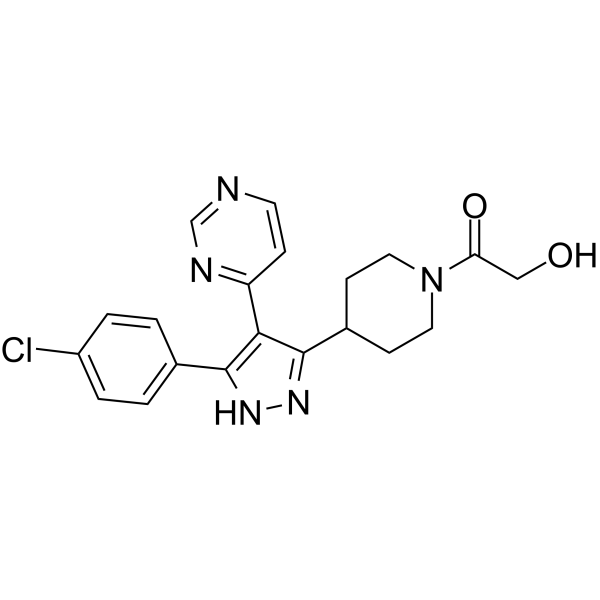
Physalin B
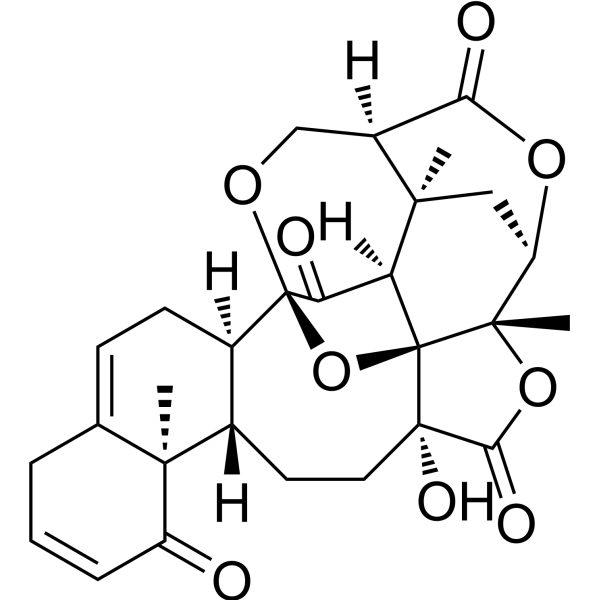 0 ImagesCat. No.: HY-N7695CAS No.: 23133-56-4Physalin B is an orally active anti-inflammatory and anticancer agent. Physalin B can be isolated from Physalis alkekengi L. var. Franchetii. Physalin B inhibits the activation of the NF-κB, NLRP3 inflammasome, STAT3, PI3K/Akt and Hedgehog signaling pathways, regulates the phosphorylation levels of GSK-3β, p38 MAPK, ERK1/2 and JNK, and promotes the nuclear translocation of NRF2. Physalin B reduces the levels of pro-inflammatory cytokines and factors, induces mitochondrial reactive oxygen species (mito-ROS) production, Apoptosis, G2/M cell cycle arrest and incomplete Autophagy, alters cytoskeleton structure and alleviates oxidative stress. Physalin B reduces cancer cell viability, ameliorates liver and lung tissue damage and alleviates liver fibrosis. Physalin B can be used in research related to ulcerative colitis, breast cancer, acute lung injury, colon cancer, non-alcoholic steatohepatitis, liver fibrosis, lung cancer, pancreatic cancer, lymphoma, ovarian cancer, sarcoma and leukemia.

-
Alisol A 24-acetate
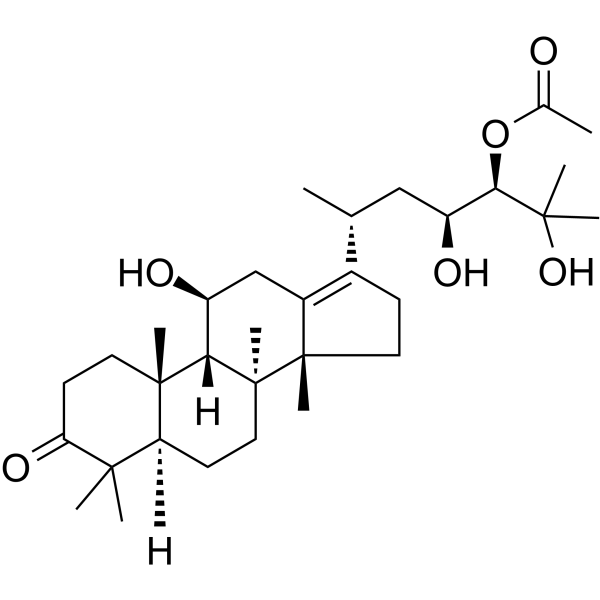 0 ImagesSynonyms: Alisol A 24-monoacetate; Alisol A monoacetateAlisol A 24-acetate (Alisol A monoacetate) is an orally active derivative of protostane-type tetracyclic triterpenoid. Alisol A 24-acetate upregulates the expression of adiponectin, AMPKα, CPT1, and ACOX1; downregulates the expression of SREBP-1c, ACC, FAS, Bcl-2, Bcl-xl, PPAR-γ, perilipin A, and NFATc1; inhibits the activity of PI3K/Akt/mTOR and HMGR; and activates the PKA and ERK signaling pathways. Alisol A 24-acetate regulates cell apoptosis (apoptosis), autophagy (Autophagy, hepatic lipid accumulation, inflammatory response, neuroprotection, MRSA membrane integrity, and osteoclast differentiation. Alisol A 24-acetate can be used in research related to non-alcoholic fatty liver disease, nephrotoxicity, obesity, global cerebral ischemia-reperfusion injury, bacterial infection, and osteoporosis.
-
Diazoxide (Standard)
 0 ImagesSynonyms: Sch-6783 (Standard); SRG-95213 (Standard)Diazoxide (Standard) is the analytical standard of Diazoxide. This product is intended for research and analytical applications. Diazoxide (Sch-6783) is an ATP-sensitive potassium channel activator, has the potential for hyperinsulinism treatment.




