



Bacterial
Anything that destroys bacteria or suppresses their growth or their ability to reproduce. Heat, chemicals such as chlorine, and antibiotic drugs all have antibacterial properties. Many antibacterial products for cleaning and handwashing are sold today. Such products do not reduce the risk for symptoms of viral infectious diseases in otherwise healthy persons. This does not preclude the potential contribution of antibacterial products to reducing symptoms of bacterial diseases in the home.
All Product Categories
-
Bacterial Inhibitors
(7501)
View all products
-
Bacterial Agonists
(3)
View all products
-
Bacterial Antagonists
(9)
View all products
-
Bacterial Activators
(23)
View all products
-
Bacterial Modulators
(27)
View all products
-
Bacterial Chemicals
(2)
View all products
-
Bacterial Inducers
(7)
View all products
-
Bacterial Controls
(14)
View all products
-
Bacterial Substrates
(2)
View all products
-
Bacterial Ligand
(1)
View all products
-
Bacterial Related Products (8826)
Related Products (8826)

-
Antibodies (14)
-
Related Compound Screening Libraries (1)
-
Wychimicin C
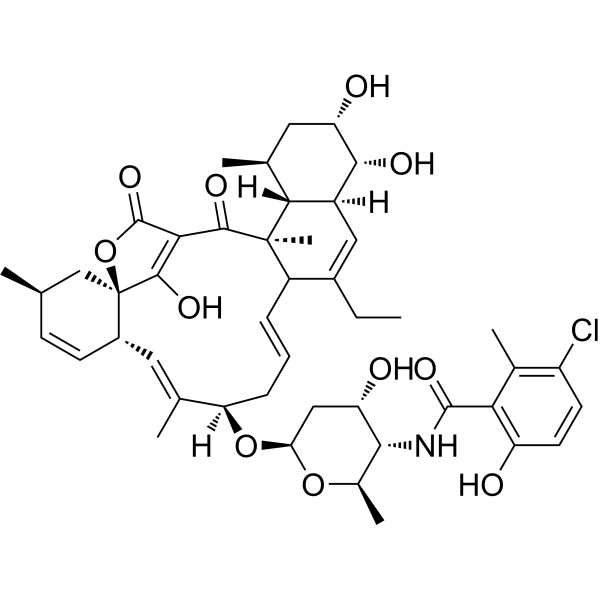 0 ImagesCat. No.: HY-N10560Wychimicin C is a spirotetronate polyketide, can be isolated from the rare actinomycete Actinocrispum wychmicini strain MI503-AF4. Wychimicin C shows strong antibacterial activity against methicillin-resistant Staphylococcus. aureus (IC50=0.125-0.5 μg/mL) and Enterococcus. faecalis/faecium (IC50=0.125-0.25 μg/mL).
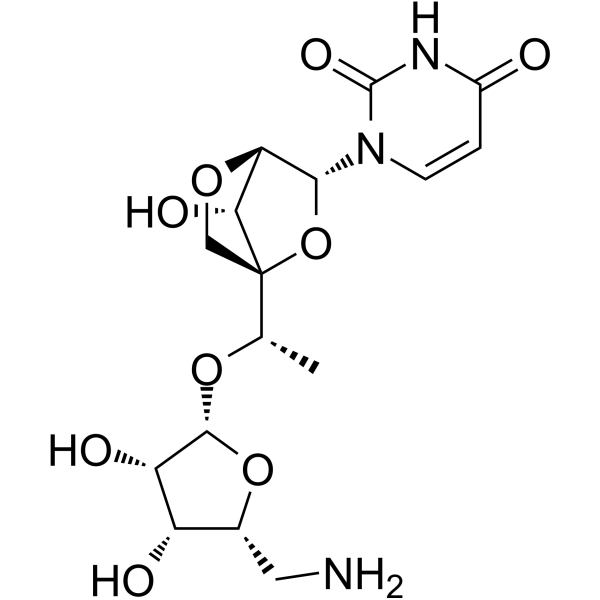
-
Buforin IIb TFA
 0 ImagesCat. No.: HY-P12127APurity: 98.01%Synonyms: BF2-B TFABuforin IIb TFA (BF2-B TFA) is an anticancer peptide, as well as an Antibacterial and Antifungal agent. Buforin IIb TFA is derived from histone H2A. Buforin IIb TFA activates SAPK/JNK and p38 MAPK. Buforin IIb TFA induces mitochondria-dependent Apoptosis. Buforin IIb TFA achieves selective targeting by interacting with gangliosides on the surface of cancer cells, and can penetrate cancer cell membranes without causing damage. Buforin IIb TFA exhibits antibacterial activity against Gram-negative bacteria, Gram-positive bacteria and fungi. Buforin IIb TFA can be used in the research of cervical cancer, as well as cancers including leukemia, central nervous system cancer, ovarian cancer, breast cancer, melanoma, colon cancer, non-small cell lung cancer, renal cancer and prostate cancer.
-
Pipemidic acid trihydrate (Standard)
 0 ImagesCat. No.: HY-W013766RCAS No.: 72571-82-5Pipemidic acid (trihydrate) (Standard) is the analytical standard of Pipemidic acid (trihydrate). This product is intended for research and analytical applications. Pipemidic acid trihydrate, a derivative of Piromidic acid, is an antibacterial agent. Pipemidic acid trihydrate inhibits DNA gyrase. Pipemidic acid trihydrate is active against gram-negative bacteria including Pseudomonas aeruginosa as well as some gram-positive bacteria. Pipemidic acid trihydrate can be used for the research of intestinal, urinary, and biliary tract infections.
-
Armeniaspirol A
 0 ImagesCat. No.: HY-N15548CAS No.: 1206881-47-1Synonyms: Armeniaspirole AArmeniaspirol A (Armeniaspirole A) is an antibacterial agent targeting Helicobacter pylori cell membranes. Armeniaspirol A induces membrane permeabilization, cytoplasmic leakage, and biofilm inhibition/eradication. Armeniaspirol A is promising for research of H. pylori infection.
-
PknB-IN-1
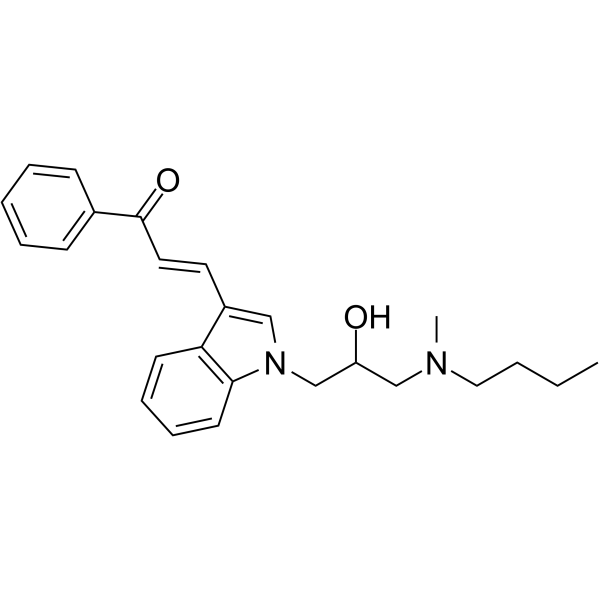 0 ImagesCat. No.: HY-151204CAS No.: 1447917-39-6PknB-IN-1 (Compound 2) is a protein kinase B (PknB) inhibitor (IC50=14.4 μM). PknB-IN-1 shows anti-mycobacterial activity, can inhibit M. tuberculosis H37Rv strain growth (MIC=6.2 μg/mL).
-
Mel4
 0 ImagesCat. No.: HY-P11126CAS No.: 1440511-91-0
-
Hp1404
 0 ImagesCat. No.: HY-P10539CAS No.: 2249769-83-1Hp1404 is a novel cationic antimicrobial peptide. Hp1404 has specific inhibitory activity against Gram-positive bacteria, including Staphylococcus aureus (MRSA) resistant to Laburnetin (HY-N7382). Hp1404 has antimicrobial activity, low toxicity, and is not prone to drug resistance, and can be used in the research of antimicrobial agents.
-
MSU-43085
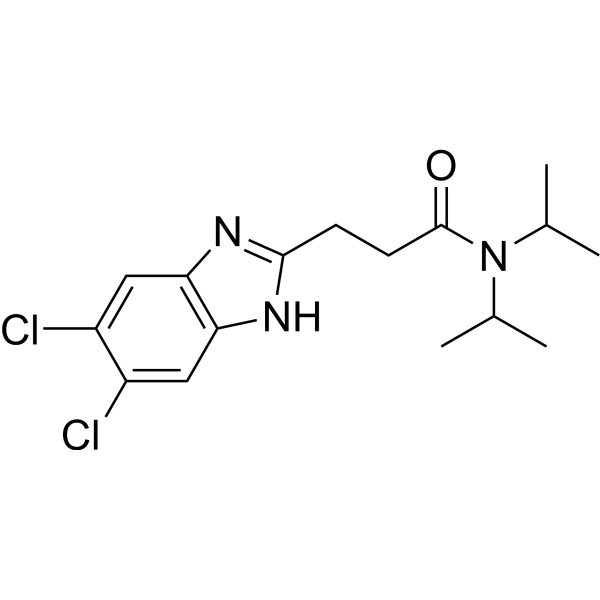 0 ImagesCat. No.: HY-163181CAS No.: 2810846-51-4MSU-43085 is an orally active MmpL3 inhibitor of Mycobacterium tuberculosis (Mtb). MSU-43085 effectively inhibits Mtb in an acute murine tuberculosis infection model. MSU-43085 can be used in tuberculosis research.
-
LasR antagonist 1
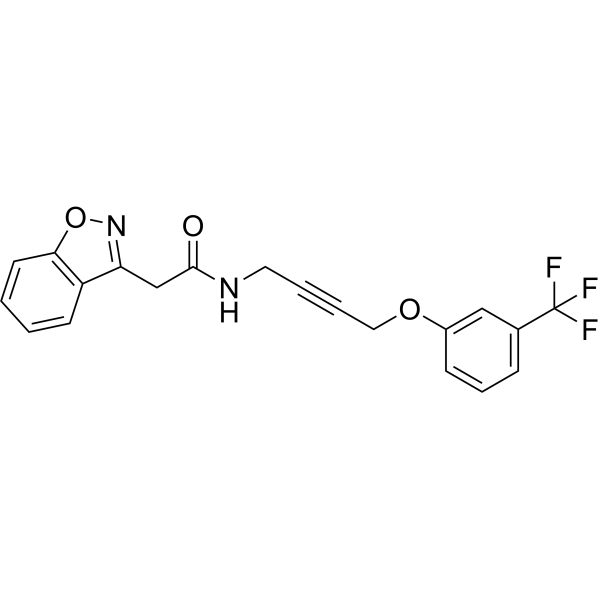 0 ImagesCat. No.: HY-158124CAS No.: 1421464-74-5LasR antagonist 1 (Compound 7) is an antagonist for LasR with an IC50 of 0.4 μM, that modulates the quorum sensing (QS) in the opportunistic pathogen Pseudomonas aeruginosa.
-
Antimicrobial agent-52
 0 ImagesCat. No.: HY-184904Antimicrobial agent-52 is a broad-spectrum Bactericide. Antimicrobial agent-52 exerts rapid bactericidal effects against Gram-positive and Gram-negative pathogenic bacteria. Antimicrobial agent-52 exhibits activity against Staphylococcus aureus, Klebsiella pneumoniae, Acinetobacter baumannii, and Escherichia coli. Antimicrobial agent-52 can be used in the research of bacterial infections.
-
Tecomella undulata extract
 0 ImagesCat. No.: HY-N19083Tecomella undulata Extract, also known as Rohida extract, is a valuable botanical extract derived from the bark and leaves of the Tecomella undulata plant native to the Indian Thar Desert and is rich in bioactive compounds such as flavonoids, quinones, triterpenoids, and other phytochemicals that contribute to its diverse therapeutic properties. This extract is widely recognized for its hepatoprotective effects demonstrated through its ability to protect against liver damage induced by toxins such as paracetamol and carbon tetrachloride by normalizing elevated liver enzyme levels reducing oxidative stress and improving liver function. Additionally, it exhibits significant anti-inflammatory activity comparable to standard drugs like indomethacin and has been used to treat conditions like ascites and hepatosplenomegaly while also showing immunomodulatory effects by enhancing both humoral and cell-mediated immune responses and possessing antimicrobial properties that make it effective against various pathogens. Recent research suggests that Tecomella undulata may have potential in managing nonalcoholic steatohepatitis (NASH) by reducing body weight insulin resistance and improving liver function markers making it a versatile natural remedy with significant applications in hepatoprotection anti-inflammation and immune support.
-
DL-threo-Chloramphenicol-d5
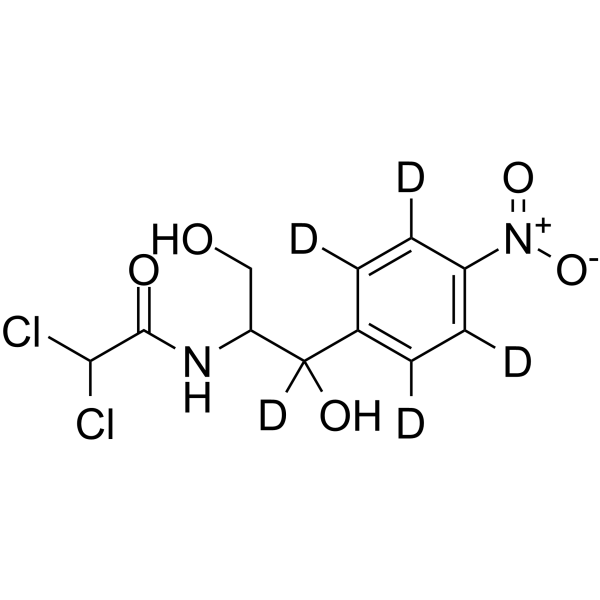 0 ImagesDL-threo-Chloramphenicol-d5 is a deuterium labeled DL-threo-Chloramphenicol. DL-threo-Chloramphenicol is the racemate of Chloramphenicol.
-
Antibacterial agent 180
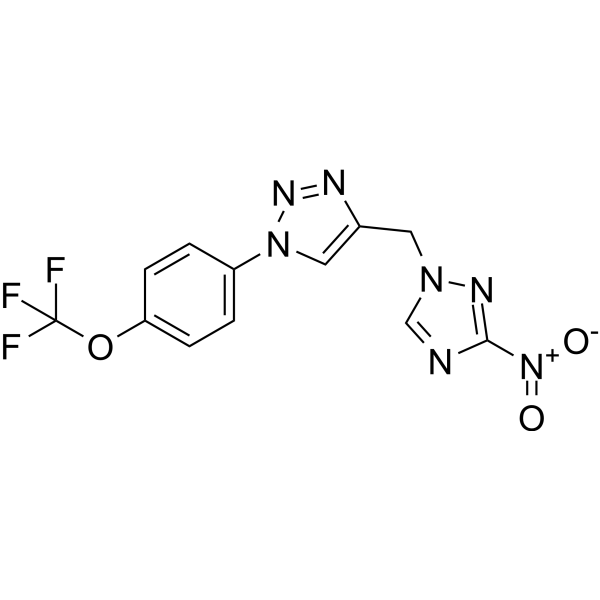 0 ImagesCat. No.: HY-163292CAS No.: 3029324-01-1Antibacterial agent 180 (15g), an appropriate substrate for the type I nitro reductases (TcNTR I), is a promising antitrypanosomatid agent. Antibacterial agent 180 (15g) shows nonmutagenic potential against Salmonella typhimurium strains (TA98, TA100, and TA102).
-
Caulerpin
 0 ImagesCat. No.: HY-N10650CAS No.: 26612-48-6Caulerpin is an orally active natural product with anti-tumor, anti-viral, anti-oxidant, anti-fungal, anti-bacteria and analgesic activities. Caulerpin acts as an inhibitor of mitochondrial ETC complex I and acetylcholinesterase. Caulerpin blocks hypoxia-induced activation of HIF-1α protein, inhibits VEGF secretion and tumor angiogenesis under hypoxic conditions, reduces the expression of NLRP3 and the production of pro-inflammatory cytokines, and suppresses the load of Mycobacterium tuberculosis. Caulerpin can be used in studies related to breast cancer, prostate cancer, tuberculosis and viral infections.
-
IT-143A
 0 ImagesCat. No.: HY-N8336CAS No.: 183485-32-7IT-143A is an antibiotic, that exhibits antibacterial and antifungal activity against Micrococcus luteus and Aspergillus fumigatus with MIC of 6.25-25 μg/mL. IT-143A inhibits growth of cancer cell KB with an IC50 of 0.36 ng/mL.
-
Antibacterial agent 216
 0 ImagesCat. No.: HY-162527Antibacterial agent 216 (Compound 2a) is an antibacterial agent that exhibits significant bactericidal effects when combined with INH and RIF. Antibacterial agent 216 has demonstrated remarkable in vitro anti-tuberculosis activity against Mtb H37Rv and MDR clinical isolates and can be used for tuberculosis research.
-
2-Methoxyjuglone
 0 ImagesCat. No.: HY-N17440CAS No.: 15127-94-32-Methoxyjuglone, a naphthoquinone, is an apoptosis inducer. 2-Methoxyjuglone activates caspase-9 and caspase-3 via the mitochondrial cytochrome c-dependent intrinsic apoptosis cascade. 2-Methoxyjuglone increases pro-apoptotic Bax levels, decreases anti-apoptotic Bcl-2 levels, and promotes mitochondrial cytochrome c release. 2-Methoxyjuglone induces apoptosis morphological features, early apoptosis, S-phase and G2/M-phase cell cycle arrest, and DNA double-strand breaks. 2-Methoxyjuglone exerts activity against Gram-positive bacteria, pathogenic fungi, and phytopathogenic fungi. 2-Methoxyjuglone can be used for the research of hepatocellular carcinoma, osteosarcoma, colon adenocarcinoma, breast cancer, fungal infection, bacterial infection.
-
DC-756
 0 ImagesCat. No.: HY-106998CAS No.: 218281-25-5DC-756 is a fluoroquinolone antibiotic. DC-756 possesses potent activity against Gram-positive and Gram-negative pathogens comparable to Trovafloxacin (HY-A0170), with MIC, against Ofloxacin (HY-B0125)-resistant strains 16-fold better than Trovafloxacin. DC-756 is well absorbed orally in rats and found to have good photostability. DC-756 can be used to study bacterial resistance.




